WHO Recognises Ayurveda. So Why Isn’t It Covered by Insurance?

Biology concept with retro science cartoon icons set vector illustration

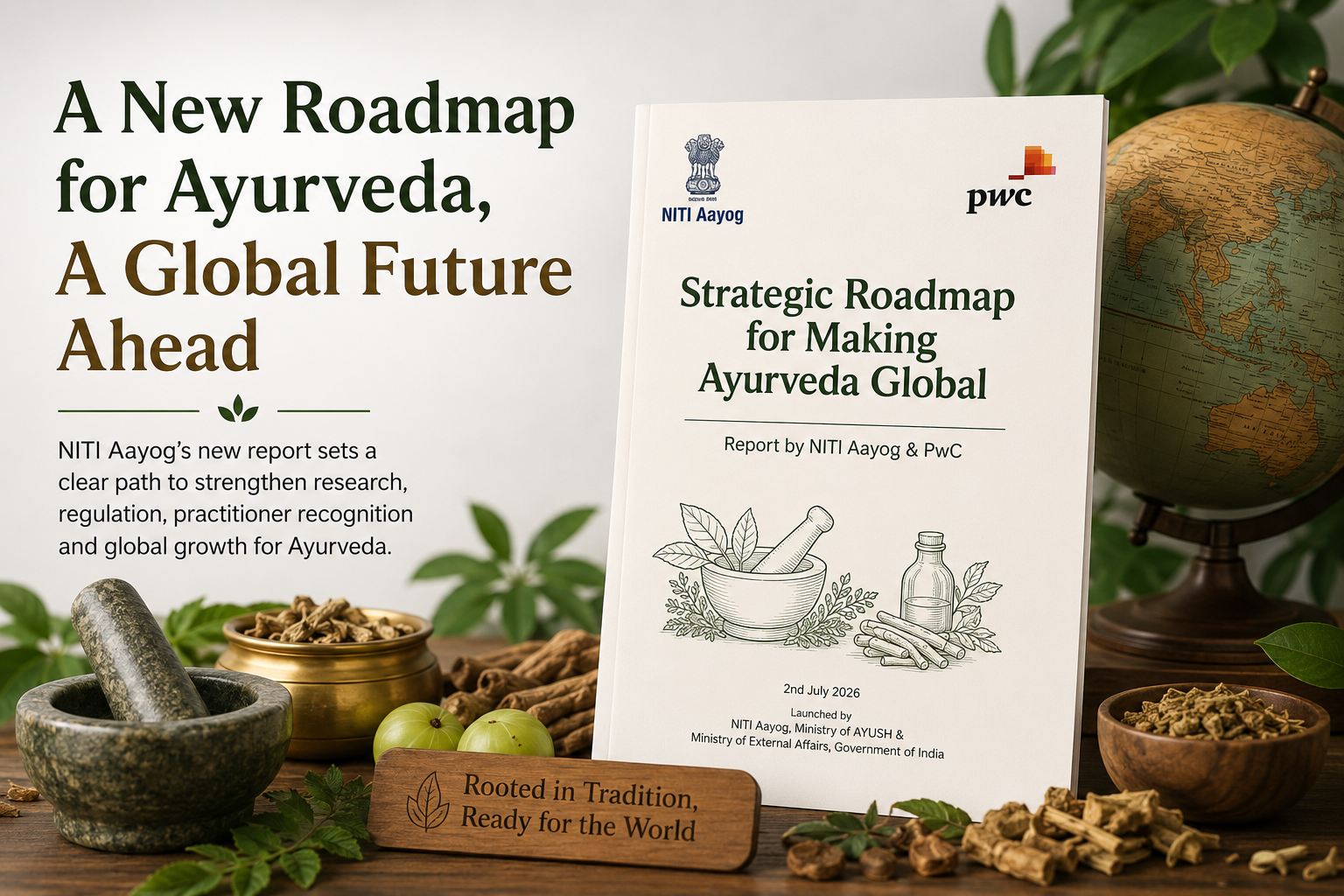
Ayurveda has gained global recognition from the World Health Organization. But in most countries, patients still have to pay for treatment entirely out of pocket. Why?   Over the past few years, Ayurveda has reached several important milestones.   The World Health Organization (WHO) has recognized Ayurveda as an important part of traditional and integrative healthcare. India has also established the WHO Global Traditional Medicine Centre in Jamnagar, backed by significant government investment, to strengthen research, collaboration, and innovation in traditional medicine.   These achievements are important.   They show that Ayurveda is receiving increasing attention at the global level.   But if someone living in London, New York, or Berlin wants Ayurvedic treatment, they’re probably paying for it themselves.   Even if Ayurveda is recognized, it is still not covered by most health insurance plans.   Recognition and access are not the same thing.   Recognition Is Only the First Step   The WHO Global Traditional Medicine Strategy (2025–2034) encourages countries to strengthen research, improve safety and regulation, and integrate traditional medicine into healthcare systems where appropriate.   This is an important step forward.   It gives traditional medicine, including Ayurveda, greater visibility in global health discussions.   However, recognition by the WHO does not automatically mean that a treatment becomes part of a country’s healthcare system.   Every country has its own rules for licensing practitioners, approving medicines, and deciding what treatments insurance companies will pay for.   That is where Ayurveda still faces significant challenges.   What the Current Situation Looks Like   India’s own report, Strategic Roadmap for Making Ayurveda Global, prepared by NITI Aayog and PwC, highlights this gap.   According to the report:   Ayurveda currently has formal recognition in only a limited number of countries. In many international markets, Ayurvedic products are still classified as dietary supplements rather than medicines. Insurance coverage for Ayurvedic treatment remains very limited outside India.   This means that although awareness of Ayurveda is growing, access to affordable treatment has not kept pace.   For many patients, cost remains a major barrier.   India Has Already Shown That Insurance Can Work   Interestingly, this challenge has already been addressed within India.   Health insurance regulations now require insurers to provide coverage for AYUSH treatments, including Ayurveda, under specific conditions.   Many insurance policies now reimburse eligible Ayurvedic treatments in the same way they reimburse conventional medical care.   Hospitals that meet the required standards can offer insured Ayurvedic treatments to patients.   This demonstrates that insurance coverage for Ayurveda is possible.   The systems already exist.   The question is how similar models can be developed internationally.   Why Insurance Matters   Insurance does more than reduce healthcare costs.   It also builds trust.   When an insurance company agrees to cover a treatment, it usually means that the treatment has passed careful reviews related to safety, effectiveness, practitioner qualifications, and clinical evidence.   Without insurance coverage, many patients simply cannot afford long-term care, regardless of how beneficial a treatment may be.   That limits access and slows wider adoption.   Traditional Chinese Medicine Offers an Important Example   Traditional Chinese Medicine (TCM) has made greater progress in this area.   In countries such as Switzerland, certain TCM treatments are included within the national health insurance system when provided by appropriately qualified medical professionals.   This did not happen overnight.   It was the result of years of research, standardized education, practitioner certification, and collaboration with healthcare regulators.   Ayurveda has not yet reached the same stage in most countries.   In many places, it is still classified alongside wellness services rather than integrated into mainstream healthcare.   Why This Gap Still Exists   Insurance providers make decisions based on evidence.   They want answers to questions such as:   Does the treatment improve patient outcomes? Is it safe? Does it reduce long-term healthcare costs? Are practitioners properly trained and regulated?   While research in Ayurveda continues to grow, India’s own policy roadmap acknowledges that larger international clinical studies and stronger evidence are still needed.   This is one of the biggest reasons insurance coverage remains limited.   Recognition creates awareness.   Evidence creates confidence.   Insurance depends on confidence.   What Needs to Happen Next   The good news is that the path forward is becoming clearer.   Several steps could help Ayurveda become more widely accepted by healthcare systems and insurance providers around the world.   These include: Conducting more high-quality clinical research that meets international standards. Generating cost-effectiveness data to demonstrate how Ayurvedic care may reduce long-term healthcare expenses. Creating internationally recognized credentialing systems for qualified Ayurvedic physicians. Expanding the proposed Global Ayurveda Register so practitioner qualifications can be easily verified. Working with governments and insurers to launch pilot insurance programs in countries with growing interest in Ayurveda.   These efforts would provide the evidence and infrastructure that insurers need before expanding coverage.   Recognition Is Important. Access Is the Goal.   The WHO’s recognition of Ayurveda is an important milestone.   It reflects growing international respect for one of the world’s oldest healthcare systems.   But recognition alone does not make treatment affordable.   Patients benefit most when qualified practitioners are accessible, treatments are properly regulated, and insurance makes care financially possible.   India has already shown that this model can work domestically.   The next challenge is building similar systems internationally.   If research, regulation, and professional standards continue to improve, Ayurveda will be in a much stronger position to become part of mainstream healthcare systems around the world.   Recognition opened the door.   The next step is making sure patients can actually walk through it.  

Government Report Confirms What Many Ayurvedic Practitioners Have Been Saying for Years

Ayurveda has immense potential to become a global healthcare system. But for that to happen, it needs stronger infrastructure, better international recognition, and clear global standards.   The new government report says exactly that.   On 2 July 2026, NITI Aayog, in collaboration with PwC, released a report titled “Strategic Roadmap for Making Ayurveda Global.”   It’s an official policy document launched by senior leaders from NITI Aayog, the Ministry of AYUSH, and the Ministry of External Affairs.   One of the report’s biggest messages states clearly that Ayurveda has a strong foundation in India, but it still lacks the systems needed to succeed globally.   For many Ayurvedic practitioners, this isn’t surprising. These challenges have been discussed for years. The difference is that they have now been formally acknowledged in a national policy document.     What the Report Says     The report recognizes that Ayurveda has made significant progress, but it also points out several important gaps that continue to limit its international growth.   One of its key observations is that Traditional Chinese Medicine (TCM) has built a much stronger global ecosystem than Ayurveda.   China has invested heavily in overseas medical centers, international partnerships, standardized regulations, research, and global quality standards.   As a result, TCM has become far more integrated into healthcare systems around the world.   Ayurveda, despite having a rich history and a strong presence within India, has not yet achieved the same level of international recognition.     India Has the Expertise     India has one of the largest traditional medicine workforces in the world.   There are more than 355,000 qualified Ayurvedic practitioners, along with hundreds of thousands of other AYUSH professionals.   Ayurvedic products are now exported to nearly 150 countries, and exports have grown significantly over the past decade.   These are encouraging signs.   However, the report points out that in many countries Ayurvedic products are still sold as dietary supplements rather than recognized medicines.   Likewise, many qualified Ayurvedic physicians are unable to practice internationally because clear licensing and recognition systems do not yet exist.   In other words, India has the expertise.   What it still needs is stronger international infrastructure.     Why This Matters     Recognition is about much more than reputation.   It affects whether qualified Ayurvedic doctors can practice abroad, whether treatments are covered by insurance, whether products receive medical approval, and whether patients know how to identify properly trained practitioners.   Today, many people outside India struggle to distinguish between someone who has completed a five-and-a-half-year BAMS medical degree and someone who has only completed a short certification course.   That creates confusion for patients and makes it harder for qualified professionals to gain the recognition they deserve.     What the Roadmap Proposes     Perhaps the most encouraging part of the report is that it doesn’t just identify problems.   It also outlines a plan for addressing them.   Over the next several years, the roadmap recommends: Developing internationally recognized standards for Ayurvedic education and clinical practice.   Creating a Global Ayurveda Register where qualified practitioners can be verified.   Expanding government-supported Ayurveda centers in key international markets.   Increasing clinical research to strengthen the evidence base for Ayurveda.   Supporting international recognition of Ayurvedic medicines.   Working toward insurance coverage for Ayurvedic treatments in selected countries.   Creating professional pathways that allow qualified Ayurvedic physicians to practice abroad.   Together, these initiatives aim to make Ayurveda more accessible, more credible, and easier to integrate into healthcare systems worldwide.     Why the Global Ayurveda Register Is Important     Among all the recommendations, one stands out.   The proposal to create a Global Ayurveda Register could become one of the most important developments for the profession.   A verified international registry would allow patients, hospitals, employers, and healthcare regulators to confirm that a practitioner has completed recognized medical training.   It would also make it much easier to distinguish fully qualified Ayurvedic physicians from individuals with limited or informal training.   This kind of transparency builds trust, and trust is essential for any healthcare system.   A Roadmap Is Only the Beginning     While the report is an important milestone, it is still only a roadmap.   The real measure of success will be how much of it is actually implemented.   Previous initiatives have introduced valuable programs such as AYUSH Information Cells, international partnerships, academic collaborations, and medical tourism initiatives.   These have all contributed to Ayurveda’s growth.   However, the report also acknowledges that important challenges remain, including international licensing, insurance integration, standardized education, and regulatory alignment.   The next few years will determine whether this roadmap leads to lasting change.     The Future Looks Promising     For many practitioners, this report represents an encouraging shift.   The conversation is no longer focused only on promoting Ayurveda.   It is now focused on building the systems that allow Ayurveda to grow responsibly around the world.   If the proposed initiatives are implemented successfully, they could make it easier for qualified practitioners to work internationally, improve confidence in Ayurvedic products, strengthen research, and provide patients across the world with greater access to authentic Ayurvedic care.     Looking Ahead     Ayurveda has always had the knowledge, the history, and the practitioners needed to make a global impact.   What it has needed is stronger infrastructure.   This new roadmap recognizes that reality and provides a clear direction for the future.   Now the focus shifts from planning to action.   The coming years will show whether these recommendations become meaningful reforms that strengthen Ayurveda’s place in global healthcare.   That is the opportunity ahead.  

Why Most Ayurvedic Doctors Never Practice Outside India, and Why That Needs to Change

Ayurveda has one of the largest trained healthcare workforces in the world. Yet very few Ayurvedic doctors ever practice outside India.   The problem isn’t a lack of talent. It’s a lack of global recognition.   When people talk about taking Ayurveda to a global audience, the conversation often revolves around awareness.   International interest has largely focused on wellness and herbal products.   But they overlook a much bigger challenge.   If qualified Ayurvedic doctors cannot easily practice outside India, how can Ayurveda truly become a global healthcare system?   The answer lies in something far less exciting than marketing.   It lies in regulation, recognition, and infrastructure.     India Has Thousands of Qualified Ayurvedic Doctors     India has built an impressive educational system for Ayurveda.   According to government data, the country has more than 379,000 registered Ayurveda practitioners and over 750,000 registered AYUSH professionals overall.   These aren’t hobbyists or wellness influencers.   Most Ayurveda physicians complete the Bachelor of Ayurvedic Medicine and Surgery (BAMS), a government-regulated medical degree that takes five and a half years to complete.   Their education includes subjects such as anatomy, physiology, pathology, pharmacology, diagnostics, surgery, gynecology, ENT, ophthalmology, and clinical training, alongside classical Ayurvedic principles.   In other words, these are highly trained healthcare professionals.   Yet despite having such a large workforce, very few ever practice outside India.   Inside India, a BAMS degree is a recognized medical qualification regulated by the National Commission for Indian System of Medicine.   Outside India, the situation changes dramatically.   In many countries, the degree has little or no official recognition.   A BAMS-qualified physician moving to countries such as the United States cannot simply continue practicing as a doctor.   Instead, they often have to register through voluntary professional associations that do not grant medical licenses, prescribing rights, or hospital privileges.   This creates an unfortunate situation.   A physician who spent more than five years completing formal medical education may appear no different, from a legal standpoint, than someone who completed a short certification course in Ayurveda.   For patients, employers, and healthcare regulators overseas, distinguishing between the two becomes difficult.     Recognition Builds Trust     Healthcare systems rely on trust.   That trust comes from clear educational standards, licensing systems, and professional regulation.   When hospitals hire doctors or governments approve healthcare providers, they need reliable ways to verify qualifications.   This is where Ayurveda faces an important challenge.   There is currently no widely recognized international system that allows foreign regulators to quickly verify whether someone has completed an accredited BAMS program.   As a result, every country has to assess qualifications independently. Many simply choose not to create formal licensing pathways for Ayurvedic practitioners at all.   Without a straightforward verification process, expanding professional recognition becomes much more difficult.     Traditional Chinese Medicine Took a Different Approach     Traditional Chinese Medicine (TCM) offers an interesting comparison.   China invested heavily in creating international systems that support its practitioners. Government-backed TCM centers operate in numerous countries through official partnerships.   Training standards are clearly defined. Foreign governments have established mechanisms to recognize qualified practitioners.   This doesn’t necessarily mean TCM has better practitioners. It means the profession has stronger international infrastructure supporting those practitioners.   That infrastructure makes global mobility possible.     Why Credentials Matter     As Ayurveda grows in popularity around the world, more people are offering Ayurvedic consultations, wellness coaching, and lifestyle advice.   Some are formally trained physicians. Others have completed shorter courses or self-directed study.   For the average patient, it can be extremely difficult to tell the difference.   That creates confusion. It also affects the credibility of the profession as a whole.   When inaccurate information is shared publicly by someone presenting themselves as an Ayurveda expert, the reputation of qualified practitioners is often affected as well.   Without internationally recognized credentials, patients have no easy way to identify who has completed years of medical education and who has not.     Ayurveda Needs Better Global Infrastructure     The challenge isn’t producing skilled practitioners.   India has already done that. The challenge is building systems that allow those practitioners to be recognized internationally.   Several important steps could help move Ayurveda in that direction.   A globally accessible registry of accredited BAMS graduates would allow patients, hospitals, employers, and healthcare regulators to verify qualifications with confidence.   Mutual recognition agreements between governments could make it easier for qualified Ayurvedic physicians to practice in countries where there is growing demand.   Clear international credentialing standards would also help distinguish fully trained doctors from wellness practitioners with shorter certifications, creating greater transparency for patients.   India could continue working with international organizations such as the World Health Organization to develop consistent benchmarks for Ayurvedic education and professional practice.   Government-supported clinical partnerships overseas could further strengthen the profession by allowing experienced Ayurvedic physicians to work within recognized healthcare institutions abroad.   None of these ideas are unprecedented.   Many healthcare professions already use similar systems to support international mobility and recognition.     The Future of Ayurveda Depends on Its Practitioners     Ayurveda’s global future isn’t limited by a lack of knowledge or skilled professionals.   India already has hundreds of thousands of qualified Ayurvedic doctors who have undergone years of structured education and clinical training.   The real challenge is ensuring that the rest of the world can recognize those qualifications with confidence.   When patients can easily verify a practitioner’s credentials, when healthcare systems understand what a BAMS degree represents, and when governments create clear pathways for qualified physicians to practice internationally, Ayurveda will have a much stronger foundation for global growth.   The medicine has always been ready.   Now it’s time to build the systems that allow the people practicing it to be recognized around the world.  

Ayurveda Is An Alternative Medicine. Alternative To WHAT!?

Ayurveda is often called “alternative medicine”.   But alternative to what?   The word “alternative” suggests that Ayurveda came later, as another option after modern medicine. That is simply not true.   Ayurveda is one of the oldest systems of medicine in the world. It has been helping people understand health, disease, and the human body for thousands of years. It did not begin as an alternative. It existed long before modern medicine as we know it today.   What Ayurveda Actually Does   Ayu means life, and Veda means knowledge. Together, Ayurveda is commonly understood as “the science of life.”   Ayurveda is not just about treating disease.   At its core, Ayurveda looks at both the outer world and our inner world. It teaches us that good health comes from understanding ourselves and living in harmony with nature. It is about understanding how the body functions, what keeps it healthy, and what causes it to lose balance.   Instead of looking at one symptom on its own, Ayurveda looks at the whole person.   It asks simple questions.   Why did this problem develop?   What changed in the person’s lifestyle?   How can balance be restored naturally?   The goal is not only to help someone feel better today but also to support long-term health.   This is one of the biggest differences in the way Ayurveda approaches healthcare.   Rather than waiting for illness to develop, Ayurveda encourages us to recognize subtle changes in the body before they progress into larger problems. It teaches that health is something we care for every day, not something we think about only when we are sick.   That is why Ayurveda places so much importance on daily habits, food, sleep, movement, mental wellbeing, and living according to the seasons. These are not isolated aspects of health. They all influence one another.   When one area is out of balance, it often affects the others as well.   The Importance of Daily Living   One of the most beautiful ideas in Ayurveda is that health is created through our everyday choices.   The way we wake up.   The food we eat.   The time we sleep.   How we manage stress.   How we move our bodies.   These may seem like ordinary parts of life, but Ayurveda considers them the foundation of good health.   This is why Ayurveda places great importance on Dinacharya, or a healthy daily routine, and Ritucharya, living according to the changing seasons.   These are not complicated rules.   They are practical ways of helping the body function in harmony with nature.   Is Ayurveda Against Modern Medicine?   Not at all.   Modern medicine has transformed healthcare. It is essential for emergencies, surgeries, infections, and life-threatening conditions. It has saved countless lives, and it continues to save lives every single day.   Nobody serious about health denies this.   But Ayurveda was never trying to do that job. It was never built for emergency intervention. It was built to place particular emphasis on understanding why health declines in the first place, often before disease becomes advanced or requires emergency care.   Ayurveda was never intended to compete with modern medicine, nor was it meant to serve merely as a backup option.   It is one of the oldest and most complete systems for understanding the human body, built on the simple idea that health is something we build every single day, not something we only think about once it is already gone.   Perhaps it is time to stop asking whether Ayurveda is an alternative.   Instead, ask a different question.   What is Ayurveda trying to achieve?   Its purpose has always been clear.   To help us understand the body.   To maintain balance.   To support health through daily living.   To recognize imbalance early.   And to help people live healthier, more fulfilling lives.   The goals have remained the same for thousands of years.   The world around us has changed dramatically. The way we live, work, eat, and interact with our environment is very different from how our ancestors lived.   Medical science has advanced in extraordinary ways, and our understanding of disease continues to evolve. Yet the basic needs of the human body have remained remarkably consistent.   We still need nourishing food, regular sleep, movement, emotional balance, and a lifestyle that supports our physical and mental wellbeing. These are not modern discoveries.   This is why Ayurveda is often described as a way of life rather than simply a system of medicine. Its teachings extend beyond treating illness.   Ayurveda is far more than the labels often attached to it today.   If you want to understand Ayurveda as it was originally taught, explore our courses and learn directly from the timeless wisdom of the Charaka Samhita and Ashtanga Hridayam.

Why Ayurveda Needs Evidence, Not Excuses!

Some people believe asking Ayurveda for evidence is disrespectful.   I disagree.   Evidence does not weaken Ayurveda. It protects Ayurveda.   It separates real practice from misinformation. It helps the world understand what our teachers preserved for centuries.   The Question of Evidence   Like any other traditional system of medicine, Ayurveda has also faced this criticism and scrutiny over the question of evidence.   As modern healthcare has become increasingly evidence driven, Ayurveda has often been judged against standards developed for the biomedical framework.   This has led many people to dismiss it as unscientific, not because of a lack of knowledge, but because the knowledge has been traditionally generated, preserved, and communicated in a different way from the standards of modern medicine.   To understand this, we need to look at how Ayurvedic knowledge has evolved.   For centuries, Ayurveda was taught through the gurukula system, where learning was transferred from the guru to the disciple.   Students did not simply memorize texts. They observed patients alongside their teachers. Most of the knowledge was practical rather than purely theoretical, and knowledge was often refined through observation and experience.   Ayurveda therefore had its own framework for validating knowledge. It relied on its own set of parameters. What it did not develop was the kind of biomedical research framework that has formed the foundation of modern healthcare today, and this is important.   Ayurveda is one of the world’s most extensively documented traditional medical systems. Classical texts like the Charaka Samhita, Sushruta Samhita, and Ashtanga Hridayam have preserved its principles for centuries.   However, while the core philosophy and knowledge have been documented, clinical practice was never recorded in the systematic manner expected today. Individual case studies, long-term treatment outcomes, and standardized datasets are all part of modern clinical culture.   Where the Gap Actually Comes From   As a result, this historical gap explains why Ayurveda has entered the modern scientific era with a wealth of classical wisdom but comparatively limited research documentation. In recent decades, significant efforts have been made to bridge this gap. Institutions working under the AYUSH framework have invested in research on Ayurvedic formulations, therapies, and clinical practices.   This brings us to another challenge.   Much of this research has been expected to conform to the language and methodology of biomedical science, including its full set of protocols. These are valuable tools, but they were never part of the traditional system of Ayurveda.   Presenting Ayurveda through this different scientific language is not just a challenge; it can lead to gaps in both evidence and translation.   Hence, to address this gap, significant efforts are being made.   Addressing The Gap   In May 2025, the World Health Assembly adopted the WHO Global Traditional Medicine Strategy 2025 to 2034, a ten-year roadmap built specifically to strengthen the evidence base for traditional medicine systems including Ayurveda.   India’s Ministry of Ayush has signed a three-million-dollar agreement with WHO to bring Ayurveda into the International Classification of Health Interventions, the same global data framework biomedicine uses to track treatment outcomes worldwide.   WHO is also building a Traditional Medicine Global Library, already holding over 1.5 million records of evidence maps, clinical journals, and policy documents.   None of this happens for a system that has nothing to prove. It happens because global health authorities have recognized that Ayurveda’s outcomes are real and worth documenting properly.   The medicine was never the problem. The documentation was.   And documentation is not a threat to Ayurveda. It is its greatest opportunity.   Evidence does not exist to replace classical knowledge. It exists to preserve it, strengthen it, and make it accessible to a healthcare system that increasingly relies on measurable outcomes. If Ayurveda is to serve future generations across the world, its principles must be communicated in a language that researchers, physicians, policymakers, and patients can understand.   Authentic knowledge should never be afraid of scrutiny. If a treatment consistently produces positive outcomes, documenting those outcomes only strengthens confidence in that practice.   At the same time, we must also recognise that not every aspect of Ayurveda fits neatly into conventional biomedical research models.   Ayurveda is fundamentally personalised. Two patients with the same diagnosis may receive different treatment plans because their constitution, digestive capacity, lifestyle, stage of disease, and overall health are different. Standardised clinical trial designs often attempt to minimise variation between patients, whereas Ayurveda intentionally incorporates individual variation into treatment decisions.   This means Ayurveda deserves research methods that respect the complexity of whole-system, personalised care rather than forcing every principle into a framework originally designed for modern healthcare standards.   The goal should never be to make Ayurveda imitate modern medicine.   The goal should be to develop rigorous methods that can evaluate Ayurveda on its own principles while maintaining the scientific standards expected in global healthcare.   This is where the future lies.   After treating thousands of patients across the world, one thing has become clear to me. I do not see evidence and tradition as competitors. I see them as two generations of the same commitment: the commitment to helping the person in front of you and being honest about what works.   Our teachers built Ayurveda on direct observation of patients over centuries. Evidence based research is simply the modern language for continuing that same observation, at a scale and rigor our teachers never had access to.   The future of Ayurveda needs both. The wisdom of our ancient texts. And the language of modern validation. One without the other is incomplete.  

Why Ayurveda Is More Relevant Than Ever in Modern Medicine

Homeopathy abstract concept vector illustration. Homeopathic medicine, alternative treatment, holistic approach, homeopathy method, natural drug, naturopathic healthcare service abstract metaphor.

The healthcare industry today is trying to solve problems that are very different from what it was trying to solve fifty years ago.   Because of advancements in technology across every sector and equally rapid changes in lifestyle, the health challenges people face today are completely different from what they were decades ago.   People are now far more prone and susceptible to chronic diseases, lifestyle disorders, stress-related illnesses and metabolic conditions.   Healthcare is no longer just about treating disease after it appears. It is also about understanding why these conditions develop in the first place, who may be more susceptible to them, and how they can be prevented or managed in the long run.   In many ways, healthcare has moved from simply treating disease to understanding the person behind that disease.   This is where Ayurveda comes into the picture.   Although Ayurveda is over two thousand years old, it has always approached health differently. It has always believed in treating the root cause instead of waiting for disease to become the focus of treatment.   According to Ayurveda, our body constantly sends signals about its state of health, and disease is often the final stage of a long-term imbalance rather than the beginning of an illness.   Every individual is unique. Ayurveda had already described health as something very personal.   The basic principles of Ayurveda are built around Prakriti, Dosha and Agni.   The first step in Ayurveda, even before diagnosing or treating disease, is understanding a person’s Prakriti, or individual constitution.   It is believed that every individual has a unique constitution that affects how their body functions, how they respond to food, lifestyle and the environment, and even their tendency to develop certain health conditions.   Doshas, Vata, Pitta and Kapha, are the three functional principles that regulate movement, transformation and structure in the body. Every individual has all three Doshas, but in different proportions, making every person’s physiology unique.   Agni refers to the body’s metabolic fire. According to Ayurveda, healthy Agni is essential for digestion, nutrient absorption and overall health. When Agni becomes weak or disturbed, it can lead to the formation of Ama, or toxins, which accumulate in the body over time and eventually contribute to disease.   Through these concepts, Ayurveda tells us that even two people with the same condition may require completely different treatments because it is not only treating the disease, but also understanding the person, their constitution, what is happening inside their body, and what they may be more susceptible to.   This is why Ayurveda becomes even more relevant when we look at chronic diseases.   In Ayurveda, chronic diseases are known as Chirakari Vyadhi, which means conditions that develop gradually because of long-standing imbalances caused by improper diet, unhealthy lifestyle, disturbed metabolism and psychological factors.   Disease is not viewed as something that suddenly appears. It is understood as the result of imbalances that have been developing over time.   That is why Ayurveda places equal importance on both physical and mental health because it recognises both as contributing factors to a person’s overall well-being.   Treatment is therefore not limited to medicines alone. Depending on the individual’s condition, it may include dietary changes, lifestyle modifications, therapies, herbal medicines, yoga, meditation and Panchakarma.   In essence, Ayurveda looks at the body, the mind and the spirit as interconnected, rather than treating them separately.   If all these ideas sound familiar today, it is because modern healthcare is increasingly moving towards personalised medicine, preventive healthcare and long-term disease management.   Yet despite this comprehensive philosophy, Ayurveda is still viewed by many people as a system of herbs, detoxes and supplements.   How did that happen?   Part of the answer lies in history.   During the colonial period, when the British came to India, they brought Western medicine with them and favoured it within the colonial healthcare system. Ayurveda was gradually pushed to the margins. Ayurvedic practitioners were discredited, traditional institutions lost support, and Western medical education became the preferred system.   Even then, Ayurveda did not disappear completely. States like Kerala continued to preserve classical Ayurvedic knowledge, with generations of Vaidyas passing it down through practice and teaching.   But history is only one part of the story.   Over time, Ayurveda also became commercialised. Instead of being understood as a complete healthcare system, it gradually became associated with the products it prescribed.   Today, when most people hear the word Ayurveda, the first thing that comes to mind are herbs, turmeric, detoxes and supplements, rather than physician consultation, constitutional  diet, lifestyle and preventive healthcare.   Somewhere along the way, an entire healthcare system came to be viewed merely as a supplement industry.   That perception, however, is beginning to change.   The NITI Aayog–PwC report released earlier this week highlights both Ayurveda’s global reach and its biggest challenge. Ayurveda is now formally recognised in nearly 30 countries, and India has more than 355,000 trained Ayurvedic practitioners. Yet almost 95% of them never practise outside India.   The report also notes that Ayurvedic product exports have doubled from US$1.09 billion in 2014 to US$2.16 billion in 2023, reaching nearly 150 countries. However, most of these products are still classified internationally as dietary supplements rather than medicines because of regulatory gaps.   That single statistic explains a lot.   The world is buying Ayurveda as a supplement because Ayurveda has not yet fully entered the medicine category globally.   At the same time, research is also moving forward.   For years, Ayurvedic clinical trials have been criticised for methodological limitations such as small sample sizes, single-centre studies and inadequate reporting. A 2025 update to the international CONSORT reporting standards is now encouraging Ayurvedic clinical research to follow the same level of rigour expected in modern medical research.   New fields such as Ayurgenomics are exploring whether concepts like Prakriti have measurable biological and genetic correlations that may help explain why individuals respond differently… Continue reading Why Ayurveda Is More Relevant Than Ever in Modern Medicine

Hypothyroidism: Why Your Metabolism Is Slowing Down

You’re doing everything “right” – eating well and sleeping enough. But you’re suddenly gaining weight, feeling tired all the time, or struggling with brain fog. Eventually, you get a diagnosis that brings both answers and new questions: hypothyroidism.   And it’s not just you. Hypothyroidism is becoming increasingly common these days.   If you’ve been diagnosed with hypothyroidism, or if you suspect something is wrong with your metabolism, read till the end to understand what’s happening inside your body and more importantly, what you can actually do about it.     What Is Hypothyroidism?   Hypothyroidism occurs when your thyroid gland doesn’t produce enough thyroid hormones. These hormones, primarily T3 and T4, are responsible for regulating your metabolism, which is essentially the rate at which your body burns calories and converts food into energy.   The condition is usually diagnosed through blood tests measuring TSH (Thyroid Stimulating Hormone) and free T4 levels.   Hashimoto’s thyroiditis is the most common cause of autoimmune hypothyroidism. In this condition, the immune system mistakenly identifies thyroid tissue as a threat and gradually attacks it. Over time, this immune response damages the thyroid gland’s ability to produce adequate hormones, leading to progressive slowing of metabolism.   Unlike temporary thyroid dysfunction caused by stress or nutrient deficiencies, Hashimoto’s is a chronic immune-mediated condition.   The immune system produces antibodies, most commonly thyroid peroxidase (TPO) antibodies and thyroglobulin antibodies, which interfere with normal hormone production.     The Hereditary Truth     Here’s something most people don’t realize: if your family has a history of hypothyroidism, your risk of developing it is significantly higher. Your thyroid hormone production capacity is determined by genetics.   In practical terms, if your mother has Hashimoto’s thyroiditis, your risk of developing the same condition is extremely high. Genetic inheritance plays a powerful role in autoimmune thyroid disorders, making proactive screening and preventive care essential. This is a condition that requires careful attention, regular monitoring, and early supportive measures rather than waiting for hormone levels to decline.   Some people are even born with congenital hypothyroidism, a condition present from birth where the thyroid gland doesn’t develop properly or function from the start.   But, even if you inherit the genetic tendency toward hypothyroidism, you might never develop it if you manage your lifestyle well. Conversely, you can be genetically resilient but still develop hypothyroidism if you’re exposed to enough environmental stressors.     The Ayurvedic View     In Ayurveda, hypothyroidism is understood through the concept of Udanavrita Samana Vata. It means, your thyroid problem starts with an imbalance in two Vata subtypes in your body, combined with excess Kapha heaviness.   Your thyroid gland is located in the throat region, which is governed by Udana Vata, one of the five subtypes of Vata Dosha. When Udana Vata becomes aggravated, it directly impacts your thyroid function.   This imbalance then spreads downward to Samana Vata, the type of Vata energy responsible for digestion and the absorption of nutrients.   When both Udana and Samana Vata are compromised, your Agni (digestive fire) becomes weak. This is when excess Kapha physically surrounds and blocks the Vata energy in your throat and digestive system.   The main symptoms are weight gain, bloating, constipation, water retention, sluggishness and cold intolerance.     Can Hypothyroidism Be Reversed?     This is one of the most common questions people ask after receiving a thyroid diagnosis. The honest answer is, it depends on the root cause, the stage of the condition, and how consistently lifestyle changes are applied.   If hypothyroidism is caused by temporary stress, nutritional deficiencies, gut imbalance, postpartum hormonal shifts, or early metabolic dysfunction, the thyroid can often recover partially or even completely with the right interventions.   However, if the condition is autoimmune (such as Hashimoto’s thyroiditis) or if the thyroid tissue has been significantly damaged, full reversal may not always be possible. In these cases, the focus shifts toward slowing progression, optimizing hormone levels, reducing symptoms, and improving overall quality of life.   The encouraging news is that regardless of the cause, your body can respond remarkably well when metabolic stress is reduced and digestion, immunity, and hormonal balance are supported properly.   Why Additional Testing is Important?     In some individuals, standard thyroid blood tests such as TSH, T3, and T4 may appear completely normal, yet the person continues to experience classic symptoms of hypothyroidism. These symptoms may include cold hands and feet, excessive sleepiness after meals, forgetfulness, slow metabolism, low energy, difficulty concentrating, and overall sluggishness.   In such cases, it becomes essential to evaluate thyroid antibodies, specifically:   Anti-TPO (Thyroid Peroxidase Antibodies) Anti-TG (Thyroglobulin Antibodies)   These tests help detect whether the immune system is attacking the thyroid gland, even before hormone levels become abnormal. Elevated antibody levels often indicate early or developing Hashimoto’s thyroiditis.     A Structured Path Toward Thyroid Balance     Rebalancing the thyroid is rarely about quick fixes or isolated treatments. From an Ayurvedic perspective, true healing happens when the body’s internal constitution is supported consistently through nutrition, daily routines, detoxification, emotional balance, and personalized care.   Personalized Assessment   Every individual has a unique constitution, digestive strength, stress response, emotional pattern, and lifestyle rhythm. A comprehensive assessment identifies the dominant doshic imbalances, digestive efficiency, toxin load, sleep quality, hormonal history, and mental resilience.   Strengthening Agni (Digestive Fire)   Healthy metabolism begins in the gut. When digestion improves, nutrient absorption becomes efficient, inflammation reduces, and hormone conversion stabilizes. Warm, freshly prepared meals, mindful eating, proper meal timing, hydration, and digestive herbs support Agni naturally.   Reducing Metabolic Toxins (Ama)   Detoxification practices help clear stagnation from tissues and channels. Gentle cleansing, proper elimination, hydration, breathing practices, and seasonal routines prevent toxin accumulation and support cellular rejuvenation.   Nourishing Ojus   Ojus represents immunity, vitality, resilience, and hormonal stability. Chronic stress, irregular lifestyle, excessive stimulation, poor sleep, and digestive weakness gradually deplete Ojus. Rebuilding Ojus requires nourishing foods, emotional balance, rest, grounding routines,… Continue reading Hypothyroidism: Why Your Metabolism Is Slowing Down

Ayurvedic Gut Health: The Hidden Key to Clear Skin & Radiant Hair

In a world full of trendy diets, gut-reset teas, and skin-brightening serums, we forget the most fundamental truth of healing: everything begins in the gut.   Ayurveda has repeated this for more than 5,000 years.   If your hair feels weak… If your skin looks dull… If your energy is low… If breakouts, hair fall or bloating are your daily visitors…   Then the first place to look is not your bathroom shelf,  but your digestive system.   This is where Ayurvedic gut health begins: a deep, intelligent process that restores balance, ignites metabolic fire, removes toxins, and nourishes you from within.   If you’ve been struggling with persistent hair loss, acne, dullness, or low energy, before you reach out for another serum or supplement, read on. Because maybe the answer isn’t on your shelf, but inside your body.     Why the Gut Is the Root of Beauty    In classical Ayurvedic texts like Charaka Samhita and the Ashtanga classics, all our bodily tissues (dhatus) and life energies (doshas) are nourished and maintained through a process that begins in the digestive system, known as “Agni” (digestive fire). A balanced Agni digests food properly, absorbs nutrients efficiently, and ensures toxins (ama) don’t accumulate.   But when Agni is weak due to poor diet, stress, irregular lifestyle, or toxins, digestion becomes inefficient. Food isn’t processed properly, nutrients don’t reach deep tissues, toxins accumulate, and the whole physiology and metabolism get disturbed.   Ayurveda says:   “Rogaḥ sarve api mande agnau” All diseases arise due to weak digestive fire.   Your digestive fire (Agni) is the engine that fuels every tissue in the body.   When it’s strong: Food is digested effortlessly Nutrients reach the deepest tissues Hormones and metabolism stay balanced Skin glows Hair grows strong   When Agni weakens: Food sits undigested Toxins (ama) accumulate Blood becomes impure Skin breaks out Hair starts thinning Mind becomes foggy Immunity drops   This is why Ayurveda calls gut imbalance the root cause of most beauty and health concerns.     How Poor Gut Health Impacts Hair & Skin Here are key ways in which a disturbed digestive system (weak agni / imbalanced gut) sabotages hair and skin health:   Poor nutrient absorption — Vital nutrients (vitamins, minerals, healthy fats) never reach deeper tissues (like hair root or skin dermis), hence hair weakens, and skin loses radiance. Toxin (ama) accumulation — Undigested food and metabolic waste build-up leads to internal inflammation; skin eruptions, dandruff, breakouts, or scalp irritation follow. Dosha imbalance — Gut imbalance often disbalances doshas (especially Pitta and Vata), which can manifest as premature greying, dryness, inflammation, dryness, or excessive oiliness. Hormonal & metabolic stress — Poor digestion burdens the liver, reduces immunity, disturbs hormones — leading to hair fall, skin dullness, fatigue, mood swings, and insomnia. Thus, what you see outside, i.e., hair fall, skin troubles, is often a reflection of what’s going wrong inside.   Almost every chronic beauty issue has a digestive origin. This is why external products alone will never give long-term results.     Modern vs. Ayurvedic View: Why External Care Isn’t Enough   Modern skincare says: “Fix it from the outside.”   Ayurveda says: “Fix the root.”   Modern haircare says: “Use this serum and reduce hair fall in 7 days.”   Ayurveda says: “Cleanse toxins, ignite Agni, nourish roots, balance emotions, fix sleep — and hair will grow.”   This is why Ayurvedic gut health is not a trend. It is a timeless truth.     How Ayurveda Heals the Gut (and Everything Else) To repair the gut, Ayurveda follows a powerful 4-step framework:   1. Ignite Agni (Digestive Fire) Ways to strengthen Agni naturally: Eat warm, freshly prepared meals Sip warm water throughout the day Avoid ice-cold drinks Add spices like cumin, ginger, and fennel Eat meals at the same time daily Never overeat or skip meals Stop emotional eating A strong Agni is the biggest beauty secret Ayurveda offers.   2. Remove Ama (Toxins) Toxins form when digestion is weak. Signs you have ama: Coated tongue Lethargy Bloating Low appetite Constant hair fall Foul body odor Puffy eyes Breakouts   Ayurvedic toxin-removal methods include: Light fasting Herbs like Triphala Warm water cleansing Gentle sweating (yoga/steam) Rasayana therapies Panchakarma (under guidance) Clean gut → clean skin → clean mind.   3. Nourish Tissues (Dhatus) Once digestion is restored, deeper tissues get nourished: Rasa → Skin hydration Rakta → Clear complexion Mamsa → Firmness of skin Meda → Balanced oils Asthi → Strong hair roots Majja → Scalp + nervous system health Shukra → Glow & vitality Hair and skin repair happen automatically when dhatus receive clean nutrition.   4. Balance Doshas  Each dosha affects the gut and beauty differently:   Vata imbalance Signs: Dry skin, frizz, split ends, anxiety, constipation Balance with: warm oil massage, grounding food Pitta imbalance Signs: Acne, heat rashes, inflammation, premature greying Balance with: cooling foods, early sleep, calm routines Kapha imbalance Signs: Oily scalp, dandruff, puffiness, congestion Balance with: light meals, movement, digestive spices     7-Step Simple Ayurvedic Gut Routine (Begin Today) Here’s a beginner-friendly Ayurvedic routine you can start immediately:   Morning Routine  Wake up at Brahma Muhurta (before sunrise) in silence Brush teeth. Tongue-cleaning (with a copper or stainless steel tongue-scraper): Gently remove the overnight coating from your tongue to clear toxins and stimulate digestion. Oil-pulling (Gandusha/Kavala): Swish a tablespoon of warm sesame or coconut oil in your mouth for 5–15 minutes, then spit out (don’t swallow). This helps detoxify the mouth, supports gum/ oral health, and stimulates digestive fire.  Drink a glass of warm water (Ushapaan) to wake up your internal digestion (agni) gently. Self-massage (Abhyanga) or at least a light oil application and stretching / gentle yoga to awaken the body, improve circulation, stimulate lymphatic flow, and prepare the body for the day. Finish with a warm shower to feel fresh and balanced as you begin the day.   Breakfast (8–9 AM) Warm, easy-to-digest foods: Poha Upma Khichdi Stewed apples Warm oats… Continue reading Ayurvedic Gut Health: The Hidden Key to Clear Skin & Radiant Hair

Virechanam | The Ayurvedic Detoxification Technique

If you feel your body needs a good, deep cleanse — more than just drinking detox teas or juices, Ayurveda has a millennia-old, time-tested approach to detox your system from within – Virechanam.  It is one of the five therapies of Panchakarma, a powerful detoxification technique of Ayurveda that helps remove all the toxins, particularly associated with Pitta Dosha.  If you are experiencing skin issues (like acne or eczema), slow digestion, or even unexplained grumpiness, this therapy can break that cycle and help your body get back to balance. But before you even think about undergoing Virechanam, let’s break it down — what it is, how it works, who should and shouldn’t do it, and what you should eat before and after for maximum results.     What is Virechanam in Ayurveda ?     Virechana or Virechanam is a controlled purgation therapy used to clear excess Pitta Dosha and toxins (Ama) from the body through the GI (gastrointestinal) tract. It is  designed to eliminate toxins without weakening the body.    Rather, it leaves you more refreshed and rejuvenated.    Here’s how it works:   Preparation phase (Purva Karma)   Before the actual detox, the body is readied with Snehapana (internal oleation with medicated ghee) and Swedana (sweating therapy) to loosen toxins.   Main procedure (Pradhana Karma)   A carefully selected herbal purgative is administered to induce controlled bowel movements, flushing out toxins.   Post care (Paschat Karma)   The digestive fire (Agni) is weak after detox, hence, diet and lifestyle should be handled delicately to facilitate proper recovery.     Virechanam Ayurvedic Detox Benefits     Why should someone go through Virechanam? Here are some incredible benefits:   Liver detoxification    Virechanam eliminates excess Pitta, making it one of the best treatments for abdominal health. The stomach and small intestine are the seats of Pitta. Therefore, it can be beneficial for those with fatty liver, jaundice, or excessive heat in the body.   Skin diseases and allergies   According to Ayurveda, the root cause of major skin problems like acne, eczema, psoriasis, and urticaria (Sheetapitta) lies in poor liver health and Pitta aggravation. Virechanam helps balance Pitta dosha and restores liver health. This prevents the recurrence of skin conditions and promotes a healthy glow.   Weight loss   Since this therapy targets the intestines where major digestion happens, the healing starts immediately. As the gut gets rid of toxins, Agni increases resulting in better nutrient absorption and improved metabolism promoting weight management.   Mental clarity and emotional balance   Since Virechanam clears accumulated Pitta, it also helps to reduce anger, frustration, and irritability. A balanced Pitta fosters a sense of calm.   Digestive Health    As Virechanam cleans the gut, it helps to relieve chronic acidity, constipation, indigestion and bloating.     Virechanam Therapy for Liver Detox     In Kerala, if you really love someone, you say, “Ente Karale.”   It means ‘Oh, my dear liver.’   Yes, it is neither the heart nor the brain; but the liver that has been designated as the most important organ in the body.    The liver does multiple jobs – detoxification, blood purification, fat metabolism and so on.    According to Ayurveda, the liver is the seat of Pitta Dosha. Over time when we constantly consume unhealthy food, live in stress, and lead an unhealthy lifestyle; the liver suffers an overload. With its Pitta getting imbalanced, the liver becomes fatty and leads to inflammation in the body.    Virechanam is like a reset button as it helps the liver to function optimally. To be honest, I’ve seen patients with serious skin problems, stubborn acne, and sluggish digestion do wonders after Virechanam. It’s like unclogging a drain. The moment toxins are removed, everything flows better!     Who Should and Shouldn’t Undergo Virechanam Therapy ?     Virechanam is best suited for:   People with excess Pitta Dosha (heat-related issues) Chronic acidity, ulcers or poor digestion Liver disorders like fatty liver or jaundice Skin conditions like acne, eczema and psoriasis Frequent anger, irritability or stress due to Pitta imbalance Obesity and slow metabolism   You should avoid it, if:   Pregnant or lactating women People with extreme weakness or low body weight Those with severe diarrhea or dehydration issues Children and the elderly unless prescribed by an expert     Virechanam Diet: What to Eat Before and After     Before Virechanam, you are advised to eat light foods to prepare the body. After this therapy, digestion is weak, so again careful dietary management is required.   Before Virechanam:   Light khichdi or rice gruel (Peya) Warm, cooked foods with minimal spices Buttermilk for digestion (Takra)   After Virechanam:   Start with rice gruel (Peya) and gradually move to cooked vegetables Avoid spicy, oily, and heavy foods Sip on warm water or herbal teas to keep digestion smooth   This is just a basic guide. As you undergo the treatment, the doctor will guide you with a detailed diet plan that needs to be followed meticulously throughout the day.     Best Herbs for Virechanam Detox in Ayurveda     Many herbs are used in Ayurveda for Virechanam, depending on the Prakriti and condition of the patient. Some of the commonly used ones are: Triphala – A gentle detoxifier for the intestines and liver Aragvadha (Cassia fistula) – Best for clearing excess Pitta Haritaki – Improves digestion and prevents bloating Amalaki (Indian Gooseberry) – Strengthens the liver and boosts immunity Draksha (Raisins) – A mild laxative that nourishes the body     Virechanam vs. Vasti: Which Ayurvedic Detox is Better ?     Many people ask me—should I do Virechanam or Vasti? The answer depends on your Dosha imbalance. Virechanam is primarily performed for Pitta aggravation (heat, acidity, skin problems, liver problems) Basti is best for Vata disorders (joint pain, constipation, anxiety, dryness).     Key Differences: Virechana vs. Vasti Feature  Virechana Vasti Targets Dosha Pitta (Heat, inflammation, toxins) Vata (Dryness, constipation, joint issues) Detox Pathway Intestines (Bowel movements) Colon (Enema therapy) Treatment Type Purgation (Laxative-based cleansing) Medicated enema (Oil or herbal decoction) Best For… Continue reading Virechanam | The Ayurvedic Detoxification Technique

Struggling with Pain and Stiffness? Try Njavarakizhi!

Imagine a therapy that combines the nourishing qualities of rice and milk to rejuvenate your body and alleviate various ailments. This is precisely what Njavarakizhi offers – a unique Ayurvedic treatment that harnesses the power of nature to promote healing and well-being.   What is Njavarakizhi ?   ‘Njavara’ refers to a particular variety of rice harvested in 60 days, renowned for its medicinal properties. ‘Kizhi’ means poultice or pouch made of cloth. Njavarakizhi is a rice poultice used to treat several health conditions.   Navarakizhi, also known as Shashtika Shali Pinda Sweda, is a specialized Ayurvedic therapy that combines the nourishing properties of milk and a unique type of rice called Shashtika Shali or Njavara rice. This treatment induces sweat, thus helping build muscle strength, restore the body, and decrease pain and stiffness caused by different musculoskeletal and neuromuscular conditions.   Unlike other Ayurvedic Swedana (sweating) therapies, Njavarakizhi also delivers deep nutrition to the tissues, making it ideal for rejuvenation.   The Unique Ingredients: Njavara Rice and Milk   Njavara rice steamed in milk and particular herbal decoctions constitutes the chief ingredient of the poultice or Njavarakizhi. As a nourishing medium, the milk also bolsters the therapy’s ability to strengthen and restore all of the body tissues, with specific emphasis on muscle and joint tissue.   Njavara rice is a unique grain that is rich in essential amino acids, antioxidants and vital nutrients that help repair damaged tissues. Unlike regular rice, Njavara is known for its Vata and Pitta-balancing properties, making it a preferred choice for conditions caused by excess dryness and heat in the body.     The Njavarakizhi Procedure   Njavarakizhi is a type of Pinda Sweda therapy, a specialized Ayurvedic sudation treatment. One of the key Pinda Sweda benefits is its ability to deeply nourish and rejuvenate the muscles while also relieving pain and stiffness   Njavarakizhi involves a very systematic and well-defined 3 step procedure:   Purvakarma (Preparation)   The first stage in which the body receives a full-body massage with medicated oils to get it ready for the main treatment. The massage relaxes the muscles and opens the channels for high absorption of the therapeutic substances.   The medicated oil is chosen based on the individual’s Dosha imbalance. For instance, Bala Tailam is often used for nerve-related disorders, while Dhanwantharam Tailam is used for post-surgical recovery and joint pains.   Pradhana Karma (Main procedure)   Here, the poultices prepared by filling the cooked Njavara rice mixture are heated and applied to the body. The therapist gently massages the whole body with the warm boluses paying attention to the specific areas that need attention. The heat and healing nature of the poultices allows deep penetration into the tissues, encouraging sweating and eliminating toxins.   Each session lasts between 45-60 minutes, and the treatment is performed in synchronized rhythmic movements to enhance its therapeutic effects. The continuous application of warm herbal rice boluses helps in cellular rejuvenation, improving circulation, and enhancing metabolic functions.   Paschat Karma (Post procedure)   The remaining paste is removed, followed by a gentle massage with medicated oils. It is important to take enough rest to help the body integrate the healing effects.   After the therapy, it is advised to drink warm herbal water or light herbal tea to support detoxification. Following a Pitta and Vata-pacifying diet also enhances the results of the treatment.     Benefits of Njavarakizhi   As an effective Ayurvedic therapy for joint pain, Njavarakizhi reduces inflammation, improves circulation and strengthens muscles, making it beneficial for arthritis and musculoskeletal disorders.   Improves muscle strength: The treatment provides nutrition and strength to muscle tissues making it a most sought after treatment for muscle weakness or atrophy.   Revitalizes the body: Njavarakizhi rejuvenates the body by promoting blood circulation and detoxification. Hence it imparts a sense of overall well-being.   Reduces joint pain: The herbal decoctions used in the therapy possess anti-inflammatory properties that reduce joint pain and stiffness, providing relief in conditions like arthritis.   Enhances skin texture: Regular Njavarakizhi sessions can make your skin firmer and more radiant.   Balances Doshas: It helps in balancing the body doshas (Vata, Pitta and Kapha) and thereby maintaining health and harmony.   Boosts energy levels: Unlike regular oil massages, Njavarakizhi strengthens the nervous system and restores physical energy, making it beneficial for those experiencing chronic fatigue or weakness.   Supports digestion: The treatment has a positive impact on gut health by improving Agni (digestive fire), making it useful for individuals with weak digestion and poor nutrient absorption.     Njavarakizhi for Various Health Conditions    Njavarakizhi is a deeply rejuvenating Ayurvedic therapy that provides relief from various musculoskeletal, neurological, and degenerative conditions. Below are some key health conditions where this treatment is highly useful:     Arthritis (Osteoarthritis and rheumatoid arthritis)   Njavarakizhi is a highly effective Ayurvedic treatment for arthritis, particularly for conditions like osteoarthritis and rheumatoid arthritis. By improving joint mobility and reducing inflammation, this therapy helps patients manage arthritis symptoms naturally.    Njavarakizhi helps in:   Reducing joint stiffness – The warmth of the herbal poultice goes deep into the joints thereby improving flexibility.   Alleviating pain and inflammation – Milk and other herbal decoctions act as painkillers and soothe inflamed joints.   Strengthening the joints and muscles – The therapy provides deep nourishment due to the presence of strong ingredients like milk and rice. Both of these have the property of slowing down the degeneration of joints and muscles.   For all these benefits, it is highly beneficial for people with chronic joint pain, stiffness, and swelling.     Muscular dystrophy and muscle weakness   Muscular dystrophy leads to progressive muscle weakness. Njavarakizhi helps in:   Strengthening weak muscles – The therapy nourishes the tissues and improves muscle strength.   Preventing further degeneration – Regular sessions slow down muscle loss.   Improving mobility and flexibility – Heated medicated boluses relax the muscles and promote movement.     Paralysis (Hemiplegia, paraplegia and facial paralysis)   Njavarakizhi is commonly used for patients recovering from strokes, Bell’s Palsy or nerve damage… Continue reading Struggling with Pain and Stiffness? Try Njavarakizhi!