
Daily Abhyanga: Ayurvedic Oil Massage for Healthy Skin and Joints

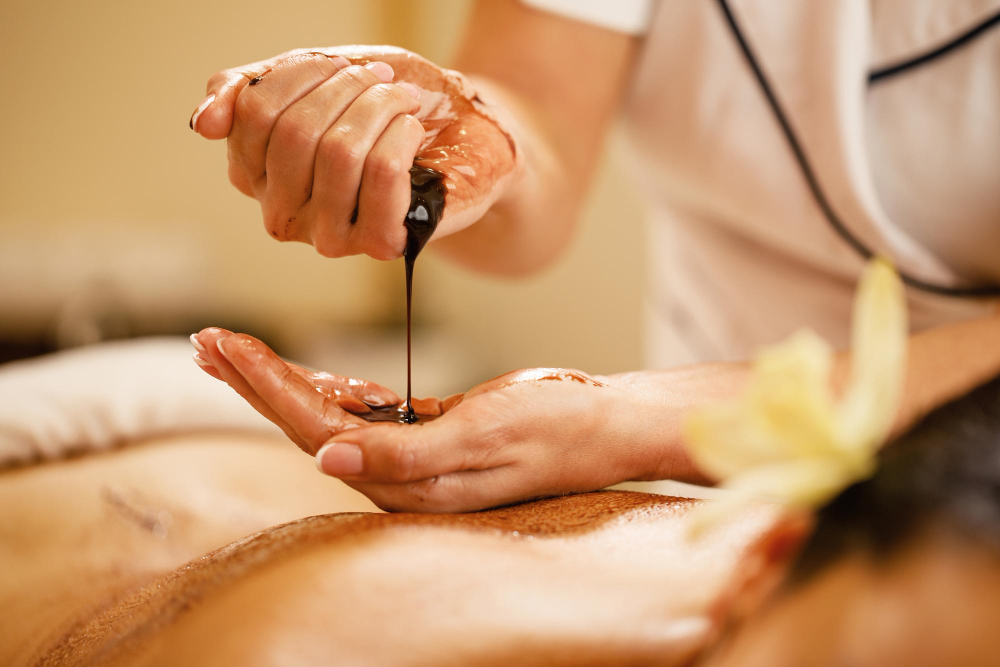
Abhyanga, or daily oil massage, is one of the simplest and most effective practices I recommend in Ayurveda. In fact, Ayurveda talks about Abhyanga as something you should do every single day of your life.   Just as we take care of our teeth every day by brushing them, Ayurveda recommends caring for the body daily through Abhyanga.   The best part is that Abhyanga does not require any special equipment or complicated techniques. With the right oil and a few minutes of your time, you can make it a valuable part of your daily routine.   It is good for your complexion, good for your skin health, and good for improving the flexibility and mobility of your joints. Overall, Abhyanga is a daily practice that can support your long-term health and well-being.     Why Should You Do Abhyanga?     Abhyanga is good for improving complexion. It is good for improving skin health. It is also good for improving the flexibility and mobility of your joints.   Ayurveda explains that Abhyanga helps reduce the pace at which you age. Because of these benefits, Abhyanga is something that Ayurveda recommends as a daily practice.     What Oil Should You Use for Abhyanga?     The best oil that can be used for Abhyanga is organic black sesame oil. Different people use different oils and different varieties, but it is important to get the best quality oil possible. The darkest oils are usually considered the best quality. Good organic black sesame oil is not cheap, but using a high-quality oil can make a difference.   How to Do Abhyanga?   Before starting Abhyanga, it is important to understand that Ayurveda gives special importance to certain parts of the body. These are the mandatory areas that should receive massage.   They include the head, especially the top of the head, the palms, the feet, the navel, the ears, and the face.   Start by taking oil in your palms and applying it to the top of your head. Massage the scalp with your fingers. If you wish, you can also massage the length of your hair. After that, massage your face, hands, feet, and then the rest of your body.   Ayurveda places special importance on the joints because they are areas where Vata accumulation happens easily. In every joint, bones come together and movement takes place. Whenever there is movement, Vata increases. If there is dryness, Vata also increases.   Because of this, the joints need regular oil application.   Applying oil to the joints every day is similar to using lubricant in a car or machine. A machine functions better and lasts longer when it receives the right amount of lubrication. In the same way, regular oil application supports the joints.   When massaging the joints, use circular movements. For the other parts of the body, use long strokes. While massaging the legs, move upward toward the heart because you want the blood flow toward the heart.   For the hands and legs, use folded movements along the length of the limbs to massage the long bones.     When Should You Do Abhyanga?     You can do Abhyanga in the morning or in the evening based on your convenience. However, the ideal time is in the morning.   After applying oil to the body, spending a little time outside in the sun can be beneficial. According to Ayurveda, this is especially useful when you are using sesame oil for your massage.     Who Should Do Abhyanga?     Every single person can do Abhyanga. This includes people with Vata Prakriti, who usually have a lean and thin body type, Pitta Prakriti, who generally have a medium body type, and Kapha Prakriti, who may have a heavier body type.   For Kapha Prakriti, you can apply oil to the body, but massage should be avoided. If you are extremely obese and your BMI is above 32 or 35, it is better not to use oil massage because it can increase Kapha in the body. If you are only slightly overweight, you can apply oil to the skin but skip the massage.     What Should You Do After Abhyanga?     After massaging your body with oil, leave the oil on the body for five to ten minutes if possible. This gives the body time to absorb the oil. If you do not have time, you can take a shower immediately.   Warm water is ideal for the body, while room-temperature water is ideal for the hair. To remove the oil, you can use herbal bath powders. You can also prepare your own herbal bath powder using ingredients such as green gram flour, besan flour, and bilva powder.     What If You Have Dry Skin?     If your skin feels dry throughout the day, there is one additional step you can follow.   After your shower, apply a small amount of oil to the skin while there is still a little moisture present. When the oil combines with the moisture on the skin, it forms an emulsion.   This helps the skin retain moisture for a longer period and can keep dryness under control throughout the day.   For people who struggle with persistent dry skin, this simple practice can be especially useful.   WhatsApp +91 99011 26331 for enquiries! (Consulations, Products, Agni Awakening Program, Courses)

6 Signs Your Agni Is Weak: What Ayurveda Says About Your Digestive Fire

In Ayurveda there is a saying,“Roga Sarvepi Mandagnau” it means, all diseases begin with a weakened digestive fire.   A strong Agni helps your body break down food efficiently, absorb nutrients properly, eliminate waste effectively, and maintain a healthy balance of the three Doshas: Vata, Pitta, and Kapha.   When Agni becomes weak, digestion slows down. Food is not processed efficiently, toxins begin to accumulate, and over time this can affect different systems in the body. This is why Ayurveda considers digestion to be the foundation of health.   So how do you know if your Agni needs attention? Here are 6 common signs of weak digestive fire according to Ayurveda.   Frequent Bloating and Gas   One of the most common signs of weak digestion is excessive gas and bloating.   Now, according to Ayurveda, gas and bloating are mainly associated with an imbalance of Vata in the body. And one of the biggest reasons for this is not eating at the right time.   Let me give you a simple example. Every day, you have your lunch at 12 o’clock. Your body gets used to this routine. It knows that food is going to arrive at that time, so your digestive system starts preparing itself. Your digestive juices, hydrochloric acid, and digestive enzymes are all ready and waiting.   But, instead of eating at 12, you have your lunch at 2 o’clock.   What happens then?   Your digestive system is already prepared for the meal, but the food never arrives. These digestive secretions continue to build up, creating discomfort in the stomach. Over time, this can show up as gas, bloating, heartburn, and acid reflux.   So, don’t just look at what you are eating. Also look at when you are eating. Sometimes, correcting your meal timings can make a huge difference to your digestive health.   Metallic taste in your mouth   I tell you, one of the easiest ways to find if your gut is in good shape is to wake up in the morning, go in front of the mirror, and smile. What do you see? Your teeth.   Your teeth can tell you a lot of things. Is your teeth yellow? Is it cracking? Sometimes you may feel that it is turning translucent and not really opaque, and you may have bad breath, and in the mouth, you may have a metallic taste. And when you open your mouth, you may feel that there is tendency for cavities. Your molars, teeth which is behind, they are getting affected slowly. They are not looking good.   And, and to be honest, all of this are actually huge signs your body is giving you about your gut, that you are having acid reflux, and your pitta in the body is really high.   Constipation or Irregular Bowel Movements   Our stool constitutes waste, not just from our food but also from the physiological processes in our body. If you are not defecating every day, a part of these get reabsorbed which causes toxin buildup.   Even a single day of not passing bowel movements is not advised for gut health.   There are a few simple Ayurvedic remedies that can help support regular bowel movements, which I’ve covered in detail here.   Your Skin Is Breaking Out   Your skin is often a reflection of what is happening inside your gut.   Another thing I look at is your diet. Are you eating foods that suit your body type, or Prakriti? Are you consuming a lot of processed and packaged foods?   Consuming foods that do not suit your body type or eating unhealthy processed foods can disrupt your body’s equilibrium and aggravate Dosha imbalances. Over time, this may contribute to skin problems such as acne, eczema, psoriasis, or unexplained breakouts.   So, if you are struggling with skin issues, don’t just look at your skin. Look at your gut as well. Sometimes the root cause is not on the outside, but inside your digestive system.   You Feel Heavy After Every Meal   Food is supposed to give you energy. It is not supposed to make you feel sleepy or sluggish.   People have become so used to feeling heavy after meals that they think it is normal. It is not.   If your meal leaves you feeling sluggish, uncomfortable, or ready to lie down, it may be a sign that your digestive fire is weak. Instead of efficiently digesting food and converting it into energy, your body is struggling to process what you eat.   A healthy Agni should leave you feeling satisfied and energized, not exhausted.   You Don’t Feel Hungry at Regular Times   One of the clearest signs of a healthy digestive fire is a healthy appetite.   Your body should naturally tell you when it is time to eat. If you frequently skip meals because you are not hungry, or if your appetite changes dramatically from one day to the next, it may indicate that your Agni is weak.   A healthy digestive system works like a well-maintained clock. It knows when to digest food and when to ask for more.   When those hunger signals become irregular, it is often one of the earliest signs that your digestive fire needs support.   Small Changes That Can Make a Big Difference   The good news is that Ayurveda offers simple ways to support your digestive fire.   One of the most important things you can do is maintain a routine. Try to eat your meals at roughly the same time every day. When your body knows when food is coming, digestion tends to work more efficiently.   Avoid skipping meals, overeating, or eating late at night. Give your body enough time to digest one meal before moving on to the next.   Pay attention to how different foods make you feel. Foods that suit one person may not suit another. Ayurveda always emphasizes eating according to your individual… Continue reading 6 Signs Your Agni Is Weak: What Ayurveda Says About Your Digestive Fire

Why High Blood Pressure Is Increasing in People in Their 30s and 40s?

  High blood pressure is no longer considered a condition that appears only after the age of 60.   Today, more and more people in their 30s and 40s are being diagnosed with hypertension, especially those with a family history of diabetes, obesity, cholesterol imbalance, or cardiovascular disease.   Many people believe high blood pressure is simply caused by stress or excess salt intake. While these factors do play a role, the deeper issue is often metabolic dysfunction, particularly insulin resistance.   Let us understand this in a simple way.   The Connection Between Insulin Resistance and High Blood Pressure   Our body produces a hormone called aldosterone.   This hormone tells the kidneys to retain sodium (salt). When salt is retained in the body, water also stays back. Increased water retention raises blood volume, and when blood volume increases, blood pressure rises.   Now here is where insulin resistance becomes important.   People with insulin resistance often have higher insulin levels circulating in the body. Elevated insulin can stimulate the retention of sodium and water, making the body more prone to developing high blood pressure.   This is why people with: Belly fat Weight gain Fatty liver High cholesterol Prediabetes Sedentary lifestyles   often gradually develop hypertension as well.   Ayurveda sees this pattern as a Kapha-dominant metabolic disorder associated with weak Agni, Ama accumulation, sluggish circulation, and blocked channels.   The good news is that Ayurveda focuses not just on controlling blood pressure numbers but on improving the underlying metabolic imbalance itself.   Ayurvedic Principles That Support Better Metabolic Health   Langhana, Lightening Therapy   One of the first approaches in Ayurveda for metabolic disorders is Langhana, or “lightening therapy.” The goal is to reduce overload on the digestive system and give metabolism an opportunity to reset. This includes:   Eating lighter meals Avoiding overeating Choosing foods that are easy to digest Reducing processed and heavy foods Allowing proper gaps between meals   When digestion improves, the body becomes more efficient at handling glucose and insulin. Cells begin responding better to insulin signals, reducing metabolic stress.   Simple dietary practices can often create profound changes in energy levels, bloating, cravings, and metabolic function.   Ruksha Ahara and Ruksha Upachara, Dry Diet and Dry Therapies   Kapha imbalance is typically associated with heaviness, excess moisture, sluggishness, and fat accumulation.   To counter this, Ayurveda recommends “Ruksha” therapies, dry and light approaches that reduce excessive Kapha.   Examples include:   Barley Horse gram Flat beans Millets Light legumes   Daily use of spices such as:   Turmeric Black pepper Dry ginger Cumin Mustard seeds   can help stimulate metabolism and improve digestion.   These foods and herbs support better cellular activity and reduce stagnation in the body.   Ushna Dravya   Cold, heavy, oily, and refrigerated foods tend to aggravate Kapha and weaken digestion.   Warmth, on the other hand, activates Agni.   This is why Ayurveda often recommends:   Warm water throughout the day Freshly cooked warm meals Warm herbal infusions   These practices improve circulation, digestion, and metabolic responsiveness.   Many people notice reduced bloating, better digestion, and improved energy simply by shifting from cold foods and drinks to warm alternatives.   Bitter and Pungent Tastes for Metabolic Cleansing   Ayurveda classifies tastes according to their effect on the body.   For Kapha-related disorders like insulin resistance and obesity, bitter (Tikta) and pungent (Katu) tastes are especially beneficial.   Bitter substances help clear metabolic channels and reduce excess accumulation.   Pungent substances stimulate digestion and circulation.   Examples include: Neem Fenugreek (Methi) Bitter gourd Turmeric Black pepper Garlic Radish Leafy greens   These foods support healthy glucose metabolism and improve digestive efficiency.   Vyayama, Movement and Exercise   Modern lifestyles with very little physical activity are one of the main reasons behind poor metabolism and lifestyle diseases today.   Ayurveda strongly emphasises daily movement to reduce Kapha stagnation.   Exercise helps:   Improve circulation Enhance glucose uptake into muscles Reduce insulin resistance Improve cardiovascular health Support healthy body weight   Strength training is particularly beneficial because muscle tissue improves insulin sensitivity.   Even simple daily habits like walking after meals, climbing stairs, yoga, or mobility exercises can create significant improvements over time.   Consistency matters far more than intensity.   Udvartana, Herbal Dry Powder Massage   Udvartana is a traditional Ayurvedic therapy involving massage with herbal powders.   Unlike oil massage, this therapy uses dry herbal powders to stimulate circulation and reduce excess Kapha.   Horse gram powder is commonly used for this purpose.   Benefits may include:   Improved lymphatic circulation Reduction in heaviness Better skin tone Support for fat metabolism Increased body stimulation   This therapy is often used as part of comprehensive metabolic management programs.   Swedana, Sweat Therapy   Swedana refers to therapeutic sweating or steam therapy.   Mild heat therapy helps mobilise accumulated Kapha in the body.   Benefits include:   Improved circulation Relaxation of stiffness Opening of channels Better elimination of waste Enhanced metabolic activity   One important precaution: The head should not be exposed directly to excessive steam or heat during the process.   Deepana and Pachana, Improving Digestion and Reducing Ama   Ayurveda believes that weak digestion is the foundation of many chronic diseases.   When digestion is impaired, Ama forms in the body.   Ama contributes to:   Sluggish metabolism Inflammation Weight gain Blocked circulation Reduced insulin sensitivity   Deepana therapies stimulate digestive fire, while Pachana therapies help in digestion.   This may include: Digestive herbs Fasting strategies Herbal teas Spice combinations Meal timing corrections   Once digestion improves, many metabolic symptoms begin correcting naturally.   Shamana Therapy, Balancing Kapha with Herbs   After digestion improves and metabolism becomes more active, Ayurveda may use herbal formulations to stabilise the system. This is called Shamana therapy.   Importantly, Ayurveda does not rely on random single herbs for complex metabolic disorders.   Proper treatment usually involves carefully selected herbal combinations tailored to:   Body constitution Digestion Sleep Stress levels Weight… Continue reading Why High Blood Pressure Is Increasing in People in Their 30s and 40s?

Beyond Remedies: Ayurveda & the Body’s Intelligence

Most of us treat health like a problem‑solution game. Dry skin? Apply something moisturizing. Low energy? Drink something strong. Upset digestion? Take a quick‑fix remedy.   But Ayurveda asks us to pause and ask a deeper question: What is the body trying to tell us through these experiences?   As you continue listening to more insights from Ayurveda, you’ll noticed something beautiful.   The body is constantly adapting, and our role is to support that intelligence instead of overriding it.   Let us explore how this works in everyday life.   Not Everything Natural Is the Same   In today’s wellness world, “natural” is almost a magic word. But Ayurveda digs a little deeper and asks: How natural? And more importantly, how suitable is it for you?   Take camphor, for example. At first glance, it might seem like any camphor will do. But Ayurveda differentiates between:   Natural camphor (Bhimseni camphor) Synthetic camphor   They look similar, but their qualities are different.   Natural camphor has an irregular, crystalline shape and dissolves slowly. Synthetic camphor is uniform, very rigid, and burns with a harsher, sharper flame.   Why does this matter? Because subtle qualities affect how a substance interacts with the body. A harsh, synthetic version can irritate rather than soothe.   Ayurveda teaches us not to trust only the label, but to observe the qualities—how something feels, smells, and behaves. That attention to detail can make a big difference in how your body responds.   The Forgotten Art of Preparation   Another often overlooked part of health is how we prepare what we eat and use.   Take dry ginger powder, for example.   Making it at home usually means fresher, purer ingredients. Store‑bought is okay too, but only if you are sure it is unadulterated and of good quality.   Even the way you consume it matters. A small amount of dry ginger boiled briefly and then reduced in water can become a gentle digestive tonic. But this is not one‑size‑fits‑all advice.   If someone already has a lot of internal heat (Pitta), even something considered helpful like dry ginger can increase burning, acidity, or discomfort. In that case, it needs to be used cautiously or avoided until the heat is under control.   This shows a simple yet powerful idea: The same ingredient can heal or harm depending on the internal environment of the person.   The Body Is Not One System—It’s Many Working Together   Ayurveda does not see the body only as organs and bones. It describes the body as several functional energies working together in harmony.   One of the most beautiful frameworks is the five types of Vayu, or subtypes of Vata:   Prana Vayu – governs breathing, perception, and mental clarity Udana Vayu – supports speech, expression, and confidence Samana Vayu – manages digestion and assimilation Vyana Vayu – handles circulation and movement Apana Vayu – oversees elimination and reproductive functions   When you look at the body this way, symptoms start to make more sense.   For example, someone who struggles to speak clearly or feels hesitant to express themselves may not be dealing only with an emotional issue. It can also involve Udana Vayu being disturbed.   Similarly, poor circulation and stiffness are not just physical problems. They may indicate that Vyana Vayu needs support.   This interconnected view reminds us: Nothing in the body truly operates in isolation.   When Substitutes Are Not Real Substitutes   Modern thinking often asks, “Can I use this instead of that?” But Ayurveda is cautious about substitutes because it focuses on energy, not just appearance.   Take sesame oil, for example. It is widely considered ideal for daily use in many Ayurvedic practices. If you cannot find or use it, alternatives exist, but they are not equal.   White sesame oil can be acceptable, though it may be slightly less potent. Coconut oil can work, but it suits some people better in heat‑dominated conditions. Other oils may be suitable only after individual assessment.   And some substitutes, like certain refined seed oils, are simply not appropriate at all, even though they look similar.   Why such precision? Because Ayurveda does not just replace one ingredient with another. It works with qualities like heat, heaviness, lightness, and penetration, and matches them to the person’s condition.   Similarity in appearance does not mean similarity in effect.   Skin, Sensitivity, and the Limits of Moisturizing   We often treat dry skin as a surface problem. We apply more oil, carry more creams, and buy richer lotions.   But Ayurveda sees dry skin as a reflection of deeper imbalance, especially of Vata. When common oils are not tolerated, something like Shatadhauta Ghritam can be helpful.   Shatadhauta Ghritam is ghee that is transformed through repeated washing with water. It becomes cooling, light, and deeply soothing, and can be used as an external application.   Interestingly, even people sensitive to dairy may tolerate it on the skin, because:   It is processed differently It is used externally, not ingested   Still, Ayurveda adds important nuances:   It is not suitable for infected or oily skin. Sensitive individuals should always patch test first.   This level of personalization shows an essential truth: Healing is not about finding the single best product. It is about finding the right match for your body and condition.   Simple Practices, Done Mindfully   Some of the most powerful Ayurvedic practices are also the simplest.   Take foot soaks, for example.   Warm water alone can relax muscles and improve circulation. Adding a little salt can enhance the effect. Herbal decoctions can be used when extra support is needed.   No complicated steps. No fancy equipment. Just a simple, grounded practice done with awareness.   Even something as basic as water temperature matters.   Lukewarm water is usually preferred. It gently stimulates the body without shocking it, which supports smoother digestion and circulation.   These small details may seem minor, but they… Continue reading Beyond Remedies: Ayurveda & the Body’s Intelligence