
Why Ayurveda Is More Relevant Than Ever in Modern Medicine

Homeopathy abstract concept vector illustration. Homeopathic medicine, alternative treatment, holistic approach, homeopathy method, natural drug, naturopathic healthcare service abstract metaphor.

The healthcare industry today is trying to solve problems that are very different from what it was trying to solve fifty years ago.   Because of advancements in technology across every sector and equally rapid changes in lifestyle, the health challenges people face today are completely different from what they were decades ago.   People are now far more prone and susceptible to chronic diseases, lifestyle disorders, stress-related illnesses and metabolic conditions.   Healthcare is no longer just about treating disease after it appears. It is also about understanding why these conditions develop in the first place, who may be more susceptible to them, and how they can be prevented or managed in the long run.   In many ways, healthcare has moved from simply treating disease to understanding the person behind that disease.   This is where Ayurveda comes into the picture.   Although Ayurveda is over two thousand years old, it has always approached health differently. It has always believed in treating the root cause instead of waiting for disease to become the focus of treatment.   According to Ayurveda, our body constantly sends signals about its state of health, and disease is often the final stage of a long-term imbalance rather than the beginning of an illness.   Every individual is unique. Ayurveda had already described health as something very personal.   The basic principles of Ayurveda are built around Prakriti, Dosha and Agni.   The first step in Ayurveda, even before diagnosing or treating disease, is understanding a person’s Prakriti, or individual constitution.   It is believed that every individual has a unique constitution that affects how their body functions, how they respond to food, lifestyle and the environment, and even their tendency to develop certain health conditions.   Doshas, Vata, Pitta and Kapha, are the three functional principles that regulate movement, transformation and structure in the body. Every individual has all three Doshas, but in different proportions, making every person’s physiology unique.   Agni refers to the body’s metabolic fire. According to Ayurveda, healthy Agni is essential for digestion, nutrient absorption and overall health. When Agni becomes weak or disturbed, it can lead to the formation of Ama, or toxins, which accumulate in the body over time and eventually contribute to disease.   Through these concepts, Ayurveda tells us that even two people with the same condition may require completely different treatments because it is not only treating the disease, but also understanding the person, their constitution, what is happening inside their body, and what they may be more susceptible to.   This is why Ayurveda becomes even more relevant when we look at chronic diseases.   In Ayurveda, chronic diseases are known as Chirakari Vyadhi, which means conditions that develop gradually because of long-standing imbalances caused by improper diet, unhealthy lifestyle, disturbed metabolism and psychological factors.   Disease is not viewed as something that suddenly appears. It is understood as the result of imbalances that have been developing over time.   That is why Ayurveda places equal importance on both physical and mental health because it recognises both as contributing factors to a person’s overall well-being.   Treatment is therefore not limited to medicines alone. Depending on the individual’s condition, it may include dietary changes, lifestyle modifications, therapies, herbal medicines, yoga, meditation and Panchakarma.   In essence, Ayurveda looks at the body, the mind and the spirit as interconnected, rather than treating them separately.   If all these ideas sound familiar today, it is because modern healthcare is increasingly moving towards personalised medicine, preventive healthcare and long-term disease management.   Yet despite this comprehensive philosophy, Ayurveda is still viewed by many people as a system of herbs, detoxes and supplements.   How did that happen?   Part of the answer lies in history.   During the colonial period, when the British came to India, they brought Western medicine with them and favoured it within the colonial healthcare system. Ayurveda was gradually pushed to the margins. Ayurvedic practitioners were discredited, traditional institutions lost support, and Western medical education became the preferred system.   Even then, Ayurveda did not disappear completely. States like Kerala continued to preserve classical Ayurvedic knowledge, with generations of Vaidyas passing it down through practice and teaching.   But history is only one part of the story.   Over time, Ayurveda also became commercialised. Instead of being understood as a complete healthcare system, it gradually became associated with the products it prescribed.   Today, when most people hear the word Ayurveda, the first thing that comes to mind are herbs, turmeric, detoxes and supplements, rather than physician consultation, constitutional  diet, lifestyle and preventive healthcare.   Somewhere along the way, an entire healthcare system came to be viewed merely as a supplement industry.   That perception, however, is beginning to change.   The NITI Aayog–PwC report released earlier this week highlights both Ayurveda’s global reach and its biggest challenge. Ayurveda is now formally recognised in nearly 30 countries, and India has more than 355,000 trained Ayurvedic practitioners. Yet almost 95% of them never practise outside India.   The report also notes that Ayurvedic product exports have doubled from US$1.09 billion in 2014 to US$2.16 billion in 2023, reaching nearly 150 countries. However, most of these products are still classified internationally as dietary supplements rather than medicines because of regulatory gaps.   That single statistic explains a lot.   The world is buying Ayurveda as a supplement because Ayurveda has not yet fully entered the medicine category globally.   At the same time, research is also moving forward.   For years, Ayurvedic clinical trials have been criticised for methodological limitations such as small sample sizes, single-centre studies and inadequate reporting. A 2025 update to the international CONSORT reporting standards is now encouraging Ayurvedic clinical research to follow the same level of rigour expected in modern medical research.   New fields such as Ayurgenomics are exploring whether concepts like Prakriti have measurable biological and genetic correlations that may help explain why individuals respond differently… Continue reading Why Ayurveda Is More Relevant Than Ever in Modern Medicine

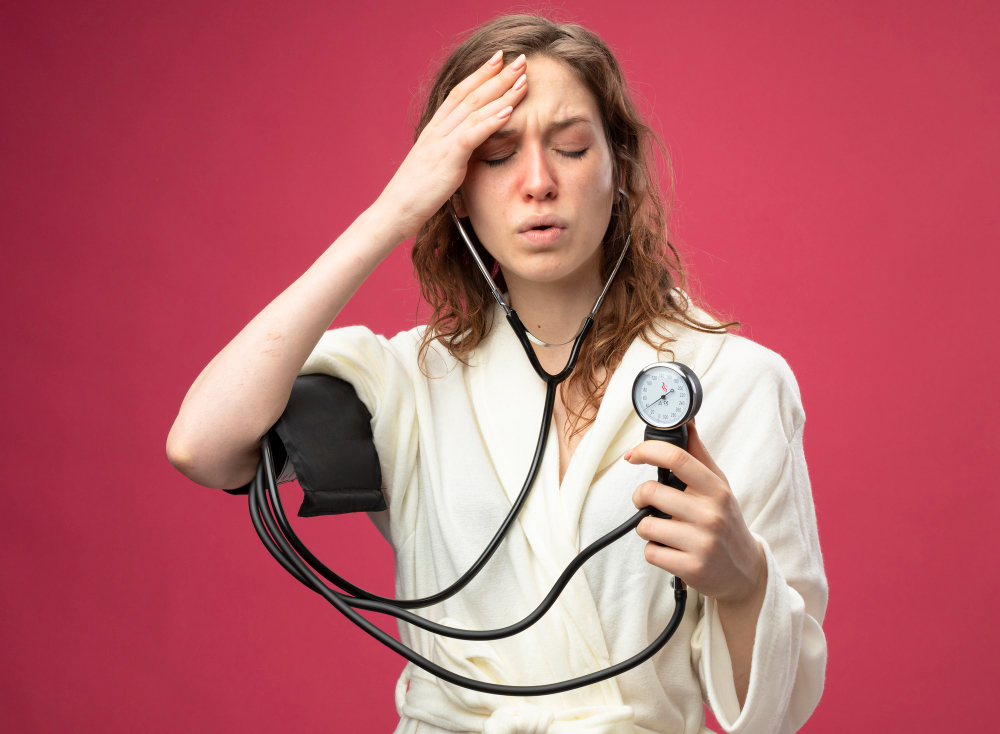
Why High Blood Pressure Is Increasing in People in Their 30s and 40s?

  High blood pressure is no longer considered a condition that appears only after the age of 60.   Today, more and more people in their 30s and 40s are being diagnosed with hypertension, especially those with a family history of diabetes, obesity, cholesterol imbalance, or cardiovascular disease.   Many people believe high blood pressure is simply caused by stress or excess salt intake. While these factors do play a role, the deeper issue is often metabolic dysfunction, particularly insulin resistance.   Let us understand this in a simple way.   The Connection Between Insulin Resistance and High Blood Pressure   Our body produces a hormone called aldosterone.   This hormone tells the kidneys to retain sodium (salt). When salt is retained in the body, water also stays back. Increased water retention raises blood volume, and when blood volume increases, blood pressure rises.   Now here is where insulin resistance becomes important.   People with insulin resistance often have higher insulin levels circulating in the body. Elevated insulin can stimulate the retention of sodium and water, making the body more prone to developing high blood pressure.   This is why people with: Belly fat Weight gain Fatty liver High cholesterol Prediabetes Sedentary lifestyles   often gradually develop hypertension as well.   Ayurveda sees this pattern as a Kapha-dominant metabolic disorder associated with weak Agni, Ama accumulation, sluggish circulation, and blocked channels.   The good news is that Ayurveda focuses not just on controlling blood pressure numbers but on improving the underlying metabolic imbalance itself.   Ayurvedic Principles That Support Better Metabolic Health   Langhana, Lightening Therapy   One of the first approaches in Ayurveda for metabolic disorders is Langhana, or “lightening therapy.” The goal is to reduce overload on the digestive system and give metabolism an opportunity to reset. This includes:   Eating lighter meals Avoiding overeating Choosing foods that are easy to digest Reducing processed and heavy foods Allowing proper gaps between meals   When digestion improves, the body becomes more efficient at handling glucose and insulin. Cells begin responding better to insulin signals, reducing metabolic stress.   Simple dietary practices can often create profound changes in energy levels, bloating, cravings, and metabolic function.   Ruksha Ahara and Ruksha Upachara, Dry Diet and Dry Therapies   Kapha imbalance is typically associated with heaviness, excess moisture, sluggishness, and fat accumulation.   To counter this, Ayurveda recommends “Ruksha” therapies, dry and light approaches that reduce excessive Kapha.   Examples include:   Barley Horse gram Flat beans Millets Light legumes   Daily use of spices such as:   Turmeric Black pepper Dry ginger Cumin Mustard seeds   can help stimulate metabolism and improve digestion.   These foods and herbs support better cellular activity and reduce stagnation in the body.   Ushna Dravya   Cold, heavy, oily, and refrigerated foods tend to aggravate Kapha and weaken digestion.   Warmth, on the other hand, activates Agni.   This is why Ayurveda often recommends:   Warm water throughout the day Freshly cooked warm meals Warm herbal infusions   These practices improve circulation, digestion, and metabolic responsiveness.   Many people notice reduced bloating, better digestion, and improved energy simply by shifting from cold foods and drinks to warm alternatives.   Bitter and Pungent Tastes for Metabolic Cleansing   Ayurveda classifies tastes according to their effect on the body.   For Kapha-related disorders like insulin resistance and obesity, bitter (Tikta) and pungent (Katu) tastes are especially beneficial.   Bitter substances help clear metabolic channels and reduce excess accumulation.   Pungent substances stimulate digestion and circulation.   Examples include: Neem Fenugreek (Methi) Bitter gourd Turmeric Black pepper Garlic Radish Leafy greens   These foods support healthy glucose metabolism and improve digestive efficiency.   Vyayama, Movement and Exercise   Modern lifestyles with very little physical activity are one of the main reasons behind poor metabolism and lifestyle diseases today.   Ayurveda strongly emphasises daily movement to reduce Kapha stagnation.   Exercise helps:   Improve circulation Enhance glucose uptake into muscles Reduce insulin resistance Improve cardiovascular health Support healthy body weight   Strength training is particularly beneficial because muscle tissue improves insulin sensitivity.   Even simple daily habits like walking after meals, climbing stairs, yoga, or mobility exercises can create significant improvements over time.   Consistency matters far more than intensity.   Udvartana, Herbal Dry Powder Massage   Udvartana is a traditional Ayurvedic therapy involving massage with herbal powders.   Unlike oil massage, this therapy uses dry herbal powders to stimulate circulation and reduce excess Kapha.   Horse gram powder is commonly used for this purpose.   Benefits may include:   Improved lymphatic circulation Reduction in heaviness Better skin tone Support for fat metabolism Increased body stimulation   This therapy is often used as part of comprehensive metabolic management programs.   Swedana, Sweat Therapy   Swedana refers to therapeutic sweating or steam therapy.   Mild heat therapy helps mobilise accumulated Kapha in the body.   Benefits include:   Improved circulation Relaxation of stiffness Opening of channels Better elimination of waste Enhanced metabolic activity   One important precaution: The head should not be exposed directly to excessive steam or heat during the process.   Deepana and Pachana, Improving Digestion and Reducing Ama   Ayurveda believes that weak digestion is the foundation of many chronic diseases.   When digestion is impaired, Ama forms in the body.   Ama contributes to:   Sluggish metabolism Inflammation Weight gain Blocked circulation Reduced insulin sensitivity   Deepana therapies stimulate digestive fire, while Pachana therapies help in digestion.   This may include: Digestive herbs Fasting strategies Herbal teas Spice combinations Meal timing corrections   Once digestion improves, many metabolic symptoms begin correcting naturally.   Shamana Therapy, Balancing Kapha with Herbs   After digestion improves and metabolism becomes more active, Ayurveda may use herbal formulations to stabilise the system. This is called Shamana therapy.   Importantly, Ayurveda does not rely on random single herbs for complex metabolic disorders.   Proper treatment usually involves carefully selected herbal combinations tailored to:   Body constitution Digestion Sleep Stress levels Weight… Continue reading Why High Blood Pressure Is Increasing in People in Their 30s and 40s?