
What Ayurveda Can Actually Offer Autistic Children and What It Can’t

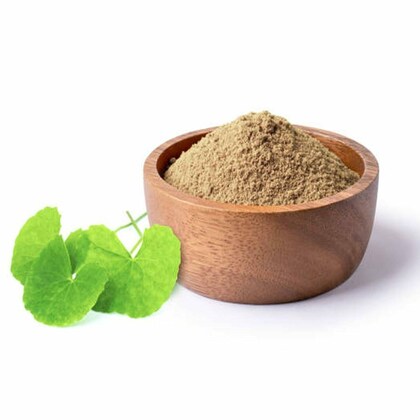
Parents of autistic children usually hear one of two things.   Either that nothing can be done, and they should simply learn to live with it. Or that someone, somewhere, has a cure.   Both of these are failures of honesty.   Autism is a neurodevelopmental difference. I cannot remove it, and I will never tell a parent otherwise. What I can say, based on years of clinical experience, is that many children show meaningful improvements in cognition, regulation, sleep, and digestion with individualized Ayurvedic care.   Where I Actually See the Pattern   Many of the autistic children I’ve worked with come in with gastrointestinal symptoms alongside everything else, constipation, restless sleep, real difficulty winding down at night.   Classically, this combination has a name: disturbed Vata and weak Agni, presenting together. In this framework, the digestive and nervous systems are not viewed as separate problems.   They’re two expressions of the same underlying imbalance.   That’s the starting point for how treatment gets built and here is what I actually do.   Dinacharya (Daily Routine and Rhythm)   Meals at the same time, every day. Sleep at the same time, every day.   This is, without question, the intervention parents underestimate the most.   Vata, the quality most associated with restlessness, irregularity, and difficulty settling, responds to consistency more than to almost anything else I can prescribe. A predictable rhythm to the day is not a minor lifestyle suggestion here.   Ahara (Food)   Warm. Cooked. Simple. Unhurried. And no restriction.   Most autistic children are already working with a narrow range of accepted foods. Taking things away tends to make that narrower still, not better. So, the approach isn’t to remove foods, it’s to change how the accepted foods are prepared, before changing what they are.   Same ingredients a child already trusts and eats, prepared in a way that’s easier on digestion.   Deepana and Pachana (Kindling Digestion, Clearing Ama)   This is the direct work of strengthening digestive fire and addressing Ama, the accumulation of incompletely digested material as described in Ayurveda. Everything here is gentle, matched to the child’s age and constitution, and prescribed individually, in person. There’s no standard protocol handed out uniformly, the dose and approach are unique to the child.   Medhya Medicines   This is a classical category of Ayurvedic preparations traditionally used to support memory, learning, and cognitive function. Many are prepared as medicated ghrita, with the specific preparation chosen according to the child’s constitution and clinical presentation.   That property is what allows herbs like Brahmi and Centella asiatica (Gotu Kola) to actually reach the brain and act on cognitive function, rather than being absorbed elsewhere in the body and doing little for the nervous system directly.   In my experience treating many autistic children, these preparations help. But there is no single herb you simply take and get uniform benefit from.   The combination, the dose, the vehicle, and the child’s own constitution all have to be individualized. What works well for one child can be entirely wrong for another.   Abhyanga (Daily Warm Oil Massage)   A daily practice, and one I’ve written about extensively. As a consistent, long-term habit, it supports overall well-being in a way that compounds over time rather than producing an immediate, isolated effect.   I’ve written a detailed guide on how to practice Abhyanga correctly, the oils to use, and its benefits. You can read it here.   What I Do Not Do   Boundaries matter as much as the treatment itself, so here they are, stated plainly.   I do not perform Panchakarma on young children. In my clinical practice, children under seven are not considered candidates for classical Panchakarma procedures such as Nasya, Vamana, or Virechana, or any of the other classical cleansing procedures.   If anyone tells you otherwise, don’t do it.   I do not put autistic children on restrictive diets. Many of them are already eating a very limited set of foods. Removing items from an already-narrow list isn’t a viable strategy. The work happens around preparation and ingredients, not elimination.   What Actually Happens   Every child is different. Some respond well. Some change slowly. Some continue to struggle with the same challenges despite consistent treatment. There are no guarantees here, and I won’t pretend otherwise.   What I can say, based on what I’ve seen across many cases, is this: a child receiving genuinely individualized Ayurvedic treatment will often be doing noticeably better over time.   If you’d like a deeper understanding of autism and how it’s approached through our Agni Awakening Programs, send a WhatsApp message to +91 99011 26331. Our team will guide you through the next steps.  
9 Essential Ayurvedic Herbs

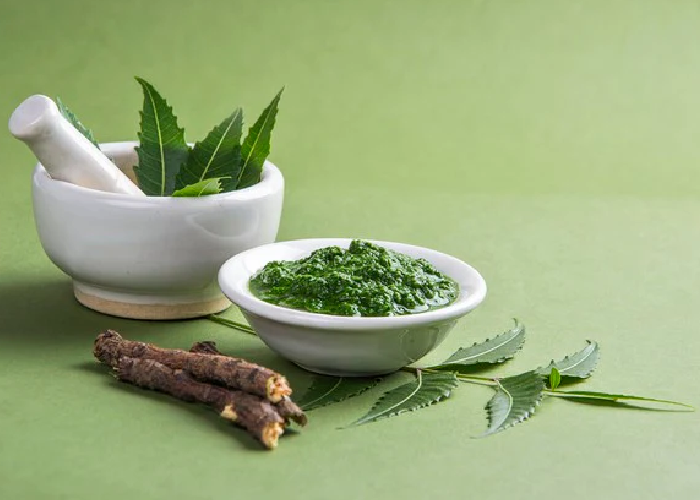
Ayurvedic herbs and Panchakarma are the most popular Ayurveda stereotypes. There are many treatment methods in Ayurveda beyond Panchakarma. However, the role of ayurvedic herbs in healing is undeniable. The Samhitas have mentions of a wide variety of herbs that help cure different health conditions. Each of them has their own medicinal qualities and healing potential.    In this blog, let us look into the top 9 essential Ayurvedic herbs.       Top 9 Ayurvedic Herbs     Here are some of the best herbs that Ayurveda recommends:     Turmeric     Turmeric is known as the golden spice due to the presence of the active component, Curcumin that gives it the yellow colour. The presence of Curcumin makes turmeric a great remedy for long-term health issues, despite like arthritis and diabetes. The strong anti-inflammatory and antioxidant properties of turmeric provides relief from joint pain, improves digestion and boosts immunity.      Tulsi     Known as “Queen of Herbs,” Tulsi has immune-modulating, adaptogenic and antibacterial properties. This herb helps boost your energy, lower stress and indeed  promote respiratory health.  Despite its benefits, it is not safe to overconsume Tulsi, especially if you have bleeding problems or low blood sugar levels.    Triphala     Triphala is a popular Ayurvedic formulation with three fruits (Amalaki, Bhibitaki and Haritaki) as its ingredients. It is majorly used externally, especially in Ayurvedic products, like shampoos.   Brahmi     Brahmi is popular as a brain booster herb. In Addition, It has cognitive-enhancing properties and is known to promote mental clarity and memory.   However, consult with a  qualified doctor before having this herb, especially if you have hypothyroidism or mental health issues.    Neem     Neem is referred to as “village pharmacy” for its antibacterial, antiviral and antifungal properties. The herb serves an array of purposes from helping to maintain general well-being to supporting immunity and even improving dental and skin health.   It is best to avoid using neem during pregnancy. Also, make sure to get medical advice before applying neem oil topically as it may cause irritation to some.    Ginger     Ginger is a powerful ingredient in cooking as well as a medicinal herb. It is great for digestion and also, reduces nausea and inflammation. Having ginger helps relax tense muscles, promotes cardiovascular health and reduces menstrual cramps.   However, it is safe to have it in moderation as high dosages may irritate the stomach.    Also Read: Medicinal Plants in Ayurveda for Balancing Kapha   Licorice     Licorice is my absolute favourite. The herb tastes sweet and has calming properties. It also helps balance adrenal glands, provides relief from throat discomfort and improves respiratory health. Also, it helps reduce menopausal symptoms, and is great for gastrointestinal healing and managing stress.   It is safe to use licorice under a doctor’s supervision because of  prolonged usage or excessive dosages may cause hypertension or electrolyte imbalances.      Guduchi     Guduchi or Giloy helps in detoxification, improves immunity and offers longevity. It also helps reduce inflammation and infections, and improves overall well-being.   However, avoid having Guduchi during pregnancy.     Amla     Amla is rich in antioxidants and vitamin C that makes it a great immunity booster. It also helps to regenerate the body, encourages healthy, glowing skin and hair and enhances digestion.  Including the above-mentioned Ayurvedic herbs in your daily routine helps improve your general health. However, it is always safe to consult an Ayurvedic doctor before having any new herb.     If you are struggling with any health issues, you can either book a consultation with us or send us a message via WhatsApp to +91 79074 89839. We have the best Ayurvedic doctors in Trivandrum who are always glad to help you. If you have any queries, contact us.  You can also visit us at our hospital.

Is Brahmi good for kids’ brain development?

Bacopa monnieri is a plant that thrives in moist environments found in various regions around the globe. It goes by names like water hyssop, Brahmi, thyme-leafed gratiola, herb of grace, and Indian pennywort, and is employed in traditional Ayurvedic practices. It has a mild odour, and the plant’s foliage is dense, elongated and full of moisture that measures between 4 and 6 millimeters in width.   The leaves are elongated with a broader tip; furthermore, they are arranged in pairs on opposite sides of the stem. The flowers are small and white, each with four to five petals that are of the same shape. It can thrive in slightly saline water as well, and cuttings often propagate plants.   After discussing all the characteristics of Brahmi, let’s move on to understand its medical effects on kids.  Is Brahmi good for children? Brahmi is one of the very potent Ayurvedic medicines or supplements that you can give to your kids to improve their memory, intellect, and brain power or retain power. The best time to consume it is the night after you have dinner. Just one teaspoon or less than a teaspoon is fine.   If the baby is having more heat issues and digestive issues, try to reduce the dosage to a quarter teaspoon every night, but don’t give it for more than two months.    Personally, I am not in favour of medicines and supplements for kids. I strongly believe in the power of food as medicine. If your baby eats light digestive food and has good Agni, they don’t require supplements as the body will be able to absorb nutrients well from the food itself.   There was so much discussion recently about Swarnaprashana. But I don’t recommend as there are stringent protocols, dosages and purification processes to be followed to make it safe for babies – giving gold to babies is no joke. Imagine, therefore, how much the tender liver, kidneys, etc., need to work to detoxify it.  Never give it without consultation from an Ayurvedic doctor. Brahmi Ghrita is a much, much, much safer herbal medicine for boosting brain functions in kids. This is way better than giving metal-based heavy drugs (even if it has gold) to kids.    Make sure you give half a glass of warm milk or warm water after you give Brahmi ghee!   You can buy Brahmi Ghrita from any of the Kerala-based brands like Vaidyaratnam, Sitaram or Kerala Ayurveda. If you are outside India, you may, for instance, find it on Distacart.   People have utilized Brahmi, a powerful plant, for many years to enhance brain function and memory retention. It can also boost the immune system, reduce children’s anxiety and stress, and improve their ability to concentrate. Including Brahmi in your child’s meals can promote better health and well-being.   If you are struggling with any health issues, you can either book a consultation with us or send us a message via WhatsApp to +91 79074 89839. We have the best Ayurvedic doctors in Trivandrum who are always glad to help you. If you have any queries, contact us.  You can also visit us at our hospital.