
6 Signs Your Agni Is Weak: What Ayurveda Says About Your Digestive Fire

In Ayurveda there is a saying,“Roga Sarvepi Mandagnau” it means, all diseases begin with a weakened digestive fire.   A strong Agni helps your body break down food efficiently, absorb nutrients properly, eliminate waste effectively, and maintain a healthy balance of the three Doshas: Vata, Pitta, and Kapha.   When Agni becomes weak, digestion slows down. Food is not processed efficiently, toxins begin to accumulate, and over time this can affect different systems in the body. This is why Ayurveda considers digestion to be the foundation of health.   So how do you know if your Agni needs attention? Here are 6 common signs of weak digestive fire according to Ayurveda.   Frequent Bloating and Gas   One of the most common signs of weak digestion is excessive gas and bloating.   Now, according to Ayurveda, gas and bloating are mainly associated with an imbalance of Vata in the body. And one of the biggest reasons for this is not eating at the right time.   Let me give you a simple example. Every day, you have your lunch at 12 o’clock. Your body gets used to this routine. It knows that food is going to arrive at that time, so your digestive system starts preparing itself. Your digestive juices, hydrochloric acid, and digestive enzymes are all ready and waiting.   But, instead of eating at 12, you have your lunch at 2 o’clock.   What happens then?   Your digestive system is already prepared for the meal, but the food never arrives. These digestive secretions continue to build up, creating discomfort in the stomach. Over time, this can show up as gas, bloating, heartburn, and acid reflux.   So, don’t just look at what you are eating. Also look at when you are eating. Sometimes, correcting your meal timings can make a huge difference to your digestive health.   Metallic taste in your mouth   I tell you, one of the easiest ways to find if your gut is in good shape is to wake up in the morning, go in front of the mirror, and smile. What do you see? Your teeth.   Your teeth can tell you a lot of things. Is your teeth yellow? Is it cracking? Sometimes you may feel that it is turning translucent and not really opaque, and you may have bad breath, and in the mouth, you may have a metallic taste. And when you open your mouth, you may feel that there is tendency for cavities. Your molars, teeth which is behind, they are getting affected slowly. They are not looking good.   And, and to be honest, all of this are actually huge signs your body is giving you about your gut, that you are having acid reflux, and your pitta in the body is really high.   Constipation or Irregular Bowel Movements   Our stool constitutes waste, not just from our food but also from the physiological processes in our body. If you are not defecating every day, a part of these get reabsorbed which causes toxin buildup.   Even a single day of not passing bowel movements is not advised for gut health.   There are a few simple Ayurvedic remedies that can help support regular bowel movements, which I’ve covered in detail here.   Your Skin Is Breaking Out   Your skin is often a reflection of what is happening inside your gut.   Another thing I look at is your diet. Are you eating foods that suit your body type, or Prakriti? Are you consuming a lot of processed and packaged foods?   Consuming foods that do not suit your body type or eating unhealthy processed foods can disrupt your body’s equilibrium and aggravate Dosha imbalances. Over time, this may contribute to skin problems such as acne, eczema, psoriasis, or unexplained breakouts.   So, if you are struggling with skin issues, don’t just look at your skin. Look at your gut as well. Sometimes the root cause is not on the outside, but inside your digestive system.   You Feel Heavy After Every Meal   Food is supposed to give you energy. It is not supposed to make you feel sleepy or sluggish.   People have become so used to feeling heavy after meals that they think it is normal. It is not.   If your meal leaves you feeling sluggish, uncomfortable, or ready to lie down, it may be a sign that your digestive fire is weak. Instead of efficiently digesting food and converting it into energy, your body is struggling to process what you eat.   A healthy Agni should leave you feeling satisfied and energized, not exhausted.   You Don’t Feel Hungry at Regular Times   One of the clearest signs of a healthy digestive fire is a healthy appetite.   Your body should naturally tell you when it is time to eat. If you frequently skip meals because you are not hungry, or if your appetite changes dramatically from one day to the next, it may indicate that your Agni is weak.   A healthy digestive system works like a well-maintained clock. It knows when to digest food and when to ask for more.   When those hunger signals become irregular, it is often one of the earliest signs that your digestive fire needs support.   Small Changes That Can Make a Big Difference   The good news is that Ayurveda offers simple ways to support your digestive fire.   One of the most important things you can do is maintain a routine. Try to eat your meals at roughly the same time every day. When your body knows when food is coming, digestion tends to work more efficiently.   Avoid skipping meals, overeating, or eating late at night. Give your body enough time to digest one meal before moving on to the next.   Pay attention to how different foods make you feel. Foods that suit one person may not suit another. Ayurveda always emphasizes eating according to your individual… Continue reading 6 Signs Your Agni Is Weak: What Ayurveda Says About Your Digestive Fire

Oil Pulling and Everyday Ayurvedic Self-Care for Better Health

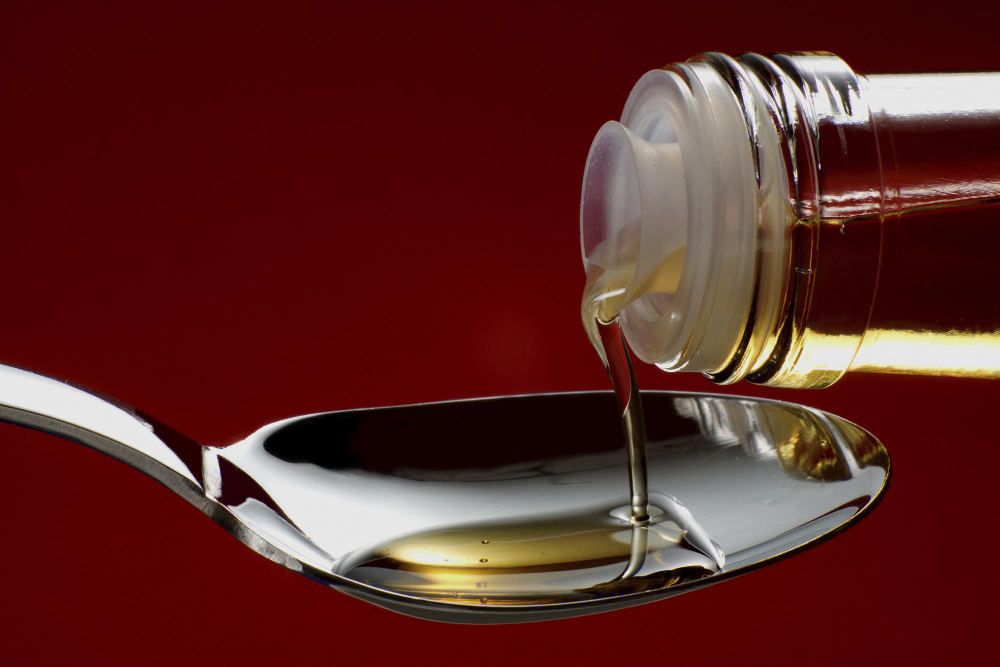
Ayurveda looks at daily self-care, diet and even subtle body signals as powerful ways to protect long term health. In a recent teaching session, an Ayurvedic doctor answered many practical questions on oil pulling, seasonal routines, doshas and simple home practices. When we view these answers together, a clear picture emerges of how nuanced and personalized Ayurveda truly is.   Oil Pulling: More Than Just Swishing Oil   From an Ayurvedic lens, the primary power of oil pulling lies in the technique rather than the substance alone. Holding and gently swishing oil in the mouth stimulates the oral tissues, enhances salivary flow and improves circulation to the gums, teeth, tongue and jaw.   The oil enters the fine channels in the mouth, loosens accumulated waste, sticky Kapha and microbial deposits and carries them out when it is finally spat out. Over time, this supports oral comfort, reduces local inflammation and indirectly helps the first stage of digestion, which is closely linked with overall Agni and immunity.   Typically, about one tablespoon of oil is enough for each practice, just sufficient to hold and move around the mouth comfortably without strain. The oil should be swished gently rather than with force.   Lukewarm boiled and cooled water is preferred if water is used for a similar practice, as it is kinder to the oral tissues and aligns with Ayurvedic principles of using warm water for cleansing.   Choosing the Right Medium for Oil Pulling   While the method drives most of the benefit, the liquid you choose adds its own therapeutic flavour.   Oil is nourishing and is traditionally used to strengthen gums, teeth, jaw and even the nerves connected to the oral region. Milk is cooling and soothing, particularly helpful in inflammatory oral conditions with burning, ulcers or injuries. Water is mainly cleansing and mildly stimulating but does not nourish in the same way as oils.   Black sesame oil stands out as the most widely recommended choice for routine oil pulling and is considered generally suitable for many constitutions when digestion is sound.   Other substances such as ghee, milk or honey are not blanket alternatives but are used only when clearly indicated, for example in certain inflammatory or burning oral conditions and always based on digestive strength. Castor oil is not considered a suitable medium for daily or routine oil pulling.   Importantly, oil pulling should be avoided when there is indigestion or Ama. Oil is heavy and unctuous, and when Agni is weak it can increase Kapha and Ama, worsening heaviness, coating on the tongue, nausea or sluggish digestion. Ideally, the tongue should be clean and digestion stable before making this practice a part of daily life.   Eye Health and Oil Pulling   There is also a traditional link between oral care and eye health. In Ayurveda, the mouth, eyes and brain are connected through subtle channels and nerves, so a well maintained oral cavity can indirectly support the eyes.   However, in acute eye diseases characterised by redness, discharge, infection or active inflammation, oil pulling can aggravate Kapha and congestion and is therefore avoided.   In contrast, in refractive issues such as poor eyesight, eye strain and regular use of glasses, oil pulling is generally considered safe and even beneficial as a supportive measure. It is not a cure for eye disease, but another way to maintain systemic balance that in turn nourishes the sense organs.   Special Situations: Allergies, Mouth Sores and Steroid Use   Oil selection becomes very individual in those with allergies or complex medical conditions. If someone is allergic to sesame, the practitioner will usually choose other gentle medicated oils or liquids based on constitution, digestive strength and oral status. Castor oil again is not a routine first choice.   For individuals with mouth sores, loss of taste buds or those currently on medications and steroids for serious illnesses such as cancer, the focus shifts to cooling and soothing substances.   Ghee is often recommended when digestion is adequate because of its lubricating and calming effect, and in some cases milk or coconut oil may also be used if there is burning or ulceration.   Strong or heating oils, including sesame, are usually avoided in these active inflammatory states and any practice is kept very gentle and based on the person’s tolerance.   In lactose intolerance or poor digestion, warm milk as a medium for pooling may itself aggravate symptoms and is therefore best avoided.   A2 ghee is usually preferred over generic ghee when used in indicated conditions, since it is considered easier to digest and better tolerated, although even ghee for oil pulling is not a routine recommendation but reserved for specific inflammatory or burning oral issues and only when Agni is reasonably strong.   Abhyanga, Hair Oils and Skin Care Choices   Ayurveda places great emphasis on appropriate oil selection for external therapies like abhyanga and head massage. Black sesame oil is classically praised as the most suitable base for daily body oiling because it is nourishing, penetrating and usually tolerable for many people when used correctly.   When black sesame is not available, cold pressed, unrefined white sesame oil is an acceptable substitute, though it may not offer the same depth of action. Nigella seed oil, however, is not recognised as a direct alternative to sesame oil in this context.   Other oils are never prescribed in a one size fits all manner. Any alternative must be chosen after considering the person’s dosha imbalance, skin type, local climate and specific complaints. Coconut oil, for instance, can be helpful where there is pronounced Pitta aggravation with heat and burning, while warmer oils may be preferred in strong Vata conditions. In Kapha dominant states, oils tend to be used more sparingly and selected very thoughtfully.   Castor oil, though valued in other therapeutic uses, is very heavy, sticky and strong and is not preferred for routine abhyanga. Mustard oil is hot and sharp and is generally avoided for… Continue reading Oil Pulling and Everyday Ayurvedic Self-Care for Better Health