10 Steps to Start Your Day the Right Way According To Ayurveda

Girl waking up in bed, young woman sitting on bed yawning in early morning, stretching arms. Everyday routine at home, bedroom modern interior design.

If you love Ayurveda and want to begin your journey with it, but you have no idea where to start.   Don’t worry, I’m here to help.   In this blog, I’ll walk you through some of the most important Ayurvedic daily routines that can help you improve your health, digestion, longevity, and overall well-being.   Understanding the Foundation of Ayurveda: Digestion   One of the most basic concepts you need to understand when you think about Ayurveda is digestion.   Ayurveda primarily believes in the power of digestion to heal diseases, help you look good, feel good, and become your highest self. According to Ayurvedic principles, many health issues begin when digestion is weak or impaired. That is why almost every routine described in Ayurveda focuses on improving digestion and supporting the body’s natural healing processes.   With that understanding, let’s go through the Ayurvedic morning routine step by step.   1. Wake Up Early in the Morning   The first and most important routine that Ayurveda describes is waking up early.   Why is it important to wake up early?   The period before sunrise is known as the Vata Kala, a time when the Vata energy in the body naturally helps push bowel movements downward and supports elimination.   This sacred period before sunrise is traditionally known as Brahma Muhurta. Ideally, you should wake up during this time. However, if waking up extremely early feels difficult, try to wake up at least before sunrise or with the sunrise.   Starting your day early aligns your body with nature’s rhythms and helps in healthy digestion and elimination.   2. Brush Your Teeth the Ayurvedic Way   Now that you’ve woken up early, the next step is brushing your teeth.   Brushing should be done using a good toothpaste that is Ayurvedically compliant. But what makes a toothpaste Ayurvedically compliant?   One that doesn’t have a sweet taste. Today, many toothpaste brands offer sweet flavors, but Ayurveda recommends avoiding them.   Instead, prefer tastes that help cleanse and stimulate your mouth rather than sweetening it. Like the Katu(spicy), Tikta(bitter), or Kashaya(astrigent).   3. Practice Tongue Scraping   After brushing comes tongue scraping.   Why are brushing and tongue scraping so important?   As I mentioned earlier, Ayurveda places tremendous emphasis on digestion. Digestion begins in the mouth. The food you eat mixes with saliva, which contains salivary amylase, an enzyme that begins the digestive process.   Because digestion starts in the mouth, maintaining oral hygiene is considered a crucial part of overall health.   Tongue scraping is very simple. Just stick out your tongue and gently scrape it.   For tongue scraping, Ayurveda recommends using a copper tongue scraper. If copper is not available, a stainless steel tongue scraper is also acceptable. However, it is best to avoid plastic tongue scrapers.   4. Try Oil Pulling   Once you’ve completed brushing and tongue scraping, it’s time for oil pulling.   Oil pulling involves holding oil in your mouth for a period of time.   Ayurveda states that the best oil for oil pulling is organic black sesame oil. You may have heard many influencers and brands recommending coconut oil for oil pulling, but Ayurveda recommends using organic black sesame oil.   Warm water or even milk can also be used, but sesame oil is generally considered the best option for most people.   5. Drink Warm Water   The next step is simple but powerful: drink warm water.   You can choose plain warm water or water infused with herbs.   Warm water helps gently stimulate digestion and prepares your digestive system for the day ahead.   6. Perform Abhyanga (Daily Oil Massage)   One of the most important practices in Ayurveda is Abhyanga, or daily oil massage.   Ayurveda has immense love for oil massages, not only because they help improve longevity and prevent health issues, but also because they play a vital role in maintaining overall health and vitality.   Abhyanga is considered an anti-aging practice. Everyone can benefit from it, whether they are a small child, an adult, or an elderly person.   On your extremely busy days, even a quick two- to three-minute oil massage can be beneficial. On days when you have more time, try to perform Abhyanga for five to ten minutes.   You can find my complete guide to Abhyanga here.   This simple daily ritual nourishes the body, supports circulation, and promotes relaxation.   7. Get Some Sunshine   While you have oil on your body after during Abhyanga, try standing in the sunlight for a few minutes if possible.   This can help you improve your vitamin D levels.   Vitamin D is often called the “sunshine vitamin” because sunlight remains one of the most effective ways for your body to obtain it. While food and supplements help, direct sunlight exposure plays an important role.   Combining a gentle oil massage with a few minutes of morning sunlight can be a wonderful way to start your day.   8. Move Your Joints   After Abhyanga, the next step is to move all your joints.   Just like how machines work better when lubricated with oil. In a similar way, our joints work more smoothly with oil and movement.   Have you ever noticed that people who practice yoga consistently often appear youthful even in their sixties and seventies? One reason is the flexibility of the muscles, bones, and joints.   9. Take a Warm Shower   Once you’ve completed your oil massage and joint movements, it’s time for a shower.   Ayurveda recommends using warm water for the body while using normal, room-temperature water for the hair.   Warm water helps cleanse the oil and keeps the body comfortable, however, when it comes to your head, scalp, and hair, excessive heat on the scalp can lead to hair fall and hair loss.   The head is considered an area that should remain relatively cool. Therefore, use cool or room-temperature… Continue reading 10 Steps to Start Your Day the Right Way According To Ayurveda

Why Ayurveda Isn’t Just About Vata, Pitta, and Kapha

Macronutrients flat composition with woman cooking dishes with banana eggs oil milk and coconut with porridge vector illustration SSUCv3H4sIAAAAAAACA02RS0/DMAzHv4rlc8VD3HZmICEhTXDgMHHwEtNZTeMqSTvQ1O+O024I5eLH369fznigLA43Z5QQxlwSFdGIm/sG2UvRJBRwczc3mAuVMXM2rXmOCreWXfxrk/25xnGDT6oeKHp4TBI7tOLxYOFXyY5DoMg6Zpybq3zHOgT+k31ozxHnzwap5eh+6kQbmTgwLQvsLdWdCqf+ss0knnU1afRSTZzUUbD8Q93WLtO+RttEw1FckolT9T1nl+pq5JLGsdhFsWT4ClTAaT9olgoETlKOcNKeooW1k9iCl3zkvGYOFO0Bt20GlQC9hG4B4NTVtqtq0JTEtwwTO0ML/5HfwNZ40yEwbHfvS+0bR8+mivCye4YvTb3RarB8V2bYXOCtvfKtZ6e11VRBamdfOM/zL1jWrp3gAQAA

When most people hear the word Ayurveda, they think of herbs, oils, massages, or detox treatments. But Ayurveda is much more than that.   If you break the word down, “Ayu” means life and “Veda” means knowledge or science. So Ayurveda simply means “the science of life.”   At its core, Ayurveda looks at both the outer world and our inner world. It teaches that to stay healthy, understand ourselves, and live in harmony with nature.     Panchamahabhutas     One of the most important concepts in Ayurveda is the theory of the Panchamahabhutas.   “Pancha” means five, “Maha” means great, and “Bhutas” refers to the fundamental elements of existence. Just like modern science says everything is made of matter, Ayurveda explains the same idea using these five elements.   These five elements are: Prithvi (Earth) Ap (Water) Tejo or Tejas (Fire) Vayu (Air) Akasha (Space or Ether)   And this doesn’t just apply to the world around us; it applies to us too. Our body, mind, and all our functions are made from these same elements.   This is why Ayurveda says that every person is different. We are all made of the same elements, but in different proportions.     Understanding Your Prakriti     One of the most misunderstood concepts in Ayurveda is the idea of Doshas and Prakriti.   You’ve probably read or come across phrases on the internet like “know your dosha” or “find  your dosha.”   No. You cannot do that.   What you can do instead is find your Prakriti, know your Prakriti, discover your Prakriti.   Prakriti means nature.   When a person is born, when the first cell of a person is formed by the coming together of the ovum and sperm, at that time Prakriti is fixed. It is given to the child by the parents.   This Prakriti or nature of that person does not change in the entire lifetime until that person dies.   Now what are these Prakritis?   For the ease of discussion, Ayurveda classifies people based on Prakriti.   There are seven Prakritis.   The three primary constitutions are: Vata Prakriti Pitta Prakriti Kapha Prakriti   Then there are three dual constitutions: Vata-Pitta Pitta-Kapha Vata-Kapha   Finally, there is: Vata-Pitta-Kapha, where all three doshas are present in equal proportions.   I have never found anybody having Vata-Pitta-Kapha Prakriti together. Maybe there is one person in the world who is lucky to be born with all these things put together in a single proportion, but it is very, very rare.   Most people are a mix of two doshas, with one being more dominant.   Understanding your Prakriti helps explain your personality, body type, habits, and even the kind of health issues you may be more prone to.     Vata: The Energy of Movement     It is made of air and space.   Vata people are people where vision means innovation. They are creative, innovative. These are the people who come up with ideas.   But because Vata is linked to movement, it can also bring restlessness, irregular routines, and anxiety when out of balance.   It’s important to remember being Vata by nature is not the same as having a Vata imbalance.     Pitta: The Energy of Transformation     Now we have the Pitta people.   Pitta people are the people who have another fire inside their body. That can cause a lot of issues. It can affect different systems in the body.   These are people who are driven. They are sharp. They are intense.     Kapha: The Energy of Stability     Now we have the Kapha people.   Kapha people are those loving, nurturing, loyal, lovable, very warm kind of people.   You just want to go and run to them and hug them. That kind of energy is the Kapha energy.   But they are very lazy. It is very difficult to move them.   They have the earth element and water element more in them.   These are people who tend to have oily skin. Kapha people are the people who have friends because they are very good with relationships.     Why Is Ayurveda Personalized?     One thing that you should understand is that Ayurveda is about individualized diet, individualized practices, individualized everything.   The body has different systems and different functions.   Sometimes there is dryness.   Sometimes there is coldness.   Digestion is involved.   Tissues are involved.   Sometimes other doshas are involved.   That is why Ayurveda is individualized. It is not just Vata, Pitta, and Kapha.   We have to understand which doshas are in imbalance and which systems are impacted.   What is health according to Ayurveda?   Every single thing in the system should be balanced.   The doshas should be balanced.   The tissues of the body should be balanced.   The digestive system should be balanced.   Not just that, the mind should be balanced.   When the body and the mind are working properly, when everything is having the best quality, when Atma, soul, Indriya, senses, and Mana, mind are all balanced, then you can call that person a healthy person.     The Truth About Panchakarma     In Ayurveda, Panchakarma is a purification technique actually meant for cleansing.   Only a very small percentage of diseases need Panchakarma.   The rest of the diseases do not require Panchakarma.   They require Ahara, Vihara, good diet, good lifestyle, good routine, and all of that.   Ayurveda does not start with detox. It starts with fixing your everyday habits.   Most health issues can actually be improved with:   Proper diet Daily routine Good sleep Stress management Simple lifestyle changes   The Real Message of Ayurveda   At the heart of Ayurveda is a simple idea: every person is unique.   There is no universal diet, no perfect routine for everyone.   The more you understand your own nature, the better… Continue reading Why Ayurveda Isn’t Just About Vata, Pitta, and Kapha

What is Agni and Why Every Disease Starts Here?

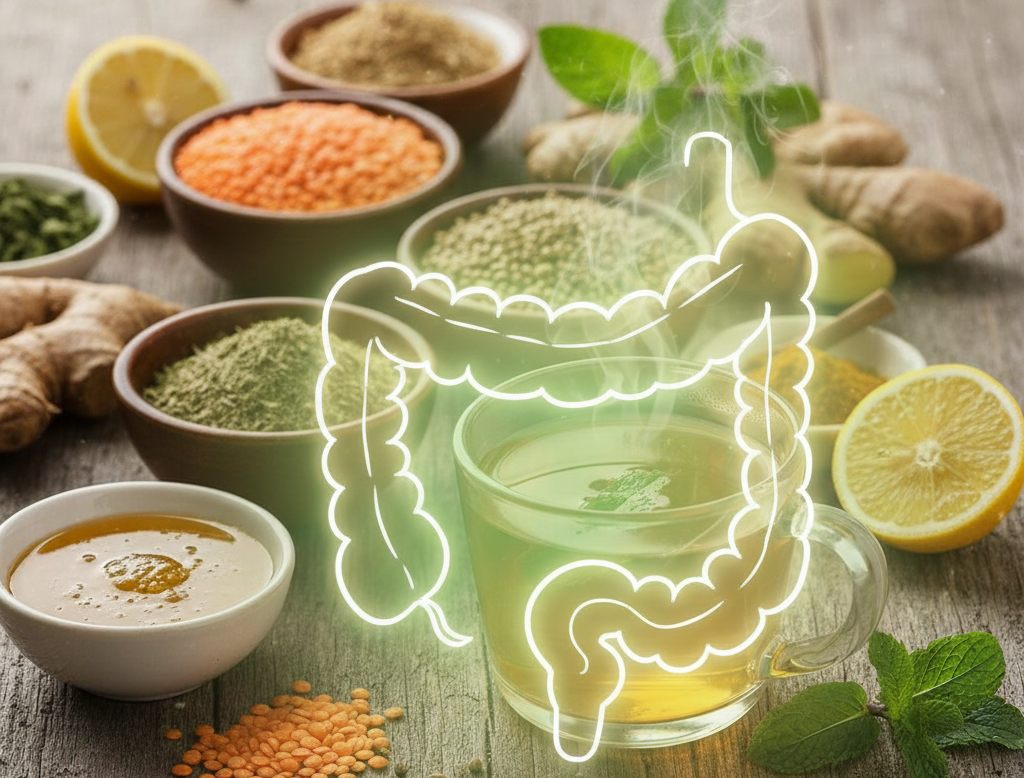
Once you start understanding Ayurveda deeply, and spend enough time studying it, you slowly realize that Ayurveda considers disturbed Agni to be one of the foundational factors behind many chronic diseases.   Even if you are completely new to Ayurveda, you have probably heard this word before.   Most people know Agni as “digestive fire.”   Something related to the stomach. Something related to appetite. Something related to food.   But it is much bigger than that.   Agni is transformation itself. This is the simplest way to understand it.   The food we eat must transform into energy. Energy must transform into tissues. Tissues must transform into strength, immunity, and vitality.   This entire process depends on Agni.   And when this transformation starts becoming weak, disturbed, irregular, or excessive, disease slowly begins developing over time.   Ayurveda gives Agni such importance because digestion is not just about comfort after meals. It is about the body’s ability to process everything it receives.   If food is not properly transformed, it does not become proper nourishment. Instead, it can remain partially digested and create strain in the system.   Over time, this can weaken the tissues, disturb the doshas, and reduce vitality.   And honestly, many times the disturbance starts much before reports become abnormal.   The body always gives signals first.   Loss of appetite. Bloating. Brain fog. Heaviness. Fatigue. Coated tongue. Irregular bowel movements.   In Ayurveda, we do not ignore these small signs because these are often the earliest indications that Agni is struggling.   Ama   Ama is one of the most misunderstood concepts in Ayurveda.   People often translate Ama simply as “toxins.”   But honestly, Ama is much more complex than that.   Ama is anything that the body could not properly digest, process, or eliminate.   Improperly digested food can become Ama.   Poor lifestyle habits can contribute to Ama.   Even unresolved emotions and chronic stress can create imbalance in the system.   Ayurveda describes Ama as: heavy, sticky, obstructive, clouding.   And clinically, this description makes a lot of sense.   When digestion weakens, the body slowly loses efficiency.   Channels become blocked. Inflammation increases. Metabolism slows down. Energy decreases. Tissues stop functioning optimally.   Then disease begins expressing itself differently in different people.   In one person it may become a skin disorder.   In another, hormonal imbalance.   In someone else, autoimmune disease, chronic fatigue, joint pain, or metabolic disorders.   The disease names may change.   But internally, disturbed Agni and Ama are often present somewhere in the background.   This is one reason Ayurveda places so much importance on digestion.   One thing I find fascinating is that Ayurveda does not see digestion as only stomach digestion.   Even the mind digests.   Have you noticed how stress affects your stomach?   How anxiety changes appetite?   How grief can make digestion weak?   The Four States of Agni   According to Ayurveda, Agni does not become disturbed in the same way in every person.   Sometimes it becomes weak. Sometimes excessive. Sometimes irregular. And sometimes perfectly balanced.   Understanding these patterns is very important because they explain why different people experience digestion and disease differently.   The healthiest state is called Sama Agni.   People with Sama Agni usually have: good appetite, comfortable digestion, stable energy, clear mind, healthy bowel movements, and overall balance in the body.   Food nourishes them properly.   There is no heaviness after eating. No burning. No excessive gas or discomfort.   In Ayurveda, this is considered the ideal state because the body is transforming nourishment properly.   Then there is Manda Agni.   Weak or slow digestion.   This is extremely common today.   These individuals often feel: heavy, sluggish, sleepy after meals, bloated, and mentally dull.   Their appetite may feel low, but even small amounts of food can create discomfort.   Ayurveda says this state allows Ama to accumulate very easily because the digestive fire is not strong enough to process food properly.   This pattern is commonly associated with Kapha imbalance.   Then comes Tikshna Agni.   Excessively sharp digestion.   In these individuals, the digestive fire becomes too intense.   They may experience: very strong hunger, acidity, burning sensation, irritability, heat intolerance, loose stools, or inflammation.   Even though digestion appears “strong,” Ayurveda does not consider this healthy either.   Because excessive fire can slowly start damaging tissues over time.   This state is commonly associated with aggravated Pitta.   And then there is Vishama Agni.   Irregular digestion.   One day digestion feels completely normal. The next day there is bloating, constipation, gas, or discomfort.   Appetite becomes unpredictable.   This is very commonly seen in people with: stress, anxiety, irregular schedules, poor sleep, overthinking, excessive travel, and disturbed routines.   In Ayurveda, this is strongly connected with Vata imbalance.   There is also something called Dhatvagni, which refers to the metabolic activity present within each tissue.   According to Ayurveda, digestion does not stop after food leaves the stomach.   Transformation continues throughout the body.   Food must eventually nourish blood, muscle, fat, bone, marrow, and reproductive tissues properly.   This is an incredibly sophisticated way of understanding metabolism.   One thing I deeply appreciate about Ayurveda is that it never separates the mind from the body.   We can clearly observe how emotional states affect digestion.   Stress creates acidity.   Fear disturbs appetite.   Grief weakens digestion completely.   Anxiety creates irregular bowel patterns.   Modern medicine is now studying the gut-brain connection very seriously.   But Ayurveda recognized this relationship thousands of years ago.   Ojas   Ayurveda says that when Agni functions properly for a long time, the final refined essence created in the body is called Ojas.   Ojas is considered the essence of vitality.   It is what gives the body strength, stability, resilience, immunity, and even emotional steadiness.   When Agni works well, it helps create… Continue reading What is Agni and Why Every Disease Starts Here?

Have We Been Looking at Cancer the Wrong Way?

While the modern world is still trying to understand the many factors that contribute to cancer, I feel like I may have understood something important through my experience with Ayurveda.   I am not saying this is written in any ancient Ayurvedic textbook. In fact, it is not mentioned in any of the Samhitas or classical Ayurvedic texts in the exact way I am going to explain it.   Nobody taught me this directly.   This understanding has come from years of observing patients, studying Ayurveda deeply, and trying to correlate what I see in practice.   And honestly, I just want to share my learning.   Whenever I asked my professors about cancer, they would say that cancer can be understood as Ojakshaya, which means depletion of ojas, or reduction in vitality and immunity.   Yes, that explanation made some sense to me.   But still, I always felt that there was something missing. There was no clear explanation about why cancer develops in the first place. No direct cause that was fully satisfying to me.   Over time, I started connecting dots on my own.   Let me explain this in the simplest way possible so that even if you don’t know much about Ayurveda, you will still understand.   Most people have heard about Vata, Pitta, and Kapha. These are the three doshas in Ayurveda.   Vata is mainly associated with the air element. Pitta is associated with fire. Kapha is associated with earth and water.   Now think about this carefully.   People who naturally gain weight easily, people who accumulate fat, people whose bodies tend to “build up” tissues, in Ayurveda, these are considered Kapha-dominant people.   Conditions like:   Polycystic ovaries (PCOS), Thyroid swelling (Galagandha), Diabetes, Fibroids,   all have strong Kapha involvement mentioned in Ayurvedic texts.   Why?   Because Kapha is all about accumulation, growth, nourishment, and building tissues.   In diabetes too, Ayurveda explains that toxins accumulate because digestion is weak.   Food is eaten but not properly digested, and over time, undigested material starts accumulating in the body.   In Kapha individuals, this accumulation tendency is naturally higher because their system is already more prone to storing and building.   Now here is where my thinking started becoming very clear.   What is cancer, fundamentally?   Cancer involves uncontrolled cell growth and multiplication. From an Ayurvedic lens, I began wondering whether this process could also reflect a tendency toward excessive accumulation and tissue build-up.   So logically, shouldn’t cancer also have a strong Kapha component?   Nobody taught me this directly. I arrived at this understanding by observing patterns repeatedly in patients.   And then I looked at modern research.   Today, modern medicine is increasingly talking about:   fasting, calorie restriction, not feeding the cancer, metabolic therapies.   You may have come across phrases like “starve the cancer,” often discussed in conversations around metabolism and cancer research.   And suddenly, it made sense.   Because in Ayurveda, the number one treatment mentioned for aggravated Kapha is Langhana.   Langhana means fasting.   It is eating less, lightening the system and decreasing accumulation.   When Kapha increases excessively, Ayurveda says the body needs reduction, not more nourishment.   And honestly, when I saw this parallel between modern research and Ayurvedic principles, it made complete sense to me.   Of course, our ancestors may have understood something this profound a long time ago.   Sometimes we assume ancient systems are primitive, but often they observed the body in incredibly intelligent ways.   Now, I want to make something very clear here.   I do not believe Ayurveda should replace modern cancer treatment.   Modern medicine is extraordinary when it comes to managing rapidly proliferating cancer cells. Cancer can spread aggressively, and modern interventions like chemotherapy, radiation, surgery, immunotherapy, these are fast-acting and lifesaving in many cases.   We cannot ignore that.   What we do through Ayurveda is different.   We work alongside modern medicine.   While modern treatment targets and destroys the actively multiplying cancer cells, Ayurveda focuses on reducing the internal environment that may be supporting that growth.   In simple words:   while one side is treating the disease directly, the other side is trying to reduce the tendency for accumulation.   That is where Kapha reduction becomes important.   Through this, we try to:   reduce excessive accumulation, improve digestion and metabolism, reduce toxins, support immunity, decrease heaviness in the body, improve overall vitality.   And more importantly, we focus heavily on reducing recurrence, slowing progression, improving quality of life and helping recovery.   This is not about “curing cancer overnight.” This is about changing the terrain of the body.   I openly acknowledge that my understanding may still be limited. Maybe my logic is incomplete. Maybe there are aspects I still do not understand.   But at the same time, I cannot ignore what I am seeing clinically.   I am seeing patients improve. I am seeing recovery happen beautifully alongside treatment. I am seeing people feel stronger, lighter, healthier, and more hopeful.   And for that, I feel deeply grateful.   Honestly, I feel like this understanding was given to me by the universe as a blessing. And I do not want to take that for granted. I want to acknowledge it with gratitude.   Because when you spend years studying, observing, questioning, and genuinely trying to help people, sometimes insights come quietly.   And I felt this understanding was worth sharing.   Even if this perspective helps one person think differently about their health, their lifestyle, or their healing journey, I will be happy.   I also want people to understand something important: Ayurveda is not only about herbs. It is not only about medicines.   It is also about understanding the body’s tendencies.   If the body is constantly in a state of accumulation, heaviness, sluggish digestion, toxin build-up, and excessive growth tendencies, then naturally we must ask: “How do we reduce… Continue reading Have We Been Looking at Cancer the Wrong Way?

Triphala and Its Benefits for Skin and Daily Care

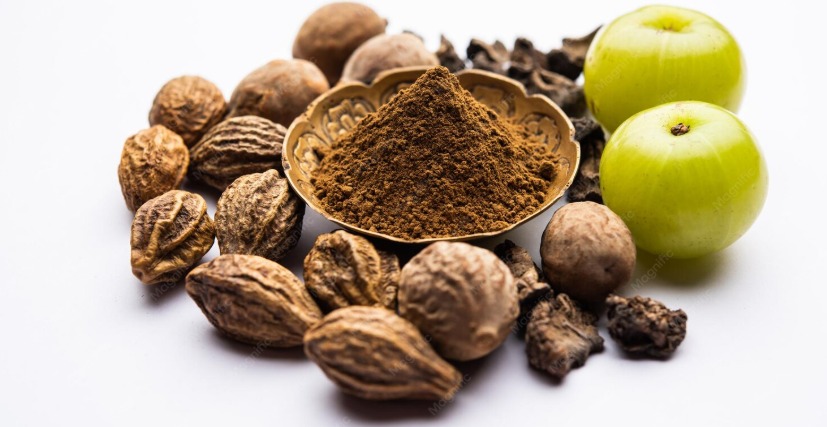
Triphala holds a special place in Ayurveda because people have trusted it for centuries as a simple, powerful blend for overall wellness. It combines three fruits, Amla, Haritaki, and Bibhitaki, and each one brings its own skin loving qualities.   Today, many people look at Triphala not only as a traditional herbal formula but also as a helpful part of a clean and natural skincare routine.   When you understand Triphala better, you can see why it works so well in skincare. It supports balance, helps cleanse gently, and offers antioxidant support that many modern skin routines need.   That is one reason products like Triphala face wash have become popular with people who want a natural, simple, and effective option.   What is Triphala?   Triphala means three fruits. Ayurveda uses this blend as a time tested formula that supports cleansing, balance, and rejuvenation. The three fruits work together in harmony, and that balance makes Triphala such a valuable ingredient in wellness and skincare.   Amla brings vitamin C and antioxidants, Haritaki supports cleansing and skin clarity, and Bibhitaki helps with balance and gentle exfoliation. Together, they create a powerful herbal blend that can support skin from the outside and from within.   Why Triphala matters in skincare   Skin faces a lot every day. Dust, oil, pollution, stress, and poor routines can all leave skin looking dull or tired. Triphala helps because it supports cleansing without making the skin feel harsh or stripped.   Many people want that kind of care now because strong cleansers often remove too much and leave the skin uncomfortable.   A good Triphala face wash can fit beautifully into this need. It helps remove daily impurities, supports freshness, and gives the skin a clean feeling while still keeping the routine gentle. That balance makes it useful for everyday skincare.   Benefits of Triphala for skin 1. It supports clearer looking skin   Triphala has natural cleansing properties that help the skin feel fresh and look more refined. It can support people who deal with excess oil, congestion, or frequent breakouts. Because of that, Triphala often appears in skincare products made for clearer looking skin.   A Triphala face wash can become a helpful first step in the routine. It helps wash away dirt and oil that collect on the surface through the day. Over time, that gentle cleansing can support a cleaner and more balanced complexion.   2. It offers antioxidant support   One of the biggest reasons people value Triphala is its antioxidant strength. Antioxidants help protect the skin from free radical damage, which can make skin look older, duller, or less lively. Amla especially brings strong antioxidant support because it contains vitamin C and other helpful nutrients.   When skin gets more antioxidant support, it can look healthier and more vibrant. That is why a Triphala face wash can work well in a daily routine focused on long term skin care, not just quick cleansing.   3. It supports a brighter appearance   Many people use Triphala because they want skin that looks fresh and naturally radiant. Amla brings brightness support, and the whole blend helps remove buildup that can make skin appear dull. This makes Triphala useful for people who want a more awakened and even looking complexion.   A Triphala face wash can help start that process each morning and night. When you cleanse properly and regularly, your skin has a better chance to look clean, fresh, and naturally bright.   4. It helps with oil balance   Triphala can suit oily and combination skin because it helps keep the skin feeling clean without using harsh ingredients. Haritaki and Bibhitaki especially support balancing and clarifying care. This matters because excess oil often leads to shine, clogged pores, and breakouts.   A gentle Triphala face wash can help remove extra oil while still respecting the skin barrier. That makes it a practical option for people who want daily cleansing without that tight, squeaky clean feeling.   5. It supports gentle exfoliation   Triphala can help lift away dead skin cells and surface buildup. This matters because dead skin can make the face look rough, uneven, or tired. Gentle exfoliation also helps skincare products work better because they can reach the skin more effectively.   When a Triphala face wash includes this kind of support, it can help the skin feel smoother with regular use. You do not need a strong scrub every day. You need consistent, gentle cleansing that keeps the skin fresh.   6. It may help calm the look of redness   Triphala has traditional use in soothing and balancing care. Some sources mention its anti inflammatory qualities, which can support skin that looks irritated or stressed. This makes it appealing for people who want a cleaner routine with less harshness.   A Triphala face wash can fit well into that goal because it supports cleansing without overly drying the skin. That helps the face feel calm, comfortable, and cared for after washing.   7. It supports a healthier looking skin barrier   Healthy skin does not just look clear. It also needs to feel comfortable and well cared for. Antioxidants, vitamin C, and gentle herbal cleansing can all support skin that feels stronger and more resilient.   People often look for a Triphala face wash when they want a more natural option that respects the skin barrier. That kind of product can work especially well in a regular morning and evening routine.   How to use Triphala in a skincare routine   You can use Triphala in skincare in simple ways. Many people prefer a cleanser because it gives them an easy daily habit. A face wash fits into a busy routine much better than a mask or paste that needs extra time.   Use your Triphala face wash on damp skin. Massage it gently in circular motions, then rinse with lukewarm water. Follow with a toner or moisturizer that matches your skin type. This simple… Continue reading Triphala and Its Benefits for Skin and Daily Care

Doshas in Ayurveda: Vata, Pitta, Kapha, and Combination Types Explained

Ayurveda explains health through the balance of the three doshas in Ayurveda: Vata, Pitta, and Kapha.   These doshas are not just body types. They are the basic forces that influence your body, mind, energy, digestion, sleep, emotions, and even your habits. When the doshas stay in balance, you feel healthy and stable. When they go out of balance, discomfort and illness often begin to show.   The idea of doshas in Ayurveda is simple but powerful. It helps you understand why one person feels cold easily, why another gets angry quickly, and why someone else may move slowly but stay calm.   Ayurveda says each person is unique. That means your body type, food needs, emotional patterns, and energy levels all depend on your dosha pattern.   In this guide, we will look at all three doshas in Ayurveda in a simple way. We will also explore combination types, because many people do not fit into just one single dosha category.   Some people are Vata Pitta, some are Pitta Kapha, and some are Vata Kapha or even all three together. Understanding these combinations can help you know yourself better and make smarter choices for your health.     What are doshas in Ayurveda?   The doshas in Ayurveda are three biological energies that shape how the body and mind work. These are Vata, Pitta, and Kapha. Every person has all three doshas, but usually one or two of them are more dominant than the others. That dominant pattern becomes your natural constitution.   Ayurveda connects each dosha with the five elements of nature. Vata comes from air and space. Pitta comes from fire and water. Kapha comes from earth and water. These elements explain the qualities of each dosha. Vata feels light, mobile, dry, and cold. Pitta feels hot, sharp, intense, and fluid. Kapha feels heavy, slow, soft, stable, and oily.   When you understand doshas in Ayurveda, you begin to see health as balance. You stop asking only what is wrong and start asking what your body needs right now.   Vata dosha   Vata dosha controls movement. It manages breathing, circulation, nerve impulses, blinking, speaking, and all kinds of motion in the body. It also influences creativity, enthusiasm, quick thinking, and flexibility.   People with strong Vata often have a slender frame, dry skin, a light appetite, and irregular sleep patterns.   When Vata stays balanced, a person feels lively, imaginative, energetic, and curious. They often learn quickly and adapt easily to change. They may enjoy new ideas, travel, art, and communication.   When Vata becomes imbalanced, the person may feel anxious, fearful, restless, forgetful, or mentally scattered. The body may show signs like dry skin, gas, bloating, constipation, irregular hunger, light sleep, or joint stiffness.   Cold weather, irregular meals, lack of sleep, stress, too much travel, and too much screen time can increase Vata.   To balance Vata, Ayurveda recommends warmth, routine, nourishment, and rest. Warm cooked food, regular meal timing, enough oil in the diet, gentle exercise, and calm surroundings can help greatly. Vata loves stability, so even small routines can make a big difference.   Pitta dosha   Pitta dosha controls digestion, metabolism, intelligence, and transformation. It helps the body digest food and helps the mind process information clearly. People with a strong Pitta nature often have a medium build, strong digestion, warm body temperature, sharp memory, and a focused personality.   When Pitta stays balanced, a person feels smart, organized, confident, and productive. They often make decisions quickly and clearly. They may also have strong leadership qualities and a good sense of direction.   When Pitta goes out of balance, the person may become irritable, impatient, critical, angry, or perfectionistic. The body may show acidity, loose stools, excessive heat, skin rashes, burning sensations, or inflammation. Spicy food, hot weather, too much work pressure, skipped meals, and emotional frustration can all increase Pitta.   To balance Pitta, Ayurveda suggests cooling, soothing, and moderating habits. Fresh foods, enough water, less spicy meals, time in nature, rest, and emotional softness can help. Pitta does best when it avoids overexertion and constant intensity.   Kapha dosha   Kapha dosha gives structure, strength, stability, and nourishment. It supports the joints, immune system, skin, and body tissues. People with strong Kapha often have a solid build, smooth skin, calm mind, and steady energy. They are often kind, patient, loyal, and emotionally steady.   When Kapha stays balanced, a person feels grounded, peaceful, nurturing, and dependable. They usually have good stamina and a natural ability to support others.   When Kapha becomes imbalanced, the person may feel lazy, heavy, sleepy, dull, or emotionally stuck. They may gain weight easily, feel congested, or lose motivation. Too much sleep, heavy food, lack of exercise, and emotional attachment can increase Kapha.   To balance Kapha, Ayurveda recommends movement, light food, warmth, and stimulation. Regular exercise, less oily and heavy food, more variety, and active routines can help. Kapha needs momentum, because stillness can quickly turn into stagnation.     How the doshas work together   The doshas in Ayurveda never work in isolation. They support each other all the time. Vata creates movement. Pitta creates transformation. Kapha creates structure. Health depends on the right balance of all three.   For example, digestion needs Pitta to break down food, Vata to move it through the digestive tract, and Kapha to protect and lubricate the system. Sleep also depends on balance. Vata helps calm the nervous system, Pitta helps regulate body temperature, and Kapha supports deep rest.   When one dosha rises too much, the others get affected too. This is why Ayurveda pays close attention to the natural balance in each person. It does not treat every body the same way. It looks at the unique combination of doshas in Ayurveda and then gives support based on that pattern.   Combination types in Ayurveda   Most people do not have only one dosha. They often have a combination of two doshas,… Continue reading Doshas in Ayurveda: Vata, Pitta, Kapha, and Combination Types Explained

Understanding Parkinson’s Disease: A Simple Guide to Symptoms and Support

Parkinson’s disease is a brain condition that slowly gets worse over time. It starts by affecting how you move, like making your hands shake or your steps slow. But it goes deeper, touching sleep, mood, digestion, and daily joys. Millions face it worldwide, often starting after age 60, though it can hit younger people too.   This article explains Parkinson’s in plain words. We’ll cover what it is, why it happens, how it feels, and ways to manage it. It includes standard care and an Ayurvedic view for balance. The aim is clear facts to help you or a loved one feel more in control.     What is Parkinson’s Disease?   Think of your brain as a control center. It uses a chemical called dopamine to send smooth signals for walking, grabbing a cup, or smiling. In Parkinson’s, special brain cells that make dopamine die off which cause signals to glitch, movements to turn shaky, stiff, or slow.   It’s called a progressive neurological disorder. That means it worsens bit by bit. Early days might mean a slight hand tremor when resting. Months or years later, balance wobbles or speech slurs. There’s no full cure yet, but early steps make a big difference in comfort and function. Most cases show after 60, but 5-10% start younger. It affects men a touch more than women.     Causes and Risk Factors   No one cause fits all. It’s often a mix:   Brain cell loss: Dopamine factories in the substantia nigra area shut down slowly. Protein clumps called Lewy bodies gum up the works too. Age: Biggest factor. Brain cells naturally wear after 60. Genes: Rare types run in families. Common ones slightly raise odds if relatives have it. Environment: Farm chemicals like pesticides, weed killers, or factory fumes link to higher risk. Other triggers: Head injuries from sports or falls. Long stress. Poor gut health may play a role via the gut-brain link.   Daily habits don’t start it, but skipping sleep, junk food, or no exercise can speed symptoms. Smoking oddly lowers risk a bit, though no one suggests it.     Symptoms and Effects   Symptoms split into movement ones and hidden ones. They creep in slow, then build.   Movement symptoms:   Tremors: Hands shake like rolling a pill between fingers. Starts one side, worse at rest, eases with action. Stiffness: Muscles lock tight. Arms don’t swing walking. Back or neck hurts. Slow moves (bradykinesia): Buttoning shirts takes forever. Face freezes—no big expressions. Balance loss: Lean forward. Freeze mid-step. Falls rise.   Hidden symptoms:   Speech: Voice soft, slurs, or trails off. Words chop. Thinking: Memory slips. Focus fades, especially later. Mood: Sadness, worry, or feeling blank hits 50% of people. Body: Constipation blocks. Blood pressure drops standing. Sleep fights, kick or yell in dreams. Smell weakens early. Fatigue drags.     Conventional Management Overview   Doctors focus on easing symptoms and keeping function: Pills: Levodopa turns to dopamine in brain. Others mimic it or block breakdown. They cut shakes and stiffness well, but effects shorten over years. Side wiggles (dyskinesia) can pop. Exercise: Walking, boxing, dance, or cycling build strength. Aim 150 mins moderate weekly. Therapy: Physio for balance. Speech work for clear talk. Occupational help for home tasks. Advanced: Deep brain stimulation zaps steady signals via wires for tough cases.       The Need for a Deeper, Structured Approach   Pills calm shakes today, but Parkinson’s is a marathon. Body ultimately tires. Nerves need ongoing food. Digestion matters, poor gut starves brain. Quick fixes fade fast.   A deeper plan looks at whole body: Nerves, gut fire (energy to tissues), habits. Months of steady steps bring real shifts, like smoother walks or less fatigue. Regular check-ins tweak as needed.   Ayurvedic Perspective on Parkinson’s   Ayurveda names it Kampavata. Vata is the body’s air force: Moves nerves, joints, breath. Too much Vata dries channels. Nerves stutter. Shakes and stiffness grow. Weak Agni (digest fire) builds Ama (gunk), blocking nutrients to brain and muscles.   Causes mirror life: Cold foods, late nights, stress, age (Vata rises natural). Ayurveda balances Vata gently, no fight, just moisten, warm, steady. It adds to regular care, not replaces.   Ayurvedic Management Approach   Simple layers build over time. Consistency counts, weeks give calm, months rebuild. Nerve support Gut fix (Agni) Food   Outcomes and Expectations   Steady care often brings: Speech clears Tremors quiet Memory firms Coordination lifts Energy up Around 98% feel overall better with time. Some see 80% less shake or stiff. But it varies: Early stage wins bigger. Age, stick-to-it, body type matter. It slows slide, boosts function.   A Structured Approach to Parkinson’s Care For those looking beyond short-term symptom management, a more structured and consistent approach to care can make a meaningful difference over time. We offer a personalised 3-month Ayurvedic support program for Parkinson’s, designed to focus on improving function, slowing progression, and enhancing overall quality of life. This is not a quick intervention, but a guided process that works with the body steadily. The approach focuses on supporting neuromuscular coordination, improving speech and daily function, strengthening digestion (Agni), and addressing underlying imbalances that contribute to the condition. Care is provided in a structured manner, including regular consultations, ongoing reviews, daily monitoring when required, and guidance from both medical and nutrition perspectives. In certain cases, specific Ayurvedic cleansing therapies are included based on individual needs. Over time, patients have reported improvements in areas such as speech clarity, tremors, memory, and overall coordination. In some cases, significant improvements in specific symptoms have been observed. However, responses vary from person to person, and consistency plays a key role in outcomes. This initiative is offered as a service-driven effort. There are no consultation or program fees, medicines are provided at subsidised cost, and any contribution is voluntary. For those exploring a more consistent and holistic way to support Parkinson’s, this may be one approach to consider. WhatsApp +91 99011 26331 for enquiries! (Consulations, Products,… Continue reading Understanding Parkinson’s Disease: A Simple Guide to Symptoms and Support

Ayurvedic View of Dry Itchy and Flaky Skin, Causes and Care

  In Ayurveda, dryness, itching, and flaking of the skin are not treated as random problems but as clear signals of an internal imbalance in the body. The way Ayurveda reads these symptoms is quite different from the usual cosmetic cream approach you see today.   Instead of just layering moisturizers, Ayurveda digs into your digestion, doshas, lifestyle, and even your emotional state to understand why the skin has become dry, itchy, or flaky in the first place.     How Ayurveda sees the skin     The skin is called Twak Dhatu and is deeply connected to the Rasa Dhatu, which is the first tissue formed after digestion. In simple terms, the quality of your blood and fluids directly reflects on the quality of your skin.   If the Rasa Dhatu is well nourished and clean, the skin stays soft, smooth, and hydrated. If the nutrition is poor, or if there is congestion and toxins in the channels that carry this nutrition, the skin becomes dry, rough, and prone to itching and flaking.   Ayurveda also explains that the skin is one of the main seats of Vata dosha, which means any imbalance in Vata will show up clearly on the skin in the form of dryness, tightness, and rough texture.     Why the skin feels dry     From an Ayurvedic angle, dry skin is usually linked to excess Vata. Vata is the dosha of air and ether, and its qualities are dry, cold, light, rough, and mobile. When Vata becomes aggravated, these qualities spread through the body, depleting moisture from the skin and tissues.   Common triggers Ayurveda points to include:   Very dry or cold weather Too many dry, light, raw, or cold foods Excessive travel, overwork, stress, or lack of rest Poor digestion leading to weak Agni and formation of ama   All of these either increase Vata or reduce the body’s capacity to nourish the skin, so the skin feels tight, rough, and lacks its natural glow.   In some cases, dryness may also be linked to low kapha. Kapha represents structure, lubrication, and moisture in the body. When this supportive fluid layer is depleted, the skin loses its softness and resilience.     What Ayurveda says about itching     In Ayurveda, itching is called Kandu and is usually a message from a deeper imbalance rather than a problem isolated to the surface of the skin. Itching can be classified based on the dosha involved: Vata type itching: This type comes with dry, rough skin, sometimes with flaking or fine cracks. The itch is often sharp, prickly, or moving, and may worsen when the skin is very dry or cold. It is closely linked to poor nutrition, dehydration, tiredness, and nervous stress. Kapha type itching: Here the skin may feel heavy, slightly swollen, or damp. You might notice more oozing, crusting, or thick scaling in addition to itching. This kind of itching is often tied to sluggish digestion, excess mucus, and weight gain. Pitta type itching: The skin feels warm, red, or burning, and the itching can be intense, sometimes with burning or stinging. This pattern is common in inflammatory or allergic skin reactions, or when the body is running hot due to heat, spicy food, or emotional anger and stress.   Very often, two or all three doshas can combine, so someone may have dryness, burning, or oozing all at once. This is why a one cream fits all solution rarely works in the long term.     Why the skin starts flaking and peeling   Flaking and peeling are the body’s attempt to shed excess dry, dead cells, especially when the skin is not being properly nourished from within. Ayurveda explains this as:   Twakgata Vata – Vata that has become localized in the skin, causing dryness, roughness, and cracking. Depletion of Rasa Dhatu – when the fluid and plasma layer is thin, the skin loses its suppleness and starts to scale. Blockage of channels – when the channels that carry nutrition and fluids are congested with ama, the skin does not receive proper fuel and begins to dry out and flake.   Conditions like ichthyosis, severe eczema, or chronic dry skin are often described in Ayurveda as forms of Vata predominant Kushta, where dryness, flaking, and tightness are prominent features.     Root causes that Ayurveda looks for     Rather than focusing only on the visible symptoms, Ayurveda asks questions like:   Is the digestion weak, with bloating, gas, or irregular bowel movements Is the person eating too many drying foods (lots of raw salads, dry fruits without balance, caffeine, cold drinks) Is there a lot of stress, fear, or sleeplessness keeping vata high Are there systemic conditions such as diabetes, thyroid issues, or anemia that can mirror as dry, itchy skin   In Ayurvedic terms, the key factors are:   Agnimandhya – weak digestive fire Ama – accumulation of toxins Sroto dushti – blockage of channels Vega dharana – suppressing natural urges like urination, defecation, or sweating   All of these can disturb the internal environment and show up on the skin as dryness, itching, or flaking.     How Ayurveda guides treatment     Ayurvedic treatment for dryness, itching, and flaking is usually stepwise and individualized. A basic outline that you can simplify for readers:   Balance the dosha For vata dominant dry, itchy, flaky skin: use warm, nourishing, moistening approaches. For pitta dominant burning, itchy skin: cool, soothing, anti inflammatory methods are chosen. For kapha dominant damp, heavy, crusted itching: light, drying, and detoxifying measures are preferred.   Support digestion and reduce ama Simple tips for patients: Eat warm, cooked, easily digestible foods. Avoid heavy, fried, or excessively sweet and sour foods if itching is pronounced. Encourage small, regular meals and mindful eating.   When ama is stubborn and itching is chronic, an Ayurvedic practitioner may consider Panchakarma procedures like Vamana or Virechana, depending on the patient’s constitution and disease pattern.   Hydrate from… Continue reading Ayurvedic View of Dry Itchy and Flaky Skin, Causes and Care

Ayurveda and Menstrual Pain: Understanding Cramps, Clots and Mood Changes

Menstrual pain, clots, and mood changes are very common, but they are not something every woman has to quietly suffer through. From an Ayurvedic perspective, these are signs that the body’s natural balance needs support. Ayurveda sees periods not as a “problem,” but as a reflection of how well digestion, hormones, and daily lifestyle are working.   Many women know the routine every month: lower‑abdomen cramps, passing clots, feeling bloated, tired, or suddenly emotional. In Ayurveda, these are not “just part of being a woman.” They are signals from the body that Vata and Pitta doshas are imbalanced, digestion is weak, and the reproductive system is under stress.   Instead of treating each symptom alone, Ayurveda looks at the whole picture: food, sleep, stress, emotions, and daily habits, and then offers gentle, natural ways to bring balance back.   Why Do Period Cramps Happen?   In Ayurveda, menstruation is seen as a natural downward movement controlled by an energy called Apana Vata. This energy helps the menstrual blood flow out smoothly.   When life is too fast, too stressful, or too cold for the body, this Apana Vata gets disturbed. The result is tightening, spasms, and cramping in the lower abdomen, back, and sometimes thighs.   Cramps usually start a few hours before the period or right when bleeding begins. They may come and go in waves and can be mild or very strong. Ayurveda views this as a sign that the body needs more warmth, rest, and calm routines, not just painkillers.   Are Clots and Heavy Bleeding Normal?   Passing small clots with your period is usually normal, especially if the bleeding is not too heavy and your cycle is otherwise regular. But large clots, very heavy bleeding, or periods lasting more than 7–8 days are signs that the body is out of balance.   Ayurveda links heavy, dark, or clotty flow mainly to Pitta dosha and disturbed Rakta dhatu (blood tissue). When Pitta is high, the blood can become hot, fast, and heavy, which leads to more bleeding and clots.   On the other hand, if the flow is very light, patchy, or very irregular, it is often linked to Vata imbalance, where the flow is weak and unsteady.   The goal in Ayurveda is to balance the doshas, support healthy digestion, and strengthen the reproductive tissues so that periods become regular, comfortable, and not painful.   Mood Swings, Anxiety and PMS   Many women feel more emotional, anxious, or easily irritated a week or two before their period. Ayurveda connects this to Vata and Pitta going out of balance in the mind and body.   Vata, which controls the nervous system, makes the mind restless and sensitive. Pitta adds intensity and sharpness to emotions. Together, they can create:   Feeling suddenly upset or tearful Feeling angry over small things Fear, anxiety, or racing thoughts   Stress, lack of sleep, and irregular eating make this worse. When the digestive fire (Agni) is weak, the body cannot digest food properly and also cannot handle stress and emotions, which leads to stronger PMS symptoms.   Simple Diet Changes During Your Period   During menstruation, the body is already delicate, so Ayurveda suggests eating light, warm, and easy‑to‑digest foods.   Here are some simple tips: Eat warm cooked meals like khichdi, vegetable soups, rice, and soft lentils. Sip warm water with ginger, fennel, or cumin to ease cramps. Avoid cold drinks, ice cream, raw salads, and too much fried food, as they increase Vata and pain. Have a light dinner early so the body can rest instead of digesting heavy food at night.   On bleeding days, it helps to avoid heavy exercise, intense workouts, and long travel and instead focus on rest, warmth, and gentle movement.   Lifestyle and Daily Habits for Better Periods   Your daily routine has a big impact on your periods. Ayurveda calls this Dinacharya (daily routine). A few simple changes can make a big difference:   Sleep and wake up around the same time every day, especially going to bed early. Avoid staying up very late or working on screens till midnight, as this aggravates Vata and Pitta. Take short gentle walks or practice mild yoga and stretching to improve blood flow in the pelvic area. Use warm water or warm showers instead of very cold baths to soothe the body.   A gentle self‑massage (Abhyanga) on the lower abdomen with warm oil a few days before the period can also relax muscles and reduce cramps.   Breathing and Mind Calming for Pain and Mood   Breathing practices help calm the mind and balance hormones. Simple techniques recommended in Ayurveda include:   Nadi Shodhana (alternate‑nostril breathing): 5–10 minutes daily to reduce anxiety and mood swings. Gentle Kapalabhati (quick exhalations): Helps clear the mind and improve circulation.   Spending 10 minutes each day in quiet breathing, without phones or screens, can greatly reduce stress‑related PMS and cramps.   Herbal Support, But Use Carefully   Ayurveda uses various herbs to support menstrual health, but they should always be taken under the guidance of a qualified Ayurvedic doctor. Some commonly used herbs include:   Shatavari: A gentle, cooling herb that nourishes the female reproductive system and helps with heavy or irregular bleeding. Ashoka: Helps regulate periods, reduce pain, and support a healthy uterus. Dashmoolarishta and similar herbal preparations: Used to balance hormones, reduce inflammation, and support long‑term menstrual health.   In chronic conditions like PCOD or endometriosis, trained Ayurvedic doctors may also suggest Panchakarma‑style therapies, such as gentle cleansing and special herbal treatments, over a few months.   When to Seek Help   Mild cramps and small mood changes are common, but severe pain, very heavy bleeding, large clots, or extreme mood swings are not normal. They can be signs of conditions like PCOD, endometriosis, fibroids, or hormonal imbalance.   If any of the following are true, it is important to see a doctor (Ayurvedic or modern): The pain is so strong that it stops daily work… Continue reading Ayurveda and Menstrual Pain: Understanding Cramps, Clots and Mood Changes

Viruddha Ahara in Ayurveda: Incompatible Foods and Their Effects

In Ayurveda, food is considered the foundation of health. It is not only meant to satisfy hunger but also to nourish the body, mind, and tissues. When food is chosen and consumed correctly, it supports digestion, strengthens immunity, and maintains balance in the body.   However, when food is taken in an improper manner, it can disturb digestion and gradually lead to disease. One such important concept explained is Viruddha Ahara in Ayurveda, which means incompatible or contradictory food.   The word “Viruddha” means opposite. Viruddha Ahara refers to food or food combinations that are opposite in nature to the body and its digestive process. Such food interrupts metabolism, weakens digestion, and prevents proper formation of body tissues.   Even foods that are healthy on their own can become harmful when consumed in the wrong combination, wrong quantity or wrong time. Regular consumption of such incompatible food is considered a major cause of metabolic and systemic disorders in Ayurveda.   Viruddha Ahara does not usually cause immediate illness. Instead, it works slowly by disturbing Agni and creating Ama, which is toxic, undigested material in the body.   Over time, this Ama blocks channels, vitiates the Doshas (Vata, Pitta, and Kapha), and weakens the tissues. This gradual imbalance eventually manifests as digestive problems, skin disorders, hormonal imbalance, mental disturbances, and chronic diseases.     Types of Viruddha Explained Simply     Desha Viruddha (Place / Environment Incompatibility)   Food should match the place you live in. Dry, spicy, alcoholic foods in hot, dry regions aggravate Vata and Pitta while cold, oily foods in marshy or humid places increase Kapha. Eating against the nature of your environment disturbs balance.     Kala Viruddha (Time & Season Incompatibility)   Each season has its own demands. Cold, dry foods in winter and extremely spicy and hot foods in summer, such choices strain digestion and doshas.     Agni Viruddha (Digestive Power Incompatibility)   Agni means digestive fire. Heavy food when digestion is weak and light food when digestion is strong both cause imbalance. Food must match your digestive capacity.     Matra Viruddha (Quantity Incompatibility)   Quantity matters as much as quality. Too much food Too little food Certain foods in equal quantities (like honey and ghee) Even healthy foods can become harmful in wrong proportions.     Satmya Viruddha (Habit Incompatibility)   Your body adapts to habits over time. If someone accustomed to spicy, hot food suddenly eats excessive cold and sweet food, digestion suffers.     Dosha Viruddha (Dosha-Specific Incompatibility)   Eating foods that increase the sameDosha already dominant in your body can cause imbalance. Example: Heavy, oily food for Kapha-dominant people Dry, cold food for Vata-dominant people   Samskara Viruddha (Processing Incompatibility)   It is incompatibility caused by improper processing or preparation of food. Certain methods of cooking or processing can convert food into a toxic substance. Examples include heating honey or preparing food using unsuitable materials or methods.     Virya Viruddha (Potency Incompatibility)   It occurs when substances with opposite potencies are consumed together. Combining hot-potency and cold-potency foods confuses digestion and creates imbalance in the body.     Koshtha Viruddha (Bowel Nature Incompatibility)   Koshtha Viruddha is related to bowel nature. Some people have hard bowels, while others have soft bowels. Food and medicines should be chosen accordingly. Ignoring bowel nature can lead to digestive disturbances.     Avastha Viruddha (Condition Incompatibility)   It refers to incompatibility related to the physical or mental state of the person. Consuming Vata-aggravating food after exhaustion or heavy exercise, or Kapha-aggravating food during lethargy and sleepiness, worsens Dosha imbalance.     Krama Viruddha (Order Incompatibility)   Occurs when the proper sequence of eating is not followed. Eating without hunger, eating before bowel and bladder are cleared, or eating when hunger is excessive disturbs digestion.     Parihara Viruddha and Upachara Viruddha (Treatment Incompatibility)   These are related to ignoring dietary restrictions during illness or treatment. Consuming foods that are prohibited for a particular disease or during treatment can interfere with recovery.     Paka Viruddha (Cooking Incompatibility)   It refers to incompatibility due to improper cooking. Food that is burnt, undercooked, overcooked, stale, or reheated becomes difficult to digest and harmful to health.     Samyoga Viruddha (Combination Incompatibility)   It is incompatibility due to wrong combinations. Certain combinations, such as sour substances with milk, produce harmful effects even though the individual items may be healthy.     Hridaya Viruddha (Mental Incompatibility)   Hridaya Viruddha is incompatibility related to the mind. Eating food that is unpleasant or disliked affects digestion because the mind and digestive system are closely connected.     Sampat Viruddha (Quality Incompatibility)   It refers to food that lacks proper quality, such as unripe, overripe, or impure substances.     Vidhi Viruddha (Eating Rules Violated)   Vidhi Viruddha occurs when the rules of eating are violated, such as eating without discipline, in an improper environment, or without mindfulness.     Effects of Consuming Viruddha Ahara   Digestive disorders (bloating, acidity, IBS) Skin diseases (eczema, vitiligo, herpes-like eruptions) Anemia and liver disorders Hormonal and reproductive problems Mental disturbances like anxiety and insanity Toxic buildup (Ama) Chronic inflammation Reduced immunity Even fatal outcomes in extreme cases   The concept of Viruddha Ahara highlights one of the most practical and insightful teachings of Ayurveda, that food is not universally beneficial just because it is nutritious.   The same food can act as medicine for one person and as poison for another, depending on how it is combined, prepared, consumed, and digested. Ayurveda reminds us that digestion is at the centre of health, and anything that disturbs it repeatedly will eventually disturb the entire system of the body.   Modern lifestyles unknowingly promote Viruddha Ahara. Irregular eating habits, fast food combinations, excessive use of refrigerated and reheated food, eating under stress, and ignoring seasonal needs all contribute to digestive imbalance.   Many people suffer from acidity, bloating, skin issues, allergies, fatigue, and hormonal problems without realizing that the root cause may lie… Continue reading Viruddha Ahara in Ayurveda: Incompatible Foods and Their Effects