
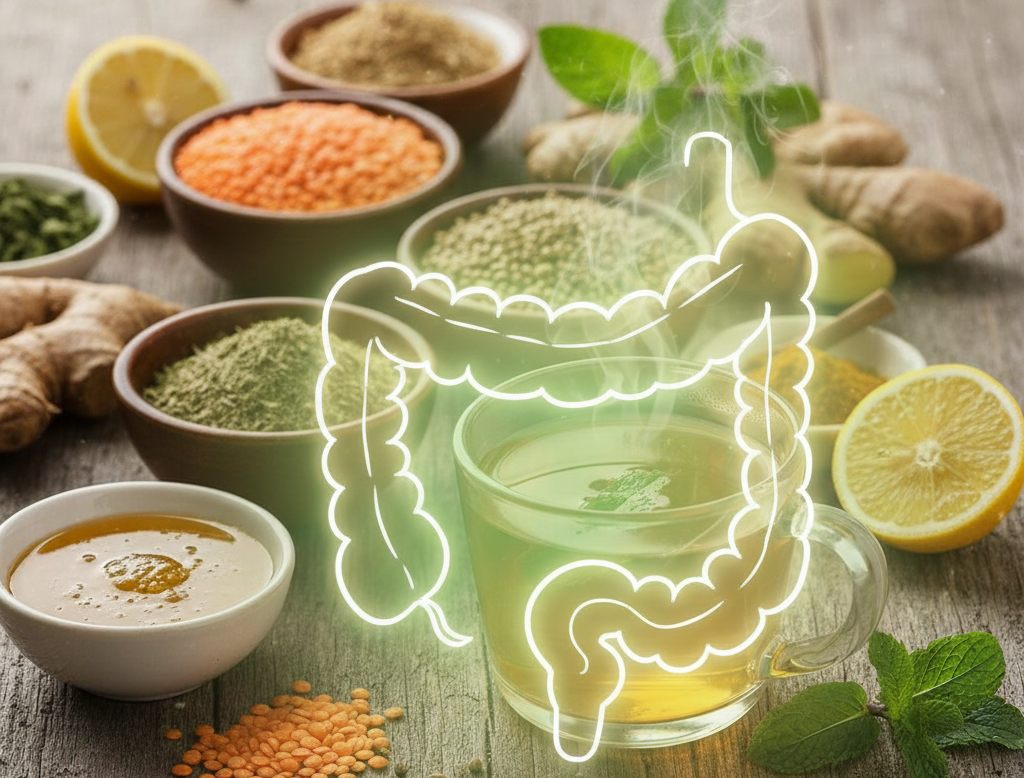
What is Agni and Why Every Disease Starts Here?

Once you start understanding Ayurveda deeply, and spend enough time studying it, you slowly realize that Ayurveda considers disturbed Agni to be one of the foundational factors behind many chronic diseases.   Even if you are completely new to Ayurveda, you have probably heard this word before.   Most people know Agni as “digestive fire.”   Something related to the stomach. Something related to appetite. Something related to food.   But it is much bigger than that.   Agni is transformation itself. This is the simplest way to understand it.   The food we eat must transform into energy. Energy must transform into tissues. Tissues must transform into strength, immunity, and vitality.   This entire process depends on Agni.   And when this transformation starts becoming weak, disturbed, irregular, or excessive, disease slowly begins developing over time.   Ayurveda gives Agni such importance because digestion is not just about comfort after meals. It is about the body’s ability to process everything it receives.   If food is not properly transformed, it does not become proper nourishment. Instead, it can remain partially digested and create strain in the system.   Over time, this can weaken the tissues, disturb the doshas, and reduce vitality.   And honestly, many times the disturbance starts much before reports become abnormal.   The body always gives signals first.   Loss of appetite. Bloating. Brain fog. Heaviness. Fatigue. Coated tongue. Irregular bowel movements.   In Ayurveda, we do not ignore these small signs because these are often the earliest indications that Agni is struggling.   Ama   Ama is one of the most misunderstood concepts in Ayurveda.   People often translate Ama simply as “toxins.”   But honestly, Ama is much more complex than that.   Ama is anything that the body could not properly digest, process, or eliminate.   Improperly digested food can become Ama.   Poor lifestyle habits can contribute to Ama.   Even unresolved emotions and chronic stress can create imbalance in the system.   Ayurveda describes Ama as: heavy, sticky, obstructive, clouding.   And clinically, this description makes a lot of sense.   When digestion weakens, the body slowly loses efficiency.   Channels become blocked. Inflammation increases. Metabolism slows down. Energy decreases. Tissues stop functioning optimally.   Then disease begins expressing itself differently in different people.   In one person it may become a skin disorder.   In another, hormonal imbalance.   In someone else, autoimmune disease, chronic fatigue, joint pain, or metabolic disorders.   The disease names may change.   But internally, disturbed Agni and Ama are often present somewhere in the background.   This is one reason Ayurveda places so much importance on digestion.   One thing I find fascinating is that Ayurveda does not see digestion as only stomach digestion.   Even the mind digests.   Have you noticed how stress affects your stomach?   How anxiety changes appetite?   How grief can make digestion weak?   The Four States of Agni   According to Ayurveda, Agni does not become disturbed in the same way in every person.   Sometimes it becomes weak. Sometimes excessive. Sometimes irregular. And sometimes perfectly balanced.   Understanding these patterns is very important because they explain why different people experience digestion and disease differently.   The healthiest state is called Sama Agni.   People with Sama Agni usually have: good appetite, comfortable digestion, stable energy, clear mind, healthy bowel movements, and overall balance in the body.   Food nourishes them properly.   There is no heaviness after eating. No burning. No excessive gas or discomfort.   In Ayurveda, this is considered the ideal state because the body is transforming nourishment properly.   Then there is Manda Agni.   Weak or slow digestion.   This is extremely common today.   These individuals often feel: heavy, sluggish, sleepy after meals, bloated, and mentally dull.   Their appetite may feel low, but even small amounts of food can create discomfort.   Ayurveda says this state allows Ama to accumulate very easily because the digestive fire is not strong enough to process food properly.   This pattern is commonly associated with Kapha imbalance.   Then comes Tikshna Agni.   Excessively sharp digestion.   In these individuals, the digestive fire becomes too intense.   They may experience: very strong hunger, acidity, burning sensation, irritability, heat intolerance, loose stools, or inflammation.   Even though digestion appears “strong,” Ayurveda does not consider this healthy either.   Because excessive fire can slowly start damaging tissues over time.   This state is commonly associated with aggravated Pitta.   And then there is Vishama Agni.   Irregular digestion.   One day digestion feels completely normal. The next day there is bloating, constipation, gas, or discomfort.   Appetite becomes unpredictable.   This is very commonly seen in people with: stress, anxiety, irregular schedules, poor sleep, overthinking, excessive travel, and disturbed routines.   In Ayurveda, this is strongly connected with Vata imbalance.   There is also something called Dhatvagni, which refers to the metabolic activity present within each tissue.   According to Ayurveda, digestion does not stop after food leaves the stomach.   Transformation continues throughout the body.   Food must eventually nourish blood, muscle, fat, bone, marrow, and reproductive tissues properly.   This is an incredibly sophisticated way of understanding metabolism.   One thing I deeply appreciate about Ayurveda is that it never separates the mind from the body.   We can clearly observe how emotional states affect digestion.   Stress creates acidity.   Fear disturbs appetite.   Grief weakens digestion completely.   Anxiety creates irregular bowel patterns.   Modern medicine is now studying the gut-brain connection very seriously.   But Ayurveda recognized this relationship thousands of years ago.   Ojas   Ayurveda says that when Agni functions properly for a long time, the final refined essence created in the body is called Ojas.   Ojas is considered the essence of vitality.   It is what gives the body strength, stability, resilience, immunity, and even emotional steadiness.   When Agni works well, it helps create… Continue reading What is Agni and Why Every Disease Starts Here?


Gut Health – Unlocking the Power of Ayurvedic Foods for Digestion

From bloating and constipation to IBS and diarrhoea, poor digestive health has become a sign of modern times. A sedentary lifestyle, improper meal times, unhealthy food choices and mental stress are some of the modern-day contributors to poor gut health. It is alarming to note that nearly 40% of adults suffer from gut issues, ranging from heartburn and bloating to acid reflux and IBS (Irritable Bowel Syndrome). According to Ayurveda, poor gut health is the root cause of all diseases. So, neglecting these problems could lead to severe conditions like colon cancer.    The Reasons Your Gut Is Not Happy   Fatigue, IBS, constipation, bloating, diarrhoea, unintentional weight changes, etc. are all signs of poor gut health. If you see it from the Ayurvedic perspective, Then, it’s time for you to hurry up and consult a doctor. One of the main reasons for your gut health issues is lack of sleep. The role of good sleep in digestive health is, however, often overlooked.   Serotonin is produced in the gut; therefore, any imbalance can significantly affect its production. A weakened immune system can also lead to poor gut health. Your body is not capable of fighting diseases as it has not absorbed nutrients from the food. Another reason for digestive issues is excessive consumption of incompatible and processed foods.   The Gut-Mind Connection   The gut-mind connection has been scientifically proven. Unlike the popular adage ‘You are what you eat,’ Ayurveda believes that ‘you are what you digest’. Healthy digestion is vital to wellness.  In Ayurveda, gut health is derived from ‘Agni’ – the digestive fire. It not only has a bearing on your digestion process, but it also influences your emotions and thoughts. Most digestive problems arise due to an imbalance in Agni. This imbalance in turn affects the Doshas and accumulates Ama or toxins. The GI system and the central nervous system are deployed and connected. Food can trigger mood changes. Ayurveda says, “Rogah sarve api mande agnou,” meaning, a low Agni or poor gut health is the root cause of all diseases – be it physical or emotional. It means your gut and mind are connected. Following a regular daily routine or Dinacharya is intrinsic to wellness as per Ayurveda. This regularity also goes a long way in maintaining a healthy nervous and digestive system.  Furthermore, Ayurveda recommends mindful eating, which, in a way, means the mind and the gut are connected. Additionally, mindful eating is about involving all your senses as you eat.  It makes you aware of the quality and taste of the food and portion control. This nourishes the inner Agni, thereby ensuring balanced digestion.    Ayurvedic Ways to Keep Your Agni Balanced   Here are different ways to keep your Agni on balance: Follow a diet with foods that are simple, light and easy to digest. Be consistent with your mealtimes.  Avoid overeating. Avoid incompatible food combinations. Eat your dinner early. Have three meals every day. Maintain a gap of about 2 to 3 hours between your dinner and bedtime. Follow Dinacharya. Keep your body well hydrated. Avoid cold drinks and ice water as it dampens your Agni. Avoid processed and frozen foods. Have warm, freshly cooked foods instead.   Ayurvedic Remedies To Soothe Your Gut   Here are some Ayurvedic remedies that work best for your gut health: Consume black raisins to support digestive health. They relieve constipation and provide much-needed minerals and nutrients. Guduchi is an Ayurvedic herb that helps soothe gut inflammation. Consume it if you suffer constipation or poor appetite. Add licorice or Yashtimadhu to tea to soothe an acidic gut. Add cinnamon to tea or milk to promote better digestion. It acts as an antioxidant to eliminate oxidative compression in the gut. Use cardamom to reduce inflammation. Furthermore, it alleviates symptoms of indigestion, gas, and bloating. People have used cloves for their analgesic and anti-inflammatory properties. Triphala – a combination of Amla, Haritaki, and Bibhitaki can be consumed for better nutrient absorption and relief from constipation. Relieve nausea by drinking ginger tea. Add ginger while cooking to promote digestive health. Consume fennel to boost digestion. You can either chew fennel seeds after your meals. Alternatively, brew a fennel tea and have it. Carom seeds or ajwain is a wonderful carminative. It has antibacterial and anti-inflammatory properties to reduce bloating, gas, and digestive tract inflammation.  Use black pepper and long pepper in food or tea to enhance digestive power.   Practices For Better Digestive Health   Incorporate these practices into your daily life to improve your digestive health: Try meditation to reduce the stress and anxiety that is part of modern-day life. Not only will you have better gut health, but you will also experience a healthier mental and emotional state. Eat foods that align with your Prakriti (body type). This helps prevent Dosha imbalances. Eat seasonal food. This practice maintains energy balance. Local produce is best as it is fresh and has not travelled thousands of miles to get to your plate. Enjoy your food but keep your gut happy too. Have foods that are easy to digest and follow mindful eating. Keep yourself active. Follow an exercise regimen that suits your age, fitness levels, and overall condition. Daily walks can kindle the Agni and build your digestive capacity. Though the principles of Ayurveda date back several thousand years, they hold relevance even today. Ayurveda gives utmost importance to gut health as it has an impact on your overall health. So, have foods that are digestible, follow a daily routine and keep away from stress. If you need any help with your diet.   If you are struggling with any health issues, you can either book a consultation with us or send us a message via WhatsApp to +91 79074 89839. We have the best Ayurvedic doctors in Trivandrum who are always glad to help you. If you have any queries, contact us.  You can also visit us at our hospital.

Kwathita – A Traditional Recipe for Gut Healing

Ayurveda emphasizes the use of natural remedies to treat various ailments, and one such Ayurvedic recipe as a remedy for healing the gut is the Kwathita drink, which has been used for over 5000 years.    Kwathita is a recipe that is believed to be effective in treating indigestion, loss of appetite, flatulence, abdominal pain, hemorrhoids and overall gut health. The recipe is taken from the Bhavaprakasha Nighantu, one of the ancient Ayurvedic texts that contain information about medicinal plants and their therapeutic uses.    How  to  prepare  Kwathita?      Here’s the recipe to make Kwathita.    Ingredients:    Ghee – 1 tsp  Asafoetida – a pinch   Turmeric – 1 tsp   Peppercorns -2   buttermilk – 1 glass   Salt – to taste    Method of preparation:    First, add all ingredients to a pan, and then boil the mixture for one minute. Remove the mixture from the flame in the first boil itself, else there will be solid clumps.  Consume the drink with rice during lunch.   Kwathita drink provides a nutritious and delectable accompaniment to any rice-based meal, and people say it facilitates digestion and improves gut health in general.   Benefits of ingredients    Ghee, or clarified butter, is an important ingredient in Ayurvedic medicine; moreover, it is known for its numerous health benefits.  It has numerous health benefits. Ghee helps lubricate the digestive tract, promote the absorption of nutrients, and improve the overall health of the gut.   Asafoetida, on the other hand, is a pungent spice with anti-flatulent properties. It is aids digestion and relieves bloating and gas.     Turmeric, a popular spice used in Indian cuisine, has anti-inflammatory properties; therefore, it is often regarded as a beneficial addition to a healthy diet.  It helps reduce inflammation in the gut; furthermore, it promotes the healing of the digestive tract.  Pepper, another important ingredient in the Kwathita drink, that helps improve digestion and aids the absorption of nutrients.     A fermented dairy product called buttermilk is, indeed, well-known for having probiotic benefits.  It contains live cultures of advantageous bacteria that support the preservation of balanced gut flora. It also contains a lot of lactic acid, which helps with digestion and increasing nutrient absorption.    The Ayurvedic recipe – Kwathita is, indeed, a proven, over 5000-year-old remedy for gut healing.  Furthermore, it has stood the test of time, demonstrating its effectiveness across generations.  It is best to take Kwathita as a side with rice during lunch time. The ingredients of the drink aid digestion, encourage digestive system healing and maintain a healthy balance of gut flora.  Looking for ways to improve your gut health? Book a consultation with us today and we’ll help you heal! You can join our Health Programs for mind and body detox.   If you are struggling with any health issues, you can either book a consultation with us or send us a message via WhatsApp to +91 79074 89839. We have the best Ayurvedic doctors in Trivandrum who are always glad to help you. If you have any queries, contact us.  You can also visit us at our hospital.