
Acne According to Ayurveda: Causes, Diet, and Natural Remedies for Clearer Skin

If you’ve ever dealt with acne, you know it’s rarely “just a skin problem.”   It affects our confidence, emotional well-being, and sometimes even our daily life. Anyone who has struggled with recurring breakouts knows exactly what that means.   It’s frustrating to wake up to a new breakout before an important event, trying one product after another hoping something will finally work, wondering whether it’s the hormones, your diet, or your stress levels that are causing these breakouts.   The truth is, acne can be incredibly stubborn.   And while modern skincare often focuses on treating the surface of the skin, Ayurveda looks a little deeper. Instead of asking, “How do we dry out this pimple?” Ayurveda asks, “Why is the body producing acne in the first place?”   Let’s take a closer look at what causes acne and some simple Ayurvedic practices that may help support clearer, healthier skin.   What Is Acne According to Ayurveda?   In Ayurveda, acne is called Yuvanapidika. It is classified under Kshudra Roga, a group of minor diseases that tend to spread from one area to another if left unmanaged.   Ayurveda explains acne as a result of imbalance in the body’s doshas: Kapha, Vata, and Pitta, along with Rakta (blood). While pimples show up on the skin, they are actually a sign that something is out of balance inside the body.   So, instead of just treating the surface, Ayurveda focuses on correcting these internal imbalances.   Why Does Acne Happen?   There isn’t one single cause of acne. In most cases, several factors work together.   And unless the underlying cause is addressed, long-term improvement can be difficult.   Common Causes of Acne   1. PMOS (Polycystic Metabolic Ovarian Syndrome)   For many women, acne is linked to Polycystic Metabolic Ovarian Syndrome.   If you have PMOS, you may also experience:   • Irregular periods • Abdominal obesity • Excess facial hair growth • Difficulty losing weight   If you’re dealing with stubborn acne along with these symptoms, it may be worth exploring whether a hormonal imbalance is contributing to the problem.   Get a proper diagnosis involving blood tests and abdominal ultrasound.   When such conditions are involved, no face wash or cream can fully solve the issue on its own. The underlying imbalance also needs attention.   2. Hormonal Changes   Hormones are one of the most common reasons behind acne.   During puberty, pregnancy, or other periods of hormonal fluctuation, the skin can produce more oil than usual. This excess oil combines with dead skin cells, clog pores, and creates the perfect environment for breakouts.   3. Clogged Pores   Sometimes acne develops simply because oil, dirt, and dead skin cells build up inside the pores.   Once the pore becomes blocked, blackheads, whiteheads, and pimples can start to appear.   4. Bacterial Infection   Certain acne lesions become infected with a bacteria called Cutibacterium acnes.   This is one reason why some breakouts feel more irritated and swollen than others.   5. Diet   Diet plays a major role in acne. Ayurveda places significant importance on food when it comes to skin health.   Certain foods are considered Guru, or “heavy,” and increase Kapha dosha. In some people, this can contribute to oily skin and recurring acne.   These include:   • Milk • Dairy products • Wheat • Sugary foods • Sweet desserts • Heavy foods   This doesn’t mean everyone needs to eliminate these foods. But if you notice your skin reacting after consuming them regularly, it may be worth paying attention.   6. Cosmetics and Skincare Products   Oil-based makeup and skincare products can clog pores and trigger acne flare-ups.   7. Certain Medications   Some medications can worsen acne, including: • Corticosteroids • Testosterone • Lithium   8. Stress   Have you ever noticed your skin acting up during stressful periods?   You’re not imagining it.   Stress can increase inflammation and influence hormonal activity, which may make existing acne worse. While stress may not directly cause acne, it can certainly make it harder for the skin to heal.   Ayurvedic Treatment for Acne   Not all acne is the same in Ayurveda. In some people, Yuvanapidika is mainly linked to an imbalance of Pitta and Rakta (blood).   This type of acne usually looks more inflamed, red, painful, and sometimes may even bleed if touched or irritated.   Understanding which doshas are involved helps in choosing the right treatment, so the root cause can be managed effectively.   Also, one of the biggest mistakes people make when they have acne is becoming too aggressive with their skincare.   When the skin is inflamed, more products aren’t always the answer.   Sometimes simpler is better.   Step 1: Treat the Root Cause   If your acne is caused by PMOS, no amount of creams, facials, or face packs will provide lasting results unless the hormonal imbalance is addressed.   Only by correcting the underlying Kapha and Ama imbalance associated with PMOS and other metabolic disorders can it be treated.   Step 2: Use a Gentle Herbal Face Wash   If your acne is active, swollen, or irritated, harsh scrubs and strong cleansers can do more harm than good.   Instead, prepare a simple Ayurvedic face wash.   Triphala Face Wash   • Boil 2 tablespoons of Triphala in water • Reduce it to 1 cup • Allow it to cool • Wash your face with it three times daily   That’s it.   No oils, creams, or facial massages during active inflammatory acne, as these may aggravate Kapha and worsen breakouts.   Step 3: Facial Steaming (Swedana)   Once active inflammation has reduced, facial steaming, known as Swedana in Ayurveda, is a simple practice that can help support healthy skin.     Benefits of Steaming     • Opens pores • Removes dirt and excess oil • Improves blood circulation • Loosens cellular debris • Helps prevent blackheads and whiteheads  … Continue reading Acne According to Ayurveda: Causes, Diet, and Natural Remedies for Clearer Skin

Triphala and Its Benefits for Skin and Daily Care

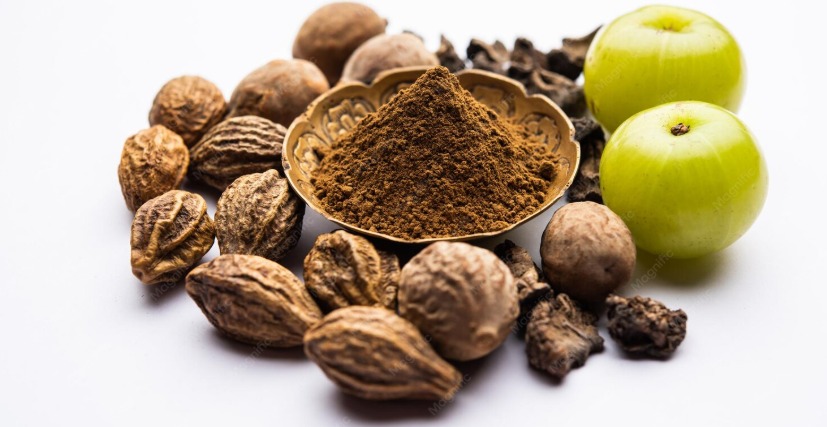
Triphala holds a special place in Ayurveda because people have trusted it for centuries as a simple, powerful blend for overall wellness. It combines three fruits, Amla, Haritaki, and Bibhitaki, and each one brings its own skin loving qualities.   Today, many people look at Triphala not only as a traditional herbal formula but also as a helpful part of a clean and natural skincare routine.   When you understand Triphala better, you can see why it works so well in skincare. It supports balance, helps cleanse gently, and offers antioxidant support that many modern skin routines need.   That is one reason products like Triphala face wash have become popular with people who want a natural, simple, and effective option.   What is Triphala?   Triphala means three fruits. Ayurveda uses this blend as a time tested formula that supports cleansing, balance, and rejuvenation. The three fruits work together in harmony, and that balance makes Triphala such a valuable ingredient in wellness and skincare.   Amla brings vitamin C and antioxidants, Haritaki supports cleansing and skin clarity, and Bibhitaki helps with balance and gentle exfoliation. Together, they create a powerful herbal blend that can support skin from the outside and from within.   Why Triphala matters in skincare   Skin faces a lot every day. Dust, oil, pollution, stress, and poor routines can all leave skin looking dull or tired. Triphala helps because it supports cleansing without making the skin feel harsh or stripped.   Many people want that kind of care now because strong cleansers often remove too much and leave the skin uncomfortable.   A good Triphala face wash can fit beautifully into this need. It helps remove daily impurities, supports freshness, and gives the skin a clean feeling while still keeping the routine gentle. That balance makes it useful for everyday skincare.   Benefits of Triphala for skin 1. It supports clearer looking skin   Triphala has natural cleansing properties that help the skin feel fresh and look more refined. It can support people who deal with excess oil, congestion, or frequent breakouts. Because of that, Triphala often appears in skincare products made for clearer looking skin.   A Triphala face wash can become a helpful first step in the routine. It helps wash away dirt and oil that collect on the surface through the day. Over time, that gentle cleansing can support a cleaner and more balanced complexion.   2. It offers antioxidant support   One of the biggest reasons people value Triphala is its antioxidant strength. Antioxidants help protect the skin from free radical damage, which can make skin look older, duller, or less lively. Amla especially brings strong antioxidant support because it contains vitamin C and other helpful nutrients.   When skin gets more antioxidant support, it can look healthier and more vibrant. That is why a Triphala face wash can work well in a daily routine focused on long term skin care, not just quick cleansing.   3. It supports a brighter appearance   Many people use Triphala because they want skin that looks fresh and naturally radiant. Amla brings brightness support, and the whole blend helps remove buildup that can make skin appear dull. This makes Triphala useful for people who want a more awakened and even looking complexion.   A Triphala face wash can help start that process each morning and night. When you cleanse properly and regularly, your skin has a better chance to look clean, fresh, and naturally bright.   4. It helps with oil balance   Triphala can suit oily and combination skin because it helps keep the skin feeling clean without using harsh ingredients. Haritaki and Bibhitaki especially support balancing and clarifying care. This matters because excess oil often leads to shine, clogged pores, and breakouts.   A gentle Triphala face wash can help remove extra oil while still respecting the skin barrier. That makes it a practical option for people who want daily cleansing without that tight, squeaky clean feeling.   5. It supports gentle exfoliation   Triphala can help lift away dead skin cells and surface buildup. This matters because dead skin can make the face look rough, uneven, or tired. Gentle exfoliation also helps skincare products work better because they can reach the skin more effectively.   When a Triphala face wash includes this kind of support, it can help the skin feel smoother with regular use. You do not need a strong scrub every day. You need consistent, gentle cleansing that keeps the skin fresh.   6. It may help calm the look of redness   Triphala has traditional use in soothing and balancing care. Some sources mention its anti inflammatory qualities, which can support skin that looks irritated or stressed. This makes it appealing for people who want a cleaner routine with less harshness.   A Triphala face wash can fit well into that goal because it supports cleansing without overly drying the skin. That helps the face feel calm, comfortable, and cared for after washing.   7. It supports a healthier looking skin barrier   Healthy skin does not just look clear. It also needs to feel comfortable and well cared for. Antioxidants, vitamin C, and gentle herbal cleansing can all support skin that feels stronger and more resilient.   People often look for a Triphala face wash when they want a more natural option that respects the skin barrier. That kind of product can work especially well in a regular morning and evening routine.   How to use Triphala in a skincare routine   You can use Triphala in skincare in simple ways. Many people prefer a cleanser because it gives them an easy daily habit. A face wash fits into a busy routine much better than a mask or paste that needs extra time.   Use your Triphala face wash on damp skin. Massage it gently in circular motions, then rinse with lukewarm water. Follow with a toner or moisturizer that matches your skin type. This simple… Continue reading Triphala and Its Benefits for Skin and Daily Care