
Doshas in Ayurveda: Vata, Pitta, Kapha, and Combination Types Explained

Ayurveda explains health through the balance of the three doshas in Ayurveda: Vata, Pitta, and Kapha.   These doshas are not just body types. They are the basic forces that influence your body, mind, energy, digestion, sleep, emotions, and even your habits. When the doshas stay in balance, you feel healthy and stable. When they go out of balance, discomfort and illness often begin to show.   The idea of doshas in Ayurveda is simple but powerful. It helps you understand why one person feels cold easily, why another gets angry quickly, and why someone else may move slowly but stay calm.   Ayurveda says each person is unique. That means your body type, food needs, emotional patterns, and energy levels all depend on your dosha pattern.   In this guide, we will look at all three doshas in Ayurveda in a simple way. We will also explore combination types, because many people do not fit into just one single dosha category.   Some people are Vata Pitta, some are Pitta Kapha, and some are Vata Kapha or even all three together. Understanding these combinations can help you know yourself better and make smarter choices for your health.     What are doshas in Ayurveda?   The doshas in Ayurveda are three biological energies that shape how the body and mind work. These are Vata, Pitta, and Kapha. Every person has all three doshas, but usually one or two of them are more dominant than the others. That dominant pattern becomes your natural constitution.   Ayurveda connects each dosha with the five elements of nature. Vata comes from air and space. Pitta comes from fire and water. Kapha comes from earth and water. These elements explain the qualities of each dosha. Vata feels light, mobile, dry, and cold. Pitta feels hot, sharp, intense, and fluid. Kapha feels heavy, slow, soft, stable, and oily.   When you understand doshas in Ayurveda, you begin to see health as balance. You stop asking only what is wrong and start asking what your body needs right now.   Vata dosha   Vata dosha controls movement. It manages breathing, circulation, nerve impulses, blinking, speaking, and all kinds of motion in the body. It also influences creativity, enthusiasm, quick thinking, and flexibility.   People with strong Vata often have a slender frame, dry skin, a light appetite, and irregular sleep patterns.   When Vata stays balanced, a person feels lively, imaginative, energetic, and curious. They often learn quickly and adapt easily to change. They may enjoy new ideas, travel, art, and communication.   When Vata becomes imbalanced, the person may feel anxious, fearful, restless, forgetful, or mentally scattered. The body may show signs like dry skin, gas, bloating, constipation, irregular hunger, light sleep, or joint stiffness.   Cold weather, irregular meals, lack of sleep, stress, too much travel, and too much screen time can increase Vata.   To balance Vata, Ayurveda recommends warmth, routine, nourishment, and rest. Warm cooked food, regular meal timing, enough oil in the diet, gentle exercise, and calm surroundings can help greatly. Vata loves stability, so even small routines can make a big difference.   Pitta dosha   Pitta dosha controls digestion, metabolism, intelligence, and transformation. It helps the body digest food and helps the mind process information clearly. People with a strong Pitta nature often have a medium build, strong digestion, warm body temperature, sharp memory, and a focused personality.   When Pitta stays balanced, a person feels smart, organized, confident, and productive. They often make decisions quickly and clearly. They may also have strong leadership qualities and a good sense of direction.   When Pitta goes out of balance, the person may become irritable, impatient, critical, angry, or perfectionistic. The body may show acidity, loose stools, excessive heat, skin rashes, burning sensations, or inflammation. Spicy food, hot weather, too much work pressure, skipped meals, and emotional frustration can all increase Pitta.   To balance Pitta, Ayurveda suggests cooling, soothing, and moderating habits. Fresh foods, enough water, less spicy meals, time in nature, rest, and emotional softness can help. Pitta does best when it avoids overexertion and constant intensity.   Kapha dosha   Kapha dosha gives structure, strength, stability, and nourishment. It supports the joints, immune system, skin, and body tissues. People with strong Kapha often have a solid build, smooth skin, calm mind, and steady energy. They are often kind, patient, loyal, and emotionally steady.   When Kapha stays balanced, a person feels grounded, peaceful, nurturing, and dependable. They usually have good stamina and a natural ability to support others.   When Kapha becomes imbalanced, the person may feel lazy, heavy, sleepy, dull, or emotionally stuck. They may gain weight easily, feel congested, or lose motivation. Too much sleep, heavy food, lack of exercise, and emotional attachment can increase Kapha.   To balance Kapha, Ayurveda recommends movement, light food, warmth, and stimulation. Regular exercise, less oily and heavy food, more variety, and active routines can help. Kapha needs momentum, because stillness can quickly turn into stagnation.     How the doshas work together   The doshas in Ayurveda never work in isolation. They support each other all the time. Vata creates movement. Pitta creates transformation. Kapha creates structure. Health depends on the right balance of all three.   For example, digestion needs Pitta to break down food, Vata to move it through the digestive tract, and Kapha to protect and lubricate the system. Sleep also depends on balance. Vata helps calm the nervous system, Pitta helps regulate body temperature, and Kapha supports deep rest.   When one dosha rises too much, the others get affected too. This is why Ayurveda pays close attention to the natural balance in each person. It does not treat every body the same way. It looks at the unique combination of doshas in Ayurveda and then gives support based on that pattern.   Combination types in Ayurveda   Most people do not have only one dosha. They often have a combination of two doshas,… Continue reading Doshas in Ayurveda: Vata, Pitta, Kapha, and Combination Types Explained
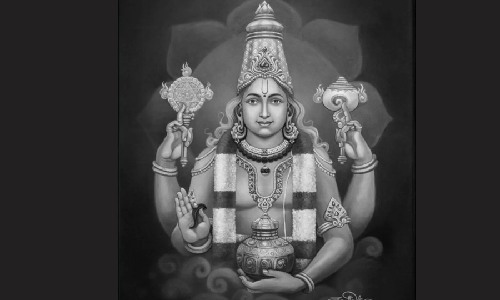
Lord Dhanvantari: The God of Ayurveda

According to Indian mythology, Lord Dhanvantari is the God of medicine and the God of Ayurveda.   This divine physician is also thought to be the 13th avatar of Lord Vishnu.   Lord Dhanvantari is often considered a symbol of health, healing, and longevity, not just in Ayurveda but also in the broader spiritual and cultural traditions of India. His teachings have been passed down through generations, influencing various aspects of both medical and spiritual practices.   In this blog, let’s explore the legend of Lord Dhanvantari, his relevance in the field of Ayurveda, and how he shaped the path of healing and health.   The Origin Story     The story of Lord Dhanvantari originates in Hindu mythology, particularly the legend of Samudra Manthan or the churning of the ocean.   According to the legend, Gods and demons churned the ocean of milk (Kshira Sagara) to get Amrita, the nectar of immortality. After a wearing trial period, Dhanvantari emerged from the sea, bringing with him the potion of immortality.   In images, artists often portray Lord Dhanvantari holding a conch in one hand and a pot full of Amrita in the second hand.  His third hand has a book titled “Ayurveda,” and the fourth hand has medicinal herbs.   The depiction of Lord Dhanvantari holding Amrita isn’t just a divine image. It is a symbol of Ayurveda’s power to sustain life and health. Ayurveda, when followed the right way, isn’t just about curing diseases, but about creating lasting well-being and balance.   Therefore, Lord Dhanvantari’s role is not just to ensure physical well-being, but also the divine alignment of mind, body, and soul, which is the crux of Ayurvedic principles.   This balance is vital in Ayurveda, as it integrates the mind, body, and spirit in a way that promotes overall harmony and vitality. Ayurveda doesn’t just treat symptoms; it works on the root causes to restore balance in the individual’s entire being.   One can see his emergence from the Ksheersagar, the ocean of life, as a metaphor for revealing hidden knowledge related to medicine or healing.     Lord Dhanvantari – God of Medicine and Ayurveda     Many people believe that Lord Brahma was the first person to teach and propagate Ayurveda. However, Lord Dhanvantari is the one worshipped as the god of Ayurveda.   Ayurveda pays attention to both treating illness and preventive health care through lifestyle, food, and natural remedies.   Lord Dhanvantari’s teachings emphasize herbs, therapies, and surgical knowledge as tools for achieving optimal wellness.   Lord Dhanvantari is known for bringing Ayurveda to the world, teaching the use of herbs, therapies, and surgical techniques for better health. His wisdom about healing and nature still guides Ayurvedic treatments today.   Ayurvedic doctors often seek Lord Dhanvantari’s blessings before starting any auspicious works.     Dhanvantari and the Vedas     People revere Lord Dhanvantari for his divine knowledge of surgery, medicinal herbs, and the importance of a balanced lifestyle.   Atharva Veda mentions his teachings through hymns and rituals associated with health and healing.   These hymns often include prayers for long life, peace, and freedom from disease, which reflect the broader spiritual goals of Ayurveda in promoting holistic wellness.   Many people think that Dhanvantari blesses many herbs and treatments used in Ayurveda.     Dhanvantari — Patron of Ayurveda and Surgery     One of the unique aspects of Lord Dhanvantari’s teachings is his focus on surgery.   Sushruta Samhita – the classical text of Ayurveda authored by Acharya Sushruta talks about surgery in detail.   People believe that Lord Dhanvantari reincarnated on earth as Divodasa – the king of Kashi.   Divodasa Dhanvantari was the master of surgery. He passed the knowledge of surgery and Ayurveda to Acharya Sushruta.   This included anatomy, use of surgical instruments, constructive operations such as removal of cataract, open heart surgery, brain surgery, and rhinoplasty.     Benefits of Worshipping Lord Dhanvantari     Since ancient times, people have been worshipping Dhanvantari for both physical and spiritual healing.   Many perform Dhanvantari Puja invoking his blessings for good health, and energy, and to remain guarded against diseases.   Every year, people celebrate Dhanvantari Jayanti on Dhanteras, two days before Diwali.  On this auspicious day, Ayurvedic doctors and followers pray to Lord Dhanvantari.   People also observe Dhanvantari Jayanti as International Ayurveda Day.   The celebration of Dhanvantari Jayanti serves as a reminder to all of us about the importance of good health, proper nutrition, and lifestyle choices. It is a day to reflect on our own health practices and seek guidance from Ayurveda.     Role of Lord Dhanvantari in New Age Wellness     Modern-day Ayurveda heavily follows Sushruta Samhita authored by Acharya Sushruta. In Sushruta Samhita, people also refer to Dhanvantari as Divodasa and Kasi Raja. Today, as more people prefer natural treatments over medicine, the lessons and teachings of Lord Dhanvantari make even more sense.   Here, his philosophy of using natural means to achieve balance links well with contemporary approaches to health and wellness that focus on holistic prevention, healthy eating, and mind-body balance.   In an era where people are increasingly turning to organic, natural alternatives, Lord Dhanvantari’s teachings on sustainable and gentle healing practices resonate deeply. People see his wisdom as a guide towards more conscious living.     Lord Dhanvantari — The Eternal Healer     Lord Dhanvantari’s expertise in Ayurveda inspires Ayurvedic doctors and followers of this ancient healing system.   For those seeking divine guidance regarding health, Lord Dhanvantari stands as the eternal symbol of hope, healing, and longevity.   Whether you follow an Ayurvedic lifestyle or just wish to live a healthier life, the teachings and insights from Lord Dhanvantari are relevant even today.   His eternal teachings inspire a life where physical health, mental peace, and spiritual growth are balanced, making his influence timeless.     Do you follow any Ayurvedic principles in your daily life? Tell us in the comments!  … Continue reading Lord Dhanvantari: The God of Ayurveda