
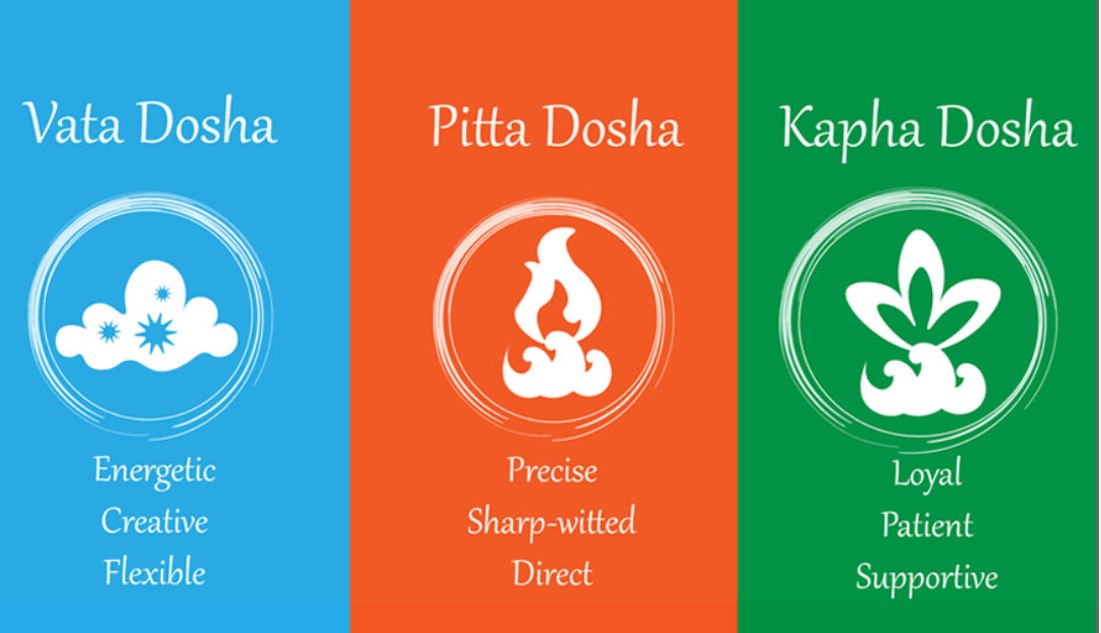
Ayurveda is a traditional system of medicine. Beyond that, it is a way of life that helps you reach the ultimate goal of overall wellness. In Ayurveda, the status of your health primarily revolves around the balance of your biophysical energies or Doshas. There are three types of Doshas – Vata, Pitta and Kapha, collectively called Tridoshas. They are derived from the 5 basic elements known as “Panchamahabhutas.” The Panchamahabhutas are space or ether, air, fire, water and earth. All these Doshas must be known to understand the unique constitution of one’s body and how to maintain a balanced manner to attain good health. The Panchamahabhutas: The Basis of Doshas The Panchamahabhutas are the fundamental elements that all matter in the universe is based on. These elements, in different combinations, make up the Doshas. Knowing them can delve deeper into the Doshas’ nature and influence on our bodies and minds. Ether (Space): This is the most subtle of all the elements. It symbolizes emptiness and the possibility of creation. Air: Associated with motion, lightness, and actionability. Fire: Associated with transformation, heat, and metabolism. Water: Fluidity, cohesion, lubrication. Earth: Most solid elements are related to stability and structure. Each Dosha gets its uniqueness from a different combination of these elements, which explains their distinct characteristics and effects on our bodies. What Are the Doshas? Doshas are biophysical energies that govern our inner and outer environments. These energies or Doshas, are present in everybody and everything. They are found in a unique ratio in each individual. This determines one’s Prakriti or physiological and psychological profile. If your Doshas are in balance, you have health and well-being. They, when in imbalance due to diet, lifestyle, or environmental factors, give rise to diseases. Vata Vata is the energy of movement. It constitutes air and ether. Vata Dosha governs bodily functions, like breathing, nerve impulses, and circulation. When in balance, there is much creativity and vitality. If it’s out of balance, the result is anxiety, dryness, and irregularity in the functions. Characteristics: Light, cold, dry, irregular, quick. Physical Characteristics: Thin build, dry skin, cold hands and feet. Mental Characteristics: Imaginative, anxious, quick learner. Imbalances: Result in anxiety, insomnia, xerosis, and constipation. You can balance your Vata Dosha by following a routine that includes warm, nutrient packed food, proper sleep, and activities like yoga or meditation. Pitta Pitta is composed of fire and water. It governs your digestion and metabolism. This fuels the drive of appetite, intelligence, and body heat. A balanced Pitta Dosha is marked by clarity and energy. However,when it’s out of balance, it results in anger, inflammation and digestive problems. Characteristics: Sharp, oily, hot, intense, and light Physical Traits: Medium build, warm skin, sharp features. Mental Traits: Intelligent, competitive, driven. Imbalances: Marked by symptoms, such as anger, indigestion, skin rashes, heartburn. Balancing the Pitta would require cooling food, relaxing exercises or techniques, and avoiding overwork. Fresh fruits, lots of vegetables and whole grains can nullify the inflamed nature of the Pittas. Kapha Kapha Dosha constitutes earth and water. It is the energy of body stability and structure. It controls growth, hydration and immune responses. A person with a proper and well-balanced Kapha will, consequently, be calm, patient, and, moreover, an endurance expert. A Kapha imbalance will result in lethargy, weight increase, and congestion. Characteristics: Heavy, slow, steady, oily, and cool. Physical Traits: Compact, soft-skinned, big-eyed. Mental Traits: Loyal, patient, compassionate. Imbalances: Results in obesity, slowdown in digestion, depression, and allergies. Massage-reviving functions and a balanced diet with light spicy foods maintain Kapha. Exercise and abstinence from heavy, oily foods will keep Kapha in harmony. What is Prakriti? Your Prakriti is your constitution and fixed at the moment of conception. This is a blueprint of your inborn strengths and weaknesses. By knowing your Prakriti, you can devise your lifestyle in a manner that will maintain a balance of your Doshas. Are you looking for more valuable insights? Head onto our blog section! How to Know Your Prakriti? Knowing your Prakriti means knowing which Doshas are most operative in your constitution based on that knowledge. We can guess these by looking within ourselves or consulting an Ayurvedic professional. Here’s a brief overview of how the Doshas may manifest in your physical and mental attributes: Vata Dominant: Thin and lean, dry skin, quick mind, active, anxious, and sleepless. Pitta Dominant: Medium-built, warm-skinned, sharp intellect, ambitious, irritable, and easily inflamed. Kapha Dominant: Heavier in build, smooth skin, calm disposition, steady energy, tends to put on weight and become lethargic. Knowing your Prakriti helps you tailor a diet, exercise, and daily routines suitable for bringing out balance in life. Balancing the Doshas Keeping your Doshas in balance is what keeps you healthy. The Doshas are particularly sensitive to continued influences, such as diet, lifestyle, stress and environmental elements that disturb your balance. What to do to Balance Vata? Diet: Have warm, freshly-cooked food with spices, such as ginger and cinnamon. Lifestyle: Follow a daily routine. Engage in activities that ground you in life, such as meditation and yoga. Season: Vata is provoked by a cold, dry & windy climate. Keep warm and moist. Tips to Pacify Pitta Diet: Consume cooling foods like greens, melons and cucumbers. Stay away from hot, spicy, and oily foods. Lifestyle: Moderate work and exercise. Moreover, engage in cool recreation activities like swimming or, alternatively, walking in nature to calm down Season: One shouldn’t disturb the natural order of Doshas. Avoid hot and humid seasons. Always be cautious at the seasonal end. Tips for Balancing Kapha Diet: Light, spicy foods; avoid dairy and heavy foods; include stimulating spices like black pepper and turmeric. Lifestyle: Be active & get regular exercise, but avoid too much sleeping and sedentary habits. Season: In cold, damp weather, Kapha Dosha is dominant. So, stay warm and dry. Consult an Ayurvedic doctor to guide you regarding your right… Continue reading What are Vata, Pitta and Kapha Doshas in Ayurveda?