
Protein vs Digestion: What Ayurveda Teaches About Building Muscle

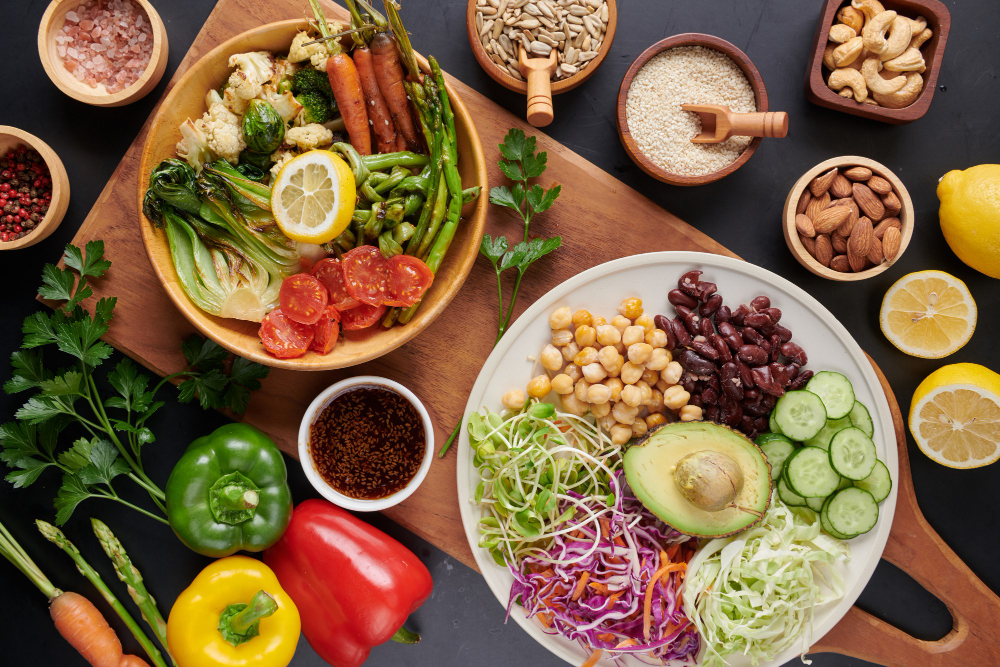
If you are hitting the gym today, or even just opening a health app on your phone, there’s probably one thing you’ll notice immediately: protein intake.   Thirty grams for breakfast, twenty-five grams for lunch and even a protein shake after your workout to hit your daily target.   Protein has become so ingrained in modern nutrition that we rarely stop to question it.   But here’s something interesting. Ayurveda, one of the world’s oldest continuously practised systems of medicine, never counted protein at all.   Why?   Let’s understand protein in a simple way.   Protein helps build muscle and supports strength. Many people assume that the more protein we eat, the stronger we become.   But the amount of protein you eat isn’t necessarily the amount your body digests, absorbs, and uses.   This single difference changes everything.     The World Has Become Obsessed With Protein     Protein is everywhere today.   The global protein supplement industry is now worth over $30 billion, and millions of people are actively trying to increase their daily protein intake.   Protein powders, protein cereals, protein bars, protein water, almost every food category now has a protein version.   The question is not whether we need protein. It has become how can we eat even more of it?   Research suggests that most Americans already meet or exceed the Recommended Dietary Allowance (RDA) for protein. Consuming protein far beyond these requirements doesn’t automatically lead to additional muscle gain or health benefits, particularly for sedentary individuals.   At the same time, many people are actually falling short on nutrients like fiber, calcium, potassium, and several B vitamins.   India has a similar story.   You may have heard the claim that 73% of Indians are protein deficient. But that number comes from a relatively small market survey rather than a nationwide nutritional assessment.   Protein intake varies considerably across India. While many people meet their basic physiological requirements, others, particularly older adults, women, and lower-income populations, may still consume inadequate amounts.   The bigger question isn’t simply how much protein we’re eating, it is whether our body is actually able to absorb and use it properly.     Ayurveda Never Looked at Food This Way     One of the basic principles of Ayurveda is that food is understood by how it behaves inside your body, not by how many grams of protein, carbohydrates, or fat it contains.   In other words, Ayurveda is less interested in the food itself and more interested in what that food does to your body.   Every food is understood through its taste, qualities, energy, and what happens after digestion.   The Chandogya Upanishad describes what happens when food is eaten, it explains that the heaviest part becomes waste, the finer part nourishes the body, while the subtlest portion supports the mind.   The remaining part contributes to building the body’s tissues, including muscle.   So Ayurveda never denied that food builds muscle.   It simply believed that something else comes first. You might have heard of the saying, you are what you eat.   But I believe it extends to you are what you digest.   Every meal you eat has the potential to nourish you but only if your body can properly absorb it.   Food doesn’t become muscle the moment you swallow it.   It first has to be digested, the nutrients must then be absorbed and gradually transformed into the body’s tissues.   Ayurveda describes this as a sequential process of tissue nourishment that eventually supports blood, muscle, fat, bone, marrow, reproductive tissue, and finally Ojas, the body’s deepest reserve of vitality and resilience.   For all of this to happen efficiently, your digestion has to be working well.     Why Ayurveda Focuses on Agni     This is why Ayurveda places so much importance on Agni, the digestive fire.   When your Agni is strong, food is digested efficiently, nutrients are absorbed properly, and the body receives nourishment.   But when Agni becomes weak, the body struggles to digest and process food effectively.   Instead of being completely transformed into nourishment, part of the food remains partially digested.   Ayurveda calls this Ama.   Ama is described as incompletely processed metabolic waste. According to Ayurveda, its accumulation is considered the starting point for many diseases.   This is why simply adding more food or more protein is not always the answer if your digestion is weak. Eating more protein does not automatically mean your body will build more muscle.   The first step is improving digestion.     Modern Science Is Beginning to Ask Similar Questions     Interestingly, modern nutrition is beginning to explore many of these same ideas.   One 2024 study published in Nature Metabolism reported that consuming more than approximately 25 grams of protein in a meal reduced markers associated with autophagy, the body’s natural process for clearing damaged cells.   Researchers are increasingly recognising that digestion, gut health, and nutrient absorption are just as important as nutrient intake itself.   High-protein diets can also unintentionally reduce fiber intake if they replace plant-based foods. This matters because dietary fiber feeds beneficial gut bacteria and plays an important role in long-term digestive and metabolic health.   In some respects, modern nutrition is beginning to explore concepts that echo principles long emphasised in Ayurveda, particularly the importance of digestion, gut health, and nutrient utilisation.   The body is not just a container for nutrients.   It is a living system that must digest, absorb, and transform food before it can become nourishment.     So Should You Stop Eating Protein?     Absolutely not.   Protein is an essential nutrient, it helps build muscle, repair tissues, produce enzymes, hormones, and support numerous physiological functions throughout the body.   I am not asking you to stop eating protein.   I am asking you to stop thinking that more protein automatically means better health.   Instead of asking,… Continue reading Protein vs Digestion: What Ayurveda Teaches About Building Muscle

WHO Recognises Ayurveda. So Why Isn’t It Covered by Insurance?

Biology concept with retro science cartoon icons set vector illustration

Ayurveda has gained global recognition from the World Health Organization. But in most countries, patients still have to pay for treatment entirely out of pocket. Why?   Over the past few years, Ayurveda has reached several important milestones.   The World Health Organization (WHO) has recognized Ayurveda as an important part of traditional and integrative healthcare. India has also established the WHO Global Traditional Medicine Centre in Jamnagar, backed by significant government investment, to strengthen research, collaboration, and innovation in traditional medicine.   These achievements are important.   They show that Ayurveda is receiving increasing attention at the global level.   But if someone living in London, New York, or Berlin wants Ayurvedic treatment, they’re probably paying for it themselves.   Even if Ayurveda is recognized, it is still not covered by most health insurance plans.   Recognition and access are not the same thing.   Recognition Is Only the First Step   The WHO Global Traditional Medicine Strategy (2025–2034) encourages countries to strengthen research, improve safety and regulation, and integrate traditional medicine into healthcare systems where appropriate.   This is an important step forward.   It gives traditional medicine, including Ayurveda, greater visibility in global health discussions.   However, recognition by the WHO does not automatically mean that a treatment becomes part of a country’s healthcare system.   Every country has its own rules for licensing practitioners, approving medicines, and deciding what treatments insurance companies will pay for.   That is where Ayurveda still faces significant challenges.   What the Current Situation Looks Like   India’s own report, Strategic Roadmap for Making Ayurveda Global, prepared by NITI Aayog and PwC, highlights this gap.   According to the report:   Ayurveda currently has formal recognition in only a limited number of countries. In many international markets, Ayurvedic products are still classified as dietary supplements rather than medicines. Insurance coverage for Ayurvedic treatment remains very limited outside India.   This means that although awareness of Ayurveda is growing, access to affordable treatment has not kept pace.   For many patients, cost remains a major barrier.   India Has Already Shown That Insurance Can Work   Interestingly, this challenge has already been addressed within India.   Health insurance regulations now require insurers to provide coverage for AYUSH treatments, including Ayurveda, under specific conditions.   Many insurance policies now reimburse eligible Ayurvedic treatments in the same way they reimburse conventional medical care.   Hospitals that meet the required standards can offer insured Ayurvedic treatments to patients.   This demonstrates that insurance coverage for Ayurveda is possible.   The systems already exist.   The question is how similar models can be developed internationally.   Why Insurance Matters   Insurance does more than reduce healthcare costs.   It also builds trust.   When an insurance company agrees to cover a treatment, it usually means that the treatment has passed careful reviews related to safety, effectiveness, practitioner qualifications, and clinical evidence.   Without insurance coverage, many patients simply cannot afford long-term care, regardless of how beneficial a treatment may be.   That limits access and slows wider adoption.   Traditional Chinese Medicine Offers an Important Example   Traditional Chinese Medicine (TCM) has made greater progress in this area.   In countries such as Switzerland, certain TCM treatments are included within the national health insurance system when provided by appropriately qualified medical professionals.   This did not happen overnight.   It was the result of years of research, standardized education, practitioner certification, and collaboration with healthcare regulators.   Ayurveda has not yet reached the same stage in most countries.   In many places, it is still classified alongside wellness services rather than integrated into mainstream healthcare.   Why This Gap Still Exists   Insurance providers make decisions based on evidence.   They want answers to questions such as:   Does the treatment improve patient outcomes? Is it safe? Does it reduce long-term healthcare costs? Are practitioners properly trained and regulated?   While research in Ayurveda continues to grow, India’s own policy roadmap acknowledges that larger international clinical studies and stronger evidence are still needed.   This is one of the biggest reasons insurance coverage remains limited.   Recognition creates awareness.   Evidence creates confidence.   Insurance depends on confidence.   What Needs to Happen Next   The good news is that the path forward is becoming clearer.   Several steps could help Ayurveda become more widely accepted by healthcare systems and insurance providers around the world.   These include: Conducting more high-quality clinical research that meets international standards. Generating cost-effectiveness data to demonstrate how Ayurvedic care may reduce long-term healthcare expenses. Creating internationally recognized credentialing systems for qualified Ayurvedic physicians. Expanding the proposed Global Ayurveda Register so practitioner qualifications can be easily verified. Working with governments and insurers to launch pilot insurance programs in countries with growing interest in Ayurveda.   These efforts would provide the evidence and infrastructure that insurers need before expanding coverage.   Recognition Is Important. Access Is the Goal.   The WHO’s recognition of Ayurveda is an important milestone.   It reflects growing international respect for one of the world’s oldest healthcare systems.   But recognition alone does not make treatment affordable.   Patients benefit most when qualified practitioners are accessible, treatments are properly regulated, and insurance makes care financially possible.   India has already shown that this model can work domestically.   The next challenge is building similar systems internationally.   If research, regulation, and professional standards continue to improve, Ayurveda will be in a much stronger position to become part of mainstream healthcare systems around the world.   Recognition opened the door.   The next step is making sure patients can actually walk through it.  

Government Report Confirms What Many Ayurvedic Practitioners Have Been Saying for Years

Ayurveda has immense potential to become a global healthcare system. But for that to happen, it needs stronger infrastructure, better international recognition, and clear global standards.   The new government report says exactly that.   On 2 July 2026, NITI Aayog, in collaboration with PwC, released a report titled “Strategic Roadmap for Making Ayurveda Global.”   It’s an official policy document launched by senior leaders from NITI Aayog, the Ministry of AYUSH, and the Ministry of External Affairs.   One of the report’s biggest messages states clearly that Ayurveda has a strong foundation in India, but it still lacks the systems needed to succeed globally.   For many Ayurvedic practitioners, this isn’t surprising. These challenges have been discussed for years. The difference is that they have now been formally acknowledged in a national policy document.     What the Report Says     The report recognizes that Ayurveda has made significant progress, but it also points out several important gaps that continue to limit its international growth.   One of its key observations is that Traditional Chinese Medicine (TCM) has built a much stronger global ecosystem than Ayurveda.   China has invested heavily in overseas medical centers, international partnerships, standardized regulations, research, and global quality standards.   As a result, TCM has become far more integrated into healthcare systems around the world.   Ayurveda, despite having a rich history and a strong presence within India, has not yet achieved the same level of international recognition.     India Has the Expertise     India has one of the largest traditional medicine workforces in the world.   There are more than 355,000 qualified Ayurvedic practitioners, along with hundreds of thousands of other AYUSH professionals.   Ayurvedic products are now exported to nearly 150 countries, and exports have grown significantly over the past decade.   These are encouraging signs.   However, the report points out that in many countries Ayurvedic products are still sold as dietary supplements rather than recognized medicines.   Likewise, many qualified Ayurvedic physicians are unable to practice internationally because clear licensing and recognition systems do not yet exist.   In other words, India has the expertise.   What it still needs is stronger international infrastructure.     Why This Matters     Recognition is about much more than reputation.   It affects whether qualified Ayurvedic doctors can practice abroad, whether treatments are covered by insurance, whether products receive medical approval, and whether patients know how to identify properly trained practitioners.   Today, many people outside India struggle to distinguish between someone who has completed a five-and-a-half-year BAMS medical degree and someone who has only completed a short certification course.   That creates confusion for patients and makes it harder for qualified professionals to gain the recognition they deserve.     What the Roadmap Proposes     Perhaps the most encouraging part of the report is that it doesn’t just identify problems.   It also outlines a plan for addressing them.   Over the next several years, the roadmap recommends: Developing internationally recognized standards for Ayurvedic education and clinical practice.   Creating a Global Ayurveda Register where qualified practitioners can be verified.   Expanding government-supported Ayurveda centers in key international markets.   Increasing clinical research to strengthen the evidence base for Ayurveda.   Supporting international recognition of Ayurvedic medicines.   Working toward insurance coverage for Ayurvedic treatments in selected countries.   Creating professional pathways that allow qualified Ayurvedic physicians to practice abroad.   Together, these initiatives aim to make Ayurveda more accessible, more credible, and easier to integrate into healthcare systems worldwide.     Why the Global Ayurveda Register Is Important     Among all the recommendations, one stands out.   The proposal to create a Global Ayurveda Register could become one of the most important developments for the profession.   A verified international registry would allow patients, hospitals, employers, and healthcare regulators to confirm that a practitioner has completed recognized medical training.   It would also make it much easier to distinguish fully qualified Ayurvedic physicians from individuals with limited or informal training.   This kind of transparency builds trust, and trust is essential for any healthcare system.   A Roadmap Is Only the Beginning     While the report is an important milestone, it is still only a roadmap.   The real measure of success will be how much of it is actually implemented.   Previous initiatives have introduced valuable programs such as AYUSH Information Cells, international partnerships, academic collaborations, and medical tourism initiatives.   These have all contributed to Ayurveda’s growth.   However, the report also acknowledges that important challenges remain, including international licensing, insurance integration, standardized education, and regulatory alignment.   The next few years will determine whether this roadmap leads to lasting change.     The Future Looks Promising     For many practitioners, this report represents an encouraging shift.   The conversation is no longer focused only on promoting Ayurveda.   It is now focused on building the systems that allow Ayurveda to grow responsibly around the world.   If the proposed initiatives are implemented successfully, they could make it easier for qualified practitioners to work internationally, improve confidence in Ayurvedic products, strengthen research, and provide patients across the world with greater access to authentic Ayurvedic care.     Looking Ahead     Ayurveda has always had the knowledge, the history, and the practitioners needed to make a global impact.   What it has needed is stronger infrastructure.   This new roadmap recognizes that reality and provides a clear direction for the future.   Now the focus shifts from planning to action.   The coming years will show whether these recommendations become meaningful reforms that strengthen Ayurveda’s place in global healthcare.   That is the opportunity ahead.  

Why Most Ayurvedic Doctors Never Practice Outside India, and Why That Needs to Change

Ayurveda has one of the largest trained healthcare workforces in the world. Yet very few Ayurvedic doctors ever practice outside India.   The problem isn’t a lack of talent. It’s a lack of global recognition.   When people talk about taking Ayurveda to a global audience, the conversation often revolves around awareness.   International interest has largely focused on wellness and herbal products.   But they overlook a much bigger challenge.   If qualified Ayurvedic doctors cannot easily practice outside India, how can Ayurveda truly become a global healthcare system?   The answer lies in something far less exciting than marketing.   It lies in regulation, recognition, and infrastructure.     India Has Thousands of Qualified Ayurvedic Doctors     India has built an impressive educational system for Ayurveda.   According to government data, the country has more than 379,000 registered Ayurveda practitioners and over 750,000 registered AYUSH professionals overall.   These aren’t hobbyists or wellness influencers.   Most Ayurveda physicians complete the Bachelor of Ayurvedic Medicine and Surgery (BAMS), a government-regulated medical degree that takes five and a half years to complete.   Their education includes subjects such as anatomy, physiology, pathology, pharmacology, diagnostics, surgery, gynecology, ENT, ophthalmology, and clinical training, alongside classical Ayurvedic principles.   In other words, these are highly trained healthcare professionals.   Yet despite having such a large workforce, very few ever practice outside India.   Inside India, a BAMS degree is a recognized medical qualification regulated by the National Commission for Indian System of Medicine.   Outside India, the situation changes dramatically.   In many countries, the degree has little or no official recognition.   A BAMS-qualified physician moving to countries such as the United States cannot simply continue practicing as a doctor.   Instead, they often have to register through voluntary professional associations that do not grant medical licenses, prescribing rights, or hospital privileges.   This creates an unfortunate situation.   A physician who spent more than five years completing formal medical education may appear no different, from a legal standpoint, than someone who completed a short certification course in Ayurveda.   For patients, employers, and healthcare regulators overseas, distinguishing between the two becomes difficult.     Recognition Builds Trust     Healthcare systems rely on trust.   That trust comes from clear educational standards, licensing systems, and professional regulation.   When hospitals hire doctors or governments approve healthcare providers, they need reliable ways to verify qualifications.   This is where Ayurveda faces an important challenge.   There is currently no widely recognized international system that allows foreign regulators to quickly verify whether someone has completed an accredited BAMS program.   As a result, every country has to assess qualifications independently. Many simply choose not to create formal licensing pathways for Ayurvedic practitioners at all.   Without a straightforward verification process, expanding professional recognition becomes much more difficult.     Traditional Chinese Medicine Took a Different Approach     Traditional Chinese Medicine (TCM) offers an interesting comparison.   China invested heavily in creating international systems that support its practitioners. Government-backed TCM centers operate in numerous countries through official partnerships.   Training standards are clearly defined. Foreign governments have established mechanisms to recognize qualified practitioners.   This doesn’t necessarily mean TCM has better practitioners. It means the profession has stronger international infrastructure supporting those practitioners.   That infrastructure makes global mobility possible.     Why Credentials Matter     As Ayurveda grows in popularity around the world, more people are offering Ayurvedic consultations, wellness coaching, and lifestyle advice.   Some are formally trained physicians. Others have completed shorter courses or self-directed study.   For the average patient, it can be extremely difficult to tell the difference.   That creates confusion. It also affects the credibility of the profession as a whole.   When inaccurate information is shared publicly by someone presenting themselves as an Ayurveda expert, the reputation of qualified practitioners is often affected as well.   Without internationally recognized credentials, patients have no easy way to identify who has completed years of medical education and who has not.     Ayurveda Needs Better Global Infrastructure     The challenge isn’t producing skilled practitioners.   India has already done that. The challenge is building systems that allow those practitioners to be recognized internationally.   Several important steps could help move Ayurveda in that direction.   A globally accessible registry of accredited BAMS graduates would allow patients, hospitals, employers, and healthcare regulators to verify qualifications with confidence.   Mutual recognition agreements between governments could make it easier for qualified Ayurvedic physicians to practice in countries where there is growing demand.   Clear international credentialing standards would also help distinguish fully trained doctors from wellness practitioners with shorter certifications, creating greater transparency for patients.   India could continue working with international organizations such as the World Health Organization to develop consistent benchmarks for Ayurvedic education and professional practice.   Government-supported clinical partnerships overseas could further strengthen the profession by allowing experienced Ayurvedic physicians to work within recognized healthcare institutions abroad.   None of these ideas are unprecedented.   Many healthcare professions already use similar systems to support international mobility and recognition.     The Future of Ayurveda Depends on Its Practitioners     Ayurveda’s global future isn’t limited by a lack of knowledge or skilled professionals.   India already has hundreds of thousands of qualified Ayurvedic doctors who have undergone years of structured education and clinical training.   The real challenge is ensuring that the rest of the world can recognize those qualifications with confidence.   When patients can easily verify a practitioner’s credentials, when healthcare systems understand what a BAMS degree represents, and when governments create clear pathways for qualified physicians to practice internationally, Ayurveda will have a much stronger foundation for global growth.   The medicine has always been ready.   Now it’s time to build the systems that allow the people practicing it to be recognized around the world.  

What Ayurveda in India Can Learn from Traditional Chinese Medicine (TCM)

For decades, discussions comparing Ayurveda and Traditional Chinese Medicine (TCM) have focused on which system is older, which therapies are more effective, or which philosophy is more comprehensive.   None of these debates answers the question that really matters.   Why has TCM become far more integrated into global healthcare systems while Ayurveda, despite its growing popularity, is still largely viewed as an alternative medicine in many parts of the world?   The answer has very little to do with the medicine itself. It has everything to do with the systems built around it.   China invested heavily in creating institutions, international partnerships, regulatory standards, research infrastructure, and government-backed healthcare networks that allowed TCM to gain legitimacy across the world.   India has made significant progress in promoting Ayurveda internationally, but much of the work is still in its early stages.   Ayurveda has never lacked knowledge. What it has lacked is the infrastructure to make that knowledge universally trusted.   Understanding this difference is important because it shows that the future of Ayurveda depends not only on preserving ancient knowledge, but also on building modern systems that support it.   Traditional Medicine Needs More Than Tradition   Many people assume that if a medical system has survived for thousands of years, international recognition will naturally follow.   History suggests otherwise.   Modern healthcare depends on trust, regulation, education, quality control, and evidence. Governments, insurance providers, hospitals, universities, and regulatory agencies need clear standards before they adopt any healthcare system.   This is where China approached TCM differently.   Rather than relying solely on the historical significance of traditional medicine, China treated it as a strategic national asset. It invested in making TCM understandable, measurable, teachable, and compatible with modern healthcare systems.   That investment continues to shape how TCM is perceived around the world.   China Exported Institutions, Not Just Knowledge   One of the biggest differences between the two countries lies in how they expanded internationally.   China established government-supported Traditional Chinese Medicine centres across multiple countries. They function as real clinical institutions where patients receive treatment, healthcare professionals undergo training, and collaborative medical research takes place.   In countries such as Hungary and Thailand, these centers have become long-term healthcare partnerships rather than temporary projects.   Chinese physicians regularly rotate through these institutions, local practitioners receive standardized training, and several Chinese herbal medicines have received official regulatory approval within those countries.   This creates confidence. Patients know they are entering an institution backed by established systems rather than relying solely on the reputation of an individual practitioner.   India has also taken meaningful steps abroad.   The Ministry of AYUSH has established AYUSH academic chairs in foreign universities, signed numerous agreements with international governments and educational institutions, and promoted Ayurveda through conferences, educational collaborations, and diplomatic initiatives.   These efforts are valuable because they introduce Ayurveda to new audiences and encourage academic interest.   However, an academic chair inside a university serves a different purpose from a permanent government-supported healthcare center that treats patients every day.   One spreads knowledge, while the other builds healthcare infrastructure.   Both matter, but they have very different long-term impacts.   Global Standards Build Global Trust   Every healthcare system depends on standards.   Imagine purchasing an herbal medicine in Germany, Brazil, or Australia.   How do regulators determine whether the ingredients meet acceptable quality standards?   How does a hospital know whether practitioners received sufficient training?   How does a researcher compare results across different countries?   Without internationally accepted standards, every country must answer these questions independently.   China recognized this challenge early.   In 2009, it secured the leadership of ISO Technical Committee 249, the international committee responsible for developing standards for traditional Chinese medicine.   Over the years, China has helped develop dozens of international standards covering terminology, herbal materials, medical equipment, testing methods, and quality specifications.   These standards make it easier for governments and healthcare institutions worldwide to evaluate and adopt TCM.   India entered this process much later.   Only in 2025 was a dedicated Ayurveda and Yoga subcommittee established within the same ISO technical committee, following proposals from India’s standards bodies.   This development represents an important milestone.   It gives Ayurveda a formal opportunity to help shape international standards instead of simply adapting to frameworks created by others.   The opportunity now is to actively contribute, develop comprehensive standards, and ensure Ayurveda has a strong voice in global regulatory discussions.   Recognition Begins at Home   Another major lesson comes from how China positioned TCM within its own healthcare system.   Traditional Chinese Medicine practitioners are recognized under the country’s medical framework, and legislation passed in 2017 strengthened the legal standing of TCM institutions alongside conventional medicine.   Many treatments are covered through public insurance.   Patients encounter TCM within hospitals, specialist clinics, and mainstream healthcare facilities.   This domestic integration sends a powerful message internationally. If a country’s own government fully integrates traditional medicine into healthcare delivery, regulators elsewhere become more willing to evaluate it seriously.   India has also made substantial progress over the past decade.   The Ministry of AYUSH has expanded international collaborations, introduced the AYUSH Visa to encourage medical tourism, established AYUSH Information Cells across numerous countries, and partnered with the World Health Organization to launch the WHO Global Traditional Medicine Centre in Jamnagar.   Ayurveda’s inclusion within the WHO’s ICD-11 classification is another significant achievement because it acknowledges traditional medicine within an international health framework.   These developments deserve recognition.   At the same time, India’s own policy documents acknowledge that further work remains.   The NITI Aayog and PwC report Strategic Roadmap for Making Ayurveda Global identifies several continuing challenges, including limited international regulatory harmonization, insufficient evidence-based clinical research, minimal insurance integration, and the need for standardized global education.   Recognizing these gaps is not criticism, it is the first step toward solving them.   Why Has Acupuncture Become Mainstream?   Perhaps the clearest… Continue reading What Ayurveda in India Can Learn from Traditional Chinese Medicine (TCM)

The Future of Ayurveda: Why Trust Matters More Than Tradition

Yoga was once misunderstood. Many people thought it was just stretching or a fitness trend.   Today, more than 300 million people practice yoga around the world. It has become a global industry worth over $100 billion.   What changed?   It wasn’t because yoga became less authentic.   It became more credible.   Teacher training programs were developed, certification bodies were established, and universities began researching its effects on stress, anxiety, and overall health. Most importantly, yoga was explained in a way that people around the world could understand without changing its core philosophy.   Ayurveda is now at a similar stage.   Interest in Ayurveda is growing rapidly across the world. The market is expanding every year, and millions of people are looking for natural ways to improve their health.   But popularity alone is not enough.   If Ayurveda wants to become a respected global healthcare system, it must build trust.   Ayurveda is Growing Faster Than Its Credibility   The business is growing.   The global Ayurveda market is expected to grow from about USD 24 billion in 2026 to more than USD 120 billion over the next decade.   This sounds impressive, but growth in sales is not the same as growth in trust.   Many healthcare professionals still hesitate to recommend Ayurvedic medicines because they want stronger scientific evidence. Others point to inconsistent regulations and varying quality standards across different countries.   In simple words, people are interested in Ayurveda.   They are just not always confident about it.   That confidence gap is the biggest challenge Ayurveda faces today.   The Quality Problem Cannot Be Ignored   This is an uncomfortable conversation, but it is an important one.   Several scientific studies have found that some Ayurvedic products sold in the market contain unsafe levels of heavy metals such as lead, mercury, and arsenic.   That does not mean Ayurveda itself is unsafe. It means poor manufacturing, lack of testing, and weak regulation have allowed low-quality products to reach consumers.   Authentic Ayurvedic medicines prepared according to proper classical methods are very different from poorly manufactured products sold without adequate quality checks.   The problem is that most people cannot tell the difference. If the industry does not clearly explain that difference, trust will continue to suffer.   Ignoring bad products does not protect Ayurveda.   Removing them does.   The World Is Already Moving Towards Better Standards   Good news is that this change has already started.   The World Health Organization has introduced a dedicated module for Ayurveda, Siddha, and Unani in the ICD-11 to support better documentation and research.   The WHO Global Centre for Traditional Medicine has also been established with support from the Indian government to strengthen research and international collaboration.   Many countries now officially recognize traditional medicine within their healthcare systems.   The world is preparing to take traditional medicine seriously.   Ayurveda must prepare as well.   Dubai is a good example.   Ayurvedic doctors cannot simply start practicing there. They must complete recognized education, pass licensing examinations, and meet strict regulatory requirements before treating patients.   Ayurveda is treated like any other healthcare profession.   That should not be seen as a barrier. It should be seen as a strength.   When patients know their doctor has met high professional standards, trust naturally follows.   What Does “Authentic Ayurveda Explained Simply” Mean?   It does not mean changing Ayurveda to make it fashionable. It means making it understandable without losing its authenticity.   That means: Explain which herb is being used and why.   Mention the correct dosage whenever appropriate.   Share available scientific evidence instead of relying only on tradition.   Clearly identify products that have undergone quality testing.   Explain that certain classical formulations require specialized purification methods before they are safe to use.   Be honest about what Ayurveda can do and where more research is still needed.   Simple language does not make Ayurveda weaker. It makes it accessible.   The Future of Ayurveda Depends on Trust   Yoga became a global movement because it invested in education, research, training, certification, and standards.   Ayurveda now has the opportunity to follow a similar path.   The goal should never be to simplify Ayurveda until it loses its identity.   The goal should be to preserve its authenticity while explaining it clearly, supporting it with research, maintaining high manufacturing standards, and holding practitioners accountable.   Popularity may bring attention but credibility is what earns respect.   The practitioners who focus on quality, transparency, and evidence today will shape what Ayurveda looks like for the next generation.   If you’re interested in evidence-based Ayurveda explained in simple language, subscribe to our newsletter. Every week, we break down Ayurveda into ideas you can actually understand and use, we explore what classical Ayurveda says, what modern research shows, and where the two meet.

Ayurveda Is An Alternative Medicine. Alternative To WHAT!?

Ayurveda is often called “alternative medicine”.   But alternative to what?   The word “alternative” suggests that Ayurveda came later, as another option after modern medicine. That is simply not true.   Ayurveda is one of the oldest systems of medicine in the world. It has been helping people understand health, disease, and the human body for thousands of years. It did not begin as an alternative. It existed long before modern medicine as we know it today.   What Ayurveda Actually Does   Ayu means life, and Veda means knowledge. Together, Ayurveda is commonly understood as “the science of life.”   Ayurveda is not just about treating disease.   At its core, Ayurveda looks at both the outer world and our inner world. It teaches us that good health comes from understanding ourselves and living in harmony with nature. It is about understanding how the body functions, what keeps it healthy, and what causes it to lose balance.   Instead of looking at one symptom on its own, Ayurveda looks at the whole person.   It asks simple questions.   Why did this problem develop?   What changed in the person’s lifestyle?   How can balance be restored naturally?   The goal is not only to help someone feel better today but also to support long-term health.   This is one of the biggest differences in the way Ayurveda approaches healthcare.   Rather than waiting for illness to develop, Ayurveda encourages us to recognize subtle changes in the body before they progress into larger problems. It teaches that health is something we care for every day, not something we think about only when we are sick.   That is why Ayurveda places so much importance on daily habits, food, sleep, movement, mental wellbeing, and living according to the seasons. These are not isolated aspects of health. They all influence one another.   When one area is out of balance, it often affects the others as well.   The Importance of Daily Living   One of the most beautiful ideas in Ayurveda is that health is created through our everyday choices.   The way we wake up.   The food we eat.   The time we sleep.   How we manage stress.   How we move our bodies.   These may seem like ordinary parts of life, but Ayurveda considers them the foundation of good health.   This is why Ayurveda places great importance on Dinacharya, or a healthy daily routine, and Ritucharya, living according to the changing seasons.   These are not complicated rules.   They are practical ways of helping the body function in harmony with nature.   Is Ayurveda Against Modern Medicine?   Not at all.   Modern medicine has transformed healthcare. It is essential for emergencies, surgeries, infections, and life-threatening conditions. It has saved countless lives, and it continues to save lives every single day.   Nobody serious about health denies this.   But Ayurveda was never trying to do that job. It was never built for emergency intervention. It was built to place particular emphasis on understanding why health declines in the first place, often before disease becomes advanced or requires emergency care.   Ayurveda was never intended to compete with modern medicine, nor was it meant to serve merely as a backup option.   It is one of the oldest and most complete systems for understanding the human body, built on the simple idea that health is something we build every single day, not something we only think about once it is already gone.   Perhaps it is time to stop asking whether Ayurveda is an alternative.   Instead, ask a different question.   What is Ayurveda trying to achieve?   Its purpose has always been clear.   To help us understand the body.   To maintain balance.   To support health through daily living.   To recognize imbalance early.   And to help people live healthier, more fulfilling lives.   The goals have remained the same for thousands of years.   The world around us has changed dramatically. The way we live, work, eat, and interact with our environment is very different from how our ancestors lived.   Medical science has advanced in extraordinary ways, and our understanding of disease continues to evolve. Yet the basic needs of the human body have remained remarkably consistent.   We still need nourishing food, regular sleep, movement, emotional balance, and a lifestyle that supports our physical and mental wellbeing. These are not modern discoveries.   This is why Ayurveda is often described as a way of life rather than simply a system of medicine. Its teachings extend beyond treating illness.   Ayurveda is far more than the labels often attached to it today.   If you want to understand Ayurveda as it was originally taught, explore our courses and learn directly from the timeless wisdom of the Charaka Samhita and Ashtanga Hridayam.

The World’s Healthiest Man Just Got an Autoimmune Disease. Here’s What Ayurveda Saw Coming.

By now, you’ve probably seen the headlines. Bryan Johnson, the man who spends $2 million a year trying not to die, who calls himself the healthiest person on Earth, whose entire movement is built around the slogan “Don’t Die,” has been diagnosed with a chronic autoimmune condition called autoimmune gastritis.   I want to walk you through this properly.   Not to mock him, there’s nothing funny about watching your own body turn against you.   But because his story is, painfully, one of the clearest modern illustrations I’ve seen of something Ayurveda has been saying for three thousand years: disease does not begin on the day it is diagnosed. It begins long before, quietly, in the digestion.   What Actually Happened Inside His Body   Here’s what we know from his own account.   For years, his medical team noticed his ferritin, the protein that stores iron in the body, was persistently low. They couldn’t explain it. He wasn’t anemic. He wasn’t bleeding. He simply wasn’t holding onto iron the way he should have been.   Eventually, that unresolved clue led to further testing: a colonoscopy, an endoscopy, biopsies of the stomach lining.   What they found was early-stage autoimmune gastritis.   His own immune system had begun attacking the acid-producing cells of his stomach lining. Left unaddressed, this kind of damage is progressive. It can impair the body’s ability to absorb vitamin B12 and iron, and over time, it raises the risk of stomach cancer.   He’s also spoken about the fact that this didn’t emerge on its own. He was diagnosed with hypothyroidism at 21.   He describes a childhood of sugar, soda, and fast food, followed by a stretch in his 20s marked by heavy stress, weight gain, and a deep depression while he was building his business.   What he now calls “thyrogastric syndrome,” his thyroid and his stomach’s autoimmunity feeding off each other, didn’t arrive out of nowhere. It had been building for decades.   Why Low Ferritin Was the Clue, Not the Cause   This is the part I want you to sit with, because it matters far beyond one man’s diagnosis.   Low ferritin wasn’t the disease. It was the smoke, not the fire. It was the first visible signal of something that had already been happening for years, invisible to every panel, every scan, every biomarker his team was tracking.   He had, by his own description, more data on his body than almost any human alive, and none of it caught this until the damage had already begun.   This is precisely where modern diagnostics and Ayurveda part ways. Modern medicine is extraordinary at identifying disease once it has a name, once there is a lesion, an antibody, a measurable marker.   But by the time something is measurable, it has usually already gone through years, sometimes decades, of a much quieter process. Ayurveda was built to look upstream of that, to ask not “what is wrong,” but “how long has something been going wrong.”   The Ayurvedic View: Where This Condition Actually Begins   In Ayurveda, a condition like this is never understood as a sudden immune malfunction. It is understood as a deeper disturbance, one where undigested metabolic waste (Ama), disturbed doshas, and a weakened Agni come together in the Amashaya, the stomach, and begin to block the body’s channels of circulation and elimination.   This is the real story behind autoimmune gastritis, from an Ayurvedic lens.   Agni, your digestive fire, is not just about breaking down food. It governs how well every tissue in your body is nourished, and how efficiently waste is cleared. When Agni weakens over years of poor digestive habits, food is no longer fully metabolized. What remains is Ama, a sticky, toxic residue that Ayurveda has described for millennia, long before the language of “inflammation” or “autoimmunity” existed.   This Ama doesn’t stay put. It circulates. It aggravates the doshas. And eventually, it lodges in a specific site of weakness, in this case, the lining of the stomach itself, the Amashaya, where it blocks the subtle channels (srotas) responsible for healthy tissue function. Over time, this is what creates the conditions for the body to begin attacking its own tissue.   So when Ayurveda looks at disease, it does not only ask what the diagnosis is.   It asks: how long has your Agni been struggling before the diagnosis finally appeared?   The Causes, And Why They Are Painfully Relevant Today   What causes Agni to weaken to this point?   Ayurveda is remarkably specific about this, and honestly, reading through these causes today feels less like ancient scripture and more like a description of how most of us are actually living.   Ajirna and Adhyashana: eating before the previous meal has been digested. Layering meal on top of meal, snack on top of snack, without ever letting Agni complete its work.   Viruddha, Guru, Sheeta, Ruksha, Ashuchi, and Vidahi Ahara: food that is incompatible in combination, heavy to digest, cold, dry, impure, or inflammatory in nature. This is your ice-cold smoothie after a heavy meal, your reheated leftovers eaten mindlessly, your ultra-processed food with no living Prana left in it.   Vishamashana and Samashana: eating at the wrong time, in the wrong quantity, or mixing suitable and unsuitable foods together in the same meal, so that Agni is asked to process contradictory signals at once.   Manasika factors while eating: eating while gripped by grief, anger, stress, or emotional exhaustion. Ayurveda has always understood that the mind digests the meal as much as the stomach does.   Vagbhata, one of the great classical authorities of Ayurveda, was explicit about this. He describes food that is unsuitable to the individual, heavy, dry, cold, unclean, or inflammatory to the system as a direct cause of digestive breakdown.   He also names the patterns around eating as equally dangerous: eating again before the previous meal is digested, eating at the wrong time, eating… Continue reading The World’s Healthiest Man Just Got an Autoimmune Disease. Here’s What Ayurveda Saw Coming.

Why Ayurveda Needs Evidence, Not Excuses!

Some people believe asking Ayurveda for evidence is disrespectful.   I disagree.   Evidence does not weaken Ayurveda. It protects Ayurveda.   It separates real practice from misinformation. It helps the world understand what our teachers preserved for centuries.   The Question of Evidence   Like any other traditional system of medicine, Ayurveda has also faced this criticism and scrutiny over the question of evidence.   As modern healthcare has become increasingly evidence driven, Ayurveda has often been judged against standards developed for the biomedical framework.   This has led many people to dismiss it as unscientific, not because of a lack of knowledge, but because the knowledge has been traditionally generated, preserved, and communicated in a different way from the standards of modern medicine.   To understand this, we need to look at how Ayurvedic knowledge has evolved.   For centuries, Ayurveda was taught through the gurukula system, where learning was transferred from the guru to the disciple.   Students did not simply memorize texts. They observed patients alongside their teachers. Most of the knowledge was practical rather than purely theoretical, and knowledge was often refined through observation and experience.   Ayurveda therefore had its own framework for validating knowledge. It relied on its own set of parameters. What it did not develop was the kind of biomedical research framework that has formed the foundation of modern healthcare today, and this is important.   Ayurveda is one of the world’s most extensively documented traditional medical systems. Classical texts like the Charaka Samhita, Sushruta Samhita, and Ashtanga Hridayam have preserved its principles for centuries.   However, while the core philosophy and knowledge have been documented, clinical practice was never recorded in the systematic manner expected today. Individual case studies, long-term treatment outcomes, and standardized datasets are all part of modern clinical culture.   Where the Gap Actually Comes From   As a result, this historical gap explains why Ayurveda has entered the modern scientific era with a wealth of classical wisdom but comparatively limited research documentation. In recent decades, significant efforts have been made to bridge this gap. Institutions working under the AYUSH framework have invested in research on Ayurvedic formulations, therapies, and clinical practices.   This brings us to another challenge.   Much of this research has been expected to conform to the language and methodology of biomedical science, including its full set of protocols. These are valuable tools, but they were never part of the traditional system of Ayurveda.   Presenting Ayurveda through this different scientific language is not just a challenge; it can lead to gaps in both evidence and translation.   Hence, to address this gap, significant efforts are being made.   Addressing The Gap   In May 2025, the World Health Assembly adopted the WHO Global Traditional Medicine Strategy 2025 to 2034, a ten-year roadmap built specifically to strengthen the evidence base for traditional medicine systems including Ayurveda.   India’s Ministry of Ayush has signed a three-million-dollar agreement with WHO to bring Ayurveda into the International Classification of Health Interventions, the same global data framework biomedicine uses to track treatment outcomes worldwide.   WHO is also building a Traditional Medicine Global Library, already holding over 1.5 million records of evidence maps, clinical journals, and policy documents.   None of this happens for a system that has nothing to prove. It happens because global health authorities have recognized that Ayurveda’s outcomes are real and worth documenting properly.   The medicine was never the problem. The documentation was.   And documentation is not a threat to Ayurveda. It is its greatest opportunity.   Evidence does not exist to replace classical knowledge. It exists to preserve it, strengthen it, and make it accessible to a healthcare system that increasingly relies on measurable outcomes. If Ayurveda is to serve future generations across the world, its principles must be communicated in a language that researchers, physicians, policymakers, and patients can understand.   Authentic knowledge should never be afraid of scrutiny. If a treatment consistently produces positive outcomes, documenting those outcomes only strengthens confidence in that practice.   At the same time, we must also recognise that not every aspect of Ayurveda fits neatly into conventional biomedical research models.   Ayurveda is fundamentally personalised. Two patients with the same diagnosis may receive different treatment plans because their constitution, digestive capacity, lifestyle, stage of disease, and overall health are different. Standardised clinical trial designs often attempt to minimise variation between patients, whereas Ayurveda intentionally incorporates individual variation into treatment decisions.   This means Ayurveda deserves research methods that respect the complexity of whole-system, personalised care rather than forcing every principle into a framework originally designed for modern healthcare standards.   The goal should never be to make Ayurveda imitate modern medicine.   The goal should be to develop rigorous methods that can evaluate Ayurveda on its own principles while maintaining the scientific standards expected in global healthcare.   This is where the future lies.   After treating thousands of patients across the world, one thing has become clear to me. I do not see evidence and tradition as competitors. I see them as two generations of the same commitment: the commitment to helping the person in front of you and being honest about what works.   Our teachers built Ayurveda on direct observation of patients over centuries. Evidence based research is simply the modern language for continuing that same observation, at a scale and rigor our teachers never had access to.   The future of Ayurveda needs both. The wisdom of our ancient texts. And the language of modern validation. One without the other is incomplete.  

The Future Doctor Will Not Just Treat Disease

For a long time, healthcare has always been about this one question: How do we treat disease? It learned to spot symptoms and diagnose problems. That is how it worked.   But today, a new question has emerged because of the lifestyle changes people have experienced over the past 50 years due to technological advancement.   That question is: How do we keep ourselves healthy and prevent disease from developing?   The focus is no longer on waiting for a diagnosis or for disease to strike. It is about asking how we can keep a person well in the first place so they don’t get a disease.   This big shift has changed the healthcare industry. And Ayurveda, from the start, has always been about preventive care rather than treating disease.   This also changes how we look at the role of a doctor.   A doctor is not only someone who steps in when something goes wrong. A doctor also helps a person understand what is happening inside the body long before disease develops.   Looking Beyond Symptoms   Symptoms are important. They tell us that something needs attention. Modern medicine has made remarkable progress in diagnosing and treating diseases.   But Ayurveda looks at another part of the picture. It asks what may have disturbed the body’s natural balance before those symptoms appeared.   Was it irregular eating? Poor sleep? Too much stress? A lack of movement?   Or was it a combination of small daily habits that slowly added up over time?   Understanding these patterns helps us understand the person, not just the disease.   Disease does not appear overnight   One of the most important ideas in Ayurveda is that disease rarely appears all at once. The body usually gives small signals before a larger problem develops. They are often easy to ignore because they do not stop us from carrying on with our day.   It may begin with poor digestion after meals. It may be feeling tired even after a full night’s sleep. Some people notice changes in their appetite.   On their own, these may not seem like major concerns. Most people learn to live with them. They become part of the daily routine.   Health Is Built Every Day   Most of our health is shaped by the choices we repeat every day.   The time we wake up.   The food we eat.   How well we digest it.   How much we rest.   How we respond to stress.   These may seem like small things, but together they influence how the body functions over time.   What Prevention Is Not About   Sometimes people think preventive care means never getting sick. That is not realistic.   Anyone can fall ill despite taking good care of themselves.   Prevention is about giving the body the best possible support so it can function well. It is about recognising small changes early and making simple corrections before they become bigger concerns.   It is a practical way of caring for health.   Why This Matters More Than Ever   The reason this feels urgent right now is not a coincidence. Lifestyles have changed dramatically over the past few decades. Sleep schedules have become irregular. Food is more processed than it used to be. Screens keep people sitting still for most of the day. Stress has become a constant.   These changes did not happen suddenly. They built up slowly, year after year, the same way disease often builds up slowly in the body. This is exactly why the question of prevention matters so much today. The conditions that create imbalance are far more common today than they once were, which means the need to understand those patterns is more important now too.   The Future Doctor   If this shift continues, and there is every sign that it will, the doctor of the future will look a little different. That doctor will still treat disease well. That part of the job does not go away. But that doctor will also sit with deeper questions regularly. Why did this imbalance begin? What daily pattern led here? What small change can prevent it from happening again?   Ayurveda has trained doctors to think this way for a very long time. As modern medicine slowly moves toward prevention, it is really just walking a path Ayurveda walked long before it. This is not Ayurveda changing to catch up with medicine. It is medicine finding its way back to a question Ayurveda never stopped asking.   If this got you thinking about your own health, your daily habits, or why your body responds the way it does, our Charaka Samhita and Ashtanga Hridayam courses are a great place to start. They take you back to the foundations of Ayurveda, helping you understand its principles directly from the classical texts and how they can be applied to everyday health.