What is Agni and Why Every Disease Starts Here?

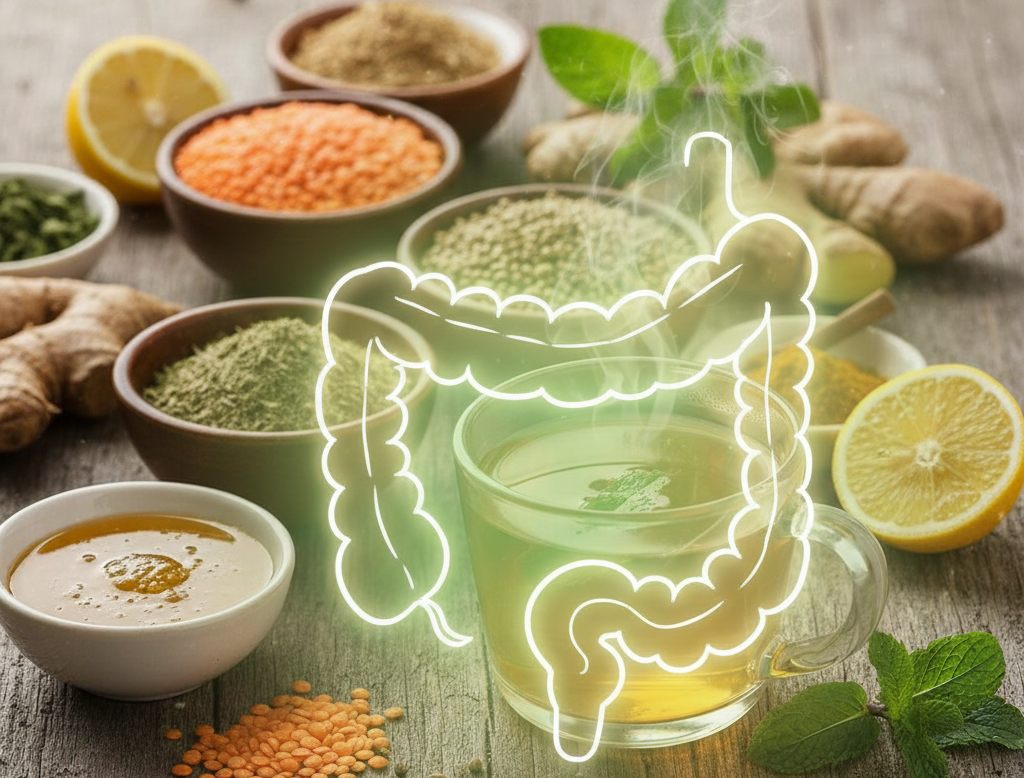
Once you start understanding Ayurveda deeply, and spend enough time studying it, you slowly realize that Ayurveda considers disturbed Agni to be one of the foundational factors behind many chronic diseases.   Even if you are completely new to Ayurveda, you have probably heard this word before.   Most people know Agni as “digestive fire.”   Something related to the stomach. Something related to appetite. Something related to food.   But it is much bigger than that.   Agni is transformation itself. This is the simplest way to understand it.   The food we eat must transform into energy. Energy must transform into tissues. Tissues must transform into strength, immunity, and vitality.   This entire process depends on Agni.   And when this transformation starts becoming weak, disturbed, irregular, or excessive, disease slowly begins developing over time.   Ayurveda gives Agni such importance because digestion is not just about comfort after meals. It is about the body’s ability to process everything it receives.   If food is not properly transformed, it does not become proper nourishment. Instead, it can remain partially digested and create strain in the system.   Over time, this can weaken the tissues, disturb the doshas, and reduce vitality.   And honestly, many times the disturbance starts much before reports become abnormal.   The body always gives signals first.   Loss of appetite. Bloating. Brain fog. Heaviness. Fatigue. Coated tongue. Irregular bowel movements.   In Ayurveda, we do not ignore these small signs because these are often the earliest indications that Agni is struggling.   Ama   Ama is one of the most misunderstood concepts in Ayurveda.   People often translate Ama simply as “toxins.”   But honestly, Ama is much more complex than that.   Ama is anything that the body could not properly digest, process, or eliminate.   Improperly digested food can become Ama.   Poor lifestyle habits can contribute to Ama.   Even unresolved emotions and chronic stress can create imbalance in the system.   Ayurveda describes Ama as: heavy, sticky, obstructive, clouding.   And clinically, this description makes a lot of sense.   When digestion weakens, the body slowly loses efficiency.   Channels become blocked. Inflammation increases. Metabolism slows down. Energy decreases. Tissues stop functioning optimally.   Then disease begins expressing itself differently in different people.   In one person it may become a skin disorder.   In another, hormonal imbalance.   In someone else, autoimmune disease, chronic fatigue, joint pain, or metabolic disorders.   The disease names may change.   But internally, disturbed Agni and Ama are often present somewhere in the background.   This is one reason Ayurveda places so much importance on digestion.   One thing I find fascinating is that Ayurveda does not see digestion as only stomach digestion.   Even the mind digests.   Have you noticed how stress affects your stomach?   How anxiety changes appetite?   How grief can make digestion weak?   The Four States of Agni   According to Ayurveda, Agni does not become disturbed in the same way in every person.   Sometimes it becomes weak. Sometimes excessive. Sometimes irregular. And sometimes perfectly balanced.   Understanding these patterns is very important because they explain why different people experience digestion and disease differently.   The healthiest state is called Sama Agni.   People with Sama Agni usually have: good appetite, comfortable digestion, stable energy, clear mind, healthy bowel movements, and overall balance in the body.   Food nourishes them properly.   There is no heaviness after eating. No burning. No excessive gas or discomfort.   In Ayurveda, this is considered the ideal state because the body is transforming nourishment properly.   Then there is Manda Agni.   Weak or slow digestion.   This is extremely common today.   These individuals often feel: heavy, sluggish, sleepy after meals, bloated, and mentally dull.   Their appetite may feel low, but even small amounts of food can create discomfort.   Ayurveda says this state allows Ama to accumulate very easily because the digestive fire is not strong enough to process food properly.   This pattern is commonly associated with Kapha imbalance.   Then comes Tikshna Agni.   Excessively sharp digestion.   In these individuals, the digestive fire becomes too intense.   They may experience: very strong hunger, acidity, burning sensation, irritability, heat intolerance, loose stools, or inflammation.   Even though digestion appears “strong,” Ayurveda does not consider this healthy either.   Because excessive fire can slowly start damaging tissues over time.   This state is commonly associated with aggravated Pitta.   And then there is Vishama Agni.   Irregular digestion.   One day digestion feels completely normal. The next day there is bloating, constipation, gas, or discomfort.   Appetite becomes unpredictable.   This is very commonly seen in people with: stress, anxiety, irregular schedules, poor sleep, overthinking, excessive travel, and disturbed routines.   In Ayurveda, this is strongly connected with Vata imbalance.   There is also something called Dhatvagni, which refers to the metabolic activity present within each tissue.   According to Ayurveda, digestion does not stop after food leaves the stomach.   Transformation continues throughout the body.   Food must eventually nourish blood, muscle, fat, bone, marrow, and reproductive tissues properly.   This is an incredibly sophisticated way of understanding metabolism.   One thing I deeply appreciate about Ayurveda is that it never separates the mind from the body.   We can clearly observe how emotional states affect digestion.   Stress creates acidity.   Fear disturbs appetite.   Grief weakens digestion completely.   Anxiety creates irregular bowel patterns.   Modern medicine is now studying the gut-brain connection very seriously.   But Ayurveda recognized this relationship thousands of years ago.   Ojas   Ayurveda says that when Agni functions properly for a long time, the final refined essence created in the body is called Ojas.   Ojas is considered the essence of vitality.   It is what gives the body strength, stability, resilience, immunity, and even emotional steadiness.   When Agni works well, it helps create… Continue reading What is Agni and Why Every Disease Starts Here?

Have We Been Looking at Cancer the Wrong Way?

While the modern world is still trying to understand the many factors that contribute to cancer, I feel like I may have understood something important through my experience with Ayurveda.   I am not saying this is written in any ancient Ayurvedic textbook. In fact, it is not mentioned in any of the Samhitas or classical Ayurvedic texts in the exact way I am going to explain it.   Nobody taught me this directly.   This understanding has come from years of observing patients, studying Ayurveda deeply, and trying to correlate what I see in practice.   And honestly, I just want to share my learning.   Whenever I asked my professors about cancer, they would say that cancer can be understood as Ojakshaya, which means depletion of ojas, or reduction in vitality and immunity.   Yes, that explanation made some sense to me.   But still, I always felt that there was something missing. There was no clear explanation about why cancer develops in the first place. No direct cause that was fully satisfying to me.   Over time, I started connecting dots on my own.   Let me explain this in the simplest way possible so that even if you don’t know much about Ayurveda, you will still understand.   Most people have heard about Vata, Pitta, and Kapha. These are the three doshas in Ayurveda.   Vata is mainly associated with the air element. Pitta is associated with fire. Kapha is associated with earth and water.   Now think about this carefully.   People who naturally gain weight easily, people who accumulate fat, people whose bodies tend to “build up” tissues, in Ayurveda, these are considered Kapha-dominant people.   Conditions like:   Polycystic ovaries (PCOS), Thyroid swelling (Galagandha), Diabetes, Fibroids,   all have strong Kapha involvement mentioned in Ayurvedic texts.   Why?   Because Kapha is all about accumulation, growth, nourishment, and building tissues.   In diabetes too, Ayurveda explains that toxins accumulate because digestion is weak.   Food is eaten but not properly digested, and over time, undigested material starts accumulating in the body.   In Kapha individuals, this accumulation tendency is naturally higher because their system is already more prone to storing and building.   Now here is where my thinking started becoming very clear.   What is cancer, fundamentally?   Cancer involves uncontrolled cell growth and multiplication. From an Ayurvedic lens, I began wondering whether this process could also reflect a tendency toward excessive accumulation and tissue build-up.   So logically, shouldn’t cancer also have a strong Kapha component?   Nobody taught me this directly. I arrived at this understanding by observing patterns repeatedly in patients.   And then I looked at modern research.   Today, modern medicine is increasingly talking about:   fasting, calorie restriction, not feeding the cancer, metabolic therapies.   You may have come across phrases like “starve the cancer,” often discussed in conversations around metabolism and cancer research.   And suddenly, it made sense.   Because in Ayurveda, the number one treatment mentioned for aggravated Kapha is Langhana.   Langhana means fasting.   It is eating less, lightening the system and decreasing accumulation.   When Kapha increases excessively, Ayurveda says the body needs reduction, not more nourishment.   And honestly, when I saw this parallel between modern research and Ayurvedic principles, it made complete sense to me.   Of course, our ancestors may have understood something this profound a long time ago.   Sometimes we assume ancient systems are primitive, but often they observed the body in incredibly intelligent ways.   Now, I want to make something very clear here.   I do not believe Ayurveda should replace modern cancer treatment.   Modern medicine is extraordinary when it comes to managing rapidly proliferating cancer cells. Cancer can spread aggressively, and modern interventions like chemotherapy, radiation, surgery, immunotherapy, these are fast-acting and lifesaving in many cases.   We cannot ignore that.   What we do through Ayurveda is different.   We work alongside modern medicine.   While modern treatment targets and destroys the actively multiplying cancer cells, Ayurveda focuses on reducing the internal environment that may be supporting that growth.   In simple words:   while one side is treating the disease directly, the other side is trying to reduce the tendency for accumulation.   That is where Kapha reduction becomes important.   Through this, we try to:   reduce excessive accumulation, improve digestion and metabolism, reduce toxins, support immunity, decrease heaviness in the body, improve overall vitality.   And more importantly, we focus heavily on reducing recurrence, slowing progression, improving quality of life and helping recovery.   This is not about “curing cancer overnight.” This is about changing the terrain of the body.   I openly acknowledge that my understanding may still be limited. Maybe my logic is incomplete. Maybe there are aspects I still do not understand.   But at the same time, I cannot ignore what I am seeing clinically.   I am seeing patients improve. I am seeing recovery happen beautifully alongside treatment. I am seeing people feel stronger, lighter, healthier, and more hopeful.   And for that, I feel deeply grateful.   Honestly, I feel like this understanding was given to me by the universe as a blessing. And I do not want to take that for granted. I want to acknowledge it with gratitude.   Because when you spend years studying, observing, questioning, and genuinely trying to help people, sometimes insights come quietly.   And I felt this understanding was worth sharing.   Even if this perspective helps one person think differently about their health, their lifestyle, or their healing journey, I will be happy.   I also want people to understand something important: Ayurveda is not only about herbs. It is not only about medicines.   It is also about understanding the body’s tendencies.   If the body is constantly in a state of accumulation, heaviness, sluggish digestion, toxin build-up, and excessive growth tendencies, then naturally we must ask: “How do we reduce… Continue reading Have We Been Looking at Cancer the Wrong Way?

Diabetes in Ayurveda: Natural Ways to Manage Blood Sugar Effectively

What Is Diabetes?   You know diabetes as a modern health challenge with high blood sugar levels that lead to fatigue, thirst, and serious issues over time. Ayurveda calls it “Prameha,” a group of conditions where your body struggles to process sugar properly.   This happens mainly from Kapha dosha imbalance, the energy tied to earth and water in your system. Kapha builds up, clogs channels, and weakens your digestive fire, or Agni.   Ayurveda sees diabetes in Ayurveda not just as a sugar problem but as a sign your whole body needs harmony. Vata and Pitta doshas play roles too, especially in advanced stages.   For example, if you eat heavy, sweet foods too often or skip exercise, Kapha grows, and diabetes in Ayurveda takes hold. Unlike quick fixes, Ayurveda focuses on reversing this through personalized care.   Your doctor checks your pulse, tongue, and habits to tailor a plan. This approach strengthens your pancreas, boosts metabolism, and cuts toxins called Ama that block sugar use.   People with diabetes often feel better fast because treatments heal from inside out. They report steady energy without crashes.     Root Causes of Diabetes in Ayurveda   Your daily choices spark diabetes in Ayurveda. Processed foods, stress, and no movement raise Kapha. Think late nights, sugary drinks, or fried snacks, they dampen Agni and create sticky Ama. Genetics matter too, but lifestyle tips the scale.   Sedentary life worsens it. Sitting all day thickens Kapha, slowing sugar breakdown. Poor sleep stirs Vata, messing with insulin. Emotional eating or worry adds Pitta heat, speeding complications like nerve pain.   Ayurveda teaches balance prevents diabetes in Ayurveda. Strong Agni burns food right, keeping channels clear. Ignore this, and Prameha advances to Madhumeha, the tough type 2 form. Early signs include sweet breath, heavy limbs, or frequent urine. Catch it soon, and natural diabetes remedies reverse much of it.     Types of Diabetes in Ayurveda   Ayurveda splits Prameha into 20 types, but 10 stem from Kapha, four from Pitta, and six from Vata. Most modern diabetes in Ayurveda matches Kapha Prameha, with oily urine and obesity.   Pitta type brings burning urine and acidity from spicy foods. Vata shows dryness and pain from stress. Your Ayurvedic doctor diagnoses your type via symptoms and dosha test. This guides treatment, so you avoid one-size-fits-all traps. For instance, Kapha needs light foods, while Pitta craves cooling herbs.   Ayurvedic Diet for Diabetes Management   Food forms the base of diabetes in Ayurveda. You eat to kindle Agni and melt Kapha. Skip sweets, rice, and dairy; choose bitter, astringent tastes.   Start breakfast with fenugreek water. Soak one teaspoon seeds overnight, drink it empty stomach. It slows sugar absorption and boosts insulin.   Daily Meal Ideas:   Breakfast: Vegetable soup with barley or green gram. Add ginger for Agni. Lunch: Millet roti, bitter gourd sabzi, and horse gram dal. Millets like jowar stabilize sugar. Dinner: Light salad or moong dal khichdi by 7 PM. Snacks: Jamun fruit or cucumber.   Barley water cools and cleanses. Boil handful barley, strain, sip often. Avoid potatoes, bananas, and cold drinks. Spice with turmeric, cumin, or cinnamon; they fight inflammation.   Drink warm water all day to flush toxins. Tailor to your dosha: Kapha skips oil, Pitta adds coconut. Ayurveda blood sugar control thrives on consistency.     Powerful Herbs for Diabetes in Ayurveda   Herbs shine in Ayurvedic diabetes management. They mimic insulin, repair pancreas, and curb cravings.   Bitter gourd tops the list. Juice half fresh one daily; it lowers fasting sugar by 20 percent in weeks. Compounds like charantin act like insulin.   Fenugreek seeds come next. Chew soaked seeds or make tea with fennel and coriander. Boil half teaspoon each in two cups water, drink twice. It improves tolerance and cuts cholesterol.   Jamun seeds powder regulates pancreas. Take one teaspoon with water. Gudmar, the sugar destroyer, blocks sweet taste buds, killing cravings. Chew leaves or take powder.   Amla and turmeric blend fights oxidation. Mix juice, drink morning. Vijaysar heartwood regenerates beta cells. Soak twig in water overnight, drink.   Guduchi boosts immunity, Gokshura aids kidneys. Triphala at night cleans gut. Start low, consult doctor to avoid interactions. These natural diabetes remedies work best with diet.     Lifestyle Changes in Diabetes in Ayurveda   Move your body daily. Walk briskly 45 minutes post meals to burn Kapha. Yoga poses like Surya Namaskar and Paschimottanasana massage pancreas.   Pranayama calms mind, cuts stress cortisol that spikes sugar. Try Bhramari five minutes daily. Sleep by 10 PM; it heals Agni.   Daily oil massage with sesame warms channels. Steam baths sweat out toxins. Follow Dinacharya: tongue scrape, oil pull, warm water. These build resilience against diabetes in Ayurveda.     Panchakarma for Deep Healing     Panchakarma detoxes deeply for stubborn diabetes in Ayurveda. Virechana purges Pitta-Kapha via herbs. Basti enema balances Vata, protects nerves.   Udvartana powder massage breaks fat. Do under expert; one cycle drops sugar needs hugely. Patients often cut insulin significantly in weeks.   Always consult your doctor before trying these remedies or making big changes to your routine.   Yoga and Exercise for Blood Sugar Control   Yoga transforms diabetes in Ayurveda. Dhanurasana stimulates pancreas. Ardha Matsyendrasana twists detox channels. Practice 30 minutes morning.   Brisk walk or cycling fits Kapha. Aim 10,000 steps. Bhastrika pranayama oxygenates blood.     Preventing Diabetes in Ayurveda   Prevention beats cure. Balance doshas young: eat light, move often, manage stress. Screen family yearly. Herbs like turmeric daily ward off risks.   Teach kids bitter veggies. Ayurveda blood sugar control starts now.   Diabetes in Ayurveda empowers you with tools for lasting health. Diet, herbs, yoga, and detox tackle causes, not symptoms. You regain energy, cut meds, and live fully. Consult your Ayurvedic expert to start. Track progress, stay patient, results compound. Embrace these natural diabetes remedies for vibrant life.  

Understanding Parkinson’s Disease: A Simple Guide to Symptoms and Support

Parkinson’s disease is a brain condition that slowly gets worse over time. It starts by affecting how you move, like making your hands shake or your steps slow. But it goes deeper, touching sleep, mood, digestion, and daily joys. Millions face it worldwide, often starting after age 60, though it can hit younger people too.   This article explains Parkinson’s in plain words. We’ll cover what it is, why it happens, how it feels, and ways to manage it. It includes standard care and an Ayurvedic view for balance. The aim is clear facts to help you or a loved one feel more in control.     What is Parkinson’s Disease?   Think of your brain as a control center. It uses a chemical called dopamine to send smooth signals for walking, grabbing a cup, or smiling. In Parkinson’s, special brain cells that make dopamine die off which cause signals to glitch, movements to turn shaky, stiff, or slow.   It’s called a progressive neurological disorder. That means it worsens bit by bit. Early days might mean a slight hand tremor when resting. Months or years later, balance wobbles or speech slurs. There’s no full cure yet, but early steps make a big difference in comfort and function. Most cases show after 60, but 5-10% start younger. It affects men a touch more than women.     Causes and Risk Factors   No one cause fits all. It’s often a mix:   Brain cell loss: Dopamine factories in the substantia nigra area shut down slowly. Protein clumps called Lewy bodies gum up the works too. Age: Biggest factor. Brain cells naturally wear after 60. Genes: Rare types run in families. Common ones slightly raise odds if relatives have it. Environment: Farm chemicals like pesticides, weed killers, or factory fumes link to higher risk. Other triggers: Head injuries from sports or falls. Long stress. Poor gut health may play a role via the gut-brain link.   Daily habits don’t start it, but skipping sleep, junk food, or no exercise can speed symptoms. Smoking oddly lowers risk a bit, though no one suggests it.     Symptoms and Effects   Symptoms split into movement ones and hidden ones. They creep in slow, then build.   Movement symptoms:   Tremors: Hands shake like rolling a pill between fingers. Starts one side, worse at rest, eases with action. Stiffness: Muscles lock tight. Arms don’t swing walking. Back or neck hurts. Slow moves (bradykinesia): Buttoning shirts takes forever. Face freezes—no big expressions. Balance loss: Lean forward. Freeze mid-step. Falls rise.   Hidden symptoms:   Speech: Voice soft, slurs, or trails off. Words chop. Thinking: Memory slips. Focus fades, especially later. Mood: Sadness, worry, or feeling blank hits 50% of people. Body: Constipation blocks. Blood pressure drops standing. Sleep fights, kick or yell in dreams. Smell weakens early. Fatigue drags.     Conventional Management Overview   Doctors focus on easing symptoms and keeping function: Pills: Levodopa turns to dopamine in brain. Others mimic it or block breakdown. They cut shakes and stiffness well, but effects shorten over years. Side wiggles (dyskinesia) can pop. Exercise: Walking, boxing, dance, or cycling build strength. Aim 150 mins moderate weekly. Therapy: Physio for balance. Speech work for clear talk. Occupational help for home tasks. Advanced: Deep brain stimulation zaps steady signals via wires for tough cases.       The Need for a Deeper, Structured Approach   Pills calm shakes today, but Parkinson’s is a marathon. Body ultimately tires. Nerves need ongoing food. Digestion matters, poor gut starves brain. Quick fixes fade fast.   A deeper plan looks at whole body: Nerves, gut fire (energy to tissues), habits. Months of steady steps bring real shifts, like smoother walks or less fatigue. Regular check-ins tweak as needed.   Ayurvedic Perspective on Parkinson’s   Ayurveda names it Kampavata. Vata is the body’s air force: Moves nerves, joints, breath. Too much Vata dries channels. Nerves stutter. Shakes and stiffness grow. Weak Agni (digest fire) builds Ama (gunk), blocking nutrients to brain and muscles.   Causes mirror life: Cold foods, late nights, stress, age (Vata rises natural). Ayurveda balances Vata gently, no fight, just moisten, warm, steady. It adds to regular care, not replaces.   Ayurvedic Management Approach   Simple layers build over time. Consistency counts, weeks give calm, months rebuild. Nerve support Gut fix (Agni) Food   Outcomes and Expectations   Steady care often brings: Speech clears Tremors quiet Memory firms Coordination lifts Energy up Around 98% feel overall better with time. Some see 80% less shake or stiff. But it varies: Early stage wins bigger. Age, stick-to-it, body type matter. It slows slide, boosts function.   A Structured Approach to Parkinson’s Care For those looking beyond short-term symptom management, a more structured and consistent approach to care can make a meaningful difference over time. We offer a personalised 3-month Ayurvedic support program for Parkinson’s, designed to focus on improving function, slowing progression, and enhancing overall quality of life. This is not a quick intervention, but a guided process that works with the body steadily. The approach focuses on supporting neuromuscular coordination, improving speech and daily function, strengthening digestion (Agni), and addressing underlying imbalances that contribute to the condition. Care is provided in a structured manner, including regular consultations, ongoing reviews, daily monitoring when required, and guidance from both medical and nutrition perspectives. In certain cases, specific Ayurvedic cleansing therapies are included based on individual needs. Over time, patients have reported improvements in areas such as speech clarity, tremors, memory, and overall coordination. In some cases, significant improvements in specific symptoms have been observed. However, responses vary from person to person, and consistency plays a key role in outcomes. This initiative is offered as a service-driven effort. There are no consultation or program fees, medicines are provided at subsidised cost, and any contribution is voluntary. For those exploring a more consistent and holistic way to support Parkinson’s, this may be one approach to consider. WhatsApp +91 99011 26331 for enquiries! (Consulations, Products,… Continue reading Understanding Parkinson’s Disease: A Simple Guide to Symptoms and Support

Ayurvedic View of Dry Itchy and Flaky Skin, Causes and Care

  In Ayurveda, dryness, itching, and flaking of the skin are not treated as random problems but as clear signals of an internal imbalance in the body. The way Ayurveda reads these symptoms is quite different from the usual cosmetic cream approach you see today.   Instead of just layering moisturizers, Ayurveda digs into your digestion, doshas, lifestyle, and even your emotional state to understand why the skin has become dry, itchy, or flaky in the first place.     How Ayurveda sees the skin     The skin is called Twak Dhatu and is deeply connected to the Rasa Dhatu, which is the first tissue formed after digestion. In simple terms, the quality of your blood and fluids directly reflects on the quality of your skin.   If the Rasa Dhatu is well nourished and clean, the skin stays soft, smooth, and hydrated. If the nutrition is poor, or if there is congestion and toxins in the channels that carry this nutrition, the skin becomes dry, rough, and prone to itching and flaking.   Ayurveda also explains that the skin is one of the main seats of Vata dosha, which means any imbalance in Vata will show up clearly on the skin in the form of dryness, tightness, and rough texture.     Why the skin feels dry     From an Ayurvedic angle, dry skin is usually linked to excess Vata. Vata is the dosha of air and ether, and its qualities are dry, cold, light, rough, and mobile. When Vata becomes aggravated, these qualities spread through the body, depleting moisture from the skin and tissues.   Common triggers Ayurveda points to include:   Very dry or cold weather Too many dry, light, raw, or cold foods Excessive travel, overwork, stress, or lack of rest Poor digestion leading to weak Agni and formation of ama   All of these either increase Vata or reduce the body’s capacity to nourish the skin, so the skin feels tight, rough, and lacks its natural glow.   In some cases, dryness may also be linked to low kapha. Kapha represents structure, lubrication, and moisture in the body. When this supportive fluid layer is depleted, the skin loses its softness and resilience.     What Ayurveda says about itching     In Ayurveda, itching is called Kandu and is usually a message from a deeper imbalance rather than a problem isolated to the surface of the skin. Itching can be classified based on the dosha involved: Vata type itching: This type comes with dry, rough skin, sometimes with flaking or fine cracks. The itch is often sharp, prickly, or moving, and may worsen when the skin is very dry or cold. It is closely linked to poor nutrition, dehydration, tiredness, and nervous stress. Kapha type itching: Here the skin may feel heavy, slightly swollen, or damp. You might notice more oozing, crusting, or thick scaling in addition to itching. This kind of itching is often tied to sluggish digestion, excess mucus, and weight gain. Pitta type itching: The skin feels warm, red, or burning, and the itching can be intense, sometimes with burning or stinging. This pattern is common in inflammatory or allergic skin reactions, or when the body is running hot due to heat, spicy food, or emotional anger and stress.   Very often, two or all three doshas can combine, so someone may have dryness, burning, or oozing all at once. This is why a one cream fits all solution rarely works in the long term.     Why the skin starts flaking and peeling   Flaking and peeling are the body’s attempt to shed excess dry, dead cells, especially when the skin is not being properly nourished from within. Ayurveda explains this as:   Twakgata Vata – Vata that has become localized in the skin, causing dryness, roughness, and cracking. Depletion of Rasa Dhatu – when the fluid and plasma layer is thin, the skin loses its suppleness and starts to scale. Blockage of channels – when the channels that carry nutrition and fluids are congested with ama, the skin does not receive proper fuel and begins to dry out and flake.   Conditions like ichthyosis, severe eczema, or chronic dry skin are often described in Ayurveda as forms of Vata predominant Kushta, where dryness, flaking, and tightness are prominent features.     Root causes that Ayurveda looks for     Rather than focusing only on the visible symptoms, Ayurveda asks questions like:   Is the digestion weak, with bloating, gas, or irregular bowel movements Is the person eating too many drying foods (lots of raw salads, dry fruits without balance, caffeine, cold drinks) Is there a lot of stress, fear, or sleeplessness keeping vata high Are there systemic conditions such as diabetes, thyroid issues, or anemia that can mirror as dry, itchy skin   In Ayurvedic terms, the key factors are:   Agnimandhya – weak digestive fire Ama – accumulation of toxins Sroto dushti – blockage of channels Vega dharana – suppressing natural urges like urination, defecation, or sweating   All of these can disturb the internal environment and show up on the skin as dryness, itching, or flaking.     How Ayurveda guides treatment     Ayurvedic treatment for dryness, itching, and flaking is usually stepwise and individualized. A basic outline that you can simplify for readers:   Balance the dosha For vata dominant dry, itchy, flaky skin: use warm, nourishing, moistening approaches. For pitta dominant burning, itchy skin: cool, soothing, anti inflammatory methods are chosen. For kapha dominant damp, heavy, crusted itching: light, drying, and detoxifying measures are preferred.   Support digestion and reduce ama Simple tips for patients: Eat warm, cooked, easily digestible foods. Avoid heavy, fried, or excessively sweet and sour foods if itching is pronounced. Encourage small, regular meals and mindful eating.   When ama is stubborn and itching is chronic, an Ayurvedic practitioner may consider Panchakarma procedures like Vamana or Virechana, depending on the patient’s constitution and disease pattern.   Hydrate from… Continue reading Ayurvedic View of Dry Itchy and Flaky Skin, Causes and Care

Holistic Healing in Ayurveda – The Ancient Science of Total Health

Ayurveda is often described as a “holistic” system of medicine.       But what does it mean for a medical system to be holistic, and why is Ayurveda considered one?      Here’s the answer.      Ayurveda teaches us to look at things from a macro level. Conversely, focusing too narrowly may often lead us to wrong conclusions.    Imagine asking a person who has never seen an elephant, for instance, to describe how an elephant looks by showing its trunk.  He might say that the elephant looks like a thick snake.     This is what happens when you don’t view things on a broader scale.      Treating the symptoms is of little use when you do not treat the whole person. This is why, in Ayurveda, we treat the whole person and not isolated symptoms.  Ayurveda looks at the whole person; in addition, it considers the link between their physical, mental, and emotional well-being.      Furthermore, Ayurveda recognizes that the human body and mind are connected to the environment and, in addition, the universe.” The system of medicine defines health as not merely the absence of disease, but a state of harmony and balance in the body, mind, and spirit.       Factors that influence the holistic state of well-being      To achieve this holistic state of well-being, Ayurveda, therefore, considers various factors that, in turn, influence an individual’s health.      Doshas   There are three Doshas (biophysical energies) – Vata, Pitta, and Kapha that are present in everyone but in varying proportions.  Understanding one’s unique dosha constitution and imbalances is, therefore, essential for diagnosis and treatment.       Diet and nutrition   In Ayurveda, food is seen as medicine. What we eat affects not only our physical health but also our mental and emotional well-being. A diet tailored to an individual’s body type (Prakriti), health conditions, and other factors, therefore, helps a person heal.     Lifestyle and daily routines   Ayurveda emphasizes the importance of daily routines and lifestyle choices. From sleep patterns to exercise, Ayurveda offers guidelines to maintain balance. By aligning daily activities with natural rhythms and considering one’s constitution, Ayurveda promotes overall health and well-being.       Medicines Ayurveda utilizes a vast array of herbs and natural remedies to treat various health conditions. In addition, practitioners recommend herbal preparations based on an individual’s Dosha and specific imbalances.     Yoga and meditation   Yoga and meditation have a huge role to play in promoting physical health; on the other hand, they also significantly contribute to mental health. These practices, therefore, help in reducing stress, improving flexibility, and aligning the body and mind; consequently, these elements are essential for holistic well-being.      Ayurveda acknowledges that individuals are unique and that there is no one-size-fits-all approach to health and well-being.  If a person is suffering from health conditions, Ayurvedic treatment, therefore, involves diagnosing and treating the root cause. Furthermore, based on the diagnosis, all the above-mentioned factors are consequently considered to help the person heal.    That is why Ayurveda is called a “holistic” system of medicine.   Want to heal with Ayurveda? Book a consultation with me today!   If you are struggling with any health issues, you can either book a consultation with us or send us a message via WhatsApp to +91 79074 89839. We have the best Ayurvedic doctors in Trivandrum who are always glad to help you. If you have any queries, contact us.  You can also visit us at our hospital.