

Diabetes in Ayurveda: Natural Ways to Manage Blood Sugar Effectively

What Is Diabetes?   You know diabetes as a modern health challenge with high blood sugar levels that lead to fatigue, thirst, and serious issues over time. Ayurveda calls it “Prameha,” a group of conditions where your body struggles to process sugar properly.   This happens mainly from Kapha dosha imbalance, the energy tied to earth and water in your system. Kapha builds up, clogs channels, and weakens your digestive fire, or Agni.   Ayurveda sees diabetes in Ayurveda not just as a sugar problem but as a sign your whole body needs harmony. Vata and Pitta doshas play roles too, especially in advanced stages.   For example, if you eat heavy, sweet foods too often or skip exercise, Kapha grows, and diabetes in Ayurveda takes hold. Unlike quick fixes, Ayurveda focuses on reversing this through personalized care.   Your doctor checks your pulse, tongue, and habits to tailor a plan. This approach strengthens your pancreas, boosts metabolism, and cuts toxins called Ama that block sugar use.   People with diabetes often feel better fast because treatments heal from inside out. They report steady energy without crashes.     Root Causes of Diabetes in Ayurveda   Your daily choices spark diabetes in Ayurveda. Processed foods, stress, and no movement raise Kapha. Think late nights, sugary drinks, or fried snacks, they dampen Agni and create sticky Ama. Genetics matter too, but lifestyle tips the scale.   Sedentary life worsens it. Sitting all day thickens Kapha, slowing sugar breakdown. Poor sleep stirs Vata, messing with insulin. Emotional eating or worry adds Pitta heat, speeding complications like nerve pain.   Ayurveda teaches balance prevents diabetes in Ayurveda. Strong Agni burns food right, keeping channels clear. Ignore this, and Prameha advances to Madhumeha, the tough type 2 form. Early signs include sweet breath, heavy limbs, or frequent urine. Catch it soon, and natural diabetes remedies reverse much of it.     Types of Diabetes in Ayurveda   Ayurveda splits Prameha into 20 types, but 10 stem from Kapha, four from Pitta, and six from Vata. Most modern diabetes in Ayurveda matches Kapha Prameha, with oily urine and obesity.   Pitta type brings burning urine and acidity from spicy foods. Vata shows dryness and pain from stress. Your Ayurvedic doctor diagnoses your type via symptoms and dosha test. This guides treatment, so you avoid one-size-fits-all traps. For instance, Kapha needs light foods, while Pitta craves cooling herbs.   Ayurvedic Diet for Diabetes Management   Food forms the base of diabetes in Ayurveda. You eat to kindle Agni and melt Kapha. Skip sweets, rice, and dairy; choose bitter, astringent tastes.   Start breakfast with fenugreek water. Soak one teaspoon seeds overnight, drink it empty stomach. It slows sugar absorption and boosts insulin.   Daily Meal Ideas:   Breakfast: Vegetable soup with barley or green gram. Add ginger for Agni. Lunch: Millet roti, bitter gourd sabzi, and horse gram dal. Millets like jowar stabilize sugar. Dinner: Light salad or moong dal khichdi by 7 PM. Snacks: Jamun fruit or cucumber.   Barley water cools and cleanses. Boil handful barley, strain, sip often. Avoid potatoes, bananas, and cold drinks. Spice with turmeric, cumin, or cinnamon; they fight inflammation.   Drink warm water all day to flush toxins. Tailor to your dosha: Kapha skips oil, Pitta adds coconut. Ayurveda blood sugar control thrives on consistency.     Powerful Herbs for Diabetes in Ayurveda   Herbs shine in Ayurvedic diabetes management. They mimic insulin, repair pancreas, and curb cravings.   Bitter gourd tops the list. Juice half fresh one daily; it lowers fasting sugar by 20 percent in weeks. Compounds like charantin act like insulin.   Fenugreek seeds come next. Chew soaked seeds or make tea with fennel and coriander. Boil half teaspoon each in two cups water, drink twice. It improves tolerance and cuts cholesterol.   Jamun seeds powder regulates pancreas. Take one teaspoon with water. Gudmar, the sugar destroyer, blocks sweet taste buds, killing cravings. Chew leaves or take powder.   Amla and turmeric blend fights oxidation. Mix juice, drink morning. Vijaysar heartwood regenerates beta cells. Soak twig in water overnight, drink.   Guduchi boosts immunity, Gokshura aids kidneys. Triphala at night cleans gut. Start low, consult doctor to avoid interactions. These natural diabetes remedies work best with diet.     Lifestyle Changes in Diabetes in Ayurveda   Move your body daily. Walk briskly 45 minutes post meals to burn Kapha. Yoga poses like Surya Namaskar and Paschimottanasana massage pancreas.   Pranayama calms mind, cuts stress cortisol that spikes sugar. Try Bhramari five minutes daily. Sleep by 10 PM; it heals Agni.   Daily oil massage with sesame warms channels. Steam baths sweat out toxins. Follow Dinacharya: tongue scrape, oil pull, warm water. These build resilience against diabetes in Ayurveda.     Panchakarma for Deep Healing     Panchakarma detoxes deeply for stubborn diabetes in Ayurveda. Virechana purges Pitta-Kapha via herbs. Basti enema balances Vata, protects nerves.   Udvartana powder massage breaks fat. Do under expert; one cycle drops sugar needs hugely. Patients often cut insulin significantly in weeks.   Always consult your doctor before trying these remedies or making big changes to your routine.   Yoga and Exercise for Blood Sugar Control   Yoga transforms diabetes in Ayurveda. Dhanurasana stimulates pancreas. Ardha Matsyendrasana twists detox channels. Practice 30 minutes morning.   Brisk walk or cycling fits Kapha. Aim 10,000 steps. Bhastrika pranayama oxygenates blood.     Preventing Diabetes in Ayurveda   Prevention beats cure. Balance doshas young: eat light, move often, manage stress. Screen family yearly. Herbs like turmeric daily ward off risks.   Teach kids bitter veggies. Ayurveda blood sugar control starts now.   Diabetes in Ayurveda empowers you with tools for lasting health. Diet, herbs, yoga, and detox tackle causes, not symptoms. You regain energy, cut meds, and live fully. Consult your Ayurvedic expert to start. Track progress, stay patient, results compound. Embrace these natural diabetes remedies for vibrant life.  
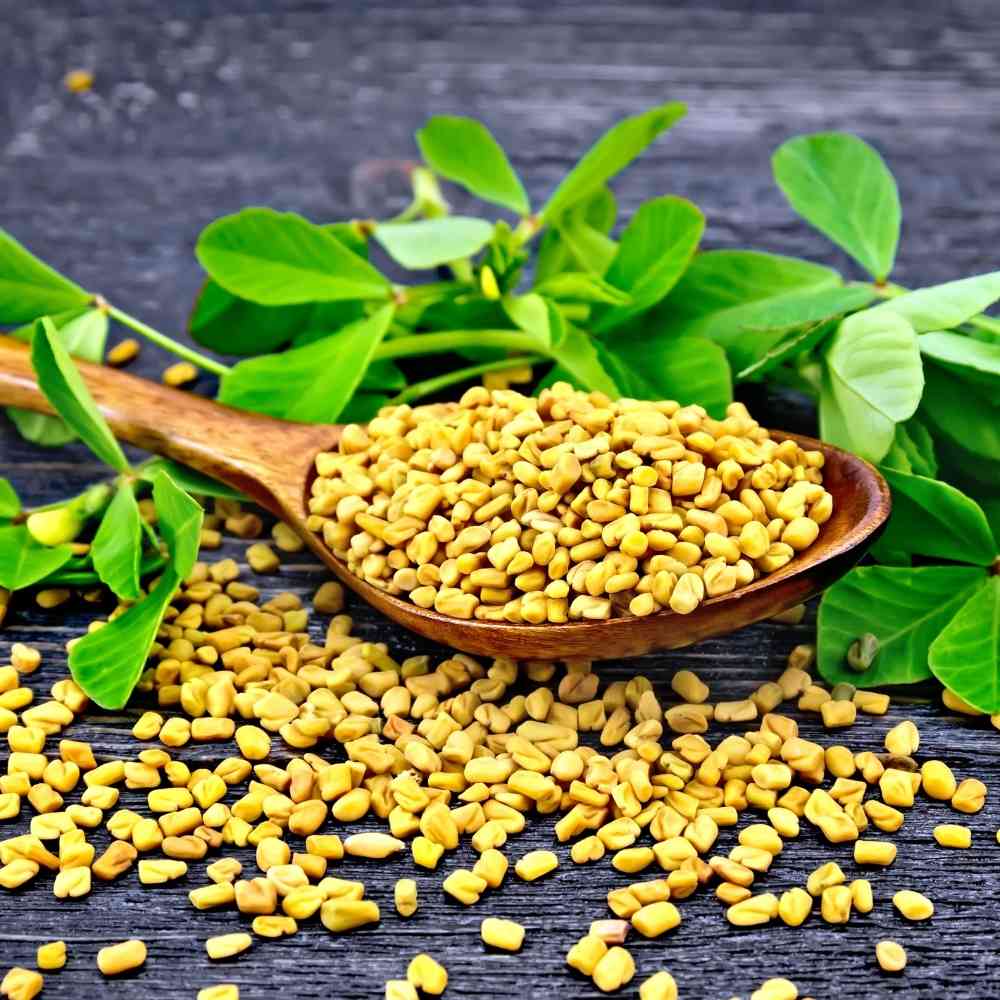
Fenugreek: A Natural Support for Diabetes

Fenugreek or Methika, is more than just a kitchen spice. Beyond its role in improving the flavour of your meals, it also offers some amazing health benefits, especially for diabetes management. Ayurveda always loved its ability to support digestion, boost metabolism and balance blood sugar levels.   Managing diabetes is not easy, especially if you’re relying only on medications. Ayurveda takes a different approach, focusing on a mix of diet, lifestyle, and natural remedies to keep blood sugar in check. Simple additions like including fenugreek in your diet can make a real difference.   From soaked seeds to herbal teas, there are many ways to add this powerful herb into your routine. Using fenugreek helps improve insulin sensitivity, support digestion, and even reduce sugar cravings, making diabetes management a little easier.Studies suggest that regular intake of fenugreek may help prevent sudden drops or spikes in blood sugar levels, providing a more stable energy supply throughout the day.     What is Fenugreek ?     Fenugreek is a herb that belongs to the legume family. Its seeds are often used in cooking, especially in Indian cuisine.  However, it is not just an aromatic spice. It has been popular in many ancient cultures for being an overall healing agent.   It helps in digestion, increasing milk production in nursing women, and most importantly, in the management of blood sugar levels.     Mention of Fenugreek in Ayurveda     In Ayurveda, fenugreek is known as “Methi” and is mentioned in classical texts as a powerful herb that aids digestion, reduces Kapha and supports metabolic health.    Acharya Charaka includes it in the ‘Shaka Varga’ (group of vegetables) in the Charaka Samhita.   One of the oldest references to fenugreek in Ayurveda can be found in Bhavaprakasha Nighantu:   मेतिका उष्णा तिक्त च दीपनी पाचनी लघु | वातानिलाश्रमघ्नी च श्लेष्मपित्तकरी माता ||   Methika ushna tikta cha deepani pachani laghu Vatanilashramaghni cha shleshma pittakari mata    (Bhavaprakasha Nighantu, Haritakyadi Varga, Verse 142)   Based on this verse,fenugreek has the following properties:   Hot in potency  Bitter in taste Improves digestion Aids metabolism Light for digestion Alleviates Vata disorders, fatigue, and excess Kapha May aggravate Pitta when consumed excessively     Fenugreek and Diabetes       There are several qualities of fenugreek that make it great for managing diabetes:     Slows down sugar absorption     Fenugreek seeds are packed with soluble fiber, which turns into a gel-like mucilage when soaked. This slows down the digestion and absorption of carbohydrates, leading to a steady release of glucose into the bloodstream. As a result, it helps prevent sudden blood sugar spikes after meals and keeps energy levels stable.   Boosts insulin sensitivity   Studies show that fenugreek has components that increase your insulin sensitivity, especially in people with Type 2 diabetes. Hence, it allows your body to use insulin in a better way. This means your body can utilise insulin more effectively, reducing the amount of glucose circulating in the blood   Ayurvedic practitioners often recommend taking Fenugreek with black pepper or ginger to enhance its benefits. Ginger aids digestion, while piperine – the compound in black pepper boosts absorption, making Fenugreek more effective for blood sugar balance.   Aids in blood sugar control   Studies show that fenugreek helps reduce fasting blood sugar levels.   The seeds contain 4-hydroxyisoleucine, an amino acid that is believed to stimulate insulin secretion. This helps improve glucose metabolism and may contribute to lowering blood sugar levels.   Anti-inflammatory properties   People with diabetes often suffer from inflammation, especially of the joints.   Not only does it decrease inflammation, but it also increases insulin sensitivity due to its anti-inflammatory nature.   Ayurveda links weak digestion to Ama (toxins), which can lead to chronic inflammation. Fenugreek, with its digestion-boosting and metabolism-enhancing properties, helps clear Ama, indirectly supporting better metabolism and easing diabetic complications like joint pain.     Ways to Use Fenugreek for Diabetes Management     You can use fenugreek in different ways to regulate blood sugar levels.   Fenugreek seeds   You can take it’s seeds directly by soaking a teaspoon in water overnight and consuming them on an empty stomach.    Ayurveda suggests chewing the soaked seeds instead of swallowing them whole, as this stimulates digestive enzymes and enhances absorption.   Ground fenugreek   You can also add a teaspoon of the fenugreek powder to a glass of warm water or milk and drink one to two times a day.   Mixing the powder with buttermilk is another Ayurvedic way to consume it, especially during summer, as buttermilk pacifies Pitta Dosha.   Fenugreek tea   Another way to consume fenugreek is by boiling the seeds in water to make a tea. It’s a simple and relaxing way to support blood sugar balance.    Adding a pinch of cinnamon to the tea not only adds to the taste, but it also boosts its glucose-lowering benefits.     Precautions     While fenugreek is generally safe for most people, there are a few things to keep in mind:     Consult your doctor   Fenugreek can interact with certain medications and affect blood sugar levels. Before consuming it, consult with an Ayurvedic doctor, especially if you’re taking medication for diabetes.     Possible side effects   Some people may experience mild digestive discomfort, diarrhea, or bloating when they first start taking fenugreek. These symptoms usually subside as the body adjusts.   These symptoms usually subside as your body adjusts.     Allergies     If you have allergies to legumes like peanuts or chickpeas, you might also be allergic to fenugreek. Start with a small amount to test for any reactions.   Fenugreek is a versatile and powerful herb that can support blood sugar control in people with diabetes.   Its high fiber content, ability to improve insulin sensitivity, and anti-inflammatory properties make it a valuable addition to a diabetes management plan.   Ancient Ayurvedic texts emphasize that Type-2 diabetes (Madhumeha) is not just about… Continue reading Fenugreek: A Natural Support for Diabetes

Diabetes Management with Ayurveda

Diabetes is a chronic medical condition characterized by high levels of sugar or glucose in the blood. This occurs when the body either doesn’t produce enough insulin or can’t effectively use the insulin it produces.   According to World Health Organisation (WHO), about 422 million people from around the world suffer from diabetes. And the numbers are gradually increasing with time.   Diabetes can lead to serious complications if not properly managed, including heart disease, stroke, kidney damage, nerve damage, vision loss and problems with the feet and skin. However, with proper treatment and management, many people with diabetes can lead healthy and fulfilling lives.   There are mainly two types of diabetes. Type 1 diabetes is an autoimmune disorder that requires the use of insulin to manage blood sugar levels. Type 2 diabetes, on the other hand, is a result of poor lifestyle practices that often occurs during adulthood.   While Ayurveda has no treatment for Type 1 diabetes, Type 2 diabetes can be reversed through dietary and lifestyle corrections, Ayurvedic herbs and even medications.     How to do Early Detection of Diabetes     Diabetes as per Ayurveda   According to Ayurveda, diabetes is a metabolic condition brought on by an imbalance in the body’s Doshas. This is made worse by lifestyle choices like eating poorly and not exercising. Diabetes, often known as “Madhumeha,” is characterized by high blood sugar and poor insulin activity.    Ayurvedic principles state that diabetes is a  result of an imbalance of Doshas caused by an overabundance of sweet, sour and heavy meals. Increased thirst, frequent urination, exhaustion and sluggish wound healing are the symptoms.    Through Ayurveda, the imbalance of Doshas can be corrected by altering food and lifestyle choices and using certain herbs to control blood sugar levels and enhance general health.   Dietary Recommendations for Diabetes   Diet is an important factor in managing Type 2 diabetes with Ayurveda. If you have been following me, you might know how food is a major part of my treatment method.    Even in my treatment for diabetes, food plays an important role. Though the dietary recommendations vary with each patient, depending on their Prakriti, Dosha imbalances, health conditions and more, some of the recommendations remain common for all.    Focus on Whole Foods   Unprocessed, whole foods like fruits, vegetables, whole grains, legumes etc. are high in antioxidants, fibre, vitamins and minerals. They support general health and blood sugar regulation.    Balanced macronutrients   A balanced diet with enough protein, carbohydrates and healthy fats should be your goal. To avoid blood sugar spikes, concentrate on eating complex carbohydrates with a low glycemic index, like whole grains, legumes, and non-starchy vegetables. Also, incorporate healthy fats like ghee, almonds, etc. and also, protein sources like chicken, fish, tofu, and beans.    Watch Portion proportions   To prevent overindulging and maintain stable blood sugar levels, be mindful of portion proportions. To manage portion sizes, use smaller bowls, plates and utensils. You may also adopt a mindful eating style to recognise your body’s signals of hunger and fullness.    Avoid refined carbohydrates and added sugars   Avoid consuming foods and drinks heavy in unhealthy fats, processed carbohydrates and added sugars. Such foods can raise blood sugar levels and lead to insulin resistance.    Eat Foods with Bitter, Astringent and Pungent Tastes   According to Ayurveda, foods with these tastes help with digestion and blood sugar regulation. Include foods with these flavours, such as cruciferous vegetables, leafy greens, fenugreek, turmeric, cinnamon, and bitter melon in your diet.   Keep Yourself Hydrated   Dehydration can cause your blood sugar levels to rise. So always make sure that you remain hydrated. Water is the best option.    Be consistent   To avoid blood sugar swings, be regular with your meal timings.  For instance, it is best to have a light, digestible dinner,  preferably  early (between 6:00 pm and 6:30 pm).   People with Type 2 diabetes can increase insulin sensitivity, control their blood sugar levels, and improve their general health and well-being by adhering to these dietary guidelines.    Consult a qualified Ayurvedic doctor for guidance regarding a customised meal plan that meets your needs, preferences, and health objectives. To maintain ideal blood sugar management, you should also routinely check your blood sugar levels.   Ayurvedic Herbs for Diabetes Management   Apart from diet and exercise, there are many herbs that help manage your diabetes in Ayurveda.    Gymnema Sylvestre (Gurmar)   Also referred to as the “sugar destroyer,” Gymnema Sylvestre aids in blood sugar regulation by preventing the intestines from absorbing sugar and encouraging the pancreas to produce insulin. It helps control weight because it lessens cravings for sweets.  Overconsumption of Gurmar can lead to hypoglycemia. So, make sure that you consult with an Ayurvedic doctor before using the herb.    Bitter Melon (Karela)   Bitter Melon lowers blood sugar levels by acting as an insulin substitute. It is useful in managing diabetes because it enhances insulin sensitivity and glucose consumption in cells.    Fenugreek (Methi)   The soluble fiber and saponins found in fenugreek seeds aid in slowing down the bloodstream’s absorption of sugars and carbs. Insulin resistance is decreased, and blood sugar regulation is enhanced. Also Read: Fenugreek Benefits for Diabetes   Amla/Indian Gooseberry   Rich in antioxidants, Amla helps shield pancreatic beta cells from oxidative stress-related damage. It helps treat diabetes since it also increases insulin secretion and glucose metabolism.    Turmeric (Curcumin)   Turmeric contains curcumin, a molecule with antioxidant and anti-inflammatory qualities.  It lowers blood sugar, improves pancreatic function, and lessens insulin resistance.    Combination of Amla and Turmeric (Nishamlaki)     Cinnamon (Dalchini) Cinnamon improves cell absorption of glucose and increases insulin sensitivity, both of which reduce blood sugar levels. Also, it slows down the digestive tract’s processing of carbs, which improves blood sugar regulation.   Ayurvedic Remedies and Formulations   Ayurvedic doctors also tend to recommend remedies and formulations to patients to naturally manage diabetes.   Chandraprabha Vati   This… Continue reading Diabetes Management with Ayurveda