
The Protein Obsession – You Are Not What You Eat

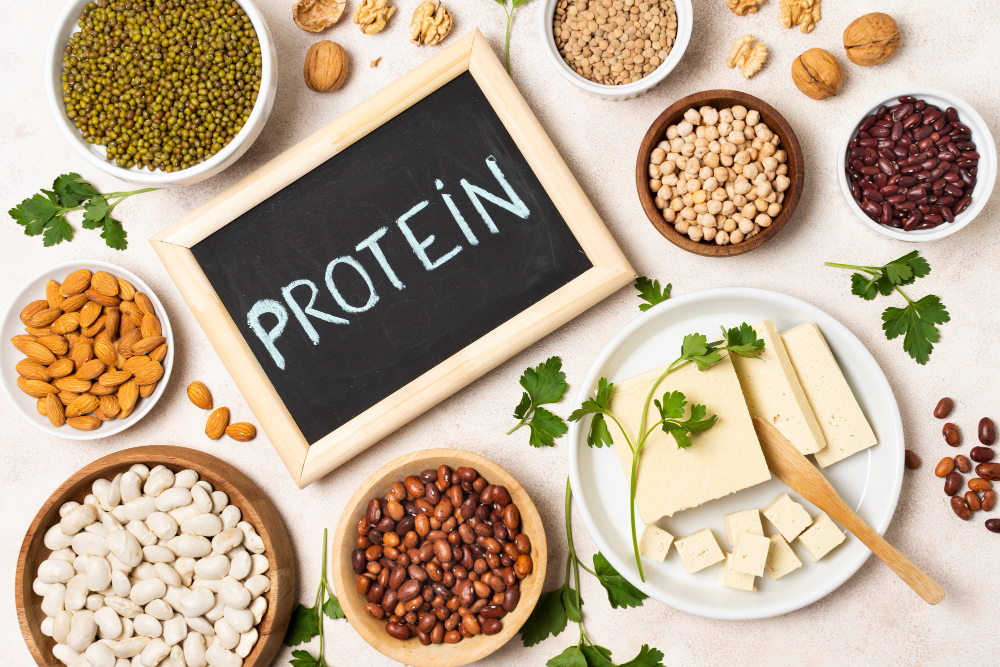
I want to talk about protein. Not because it doesn’t matter, because it does. But because we are being sold a deficiency most of us don’t have, and you deserve to know who is selling it, and why.   Walk through any store now and protein is everywhere. Protein water. Protein coffee. Bread, cereal, chips, yoghurt, all wearing the number on the front of the pack. It feels like science. It feels like progress. It is neither. It is marketing, and it has a history most people have never been told.   In 1974, a paper in The Lancet took apart the idea of a global “protein gap,” the belief, pushed for two decades by international agencies, that the world was starving for protein and needed industrial protein products to fix it. The scientist who had led that entire field admitted, the very next year, that the gap had never existed.   The recommended protein for infants was quietly revised down, again and again. One of the men involved later called it one of the greatest errors ever made in the name of nutrition science.   Fifty years later, the same myth is back. Bigger, and far more profitable. It is a thirty-billion-dollar industry now, doubling. And this time it has reached your morning coffee.   Here in India, the campaign working hardest to convince you that you are protein deficient is funded by an American soybean export council. That is not a conspiracy; it is stated openly on their own website. And the figure you have seen everywhere that seventy-three percent of Indians are protein deficient, comes from a 2017 market research survey of 1,800 people.   Not a health study. A marketing study.   The government’s own survey, of more than two hundred thousand households, tells a different story. On average, we already eat enough protein. What we are actually short on is not quantity. It is quality, diversity, and the part nobody is selling: digestion.   Because this is what the grams will never tell you.   You are not what you eat. You are what you digest and absorb.   In my tradition, this is not a metaphor. Digestion is agni, your metabolic fire. And there is a line I return to again and again: rogah sarve’pi mande’gnau. Nearly all disease begins in weak digestion.   You can drink three protein shakes a day. But if your agni is weak, that protein does not become muscle. It becomes ama, undigested, sticky residue that clogs your channels and quietly inflames you. More fuel on a low fire does not make a bigger flame. It makes smoke.   And here is the part I find most beautiful. My tradition knew, thousands of years ago, that food becomes flesh. The Chandogya Upanishad says it plainly: the coarsest part of food becomes waste, the middle part becomes flesh, and the subtlest part becomes the mind.   Read that again.   They knew food builds muscle. They simply refused to make muscle the goal. Flesh was the middle outcome, above waste, below mind.   The finest yield of what you eat was never meant to be a bigger body. It was meant to be a clearer one.   In Ayurveda, muscle, Mamsa, is the third transformation of your food, not the first. Food becomes plasma, then blood, then muscle, each step depending on a fire of its own. You cannot shortcut that by scooping more powder into the top. There is no supplement for a broken fire.   Now let me be honest, because I am a physician and not a contrarian.   There are people who genuinely need more protein. Women in perimenopause and beyond. Anyone over sixty losing muscle to age. People on the new weight-loss injections. Those recovering from illness, surgery, childbirth. Serious athletes in real training.   If you are one of them, this is not permission to eat less. But for most others, sitting at a desk, reaching for a third shake out of anxiety, it is the opposite.   So, before you count another gram, do this instead.   Rebuild the fire first. Warm, freshly cooked food, at regular hours. Fewer cold shakes. Your dal with rice and a spoon of ghee is a complete protein and an easily digested one, the combination our grandmothers understood long before it had a name.   And that fruit-and-milk smoothie you feel so virtuous about? Milk and fruit are two different digestions fighting in one glass. My texts call that combination harmful, and they are right. It is one of the most common causes of the bloating and congestion I see every single day.   Strength was never a number on a package. It is what your body can actually transform.   That is the real question. Not how much protein you can swallow, but how much of it you can become.
Are Eggs Healthy According to Ayurveda ?

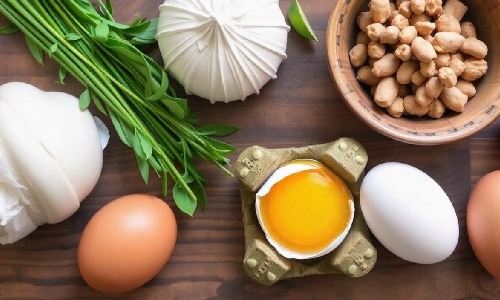
Eggs are one kind of food that most non-vegetarians love.   Many health experts suggest eating eggs daily as they provide high-quality protein, essential amino acids, and nutrients like B12 and choline, which support muscle growth, repair and overall strength.   But what does Ayurveda say about eggs? Are they really good for everyone?   Let’s find out!     Ayurveda’s take on eggs     One large egg contains about 6 grams of protein and 5 grams of fat, making it a nutrient-dense food. Hence, They are known for their ability to nourish the body.   They are especially beneficial for individuals with Vata imbalances due to their heavy nature. However, they should be consumed cautiously by those with Pitta and Kapha imbalances.   Ayurveda describes eggs as:     सद्यः बालकृणि मधुराण्यभिष्यन्दिनि     This means they provide instant strength and energy, are sweet in taste, increase mucus secretion and cause salivation.   This makes them useful only for some people under certain conditions.     For people recovering from surgery   If someone has undergone surgery or has been very sick, their body needs extra nourishment to regain strength. Ayurveda suggests that eggs, especially when mixed with certain herbal formulations, can help in faster recovery.     For those who are weak or malnourished   If a person is extremely weak, they can provide quick nutrition.     For improving male fertility   Ayurveda recommends them as a medicine to enhance low sperm count. According to Charaka Samhita, eggs fried in ghee work as an aphrodisiac and can help improve sperm count.     Instant energy booster   They are often considered a “quick fix” for energy. When consumed properly, they can provide an immediate boost, especially for people who are in need of quick nourishment. This makes them a suitable choice during physically demanding days.   But, in these cases, eggs are given in raw form, sometimes mixed with other medicines.   These are heavy and nutritious, which is why Ayurveda sees them as a form of medicine rather than for daily consumption.     Should everyone eat eggs ?     The answer is no.   Everyone eats eggs nowadays because they consider them a great source of protein.  But they are not suitable for everyone.    According to Ayurvedic principles, they can be a valuable part of your diet, but their suitability depends on your Dosha and current health condition.    Ayurveda teaches us that food should be chosen based on our Dosha dominance (Vata, Pitta, Kapha). They are heavy, oily and heating, which means they don’t suit everyone equally, as they are often difficult to digest.       Best for Vata Dosha   People with a Vata imbalance (dry skin, weak digestion, low energy) can benefit from them in moderate amounts. The heaviness of eggs helps balance the lightness of Vata.     Not ideal for Pitta Dosha   Eggs increase heat in the body. If someone already has a Pitta imbalance (acidity, skin issues, anger, inflammation), eating them may make things worse.     Not suitable for Kapha Dosha   Since eggs are heavy and oily, they can increase Kapha imbalance, leading to weight gain, sluggishness, and mucus buildup, especially in large quantities. People with Kapha-dominant constitutions should avoid them.     Understand Your Dosha    It’s important to recognize your Prakriti (body type) and dominant Doshas. If you are unsure, it’s always a good idea to consult with an Ayurvedic doctor who can assess your specific needs. They can help you determine if it suit your unique body constitution and health goals.     Does Ayurveda recommend eggs ?     As mentioned above, Ayurveda recommends eggs for Vata people especially those who are weak to gain quick strength.    However, Ayurveda considers them as unnatural food. Unlike fruits, grains, and vegetables that grow naturally, Ayurveda does not consider them a natural human food.   Here’s why:     Disturbs Dosha balance   Instead of bringing harmony to the body, they can create imbalances.      Tamasic Nature    Ayurveda classifies foods based on their effect on the mind. Tamasic foods make the mind dull and heavy. Eggs, being Tamasic, can lead to stress, anger and fierceness.     Bad energy Carrier   According to Ayurvedic beliefs, eggs come from the hind part of the hen, which is considered impure. Consuming eggs may bring negative energy into the body.     They’re a no-no in the Sattvic diet   If you are aiming for a Sattvic (pure and balanced) diet, it’s best to limit eggs. This diet promotes clarity, peace and a positive mindset, and they are considered incompatible with such an approach.  This is why Ayurveda generally does not recommend eggs as a regular part of a Sattvic (pure and balanced) diet.     How to eat eggs the Ayurvedic way ?     If you choose to eat eggs, here are some Ayurvedic guidelines to follow:       Choose pastured and organic   Avoid commercially raised eggs as they may contain harmful chemicals and can affect your digestion.     Cook them properly but don’t overcook   Overcooking destroys their nutrients. Soft-boiled or lightly cooked eggs are best.     Pair with ghee   Ayurveda suggests that frying eggs in ghee makes them more digestible and beneficial, especially for fertility.     Listen to your body   If eggs make you feel heavy, sluggish or uncomfortable, it’s best to avoid them.     Balance with herbs   If you’re eating it, consider pairing them with digestive herbs like ginger, turmeric or cumin to help with digestion and absorption.     Moderation is key   Do not consume eggs in large quantities, especially if you have weak digestion and are unsure how they affect your body. Ayurvedic wisdom advises moderation for everything – even the most beneficial foods.     So, are eggs good or bad ?     Eggs have their benefits, but they are not… Continue reading Are Eggs Healthy According to Ayurveda ?