
What are Vata, Pitta and Kapha Doshas in Ayurveda?

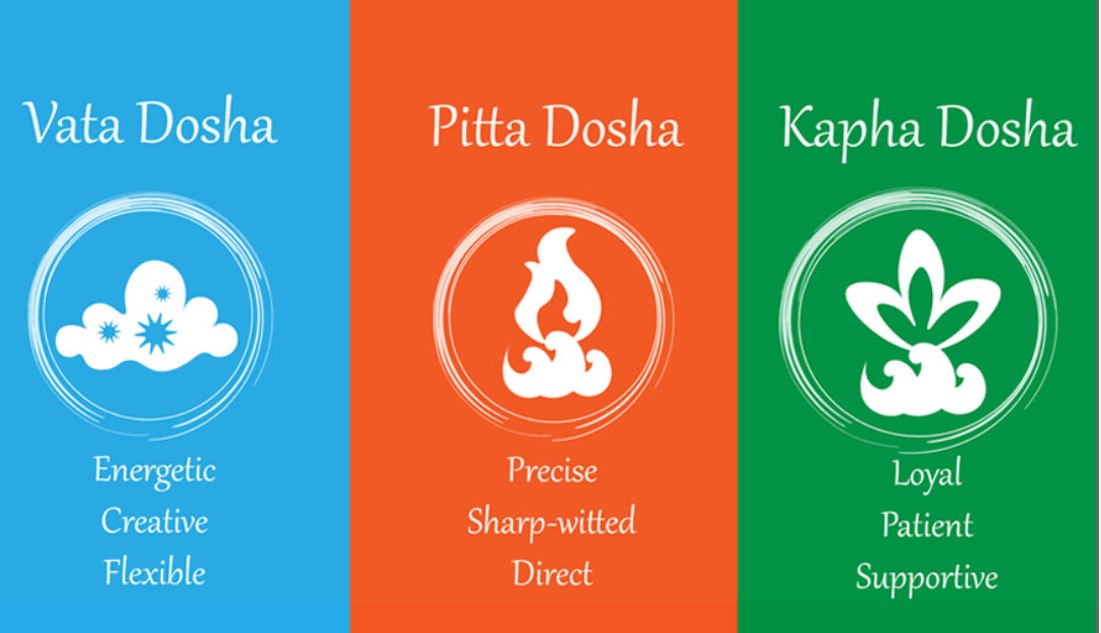
Ayurveda is a traditional system of medicine. Beyond that, it is a way of life that helps you reach the ultimate goal of overall wellness. In Ayurveda, the status of your health primarily  revolves around the balance of  your biophysical energies or Doshas.  There are three types of Doshas – Vata, Pitta and Kapha, collectively called Tridoshas.  They are derived  from the 5 basic elements known as “Panchamahabhutas.” The Panchamahabhutas are space or ether, air, fire, water and  earth. All these Doshas must be known to understand the unique constitution of one’s body and how to maintain a balanced manner to attain good health.    The Panchamahabhutas: The Basis of Doshas   The Panchamahabhutas are the fundamental elements that all matter in the universe is based on. These elements, in different combinations, make up the Doshas.  Knowing them can delve deeper into the Doshas’ nature and influence on our bodies and minds. Ether (Space): This is the most subtle of all the elements. It symbolizes emptiness and the possibility of creation. Air: Associated with motion, lightness, and actionability. Fire: Associated with transformation, heat, and metabolism. Water: Fluidity, cohesion, lubrication. Earth: Most solid elements are related to stability and structure. Each Dosha gets its uniqueness from a different combination of these elements, which explains their distinct characteristics and effects on our bodies.   What Are the Doshas?   Doshas are biophysical energies that govern our inner and  outer environments. These energies or Doshas, are present in everybody and everything. They are found in a unique ratio in each individual. This determines one’s Prakriti or physiological and psychological profile.  If your Doshas are in balance, you have health and well-being. They, when in imbalance due to diet, lifestyle, or environmental factors, give rise to diseases.   Vata   Vata is the energy of movement. It constitutes air and  ether.  Vata Dosha governs  bodily functions, like breathing, nerve impulses, and  circulation. When in balance, there is much creativity and vitality. If it’s out of balance, the result is anxiety, dryness, and irregularity in the functions. Characteristics: Light, cold, dry, irregular, quick. Physical Characteristics: Thin build, dry skin, cold hands and feet. Mental Characteristics: Imaginative, anxious, quick learner. Imbalances: Result in anxiety, insomnia, xerosis, and constipation. You can balance your Vata Dosha by following a routine that includes warm, nutrient packed food, proper sleep, and activities like yoga or meditation.   Pitta   Pitta is composed of fire and water. It governs your digestion and metabolism. This fuels the drive of appetite, intelligence, and body heat.  A balanced Pitta Dosha is marked by clarity and energy. However,when it’s out of balance, it results in anger, inflammation and digestive problems. Characteristics: Sharp, oily, hot, intense, and light Physical Traits: Medium build, warm skin, sharp features. Mental Traits: Intelligent, competitive, driven. Imbalances: Marked by symptoms, such as anger, indigestion, skin rashes, heartburn. Balancing the Pitta would require cooling food, relaxing exercises or techniques, and avoiding overwork. Fresh fruits, lots of vegetables and whole grains can nullify the inflamed nature of the Pittas.   Kapha   Kapha Dosha constitutes earth and water. It is the energy of body stability and structure. It controls growth, hydration and immune responses. A person with a proper and well-balanced Kapha will, consequently, be calm, patient, and, moreover, an endurance expert. A Kapha  imbalance will result in lethargy, weight increase, and congestion. Characteristics: Heavy, slow, steady, oily, and cool. Physical Traits: Compact, soft-skinned, big-eyed. Mental Traits: Loyal, patient, compassionate. Imbalances: Results in obesity, slowdown in digestion, depression, and allergies. Massage-reviving functions and a balanced diet with light spicy foods maintain Kapha. Exercise and abstinence from heavy, oily foods will keep Kapha in harmony.   What is Prakriti?   Your Prakriti is your constitution and  fixed at the moment of conception. This is a blueprint of your inborn strengths and weaknesses.  By knowing your Prakriti, you can devise your lifestyle in a manner that will maintain a balance of your Doshas. Are you looking for more valuable insights? Head onto our blog section!   How to Know Your Prakriti?   Knowing your Prakriti means knowing which Doshas are most operative in your constitution based on that knowledge. We can guess these by looking within ourselves or consulting an Ayurvedic professional. Here’s a brief overview of how the Doshas may manifest in your physical and mental attributes: Vata Dominant: Thin and lean, dry skin, quick mind, active, anxious, and sleepless. Pitta Dominant: Medium-built, warm-skinned, sharp intellect, ambitious, irritable, and easily inflamed. Kapha Dominant: Heavier in build, smooth skin, calm disposition, steady energy, tends to put on weight and become lethargic. Knowing your Prakriti helps you tailor a diet, exercise, and daily routines suitable for bringing out balance in life. Balancing the Doshas   Keeping your Doshas in balance is what keeps you healthy. The Doshas are particularly sensitive to continued influences, such as diet, lifestyle, stress and environmental elements that disturb your balance.   What to do to Balance Vata?   Diet: Have warm, freshly-cooked food with spices, such as ginger and cinnamon. Lifestyle: Follow a daily routine. Engage in activities that ground you in life, such as meditation and yoga. Season: Vata is provoked by a cold, dry & windy climate. Keep warm and moist.   Tips to Pacify Pitta   Diet: Consume cooling foods like greens, melons and cucumbers. Stay away from hot, spicy, and oily foods. Lifestyle: Moderate work and exercise. Moreover, engage in cool recreation activities like swimming or, alternatively, walking in nature to calm down Season: One shouldn’t disturb the natural order of Doshas. Avoid hot and humid seasons. Always be cautious at the seasonal end.   Tips for Balancing Kapha   Diet: Light, spicy foods; avoid dairy and heavy foods; include stimulating spices like black pepper and turmeric. Lifestyle: Be active & get regular exercise, but avoid too much sleeping and sedentary habits. Season: In cold, damp weather, Kapha Dosha is dominant. So, stay warm and dry.   Consult an Ayurvedic doctor to guide you regarding your right… Continue reading What are Vata, Pitta and Kapha Doshas in Ayurveda?

Summer Allergies Remedies in Ayurveda

Warm weather and outdoor activities are associated with seasons, but summer allergies can cause pain and suffering. As particle levels rise, runny noses, itchy eyes and sneezing are frequent complaints.  Ayurveda provides completely organic, natural methods to treat and reduce allergy symptoms. According to Ayurveda, allergies are caused by an imbalance in the Vata, Pitta and Kapha Doshas. Heat and inflammation are typical symptoms of the Pitta Dosha, which becomes worse by summer allergies.  Common allergy symptoms are due to the exposure to allergens like pollen grains caused by this imbalance. In this blog, let us discuss how to get rid of summer allergies and the role of Ayurveda in its cure.   Ayurveda for Allergies   Ayurveda emphasizes recovering the body’s equilibrium through food modifications, way-of-life adjustments and herbal remedies for treating allergies.  Here’s a thorough look at how allergies are treated in Ayurveda: Finding the Imbalance: The initial stage of Ayurvedic therapy is identifying the imbalanced Dosha and the symptoms that result from it. Detoxification: Toxins (Ama) accumulated in the body can  increase allergy symptoms. Detoxification therapy helps flush out the toxins.  Increasing Immunity: Increasing immunity via food and herbal remedies makes the body more resistant to allergies. Dietary and lifestyle modifications: Modifying one’s daily schedule and food can relax an inflamed Dosha and reduce allergy symptoms. Are you looking for more valuable insights? Head onto our blog section!   Ayurvedic Remedies for Summer Allergies   Here are some remedies for summer allergies recommended by Ayurveda:    Neem   The antiviral and anti-inflammatory properties of neem helps reduce allergic responses by detoxifying the body and purifying the blood. Neem oil can be used either topically or taken as a dietary supplement in the form of capsules.   Tulsi   Tulsi, often called Holy Basil, is a useful Ayurvedic treatment for allergies and respiratory problems. It helps fight allergies and is great for improving your immunity. A significant reduction in allergy symptoms can, therefore, be obtained by consuming tulsi tea or, alternatively, by utilizing tulsi drops.   Turmeric   Curcumin, the active component of turmeric, possesses potent antioxidant and anti-inflammatory qualities; therefore, it may offer significant health benefits.  Reducing allergic responses can be achieved by including turmeric in your cooking or having it with heated milk (golden milk).     Ginger   A strong anti-inflammatory plant that helps reduce allergy symptoms is Ginger (Zingiber officinale). Have ginger tea, or alternatively, incorporate fresh ginger into your food, in order to help relieve allergy symptoms.   Also Read: Ayurvedic Superfoods to Eat Daily   Though these remedies can help you, overuse of some of them can have serious side effects. So, it’s best to seek the guidance of a qualified Ayurvedic doctor before using them.    Ayurvedic Treatment for Allergies   Ayurveda recommends the following treatments for allergies:   Nasya Therapy   Nasya therapy is a method of treating nasal passages with plant oils. This therapy not only aids in reducing inflammation, but also helps in cleaning up congestion in the nose, and enhancing respiratory health. Anu Taila – a traditional Ayurvedic oil is great for Nasya to relieve allergy problems.   Neti Pot   Neti pot treatment is used to do nose irrigation. By clearing mucus and allergens from the nostrils, this method helps avoid sinus infections and offers instant relief.   Panchakarma   An extensive Ayurvedic detoxification process called panchakarma uses five therapies to rid the body of toxins (Ama). This procedure assists Dosha balance and improves the body’s reaction to allergies.   Ayurvedic Tips for Allergies   Here are some Ayurvedic tips that can help: Refrain from acidic, hot, and spicy meals since they could aggravate Pitta Dosha. Include cold meals such as leafy greens, cucumbers, and melons. Stay hydrated by having lots of water and herbal beverages.   Ayurvedic Solutions for Long-Term Relief   Incorporate these Ayurvedic practices into your daily routine to preserve general health and develop resilience, for long-term relief from summer allergies:   Abhyanga (Self-Massage)   Daily Abhyanga will help balance the Pitta Dosha and furthermore, it’ll calm the skin. In addition to body calming, this technique improves lymphatic drainage and circulation which are critical for the immune system and detoxification. Warm up the oil and then apply and massage it on your body for at least 15 to 20 minutes. You can then take a shower.   Enough Sleep   Do not compromise on your sleeping hours as it is essential for the proper working of your immune system. Establish, therefore, a peaceful evening ritual to encourage, in turn, sound, restful sleep.  Try to avoid screens and stimulating activities at least one hour before bed. Drinking a cup of warm milk  with a bit of ginger and turmeric helps balance your Pitta Dosha and helps you to sleep.   Stress Management   Since stress may exacerbate allergic responses, practice mindfulness, yoga, or meditation to reduce stress.  Regularly performing yoga poses like Child’s Pose (Balasana), Legs Up the Wall Pose (Viparita Karani), and Corpse Pose (Savasana) might help lower stress levels and promote mental clarity. Include breathing techniques like Shavasana and Brahmari (Humming Bee Breath) to encourage calmness and, consequently, focus.   Seasonal Detoxification   Regularly eliminate your body of poisons collected over time by practicing detoxification. Panchakarma is an extensive Ayurvedic cleansing treatment to help your body reset and enhance general health with seasonal changes. Easy at-home detoxification techniques like having a warm cup of water with honey and lemon in the morning and eating small, easily digested meals can be helpful.   Boost Immunity with Herbs   Consume immune-stimulating herbs, like Amla (Indian gooseberry) and Guduchi. Amla is rich in vitamin C; it aids tissue regeneration and strengthens the immune system.Guduchi/Tinospora Cordifolia is, indeed, a powerful immune-stimulating supplement. Furthermore, it is available in both pill and powder form   You don’t have to let summer allergies stop you from enjoying the season. Ayurveda’s comprehensive approach can help you treat and prevent them naturally and with long-term Ayurvedic solutions for summer allergies. … Continue reading Summer Allergies Remedies in Ayurveda

Shankhupushpi: The Brain Tonic for Cognitive Enhancement

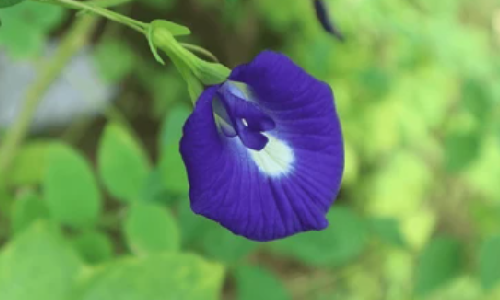
Shankhupushpi, scientifically known as Convolvulus pluricaulis, is considered as a brain herb in Ayurveda. It’s revered mainly due to its capacity of boosting cognitive functions, enhancing memory and lowering stress levels. In the ancient texts of Ayurveda, Shankhapushpi is described as a Medhya Rasayana – a rejuvenator of the mind. In this blog, let us delve into the details of how Shankhapushpi is beneficial for the brain.    Shankhupushpi Benefits for Brain   In today’s fast-paced world, cognitive health is more important than ever. Shankhapushpi is a great natural solution to enhance mental clarity, concentration and overall brain performance.   Enhances Memory and Learning   Shankhupushpi is renowned not only for its ability to boost memory but also, for its learning capabilities. It’s great for boosting focus and memory, making it a fantastic herb for both students and professionals.   Reduces Stress and Anxiety   Stress and anxiety can take a toll on cognitive functions. Shankhupushpi is an amazing natural adaptogen that supports the body in handling stress and reducing anxiety levels. It works to soothe the mind and cultivate a sense of tranquillity within.   Improves Cognitive Function   Regular consumption of Shankhupushpi can enhance overall cognitive function. It assists not only in making better decisions and solving problems, but also, in boosting creativity.   Shankhupushpi for Adults   Adults often face cognitive decline due to various factors such as stress, ageing and lifestyle choices. Shankhupushpi for adults can be a game-changer, offering a natural way to boost brain health.   Combats Age-Related Cognitive Decline   As we age, our cognitive functions tend to decline. Shankhupushpi helps in slowing down this process, keeping the brain sharp and active.   Enhances Focus and Attention   For adults juggling multiple responsibilities, maintaining focus and attention can be challenging. Shankhupushpi enhances these cognitive abilities, making daily tasks easier to manage.   Supports Emotional Well-being   Emotional health is crucial for cognitive function. Moreover, Shankhupushpi supports emotional well-being, helping to maintain a positive outlook and reduces the risk of depression.   Learn one more benefit of Shankhpushpi in this video: Forms of Shankhupushpi   Shankhupushpi is available in various forms, each with its unique benefits and usage.   Shankhupushpi Tonic   Tonic is a popular form, especially for those who prefer liquid supplements. It is easy to consume and also, quickly absorbed by the body, providing rapid benefits.   Shankhapushpi Powder   Shankhapushpi powder is another versatile form. It can be mixed with either water or milk or any beverage of choice. Its  benefits include improved digestion, better absorption and ease of use.   Shankhupushpi Tablets   For those who prefer convenience, Shankhupushpi tablets are an excellent option. They’re easy to carry and can be eaten while you’re on the move, so you can make sure you’re getting enough of this powerful herb every day.   Remember, it is always better to consult a qualified Ayurvedic doctor before taking Shankhapushpi in any form.      How to Use Shankhapushpi?     Incorporating Shankhapushpi into your daily routine is simple and can be done in various ways.   Dosage   The recommended dosage of Shankhapushpi varies based on age, health condition, and form of the herb. Generally, 1-2 teaspoons of Shankhapushpi powder or 2-4 tablespoons of Shankhapushpi tonic daily is sufficient. But, it’s better toseek the help of an Ayurvedic doctor to know the right dosage suitable for you.    Best Time to Consume   For optimal benefits, consume Shankhapushpi in the morning on an empty stomach. This allows for better absorption and ensures that the herb starts working right away to boost your cognitive functions.   Combining with Other Herbs   Shankhapushpi can be combined with other Ayurvedic herbs for enhanced benefits. For instance, combining it with Brahmi can further boost memory and cognitive functions. Always consult with an Ayurvedic practitioner before combining herbs.   The Science Behind Shankhapushpi   Modern science has started to validate the traditional uses of Shankhapushpi. Studies have shown that Shankhapushpi contains alkaloids, flavonoids and other compounds that contribute to its cognitive-enhancing properties.   Neuroprotective Effects   Research indicates that Shankhupushpi has neuroprotective effects, helping to protect the brain from damage caused by free radicals and oxidative stress. This makes it an excellent herb for long-term brain health.   Anti-Anxiety and Antidepressant Properties   Studies have also highlighted Shankhupushpi’s anti-anxiety and antidepressant properties. By modulating neurotransmitter levels, Shankhupushpi helps in reducing anxiety and promoting a sense of well-being.   Ayurvedic Perspective on Cognitive Health   According to Ayurveda, cognitive health is closely linked to the balance of Doshas and the state of our Agni or digestive fire. An imbalance in Vata, Pitta or Kapha Doshas can lead to cognitive issues, such as memory loss, anxiety, and lack of focus. Shankhapushpi helps in balancing these Doshas, promoting overall cognitive health.   Dietary and Lifestyle Tips for Cognitive Enhancement   In addition to taking Shankhapushpi, following a balanced diet and healthy lifestyle can further enhance your cognitive functions.   Having a Balanced Diet   Consume a diet rich in fresh fruits, vegetables, whole grains, and healthy fats. Foods that are easy to digest help maintain a healthy Agni and prevent the build up of Ama (toxins). Also, your diet should align with your Prakriti (body type), Dosha imbalances and health conditions. You can approach an Ayurvedic doctor to help you with your diet.    Yoga and Meditation   Regular practice of yoga and meditation helps in reducing stress, improving focus and enhancing overall mental well-being.   Enough Sound Sleep   Sleep is essential for cognitive health. Aim for 7-8 hours of quality sleep each night to allow your brain to rest and rejuvenate. Shankhupushpi is an amazing herb that has lots of benefits for your brain health. If you want to boost your memory, lower stress or make your brain work better. It is a great thing to add to your everyday schedule. As an Ayurvedic doctor, I really suggest trying Shankhupushpi to see how it can change your… Continue reading Shankhupushpi: The Brain Tonic for Cognitive Enhancement

How to Boost Fertility With Ayurveda?

Every year, I have a lot of patients who approach me seeking treatment for infertility. For most of them, Ayurveda is the last option after having tried every other treatment and not finding a result. Many are often surprised that there are no invasive procedures and yet Ayurveda can help them find their way to boost fertility.   About 1 in 6 people around the world experience infertility. Some of the main reasons include stress, poor diet, sedentary lifestyle, etc. Ayurvedic conception treatment includes correcting all these factors to boost fertility and to prepare the body for conception.    In this blog, let us delve deeper into how Ayurveda helps boost fertility.   Understanding Fertility in Ayurveda   In Ayurveda, fertility is considered to be the obvious result of a harmonic body and mind. It is integral to our physical, mental and emotional state. According to the ancient scriptures, the body’s Doshas, Agni and Dhatus, when in harmony,  become the reason for improved reproductivity.   Fertility Determiners in Ayurveda   The concepts of Ojas, Shukra Dhatu, and Prakriti are connected with reproductive health. Ojas represents the essence of vitality and immunity within an individual. Shukra Dhatu is the reproductive tissue that is responsible for the formation of sperm in men and ovum in women. Prakriti is the unique body of each person and determines the requirements for reproductive health.    Factors Affecting Fertility   Several factors could affect fertility, such as: Eating habits: Poor nutritional intake, processed food, spicy and junk foods could affect reproductive health too.   Lifestyle and stress: With today’s hectic schedules, higher stress and unhealthy lifestyle adversely affect fertility levels.   Other health conditions: Conditions like polycystic ovary syndrome (PCOS), endometriosis, and low sperm count could affect the fertility levels.   Ayurvedic Approach to Enhancing Fertility   Ayurveda offers a holistic approach to enhancing fertility, focusing on balancing the Doshas, strengthening Agni and nourishing the Dhatus. Here are some key Ayurvedic practices to boost fertility.   Dietary Recommendations   To enhance fertility, one should surely manage their diet. Below, you will find lists of foods that one should either include or exclude from their diet: Eat Sattvic food: Fresh, organic and easily digested products help to balance the Doshas and enhance Agni. This group includes fruits, vegetables, whole grains, nuts, seeds and dairy products.   Avoid Ama-producing food: One should avoid processed products, too much sugar, caffeine and alcohol as they take time to digest. Undigested food, consequently, turns into Ama (toxins). As a result, the accumulation of Ama weakens the Agni and, in turn, causes diseases.   Avoid excessive salty and spicy foods: Such foods can aggravate your Pitta Dosha, causing Dosha imbalance that in turn affects your fertility.   Foods to enhance fertility: You can have almonds, walnuts, ghee, milk, sesame seeds, and dates, but in moderation.   Kapha and Pitta: Encourage the use of light food in Kapha-type patients and refreshing tastes for Pitta.   Vata: Avoid raw, dried food. Use good fats, like ghee.   These are some general suggestions.    Ayurveda does not follow a one size fits all approach. Every person is unique. So the diet for each person differs, primarily based on their Prakriti, Dosha imbalances, health conditions and more. You can consult an Ayurvedic doctor to determine your Prakriti and Dosha imbalances and to help you plan a diet that aligns with your preferences.        Herbal Medicines for Fertility   In my conception treatment, herbal medicines are given to the couple to treat any underlying health conditions, improve their strength and immunity and also to enhance their reproductive health.  The medicines are prescribed based on the couple’s Prakriti, Dosha imbalancers and health conditions. I do not prescribe any medicines that have strong herbs like Shatavari, Ashwagandha, or Shilajit; moreover, I also avoid those with heavy metals as ingredients. Their continuous usage can have side effects.    Panchakarma therapy   This detoxification therapy rejuvenates the body by flushing out toxins and besides balancing the Doshas. It helps heal from any underlying health conditions and furthermore resets the body and mind, making it capable for conception.     Panchakarma has 5 cleansing procedures – Vamana, Virechana,Nasya, Kashaya Vasti and Sneha Vasti.  These therapies cleanse the body, improve digestion and also, promote health and longevity.   Lifestyle Modifications   Maintaining a healthy lifestyle is equally important to enhance your fertility.   Manage stress: Practices like yoga, meditation, and pranayama (breathing exercises) can help reduce stress and improve mental clarity, which are crucial for fertility.   Regular exercise: Engage in regular physical activity; consequently, this helps to maintain a healthy weight and improve circulation, which, in turn, supports reproductive health.   Sleep quality: Ensure you get adequate, restful sleep to support overall well-being and hormonal balance.   Avoid bad habits: Smoking and consuming alcohol can have an adverse effect on your fertility. So, it’s better to quit. Ayurveda says that having a healthy mind is really important for being able to reproduce whether it’s male or female. Doing things like being mindful, writing in a journal, and spending time outside in nature can make your mind feel calm and less stressed.  These activities increase mental strength and hence reproductivity.  Following a daily routine or Dinacharya will also bring discipline and consistency in your life.    Importance of Balanced Doshas   Balanced Doshas are crucial for reproductive health. Each individual has a unique Prakriti, which is their natural constitution of the three Doshas: Vata, Pitta, and Kapha. Imbalances in these Doshas can affect fertility.    Vata imbalance: Can lead to irregular menstrual cycles and anxiety, affecting conception.   Pitta imbalance: Can cause inflammation and hormonal imbalances, impacting fertility.   Kapha imbalance: Can result in weight gain and sluggish metabolism, hindering reproductive health.   By identifying and correcting Dosha imbalances through diet, lifestyle changes, and Ayurvedic treatments, you can, therefore, enhance fertility and, consequently, increase the chances of conception.   Practical Tips for Enhancing Fertility   Here are some practical tips that… Continue reading How to Boost Fertility With Ayurveda?

Aloe Vera Benefits for Beauty, Health, Healing

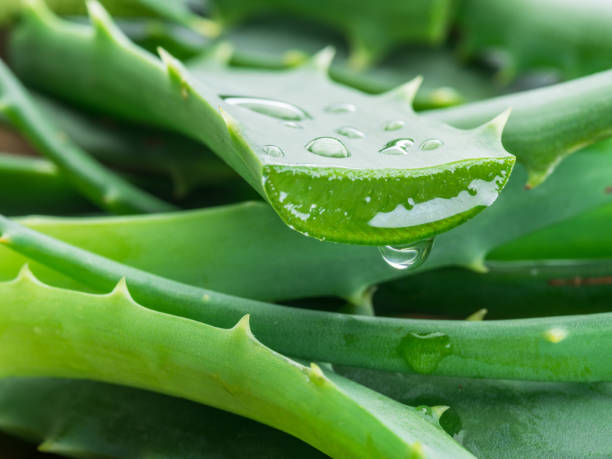
Aloe or Aloe vera fresh leaves and slices on white background.

Aloe vera is long regarded as a botanical miracle due to its powerful healing abilities. The many health and beauty advantages of aloe vera have attracted generations, from ancient civilisations to modern-day fans.    Aloe vera, dubbed the “plant of immortality” by the ancient Egyptians, never ceases to astound with its powers to relieve sunburns, ease gastrointestinal distress, strengthen immunity, and encourage general vigor.   In this blog, let us delve deeper into aloe vera’s healing abilities and its role in dental hygiene, skin care, digestive health, and antioxidant support.  It is a safe and efficient remedy for various problems, including skin irritations, and digestive and general health improvement.    About Aloe Vera   In Sanskrit, aloe vera is called Kumari. It  has a bitter taste (Tikta Rasa). It is also heavy (Guru), oily (Snigdha) and slimy (Pichhila). The herb is also great for managing the Tridoshas.   For centuries, humans have grown aloe vera for its medicinal, cosmetic and aesthetic benefits. The thick, fleshy leaves of the plant are well-known for holding a clear gel-like fluid that is packed with bioactive substances such as antioxidants, enzymes, vitamins, minerals and amino acids.    This gel frequently used in multiple forms, including topical creams, gels, drinks and supplements, due to its many health and cosmetic advantages. Aloe vera is used in skin care products to treat eczema, acne, sunburns, and other skin issues because of its well-known calming and healing qualities.   It also internally uses as a nutritional supplement to help digestion, strengthen the immune system, and improve general health. It is also a component of oral care products that help to preserve gum health and oral cleanliness.    This is a highly valued botanical element because of its many uses and powerful therapeutic qualities.   Benefits of Aloe Vera   There are several applications and advantages of aloe vera for well-being, appearance and health. It is frequently used for the following purposes:   Skincare   People frequently apply aloe vera gel topically to relieve and treat various skin ailments, such as dry skin, psoriasis, acne, eczema, sunburns, small burns, cuts, and bug bites.  Its antibacterial and anti-inflammatory qualities aid in wound healing, infection prevention, and inflammation reduction.    Hair Care   Because of its moisturizing, conditioning, and scalp-soothing qualities, aloe vera is frequently included in hair care products such as shampoos, conditioners and hair treatments.  It can aid in dandruff reduction, scalp hydration, and healthy hair development.   Digestive Health   Internal use of aloe vera juice helps to relieve gastrointestinal problems such as constipation, reflux, indigestion, and irritable bowel syndrome (IBS). It eases stomach pain and encourages bowel regularity as a natural laxative.    Immune Support   Rich in antioxidants, vitamins, and minerals, It helps strengthen the immune system and guard against inflammation and oxidative stress. Taking its  juice or supplements can improve general health and boost immunity.    Oral Hygiene   Oral care products including toothpaste, mouthwash, and dental gels preserve oral hygiene, prevent gum disease, treat mouth ulcers, and freshen breath. Its anti-inflammatory and antibacterial qualities support strong teeth and gums.   Anti-aging   This herb has amazing anti-aging properties. It helps increase collagen formation, enhance skin suppleness and lessen the appearance of wrinkles and fine lines. Aloe vera gel used regularly can help keep skin looking young and beautiful.    Sunburn Relief   Aloe vera gel relieves discomfort, inflammation and redness from prolonged sun exposure. Its hydrating and cooling qualities assist in restoring damaged skin cells and encourage healing.    Healing Wounds   This herb promotes cell regeneration, lowers inflammation, and guards against infection to hasten the healing of wounds. Hence, it helps heal mild burns, scratches and wounds and reduces scarring.    These are only some of its numerous applications  that demonstrate its adaptability and potency in enhancing health and well-being.   Medical uses of Aloe Vera   Aloe vera’s strong healing qualities make it useful in many medicinal applications.  Compounds in its gel-like composition encourage wound healing by lowering inflammation, avoiding infection, and promoting cell regeneration. This makes it a useful remedy for small burns, wounds, and cuts.    This herb is also a well-liked sunburn cure because of its calming and cooling qualities, which reduce discomfort, inflammation and redness. Because of its anti-inflammatory and antibacterial features, it manages skin disorders including dermatitis, psoriasis, acne, and eczema by reducing symptoms like redness, irritation and itching.    Furthermore, it also helps calm digestive issues including acid reflux, indigestion and irritable bowel syndrome (IBS) and reduces inflammation. Its  juice treats constipation and encourages bowel regularity as a natural laxative.    It is a very adaptable and beneficial natural treatment with medical uses. It has a variety of benefits, ranging from healing wounds and calming skin disorders to easing stomach pain and improving general health.    Also Read: Ways to Maintain Skin Health with Ayurveda   Despite the many amazing benefits of aloe vera, it’s important to use it sensibly. It is best to consult an Ayurvedic doctor before you use it, especially if you have any underlying health conditions or allergies.       If you are struggling with any health issues, you can either book a consultation with us or send us a message via WhatsApp to +91 79074 89839. We have the best Ayurvedic doctors in Trivandrum who are always glad to help you. If you have any queries, contact us.  You can also visit us at our hospital.

Kapha Time is Here! Ayurveda’s Secrets for Staying Balanced

Changing seasons can have an effect on your Doshas. That’s why it is important to understand your Dosha imbalances with each season and find the best practices that would help you to adapt and be in good health despite the changes. Kapha season usually refers to late winter and spring.   The season is typically cold, damp and stagnant. Known as Shishira Ritu in Ayurveda, this is the season where Kapha Dosha gains dominance and your Agni (digestive fire) is at its peak.    Identifying Kapha   Kapha people are most likely to have a compact big-boned structure. They have deep-set eyes and strong hair, and tend to gain weight.    Excessive Dosha can manifest as chest and lung or nasal congestions. It can also cause digestive problems due to a sluggish gut. Emotional factors might create overeating & end up in gaining weight.  Kapha’s imbalance is also associated with sadness and emotional turbulence.    It tends to favour a lethargic sedentary lifestyle. Individuals who have heightened the Dosha are likely to suffer from diabetes, gallstones, hypertension, varicose veins and oedema.    Symptoms of Kapha imbalance   A Kapha imbalance is usually marked by the following symptoms: Lethargy Excessive sleepiness Nausea Constipation Indigestion   Ayurvedic tips to balance kapha   Ayurveda works on the principles of Doshas – Vata, Kapha and Pitta. While each of us has a unique proportion of each of the Doshas, a predominant Dosha tends to increase more quickly than the others.    Kapha season tends to bring on the qualities and symptoms of excess stagnation. Its dominance  is represented as a heavy sluggish tendency, it is characterized by heaviness and slow gait. An imbalance in this can lead to stubbornness. Trying out new routines or interests can stimulate a lethargic mind.   As per Ayurveda, a healthy balance can be restored by following a lifestyle, food regimen, and exercise pattern. A vigorous self-massage with warm organic sesame oil is prescribed to invigorate the stagnant Kapha. Sesame oil abhyanga aids in balancing Kapha Dosha.    Kapha season is when the dosha is dominant. It is characterized by slow movements and grounding qualities. Those people who are prone to it must keep their feet warm and protect their chests from cold breezes.   Opt for warm food and steer clear of raw food as well as frozen foods and beverages. The consumption of bitter and astringent tastes has lowering effects on it.    Waking up before sunrise can also  be very beneficial to a Kapha personality. Do not sleep late into the day. An early start can help balance this dosha .   A glass of warm water can help activate your bowels and cleanse your body as a persons tend to suffer from constipation. Clearing of the nasal passage will provide relief from the symptoms.    Ayurvedic tips to welcome the Kapha season   Keeping warm is intrinsic to handling the Kapha season. Avoid cold and damp places. Consume warm meals, warm teas, warm water and nuts. Add Tulsi or mint leaves to your tea to stimulate the digestive system. Consumption of warm beverages and sipping hot water throughout the day help in heating and detoxifying.   Stay warm. Move out of cold damp spaces and choose warm dry places.    Kapha season tends to bring lethargy. It might herald the onslaught of depressive and stagnant thoughts and feelings. Ensure that you engage and rev up your psychological well-being.   Another often-noticed fallout of the Kapha season is the lack of energy. It can get exacerbated due to stress and inadequate sleep.  Its combat imbalance, therefore, with good sleep hygiene, can significantly improve energy levels   Activity is crucial for balancing the dosha. Yoga can help significantly during the Kapha season. You can balance Kapha by combining pranayama with yoga to ensure sufficient circulation and strengthen the respiratory system.    Alternate nose breathing works wonders for its imbalance.  You can also incorporate Surya Namaskar into your yoga routine. Activate your body during the mornings and evenings with yoga and daily walks.   Consume seasonal fruits like oranges, pears and apples. However, avoid very sour fruits. Also, do not consume heavy fruits like coconut, bananas, and dates.    Incorporate turmeric, ginger, cinnamon, fennel, and nutmeg as they can help generate heat. These spices will pacify and stimulate the digestive system.     Correcting Kapha imbalance   Ayurveda can help you manage Kapha imbalance with lifestyle modifications and the right diet. Your diet must neutralize its properties. Since it is light and cool, warm and dry foods can help restore the balance.    Foods that are light and spiced can help curtail the tendency to overeat. Heavy foods, on the other hand, tend to burden the system and, consequently, worsen Kapha symptoms. Oily and pungent foods aggravate Kapha.    Kapha tends to produce plenty of moist mucus and it is therefore recommended to eat dry foods with minimal ghee or oil. You can include grains, beans and seeds. Ayurveda does not recommend consuming buttermilk and milk products during its season.   Kapha is often aggravated by milk products. However, you can consider adding yoghurt or ghee to your diet. The consumption of wheat must be reduced too. Avoid processed foods and refined sugar. Sweets might increase the lethargic feeling. Refined foods have hardly any fibre; therefore, they can aggravate it   Ayurvedic Herbs to Combat Kapha Dosha   Ayurvedic herbs that can support Kapha include Trikatu, Bibhitaki,  and Arjuna.   People use bibhitaki, a traditional herb, to treat throat infections and other ailments related to its imbalance. Its anti-oxidant properties relieve stress and improve gastrointestinal functioning.   Turmeric has significant antioxidant and anti-inflammatory properties. It works, therefore, as a soothing agent on the digestive system and, in addition, prevents the growth of yeast and bacteria.   Ginger provides relief from digestive issues and nausea. It works on diseases such as poor digestion and, furthermore, sinusitis.   You can welcome the kapha season with simple lifestyle routines such as slowing… Continue reading Kapha Time is Here! Ayurveda’s Secrets for Staying Balanced

Hormonal Imbalance Treatment with Ayurveda

As an Ayurvedic doctor, I often have patients consult me with different health conditions. And one of the reasons for some of the health problems, especially for women, is hormonal imbalances. Health conditions, such as PCOS, hypothyroidism, etc. are all results of hormonal imbalance.    In today’s fast-paced world, hormonal imbalances have become increasingly common. Factors such as stress, poor diet, environmental toxins and sedentary lifestyles can influence the balance of your hormones. The common symptoms include irregular menstrual cycles, mood swings, weight gain and low energy levels. While conventional medicine offers solutions like hormone replacement therapy, many individuals seek natural alternatives to restore balance to their hormones without side effects.    In this blog, let us explore how Ayurveda offers natural methods to balance hormones effectively.   What is Hormonal Imbalance?   The endocrine system is made of endocrine glands. These glands secrete hormones that are necessary to carry out a variety of functions in our body. Endocrine glands do not have channels or ducts to carry these hormones. Therefore, hormones are discharged directly into the bloodstream. The pituitary gland, pineal gland, thymus, thyroid, adrenal glands, pancreas, testes and ovaries are among the most crucial endocrine glands in the body.    Hormones play a crucial role in our growth, digestion, sexual desire and reproductive health. They are also responsible for our cognitive processes, emotions, regulating our body temperature, and satisfying our thirst.    An excess or deficiency of a hormone in the body can lead to hormonal imbalances and eventually diseases. This situation can occur due to various factors, such as feeling stressed, having a poor diet, or experiencing health issues.     Hormonal Imbalance as per Ayurveda   Ayurvedic texts do not have a direct mention of the endocrine glands. However, they do have mentions of symptoms due to the increase or decrease of hormones in different contexts.    Influence of Doshas on endocrine glands   Doshas cannot be considered as hormones, as they lack form and also because Kapha and Pitta Doshas are stagnant and need to be mobilized by Vata Dosha. However, their functioning can be considered similar to hormones.    Pituitary gland   The pituitary gland,  also known as the master gland, is located in the brain. This gland secretes hormones that control the operation of some of the other endocrine glands. Similarly, Prana Vata, Sadhaka Pitta and Tarpaka Kapha – subtypes of Vata, Pitta and Kapha Doshas are also located in the head. When these Dosha subtypes work together, they can be considered similar to the functions of the pituitary gland. Also, the Dosha subtypes have an influence on the pituitary gland and its functions.   Thyroid gland   Ayurveda considers the throat as the seat of kapha. This is exactly where our thyroid and parathyroid glands are situated. The movement of Udana Vata and Prana Vata – two of the Vata subtypes also happens in the throat. So, you can say that Kapha, Prana Vata and Udana Vata oversee and influence the functioning of your thyroid and parathyroid glands.    Adrenal glands and pancreas   Adrenal glands and pancreas are situated in the abdomen, which is also the seat of Ranjaka Pitta and Pachaka Pitta – Pitta subtypes, Kledaka Kapha – one of the Kapha subtypes and Samana Vata – a Vata subtype. Therefore, these Dosha subtypes do influence the functioning of the adrenal glands as well as the pancreas. Also, since the Udana Vata moves upwards from the navel towards the throat, it also has an influence on the endocrine glands.   Testes and ovaries   Similarly, the testes in men and ovaries in women are located in the pelvis, which is primarily the territory of Apana Vata. Therefore, the vata subtype oversees the functioning of the glands.      Treatment of Hormonal Imbalance with Ayurveda   Every year, I have a lot of patients who join my women’s hormonal health program as well as thyroid and PCOS reversal programs to have their hormonal imbalances corrected with Ayurveda. Though the treatment can vary with the health condition, Prakriti (body type) and Dosha imbalances of the patients, here are some of the common treatment approaches I follow.   Dietary Modifications   According to Ayurveda, poor gut health is the root cause of all diseases. If your digestive fire (Agni) is not in balance, it can affect your digestion. Food, when not digested, turns into Ama (toxins) and the accumulation of toxins (Ama) in the body can lead to diseases and even disrupt your hormonal balance. Therefore, treatment for hormonal imbalances with Ayurveda often focuses on improving digestive function mainly through dietary changes.   If you are someone who follows my Instagram page or reads my blogs, you might be aware of how 80% of my treatment involves food as medicine. Only the rest 20% involves medicines, that too if necessary. Therefore, my treatment plan for patients with hormonal imbalances primarily involves dietary corrections.   In Ayurveda, diet plays a crucial role in maintaining hormonal balance. Foods are categorized according to their taste (Rasa), energy (Virya), and post-digestive effect (Vipaka), and individuals are encouraged to eat according to their Dosha type and current imbalances. For example:   Vata-pacifying foods, such as warm soups, cooked grains, and nourishing oils, can help calm the nervous system and balance Vata hormones.   Pitta-pacifying foods, such as cooling fruits, vegetables, and grains, can help reduce inflammation and balance Pitta hormones.   Kapha-pacifying foods, such as light, dry, and spicy foods, can help stimulate digestion and balance Kapha hormones.   Herbs, herbal remedies and herbal medicines   Some of the common herbs and medicines that help with hormonal imbalance according to Ayurveda include the following:   Licorice This is one of my favorite Ayurvedic herbs! Licorice or Mulethi helps regulate cortisol levels and supports the adrenal glands. You can have licorice in the form of tea, tonic or extracts, but with the advice of a qualified Ayurvedic doctor.    Turmeric Curcumin – the active component of turmeric has anti-inflammatory… Continue reading Hormonal Imbalance Treatment with Ayurveda

Seasons Change, So Should Your Ayurveda Routine

With changing seasons, our bodies undergo various changes. You might experience Dosha imbalances, seasonal allergies, gut health issues due to varying digestive fire (Agni) and more. But you don’t have to worry! Ayurveda offers the perfect advices to take care of yourself with the changing seasons. In this blog, let us delve deeper into the principles of Ayurveda and how they guide us towards optimal health and wellbeing, particularly in alignment with the changing seasons.   Understanding Ayurveda   Ayurveda is a traditional system of medicine that focuses on the physical, mental and spiritual well being of a person. It is not just about treating health conditions; Ayurveda can also be considered as a way of life that ensures the overall wellness and well being of an individual.  At its core, Ayurveda recognizes that each individual is unique, with their distinct constitution, or “Prakriti,” which is determined by the three Doshas – Vata, Pitta and Kapha. These Doshas govern various physiological and psychological functions in the body and are influenced by factors such as diet, lifestyle, environment and the changing seasons.   Seasonal Wellness from Ayurvedic perspective   According to Ayurveda, the key to maintaining good health lies in living in harmony with nature’s rhythms, including the cycles of the seasons. Each season influences the doshas with its own set of qualities.  Therefore, Ayurveda recommends seasonal adjustments to diet, lifestyle and daily routines to maintain balance and prevent imbalances or illnesses. For example, during the hot summer months, when Pitta Dosha tends to be aggravated, Ayurveda advises consuming cooling foods and beverages, such as fresh fruits, salads and herbal teas, to pacify excess heat in the body. Similarly, in the cold, dry winter months, when Vata Dosha may become imbalanced, nourishing and grounding foods like soups, stews and warm spices help to counteract the cold and keep Vata in check.   Ayurvedic Treatments for Seasonal Wellness   In addition to dietary and lifestyle recommendations, Ayurveda offers a wide range of treatments and therapies to support your health with changing seasons.    Abhyanga (Ayurvedic oil massage)   Regular massage with organic sesame oil or Sheeta Tailam (during summers) helps to lubricate the joints, nourish the skin and calm the nervous system. These massages are particularly beneficial during the dry, cold winter months.   Panchakarma   This Ayurvedic detoxification and rejuvenation therapy involves a series of cleansing procedures designed to eliminate toxins from the body and restore balance to the Doshas. Health professionals often recommend Panchakarma during seasonal transitions to reset the body and boost immunity.   Herbal remedies Ayurveda employs a vast array of herbs with specific properties to address imbalances associated with each Dosha and season. For example, herbs like Tulsi are known for their adaptogenic and immune-enhancing properties. they, therefore, make an ideal choice for supporting overall health and well-being throughout the year.   Ayurveda and Seasonal Routines   Ayurveda and Ayurvedic medicine take into account the natural properties of the elements. The different combinations of the five elements (earth, water, fire, air, and ether) form the three Doshas (Vata, Pitta, and Kapha).  The varying characteristics, such as mass, heat, feel, compactness, etc., are present in nature, including the different seasons. These characteristics directly influence our physical, mental and overall well being.  Understanding the characteristics of each season is crucial for making necessary adjustments to your diet and lifestyle in order to maintain good health. The ancient Ayurvedic texts advise adhering to a schedule that aligns with the six distinct seasons in their region.  We will simplify things – routines, foods and more for each of the four seasons: Fall, Winter, Spring, and Summer. But they can vary depending on your location, your Prakriti and Dosha imbalances.    Routines for the Autumn season During autumn, Vata’s dominance brings cold, wind, dryness and restlessness. Adjust by adding warm foods and fats like ghee, dressing warmly, and having warm oil massages. Opt for seasonal foods, warm water, and less cold foods like salads.   Routines for the Winter season In Winter, colder weather worsens Vata and increases Kapha. Neglecting season-appropriate routines may lead Vata-dominant individuals to have dry, cracked feet, poor sleep and distress. Vata types can stick to Autumn routines. But Kapha types should opt for warm, light foods and aromatic spices like black pepper and mustard, with less oil.   Routines for the Spring season During Spring, increasing warmth melts built-up Kapha qualities, causing phlegm and allergies. For renewed energy, engage in more movement like walks, gym or yoga. Massage dryly, and consume warm, dry foods with bitter greens and spices. This season is also ideal for detox or Panchakarma.   Routines for the Summer season In summer, Pitta-dominant individuals must take extra care in the hot weather. Stay cool by avoiding midday sun, walking in forests and using Sheeta Tailam for massages. Try relaxing yoga and cooling pranayama, like Shitali and Sheetkari, along with meditation. Stay hydrated with drinks like coconut water, and have cooling and seasonal foods.   Consult an Ayurvedic Doctor   Incorporating Ayurvedic principles into your daily life isn’t just enough. It’s essential to consult with a qualified Ayurvedic doctor for personalized guidance to ensure your overall well being. An Ayurvedic doctor assesses your Prakriti, identifies imbalances, and recommends personalized treatments.   Embracing Emotional and Mental Wellbeing   In addition to physical health, Ayurveda also places great emphasis on emotional and mental wellbeing. According to Ayurvedic teachings, the mind and body are intimately connected, and imbalances in one can manifest as symptoms in the other. Therefore, we encourage practices such as meditation, yoga, and Pranayama (breathwork).  They help promote relaxation, reduce stress and cultivate mental clarity and emotional balance. In this fast-paced world, Ayurveda reminds you to slow down, reconnect with nature and prioritize our health and well-being. By aligning our daily routines with the changing seasons and understanding our Prakriti, we can cultivate vibrant health, balance and vitality in our lives. So, let us embrace the wisdom of Ayurveda; furthermore, let us embark… Continue reading Seasons Change, So Should Your Ayurveda Routine

Summer Heat – How to Stay Cool with Ayurveda

The arrival of summer brings with it a plethora of delights – long days, outdoor adventures, and an abundance of fresh fruits and vegetables. However, for some, the sweltering heat of summer can also bring discomfort, especially if you’re prone to imbalances in your Doshas, particularly Pitta Dosha. In Ayurveda, Doshas are the three elemental forces that govern our physical and mental well-being. With summer health in mind, let’s explore a few Ayurvedic tips to stay cool and balanced in summer according to your Dosha.   Understanding the Three Doshas   Before delving into specific strategies for staying cool in summer, it’s essential to understand the three Doshas: Vata, Pitta and Kapha. Each Dosha is composed of a combination of the five elements – ether, air, fire, water and earth and is responsible for various physiological and psychological functions in the body.   Vata Dosha: Governed by the elements of air and ether, Vata is characterized by qualities such as cold, dry, light and mobile. Imbalances in Vata Dosha can manifest as anxiety, dry skin, and digestive issues.   Pitta Dosha: Associated with the elements of fire and water, Pitta is characterized by qualities such as hot, sharp, oily and intense. Imbalances in Pitta Dosha may lead to irritability, inflammation, and digestive disturbances.   Kapha Dosha: Composed of the elements of water and earth, Kapha is characterized by qualities such as heavy, slow, cold, and stable. Imbalances in Kapha Dosha can result in lethargy, congestion, and weight gain.   Pitta Dosha and Summer: A Recipe for Imbalance     Summer is considered the Pitta season in Ayurveda, as the intensity of the sun’s rays mirrors the qualities of Pitta Dosha – hot, fiery, and intense. During this time, individuals with a predominance of Pitta Dosha may experience a worsening of Pitta-related imbalances, such as excessive heat, inflammation and irritability. Common symptoms of Pitta imbalance in summer may include: Skin rashes or irritation Digestive issues such as acidity or heartburn Increased sensitivity to heat Emotional irritability or frustration During the summer months, Pitta-dominant individuals adopt practices that help pacify Pitta Dosha and stay cool both internally and externally.   Staying Cool in summer According to Your Dosha     Here are few ways to say cool during summer according to your Dosha:   Pitta-Pacifying Diet One of the most effective ways to balance Pitta Dosha in summer is through diet. Pitta-pacifying foods are cooling, hydrating and nourishing, helping to offset the intensity of the season. Here are some dietary tips for each Dosha:   For Pitta Dosha: Focus on incorporating sweet, bitter and astringent tastes into your meals. Opt for cooling foods such as cucumbers, watermelon, coconut, leafy greens and sweet fruits like grapes and pears. Avoid spicy, oily and overly salty foods, which can aggravate Pitta.   For Vata Dosha: Emphasize warm, grounding foods that provide stability and nourishment. Cooked grains, root vegetables, ghee and warming spices like cinnamon and cardamom can help balance Vata’s cold and dry qualities.   For Kapha Dosha: Choose lighter, stimulating foods that counteract Kapha’s heaviness and congestion. Incorporate pungent, bitter and astringent tastes, such as green leafy vegetables, beans, lentils and spicy herbs like ginger and black pepper.   Cooling Lifestyle Practices for summer   In addition to dietary modifications, adopting cooling lifestyle practices can further support your efforts to stay balanced in summer:   Stay Hydrated   Drink plenty of water throughout the day to prevent dehydration and help regulate body temperature. Opt for cool beverages like coconut water, cucumber-infused water or herbal teas with cooling herbs like mint and coriander. Furthermore, avoid consuming carbonated drinks as they can inhibit your digestion. Fresh fruit juices and nectar that are not chilled are nutritious, satisfying and delicious. Some revitalizing choices include grapes, tasty pineapple and succulent watermelon.    Protect Yourself from the Sun   Limit exposure to direct sunlight during the hottest hours of the day (typically between 10 am and 4 pm). Wear lightweight, breathable clothing and use natural sunscreens to protect your skin from sun damage.   Practice Mindful Movement   Engage in gentle, cooling forms of exercise such as swimming, yoga, or walking in shaded areas. Avoid strenuous activities during the peak heat of the day to prevent overheating.   Cooling Breathwork   Practice pranayama techniques such as Sheetali and Sheetkari to cool the body and calm the mind. These breathing exercises involve inhaling through the mouth with the tongue curled or teeth clenched, respectively, to draw in cool air and release excess heat.   Take Regular Breaks   Listen to your body’s signals and take breaks when needed to rest and rejuvenate. Incorporate moments of stillness and relaxation into your daily routine to help soothe Pitta-related stress and tension.   In hot weather, it’s best to wear loose and soft clothing to remain comfortable and cool. Refrain from wearing clothes that are tight or cause itchiness. It is beneficial to assist your body in removing excess heat through activities such as dry brushing, consuming ample water and herbal teas, and adopting a light, fresh, and colourful diet to aid in liver detoxification.   It is recommended to avoid outdoor exercise and excessive sun exposure at this time. Conversely, numerous children participate in tennis camps and sports events, where their bodies become more active due to the sun and physical activities. It’s not the right time to be traveling to different shrines or holiday destinations, or to be moving from one relative’s house to another. In the summer months, it’s ideal to remain indoors, consume light meals, and steer clear of direct sunlight.   Conclusion   During summer, it’s essential to honor our unique constitution and adapt our lifestyle accordingly. By understanding the Doshas and implementing Pitta-pacifying strategies, we can stay cool, balanced, and vibrant throughout the summer months.   Whether you’re a Pitta-dominant individual seeking relief from summer’s heat or simply looking to optimize your well-being during this season, incorporating Ayurvedic principles into your life can provide valuable guidance… Continue reading Summer Heat – How to Stay Cool with Ayurveda

What makes Ayurveda different?

When we talk about Ayurveda, we think about Yoga, Satwik, spiritual science and many more. But the truth is they are not the same.   Ayurveda is different. Yoga and Satwik and spiritual sciences are associated with lifestyle practices for leading a harmonious and healthy life. Meanwhile, Ayurveda is a traditional system of medicine that helps people heal from their health conditions physically, emotionally and spiritually.    This blog will dig deeper into these concepts and give a brief outcome of Ayurveda.   Yoga   Yogic refers to practices and principles related to Yoga. In Sanskrit, the term “yoga” originates from the word “yoke” or “union.” Yogic refers to a discipline that unites an individual’s physical, mental, and spiritual aspects with a universal consciousness.   Yoga is a discipline that aims to create harmony between the mind and body. It derives from a spiritual practice and a nuanced area of study. Maintaining a healthy lifestyle requires both creativity and knowledge.   Yoga, as described in Yogic scriptures, aids in aligning our thoughts with those of others, illustrating the harmony of our mind and body with the world. Contemporary scientists call quantum particles the basic elements that form everything in the universe. A person who feels a deep connection to everything is known as a yogi. They have achieved a state of liberation known as Mukti, Nirvana or Moksha.   Yoga is intended to assist individuals in gaining insight into themselves and overcoming their pain, ultimately achieving a state of liberation known as Moksha or Kaivalya. Yoga is focused on living a life of freedom and achieving overall health and balance. It provides a method for individuals to reconnect with themselves and assert authority over their lives. It has existed for an extended period and supports individuals in their growth and improvement, both in practical and spiritual aspects—the principles of yoga center around embodying virtuous behavior.   Satwik   Satwik life refers to following lifestyle practices with the intent of being pure, positive, clean, responsible and honest. This is achieved by following the best practices for a Satwik life.  Following them influence our bodies’ health and our minds’ state and help us lead a balanced life.    Sattvic diet emphasizes the consumption of foods with Sattva (pure) quality. It  consists of natural and healthy foods that benefit the body and mind. Foods that are included are natural, unadulterated and packed with energy. It also abides by causing no harm to other living creatures. This is one explanation for why yogis frequently opt for a vegetable-based diet.   Sattvic diet includes fresh, natural foods such as fruits, vegetables, nuts, seeds and whole grains. It also comprises proteins from sources other than meat. Good dairy products are the result of cows being fed and milked correctly.   Spiritual Science   The concept of spiritual science combines elements of spirituality, moral beliefs and empirical knowledge. According to spiritual science, the world consists of tangible and visible elements and spiritual components. Spiritual science provides an alternative approach to understanding the world that diverges from traditional scientific and religious views. It demonstrates an alternative world perspective, distinct from science and religion. According to spiritual science, self-awareness is crucial, and our spiritual understanding can enhance scientific progress. It is an approach to understanding the world based on spiritual concepts rather than materialistic ones.   It is presented as an alternative to conventional science. Both spirituality and science aim to comprehend the fundamental aspects of the universe and our place within it. Science attempts to address this question through observation and experimentation, while spirituality examines it through introspection and personal experience. Spirituality involves contemplating and understanding concepts such as love, kindness, selflessness, afterlife, wisdom and truth.   Ayurveda   Ayurveda, on the other hand, is a traditional system of medicine that has been in existence for over 3,000 years. The tern “Ayurveda” is a combination of two words – Ayu meaning life and Veda meaning science or knowledge. Ayurveda, therefore, means science of life.    This traditional system of medicine emphasizes on the importance of maintaining a well-rounded balance between the mind, body, spirit, and environment for overall health. It strives to maintain people’s wellness, prevent them from becoming ill and address their ailments.     Ayurveda focuses on the entirety of the body, including the mind and spirit. According to Ayurveda, Doshas are the biophysical energies that represent the distinctive traits of individuals and influence their mental and physical health. There are three Doshas – Vata, Pitta and Kapha.   Every living thing in this universe consists of 5 “panchamahabhutas,” or five elements.  Now, you might be working on what this term is. Panchamahabhutas are the five vital elements in Ayurveda, including Earth, Air, Water, Fire and Ether. The human body composes all these five elements, but in different proportions.   Depending on the proportions of these elements, Doshas are categorized into Vata, Pitta and Kapha, and the best way to understand them is by observing their qualities.   Vata   Vata has more of the air element. The air has the property of moving and instability; similarly, Vata people show the same characteristics. They are always active and continuous to move, as they never sit idle. Anybody symptoms related to dryness are closely related to Vata Dosha. Whenever you feel lightness in your body, it means Vata is affecting your body.    Pitta   Pitta means fire. Fire denotes aggression, passion, etc., and therefore, Pitta people have more fire in them, depicting an aggressive and tenacious nature. Whenever you feel a rise in body temperature like fever, you should understand that Pitta in your body is increasing. One can conceptualize pitta as burning liquid fuel.   Kapha   Kapha is predominantly the Earth element, and people with Kapha are sluggish, slow, lazy and lethargic. Whenever you feel heaviness in your body, it depicts that Kapha is influencing your body. Kapha is predominantly present in heavy-weight or overweight people. The stiffness and rigidity in the body related… Continue reading What makes Ayurveda different?