
Daily Abhyanga: Ayurvedic Oil Massage for Healthy Skin and Joints

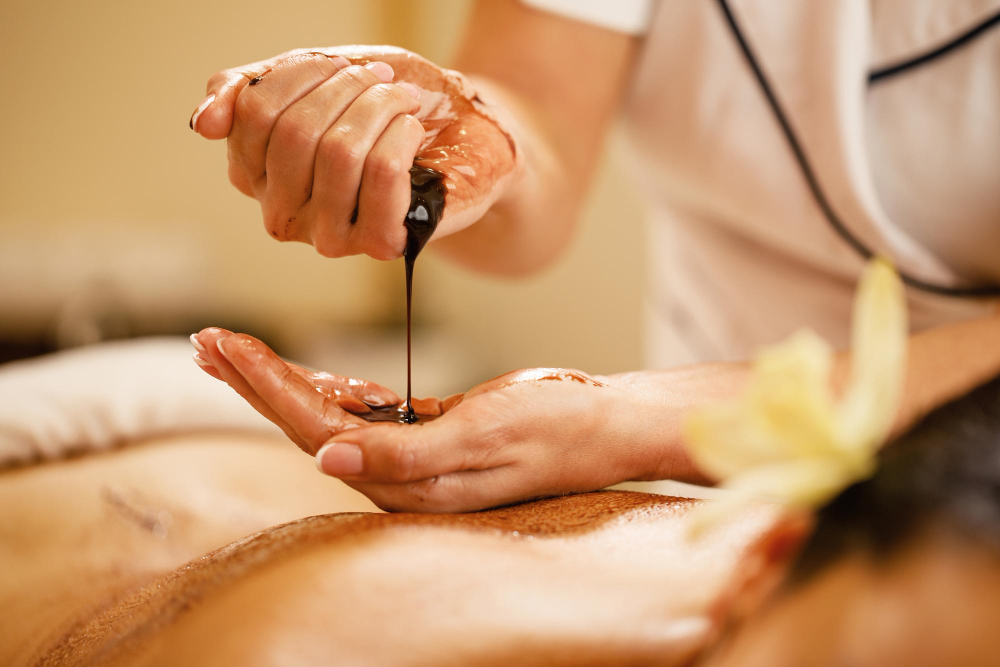
Abhyanga, or daily oil massage, is one of the simplest and most effective practices I recommend in Ayurveda. In fact, Ayurveda talks about Abhyanga as something you should do every single day of your life.   Just as we take care of our teeth every day by brushing them, Ayurveda recommends caring for the body daily through Abhyanga.   The best part is that Abhyanga does not require any special equipment or complicated techniques. With the right oil and a few minutes of your time, you can make it a valuable part of your daily routine.   It is good for your complexion, good for your skin health, and good for improving the flexibility and mobility of your joints. Overall, Abhyanga is a daily practice that can support your long-term health and well-being.     Why Should You Do Abhyanga?     Abhyanga is good for improving complexion. It is good for improving skin health. It is also good for improving the flexibility and mobility of your joints.   Ayurveda explains that Abhyanga helps reduce the pace at which you age. Because of these benefits, Abhyanga is something that Ayurveda recommends as a daily practice.     What Oil Should You Use for Abhyanga?     The best oil that can be used for Abhyanga is organic black sesame oil. Different people use different oils and different varieties, but it is important to get the best quality oil possible. The darkest oils are usually considered the best quality. Good organic black sesame oil is not cheap, but using a high-quality oil can make a difference.   How to Do Abhyanga?   Before starting Abhyanga, it is important to understand that Ayurveda gives special importance to certain parts of the body. These are the mandatory areas that should receive massage.   They include the head, especially the top of the head, the palms, the feet, the navel, the ears, and the face.   Start by taking oil in your palms and applying it to the top of your head. Massage the scalp with your fingers. If you wish, you can also massage the length of your hair. After that, massage your face, hands, feet, and then the rest of your body.   Ayurveda places special importance on the joints because they are areas where Vata accumulation happens easily. In every joint, bones come together and movement takes place. Whenever there is movement, Vata increases. If there is dryness, Vata also increases.   Because of this, the joints need regular oil application.   Applying oil to the joints every day is similar to using lubricant in a car or machine. A machine functions better and lasts longer when it receives the right amount of lubrication. In the same way, regular oil application supports the joints.   When massaging the joints, use circular movements. For the other parts of the body, use long strokes. While massaging the legs, move upward toward the heart because you want the blood flow toward the heart.   For the hands and legs, use folded movements along the length of the limbs to massage the long bones.     When Should You Do Abhyanga?     You can do Abhyanga in the morning or in the evening based on your convenience. However, the ideal time is in the morning.   After applying oil to the body, spending a little time outside in the sun can be beneficial. According to Ayurveda, this is especially useful when you are using sesame oil for your massage.     Who Should Do Abhyanga?     Every single person can do Abhyanga. This includes people with Vata Prakriti, who usually have a lean and thin body type, Pitta Prakriti, who generally have a medium body type, and Kapha Prakriti, who may have a heavier body type.   For Kapha Prakriti, you can apply oil to the body, but massage should be avoided. If you are extremely obese and your BMI is above 32 or 35, it is better not to use oil massage because it can increase Kapha in the body. If you are only slightly overweight, you can apply oil to the skin but skip the massage.     What Should You Do After Abhyanga?     After massaging your body with oil, leave the oil on the body for five to ten minutes if possible. This gives the body time to absorb the oil. If you do not have time, you can take a shower immediately.   Warm water is ideal for the body, while room-temperature water is ideal for the hair. To remove the oil, you can use herbal bath powders. You can also prepare your own herbal bath powder using ingredients such as green gram flour, besan flour, and bilva powder.     What If You Have Dry Skin?     If your skin feels dry throughout the day, there is one additional step you can follow.   After your shower, apply a small amount of oil to the skin while there is still a little moisture present. When the oil combines with the moisture on the skin, it forms an emulsion.   This helps the skin retain moisture for a longer period and can keep dryness under control throughout the day.   For people who struggle with persistent dry skin, this simple practice can be especially useful.   WhatsApp +91 99011 26331 for enquiries! (Consulations, Products, Agni Awakening Program, Courses)

Aligning Your Daily Routine With Ayurveda: A Practical Guide For Modern Life

Daily routine in Ayurveda is not a rigid checklist; it is a living practice. It adapts to your digestion, the season, your age, and your current state of health. The real aim is to stay in touch with your body’s signals, not to chase perfection on paper.   Waking Up, Meditation, and Timing   Ayurveda recommends waking close to Brahma Muhurta because this time supports mental clarity and natural rhythms. If you feel very cold, stiff, or sleep deprived, especially with a Vata‑dominant constitution in winter, forcing yourself to wake too early can exhaust you. In that situation, you protect your health better by waking a little later, keeping a regular schedule, staying warm, and ensuring good sleep quality instead of blindly following the clock.   Meditation does not depend on a strict time slot. Early morning and evening transitions suit a calm mind, but your mental alertness and consistency matter more than a specific hour.   A Balanced Morning Routine   A well‑structured morning routine supports digestion, the sense organs, and the mind throughout the day. Start with basic cleansing and oral care: brush your teeth and clean your tongue before oil pulling so your mouth is fresh and receptive. Practice abhyanga, or oil massage, on an empty stomach and then bathe with warm water to remove excess oil and support circulation.   You can follow a simple sequence. Lightly hydrate the eyes, drink a glass of warm water, complete dental hygiene, perform oil pulling, apply body oil for abhyanga, do mild stretching or physical activity, sit for a few minutes of meditation, and end with a warm shower. This order gently wakes up your body and mind without strain and sets a steady tone for the day.   Abhyanga: Duration, Order, and Special Situations   Abhyanga remains one of the most valuable daily routines, even when you cannot follow every other practice. Ideally you leave the oil on your body for 20–30 minutes so tissues can absorb it well. On busy days, 10 minutes still offers benefit, even though shorter exposure naturally gives less.   You get the most from abhyanga when you exercise after oiling, not before. Gentle movement after applying oil generates warmth and better blood flow, which helps the oil reach deeper into joints, ligaments, and muscles instead of staying on the surface. This approach refers to light, controlled exercise followed by a bath rather than an intense workout routine.   If you have a Vata‑dominant constitution, especially in cold weather, keep exercise mild and preferably after abhyanga. Avoid vigorous activity right after a bath because it can increase dryness and fatigue. During menstruation, skip full‑body abhyanga and heavy oil routines so you respect the body’s natural downward flow and sensitivity.   Children naturally have more Kapha, yet they still benefit from gentle oil massage. In healthy children, appropriate abhyanga supports growth and nourishment. You avoid it only when Kapha clearly aggravates or when there are specific medical reasons.   In the postpartum phase, Vata rises, but extremely heavy oils do not always suit the early days. Oils like Dhanvantara taila help pacify Vata without overburdening digestion or causing sluggishness. Very heavy, guru formulations fit better later, when the body regains strength or has specific indications.   Oils, Scalp Care, and Powder Massage   You should always choose oils according to constitution, season, and present symptoms. Coconut oil cools and suits Pitta‑dominant people or hot climates, particularly for scalp and body. Sesame oil warms and nourishes, which helps Vata types and colder seasons, and you use it more cautiously in hot weather or Pitta conditions with clear heat.   Your scalp already produces natural oil, yet that surface oil does not always replace the need for external oiling. Internal imbalance, dryness, or nervous system strain may still call for the deeper nourishment that external oil can provide. At the same time, if your scalp feels very oily or follicles clog easily, frequent oiling may worsen issues.   In Ayurveda, you treat oil as a medicine: it helps when you choose it well and use the right amount. People with naturally oily scalps usually do not need daily scalp abhyanga.   The time you keep hair oil on the scalp also matters. If you have a tendency toward sinus issues, colds, or heaviness in the head, you generally keep the oil for about 10–15 minutes before washing. If your scalp tolerates oil and feels very dry, 30–40 minutes is usually enough; keeping oil for longer rarely adds benefits and may aggravate sinus discomfort.   Udvartanam, or herbal powder massage, helps in Kapha dominance and excess weight but does not suit everyone as a daily habit. Right after childbirth, its drying and scraping action can disturb Vata and delay tissue recovery, so you wait until the body regains strength and then consider appropriate Kapha‑reducing powders such as Kolakulathadi churna.   When you have a Vata‑dominant constitution and plan for pregnancy, you focus more on nourishment and stability with regular abhyanga and gentle movement than on frequent Udvartanam.   Mouth Care, Oil Pulling, and Gargling   For everyday oil pulling, sesame oil remains a safe and broadly effective choice. It lubricates, protects, and cleanses the mouth while supporting digestion from its starting point. You reserve other substances such as ghee, honey, or milk for specific complaints, such as ulcers or burning, and do not switch them in based only on body type.   A small glass of warm water before brushing can help many people stimulate bowel movements and gently hydrate the body. Ayurveda does not completely forbid this practice for any constitution. It only discourages drinking large volumes, especially cold water, immediately after waking and before brushing.   You do not need daily warm salt water gargling unless you have a specific issue. You use it when you face an active throat infection or discomfort. In colder months, regularly sipping warm water offers a simple and sustainable way to support the throat and digestion.   Eye… Continue reading Aligning Your Daily Routine With Ayurveda: A Practical Guide For Modern Life