
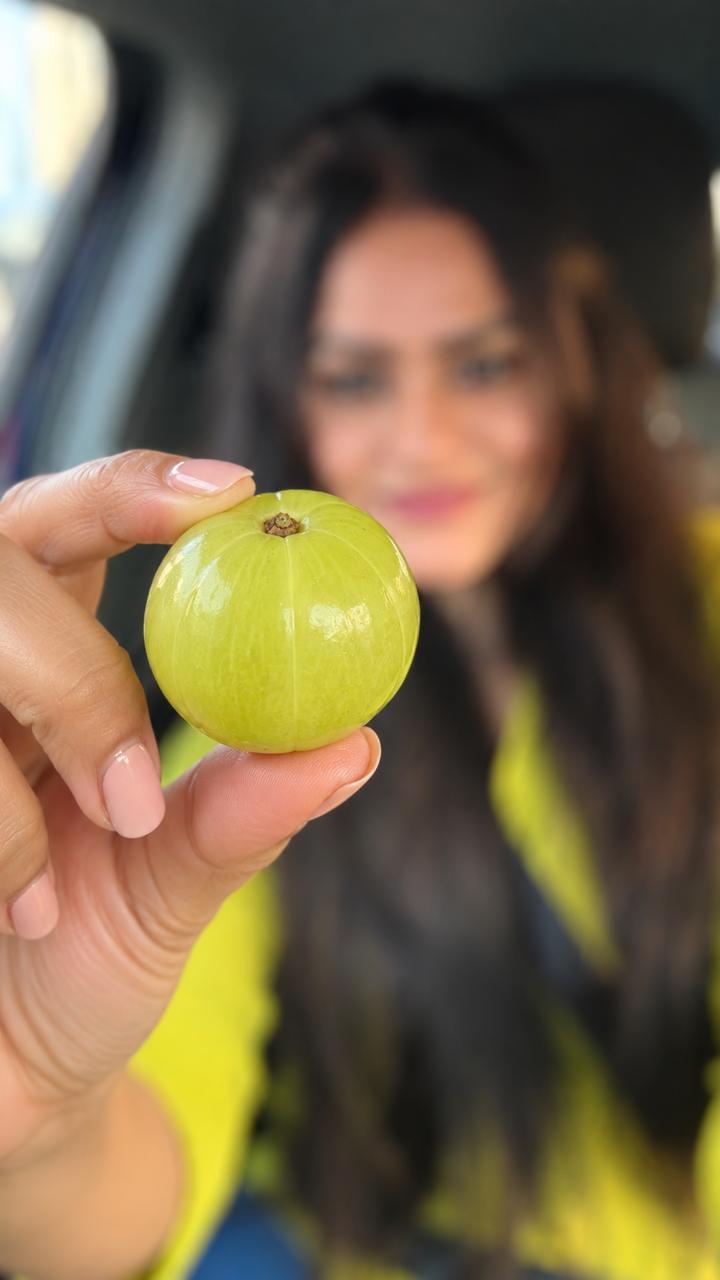
Someone asked me the other day if I like matcha. No. I have something better. And we Indians have had it forever. It is amla. Our humble Indian gooseberry. Now everybody will tell you amla is good. Amla is good, amla is good. But nobody is telling you how much to have, when to have it, in what form, and what to do if you cannot get it fresh. So that is what I am going to tell you here. Exactly what I tell my patients. First, what amla actually is in Ayurveda In Charaka Samhita, amalaki is placed in the vayasthapana mahakashaya. That is the group of ten drugs classified as age sustaining. Age sustaining. Not anti-ageing. There is a difference, and Ayurveda made that difference two thousand years back. Now here is what most people get wrong. Amla tastes sour. So everybody assumes it is heating. It is not. Amalaki is sheeta virya. Cold in potency. And madhura vipaka. Sweet after digestion. This is what Bhavaprakasha Nighantu tells us. So, both of these are going against what your tongue is telling you. Your tongue says sour, your mind says heating. But that is not what is happening inside. And this is exactly why amla calms pitta, when almost every other sour thing will increase it. And that sweetness you feel in your mouth after eating amla, especially when you drink water on top of it? That is not vipaka. Vipaka is happening hours later, in your tissues. People mix up these two all the time. The best form is the fruit. Always. One amla a day itself is great. That is the whole thing. If fresh amla is naturally available to you, please have it like that. Do not overthink it. Do not go looking for a supplement. The fruit is the best form and nothing beats it. And amla comes in the cold season. That is not by accident. Nature is giving it to you exactly when you need it, so that is when you should be having it. So, when it is in season, eat it. Every day. Your body knows what to do with it. If you cannot get fresh amla, then powder Now most of you reading this are not in India. I know. Half of my patients are in places where amla is only available as a powder in a packet. That is okay. Powder works. But please listen to me about the quality. Get organic. Get good quality. And I mean really check. Because we have no idea where these people are drying it. We have no idea where they are powdering it. We have no idea what it went through before it came into that nice looking jar. So, if you are not sure about the source, better to avoid it. Really. Do not have it at all rather than having something you cannot trace. But if you are sure, if you know where it was dried and how it was powdered and how authentic it is, then go ahead. Find the best quality you can. I know I am dragging on too much about quality. I know. But this is more important than the dose, more important than the timing, more important than anything else in this whole article. A bad powder is not a weaker amla. It is a completely different thing. How much: one teaspoon of powder mixed into your food. That is the easiest way and the safest way, and this is what I tell most of my patients. Amla juice, please read this part carefully You can have amla as a juice. But as a shot. Not as a glass. Never drink a full glass of amla juice. Please. Do not take ten, fifteen amlas and make a big juice out of it and sit and drink it. Do not do it. Instead do this: Crush two or three amlas Add a little water Add pepper, turmeric, dry ginger A little Himalayan pink salt If you do not like the salt, add mishri or rock sugar instead And have it like a shot. Not more than 25 ml. That is it. Every day in the morning. That is enough. Timing and Anupana Morning is good. Have your shot in the morning. If you have a very strong acidic stomach, then have it after food. It works just as well and it is gentler on you. Anupana for amla is always water. Keep it simple. And there is one more way which I love, and most people have not even heard of it. Take amla powder, mix it with a little ghee, and have it with the first morsels of rice at lunch time. Beautiful way to take it. You can do the same at dinner also. Now, amla does not cause acidity I have to correct this one, because I am hearing it constantly. Amla does not cause acidity. It cannot. Once it goes into your stomach it cools down and it turns into sweet taste. It is not going to heat you and it is not going to burn you. It actually reduces acidity. Now if your stomach lining is already raw and inflamed, a concentrated shot on an empty stomach can still feel like too much for you. But that is the concentration doing it, not the amla. And that is exactly why I said have it after food. And see the irony here. People think curd is cooling. It is not. Classically dadhi is ushna virya with amla vipaka, and it is abhishyandi, it blocks your channels. It is doing almost the opposite of… Continue reading Amla: Everything I Tell My Patients About How To Have It