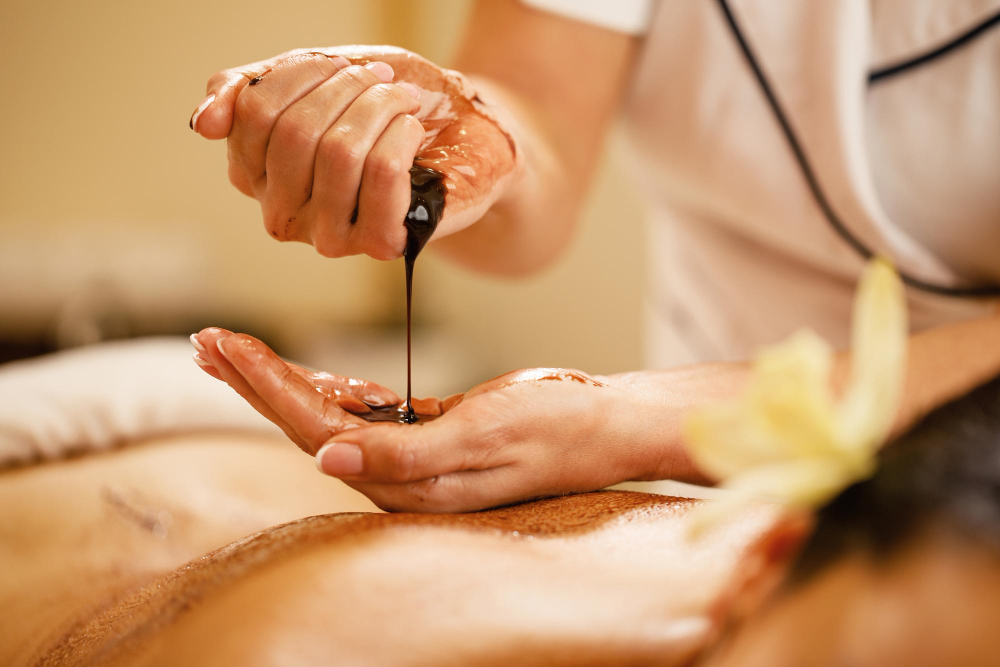

You know what’s interesting? It’s easy to think of dry skin, constipation, feeling cold, and an overactive mind as completely different problems. They’re not. What if all of these are connected? When I look at a combination of symptoms like these, one of the first things I think about is Vata. Vata is the dosha responsible for movement in the body. It governs everything from your nervous system and circulation to your breathing, bowel movements, and even your thoughts. Because it carries qualities like dryness, lightness, coldness, and movement, an increase in Vata usually shows up in ways that reflect those same qualities. In fact, Ayurveda places so much importance on Vata. “Pittam pangu, Kapham pangu, Pangavo maladhatavah. Vayuna yaccha neeyante, Tatra gacchanti meghavat.” It means that Pitta and Kapha cannot function on their own. Even the tissues and waste products of the body depend on Vata to move. Just as clouds move only because of the wind, every process in the body depends on Vata. That’s why Vata is often considered the driving force behind all the doshas. When it is in balance, the body functions harmoniously. When it becomes aggravated, many different symptoms can begin to appear, even if they don’t seem related at first. Let’s look at some of the signs. Your skin and hair have become unusually dry One of the easiest places to notice high Vata is on your skin. If your skin constantly feels dry, flaky, or rough despite using creams, or your hair has become frizzy and lacks its usual softness, your body could simply be asking for more nourishment. Vata carries the quality of dryness. So, when it increases, your body loses some of its natural moisture. What Can Help? One of the simplest things you can do for an aggravated Vata is Abhyanga, the practice of applying warm sesame oil to the body. It helps replace the dryness that Vata creates, keeps the joints moisturized, and supports healthy circulation. Even spending ten minutes massaging warm sesame oil into your skin can make a noticeable difference over time. If you’ve never practised Abhyanga before, don’t worry. It’s much simpler than it sounds. I’ve created a step-by-step YouTube video where I show you exactly how to do it at home. Check it out here. You always seem to feel cold This is another common sign of aggravated Vata. Since Vata itself is cold by nature, anything that adds more cold can make the imbalance worse. That includes cold weather, air conditioning, cold showers, and even regularly eating cold foods and drinks. What Can Help? Whenever possible, choose warmth. Take warm showers instead of cold ones. Wear socks if your feet tend to get cold. Keep yourself covered when you’re exposed to cold winds or strong air conditioning. Choose warm, cooked meals over raw salads. These may sound like small habits, but Ayurveda has always believed that the little things we do every day have the greatest impact on our health. Your bowel movements have become irregular Constipation is one of the clearest signs that Vata has become aggravated. If your stools have become hard, dry, or difficult to pass, your body may simply be reflecting the same dryness you’ve already noticed in your skin and hair. What Can Help? Make sure every meal contains some healthy fat. Traditionally, Ayurveda recommends ghee because it nourishes the tissues and supports healthy digestion. If ghee isn’t suitable for you, healthy cooking fats like sesame oil, olive oil, coconut oil, or butter can also be included based on your individual needs. Your mind is always racing Not every sign of high Vata shows up in the body. Some of the most obvious signs appear in the mind. If you constantly jump from one thought to another, lose interest quickly, or feel like your brain never really switches off, this could also be a sign that Vata is elevated. Remember, Vata governs movement. That includes mental movement too. What Can Help? Simple practices like Pranayama, meditation, or even sitting quietly for a few minutes each day help slow the constant movement of the mind. They don’t have to be complicated. Consistency matters far more than duration. You keep pushing yourself even when you’re tired Many people with aggravated Vata have one thing in common. They find it difficult to slow down. There is always one more task to finish. Over time, this constant overexertion can leave the body feeling depleted. What Can Help? Ayurveda recommends exercising only to about half of your capacity, especially when Vata is already high. This doesn’t mean avoiding movement altogether. Gentle walks, yoga, stretching, or moderate strength training can all be wonderful choices. And don’t underestimate the power of rest. Sometimes the most healing thing you can do isn’t adding another habit to your routine. A Final Thought Vata imbalances don’t usually appear overnight. They build up gradually, and thankfully, they can also be corrected. The good news is that your body is constantly communicating with you. Dry skin, feeling cold, constipation, a restless mind, and exhaustion aren’t just random inconveniences. They may be gentle reminders that your body needs a little more warmth, nourishment, and rest. The earlier you listen, the easier it becomes to bring yourself back into balance.