
Ayurvedic Understanding of Acne, Pimples and Oily Skin Problems

Acne, pimples and oily skin problems are some of the most common issues that people face today, especially teenagers and young adults. When these acne, pimples and oily skin problems keep coming back, it affects not only your face but also your confidence and mood. From an Ayurvedic point of view, acne, pimples and oily skin problems are not just surface-level concerns; they are signs that your inner balance, digestion and lifestyle need gentle correction.   In Ayurveda, acne and pimples are commonly referred to as Mukhadushika, which means “impurities or blemishes on the face.” They are classified as a minor disease, but their impact on appearance and self-esteem can be quite major. Ayurveda explains that Mukhadushika happens when certain energies in the body called doshas, go out of balance, especially Pitta and Kapha, along with disturbance in Rakta (blood). When these are disturbed, they show up as oiliness, redness, swelling, blackheads, whiteheads and painful eruptions on the face.   Role of Pitta, Kapha and Rakta in Skin Problems   Ayurveda uses the concept of doshas to explain why acne, pimples and oily skin problems develop.   Pitta is the heat, metabolism and transformation. When Pitta is high, it causes inflammation, redness and a burning sensation. On the face, this appears as red, tender, angry-looking pimples. Kapha stands for heaviness, coolness and oiliness. When Kapha increases, it leads to excess sebum (oil), stickiness and clogged pores, which then become blackheads, whiteheads or pus-filled pimples. Rakta (blood) carries nutrients and also heat around the body. When toxins (Ama) mix with Rakta and Pitta, the blood becomes “impure” and starts pushing out waste through the skin, leading to repeated breakouts and dull skin.   In simple words, when Pitta and Kapha combine in impure blood, acne and pimples appear as the body’s way of throwing out this internal imbalance.   Common Ayurvedic Causes of Acne, Pimples and Oily Skin Problems   Ayurveda focuses a lot on day-to-day habits, because they are often the root cause of acne, pimples and oily skin problems. Some common triggers include:   Regular eating of spicy, deep-fried, sour, junk and fast foods, which increases Pitta and heats the blood. Heavy, oily, cheesy, sugary foods and cold desserts, which aggravate Kapha and block skin channels with excess oil and mucus. Irregular meals, late-night dinners, overeating and poor digestion, which cause Ama (toxins) to build up and circulate in the body. High stress, mental pressure, anger and irritation, which directly worsen Pitta and trigger more breakouts. Staying up late, sleeping less and a disturbed sleep routine, which reduce the body’s natural ability to cleanse and repair at night. Overuse of heavy makeup, thick creams or comedogenic products, as well as hair products falling on the forehead, which clog the pores.   If these root causes are not addressed, acne, pimples and oily skin problems keep returning even if you use strong creams or medicines.   Skin Types and Dosha Patterns in Ayurveda   To understand why some people, get more acne and oily skin than others, Ayurveda looks at your natural constitution (Prakriti).   Pitta Skin   Pitta-type skin is usually warm, soft, often a bit pink or reddish, and can react quickly to sun and heat. These individuals are prone to red, inflamed, burning pimples and rashes. For them, cooling foods, calming routines and gentle skin care are important.   Kapha Skin   Kapha-type skin is thick, cool, moist and often naturally oily, with visible pores especially on the T-zone (forehead, nose, chin). These people tend to get whiteheads, blackheads and even deep, cystic acne. Their skin responds well to light, non-greasy products, regular cleansing and more physical activity.   Vata Skin   Vata-type skin is usually dry, thin and rough. These individuals may get fewer oily pimples but can still develop small eruptions, uneven texture and dullness, especially if digestion is weak or if they use harsh, drying products. Many people with chronic acne, pimples and oily skin problems fall into a mixed Pitta–Kapha pattern: the skin is both hot and oily at the same time.   Ayurvedic Treatment Principles for Acne and Oily Skin   Ayurvedic treatment does not focus only on “killing germs.” Instead, it works on restoring balance in Pitta, Kapha and Rakta while supporting digestion and lifestyle.   1. Gentle and Regular Cleansing   The face should be washed 2–4 times daily with lukewarm water to remove excess oil, sweat and dirt without irritating the skin. Extremely hot water and very harsh, foaming cleansers are avoided, because they can increase dryness and irritation, which then causes the skin to produce even more oil. Mild herbal cleansers are preferred.   2. Cleansing Blood and Reducing Toxins   Since Rakta and Ama are involved in acne, pimples and oily skin problems, Ayurvedic care often includes herbs and formulas that purify the blood and support detoxification. Bitter and astringent herbs like neem and turmeric are commonly used because they cool the system, reduce inflammation and support natural healing of pimples.   3. Balancing Pitta and Kapha   In most acne cases, both Pitta and Kapha need to be calmed together. Cooling measures (like avoiding very spicy foods and excessive heat), along with lighter, less oily diet and regular exercise, help to reduce this combination of heat and oil. The goal is to keep the skin cool, clean and balanced, not stripped or over-dried.   4. Supporting Digestion and Liver   When digestion is irregular or weak, even healthy food can create Ama. Ayurvedic treatment often includes support for the digestive fire (Agni) and liver function. When digestion and liver work properly, hormones, fats and toxins are handled better, which naturally reduces acne and oily skin from within.   Daily Routine Tips for Acne, Pimples and Oily Skin Problems   A simple, consistent daily routine is one of the strongest tools in Ayurvedic care for acne and oily skin.   Face Care Habits   Wash your face with lukewarm water multiple times a day, especially after sweating or coming… Continue reading Ayurvedic Understanding of Acne, Pimples and Oily Skin Problems

Hypothyroidism: Why Your Metabolism Is Slowing Down

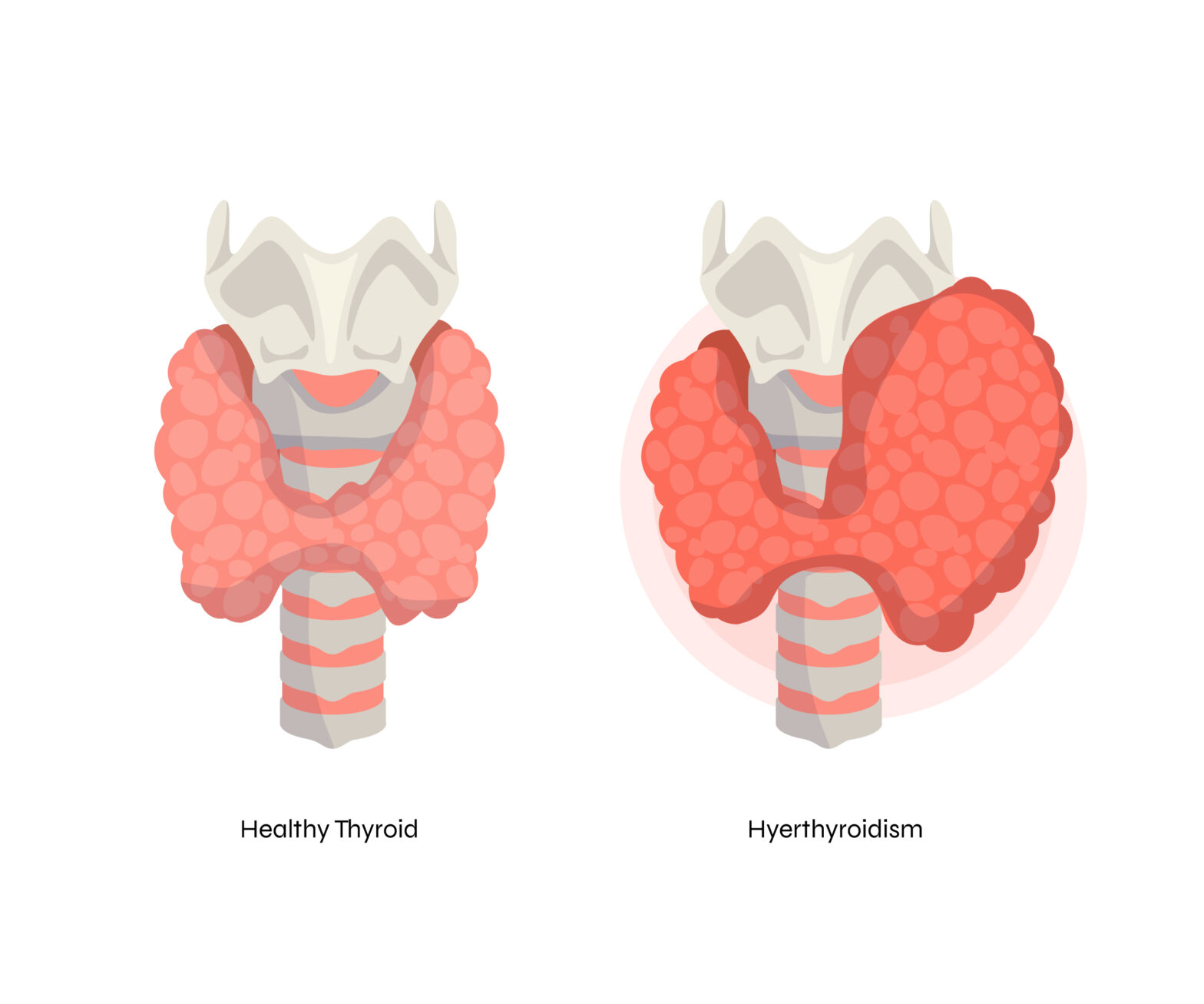
You’re doing everything “right” – eating well and sleeping enough. But you’re suddenly gaining weight, feeling tired all the time, or struggling with brain fog. Eventually, you get a diagnosis that brings both answers and new questions: hypothyroidism.   And it’s not just you. Hypothyroidism is becoming increasingly common these days.   If you’ve been diagnosed with hypothyroidism, or if you suspect something is wrong with your metabolism, read till the end to understand what’s happening inside your body and more importantly, what you can actually do about it.     What Is Hypothyroidism?   Hypothyroidism occurs when your thyroid gland doesn’t produce enough thyroid hormones. These hormones, primarily T3 and T4, are responsible for regulating your metabolism, which is essentially the rate at which your body burns calories and converts food into energy.   The condition is usually diagnosed through blood tests measuring TSH (Thyroid Stimulating Hormone) and free T4 levels.   Hashimoto’s thyroiditis is the most common cause of autoimmune hypothyroidism. In this condition, the immune system mistakenly identifies thyroid tissue as a threat and gradually attacks it. Over time, this immune response damages the thyroid gland’s ability to produce adequate hormones, leading to progressive slowing of metabolism.   Unlike temporary thyroid dysfunction caused by stress or nutrient deficiencies, Hashimoto’s is a chronic immune-mediated condition.   The immune system produces antibodies, most commonly thyroid peroxidase (TPO) antibodies and thyroglobulin antibodies, which interfere with normal hormone production.     The Hereditary Truth     Here’s something most people don’t realize: if your family has a history of hypothyroidism, your risk of developing it is significantly higher. Your thyroid hormone production capacity is determined by genetics.   In practical terms, if your mother has Hashimoto’s thyroiditis, your risk of developing the same condition is extremely high. Genetic inheritance plays a powerful role in autoimmune thyroid disorders, making proactive screening and preventive care essential. This is a condition that requires careful attention, regular monitoring, and early supportive measures rather than waiting for hormone levels to decline.   Some people are even born with congenital hypothyroidism, a condition present from birth where the thyroid gland doesn’t develop properly or function from the start.   But, even if you inherit the genetic tendency toward hypothyroidism, you might never develop it if you manage your lifestyle well. Conversely, you can be genetically resilient but still develop hypothyroidism if you’re exposed to enough environmental stressors.     The Ayurvedic View     In Ayurveda, hypothyroidism is understood through the concept of Udanavrita Samana Vata. It means, your thyroid problem starts with an imbalance in two Vata subtypes in your body, combined with excess Kapha heaviness.   Your thyroid gland is located in the throat region, which is governed by Udana Vata, one of the five subtypes of Vata Dosha. When Udana Vata becomes aggravated, it directly impacts your thyroid function.   This imbalance then spreads downward to Samana Vata, the type of Vata energy responsible for digestion and the absorption of nutrients.   When both Udana and Samana Vata are compromised, your Agni (digestive fire) becomes weak. This is when excess Kapha physically surrounds and blocks the Vata energy in your throat and digestive system.   The main symptoms are weight gain, bloating, constipation, water retention, sluggishness and cold intolerance.     Can Hypothyroidism Be Reversed?     This is one of the most common questions people ask after receiving a thyroid diagnosis. The honest answer is, it depends on the root cause, the stage of the condition, and how consistently lifestyle changes are applied.   If hypothyroidism is caused by temporary stress, nutritional deficiencies, gut imbalance, postpartum hormonal shifts, or early metabolic dysfunction, the thyroid can often recover partially or even completely with the right interventions.   However, if the condition is autoimmune (such as Hashimoto’s thyroiditis) or if the thyroid tissue has been significantly damaged, full reversal may not always be possible. In these cases, the focus shifts toward slowing progression, optimizing hormone levels, reducing symptoms, and improving overall quality of life.   The encouraging news is that regardless of the cause, your body can respond remarkably well when metabolic stress is reduced and digestion, immunity, and hormonal balance are supported properly.   Why Additional Testing is Important?     In some individuals, standard thyroid blood tests such as TSH, T3, and T4 may appear completely normal, yet the person continues to experience classic symptoms of hypothyroidism. These symptoms may include cold hands and feet, excessive sleepiness after meals, forgetfulness, slow metabolism, low energy, difficulty concentrating, and overall sluggishness.   In such cases, it becomes essential to evaluate thyroid antibodies, specifically:   Anti-TPO (Thyroid Peroxidase Antibodies) Anti-TG (Thyroglobulin Antibodies)   These tests help detect whether the immune system is attacking the thyroid gland, even before hormone levels become abnormal. Elevated antibody levels often indicate early or developing Hashimoto’s thyroiditis.     A Structured Path Toward Thyroid Balance     Rebalancing the thyroid is rarely about quick fixes or isolated treatments. From an Ayurvedic perspective, true healing happens when the body’s internal constitution is supported consistently through nutrition, daily routines, detoxification, emotional balance, and personalized care.   Personalized Assessment   Every individual has a unique constitution, digestive strength, stress response, emotional pattern, and lifestyle rhythm. A comprehensive assessment identifies the dominant doshic imbalances, digestive efficiency, toxin load, sleep quality, hormonal history, and mental resilience.   Strengthening Agni (Digestive Fire)   Healthy metabolism begins in the gut. When digestion improves, nutrient absorption becomes efficient, inflammation reduces, and hormone conversion stabilizes. Warm, freshly prepared meals, mindful eating, proper meal timing, hydration, and digestive herbs support Agni naturally.   Reducing Metabolic Toxins (Ama)   Detoxification practices help clear stagnation from tissues and channels. Gentle cleansing, proper elimination, hydration, breathing practices, and seasonal routines prevent toxin accumulation and support cellular rejuvenation.   Nourishing Ojus   Ojus represents immunity, vitality, resilience, and hormonal stability. Chronic stress, irregular lifestyle, excessive stimulation, poor sleep, and digestive weakness gradually deplete Ojus. Rebuilding Ojus requires nourishing foods, emotional balance, rest, grounding routines,… Continue reading Hypothyroidism: Why Your Metabolism Is Slowing Down

Panchamahabhuta Explained: The Five Elements in Ayurveda

  Panchamahabhuta refers to the five fundamental elements: Akasha (space), Vayu (air), Agni (fire), Jala (water), and Prithvi (earth). Ayurveda teaches that the entire universe, including your body and mind, emerges from their unique combinations. They explain how your body, mind, and even your personality are shaped by nature itself. When you understand these elements, daily choices like food, routine, and emotions start to make much more sense.   Ayurveda says the human body is a small version of the cosmos, a microcosm of the macrocosm. That means whatever exists in nature also exists in you, in some proportion and combination. The Panchamahabhuta are not just physical substances, they are qualities like lightness, movement, heat, liquidity, and solidity that express in different ways.   The Five Elements in Simple Language   Akasha – Space   Akasha is the element of emptiness and openness. In the body, it shows up as all the hollow spaces like the mouth, nostrils, ears, chest cavity, blood vessels, cells and even the gaps between tissues. In the mind, Akasha gives you the feeling of expansion, freedom, and room to think. When space is balanced, you feel creative, spacious, and less “crowded” by thoughts and emotions. When it is disturbed or excessive, you may feel isolated, empty, or disconnected.     Vayu – Air     Vayu is movement. In your body, air governs all kinds of motion: breathing, blinking, heartbeat, circulation, the flow of thoughts, nerve impulses, and even the movement of food through your digestive tract.   In the mind, Vayu shows up as speed, creativity, imagination, quick understanding, and also anxiety when it is too strong. If air is balanced, you feel alert, light, active, and motivated. If it is aggravated, you may experience restlessness, overthinking, fear, dryness, bloating, or disturbed sleep.     Agni – Fire     Agni is the inner flame of digestion, metabolism, and warmth. It governs body temperature, vision, glow of the skin, and the power to transform food into energy and tissues. When Agni is balanced, you digest food well, feel energetic, and think clearly. When it is high, you may feel hot, irritable, angry, or experience acidity and inflammation; when low, you may feel dull, sluggish, confused, and have weak digestion.     Jala – Water     Jala is the element of fluidity and cohesion. In your body, it forms saliva, blood, lymph, plasma, digestive juices, synovial fluid in joints, and all the liquids that keep tissues moist and nourished. When water is balanced, you feel emotionally nourished, content, and stable, and your skin, joints, and tissues feel hydrated.     Prithvi – Earth     Prithvi is solidity and structure. In the body, it forms bones, muscles, skin, nails, teeth, and all the firm, dense tissues that give you shape and strength.   When Prithvi is balanced, you feel safe, steady, and rooted in life. When it is excessive, you may feel heavy, lazy, stuck in old patterns, and gain weight easily, when deficient, you may feel weak, scattered and insecure.     Your basic constitution (Prakriti) whether Vata, Pitta, Kapha, is also decided by the dominant combination of these elements at conception. That is why two people can eat the same food or live in the same climate and still react very differently.   Once you begin to observe your body and mind through the lens of space, air, fire, water, and earth, you start to recognize patterns like why certain foods suit you, why specific emotions repeat, and why your energy fluctuates at different times.   Every action you take either increases or balances certain elements within you. For example, eating dry, light, cold foods increases the qualities of Vayu (air). On the other hand, warm, cooked, moist foods increase Jala (water) and Prithvi (earth), bringing grounding and stability.   Similarly, spicy food, intense competition, exposure to heat, and excessive screen time increase Agni (fire). This can be useful if digestion or motivation is low, but excessive fire can quickly turn into irritation, inflammation, or burnout.   The elements are constantly shifting due to seasons, age, time of day, emotional states, and lifestyle. Your role is not to eliminate any element, but to maintain harmony among them.     Elements and the Mind     Thoughts running in your mind are Vayu. Clarity and perception arise from Akasha. Understanding, judgment, and ambition come from Agni. Emotional bonding, compassion, and attachment relate to Jala. Memory, stability, and patience are rooted in Prithvi.   When the mind feels scattered and anxious, air and space are dominant. If emotions feel heavy or clingy, water and earth may be excessive. When anger or frustration dominates, fire is strong. By recognizing this, Ayurveda allows you to respond wisely instead of reacting blindly.   The solution is not only positive thinking but also grounding practices: regular routines, warm meals and adequate rest.     Prakriti and Vikriti     Your Prakriti is your natural elemental blueprint, the unique balance you were born with. Vikriti is your current imbalance caused by lifestyle, stress, environment, or emotional patterns. Ayurveda focuses more on correcting Vikriti than changing Prakriti.   Instead of comparing your energy, productivity, or emotions to others, you begin honoring your own rhythm. This self-awareness itself becomes healing.   The ultimate aim of understanding Panchamahabhuta is not control, but harmony. Health is experienced when space allows freedom, air allows movement, fire allows transformation, water allows nourishment, and earth provides stability, without any one element overpowering the rest.   Ayurveda reminds us that disease begins when we live against our elemental nature and healing begins when we return to it. By listening to the body, observing the mind, and respecting nature balance becomes a lived experience rather than a concept.   When you start seeing yourself as a living expression of the five elements, life feels less confusing. Symptoms become signals, emotions become teachers, and daily choices turn into tools for alignment. In this way, Panchamahabhuta is not just… Continue reading Panchamahabhuta Explained: The Five Elements in Ayurveda

Pathya and Apathya in Ayurveda: The 8 Rules of Eating from Charaka Samhita

Ever wonder why the same food can heal you one day and throw your digestion off the next?   That is where the ideas of Pathya and Apathya in Ayurveda come in.   A food is not automatically good or bad forever. The same food can become healing or harmful depending on many factors.   It’s not just about what you eat, but how, when, where, and who you are when you eat it.   Charaka Samhita, one of the oldest texts of Ayurveda, gives us the eight rules of eating, Ahara Vidhi, to help us make wiser choices. These principles, though ancient, are still practical and very relevant to modern life.   What Does Pathya and Apathya Really Mean?     Pathya means something that supports balance, digestion, clarity, and strength. Apathya means something that disturbs digestion, creates toxins, or aggravates imbalance.   But Ayurveda never looks at the food being consumed alone. It looks at the whole picture:   How much you eat? When you eat? How the food is prepared? Where you live? Your body type and current imbalance. Your habits and adaptability.   For example, A cup of warm spiced milk at bedtime may be soothing and comforting. The same milk at 3:00 in the morning can feel heavy, sticky, and disturbing to digestion.     Key Factors That Decide Whether Food Becomes Pathya or Apathya   Matra: Quantity   Even good food becomes harmful when eaten in excess. Heavy foods like cheese, fried food, or sweets should be eaten in smaller amounts. Light foods can be eaten a little more freely.   Overeating weakens Agni (digestive fire), creates heaviness, and leads to toxin formation. Undereating can weaken the body and nervous system. Balance is everything.   Kala: Time   Time means time of day, season, and even life stage. Digestion is strongest around midday, that is why lunch should ideally be your main meal. Late-night heavy meals disturb sleep and digestion.   Season also matters. In hot summer, heavy oily food can aggravate heat while in cold dry weather, more nourishing and oily foods may be helpful.   Food that suits winter may not suit summer. Ayurveda constantly reminds us to stay in rhythm with nature.   Kriya or Samskara: How Food Is Prepared   The way you prepare food changes its effect on the body. For example: Raw food is generally heavier to digest. Cooked food becomes lighter and easier for Agni. Dry roasting wheat makes it more digestible than eating it plain or poorly cooked. Rice becomes more wholesome when aged, soaked, washed, and cooked properly. The excess starch is removed, making it lighter and less clogging. Milk combined incorrectly can become harmful. Fish and milk together are considered incompatible. Fruit and milk can also disturb digestion.   Even herbs change their qualities based on preparation, these are the five basic dosage forms as per Ayurveda: Svarasa is fresh juice, very potent and heavy. Kalka is paste, useful externally or for specific effects. Kadha is a reduced decoction and becomes light and penetrating. Phanta is like herbal tea made with hot water. Hima is a cold infusion, often used to cool Pitta. Coriander soaked overnight and drunk the next day is a classic example for acidity and heat.   Even the container can change the effect. Triphala paste kept in an iron vessel becomes beneficial for eye health due to the interaction with iron.   So, food is not just what you eat, it is also how it is transformed.   Desha or Bhumi: Place and Environment   Where you live strongly influences what your body needs.   Dry, windy, high-altitude places increase dryness and nervous system activity. People living there often need more oils, warmth, and grounding foods. Wet, cold places increase heaviness and congestion. Desserts and heavy dairy consumption may worsen imbalance there.   Local food also matters. Vegetables, grains, and even animals carry the qualities of the land. Climate influences your Doshas whether you realize it or not.   Travel can disturb the nervous system, movement increases Vata and restlessness. Many people notice mood shifts or digestive upset after flights.   Dosha and Current Imbalance   Your Prakriti (constitution) and Vikriti (current imbalance) influence what suits you. When Doshas are aggravated, even small mistakes can trigger symptoms. Food choices become more sensitive during illness or stress.   Vega Avastha: Stage of Disease or Imbalance   When imbalance is severe, even small triggers can create flare-ups. At those times, discipline around food becomes especially important.   Satmya: Adaptability and Habituation   This is a powerful and subtle concept. The body adapts to what it is repeatedly exposed to.   Some people tolerate spicy food well because of cultural habits and ancestry. Others feel burned by the same food.   There is Sharira Satmya, adaptability to healthy things. There is Oka Satmya, adaptability to unhealthy things.   The body can adapt even to abuse, someone may tolerate junk food without immediate symptoms, but deeper imbalance may slowly build. Interestingly, a person who reacts quickly to wrong food may actually be healthier than someone who feels nothing.   Ayurveda recommends slow, gentle changes rather than extreme detox or cold-turkey approaches. Sudden drastic change can disturb the nervous system and create instability.   In the end, Pathya and Apathya help us to build a more conscious and compassionate relationship with our bodies.   Instead of chasing trends, superfoods, or rigid dietary rules, we learn to observe, feel, and respond. The body is always giving feedback through digestion, energy, sleep, emotions, and clarity of mind. When we honour that feedback, food becomes a tool for stability rather than struggle.   Even simple shifts such as eating at regular times, choosing freshly prepared meals, avoiding incompatible combinations, and adjusting to seasons can quietly transform health over time. There is no need for perfection, Ayurveda values consistency, patience and gradual refinement.   The body adapts slowly and forcing change often creates more imbalance than healing. When… Continue reading Pathya and Apathya in Ayurveda: The 8 Rules of Eating from Charaka Samhita

Viruddha Ahara in Ayurveda: Incompatible Foods and Their Effects

In Ayurveda, food is considered the foundation of health. It is not only meant to satisfy hunger but also to nourish the body, mind, and tissues. When food is chosen and consumed correctly, it supports digestion, strengthens immunity, and maintains balance in the body.   However, when food is taken in an improper manner, it can disturb digestion and gradually lead to disease. One such important concept explained is Viruddha Ahara in Ayurveda, which means incompatible or contradictory food.   The word “Viruddha” means opposite. Viruddha Ahara refers to food or food combinations that are opposite in nature to the body and its digestive process. Such food interrupts metabolism, weakens digestion, and prevents proper formation of body tissues.   Even foods that are healthy on their own can become harmful when consumed in the wrong combination, wrong quantity or wrong time. Regular consumption of such incompatible food is considered a major cause of metabolic and systemic disorders in Ayurveda.   Viruddha Ahara does not usually cause immediate illness. Instead, it works slowly by disturbing Agni and creating Ama, which is toxic, undigested material in the body.   Over time, this Ama blocks channels, vitiates the Doshas (Vata, Pitta, and Kapha), and weakens the tissues. This gradual imbalance eventually manifests as digestive problems, skin disorders, hormonal imbalance, mental disturbances, and chronic diseases.     Types of Viruddha Explained Simply     Desha Viruddha (Place / Environment Incompatibility)   Food should match the place you live in. Dry, spicy, alcoholic foods in hot, dry regions aggravate Vata and Pitta while cold, oily foods in marshy or humid places increase Kapha. Eating against the nature of your environment disturbs balance.     Kala Viruddha (Time & Season Incompatibility)   Each season has its own demands. Cold, dry foods in winter and extremely spicy and hot foods in summer, such choices strain digestion and doshas.     Agni Viruddha (Digestive Power Incompatibility)   Agni means digestive fire. Heavy food when digestion is weak and light food when digestion is strong both cause imbalance. Food must match your digestive capacity.     Matra Viruddha (Quantity Incompatibility)   Quantity matters as much as quality. Too much food Too little food Certain foods in equal quantities (like honey and ghee) Even healthy foods can become harmful in wrong proportions.     Satmya Viruddha (Habit Incompatibility)   Your body adapts to habits over time. If someone accustomed to spicy, hot food suddenly eats excessive cold and sweet food, digestion suffers.     Dosha Viruddha (Dosha-Specific Incompatibility)   Eating foods that increase the sameDosha already dominant in your body can cause imbalance. Example: Heavy, oily food for Kapha-dominant people Dry, cold food for Vata-dominant people   Samskara Viruddha (Processing Incompatibility)   It is incompatibility caused by improper processing or preparation of food. Certain methods of cooking or processing can convert food into a toxic substance. Examples include heating honey or preparing food using unsuitable materials or methods.     Virya Viruddha (Potency Incompatibility)   It occurs when substances with opposite potencies are consumed together. Combining hot-potency and cold-potency foods confuses digestion and creates imbalance in the body.     Koshtha Viruddha (Bowel Nature Incompatibility)   Koshtha Viruddha is related to bowel nature. Some people have hard bowels, while others have soft bowels. Food and medicines should be chosen accordingly. Ignoring bowel nature can lead to digestive disturbances.     Avastha Viruddha (Condition Incompatibility)   It refers to incompatibility related to the physical or mental state of the person. Consuming Vata-aggravating food after exhaustion or heavy exercise, or Kapha-aggravating food during lethargy and sleepiness, worsens Dosha imbalance.     Krama Viruddha (Order Incompatibility)   Occurs when the proper sequence of eating is not followed. Eating without hunger, eating before bowel and bladder are cleared, or eating when hunger is excessive disturbs digestion.     Parihara Viruddha and Upachara Viruddha (Treatment Incompatibility)   These are related to ignoring dietary restrictions during illness or treatment. Consuming foods that are prohibited for a particular disease or during treatment can interfere with recovery.     Paka Viruddha (Cooking Incompatibility)   It refers to incompatibility due to improper cooking. Food that is burnt, undercooked, overcooked, stale, or reheated becomes difficult to digest and harmful to health.     Samyoga Viruddha (Combination Incompatibility)   It is incompatibility due to wrong combinations. Certain combinations, such as sour substances with milk, produce harmful effects even though the individual items may be healthy.     Hridaya Viruddha (Mental Incompatibility)   Hridaya Viruddha is incompatibility related to the mind. Eating food that is unpleasant or disliked affects digestion because the mind and digestive system are closely connected.     Sampat Viruddha (Quality Incompatibility)   It refers to food that lacks proper quality, such as unripe, overripe, or impure substances.     Vidhi Viruddha (Eating Rules Violated)   Vidhi Viruddha occurs when the rules of eating are violated, such as eating without discipline, in an improper environment, or without mindfulness.     Effects of Consuming Viruddha Ahara   Digestive disorders (bloating, acidity, IBS) Skin diseases (eczema, vitiligo, herpes-like eruptions) Anemia and liver disorders Hormonal and reproductive problems Mental disturbances like anxiety and insanity Toxic buildup (Ama) Chronic inflammation Reduced immunity Even fatal outcomes in extreme cases   The concept of Viruddha Ahara highlights one of the most practical and insightful teachings of Ayurveda, that food is not universally beneficial just because it is nutritious.   The same food can act as medicine for one person and as poison for another, depending on how it is combined, prepared, consumed, and digested. Ayurveda reminds us that digestion is at the centre of health, and anything that disturbs it repeatedly will eventually disturb the entire system of the body.   Modern lifestyles unknowingly promote Viruddha Ahara. Irregular eating habits, fast food combinations, excessive use of refrigerated and reheated food, eating under stress, and ignoring seasonal needs all contribute to digestive imbalance.   Many people suffer from acidity, bloating, skin issues, allergies, fatigue, and hormonal problems without realizing that the root cause may lie… Continue reading Viruddha Ahara in Ayurveda: Incompatible Foods and Their Effects