From My Clinic to Your Kitchen

Why I am writing this to you…   I have spent decades sitting with people who are unwell.   Not just inconvenienced. Genuinely unwell. People with conditions that have names, diagnoses, years of medical history behind them.   Thyroid disorders, PCOS, IBS, chronic fatigue, autoimmune conditions, type 2 diabetes. People who have seen good doctors, taken their medications, followed the advice, and still wake up every morning not feeling like themselves. They come to me after all of that.   And the first thing I notice, almost every single time, is not their blood reports or their prescription history. It’s how they eat. When they eat. What they believe food is supposed to do for them.   Most of them have been told what not to eat. Very few have been taught how to eat. That distinction has taken me a long time to understand, and even longer to be able to explain. I trained in Ayurveda. I have practiced it across countries, across cultures, across very different kinds of suffering. What I keep coming back to, no matter where I am or who I am sitting with, is that the gut is where almost everything begins.   Not just digestion. Immunity. Hormones. Mood. Energy. Inflammation. It starts there.   Ayurveda has known this for over five thousand years. What we are only now beginning to confirm through modern research, Ayurvedic physicians observed through careful, sustained clinical practice across generations. The gut is not just a digestive organ. It is the foundation of health.   When I write a dietary protocol for my patients, I am not pulling from a wellness trend or a nutrition blog. I am drawing from classical texts, from thousands of hours of clinical observation, and from the humbling experience of watching very sick people get measurably better when they change the way they eat and live.   This document is a version of what I give my patients.   It is not a diet. It is a way of approaching food with knowledge rather than anxiety. Every instruction here has a reason behind it, grounded in how the body actually works, not how we wish it did.   If you are dealing with a chronic condition, if you have been struggling for a long time and feel like you have already tried everything, I want you to read this carefully. Not because it will fix everything overnight. But because in my clinical experience, this is where real recovery begins. Not in a hospital, not in a supplement, but in the kitchen, three times a day, consistently, over time.   That is the medicine I am offering you here.     Ayurvedic Healthy Eating — A Personal Guide     Let’s start with something simple.   Food is your daily medicine. Not a punishment, not a restriction, just a way to come back to balance. And I’m going to walk you through exactly how to do that, one step at a time.   First, let’s fix your meal times.   I want you to eat at the same time every day. Your body has a clock, and your digestion follows it. When you eat irregularly, your gut gets confused. You get bloating, acidity, that heavy sluggish feeling. Sound familiar? So here’s what I need you to do: don’t skip meals. Not breakfast, not lunch. Every skipped meal weakens your digestion a little more, and then you end up overeating later and wondering why you feel terrible. Let’s break that cycle.   Now, let’s talk about water.   I’m not asking you to force down three litres. Drink when you’re thirsty, that’s it. But please, switch to warm water. Cold water is one of the quiet things slowing your digestion down without you realising it. And during meals, just sip. Don’t flood your stomach. You’re trying to digest food, not dilute it.   Here’s what to cook with. For fats, use ghee, coconut oil, or black sesame oil. These nourish you. For sweetness, reach for jaggery or mishri instead of refined sugar. Small swaps, but they make a real difference over time.   Please cook your food.   I know raw salads feel healthy. They’re not, not for a gut that’s already struggling. Raw food is cold, hard to digest, and creates gas. Cook your vegetables with a lid on, add cumin and a pinch of asafoetida, and your body will thank you.   For pulses, dry roast them first, soak overnight, throw away that water, then boil fresh with ginger, turmeric, and cumin. This removes the gas-causing compounds. It’s a few extra steps, but it makes pulses so much easier on your system.   For now, let’s remove a few things.   Just temporarily. Maida, soy products, cow’s milk, curd are putting stress on your digestion right now. Cheese and paneer, once a week at most. No deep-fried food, no packaged food with more than five ingredients on the label.   This isn’t forever. It’s just long enough to let your gut heal.   When you eat out, keep it simple.   Go for grilled or baked over fried. Avoid anything heavy, creamy, or processed. Warm and freshly cooked is always the right call.   And walk. Every day.   Ten thousand steps. It sounds like a lot, but it’s really just being consistently on your feet. Walking supports your digestion, moves toxins out, and clears your head in ways no supplement can.   The last thing I’ll say is this.   None of this works if you do it three days and then stop.   Healing isn’t dramatic. It’s quiet and cumulative.   Every meal you eat on time, every warm glass of water, every freshly cooked dish, it adds up. That’s where the change lives.   You don’t need an extreme diet. You need consistent, aware, daily habits. That’s Ayurveda. And that’s what I’m asking you to try.     Love & Light, @DoctorRekha

Hypothyroidism: Why Your Metabolism Is Slowing Down

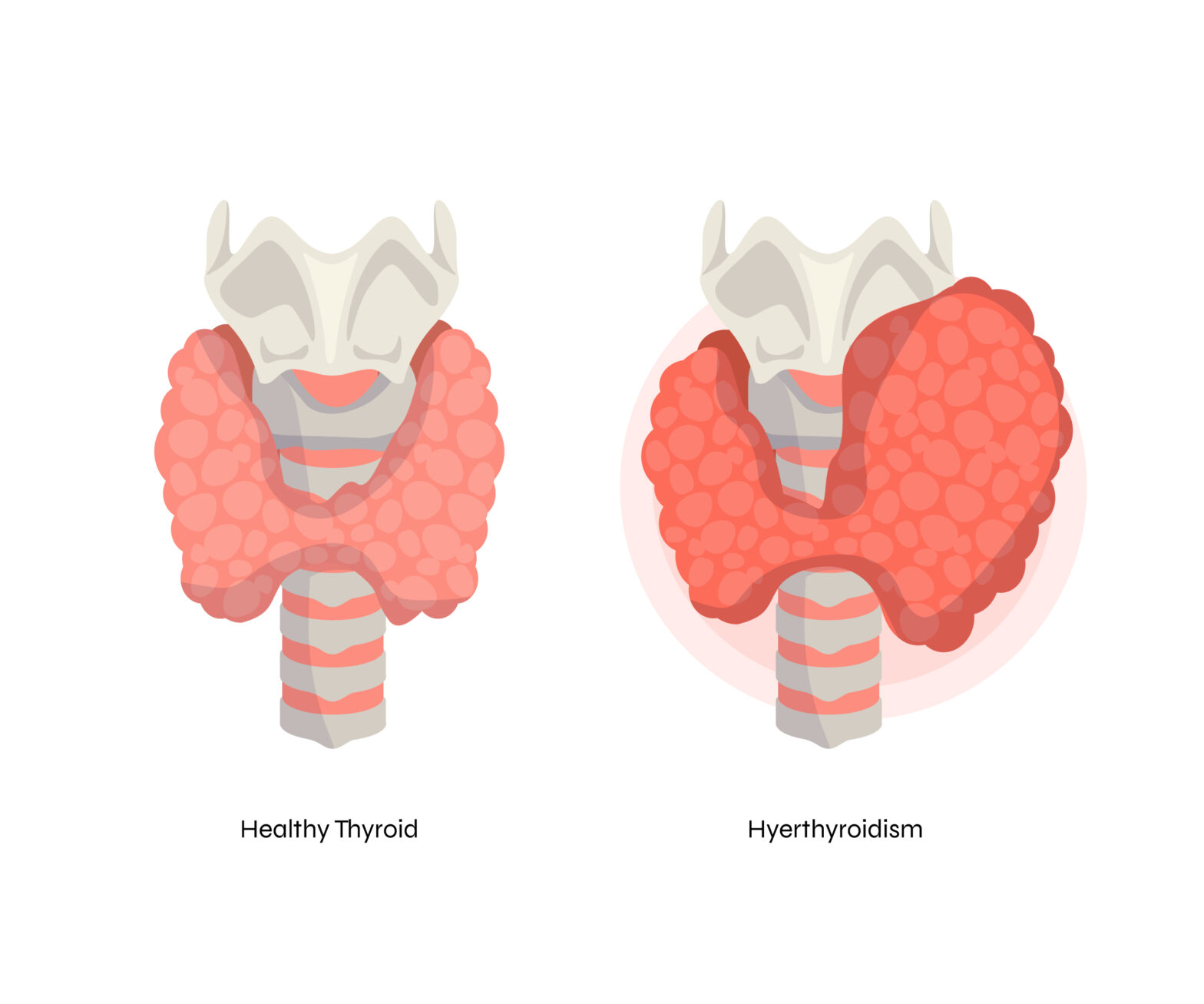
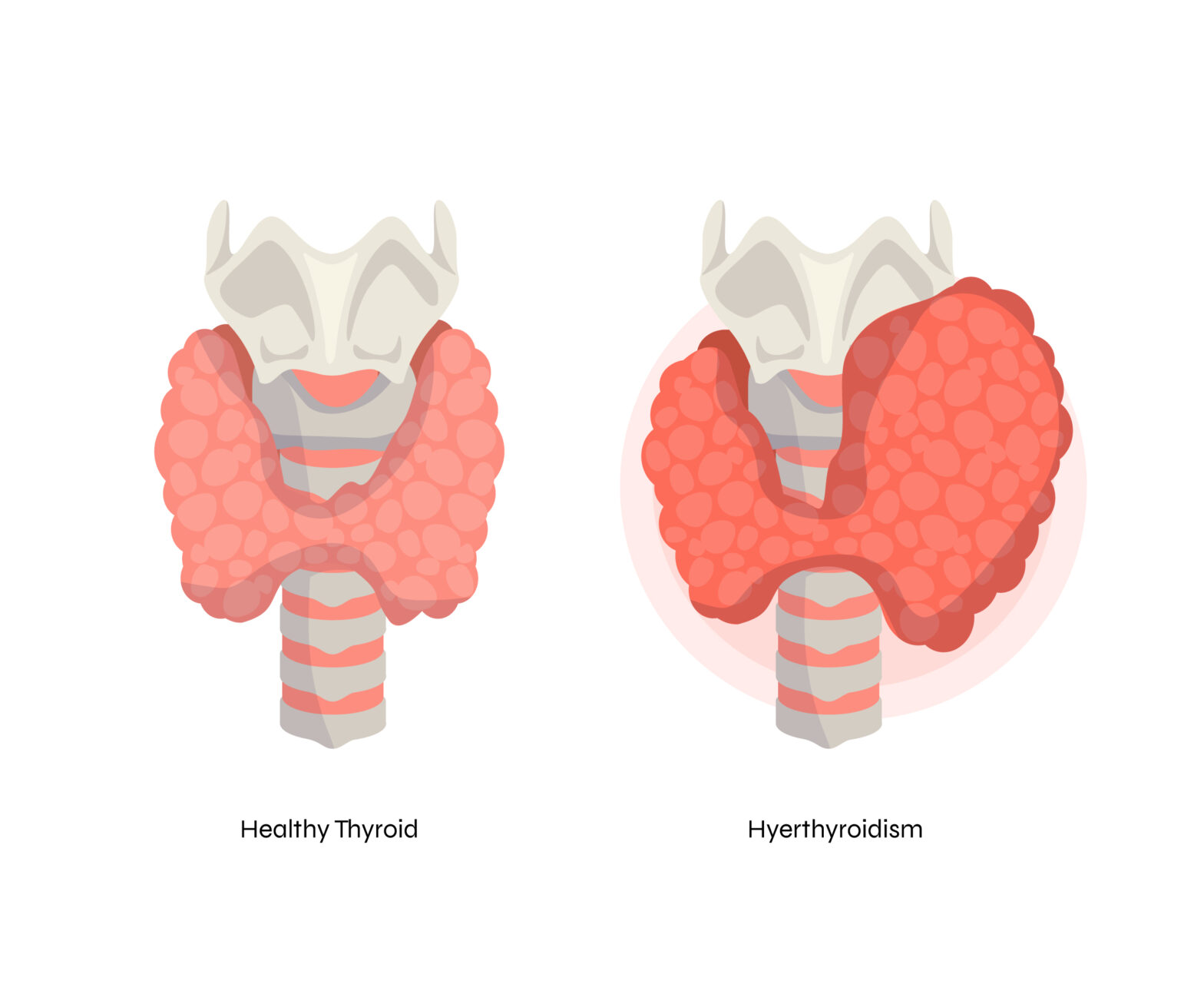
You’re doing everything “right” – eating well and sleeping enough. But you’re suddenly gaining weight, feeling tired all the time, or struggling with brain fog. Eventually, you get a diagnosis that brings both answers and new questions: hypothyroidism.   And it’s not just you. Hypothyroidism is becoming increasingly common these days.   If you’ve been diagnosed with hypothyroidism, or if you suspect something is wrong with your metabolism, read till the end to understand what’s happening inside your body and more importantly, what you can actually do about it.     What Is Hypothyroidism?   Hypothyroidism occurs when your thyroid gland doesn’t produce enough thyroid hormones. These hormones, primarily T3 and T4, are responsible for regulating your metabolism, which is essentially the rate at which your body burns calories and converts food into energy.   The condition is usually diagnosed through blood tests measuring TSH (Thyroid Stimulating Hormone) and free T4 levels.   Hashimoto’s thyroiditis is the most common cause of autoimmune hypothyroidism. In this condition, the immune system mistakenly identifies thyroid tissue as a threat and gradually attacks it. Over time, this immune response damages the thyroid gland’s ability to produce adequate hormones, leading to progressive slowing of metabolism.   Unlike temporary thyroid dysfunction caused by stress or nutrient deficiencies, Hashimoto’s is a chronic immune-mediated condition.   The immune system produces antibodies, most commonly thyroid peroxidase (TPO) antibodies and thyroglobulin antibodies, which interfere with normal hormone production.     The Hereditary Truth     Here’s something most people don’t realize: if your family has a history of hypothyroidism, your risk of developing it is significantly higher. Your thyroid hormone production capacity is determined by genetics.   In practical terms, if your mother has Hashimoto’s thyroiditis, your risk of developing the same condition is extremely high. Genetic inheritance plays a powerful role in autoimmune thyroid disorders, making proactive screening and preventive care essential. This is a condition that requires careful attention, regular monitoring, and early supportive measures rather than waiting for hormone levels to decline.   Some people are even born with congenital hypothyroidism, a condition present from birth where the thyroid gland doesn’t develop properly or function from the start.   But, even if you inherit the genetic tendency toward hypothyroidism, you might never develop it if you manage your lifestyle well. Conversely, you can be genetically resilient but still develop hypothyroidism if you’re exposed to enough environmental stressors.     The Ayurvedic View     In Ayurveda, hypothyroidism is understood through the concept of Udanavrita Samana Vata. It means, your thyroid problem starts with an imbalance in two Vata subtypes in your body, combined with excess Kapha heaviness.   Your thyroid gland is located in the throat region, which is governed by Udana Vata, one of the five subtypes of Vata Dosha. When Udana Vata becomes aggravated, it directly impacts your thyroid function.   This imbalance then spreads downward to Samana Vata, the type of Vata energy responsible for digestion and the absorption of nutrients.   When both Udana and Samana Vata are compromised, your Agni (digestive fire) becomes weak. This is when excess Kapha physically surrounds and blocks the Vata energy in your throat and digestive system.   The main symptoms are weight gain, bloating, constipation, water retention, sluggishness and cold intolerance.     Can Hypothyroidism Be Reversed?     This is one of the most common questions people ask after receiving a thyroid diagnosis. The honest answer is, it depends on the root cause, the stage of the condition, and how consistently lifestyle changes are applied.   If hypothyroidism is caused by temporary stress, nutritional deficiencies, gut imbalance, postpartum hormonal shifts, or early metabolic dysfunction, the thyroid can often recover partially or even completely with the right interventions.   However, if the condition is autoimmune (such as Hashimoto’s thyroiditis) or if the thyroid tissue has been significantly damaged, full reversal may not always be possible. In these cases, the focus shifts toward slowing progression, optimizing hormone levels, reducing symptoms, and improving overall quality of life.   The encouraging news is that regardless of the cause, your body can respond remarkably well when metabolic stress is reduced and digestion, immunity, and hormonal balance are supported properly.   Why Additional Testing is Important?     In some individuals, standard thyroid blood tests such as TSH, T3, and T4 may appear completely normal, yet the person continues to experience classic symptoms of hypothyroidism. These symptoms may include cold hands and feet, excessive sleepiness after meals, forgetfulness, slow metabolism, low energy, difficulty concentrating, and overall sluggishness.   In such cases, it becomes essential to evaluate thyroid antibodies, specifically:   Anti-TPO (Thyroid Peroxidase Antibodies) Anti-TG (Thyroglobulin Antibodies)   These tests help detect whether the immune system is attacking the thyroid gland, even before hormone levels become abnormal. Elevated antibody levels often indicate early or developing Hashimoto’s thyroiditis.     A Structured Path Toward Thyroid Balance     Rebalancing the thyroid is rarely about quick fixes or isolated treatments. From an Ayurvedic perspective, true healing happens when the body’s internal constitution is supported consistently through nutrition, daily routines, detoxification, emotional balance, and personalized care.   Personalized Assessment   Every individual has a unique constitution, digestive strength, stress response, emotional pattern, and lifestyle rhythm. A comprehensive assessment identifies the dominant doshic imbalances, digestive efficiency, toxin load, sleep quality, hormonal history, and mental resilience.   Strengthening Agni (Digestive Fire)   Healthy metabolism begins in the gut. When digestion improves, nutrient absorption becomes efficient, inflammation reduces, and hormone conversion stabilizes. Warm, freshly prepared meals, mindful eating, proper meal timing, hydration, and digestive herbs support Agni naturally.   Reducing Metabolic Toxins (Ama)   Detoxification practices help clear stagnation from tissues and channels. Gentle cleansing, proper elimination, hydration, breathing practices, and seasonal routines prevent toxin accumulation and support cellular rejuvenation.   Nourishing Ojus   Ojus represents immunity, vitality, resilience, and hormonal stability. Chronic stress, irregular lifestyle, excessive stimulation, poor sleep, and digestive weakness gradually deplete Ojus. Rebuilding Ojus requires nourishing foods, emotional balance, rest, grounding routines,… Continue reading Hypothyroidism: Why Your Metabolism Is Slowing Down