

Satva, Rajas and Tamas: The Three Forces Behind How We Think and Act

When we look at something that already exists, we tend to focus on what we can see. To us, in our mind, a book is a book, a building is a building and a person is a person.   But let us go a little deeper, what made that thing come into existence in the first place? What happened before we could see the finished form? What allowed an idea to become reality?   According to the Ayurvedic understanding of nature, three fundamental qualities are involved in this process: Satva, Rajas and Tamas.   These are not substances in the ordinary physical sense. They are the principles that influence how things are conceived, developed, organised and eventually brought into a definite form.   They also influence how we think, respond to situations and behave.   From an idea to something real   Think about something as simple as a printed page.   Before the page existed, someone first had an idea. They imagined that information could be communicated through a page.   Then came the practical process where the paper had to be selected, its size had to be decided, the text had to be organized and the printing process had to be worked out.   Only then could the page actually be produced.   This can be understood through the three qualities.   Satva is associated with clarity, awareness and the emergence of an idea.   Rajas is associated with activity, movement and the effort required to bring that idea into action.   Tamas provides stability, limitation and resistance to further alternatives. It allows something to settle into a definite form.   All three have a role.   An idea without action remains an idea while an action without direction becomes scattered and without some form of limitation or stability, nothing is ever finalised.   This principle can be observed everywhere, from something as simple as making a page to something as complex as the development of a living being.   Satva, Rajas and Tamas in the mind   Ayurveda extends this idea beyond the physical world and applies it to Manas, or the mind.   Every person has Satva, Rajas and Tamas in relative dominance.   This explains us why two people can experience exactly the same situation but respond to it completely differently.   This is where understanding the predominance of Satva, Rajas and Tamas becomes important.   The Satva-dominant mind   A person in whom Satva is more prominent tends to be curious, observant and interested in understanding things.   They want to know why something happened.   If they fall ill, they may want to understand the cause, the relationship between their habits and their symptoms, and what they can do to improve their situation.   They may also be better able to remain composed during difficult circumstances. Instead of immediately reacting, they tend to step back, understand what is happening and work towards a solution.   This does not mean that a Satva-dominant person does not experience pain, fear or distress. Rather, their ability to understand and process the situation can influence how they respond to it.   The Rajas-dominant mind   Rajas is associated with movement, activity and constant engagement.   A Rajas-dominant person may be more expressive about both pleasure and discomfort. They may actively seek experiences, stimulation and reassurance.   If something happens to them, they may not necessarily be interested in understanding the deeper cause immediately. What they often need first is clear guidance and reassurance.   Once they feel confident about the course of action, they may be able to move forward.   Their mind is active and constantly responding to what is happening around them.   The Tamas-dominant mind   Tamas is associated with resistance, confusion and difficulty in moving forward.   A Tamas-dominant person may struggle to understand or accept what is happening around them. When they are facing a difficult situation, fear and apprehension may become stronger.   They may repeatedly question advice, seek opinions from several people and still find it difficult to make a decision.   Even with the outcome seeming clear, they may find it difficult to take a first step.   This is also why the same advice might not help every person, as they might not react to it in a similar way.   Why this matters in Ayurveda   For Ayurveda, treating a person is not limited to identifying physical symptoms.   The way a person perceives, expresses and responds to those symptoms also matters.   Let us take an example, someone may experience severe pain but barely express it while there is another person who may express relatively mild pain very dramatically. Someone else may not even understand that their symptoms require attention.   Now, the individual’s mental state might affect the way they communicate or show signs to understand about their condition.   If a practitioner judges the severity of a condition only by outward expression, there is a possibility of misunderstanding the situation.   Ayurveda’s understanding of Satva, Rajas and Tamas also highlights something that is often overlooked in modern conversations about health.   Two people can have similar physical circumstances but very different experiences of illness. Our perception, emotional response, understanding and behaviour can influence how we deal with what is happening to us.   This does not mean that mental qualities magically determine whether someone will recover. Nor does it mean that a person’s illness is simply a result of their mindset.   Rather, the Ayurvedic framework recognises that the mind is part of the individual’s overall experience and therefore deserves attention during care.   Three qualities, one constantly changing mind   Satva, Rajas and Tamas should not be understood as three permanent personality categories.   They are present in everyone, in different proportions, and can change depending on circumstances.   A person may be calm and thoughtful in one situation, highly restless in another and completely withdrawn in a third.   The important… Continue reading Satva, Rajas and Tamas: The Three Forces Behind How We Think and Act
Hypothyroidism: Why Your Metabolism Is Slowing Down

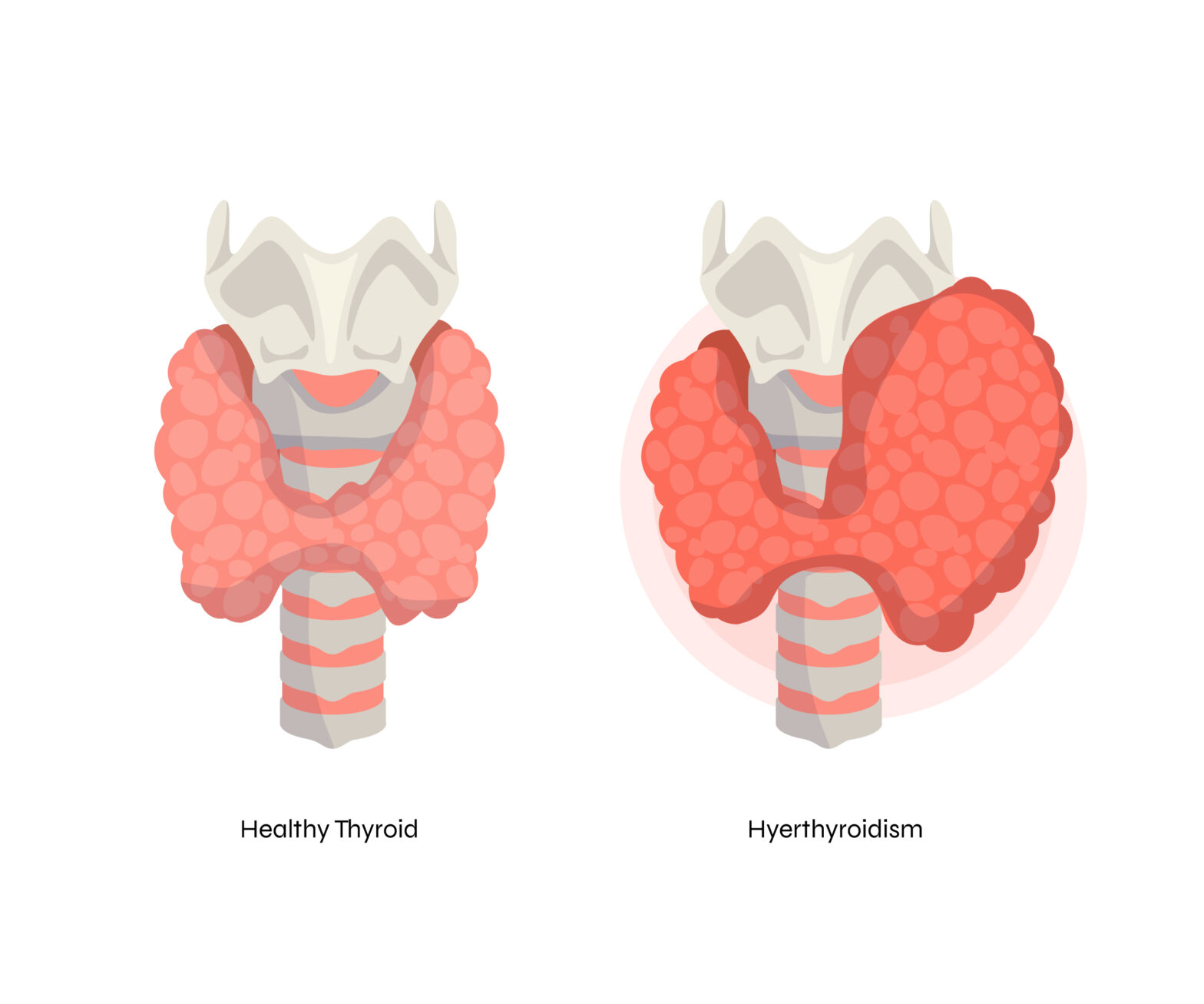
You’re doing everything “right” – eating well and sleeping enough. But you’re suddenly gaining weight, feeling tired all the time, or struggling with brain fog. Eventually, you get a diagnosis that brings both answers and new questions: hypothyroidism.   And it’s not just you. Hypothyroidism is becoming increasingly common these days.   If you’ve been diagnosed with hypothyroidism, or if you suspect something is wrong with your metabolism, read till the end to understand what’s happening inside your body and more importantly, what you can actually do about it.     What Is Hypothyroidism?   Hypothyroidism occurs when your thyroid gland doesn’t produce enough thyroid hormones. These hormones, primarily T3 and T4, are responsible for regulating your metabolism, which is essentially the rate at which your body burns calories and converts food into energy.   The condition is usually diagnosed through blood tests measuring TSH (Thyroid Stimulating Hormone) and free T4 levels.   Hashimoto’s thyroiditis is the most common cause of autoimmune hypothyroidism. In this condition, the immune system mistakenly identifies thyroid tissue as a threat and gradually attacks it. Over time, this immune response damages the thyroid gland’s ability to produce adequate hormones, leading to progressive slowing of metabolism.   Unlike temporary thyroid dysfunction caused by stress or nutrient deficiencies, Hashimoto’s is a chronic immune-mediated condition.   The immune system produces antibodies, most commonly thyroid peroxidase (TPO) antibodies and thyroglobulin antibodies, which interfere with normal hormone production.     The Hereditary Truth     Here’s something most people don’t realize: if your family has a history of hypothyroidism, your risk of developing it is significantly higher. Your thyroid hormone production capacity is determined by genetics.   In practical terms, if your mother has Hashimoto’s thyroiditis, your risk of developing the same condition is extremely high. Genetic inheritance plays a powerful role in autoimmune thyroid disorders, making proactive screening and preventive care essential. This is a condition that requires careful attention, regular monitoring, and early supportive measures rather than waiting for hormone levels to decline.   Some people are even born with congenital hypothyroidism, a condition present from birth where the thyroid gland doesn’t develop properly or function from the start.   But, even if you inherit the genetic tendency toward hypothyroidism, you might never develop it if you manage your lifestyle well. Conversely, you can be genetically resilient but still develop hypothyroidism if you’re exposed to enough environmental stressors.     The Ayurvedic View     In Ayurveda, hypothyroidism is understood through the concept of Udanavrita Samana Vata. It means, your thyroid problem starts with an imbalance in two Vata subtypes in your body, combined with excess Kapha heaviness.   Your thyroid gland is located in the throat region, which is governed by Udana Vata, one of the five subtypes of Vata Dosha. When Udana Vata becomes aggravated, it directly impacts your thyroid function.   This imbalance then spreads downward to Samana Vata, the type of Vata energy responsible for digestion and the absorption of nutrients.   When both Udana and Samana Vata are compromised, your Agni (digestive fire) becomes weak. This is when excess Kapha physically surrounds and blocks the Vata energy in your throat and digestive system.   The main symptoms are weight gain, bloating, constipation, water retention, sluggishness and cold intolerance.     Can Hypothyroidism Be Reversed?     This is one of the most common questions people ask after receiving a thyroid diagnosis. The honest answer is, it depends on the root cause, the stage of the condition, and how consistently lifestyle changes are applied.   If hypothyroidism is caused by temporary stress, nutritional deficiencies, gut imbalance, postpartum hormonal shifts, or early metabolic dysfunction, the thyroid can often recover partially or even completely with the right interventions.   However, if the condition is autoimmune (such as Hashimoto’s thyroiditis) or if the thyroid tissue has been significantly damaged, full reversal may not always be possible. In these cases, the focus shifts toward slowing progression, optimizing hormone levels, reducing symptoms, and improving overall quality of life.   The encouraging news is that regardless of the cause, your body can respond remarkably well when metabolic stress is reduced and digestion, immunity, and hormonal balance are supported properly.   Why Additional Testing is Important?     In some individuals, standard thyroid blood tests such as TSH, T3, and T4 may appear completely normal, yet the person continues to experience classic symptoms of hypothyroidism. These symptoms may include cold hands and feet, excessive sleepiness after meals, forgetfulness, slow metabolism, low energy, difficulty concentrating, and overall sluggishness.   In such cases, it becomes essential to evaluate thyroid antibodies, specifically:   Anti-TPO (Thyroid Peroxidase Antibodies) Anti-TG (Thyroglobulin Antibodies)   These tests help detect whether the immune system is attacking the thyroid gland, even before hormone levels become abnormal. Elevated antibody levels often indicate early or developing Hashimoto’s thyroiditis.     A Structured Path Toward Thyroid Balance     Rebalancing the thyroid is rarely about quick fixes or isolated treatments. From an Ayurvedic perspective, true healing happens when the body’s internal constitution is supported consistently through nutrition, daily routines, detoxification, emotional balance, and personalized care.   Personalized Assessment   Every individual has a unique constitution, digestive strength, stress response, emotional pattern, and lifestyle rhythm. A comprehensive assessment identifies the dominant doshic imbalances, digestive efficiency, toxin load, sleep quality, hormonal history, and mental resilience.   Strengthening Agni (Digestive Fire)   Healthy metabolism begins in the gut. When digestion improves, nutrient absorption becomes efficient, inflammation reduces, and hormone conversion stabilizes. Warm, freshly prepared meals, mindful eating, proper meal timing, hydration, and digestive herbs support Agni naturally.   Reducing Metabolic Toxins (Ama)   Detoxification practices help clear stagnation from tissues and channels. Gentle cleansing, proper elimination, hydration, breathing practices, and seasonal routines prevent toxin accumulation and support cellular rejuvenation.   Nourishing Ojus   Ojus represents immunity, vitality, resilience, and hormonal stability. Chronic stress, irregular lifestyle, excessive stimulation, poor sleep, and digestive weakness gradually deplete Ojus. Rebuilding Ojus requires nourishing foods, emotional balance, rest, grounding routines,… Continue reading Hypothyroidism: Why Your Metabolism Is Slowing Down

A Complete Guide to Vamanam Therapy

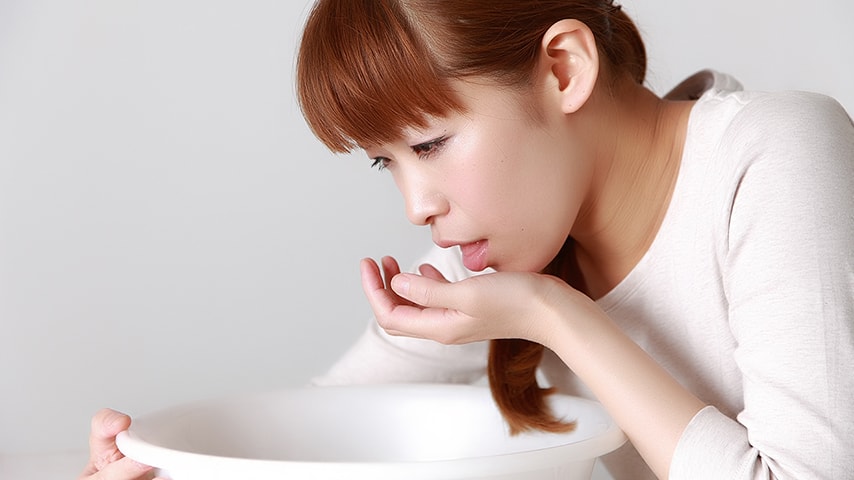
Do you feel tired, sluggish, and bloated all the time, no matter what you eat? or, do you wake up with a thick white coating all over your tongue, too much mucus in your throat, or a general feeling of lethargy? These are classic signs of Kapha Dosha imbalance and toxin buildup (Ama) in the body, according to Ayurveda. Before you panic, let me tell you this: Ayurveda has a solution to clear all that and leave you feeling lighter and energized – Vamanam therapy!   In fact, Ayurveda suggests different ways to flush these toxins and restore balance to your body to make you feel lighter, more energetic and refreshed. Vamanam – one of the five detox therapies of Panchakarma is one of the most effective. It is an Ayurvedic purification treatment wherein excess Kapha gets removed from the body via controlled therapeutic vomiting.    I know, the thought of induced vomiting sounds weird (or even scary!) but trust me when done right with an expert, it’s a tool used for the most profound detox.     What  is  Vamanam  in  Ayurveda ?     Vamanam (also called Vamana Karma) is a specialized detox therapy under Panchakarma – the five-fold purification system in Ayurveda. An Ayurvedic doctor can recommend this treatment for imbalances caused by excess Kapha Dosha, which accumulates in the stomach, lungs and sinuses – ‘congestion’ in simple terms.      Step-by-Step Guide to Vamanam Procedure   These are the common steps followed while beginning with Vamana therapy:     Preparation (Purva Karma)   Your body is first prepared with Snehapana. This means that you need to consume medicated ghee for internal oleation. The second step is Swedana or therapeutic sweating to loosen accumulated toxins. You will also follow a Kapha aggravating diet (dairy, heavy and sweet tasting foods) to bring the excess Kapha into the stomach.   Induction (Pradhana Karma)    On the day of therapy, a special herbal decoction is given to induce controlled vomiting.  It can be Yashtimadhu or Madanaphala decoction as advised by the physician.    After this, the therapist gently massages your stomach to loosen up the accumulated toxins. As the vomiting starts naturally, extra mucus, toxins, and Kapha-related impurities from the stomach and upper respiratory tract are flushed out. When you feel done, you are allowed to rest.   Post-Care (Paschat Karma)    After Vamanam, you’ll be on a strict post-therapy diet. Since your body is now empty, it is important to nourish it with light, easy-to-digest food like rice gruel, soups, porridge, etc. You are advised to return gradually to regular meals thereafter.   It is a very purifying and refreshing experience all at once!     Benefits of Vamanam Therapy in Ayurveda   Vamanam is more than just the act of throwing up. It’s a therapeutic way to reset your entire system. Let’s have a look at some of its amazing benefits:   Clears excess mucus and congestion – Excellent for people suffering from chronic colds, sinusitis, or bronchitis.   Enhances digestion and metabolism – Enhances Agni (digestive fire) and boosts digestion. This further helps in fat metabolism.    Skincare – Detoxifies skin and cures eczema, psoriasis and acne.   Weight loss support – Helps get rid of excessive Kapha, which causes obesity and slow metabolism.   Improves respiratory health — Great for asthma, allergy attacks, and chronic cough.   Mental clarity – After this treatment, you will feel lighter, energized, and emotionally balanced.     Who Can Do Vamanam Therapy?   Vamanam is beneficial for:   Kapha disorders (chronic cold, sinusitis, bronchitis, allergies)   Vamanam is specifically prescribed to balance Kapha Dosha which is known to cause: Excessive mucus production Digestion and metabolism inactivity Weight gain and fluid retention Constant nasal stuffiness, sinus infections and allergies   Vamanam gets to the root of Kapha and balance is restored, preventing many of these conditions from becoming chronic.     Obesity, low metabolism and weight gain   If you feel stuck in a Kapha-dominant body, where no matter what you do, you gain weight easily and lose it slowly, Vamanam can be a game-changer. It:   Boosts metabolism by stimulating Agni (digestive fire) Reduces sluggishness and heaviness caused by excessive mucus Eliminates deep-rooted Kapha toxins, making weight loss easier     People with asthma and respiratory congestion   Vamanam therapy offers relief to people suffering from:   Asthma: Clears congestion, making breathing easier Allergic rhinitis: Removes toxins causing frequent sneezing and blocked sinuses Chronic cough and bronchitis: Expels thick mucus that’s hard to eliminate otherwise     Skin conditions, such as eczema, psoriasis and acne   Ever wondered why digestive detox is linked to clear skin?    Ayurveda believes that skin disorders arise from excess Kapha and toxins in the body. Vamanam purifies the system, leading to: Reduced inflammation in eczema and psoriasis Clearer, brighter skin by removing Ama (toxins) Balanced oil production, preventing acne breakouts     Digestive abnormalities, such as nausea, lack of appetite and heaviness   Vamanam rekindles the digestive fire or Agni by flushing out the toxins. This goal is achieved by combining this treatment with a three-month diet plan.      Who Should Avoid Vamanam?   Vamanam therapy is not for all. The following people should avoid it:   Weak persons, children and old persons Those having peptic ulcers, acid reflux and  weak digestion Pregnant women and new mothers People with aggravated Pitta (excessive heat in the body, gut ulcers or excessive bile production) People with hypertension or heart diseases     Post-Vamanam Diet Guidelines   It is important to have light and easily digestible foods after Vamanam as your digestive fire is delicate and needs to be nurtured. Start with Peya (rice gruel) and soups, slowly shifting to semi-solid foods like Khichdi For a couple of days, avoid dairy, cold drinks and heavy foods Eat mindfully, chew well, and consume warm, cooked food Maintaining digestive health by following an early dinner routine     Can Vamanam be Done at Home?   Please don’t. This is a therapeutic procedure in which many factors are taken into consideration depending upon an individual’s unique constitution. What works for you might not work for others.    Moreover,… Continue reading A Complete Guide to Vamanam Therapy