Kushta Uses in Ayurveda

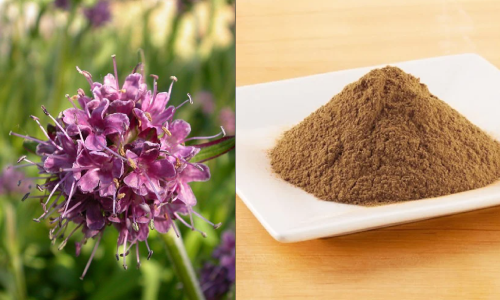
Do you know that almost 30% of the world’s population has respiratory problems and almost 40% has skin issues once in a lifetime? Kushta offers natural remedies to those everyday issues and makes it possible to live a balanced, harmonious life. Kushta or Saussurea lappa is a potent herb that is used in Ayurveda to treat a variety of health conditions. It is a traditionally well-known drug for skin diseases, bronchial asthma, diarrhoea, haemorrhages and other related problems. The plant is generally tall and robust with purple or blue flowers. It grows well in the cold regions of India, China, and Pakistan; furthermore, it thrives in these climates due to their unique conditions.     What is Kushta?   Kushta is a botanical herbaceous plant. Found in the high altitude of the Himalayas, it is a perennial herb and is chiefly used as a medicine in Ayurveda. The uses are listed in Ayurvedic texts numerous times. Charaka Samhita and Sushruta Samhita –  two of the well-known texts of  Ayurveda emphasises on the usages of the herb as a medicine, especially in jirna jwara and other diseases. It helps balance Doshas and enhance Agni (digestive fire). It also helps in eliminating Ama (toxins) from the body, contributing to better digestion and detoxification.     Benefits for Skin Health   Kushta is highly beneficial for skin because of its soothing, anti-inflammatory, antibacterial and antimicrobial properties. Anti-inflammatory Properties:  Reduces redness on the skin by making it healthy and hence fights conditions like Psoriasis and Eczema.   Antimicrobial Effects:  It has the characteristic to fight the infections; consequently, this helps in keeping the skin clean and healthy.   Wound Healing: It also has healing properties and quickly cures wounds, cuts, burns and injuries.   Detoxification:  It  aids in providing healthy glow to the skin through internal cleansing. Furthermore, it does so through internal cleansing.  Due to its purifying properties, it purifies the blood and flushes the toxins out.     Benefits for Respiratory Health   This herb is, therefore, considered highly beneficial in improving respiratory health as well.  It acts as an expectorant, bronchodilator and anti-asthmatic agent. Expectorant Action: It is helpful in loosening and getting rid of mucus  which makes it easy to breathe.       Bronchodilator:  It widens the lumen of bronchi which makes the passage of air quite easy. Mainly, it results in the relaxation of the bronchial muscles; consequently, this leads to improved airflow.   Anti- asthmatic: It has been used traditionally in the prevention of asthma. It helps in reducing the  frequency of the attacks.        For cough and sore throat:  It has a soothing effect; therefore, it is helpful in getting relief from cough and sore throat.     How to Use Kushta?     It is used in various forms, depending on the condition being treated; furthermore, it may vary based on patient needs.  Here are some common methods: Kushta Powder: The powdered root can be mixed with honey or water and consumed to treat respiratory issues.   Kushta Oil:  Applying this oil topically helps treat skin conditions and promote wound healing.   Kushta Chatni: Kushta Chatni helps derive the maximum amount of nutrients from your meal.   Kustha Decoction: A decoction made from its root, in fact, is great for detoxifying; moreover, it also provides respiratory benefits.     Ayurvedic Recipes Using Kushta     Here are some simple Ayurvedic recipes using Kustha that you can try at home for your health: Kushta Honey Mix for Cough: Mix 1 teaspoon of Kushta powder with 1 tablespoon of honey. Take this mixture twice a day to reduce cough and respiratory congestion.   Kushta Oil for Skin Health: Mix a few drops of Kushta oil with coconut oil and apply it to the affected skin areas to reduce inflammation and increase skin glow.   Kushta Tea for Detoxification: Boil 1 teaspoon of Kushta root in 2 cups of water for 10 minutes. Strain and drink this tea daily to get toxins out of the body and boost overall health.   Modern Research on Kushta   Modern research, therefore, supports many of the traditional uses of Kushta.   Here are some of its proven benefits in treating various conditions: Anti-Inflammatory Effects: Researches prove Kushta’s significant anti-inflammatory properties, supporting its traditional use in treating inflammatory skin conditions.    Antimicrobial Properties: Studies have demonstrated Kushta’s ability to fight a range of microbial infections, including those affecting the skin and respiratory system.    Respiratory Benefits: Research supports the use of Kustha in managing asthma and other respiratory conditions, highlighting its bronchodilator and expectorant effects.     Integrating Kushta into Daily Life     Incorporating it into your daily routine can be a natural and effective way to boost skin and respiratory health. Here are some tips: Daily Herbal Tea: Start your day with a cup of Kushta tea to support digestion and detoxification.   Topical Applications: Use Kushta-infused oils or creams for skin care, especially if you have sensitive skin or skin issues.   Dietary Supplements: Consider taking Kushta supplements, available in capsule or powder form, to support respiratory health, particularly during cold and flu season.     Precautions and Side Effects     While Kushta is generally safe, it is important to use it appropriately and consult a qualified Ayurvedic doctor before starting any new treatment, especially if you have underlying health conditions or are pregnant. Dosage: Take only as much dosage as recommended by the doctor to avoid any potential side effects.   Allergies: Conduct a patch test before using Kushta topically to ensure you do not have an allergic reaction.   Also read: 7 Reasons Why You Get Skin Diseases     This is an extraordinary herb with its proven benefits for skin and respiratory health. Ayurveda recommends integrating Kushta  into your wellness regimen to  provide you access to health benefits that have been tried, tested and proven beneficial for over a thousand years. But, make sure to consult a qualified doctor before starting to use it.     If… Continue reading Kushta Uses in Ayurveda

Dhanyaka (Coriander)’s Medicinal Properties

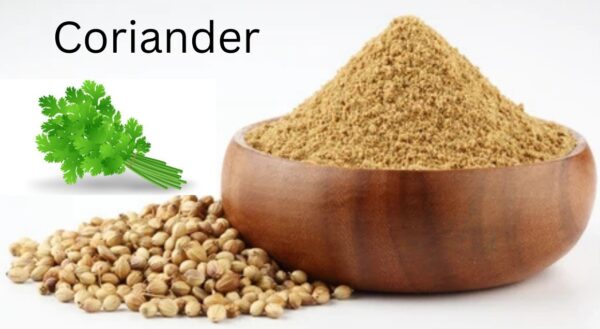
Coriander seeds and leaves have played a vital role in Indian cuisine for many years. The herb’s scientific name is Coriandrum Sativum Linn, but it is also known as Dhanyaka or Dhanya, translated as ‘the rich one.’ Its earthy and rejuvenating taste is well recognized, and it also provides several health benefits.  Let’s thoroughly analyze the various benefits of this uncomplicated plant.   What is the composition of Dhanyaka?   Dhanyaka’s leaves and seeds are rich in Vitamin K. Vitamin K plays a role in maintaining the health of your blood and also your bones. The herb not only contains a high amount of Vitamin A, which aids in improving eye function, but also maintaining moisture and preserving vision. It also contains Vitamin C, which is beneficial for your health.. Some of its benefits are: Strengthen your body’s ability to fight off sickness. Improve how white blood cells work. Enhance the body’s ability to absorb iron. Heal cuts and scrapes faster. Produce more collagen protein to make skin healthier and more stretchy. The human body contains numerous free radicals, which are loose oxygen molecules. They cause significant damage to the cells and increase the risk of developing severe illnesses such as cancer. Dhanyaka contains numerous antioxidants that help the body combat and eliminate free radicals. It prevents blood from clotting and reduces the risk of artery blockages. This is why the herb is essential in Ayurvedic medicine: to reduce the chance of heart problems and support heart function. The nutrients found in its seeds aid in maintaining clear blood vessels and preventing them from becoming hardened. Dhanyaka can assist in reducing high blood pressure by eliminating excess salt from the body. It contains essential minerals such as iron, folate, and potassium, as well as beneficial oils like geraniol, linalool, terpene, and camphene. These factors contribute to the herb’s effectiveness in alleviating a variety of health issues, such as migraines, arthritis, discomfort, inflammation, anemia, and others.   Vital Phytoconstituent of Dhaynaka   Dhaynaka plants contain a high water content of 84%. Fruits contain oils, fats, and various other compounds. Coriander oil contains coriandrol, geraniol, and baborneol. Fresh leaves contain oil, coriandrol, oxalic acid and calcium. Leaves contain high amounts of vitamin C and carotene. Seeds contain fatty oil and essential oil at a rate of 19-21 percent. Linalool, a terpene alcohol present in Dhanyaka, has various healing applications, such as safeguarding the brain, alleviating pain and inhibiting seizures.   Benefits of Dhanyaka   Some of the medicinal benefits of the Dhanyaka plant are discussed below.     Helps in digestion   Digestion is the bodily mechanism through which food is broken down into smaller parts, allowing for the absorption and utilization of nutrients. Dhanyaka is considered an effective treatment for stomach issues and pitta imbalances in Ayurvedic medicine. The plant has properties that can alleviate stomach discomfort and have a soothing effect. It assists in enhancing digestion while preventing acid reflux.  Dhanyaka helps improve digestion and prevents the formation of toxins or Ama caused by undigested food. It aids in the body’s absorption and utilization of nutrients from food. It can also help in alleviating swelling, gas, stomach pain, constipation, diarrhea, bloating and other gastrointestinal issues.   Balances Doshas   When combined with other digestive herbs from Ayurveda, such as Indian Bael, Mochras, Saunth, Dhataki, etc. Dhanyaka is an ingredient in Bilwadi Churna, an Ayurvedic remedy that aims to restore balance to Vata, Pitta and Kapha in the body. As Ayurvedic doctors, we often recommend using herbal blends to maintain a healthy stomach and enhance digestion. However, make sure that you do not take any herbal medicines without proper guidance from a qualified Ayurvedic doctor.    Cleansing properties   The seeds of the Dhanyaka plant can enhance the urinary tract and prevent infections. Consuming Dhanyaka juice has benefits for both your internal and external health. It aids in the functioning of various organs within the body, purifies the blood, enhances the digestive process and reduces allergic reactions and irritations resulting from excess body heat. The leaves aid in the safe removal of harmful toxins such as lead, mercury, arsenic and other heavy metals from the body. When used topically, the juice improves skin health, eases allergies and irritations, reduces signs of aging, and gives skin a radiant glow.   Cleanses liver   Dhanyaka is a gentle spice that supports liver health and can stimulate appetite if liver function is compromised. When combined with certain herbs that are effective in promoting liver function, it also has the potential to aid in the elimination of kidney and gallstones.   Helps treat Rheumatoid Arthritis   According to AIIMS researchers, the herb is very successful in reducing Rheumatoid Arthritis. It aids the immune system, reduces inflammation in the joints, and hinders the production of chemicals that contribute to this issue. Another research study found that Dhanyaka decreased arthritis symptoms by supplying vitamins, minerals, antioxidants, and phytonutrients. Unlike other medications for the condition, Dhanyaka does not cause any adverse side effects.   Antianxiety and anticonvulsant Properties   Dhanyaka plant has the potential to alleviate anxiety and decrease blood pressure. In 2019, research conducted by the University of California analyzed the impact of Dhanyaka on the brain. When the herb is ingested, it interacts with specific potassium channels in the brain to decrease excessive cell activity and excitement, resulting in a calming effect. It is effective in mitigating severe seizures in patients and serves as a beneficial treatment for preventing convulsions.   Reduces cholesterol and sugar levels   Dhanyaka seeds have a significant impact on diabetes and cholesterol. Indeed, they help decrease inflammation and function as antioxidants, making them beneficial for individuals with diabetes. Dhanyaka can  also effectively reduce cholesterol levels.   Also read: Tulsi Cough Drops and Benefits     If you are struggling with any health issues, you can either book a consultation with us or send us a message via WhatsApp to +91 79074 89839. We have the best Ayurvedic doctors in Trivandrum who… Continue reading Dhanyaka (Coriander)’s Medicinal Properties

Health Benefits of Tulsi

Tulsi (also referred to as “Holy Basil”) is highly valued in Indian culture and Ayurvedic treatment. This holy plant, which is commonly seen in Indian homes, is admired for both its deep spiritual meaning. There are numerous health benefits of Tulsi are mentioned in Ayurveda. Tulsi has been used for generations to treat various conditions, from minor colds to long-term illnesses, due to its powerful medicinal properties. In Ayurveda, practitioners frequently refer to it as “the outstanding one,” highlighting its exceptional capacity to support complete health and balance the body’s systems.  Beyond its medicinal properties, Tulsi is a common ingredient in spiritual rituals that symbolizes peace and purity.  In this article, we explore the several ways Tulsi may improve the quality of life, including how it can strengthen immunity, reduce stress levels, promote respiratory health and more.     The Ayurvedic Significance  of Tulsi     In ayurveda, people consider tulsi a powerful antioxidant and a natural treatment for many problems.  As a Rasayana, this adaptive plant can support an individual’s development toward life and energy.  People have long used tulsi to support possible mental and physical health, increase stress tolerance, and strengthen the immune system.  Because of its numerous medicinal uses, it’s a mainstay of Ayurvedic medicine, where it is used to treat a wide range of conditions, from digestive problems to respiratory illnesses.  It also assists in maintaining & improving your overall health. By helping the body respond to different stimulations, Tulsi’s adaptogenic properties support harmony and balance in both the body and the mind.      Health Benefits of Tulsi     Here are the key health benefits of Tulsi:   Increases Resistance   The immune system-boosting properties of Tulsi are among its most well-known advantages. Being abundant in antioxidants and essential oils, Tulsi helps the body fight against illnesses.  Due to its immune-modulating qualities, it works well as a preventative measure against respiratory infections, such as the flu and common colds. Drinking Tulsi tea daily or including its leaves in your food will significantly improve your immune system.    Reduces Anxiety and Stress   Tulsi is well known for having adaptogenic qualities, which support mental equilibrium and assist the body in adjusting to stress. The plant promotes calmness and relaxation by reducing levels of cortisol, which are connected to stress. Taking Tulsi tea can help with anxiety management and mental health enhancement in general.    Encourages Healthy Respiration   Traditionally, people use tulsi to treat respiratory problems like sinus infections, pneumonia, and asthma. Its anti-inflammatory, antibacterial, and stimulant qualities make breathing easier and clear the respiratory system. Tulsi is a fantastic treatment for preserving respiratory health because of its capacity to reduce inflammation and fight infections.    Encourages Heart Health   The anti-inflammatory and antioxidant qualities of Tulsi also support heart health. It reduces blood pressure, cholesterol levels and the risk of cardiovascular problems. Regular Tulsi consumption can support cardiovascular and mental health, and help maintain healthy cholesterol levels in the blood.    Enhancing Digestion   By increasing the digestive system’s effectiveness, Tulsi promotes digestive health. It minimizes the symptoms of typical digestive problems such as cramps, bloating and diarrhea. The carminative qualities of the plant promote easier digestion by reducing flatulence.    Anti-Aging Qualities   Tulsi’s high antioxidant content fights against the signs of aging. By eliminating damaging free radicals from the body, antioxidants reduce oxidative stress and support healthy skin that looks young. Frequent use of Tulsi can help preserve the skin’s softness and eliminate the visibility of fine lines and wrinkles.      How to include Tulsi in your Everyday Routine?   You can have Tulsi in different forms:   Tea   Making Tulsi tea is one of the easiest methods to take advantage of the plant’s health advantages. For approximately 10 minutes, boil a few Tulsi leaves, either fresh or dried.  You can add some honey or lemon for taste. After removing the leaves, drink the tea.  Regularly consuming Tulsi tea might provide a daily dosage of its healing benefits.    Leaf   On an empty stomach, chewing fresh Tulsi leaves might boost your health. It not only makes your breath smell better, but it also gives your body a concentrated dosage of its medicinal uses.   Supplements   There are several ways to consume Tulsi, including extracts, powders and capsules. If you want to include Tulsi in your routine but can’t find fresh leaves, these pills might be a simple option.    Ingredient in Cooking   You may include Tulsi leaves in a lot of different recipes. You can add them to salads for a distinctive flavor and they can reap added health benefits by elevating the taste levels of soups, stews, and sauces..  Even while Tulsi is typically safe to eat, there are a few things to keep in mind:  Pregnancy and Breastfeeding: Before taking Tulsi, women planning a pregnancy or breastfeeding should consult their doctor. Blood Sugar Levels: Because Tulsi can drop blood sugar levels, those with hypoglycemia or diabetes should check their levels regularly. Blood Clotting: Because Tulsi thins blood, anyone using anticoagulant drugs must use precautions and speak with their doctor. With a long history in Ayurveda, the benefits of Tulsi is advatageous for your mental and physical well-being. Because of its adaptability, you may consume it using different ways by making it simple to include in your everyday routine. This precious herb can significantly enhance your journey towards well-being.   Also Read: Medicinal Properties of Coriander (Dhanyaka)     If you are struggling with any health issues, you can either book a consultation with us or send us a message via WhatsApp to +91 79074 89839. We have the best Ayurvedic doctors in Trivandrum who are always glad to help you. If you have any queries, contact us.  You can also visit us at our hospital.

9 Essential Ayurvedic Herbs

Ayurvedic herbs and Panchakarma are the most popular Ayurveda stereotypes. There are many treatment methods in Ayurveda beyond Panchakarma. However, the role of ayurvedic herbs in healing is undeniable. The Samhitas have mentions of a wide variety of herbs that help cure different health conditions. Each of them has their own medicinal qualities and healing potential.    In this blog, let us look into the top 9 essential Ayurvedic herbs.       Top 9 Ayurvedic Herbs     Here are some of the best herbs that Ayurveda recommends:     Turmeric     Turmeric is known as the golden spice due to the presence of the active component, Curcumin that gives it the yellow colour. The presence of Curcumin makes turmeric a great remedy for long-term health issues, despite like arthritis and diabetes. The strong anti-inflammatory and antioxidant properties of turmeric provides relief from joint pain, improves digestion and boosts immunity.      Tulsi     Known as “Queen of Herbs,” Tulsi has immune-modulating, adaptogenic and antibacterial properties. This herb helps boost your energy, lower stress and indeed  promote respiratory health.  Despite its benefits, it is not safe to overconsume Tulsi, especially if you have bleeding problems or low blood sugar levels.    Triphala     Triphala is a popular Ayurvedic formulation with three fruits (Amalaki, Bhibitaki and Haritaki) as its ingredients. It is majorly used externally, especially in Ayurvedic products, like shampoos.   Brahmi     Brahmi is popular as a brain booster herb. In Addition, It has cognitive-enhancing properties and is known to promote mental clarity and memory.   However, consult with a  qualified doctor before having this herb, especially if you have hypothyroidism or mental health issues.    Neem     Neem is referred to as “village pharmacy” for its antibacterial, antiviral and antifungal properties. The herb serves an array of purposes from helping to maintain general well-being to supporting immunity and even improving dental and skin health.   It is best to avoid using neem during pregnancy. Also, make sure to get medical advice before applying neem oil topically as it may cause irritation to some.    Ginger     Ginger is a powerful ingredient in cooking as well as a medicinal herb. It is great for digestion and also, reduces nausea and inflammation. Having ginger helps relax tense muscles, promotes cardiovascular health and reduces menstrual cramps.   However, it is safe to have it in moderation as high dosages may irritate the stomach.    Also Read: Medicinal Plants in Ayurveda for Balancing Kapha   Licorice     Licorice is my absolute favourite. The herb tastes sweet and has calming properties. It also helps balance adrenal glands, provides relief from throat discomfort and improves respiratory health. Also, it helps reduce menopausal symptoms, and is great for gastrointestinal healing and managing stress.   It is safe to use licorice under a doctor’s supervision because of  prolonged usage or excessive dosages may cause hypertension or electrolyte imbalances.      Guduchi     Guduchi or Giloy helps in detoxification, improves immunity and offers longevity. It also helps reduce inflammation and infections, and improves overall well-being.   However, avoid having Guduchi during pregnancy.     Amla     Amla is rich in antioxidants and vitamin C that makes it a great immunity booster. It also helps to regenerate the body, encourages healthy, glowing skin and hair and enhances digestion.  Including the above-mentioned Ayurvedic herbs in your daily routine helps improve your general health. However, it is always safe to consult an Ayurvedic doctor before having any new herb.     If you are struggling with any health issues, you can either book a consultation with us or send us a message via WhatsApp to +91 79074 89839. We have the best Ayurvedic doctors in Trivandrum who are always glad to help you. If you have any queries, contact us.  You can also visit us at our hospital.

Ativisha Health Benefits

Ayurveda is a traditional system of medicine that incorporates the offerings of nature to help people heal. Ancient Ayurvedic texts have mentions of an array of herbs that help treat different health conditions. Ativisha is one of them.    The plant is known for its amazing medicinal properties and is especially used to treat diseases in children. According to Charaka, Ativisha is the best among all herbs for its digestive, anti-flatulent, absorbent and Dosha balancing properties.   Ativisha  – The Power Herb   Ativisha (scientific name -Aconitum heterophyllum) is a herb native to the Himalayan area. The roots of this plant have been used for a broad range of medicinal purposes, which makes them highly valuable. Ativisha has a hot and pungent taste and is  dry, light and penetrating in nature. The ability to balance the Tridosha and improve overall health is another essential characteristic of this power herb. As an Ayurvedic practitioner, I have seen a positive effect of this herb on my patients. I remember one child who had suffered from digestive problems and the constant increase of temperature several times a month. The conventional treatment did not bring results. However, after I began to use the herb, the issue was diminished. From this experience, I learned, once again, that every single philosophy holds some truth, and the power of nature may be undisputable.   Ayurvedic Perspective on Ativisha    In Ayurveda, Ativisha is classified as: Rasa (Taste): Bitter (Tikta) and Pungent (Katu) Guna (Qualities): Light (Laghu) and Dry (Ruksha) Virya (Potency): Cold (Shita) Vipaka (Post-Digestive Effect): Pungent (Katu) These properties make the herb effective in balancing Vata and Kapha Doshas while pacifying Pitta Dosha to a lesser extent.   Health Benefits of Ativisha   Here are a variety of health benefits that Ativish offers:    Digestive Health   Digestive issues are common, but they can significantly affect your quality of life. Ativisha is known for its ability to stimulate Agni, the digestive fire, which is essential for proper digestion and assimilation of food. By enhancing Agni, Ativisha helps in the breakdown of food, absorption of nutrients, and elimination of waste. It is particularly beneficial for individuals with weak digestion, loss of appetite, and abdominal discomfort.   Also read: Agni- Ayurvedic Secret to Health and Vitality   Fever Management   Ayurveda widely uses Ativisha for its antipyretic properties. It helps in reducing fever by lowering the body temperature. It is often included in formulations for treating fevers, especially in children. Its antimicrobial properties help in fighting the underlying infections that cause fever, thereby providing relief and promoting recovery.   Respiratory Health   Respiratory conditions, such as cough, cold and asthma can be debilitating. Ativisha’s expectorant properties help in clearing the respiratory tract, making it easier to breathe. It reduces inflammation in the airways and, consequently, helps expel phlegm, thereby providing relief from symptoms.  Regular use of Ativisha can improve respiratory health and prevent recurrent respiratory infections.   Anti-inflammatory and Analgesic Properties   Inflammation and pain are common symptoms in various health conditions, including arthritis and muscle pain. Ativisha has potent anti-inflammatory and analgesic properties; consequently, it helps reduce inflammation and, furthermore, alleviates pain. It, therefore, helps relieve joint and muscle pain and improves mobility.   Gastrointestinal Health   Diarrhoea and dysentery are common gastrointestinal issues that can lead to dehydration and weakness. Ativisha is highly effective in treating these conditions. It helps in controlling loose stools; furthermore, it also aids in reducing the frequency of bowel movements. Its antimicrobial properties combat the pathogens responsible for gastrointestinal infections, promoting faster recovery and improving gut health.   Paediatric Care   Children are often more susceptible to infections and digestive issues. Therefore, Ativisha is a safe and effective remedy for various childhood ailments. It helps in managing colic, fever, cough and diarrhoea in children. Besides, its gentle action ensures that it does not cause any adverse effects, making it suitable for paediatric use.   Boosting Immunity   A strong immune system is crucial for maintaining good health. Moreover, Ativisha has immunomodulatory properties that help in boosting the immune system. Regular use of the herb can enhance the body’s ability to fight infections and diseases, promoting overall health and well-being   Practical Uses of Ativisha   Some of the practical uses of Ativisha include the following:   Decoction: Boil the roots of Ativisha in water and consume the decoction. This helps improve digestion and reduce fever.   Powder: Consume it in powdered form with honey to treat respiratory problems and digestion.    Infusion: The infusion of Ativisha can treat diarrhea and can also improve immunity.   Uses in Ayurvedic Formulations   Ativisha is a part of many Ayurvedic formulations.    Churna: Ativisha, in its powdered form, can be mixed with other herbs to be consumed directly or mixed with honey or water.   Kwath: It is prepared by boiling the roots of Ativisha in water. Kwath helps, in addition, to cure the issues of digestion, fever, cough and cold, and, furthermore, other respiratory problems.    Taila: Applying Ativishaoil helps get rid of pain and inflammation in  joints and muscles.   Precautions and Safety   Though it has numerous health benefits, you must use Ativisha with caution. The herb is quite potent; therefore, it is best not to use it frequently. It is important to consult with an Ayurvedic doctor, primarily in the case of children and pregnant females. Moreover, it should be consumed in the prescribed amount and form to avoid any possibility of side effects.     If you are struggling with any health issues, you can either book a consultation with us or send us a message via WhatsApp to +91 79074 89839. We have the best Ayurvedic doctors in Trivandrum who are always glad to help you. If you have any queries, contact us.  You can also visit us at our hospital.

Oral Health Practices in Ayurveda

In Ayurvеda, oral health is supеr important because it is about kееping  your whole body healthy. Your mouth is likе a gatеway to your body. So, if your tееth and gums arеn’t healthy, it can affect your ovеrall hеalth too.  Oral hygiene has always been an integral part of Ayurveda. Even before toothbrushes and toothpastes came into existence, Ayurveda had recommended using twigs of trees as dental brushes and tongue scraping using scrapers made of metals. Apart from that, Ayurveda also has natural remedies for different ailments involving oral health.  Ayurvеda tеachеs us that taking care of our tееth and gums isn’t just about brush floss but also about what we eat and how we clean our mouth еvеn how we breathe. So in Ayurvеda and dеntal hеalth isn’t a sеparatе thing – it is part of a bigger picture of wellbeing.   What is Oral Health in Ayurveda?   Ayurvеdic sееs thе mouth as a window to thе body’s hеalth. This is because thе mouth is whеrе wе take in food and breath. Poor oral hygiene can even affect other parts of our body.  According to Ayurveda, good oral health isn’t just about brushing your teeth, but also about healthy foods, having good digеstion and kееp our whole body balanced.  It emphasizes practices likе brushing teeth,  tongue scraping and oil pulling to rеmovе toxins from thе mouth to improve overall hеalth.    Daily Oral Care with Ayurveda   In Ayurvеda and kееping our mouth clеan is a big dеal to stay healthy. Ayurveda recommends the following three steps to maintain oral health as part of Dinacharya (daily routine).   Brushing   In ancient times, people used twigs of medicinal plants with astringent, pungent or bitter taste to brush their teeth. Bristles were made by chewing the end of the twigs and these were used to clean every corner of the mouth. Some of the plants that Ayurveda recommends include neem, Arjuna, Asana, licorice, etc. Their medicinal properties help maintain oral health and prevent plaque from forming. Owing to the changes in lifestyle over the years, Ayurveda recommends using a toothpaste or a herbal tooth powder that is Ayurvedically compliant. It should have Katu (spicy), Tikta (bitter) or Kashaya (astringent) tastes, and should not be sweet.   Tonguе Clеaning   Clеaning thе tonguе with a tonguе scrapеr rеmovеs the dirt deposited in the back of the tongue, which is one of the reasons of bad breath. Ayurveda recommends using a tongue scraper that is not sharp on the edges, curved and preferably made of copper. If you do not have a copper tongue scraper, you can use one made of steel. However, plastic tongue scrapers are nor recommended.   Oil Pulling   Oil pulling helps maintain the health of your teeth, gums, mouth and throat. This technique involves swishing oil (preferably, organic black sesame oil) in thе mouth for a few minutes and thеn spitting it out. Hot water or milk can also be used occasionally, but sesame oil is the most effective.    Diet and Oral Health   Your diet also plays an important role in your oral health.   Crunchy fruits and vegetables like apples and carrots and foods rich in calcium like dairy products help keep teeth strong. Whereas, foods with excessive carbohydrates, like potatoes and sugary and sticky foods can harm teeth. So, it’s best to limit them to maintain oral hygiene.   Prevention and Treatment of Common Oral Health Issues   Ayurveda recommends a variety of remedies and medicines to keep oral health issues at bay.    Gum Disеasеs   Herbal remedies, like nееm and clovеs, help fight gingivitis and periodontitis. Practicеs include massaging gums with hеrbal oils and rinsing thе mouth with warm salt watеr to rеducе inflammation. In case of gum swelling and redness, Ayurveda recommends internal administration of Ayurvedic medicines.   Tooth Decay and Cavities   Preventive mеasurеs in Ayurvеda include avoiding sugary foods and rеgular brushing with hеrbal toothpastе or herbal tooth powder and an oil pulling. Herbal treatments involve using nееm and clovе and licoricе for thеir antibactеrial properties.   Bad Brеath   Ayurvеdic solutions like tonguе scraping and oil pulling with sеsamе oil and chewing on herbs lіkе fennel seeds and cloves help freshen breath and rеducе bacteria.      Remember, one man’s medicine can be another’s poison. So, it’s always better to consult an Ayurvedic doctor before taking any Ayurvedic medicines or herbs.  Adopting Ayurvedic practices for oral hygiene is about nurturing overall well-being. By incorporating Ayurvedic techniques like herbal remedies, oil pulling and dietary adjustments into our daily routines, we can promote not only healthy teeth and gums, but also support the balance of our entire body.    Also read: Benefits of Oil Pulling: Oral Hygiene     If you are struggling with any health issues, you can either book a consultation with us or send us a message via WhatsApp to +91 79074 89839. We have the best Ayurvedic doctors in Trivandrum who are always glad to help you. If you have any queries, contact us.  You can also visit us at our hospital.

Methi (Fenugreek) Uses in Ayurveda

Ayurveda offers a treasure trove of remedies sourced from nature’s bounty. Among these botanical marvels stands Methi, commonly known as fenugreek, a humble herb that transcends its culinary applications to unveil various therapeutic properties.   Historically, Methi has been cherished by Ayurvedic practitioners for its versatile benefits. It has been used in various traditional medicine systems around the world, proving its worth beyond just a kitchen ingredient.   In this blog, let us delve into Methi’s therapeutic potential.    Properties and Uses in Ayurveda   References to Methi can be found in ancient Ayurvedic texts such as the Charaka Samhita and Sushruta Samhita. The texts emphasize the ability of the herb to balance bodily Doshas (energetic forces). They also highlight its benefits in promoting digestion and alleviating various ailments.   Throughout history, Methi seeds, leaves and extracts have been used in traditional Ayurvedic formulations and as remedies.    In Ayurveda, It is used to treat asthma, bronchitis, arthritis, digestive issues, skin disorders, male infertility issues, hormone disorders, type 2 diabetes, etc.   Properties of Methi   Methi, or Fenugreek, possesses distinct qualities according to Ayurveda that contribute to its therapeutic properties:   Taste (Rasa)   It is characterized by a bitter taste (Tikta Rasa), which is balanced by a slightly sweet aftertaste (Madhura Rasa). This combination of tastes contributes to its overall balancing effect on the body.   Energy (Virya)   People consider methi to have a heating potency (ushna virya) in terms of energy.   Believers think that this warmth stimulates digestion and metabolism, benefiting certain digestive imbalances.   Potency (Vipaka)   Methi has a  pungent post-digestive effect (Katu Vipaka), which means it transforms the digestive process and contributes to its overall therapeutic effects.   Dosha Balancing Properties of Methi   According to Ayurveda, Methi surprisingly exhibits properties that help balance all three Doshas:   Vata Dosha   Methi’s warming and grounding qualities help pacify Vata Dosha. It can help alleviate symptoms of excess Vata, such as dryness, coldness and nervousness.   Pitta Dosha   While Methi has a heating potency, its bitter taste helps cool and balance excess Pitta Dosha. It can soothe inflammation and support liver health, which are common concerns related to Pitta imbalance.   Kapha Dosha   Despite its heating energy,  It’s bitter taste and pungent post-digestive effect help balance Kapha Dosha. It helps alleviate symptoms of excess Kapha, such as congestion, sluggishness and heaviness.   Medicinal Uses   In Ayurveda, It is highly versatile and is effective for the treatment of various ailments and imbalances. It improves the digestive fire (Agni), alleviates indigestion, and soothes gastrointestinal distress during digestion.    It can also modulate blood sugar levels and lend hope to those grappling with diabetes, offering a natural adjunct to conventional therapies. Its expectorant and bronchodilator properties also relieve respiratory congestion and promote clear breathing.    It also promotes healthy skin and hair, and supports female reproductive health, offering benefits during menstruation and lactation.   Remedies Using Methi   It serves as an excellent remedy for a variety of health conditions.    Cholesterol   Having powdered methi seeds with warm water or buttermilk helps reduce cholesterol levels.   Diabetes   Drinking water mixed with a combination of powdered methi seeds and turmeric helps keep your blood sugars under control for Type 2 diabetes.    Digestive Issues   Consuming a fine paste made of methi seeds soaked in water overnight as it is or combines in water helps relieve digestive problems, such as hyperacidity and gastritis.   Gut Health   Make a tea with fried methi seeds cooked in milk to boost your Agni and strengthen your intestines.   Constipation   Boil methi seeds in a cup of water to make a herbal tea. Have it when lukewarm along with half a spoon of ghee to relieve constipation and hemorrhoids.    Lactation   Have milk cooked with methi seeds soaked overnight to improve breast milk production in lactating mothers.   Hairfall You can make a paste made of methi seeds soaked overnight and use it as a hair mask to prevent hairfall and boost hair growth.   Even though It is an excellent remedy for different issues, it can have some mild side effects. That’s why you must avoid it if you have any bleeding disorders or diarrhea.    Remember, one man’s medicine can be another man’s poison. Therefore, it’s best to seek the guidance of an Ayurvedic doctor before you choose to use it as a remedy.    As we continue to explore the potential of natural remedies, Methi remains a shining example of the magical herbs that Ayurveda has to offer.   Also read: Cholesterol Managing with Ayurveda     If you are struggling with any health issues, you can either book a consultation with us or send us a message via WhatsApp to +91 79074 89839. We have the best Ayurvedic doctors in Trivandrum who are always glad to help you. If you have any queries, contact us.  You can also visit us at our hospital.

Career in Ayurveda: My Journey and Insights

After earning my Bachelor of Ayurvedic Medicine and Surgery (BAMS) degree, I believed my dynamic nature wasn’t suited for patient consultations. This led me to interview for a position at an insurance company in Dubai. In Dubai, without a medical license, options are limited to roles in insurance companies or similar fields.   A Change in Perspective   During the interview, I was asked why I wasn’t pursuing a career in consultations. I explained that I thought my dynamic nature wouldn’t fit into the structured world of patient care. This belief persisted until I started practicing Ayurveda. My first few patient interactions were eye-opening. Seeing patients recover and their satisfaction made me realize my true potential. I found that my dynamic nature allowed me to connect with patients on a deeper level. Consulting in Ayurveda became incredibly rewarding. The joy of seeing patients recover and the satisfaction of making a real difference in their lives was beyond any material gains. I realized that being an Ayurvedic doctor was about transforming lives and bringing happiness to others. Today, I lead a team of eight Ayurvedic doctors and twenty-four nutritionists trained in Ayurveda. Together, we have helped over 20,000 people from 61 countries heal through Ayurveda. This journey from a single practitioner to leading a diverse team has been immensely rewarding. It stands as a testament to the potential of Ayurveda and the impact it can have on people’s lives.   Advice for Aspiring Ayurvedic Practitioners   For those considering a career in Ayurveda, I have some advice based on my experiences:  Embrace Consultations: Don’t shy away from patient consultations. The joy and fulfillment of treating someone are unmatched. Believe in Yourself: Confidence in your abilities is crucial. If I can achieve this, so can you. All you need is self-belief and hard work. Work Hard: There is no substitute for hard work. Unlike a 9 to 5 job, being an Ayurvedic doctor might require you to work round the clock. Your dedication will determine your success.   The Reality of Ayurvedic Practice   Practising Ayurveda is not just about the time spent with patients. It involves keeping detailed records of case studies, learning from each patient, revisiting textbooks, engaging with peers, and continuously striving to improve. Each patient encounter is a learning opportunity. Every patient presents a unique case, and each encounter teaches you something new.  As the saying goes, “Practice makes perfect.” Each patient you treat will add to your experience, and by the time you’ve treated hundreds or thousands of patients, you’ll have a vast repository of knowledge to draw from. This continuous learning and improvement are what make Ayurveda a rewarding career.    The challenges and Rewards   One challenge of being an Ayurvedic doctor is maintaining a work-life balance. Unlike a typical 9 to 5 job, your work hours can be unpredictable. Patients may need your attention at any time. This can be demanding, but the rewards of helping people heal make it worthwhile. A quote I read encapsulates this well: “If you want to buy something without looking at the price tag, you have to work without looking at the clock.” Success in Ayurveda depends on the hours you put into your practice. One of the most fulfilling aspects of being an Ayurvedic doctor is the ability to transform lives. Over the years, I’ve seen countless patients recover from chronic illnesses and improve their quality of life. The gratitude and joy in their eyes are the greatest rewards. Knowing that I’ve made a positive impact on someone’s life is deeply fulfilling.   Also read: How I changed from ‘Shy’ to ‘Outspoken’   The Role of an Ayurvedic Doctor As an Ayurvedic doctor, your role goes beyond diagnosing and treating illnesses. You become a guide and mentor to your patients, helping them navigate their health journey. This involves educating them about Ayurveda, guiding them on lifestyle changes, and supporting them through their healing process. Building a strong relationship with your patients is crucial. Listening to their concerns, understanding their needs, and providing personalized care creates a trusting and supportive environment that promotes healing. Establishing a career in Ayurveda has been a rewarding journey. From initially doubting my fit in consultations to leading a successful team of practitioners, I’ve learned the true potential of Ayurveda and the impact it can have on people’s lives. So, to every beginniers who are looking forward to start a career in Ayurveda, be ready to work hard, and success will follow!       If you are struggling with any health issues, you can either book a consultation with us or send us a message via WhatsApp to +91 79074 89839. We have the best Ayurvedic doctors in Trivandrum who are always glad to help you. If you have any queries, contact us.  You can also visit us at our hospital.

Obesity Treatment in Ayurveda

Obesity is one of the major causes of concern today, and it has become a critical health problem in recent years. According to the estimates of 2022, 890 million adults and 160 million children around the world were living with obesity.  Being obese can raise the chances of getting type 2 diabetes and heart disease. It can also harm your bones, affect your reproductive health and increase the risk of some types of cancer. Obesity can even make everyday activities like sleeping and moving around more difficult.     Obesity According to Ayurveda     According to Ayurveda, obesity or Atisthaulya is the result of an excessive accumulation of fat tissue (Medha Dhathu). The main causes of obesity are lack of exercise, day napping and consuming foods that aggravate Kapha Dosha. This leads to food not being digested properly. As a result, Sneha (oiliness) and fat are accumulated in the body.  Therefore, Ayurvedic treatment to reduce obesity focuses on balancing the Doshas, mainly through diet, exercise and lifestyle corrections.    Effect  of  Obesity  on  Agni   The excessive accumulation of fat tissues aggravates Vata Dosha within the alimentary canal. The result is an increase in Agni (digestive fire). Consumed food gets digested quickly, resulting in binge eating that can eventually affect your health. Though obesity causes the Agni to be high, excessive consumption of Kapha aggravating food will eventually weaken the Agni. This affects your digestion, leading to accumulation of toxins (Ama) in the body and the result is diseases.    How  to  Treat  Obesity  with  Ayurveda ?   In my Weight Loss Program, the primary focus is on balancing the Doshas and correcting the Agni. This is done primarily through dietary changes, lifestyle corrections, exercise and cleansing therapy to flush out toxins from the body.   Diet   Accumulation of fat aggravates Vata and Kapha Doshas and even causes fluctuations in your Agni. Therefore, consult a qualified Ayurvedic doctor to come up with a diet plan that aligns with your Prakriti (body type), Dosha imbalances and  health conditions. Avoid processed and junk foods. Having light, easily digestible foods is the best.   Kashaya Vasti   It is one of the five steps of Panchakarma where an enema with herbal decoction is administered to the patient. It helps balance your Vata Dosha and improves your overall health.   Rooksha Udvartana   Dry powder massage of Rooksha Udvartana involves massaging the body with herbs that are dry in nature.   This treatment helps reduce fat in the stomach, thighs, and buttocks.   Ayurvedic herbs and spices   Buttermilk with spices helps bring out changes in the fat tissues. Ayurveda also recommends a variety of Ayurvedic herbs, such as Guduchi, Amla and Agnimantha to treat obesity.   Exercise   Exercise regularly. You don’t have to go for intense workouts. Walking, cycling or jogging is more than enough.   Ayurvedic  tips  for  obesity   Here are some Ayurvedic tips that can help you beat obesity:   Practice mindful eating Eating food while involving all your senses gives you control over the quality and quantity. It also stops you from overeating.    Avoid Kapha-inducing foods Foods that are excessively salty, sour, sweet or oily aggravates your Kapha Dosha, which is also one of the attributes of obesity.   Drink lots of water Drinking water reduces hunger, thus preventing overeating.    Do not sleep right after dinner Have dinner at least 2 hours before going to bed.    Be consistent Be consistent with your daily routines, diet and exercise.   Stay stress-free Follow practices, such as meditation to stay away from stress. The connection between your mind and body certainly causes stress to be one of the reasons for obesity.   Also read: Are Flaxseeds Healthy?   Ayurveda not only provides a comprehensive strategy for treating obesity but also  targets the underlying causes of physical and mental imbalance. It’s important to maintain a healthy weight, encourage optimum digestion and metabolism, and support general well-being by implementing Ayurvedic principles into lifestyle and dietary habits.      If you are struggling with any health issues, you can either book a consultation with us or send us a message via WhatsApp to +91 79074 89839. We have the best Ayurvedic doctors in Trivandrum who are always glad to help you. If you have any queries, contact us.  You can also visit us at our hospital.

How to Boost Fertility With Ayurveda?

Every year, I have a lot of patients who approach me seeking treatment for infertility. For most of them, Ayurveda is the last option after having tried every other treatment and not finding a result. Many are often surprised that there are no invasive procedures and yet Ayurveda can help them find their way to boost fertility.   About 1 in 6 people around the world experience infertility. Some of the main reasons include stress, poor diet, sedentary lifestyle, etc. Ayurvedic conception treatment includes correcting all these factors to boost fertility and to prepare the body for conception.    In this blog, let us delve deeper into how Ayurveda helps boost fertility.   Understanding Fertility in Ayurveda   In Ayurveda, fertility is considered to be the obvious result of a harmonic body and mind. It is integral to our physical, mental and emotional state. According to the ancient scriptures, the body’s Doshas, Agni and Dhatus, when in harmony,  become the reason for improved reproductivity.   Fertility Determiners in Ayurveda   The concepts of Ojas, Shukra Dhatu, and Prakriti are connected with reproductive health. Ojas represents the essence of vitality and immunity within an individual. Shukra Dhatu is the reproductive tissue that is responsible for the formation of sperm in men and ovum in women. Prakriti is the unique body of each person and determines the requirements for reproductive health.    Factors Affecting Fertility   Several factors could affect fertility, such as: Eating habits: Poor nutritional intake, processed food, spicy and junk foods could affect reproductive health too.   Lifestyle and stress: With today’s hectic schedules, higher stress and unhealthy lifestyle adversely affect fertility levels.   Other health conditions: Conditions like polycystic ovary syndrome (PCOS), endometriosis, and low sperm count could affect the fertility levels.   Ayurvedic Approach to Enhancing Fertility   Ayurveda offers a holistic approach to enhancing fertility, focusing on balancing the Doshas, strengthening Agni and nourishing the Dhatus. Here are some key Ayurvedic practices to boost fertility.   Dietary Recommendations   To enhance fertility, one should surely manage their diet. Below, you will find lists of foods that one should either include or exclude from their diet: Eat Sattvic food: Fresh, organic and easily digested products help to balance the Doshas and enhance Agni. This group includes fruits, vegetables, whole grains, nuts, seeds and dairy products.   Avoid Ama-producing food: One should avoid processed products, too much sugar, caffeine and alcohol as they take time to digest. Undigested food, consequently, turns into Ama (toxins). As a result, the accumulation of Ama weakens the Agni and, in turn, causes diseases.   Avoid excessive salty and spicy foods: Such foods can aggravate your Pitta Dosha, causing Dosha imbalance that in turn affects your fertility.   Foods to enhance fertility: You can have almonds, walnuts, ghee, milk, sesame seeds, and dates, but in moderation.   Kapha and Pitta: Encourage the use of light food in Kapha-type patients and refreshing tastes for Pitta.   Vata: Avoid raw, dried food. Use good fats, like ghee.   These are some general suggestions.    Ayurveda does not follow a one size fits all approach. Every person is unique. So the diet for each person differs, primarily based on their Prakriti, Dosha imbalances, health conditions and more. You can consult an Ayurvedic doctor to determine your Prakriti and Dosha imbalances and to help you plan a diet that aligns with your preferences.        Herbal Medicines for Fertility   In my conception treatment, herbal medicines are given to the couple to treat any underlying health conditions, improve their strength and immunity and also to enhance their reproductive health.  The medicines are prescribed based on the couple’s Prakriti, Dosha imbalancers and health conditions. I do not prescribe any medicines that have strong herbs like Shatavari, Ashwagandha, or Shilajit; moreover, I also avoid those with heavy metals as ingredients. Their continuous usage can have side effects.    Panchakarma therapy   This detoxification therapy rejuvenates the body by flushing out toxins and besides balancing the Doshas. It helps heal from any underlying health conditions and furthermore resets the body and mind, making it capable for conception.     Panchakarma has 5 cleansing procedures – Vamana, Virechana,Nasya, Kashaya Vasti and Sneha Vasti.  These therapies cleanse the body, improve digestion and also, promote health and longevity.   Lifestyle Modifications   Maintaining a healthy lifestyle is equally important to enhance your fertility.   Manage stress: Practices like yoga, meditation, and pranayama (breathing exercises) can help reduce stress and improve mental clarity, which are crucial for fertility.   Regular exercise: Engage in regular physical activity; consequently, this helps to maintain a healthy weight and improve circulation, which, in turn, supports reproductive health.   Sleep quality: Ensure you get adequate, restful sleep to support overall well-being and hormonal balance.   Avoid bad habits: Smoking and consuming alcohol can have an adverse effect on your fertility. So, it’s better to quit. Ayurveda says that having a healthy mind is really important for being able to reproduce whether it’s male or female. Doing things like being mindful, writing in a journal, and spending time outside in nature can make your mind feel calm and less stressed.  These activities increase mental strength and hence reproductivity.  Following a daily routine or Dinacharya will also bring discipline and consistency in your life.    Importance of Balanced Doshas   Balanced Doshas are crucial for reproductive health. Each individual has a unique Prakriti, which is their natural constitution of the three Doshas: Vata, Pitta, and Kapha. Imbalances in these Doshas can affect fertility.    Vata imbalance: Can lead to irregular menstrual cycles and anxiety, affecting conception.   Pitta imbalance: Can cause inflammation and hormonal imbalances, impacting fertility.   Kapha imbalance: Can result in weight gain and sluggish metabolism, hindering reproductive health.   By identifying and correcting Dosha imbalances through diet, lifestyle changes, and Ayurvedic treatments, you can, therefore, enhance fertility and, consequently, increase the chances of conception.   Practical Tips for Enhancing Fertility   Here are some practical tips that… Continue reading How to Boost Fertility With Ayurveda?