
Trying to Conceive? Read This Before You Start

So you are here after seeing my post on the fertility window and how to calculate it. And I am assuming you are someone who is trying to get pregnant right now, or in the coming months or years, maybe. Or you have someone very close to you who is trying to get pregnant, and you want to help them out. I will tell you the basic fundamentals that you have to be thinking about when you are trying to get pregnant, and also how we run our conception programs over 3 to 6 months.   Before you even try to get pregnant, or think of trying to get pregnant, it is very important to do blood work. One of the most important tests is AMH. AMH, or Anti-Müllerian Hormone, gives us an idea of your ovarian reserve, which is the number of eggs remaining in your ovaries. While it does not tell us the quality of the eggs, it helps us understand your fertility potential and how much time we may have to work with. This value is very important. It is not that when you have a low AMH, it becomes difficult to conceive, or anything like that. Most IVF specialists may scare you by saying that if your AMH is low, your time is running out and you have to get pregnant as soon as possible. They may tell you that within the next one or two months you have to start IVF. Nothing like that. Please do not fall into that fear. Even with an AMH of 0.05, patients have conceived through our programs. AMH is not the biggest indicator or the only parameter that decides your fertility journey. AMH is not a fixed number. It can vary from test to test, and I have seen patients whose AMH values have improved over time. So please do not look at one report and assume that your fertility journey is over. On the other hand, people with extreme hormonal imbalances may have very high AMH values, such as 7, 8, or even higher. This is commonly seen in PCOS. In such cases, the hormonal imbalance has to be addressed first. Even before trying to conceive, we have to correct these imbalances.   Basically, we have to start by creating the right environment for conception. If the body is not functioning optimally, the eggs may not be of good quality, the womb may not be in its healthiest state, the embryo may not be of optimal quality, implantation may not happen well, and the pregnancy journey itself may become more challenging. The goal is not just conception. The goal is to create the healthiest possible environment for conception, implantation, pregnancy, and ultimately the birth of a healthy baby. Another thing that you have to check is your FSH and LH levels. These hormones play a very important role in ovulation and fertility. If these hormones are out of balance, especially in conditions such as PCOS, we have to work on correcting the underlying hormonal imbalance before conception.   The next thing is your menstrual cycle. How good is your cycle? Do you have excessive bleeding such as menorrhagia or metrorrhagia? Do you have very scanty periods? Do you have irregular cycles? All of these need to be corrected. Usually, it takes around three months to correct these issues, optimize the body, and prepare it for conception. So these three months should be viewed as preparation months.   Then comes another very important value, your thyroid levels. Ideally, your TSH should be less than 2.5. If you have Hashimoto’s thyroiditis, that also has to be brought under control before conception. Because if you conceive when these issues are not managed properly, maintaining the pregnancy can become difficult. Many miscarriages happen because the body was not adequately prepared before conception. Once these factors are addressed, that is when we move forward.   If you are overweight, try to lose weight. Even a 1 kg weight loss can bring you closer to your fertility goals. So work on that too. When all of these things are done right, we are preparing the body for conception.   Now, what is one of the most important things you need for conception? You need healthy intimacy and connection between partners. A lot of patients struggle with this. Sometimes they do not have time. Sometimes they are stressed. Sometimes they are disconnected from each other. If you want to conceive, and you want to conceive in a healthy way, I would strongly suggest that you make time for yourselves. You want to bring the healthiest baby possible into this world. You have to work towards it. You cannot keep saying, “I don’t have time.” You have to dedicate yourself to the process. If you are able to do that, the pregnancy journey, the health of the baby, the immunity of the baby, the prakriti of the baby, and even the overall pregnancy experience can benefit tremendously from the care taken during conception and pregnancy. That is one of the reasons our conception programs are six months long. For around 90% of people, the first three months are spent preparing and optimizing the body.   However, some people come to us already healthy, fit, exercising regularly, eating well, and following an Ayurvedic lifestyle. For such patients, we may directly start with a three-month conception program.   Now, Ayurvedic conception is all about improving the quality of both the egg and the sperm. It is not just about the egg. If you have been told that the egg alone decides everything, that is not true. The quality of the sperm is equally important. That is why our conception programs are not only for women. We do not run conception programs with just the female partner. Both partners need to be part of the program. Only then is it complete. We have to address the sperm as well. A man may have sperm counts that appear normal,… Continue reading Trying to Conceive? Read This Before You Start

How I Treat Receding Hairline with Ayurveda

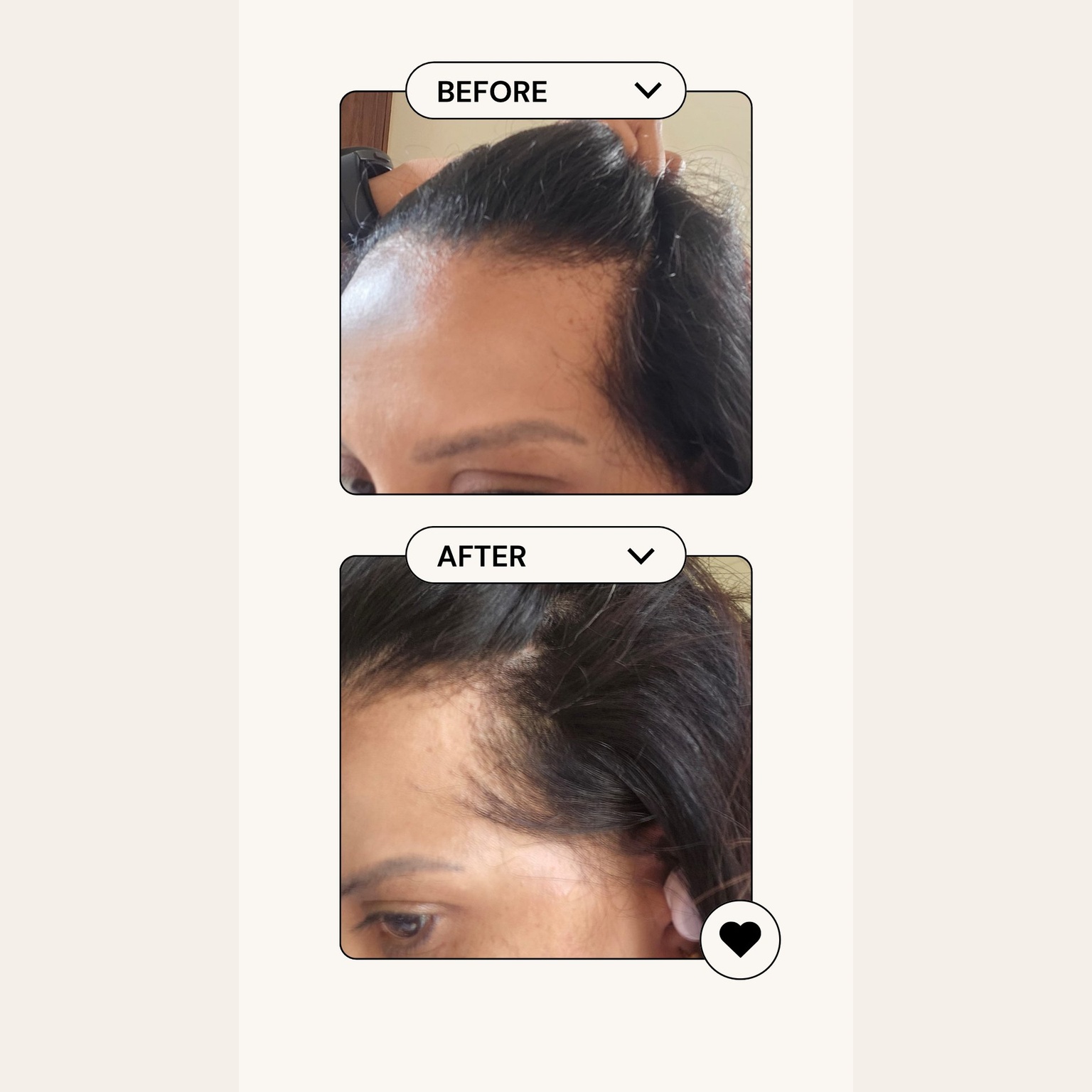
So now you are here after my post about how I treated receding hairline in a patient by treating bones and not focusing on the hair. Okay, so here is the protocol. Let’s begin from the basics.   Our Agni, or our digestive fire, is very powerful. Because of our lifestyle, because of our environment, food, stress, sleep, etc., and also because of our genetic predisposition, and because of the prakriti we are born into, like Vata, Pitta, or Kapha, your Agni is subjected to constant changes. Sometimes it could be over the top, sometimes it could be too low, sometimes it can be imbalanced. That is where disease happens. This is the basic principle.   Now, in our body, how do our hair, skin, nails, bones, muscles, bone marrow, and all of these tissue systems get nourished? How are these tissue systems able to perform at their maximum function? By the food you eat when it is acted upon by good Agni, or Sama Agni, or balanced Agni. That is when nourishment happens. So when we talk about root cause treatment, this is what is meant by root cause treatment. And if you want to treat hair, you have to treat the bones.   How do you treat the bones? By fixing digestion.   A lot of people may think, “Okay, Dr. Rekha is saying fix the bone health of the patient by giving bone supplements or calcium supplements.” But that is not true because that is not root cause treatment. You have a problem, you supplement it. That is not root cause treatment. That is supplementation. We are not supplementing.   So if you are here trying to read this blog thinking I am going to tell you foods that improve bone health or give you random remedies about improving calcium levels, I can say eat eggs, eat sesame seeds, eat spinach, this will improve calcium. But it doesn’t make any difference because that is not root cause treatment.   The root cause is your Agni, your digestive fire, or your gut health is not working properly.   Now how do you improve gut health? By making sure of the following. This has to be a 3-part protocol: Food Routines Herbal formulations Number three is basically individualized, so the herbs are 100% given according to a particular patient. So let’s not talk too much about the herbs because it is very difficult to generalize them.   Now we will talk about everything other than the herbs. The two parts are routines and food. Food we have talked about in multiple posts before, so let’s mainly talk about the routines here because this is something you can start doing as soon as possible.   Now, if you want to grow hair, you first have to understand that this is not going to be a short-term thing. It is a long game. Give yourself six months. The patient in the picture has made so much effort, and we worked together continuously every single day for 60 days to achieve the results that you saw. But it was also aided by herbs. So don’t compare that result directly with your situation if you are trying to do this without the help of medicines.   Let’s focus on the routine part. Six months. You have to give yourself that time. Now what are the things that you have to do? Number one thing: reduce salt consumption from day one. Salt is not good for hair growth.   Second thing, and this is one of the most important things, just like how externally your skin needs sunscreen, your hair also needs sun protection. At least cover your head with a scarf or a cap if you are really working on taking care of your hair.   Do some activity, sports activity, or sweat at least three times a week.   Once a week, use hair oil and do an elaborate hair oiling routine with warm oil. If you live in India or have an India address, you can talk to my team (WhatsApp number given at the end of the post to get my heirloom Hair Oil). You can either warm it between your palms or put the oil in a bowl, warm it, and then apply it.   Next comes the most important part, which is the scrubbing. In my clinic, we make a scrub. You can use a hair scrub and massage it very well on the scalp for about 10 minutes. This massage should be done with medium pressure, and this part is very important. It improves the health of the follicles. It improves blood circulation also. When you scrub, it creates micro-lesions on the scalp which can stimulate collagen production. But you should do this scrubbing only once or twice a week. Maximum twice a week. After you scrub very well, you can use an anti-hair fall shampoo to wash the hair. Now this has to be repeated every week. And the scrubbing is where the magic lies. Don’t skip that part.   Now, other routines that you should follow are these: If you go out and sweat, make sure that you wash your scalp. If there is dirt, dandruff, or sweat on your scalp, your hair is not going to grow to its optimal potential. You have to make sure your scalp is extremely clean. There are no fixed wash days for how often you should wash your hair. You should wash it when you feel your scalp is dirty. If the scalp is just oily, you can use a dry shampoo and manage without washing. But if you have sweat, dirt, or dandruff on your scalp, don’t delay wash days. Wash your scalp. Because that is fundamental and basic.   Also, completely avoid tying your hair into a tight bun. Don’t tie your hair tightly at all because that can contribute to a receding hairline. Always keep your hair loose whenever possible.   And don’t leave… Continue reading How I Treat Receding Hairline with Ayurveda

Avoid Viruddha Ahara: Ayurveda’s Guide to Smart Eating

In today’s fast-paced world where trendy diets and quick-fix meals dominate our plates, Viruddha Ahara silently undermines your digestive health and overall vitality by creating toxins known as Ama that clog your body’s natural channels and lead to chronic fatigue, bloating, and even inflammation.   Many health enthusiasts meticulously track calories but completely overlook the Ayurvedic concept of Viruddha Ahara, which refers to incompatible food combinations that directly oppose the body’s innate physiological processes, generating undigested residues that disrupt Agni or digestive fire and pave the way for long-term imbalances.   Ayurveda, with its profound wisdom spanning thousands of years, meticulously classifies viruddha ahara into 18 distinct categories to empower you with precise knowledge, allowing you to transform everyday meals from potential health hazards into powerful sources of nourishment and sustained energy.   At the heart of Ayurvedic nutrition lies a holistic framework that evaluates every food through its Rasa (taste), Guna (qualities), Virya (potency), Vipaka (post-digestive effect), and Prabhava (unique action), and it is precisely when these elements clash that Viruddha Ahara emerges, weakening your Agni responsible for breaking down nutrients, eliminating toxins, and maintaining balance.     Understanding Hrid and Samyoga Viruddha Ahara in Depth     Hrid Viruddha Ahara, one of the most subtle yet impactful types, targets the heart and mind directly, occurring when you compel yourself to consume foods you genuinely dislike or find distressing despite their apparent nutritional value, as this mental aversion creates an emotional block that severely hampers the digestive process and prevents nutrient assimilation.   Ayurveda recognizes that true nourishment extends beyond the physical health to delight the senses and align with your cultural and personal preferences, so always prioritize enjoyable, familiar options that bring joy to your meals.   Samyoga Viruddha Ahara arises from incompatible pairings where opposing qualities collide, such as combining sour strawberries or blueberries with traditional cow’s milk, which causes the milk to curdle and ferment in the gut, producing discomfort, gas, and Ama that burden your system over time.   While plant-based alternatives like almond, oat, or soy milk may sidestep this incompatibility since they lack the exact properties of animal milk, individual tolerance plays a crucial role, so monitor for signs like bloating, heaviness, acidity, or post-meal fatigue to ensure they truly serve your unique digestive strength.   Matra Viruddha Ahara involves incorrect quantities where balanced proportions turn harmful, like consuming honey and ghee in equal weights, as the dry, scraping nature of honey directly contradicts the oily, nourishing essence of ghee, interfering with Agni at a metabolic level and gradually accumulating Ama.     Potency and Taste Conflicts: Virya and Rasa Viruddha Ahara Explained     Virya Viruddha Ahara manifests when foods of opposing potencies, hot versus cold, are mixed, such as pairing ushna (hot) fish with sheeta (cold) milk, which causes Gara Visha Ama that Ayurveda warns against due to its slow but insidious effects, much like serving biryani alongside cooling raita, a common pitfall that disrupts digestive harmony.   Rasa Viruddha Ahara occurs through clashing tastes, where a pungent item following something sweet creates disharmony in the gut.     Mastering Time, Place, and Habit: Kala, Desa, Satmya, and Koshta Viruddha Ahara     Kala Viruddha Ahara amplifies seasonal traits harmfully, like indulging in ice-cold drinks during Hemanta Ritu (winter) when your inner fire seeks warmth, or overloading on spicy hot-potency foods in Grishma (summer) when cooling is essential; instead, embrace Ritucharya principles such as tender coconut water for summer hydration or nourishing warm broths in winter to align your diet with nature’s rhythms.   Desa viruddha ahara disregards your geographical environment, where excessively dry foods exacerbate Vata in Jangala (arid) regions, calling instead for warming choices, while in Anupa (marshy) areas, heavy moist foods magnify kapha and suppress Agni, making light, warm, mildly drying options the wiser path.   Satmya Viruddha Ahara violates long-honed habits, as when someone accustomed to mild flavors suddenly consumes highly spicy or oily dishes, disturbing agni causing imbalance.   Koshta Viruddha Ahara mismatches your bowel constitution from mridu (soft, pitta-dominant), madhyama (moderate), or krura (hard, vata-dominant) such as giving mild purgatives to krura koshta constipation or strong ones to mridu looseness, even everyday barbecues can bind krura types further, underscoring the need for personalized food choices.     Sequencing and Etiquette: Krama, Parihara, and Vidhi Viruddha Ahara   Krama viruddha ahara stems from poor timing relative to your body’s state, like eating before true hunger arises, without prior bowel clearance, or overindulging right after extreme fasting, all of which throw digestive rhythms into disarray.   Parihara viruddha ahara involves contraindicated sequences, such as cold substances after ghee that counteract its lubricating benefits or hot items post-pork that undo calming effects, so always choose pre- and post-meal supports that enhance rather than oppose the main course.   Vidhi viruddha ahara breaks foundational eating rules, including distracted consumption while scrolling phones, slouched postures, or feasting in open, unsettled spaces, all of which scatter prana and weaken Agni, opt for calm, mindful meals instead.     The Pitfalls of Processing: Samskara, Paka, and Sampat Viruddha Ahara     Samskara viruddha ahara alters foods through flawed methods, like roasting meat on a castor spit or heating honey, both transforming wholesome items into subtly poisonous ones, though simple ingredient swaps only qualify if they produce verifiable harm.   Paka viruddha ahara results from improper cooking, undercooked, overcooked, or burnt rice, for instance failing the heat transformation needed for safe digestion, so master even cooking for optimal outcomes.   Sampat viruddha ahara lacks inherent excellence in taste, color, aroma, or qualities, rendering faded or subpar produce nutritionally deficient; always select fresh items for vitality.     Navigating Vegetables: Beyond Viruddha Ahara for Gut     Common cucumbers, despite high water content, prove heavy, cold, and bloating (adhmana-kara) per trapusa descriptions, with desi varieties accumulating bitter cucurbitacin that burdens digestion further, while rarer ripe wild types actually relieve distension.   Ripe orange pumpkins excel as easy-to-digest appetite kindlers and heart supporters despite… Continue reading Avoid Viruddha Ahara: Ayurveda’s Guide to Smart Eating

Alopecia Areata – Causes and Treatment

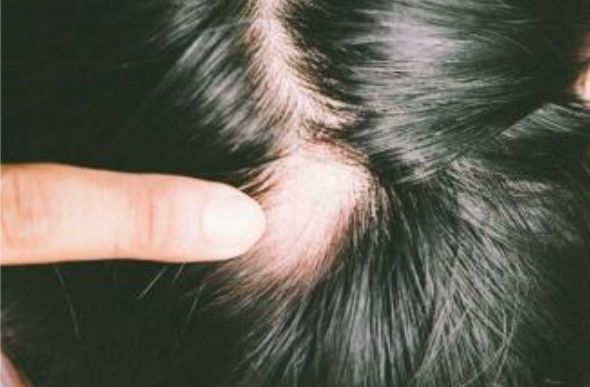
Alopecia Areata is a condition where hair falls out in small patches, leaving bald spots on the scalp.  In Ayurveda, this condition is called ‘Indralupta’ and is said to result from the imbalance in our Doshas. Ayurveda approaches this by addressing the root causes rather than just symptoms, aiming for lasting results.   What is Alopecia Areata?     Alopecia Areata is an autoimmune disease that causes hair loss on the scalp and, in some cases, other areas of the body. This is different from regular hair fall as you lose your hair in patches.    The Causes   According to Ayurveda, diseases are usually the result of an imbalance in Doshas. Here are some underlying causes of Alopecia Areata: Pitta accumulation affecting hair follicles Obstruction of hair roots due to Kapha & Rakta (blood tissue) imbalance restricting growth of hair Over consumption of inflammatory foods, salty foods, and alkaline foods (e.g., apple cider vinegar); consequently, this can lead to various health issues. Stress Long unaddressed impaired digestion Krimi (parasites)     Ayurvedic Treatment for Alopecia Areata     Alopecia is an autoimmune disease that falls under ‘Kshudra Roga’ in Ayurveda. Kshudra Roga are diseases that not only affect the patient physically,  but also lower their self esteem and affect their mental health.  Therefore, while treating the condition, we give the treatment not only on a physical level, but also on an emotional and spiritual level.   Diagnosing and correcting the root causes   Ayurveda emphasises diagnosing and addressing the root cause of the issue rather than just treating symptoms.  This is done through dietary and lifestyle corrections, therapies and herbal medicines (if required). Personalised diet Ayurveda considers poor gut health as the root cause of all diseases.  So, the first step of treatment starts with recommending an Ayurvedic diet plan that aligns with the Prakriti or body type, Dosha imbalances and health conditions of the patient.  Daily routine (Dinacharya) Following a daily routine brings consistency and discipline into your life. Also, this consistency in meal times and exercise will have a positive impact on your life.  Herbal medicines Mild herbal medicines are also administered to the patient.      Ayurvedic cleansing therapies     Cleansing therapies like Panchakarma help remove toxins or Ama from the body – the accumulation of which can clog the channels and restrict hair growth.  These therapies not only help cleanse the body, but also the mind.    Haircare Routines The doctor recommends specific routines to the patient based on the vitiation of Dosha and Dhatu (tissues).   Nasya: Administration of medicated oil  into the nasal passage.     Shiropichu: This is a process in which medicated cotton pads dipped in oil  are applied to the scalp to strengthen the hair follicles and restore balance.   Haircare products: Using  hair oil, hair scrub and anti hairfall shampoo twice a week can also help.   Duration of Recovery    On average, Ayurvedic treatment to regain lost hair takes anywhere between 4 to 6 months. Moreover, there is a 95% no recurrence. Alopecia Areata can be challenging, but Ayurveda offers  treatment for the condition using natural ways and barely any side effects.    If you are struggling with any health issues, you can either book a consultation with us or send us a message via WhatsApp to +91 79074 89839. We have the best Ayurvedic doctors in Trivandrum who are always glad to help you. If you have any queries, contact us.  You can also visit us at our hospital.

Pancreas’ Health Tips in Ayurveda

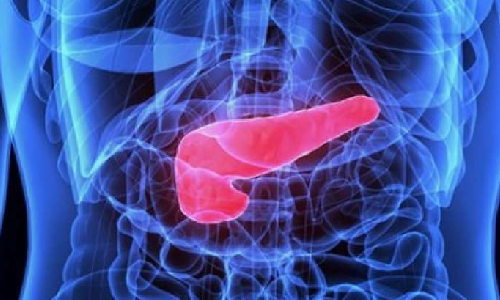
The pancreas is called a mixed gland due to its dual role as a digestive organ and an endocrine organ. Located in the abdomen, this incredible organ has two main responsibilities. It produces enzymes that aid digestion and also, insulin, the hormone that controls your sugar levels. That’s why the health of your pancreas is important.    In Ayurveda, the pancreas is called Agnashaya/Grahani or the seat of Agni (digestive fire). Therefore, it is important to keep your Agni balanced for a healthy pancreas. And this can be achieved through the right diet, herbs and lifestyle practices.     In this blog, let us delve into some of the Ayurvedic tips that can help keep your pancreas healthy.       Know the Pancreas   Out of the three Doshas (biophysical energies), Pitta Dosha that is responsible for digestion and metabolic functions of the body, is mainly associated with the pancreas.     An imbalance of Agni or Doshas can affect the health of your pancreas and in turn, your overall health.       Ayurvedic Diet for Pancreas Health    Ayurveda not only considers food as a source of energy but also as medicine. As an Ayurvedic doctor, I follow this principle in my treatment. 80% of my treatment primarily involves dietary corrections and only the remaining 20% involves medicines.     The right diet can have a profound impact on your overall health. And the same works for maintaining the health of the pancreas. To keep your pancreas healthy, have Pitta-balancing and Agni-boosting foods in your diet.       Fresh fruits and vegetables   Have lots of seasonal vegetables and fruits. Leafy greens, bitter gourd and cucumbers are all great for balancing Pitta Dosha and the health of your pancreas.     Whole Grains   Have barley, quinoa and amaranth. These whole grains are soft, do not increase your blood sugar levels and are light to digest.     Healthy Fats   Include healthy fats, like ghee in your diet. Ghee is one of Ayurveda’s favourites, thanks to its health benefits. It aids digestion and helps balance Pitta Dosha.      Spices   Add spices like turmeric, cumin and fennel in your cooking. They are all great for digestion; furthermore, they are anti-inflammatory in nature.     These foods are all generally great for your pancreas health. But that does not mean they may be suitable for you. What’s most important is to know if they align with your Prakriti (body type), Dosha imbalances and health conditions. And the best way to know that is to consult a qualified Ayurvedic doctor.       Herbs for the Health of the Pancreas    In Ayurveda, dietary and lifestyle corrections are the most important factors when it comes to maintaining good health. The next factor is Ayurvedic herbs.     The Samhitas or Ayurvedic texts mention of countless herbs that help treat various health conditions and are good for your overall health. There are even many on the list that help nourish the pancreas and maintain its functions by boosting your Agni, reducing inflammation and keeping your blood sugar levels in check.     Turmeric    Turmeric is known to have amazing medicinal properties. Its anti-inflammatory nature is, therefore, great for reducing inflammation and, insulin resistance.      Guduchi    Guduchi is another amazing Ayurvedic herb with many medicinal benefits. It balanced the Tridoshas, which is important to keep your pancreas healthy.    Bitter Melon    The anti-inflammatory properties of bitter melon or bitter gourd help lower your blood sugar levels and thereby, help manage your pancreatic health.      Amla    Packed with antioxidants, Amla or Indian gooseberry has beneficial effects on your pancreas and the liver.     Triphala    Triphala  – the Ayurvedic formulation made of three fruits, Amlaki, Haritaki and Bibhitaki is great for digestion and detoxification.     I, however, do not recommend Triphala for internal use on a regular basis. Triphala is a medicine. If at all you choose to take it internally, it has to be taken with the right vehicle, in the right season in the right quantity under a doctor’s supervision.   Watch this video for more insight into Triphala:      Ayurvedic Lifestyle for Pancreas Health    A balanced lifestyle is another factor that helps keep your pancreas healthy. Ayurveda insists on following Dinacharya or daily routine and Ritucharya or seasonal routine. It brings about a discipline in life which can have a positive impact on your pancreatic health as well as your mental health.     Want to learn more about Dinacharya? Then download my ebook here (it’s absolutely free)!    Stress is often related to mental health. But the truth is it can mess up your physical health too. The following lifestyle practices help manage your stress levels, while also boosting the efficiency of the different functions of the body.     Yoga and Pranayama    Doing Yoga and Pranayama helps lower your stress, while also improving circulation and stimulating your digestive tract – all of which are much needed for your pancreas.     Paschimottanasana, Ardha Matsyendrasana and Dhanurasana are some of the Yoga poses that help stimulate your pancreas. These poses are also great for the functioning of your digestive system.      Also, breathing exercises like Kapalbhati and Anulom Vilom help reduce your stress levels and boost the functioning of your pancreas.     Meditation    Meditation is another great way to lower your stress and keep a calm mind. Meditate for 5 to 10 minutes on a daily basis and see the difference it can bring about on your overall health.      Mindfulness    Be mindful of everything you do.  It helps you stay aware of your actions; furthermore, it allows you to have better control of your life.    Adequate Sleep    Ayurveda has three pillars of health and sleep is one of them. Having quality sleep is crucial for your overall health and to manage your blood sugar levels.     Our… Continue reading Pancreas’ Health Tips in Ayurveda