Medicinal Plants in Ayurveda for Balancing Kapha Dosha

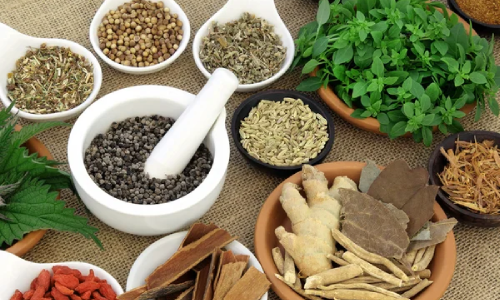
Kapha Dosha is responsible for giving structure and lubrication to the body. When balanced, Kapha gives us strength, protects against diseases and keeps us calm. But if it’s out of balance, it can cause weight gain, congestion and tiredness. My treatment for Dosha imbalances majorly involves dietary and lifestyle correction. And if necessary, It includes medicines in the treatment that aligns with the patients’ Prakriti (body type), Dosha imbalances and health conditions. The medicines are made in my unit using Ayurvedic medicinal Plants through traditional methods as mentioned in ancient Ayurvedic texts or Samhitas.    The Ayurvedic texts have mentions of an array of medicinal plants that help balance your Doshas. In this blog, let us discuss the top herbs that help balance Kapha Dosha.      5 Potent Medicinal Plants to Balance Kapha Dosha     These are some of the top medicinal plants that can help balance your Kapha Dosha:   Turmeric     Turmeric or Haridra is a bright yellow spice that comes from the dried rhizome of a plant in the ginger family. It’s a superstar in Ayurveda, known for its many healing properties. The herb is particularly effective in balancing Kapha Dosha. Its warming, dry and light qualities counteract Kapha’s heavy and moist nature.   Benefits   Anti-inflammatory Properties: One of the most amazing things about turmeric is its curcumin content. This compound helps reduce inflammation, which is great for managing Kapha.    Digestion: Turmeric supports the digestive fire or Agni, aiding digestion and metabolism. This is especially helpful for people with Kapha body types, who often struggle with slow digestion.    Detoxification: Another fantastic benefit of turmeric is its ability to support liver function and eliminate toxins (Ama) from the body. I often feel lighter and more energized when I regularly include turmeric in my diet.   How to Use   Turmeric is a staple ingredient in almost all Indian dishes. So, I would say it is the best way to incorporate turmeric into your routine.   You can add it as an ingredient to curries and soups or use its powder to make tea. Also, you can combine it with warm milk to make turmeric milk, which is great for coughs and colds, getting a good sleep and alleviating period cramps.   If you prefer, you can take turmeric supplements, but it’s always a good idea to consult with an Ayurvedic doctor first.    Ginger     Ginger, known as Shunti in Sanskrit, is a versatile herbal option to balance your Kapha Dosha. It has warming and stimulating properties that help in energizing the body and fighting off problems associated with Kapha, such as feeling “sluggish” or “congested.”   Benefits   Digestive Health: Works as a good appetizer and helps to improve digestion by enhancing the Agni. This reduces the accumulation of Ama as well as ensures that the food gets digested properly.   Respiratory Health: Works as an expectorant and helps remove mucus from the respiratory tract. This not only helps in relieving congestion but also makes breathing easier.   Weight Control: The herbs are able to enhance metabolism and help in weight reduction. It can prove to be especially effective if there is a Kapha vitiation in the individual’s body.   How to Use   Ginger can be used as an ingredient in cooking. You can also add it to teas, juices, smoothies, or can even be used as a spice in cooking. Ginger supplements are another option. But it is safe to consult an Ayurvedic doctor before trying them out.   Trikatu       Trikatu is a blend of three powerful spices: black pepper, long pepper (Pippali) and dry ginger. The strong heating and stimulating properties of this combination is great for balancing Kapha Dosha.   Benefits   Metabolic Booster: Trikatu helps enhance your metabolism and boosts your Agni, which helps your body process food more efficiently.   Detoxification: It helps your body get rid of Ama, reducing the risk of Kapha-related issues.   Respiratory Health: Trikatu is also good for clearing respiratory congestion and improving lung function.   How to Use   You can take Trikatu powder with honey or warm water. It’s also available in tablet form. As always, it’s best to consult with an Ayurvedic doctor before starting any new supplement.   Tulsi     Tulsi or Holy Basil is an important herb used in Ayurveda due to its numerous health benefits. It has the added advantage of helping to decrease Kapha Dosha due to its light, dry, and warm nature.   Benefits   Respiratory Support: Tulsi has a good effect on the respiratory passage and thins the mucus therefore; it is of great value in the case of Kapha respiratory disorders.   Stress Relief: It is an adaptogenic agent since it can help the body deal with stress to the point of sharpening your mind.   Immune Support: Tulsi also helps to strengthen the body’s defense and increases the body’s capability to fight diseases and infections.   How to Use   Tulsi can be consumed raw or the leaves may be boiled to prepare a tea or it can be used as a seasoning while preparing a particular dish. Tulsi capsules/tinctures are also available for those who do not want to consume leaves or Tulsi powder.   Also Read: Health Benefits of Tulsi   Cinnamon     Cinnamon or Twak in Sanskrit is a warm spice that helps in moderating Kapha Dosha. Due to its Pungent and hot like qualities, it can be used to balance excess Kapha Dosha.   Benefits   Blood Sugar Regulation: Cinnamon has a healing effect on blood sugar. Since blood sugar level is a major determinant of metabolism and weight, cinnamon is of great help.   Improved Circulation: It stimulates blood flow which combats Kapha’s tendency to cause lethargy.   Digestive Aid: Cinnamon helps in digestion and aids in getting rid of digestive problems like bloating and indigestion.   How to Use   Cinnamon is best added to teas,… Continue reading Medicinal Plants in Ayurveda for Balancing Kapha Dosha

Shankhupushpi: The Brain Tonic for Cognitive Enhancement

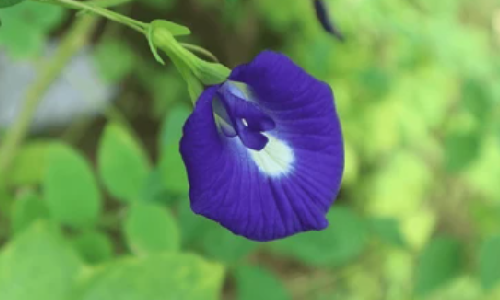
Shankhupushpi, scientifically known as Convolvulus pluricaulis, is considered as a brain herb in Ayurveda. It’s revered mainly due to its capacity of boosting cognitive functions, enhancing memory and lowering stress levels. In the ancient texts of Ayurveda, Shankhapushpi is described as a Medhya Rasayana – a rejuvenator of the mind. In this blog, let us delve into the details of how Shankhapushpi is beneficial for the brain.    Shankhupushpi Benefits for Brain   In today’s fast-paced world, cognitive health is more important than ever. Shankhapushpi is a great natural solution to enhance mental clarity, concentration and overall brain performance.   Enhances Memory and Learning   Shankhupushpi is renowned not only for its ability to boost memory but also, for its learning capabilities. It’s great for boosting focus and memory, making it a fantastic herb for both students and professionals.   Reduces Stress and Anxiety   Stress and anxiety can take a toll on cognitive functions. Shankhupushpi is an amazing natural adaptogen that supports the body in handling stress and reducing anxiety levels. It works to soothe the mind and cultivate a sense of tranquillity within.   Improves Cognitive Function   Regular consumption of Shankhupushpi can enhance overall cognitive function. It assists not only in making better decisions and solving problems, but also, in boosting creativity.   Shankhupushpi for Adults   Adults often face cognitive decline due to various factors such as stress, ageing and lifestyle choices. Shankhupushpi for adults can be a game-changer, offering a natural way to boost brain health.   Combats Age-Related Cognitive Decline   As we age, our cognitive functions tend to decline. Shankhupushpi helps in slowing down this process, keeping the brain sharp and active.   Enhances Focus and Attention   For adults juggling multiple responsibilities, maintaining focus and attention can be challenging. Shankhupushpi enhances these cognitive abilities, making daily tasks easier to manage.   Supports Emotional Well-being   Emotional health is crucial for cognitive function. Moreover, Shankhupushpi supports emotional well-being, helping to maintain a positive outlook and reduces the risk of depression.   Learn one more benefit of Shankhpushpi in this video: Forms of Shankhupushpi   Shankhupushpi is available in various forms, each with its unique benefits and usage.   Shankhupushpi Tonic   Tonic is a popular form, especially for those who prefer liquid supplements. It is easy to consume and also, quickly absorbed by the body, providing rapid benefits.   Shankhapushpi Powder   Shankhapushpi powder is another versatile form. It can be mixed with either water or milk or any beverage of choice. Its  benefits include improved digestion, better absorption and ease of use.   Shankhupushpi Tablets   For those who prefer convenience, Shankhupushpi tablets are an excellent option. They’re easy to carry and can be eaten while you’re on the move, so you can make sure you’re getting enough of this powerful herb every day.   Remember, it is always better to consult a qualified Ayurvedic doctor before taking Shankhapushpi in any form.      How to Use Shankhapushpi?     Incorporating Shankhapushpi into your daily routine is simple and can be done in various ways.   Dosage   The recommended dosage of Shankhapushpi varies based on age, health condition, and form of the herb. Generally, 1-2 teaspoons of Shankhapushpi powder or 2-4 tablespoons of Shankhapushpi tonic daily is sufficient. But, it’s better toseek the help of an Ayurvedic doctor to know the right dosage suitable for you.    Best Time to Consume   For optimal benefits, consume Shankhapushpi in the morning on an empty stomach. This allows for better absorption and ensures that the herb starts working right away to boost your cognitive functions.   Combining with Other Herbs   Shankhapushpi can be combined with other Ayurvedic herbs for enhanced benefits. For instance, combining it with Brahmi can further boost memory and cognitive functions. Always consult with an Ayurvedic practitioner before combining herbs.   The Science Behind Shankhapushpi   Modern science has started to validate the traditional uses of Shankhapushpi. Studies have shown that Shankhapushpi contains alkaloids, flavonoids and other compounds that contribute to its cognitive-enhancing properties.   Neuroprotective Effects   Research indicates that Shankhupushpi has neuroprotective effects, helping to protect the brain from damage caused by free radicals and oxidative stress. This makes it an excellent herb for long-term brain health.   Anti-Anxiety and Antidepressant Properties   Studies have also highlighted Shankhupushpi’s anti-anxiety and antidepressant properties. By modulating neurotransmitter levels, Shankhupushpi helps in reducing anxiety and promoting a sense of well-being.   Ayurvedic Perspective on Cognitive Health   According to Ayurveda, cognitive health is closely linked to the balance of Doshas and the state of our Agni or digestive fire. An imbalance in Vata, Pitta or Kapha Doshas can lead to cognitive issues, such as memory loss, anxiety, and lack of focus. Shankhapushpi helps in balancing these Doshas, promoting overall cognitive health.   Dietary and Lifestyle Tips for Cognitive Enhancement   In addition to taking Shankhapushpi, following a balanced diet and healthy lifestyle can further enhance your cognitive functions.   Having a Balanced Diet   Consume a diet rich in fresh fruits, vegetables, whole grains, and healthy fats. Foods that are easy to digest help maintain a healthy Agni and prevent the build up of Ama (toxins). Also, your diet should align with your Prakriti (body type), Dosha imbalances and health conditions. You can approach an Ayurvedic doctor to help you with your diet.    Yoga and Meditation   Regular practice of yoga and meditation helps in reducing stress, improving focus and enhancing overall mental well-being.   Enough Sound Sleep   Sleep is essential for cognitive health. Aim for 7-8 hours of quality sleep each night to allow your brain to rest and rejuvenate. Shankhupushpi is an amazing herb that has lots of benefits for your brain health. If you want to boost your memory, lower stress or make your brain work better. It is a great thing to add to your everyday schedule. As an Ayurvedic doctor, I really suggest trying Shankhupushpi to see how it can change your… Continue reading Shankhupushpi: The Brain Tonic for Cognitive Enhancement

Kushta Uses in Ayurveda

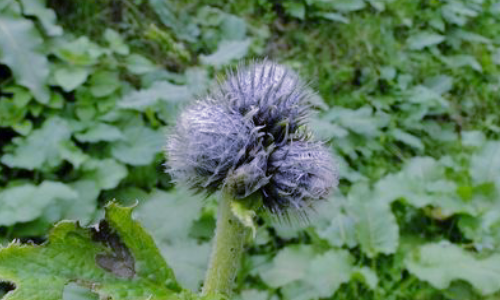
Do you know that almost 30% of the world’s population has respiratory problems and almost 40% has skin issues once in a lifetime? Kushta offers natural remedies to those everyday issues and makes it possible to live a balanced, harmonious life. Kushta or Saussurea lappa is a potent herb that is used in Ayurveda to treat a variety of health conditions. It is a traditionally well-known drug for skin diseases, bronchial asthma, diarrhoea, haemorrhages and other related problems. The plant is generally tall and robust with purple or blue flowers. It grows well in the cold regions of India, China, and Pakistan; furthermore, it thrives in these climates due to their unique conditions.     What is Kushta?   Kushta is a botanical herbaceous plant. Found in the high altitude of the Himalayas, it is a perennial herb and is chiefly used as a medicine in Ayurveda. The uses are listed in Ayurvedic texts numerous times. Charaka Samhita and Sushruta Samhita –  two of the well-known texts of  Ayurveda emphasises on the usages of the herb as a medicine, especially in jirna jwara and other diseases. It helps balance Doshas and enhance Agni (digestive fire). It also helps in eliminating Ama (toxins) from the body, contributing to better digestion and detoxification.     Benefits for Skin Health   Kushta is highly beneficial for skin because of its soothing, anti-inflammatory, antibacterial and antimicrobial properties. Anti-inflammatory Properties:  Reduces redness on the skin by making it healthy and hence fights conditions like Psoriasis and Eczema.   Antimicrobial Effects:  It has the characteristic to fight the infections; consequently, this helps in keeping the skin clean and healthy.   Wound Healing: It also has healing properties and quickly cures wounds, cuts, burns and injuries.   Detoxification:  It  aids in providing healthy glow to the skin through internal cleansing. Furthermore, it does so through internal cleansing.  Due to its purifying properties, it purifies the blood and flushes the toxins out.     Benefits for Respiratory Health   This herb is, therefore, considered highly beneficial in improving respiratory health as well.  It acts as an expectorant, bronchodilator and anti-asthmatic agent. Expectorant Action: It is helpful in loosening and getting rid of mucus  which makes it easy to breathe.       Bronchodilator:  It widens the lumen of bronchi which makes the passage of air quite easy. Mainly, it results in the relaxation of the bronchial muscles; consequently, this leads to improved airflow.   Anti- asthmatic: It has been used traditionally in the prevention of asthma. It helps in reducing the  frequency of the attacks.        For cough and sore throat:  It has a soothing effect; therefore, it is helpful in getting relief from cough and sore throat.     How to Use Kushta?     It is used in various forms, depending on the condition being treated; furthermore, it may vary based on patient needs.  Here are some common methods: Kushta Powder: The powdered root can be mixed with honey or water and consumed to treat respiratory issues.   Kushta Oil:  Applying this oil topically helps treat skin conditions and promote wound healing.   Kushta Chatni: Kushta Chatni helps derive the maximum amount of nutrients from your meal.   Kustha Decoction: A decoction made from its root, in fact, is great for detoxifying; moreover, it also provides respiratory benefits.     Ayurvedic Recipes Using Kushta     Here are some simple Ayurvedic recipes using Kustha that you can try at home for your health: Kushta Honey Mix for Cough: Mix 1 teaspoon of Kushta powder with 1 tablespoon of honey. Take this mixture twice a day to reduce cough and respiratory congestion.   Kushta Oil for Skin Health: Mix a few drops of Kushta oil with coconut oil and apply it to the affected skin areas to reduce inflammation and increase skin glow.   Kushta Tea for Detoxification: Boil 1 teaspoon of Kushta root in 2 cups of water for 10 minutes. Strain and drink this tea daily to get toxins out of the body and boost overall health.   Modern Research on Kushta   Modern research, therefore, supports many of the traditional uses of Kushta.   Here are some of its proven benefits in treating various conditions: Anti-Inflammatory Effects: Researches prove Kushta’s significant anti-inflammatory properties, supporting its traditional use in treating inflammatory skin conditions.    Antimicrobial Properties: Studies have demonstrated Kushta’s ability to fight a range of microbial infections, including those affecting the skin and respiratory system.    Respiratory Benefits: Research supports the use of Kustha in managing asthma and other respiratory conditions, highlighting its bronchodilator and expectorant effects.     Integrating Kushta into Daily Life     Incorporating it into your daily routine can be a natural and effective way to boost skin and respiratory health. Here are some tips: Daily Herbal Tea: Start your day with a cup of Kushta tea to support digestion and detoxification.   Topical Applications: Use Kushta-infused oils or creams for skin care, especially if you have sensitive skin or skin issues.   Dietary Supplements: Consider taking Kushta supplements, available in capsule or powder form, to support respiratory health, particularly during cold and flu season.     Precautions and Side Effects     While Kushta is generally safe, it is important to use it appropriately and consult a qualified Ayurvedic doctor before starting any new treatment, especially if you have underlying health conditions or are pregnant. Dosage: Take only as much dosage as recommended by the doctor to avoid any potential side effects.   Allergies: Conduct a patch test before using Kushta topically to ensure you do not have an allergic reaction.   Also read: 7 Reasons Why You Get Skin Diseases     This is an extraordinary herb with its proven benefits for skin and respiratory health. Ayurveda recommends integrating Kushta  into your wellness regimen to  provide you access to health benefits that have been tried, tested and proven beneficial for over a thousand years. But, make sure to consult a qualified doctor before starting to use it.     If… Continue reading Kushta Uses in Ayurveda

Dhanyaka (Coriander)’s Medicinal Properties

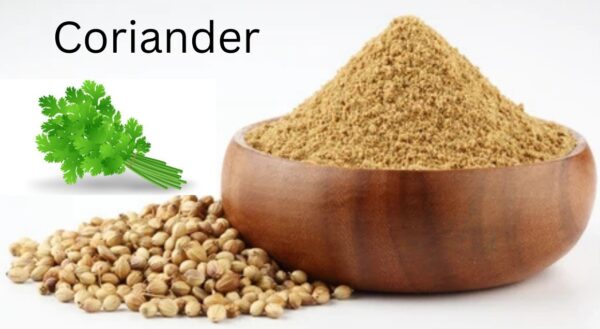
Coriander seeds and leaves have played a vital role in Indian cuisine for many years. The herb’s scientific name is Coriandrum Sativum Linn, but it is also known as Dhanyaka or Dhanya, translated as ‘the rich one.’ Its earthy and rejuvenating taste is well recognized, and it also provides several health benefits.  Let’s thoroughly analyze the various benefits of this uncomplicated plant.   What is the composition of Dhanyaka?   Dhanyaka’s leaves and seeds are rich in Vitamin K. Vitamin K plays a role in maintaining the health of your blood and also your bones. The herb not only contains a high amount of Vitamin A, which aids in improving eye function, but also maintaining moisture and preserving vision. It also contains Vitamin C, which is beneficial for your health.. Some of its benefits are: Strengthen your body’s ability to fight off sickness. Improve how white blood cells work. Enhance the body’s ability to absorb iron. Heal cuts and scrapes faster. Produce more collagen protein to make skin healthier and more stretchy. The human body contains numerous free radicals, which are loose oxygen molecules. They cause significant damage to the cells and increase the risk of developing severe illnesses such as cancer. Dhanyaka contains numerous antioxidants that help the body combat and eliminate free radicals. It prevents blood from clotting and reduces the risk of artery blockages. This is why the herb is essential in Ayurvedic medicine: to reduce the chance of heart problems and support heart function. The nutrients found in its seeds aid in maintaining clear blood vessels and preventing them from becoming hardened. Dhanyaka can assist in reducing high blood pressure by eliminating excess salt from the body. It contains essential minerals such as iron, folate, and potassium, as well as beneficial oils like geraniol, linalool, terpene, and camphene. These factors contribute to the herb’s effectiveness in alleviating a variety of health issues, such as migraines, arthritis, discomfort, inflammation, anemia, and others.   Vital Phytoconstituent of Dhaynaka   Dhaynaka plants contain a high water content of 84%. Fruits contain oils, fats, and various other compounds. Coriander oil contains coriandrol, geraniol, and baborneol. Fresh leaves contain oil, coriandrol, oxalic acid and calcium. Leaves contain high amounts of vitamin C and carotene. Seeds contain fatty oil and essential oil at a rate of 19-21 percent. Linalool, a terpene alcohol present in Dhanyaka, has various healing applications, such as safeguarding the brain, alleviating pain and inhibiting seizures.   Benefits of Dhanyaka   Some of the medicinal benefits of the Dhanyaka plant are discussed below.     Helps in digestion   Digestion is the bodily mechanism through which food is broken down into smaller parts, allowing for the absorption and utilization of nutrients. Dhanyaka is considered an effective treatment for stomach issues and pitta imbalances in Ayurvedic medicine. The plant has properties that can alleviate stomach discomfort and have a soothing effect. It assists in enhancing digestion while preventing acid reflux.  Dhanyaka helps improve digestion and prevents the formation of toxins or Ama caused by undigested food. It aids in the body’s absorption and utilization of nutrients from food. It can also help in alleviating swelling, gas, stomach pain, constipation, diarrhea, bloating and other gastrointestinal issues.   Balances Doshas   When combined with other digestive herbs from Ayurveda, such as Indian Bael, Mochras, Saunth, Dhataki, etc. Dhanyaka is an ingredient in Bilwadi Churna, an Ayurvedic remedy that aims to restore balance to Vata, Pitta and Kapha in the body. As Ayurvedic doctors, we often recommend using herbal blends to maintain a healthy stomach and enhance digestion. However, make sure that you do not take any herbal medicines without proper guidance from a qualified Ayurvedic doctor.    Cleansing properties   The seeds of the Dhanyaka plant can enhance the urinary tract and prevent infections. Consuming Dhanyaka juice has benefits for both your internal and external health. It aids in the functioning of various organs within the body, purifies the blood, enhances the digestive process and reduces allergic reactions and irritations resulting from excess body heat. The leaves aid in the safe removal of harmful toxins such as lead, mercury, arsenic and other heavy metals from the body. When used topically, the juice improves skin health, eases allergies and irritations, reduces signs of aging, and gives skin a radiant glow.   Cleanses liver   Dhanyaka is a gentle spice that supports liver health and can stimulate appetite if liver function is compromised. When combined with certain herbs that are effective in promoting liver function, it also has the potential to aid in the elimination of kidney and gallstones.   Helps treat Rheumatoid Arthritis   According to AIIMS researchers, the herb is very successful in reducing Rheumatoid Arthritis. It aids the immune system, reduces inflammation in the joints, and hinders the production of chemicals that contribute to this issue. Another research study found that Dhanyaka decreased arthritis symptoms by supplying vitamins, minerals, antioxidants, and phytonutrients. Unlike other medications for the condition, Dhanyaka does not cause any adverse side effects.   Antianxiety and anticonvulsant Properties   Dhanyaka plant has the potential to alleviate anxiety and decrease blood pressure. In 2019, research conducted by the University of California analyzed the impact of Dhanyaka on the brain. When the herb is ingested, it interacts with specific potassium channels in the brain to decrease excessive cell activity and excitement, resulting in a calming effect. It is effective in mitigating severe seizures in patients and serves as a beneficial treatment for preventing convulsions.   Reduces cholesterol and sugar levels   Dhanyaka seeds have a significant impact on diabetes and cholesterol. Indeed, they help decrease inflammation and function as antioxidants, making them beneficial for individuals with diabetes. Dhanyaka can  also effectively reduce cholesterol levels.   Also read: Tulsi Cough Drops and Benefits     If you are struggling with any health issues, you can either book a consultation with us or send us a message via WhatsApp to +91 79074 89839. We have the best Ayurvedic doctors in Trivandrum who… Continue reading Dhanyaka (Coriander)’s Medicinal Properties

Health Benefits of Tulsi

Tulsi (also referred to as “Holy Basil”) is highly valued in Indian culture and Ayurvedic treatment. This holy plant, which is commonly seen in Indian homes, is admired for both its deep spiritual meaning. There are numerous health benefits of Tulsi are mentioned in Ayurveda. Tulsi has been used for generations to treat various conditions, from minor colds to long-term illnesses, due to its powerful medicinal properties. In Ayurveda, practitioners frequently refer to it as “the outstanding one,” highlighting its exceptional capacity to support complete health and balance the body’s systems.  Beyond its medicinal properties, Tulsi is a common ingredient in spiritual rituals that symbolizes peace and purity.  In this article, we explore the several ways Tulsi may improve the quality of life, including how it can strengthen immunity, reduce stress levels, promote respiratory health and more.     The Ayurvedic Significance  of Tulsi     In ayurveda, people consider tulsi a powerful antioxidant and a natural treatment for many problems.  As a Rasayana, this adaptive plant can support an individual’s development toward life and energy.  People have long used tulsi to support possible mental and physical health, increase stress tolerance, and strengthen the immune system.  Because of its numerous medicinal uses, it’s a mainstay of Ayurvedic medicine, where it is used to treat a wide range of conditions, from digestive problems to respiratory illnesses.  It also assists in maintaining & improving your overall health. By helping the body respond to different stimulations, Tulsi’s adaptogenic properties support harmony and balance in both the body and the mind.      Health Benefits of Tulsi     Here are the key health benefits of Tulsi:   Increases Resistance   The immune system-boosting properties of Tulsi are among its most well-known advantages. Being abundant in antioxidants and essential oils, Tulsi helps the body fight against illnesses.  Due to its immune-modulating qualities, it works well as a preventative measure against respiratory infections, such as the flu and common colds. Drinking Tulsi tea daily or including its leaves in your food will significantly improve your immune system.    Reduces Anxiety and Stress   Tulsi is well known for having adaptogenic qualities, which support mental equilibrium and assist the body in adjusting to stress. The plant promotes calmness and relaxation by reducing levels of cortisol, which are connected to stress. Taking Tulsi tea can help with anxiety management and mental health enhancement in general.    Encourages Healthy Respiration   Traditionally, people use tulsi to treat respiratory problems like sinus infections, pneumonia, and asthma. Its anti-inflammatory, antibacterial, and stimulant qualities make breathing easier and clear the respiratory system. Tulsi is a fantastic treatment for preserving respiratory health because of its capacity to reduce inflammation and fight infections.    Encourages Heart Health   The anti-inflammatory and antioxidant qualities of Tulsi also support heart health. It reduces blood pressure, cholesterol levels and the risk of cardiovascular problems. Regular Tulsi consumption can support cardiovascular and mental health, and help maintain healthy cholesterol levels in the blood.    Enhancing Digestion   By increasing the digestive system’s effectiveness, Tulsi promotes digestive health. It minimizes the symptoms of typical digestive problems such as cramps, bloating and diarrhea. The carminative qualities of the plant promote easier digestion by reducing flatulence.    Anti-Aging Qualities   Tulsi’s high antioxidant content fights against the signs of aging. By eliminating damaging free radicals from the body, antioxidants reduce oxidative stress and support healthy skin that looks young. Frequent use of Tulsi can help preserve the skin’s softness and eliminate the visibility of fine lines and wrinkles.      How to include Tulsi in your Everyday Routine?   You can have Tulsi in different forms:   Tea   Making Tulsi tea is one of the easiest methods to take advantage of the plant’s health advantages. For approximately 10 minutes, boil a few Tulsi leaves, either fresh or dried.  You can add some honey or lemon for taste. After removing the leaves, drink the tea.  Regularly consuming Tulsi tea might provide a daily dosage of its healing benefits.    Leaf   On an empty stomach, chewing fresh Tulsi leaves might boost your health. It not only makes your breath smell better, but it also gives your body a concentrated dosage of its medicinal uses.   Supplements   There are several ways to consume Tulsi, including extracts, powders and capsules. If you want to include Tulsi in your routine but can’t find fresh leaves, these pills might be a simple option.    Ingredient in Cooking   You may include Tulsi leaves in a lot of different recipes. You can add them to salads for a distinctive flavor and they can reap added health benefits by elevating the taste levels of soups, stews, and sauces..  Even while Tulsi is typically safe to eat, there are a few things to keep in mind:  Pregnancy and Breastfeeding: Before taking Tulsi, women planning a pregnancy or breastfeeding should consult their doctor. Blood Sugar Levels: Because Tulsi can drop blood sugar levels, those with hypoglycemia or diabetes should check their levels regularly. Blood Clotting: Because Tulsi thins blood, anyone using anticoagulant drugs must use precautions and speak with their doctor. With a long history in Ayurveda, the benefits of Tulsi is advatageous for your mental and physical well-being. Because of its adaptability, you may consume it using different ways by making it simple to include in your everyday routine. This precious herb can significantly enhance your journey towards well-being.   Also Read: Medicinal Properties of Coriander (Dhanyaka)     If you are struggling with any health issues, you can either book a consultation with us or send us a message via WhatsApp to +91 79074 89839. We have the best Ayurvedic doctors in Trivandrum who are always glad to help you. If you have any queries, contact us.  You can also visit us at our hospital.

9 Essential Ayurvedic Herbs

Ayurvedic herbs and Panchakarma are the most popular Ayurveda stereotypes. There are many treatment methods in Ayurveda beyond Panchakarma. However, the role of ayurvedic herbs in healing is undeniable. The Samhitas have mentions of a wide variety of herbs that help cure different health conditions. Each of them has their own medicinal qualities and healing potential.    In this blog, let us look into the top 9 essential Ayurvedic herbs.       Top 9 Ayurvedic Herbs     Here are some of the best herbs that Ayurveda recommends:     Turmeric     Turmeric is known as the golden spice due to the presence of the active component, Curcumin that gives it the yellow colour. The presence of Curcumin makes turmeric a great remedy for long-term health issues, despite like arthritis and diabetes. The strong anti-inflammatory and antioxidant properties of turmeric provides relief from joint pain, improves digestion and boosts immunity.      Tulsi     Known as “Queen of Herbs,” Tulsi has immune-modulating, adaptogenic and antibacterial properties. This herb helps boost your energy, lower stress and indeed  promote respiratory health.  Despite its benefits, it is not safe to overconsume Tulsi, especially if you have bleeding problems or low blood sugar levels.    Triphala     Triphala is a popular Ayurvedic formulation with three fruits (Amalaki, Bhibitaki and Haritaki) as its ingredients. It is majorly used externally, especially in Ayurvedic products, like shampoos.   Brahmi     Brahmi is popular as a brain booster herb. In Addition, It has cognitive-enhancing properties and is known to promote mental clarity and memory.   However, consult with a  qualified doctor before having this herb, especially if you have hypothyroidism or mental health issues.    Neem     Neem is referred to as “village pharmacy” for its antibacterial, antiviral and antifungal properties. The herb serves an array of purposes from helping to maintain general well-being to supporting immunity and even improving dental and skin health.   It is best to avoid using neem during pregnancy. Also, make sure to get medical advice before applying neem oil topically as it may cause irritation to some.    Ginger     Ginger is a powerful ingredient in cooking as well as a medicinal herb. It is great for digestion and also, reduces nausea and inflammation. Having ginger helps relax tense muscles, promotes cardiovascular health and reduces menstrual cramps.   However, it is safe to have it in moderation as high dosages may irritate the stomach.    Also Read: Medicinal Plants in Ayurveda for Balancing Kapha   Licorice     Licorice is my absolute favourite. The herb tastes sweet and has calming properties. It also helps balance adrenal glands, provides relief from throat discomfort and improves respiratory health. Also, it helps reduce menopausal symptoms, and is great for gastrointestinal healing and managing stress.   It is safe to use licorice under a doctor’s supervision because of  prolonged usage or excessive dosages may cause hypertension or electrolyte imbalances.      Guduchi     Guduchi or Giloy helps in detoxification, improves immunity and offers longevity. It also helps reduce inflammation and infections, and improves overall well-being.   However, avoid having Guduchi during pregnancy.     Amla     Amla is rich in antioxidants and vitamin C that makes it a great immunity booster. It also helps to regenerate the body, encourages healthy, glowing skin and hair and enhances digestion.  Including the above-mentioned Ayurvedic herbs in your daily routine helps improve your general health. However, it is always safe to consult an Ayurvedic doctor before having any new herb.     If you are struggling with any health issues, you can either book a consultation with us or send us a message via WhatsApp to +91 79074 89839. We have the best Ayurvedic doctors in Trivandrum who are always glad to help you. If you have any queries, contact us.  You can also visit us at our hospital.

Ativisha Health Benefits

Ayurveda is a traditional system of medicine that incorporates the offerings of nature to help people heal. Ancient Ayurvedic texts have mentions of an array of herbs that help treat different health conditions. Ativisha is one of them.    The plant is known for its amazing medicinal properties and is especially used to treat diseases in children. According to Charaka, Ativisha is the best among all herbs for its digestive, anti-flatulent, absorbent and Dosha balancing properties.   Ativisha  – The Power Herb   Ativisha (scientific name -Aconitum heterophyllum) is a herb native to the Himalayan area. The roots of this plant have been used for a broad range of medicinal purposes, which makes them highly valuable. Ativisha has a hot and pungent taste and is  dry, light and penetrating in nature. The ability to balance the Tridosha and improve overall health is another essential characteristic of this power herb. As an Ayurvedic practitioner, I have seen a positive effect of this herb on my patients. I remember one child who had suffered from digestive problems and the constant increase of temperature several times a month. The conventional treatment did not bring results. However, after I began to use the herb, the issue was diminished. From this experience, I learned, once again, that every single philosophy holds some truth, and the power of nature may be undisputable.   Ayurvedic Perspective on Ativisha    In Ayurveda, Ativisha is classified as: Rasa (Taste): Bitter (Tikta) and Pungent (Katu) Guna (Qualities): Light (Laghu) and Dry (Ruksha) Virya (Potency): Cold (Shita) Vipaka (Post-Digestive Effect): Pungent (Katu) These properties make the herb effective in balancing Vata and Kapha Doshas while pacifying Pitta Dosha to a lesser extent.   Health Benefits of Ativisha   Here are a variety of health benefits that Ativish offers:    Digestive Health   Digestive issues are common, but they can significantly affect your quality of life. Ativisha is known for its ability to stimulate Agni, the digestive fire, which is essential for proper digestion and assimilation of food. By enhancing Agni, Ativisha helps in the breakdown of food, absorption of nutrients, and elimination of waste. It is particularly beneficial for individuals with weak digestion, loss of appetite, and abdominal discomfort.   Also read: Agni- Ayurvedic Secret to Health and Vitality   Fever Management   Ayurveda widely uses Ativisha for its antipyretic properties. It helps in reducing fever by lowering the body temperature. It is often included in formulations for treating fevers, especially in children. Its antimicrobial properties help in fighting the underlying infections that cause fever, thereby providing relief and promoting recovery.   Respiratory Health   Respiratory conditions, such as cough, cold and asthma can be debilitating. Ativisha’s expectorant properties help in clearing the respiratory tract, making it easier to breathe. It reduces inflammation in the airways and, consequently, helps expel phlegm, thereby providing relief from symptoms.  Regular use of Ativisha can improve respiratory health and prevent recurrent respiratory infections.   Anti-inflammatory and Analgesic Properties   Inflammation and pain are common symptoms in various health conditions, including arthritis and muscle pain. Ativisha has potent anti-inflammatory and analgesic properties; consequently, it helps reduce inflammation and, furthermore, alleviates pain. It, therefore, helps relieve joint and muscle pain and improves mobility.   Gastrointestinal Health   Diarrhoea and dysentery are common gastrointestinal issues that can lead to dehydration and weakness. Ativisha is highly effective in treating these conditions. It helps in controlling loose stools; furthermore, it also aids in reducing the frequency of bowel movements. Its antimicrobial properties combat the pathogens responsible for gastrointestinal infections, promoting faster recovery and improving gut health.   Paediatric Care   Children are often more susceptible to infections and digestive issues. Therefore, Ativisha is a safe and effective remedy for various childhood ailments. It helps in managing colic, fever, cough and diarrhoea in children. Besides, its gentle action ensures that it does not cause any adverse effects, making it suitable for paediatric use.   Boosting Immunity   A strong immune system is crucial for maintaining good health. Moreover, Ativisha has immunomodulatory properties that help in boosting the immune system. Regular use of the herb can enhance the body’s ability to fight infections and diseases, promoting overall health and well-being   Practical Uses of Ativisha   Some of the practical uses of Ativisha include the following:   Decoction: Boil the roots of Ativisha in water and consume the decoction. This helps improve digestion and reduce fever.   Powder: Consume it in powdered form with honey to treat respiratory problems and digestion.    Infusion: The infusion of Ativisha can treat diarrhea and can also improve immunity.   Uses in Ayurvedic Formulations   Ativisha is a part of many Ayurvedic formulations.    Churna: Ativisha, in its powdered form, can be mixed with other herbs to be consumed directly or mixed with honey or water.   Kwath: It is prepared by boiling the roots of Ativisha in water. Kwath helps, in addition, to cure the issues of digestion, fever, cough and cold, and, furthermore, other respiratory problems.    Taila: Applying Ativishaoil helps get rid of pain and inflammation in  joints and muscles.   Precautions and Safety   Though it has numerous health benefits, you must use Ativisha with caution. The herb is quite potent; therefore, it is best not to use it frequently. It is important to consult with an Ayurvedic doctor, primarily in the case of children and pregnant females. Moreover, it should be consumed in the prescribed amount and form to avoid any possibility of side effects.     If you are struggling with any health issues, you can either book a consultation with us or send us a message via WhatsApp to +91 79074 89839. We have the best Ayurvedic doctors in Trivandrum who are always glad to help you. If you have any queries, contact us.  You can also visit us at our hospital.

Obesity Treatment in Ayurveda

Obesity is one of the major causes of concern today, and it has become a critical health problem in recent years. According to the estimates of 2022, 890 million adults and 160 million children around the world were living with obesity.  Being obese can raise the chances of getting type 2 diabetes and heart disease. It can also harm your bones, affect your reproductive health and increase the risk of some types of cancer. Obesity can even make everyday activities like sleeping and moving around more difficult.     Obesity According to Ayurveda     According to Ayurveda, obesity or Atisthaulya is the result of an excessive accumulation of fat tissue (Medha Dhathu). The main causes of obesity are lack of exercise, day napping and consuming foods that aggravate Kapha Dosha. This leads to food not being digested properly. As a result, Sneha (oiliness) and fat are accumulated in the body.  Therefore, Ayurvedic treatment to reduce obesity focuses on balancing the Doshas, mainly through diet, exercise and lifestyle corrections.    Effect  of  Obesity  on  Agni   The excessive accumulation of fat tissues aggravates Vata Dosha within the alimentary canal. The result is an increase in Agni (digestive fire). Consumed food gets digested quickly, resulting in binge eating that can eventually affect your health. Though obesity causes the Agni to be high, excessive consumption of Kapha aggravating food will eventually weaken the Agni. This affects your digestion, leading to accumulation of toxins (Ama) in the body and the result is diseases.    How  to  Treat  Obesity  with  Ayurveda ?   In my Weight Loss Program, the primary focus is on balancing the Doshas and correcting the Agni. This is done primarily through dietary changes, lifestyle corrections, exercise and cleansing therapy to flush out toxins from the body.   Diet   Accumulation of fat aggravates Vata and Kapha Doshas and even causes fluctuations in your Agni. Therefore, consult a qualified Ayurvedic doctor to come up with a diet plan that aligns with your Prakriti (body type), Dosha imbalances and  health conditions. Avoid processed and junk foods. Having light, easily digestible foods is the best.   Kashaya Vasti   It is one of the five steps of Panchakarma where an enema with herbal decoction is administered to the patient. It helps balance your Vata Dosha and improves your overall health.   Rooksha Udvartana   Dry powder massage of Rooksha Udvartana involves massaging the body with herbs that are dry in nature.   This treatment helps reduce fat in the stomach, thighs, and buttocks.   Ayurvedic herbs and spices   Buttermilk with spices helps bring out changes in the fat tissues. Ayurveda also recommends a variety of Ayurvedic herbs, such as Guduchi, Amla and Agnimantha to treat obesity.   Exercise   Exercise regularly. You don’t have to go for intense workouts. Walking, cycling or jogging is more than enough.   Ayurvedic  tips  for  obesity   Here are some Ayurvedic tips that can help you beat obesity:   Practice mindful eating Eating food while involving all your senses gives you control over the quality and quantity. It also stops you from overeating.    Avoid Kapha-inducing foods Foods that are excessively salty, sour, sweet or oily aggravates your Kapha Dosha, which is also one of the attributes of obesity.   Drink lots of water Drinking water reduces hunger, thus preventing overeating.    Do not sleep right after dinner Have dinner at least 2 hours before going to bed.    Be consistent Be consistent with your daily routines, diet and exercise.   Stay stress-free Follow practices, such as meditation to stay away from stress. The connection between your mind and body certainly causes stress to be one of the reasons for obesity.   Also read: Are Flaxseeds Healthy?   Ayurveda not only provides a comprehensive strategy for treating obesity but also  targets the underlying causes of physical and mental imbalance. It’s important to maintain a healthy weight, encourage optimum digestion and metabolism, and support general well-being by implementing Ayurvedic principles into lifestyle and dietary habits.      If you are struggling with any health issues, you can either book a consultation with us or send us a message via WhatsApp to +91 79074 89839. We have the best Ayurvedic doctors in Trivandrum who are always glad to help you. If you have any queries, contact us.  You can also visit us at our hospital.

Diabetes Management with Ayurveda

Diabetes is a chronic medical condition characterized by high levels of sugar or glucose in the blood. This occurs when the body either doesn’t produce enough insulin or can’t effectively use the insulin it produces.   According to World Health Organisation (WHO), about 422 million people from around the world suffer from diabetes. And the numbers are gradually increasing with time.   Diabetes can lead to serious complications if not properly managed, including heart disease, stroke, kidney damage, nerve damage, vision loss and problems with the feet and skin. However, with proper treatment and management, many people with diabetes can lead healthy and fulfilling lives.   There are mainly two types of diabetes. Type 1 diabetes is an autoimmune disorder that requires the use of insulin to manage blood sugar levels. Type 2 diabetes, on the other hand, is a result of poor lifestyle practices that often occurs during adulthood.   While Ayurveda has no treatment for Type 1 diabetes, Type 2 diabetes can be reversed through dietary and lifestyle corrections, Ayurvedic herbs and even medications.     How to do Early Detection of Diabetes     Diabetes as per Ayurveda   According to Ayurveda, diabetes is a metabolic condition brought on by an imbalance in the body’s Doshas. This is made worse by lifestyle choices like eating poorly and not exercising. Diabetes, often known as “Madhumeha,” is characterized by high blood sugar and poor insulin activity.    Ayurvedic principles state that diabetes is a  result of an imbalance of Doshas caused by an overabundance of sweet, sour and heavy meals. Increased thirst, frequent urination, exhaustion and sluggish wound healing are the symptoms.    Through Ayurveda, the imbalance of Doshas can be corrected by altering food and lifestyle choices and using certain herbs to control blood sugar levels and enhance general health.   Dietary Recommendations for Diabetes   Diet is an important factor in managing Type 2 diabetes with Ayurveda. If you have been following me, you might know how food is a major part of my treatment method.    Even in my treatment for diabetes, food plays an important role. Though the dietary recommendations vary with each patient, depending on their Prakriti, Dosha imbalances, health conditions and more, some of the recommendations remain common for all.    Focus on Whole Foods   Unprocessed, whole foods like fruits, vegetables, whole grains, legumes etc. are high in antioxidants, fibre, vitamins and minerals. They support general health and blood sugar regulation.    Balanced macronutrients   A balanced diet with enough protein, carbohydrates and healthy fats should be your goal. To avoid blood sugar spikes, concentrate on eating complex carbohydrates with a low glycemic index, like whole grains, legumes, and non-starchy vegetables. Also, incorporate healthy fats like ghee, almonds, etc. and also, protein sources like chicken, fish, tofu, and beans.    Watch Portion proportions   To prevent overindulging and maintain stable blood sugar levels, be mindful of portion proportions. To manage portion sizes, use smaller bowls, plates and utensils. You may also adopt a mindful eating style to recognise your body’s signals of hunger and fullness.    Avoid refined carbohydrates and added sugars   Avoid consuming foods and drinks heavy in unhealthy fats, processed carbohydrates and added sugars. Such foods can raise blood sugar levels and lead to insulin resistance.    Eat Foods with Bitter, Astringent and Pungent Tastes   According to Ayurveda, foods with these tastes help with digestion and blood sugar regulation. Include foods with these flavours, such as cruciferous vegetables, leafy greens, fenugreek, turmeric, cinnamon, and bitter melon in your diet.   Keep Yourself Hydrated   Dehydration can cause your blood sugar levels to rise. So always make sure that you remain hydrated. Water is the best option.    Be consistent   To avoid blood sugar swings, be regular with your meal timings.  For instance, it is best to have a light, digestible dinner,  preferably  early (between 6:00 pm and 6:30 pm).   People with Type 2 diabetes can increase insulin sensitivity, control their blood sugar levels, and improve their general health and well-being by adhering to these dietary guidelines.    Consult a qualified Ayurvedic doctor for guidance regarding a customised meal plan that meets your needs, preferences, and health objectives. To maintain ideal blood sugar management, you should also routinely check your blood sugar levels.   Ayurvedic Herbs for Diabetes Management   Apart from diet and exercise, there are many herbs that help manage your diabetes in Ayurveda.    Gymnema Sylvestre (Gurmar)   Also referred to as the “sugar destroyer,” Gymnema Sylvestre aids in blood sugar regulation by preventing the intestines from absorbing sugar and encouraging the pancreas to produce insulin. It helps control weight because it lessens cravings for sweets.  Overconsumption of Gurmar can lead to hypoglycemia. So, make sure that you consult with an Ayurvedic doctor before using the herb.    Bitter Melon (Karela)   Bitter Melon lowers blood sugar levels by acting as an insulin substitute. It is useful in managing diabetes because it enhances insulin sensitivity and glucose consumption in cells.    Fenugreek (Methi)   The soluble fiber and saponins found in fenugreek seeds aid in slowing down the bloodstream’s absorption of sugars and carbs. Insulin resistance is decreased, and blood sugar regulation is enhanced. Also Read: Fenugreek Benefits for Diabetes   Amla/Indian Gooseberry   Rich in antioxidants, Amla helps shield pancreatic beta cells from oxidative stress-related damage. It helps treat diabetes since it also increases insulin secretion and glucose metabolism.    Turmeric (Curcumin)   Turmeric contains curcumin, a molecule with antioxidant and anti-inflammatory qualities.  It lowers blood sugar, improves pancreatic function, and lessens insulin resistance.    Combination of Amla and Turmeric (Nishamlaki)     Cinnamon (Dalchini) Cinnamon improves cell absorption of glucose and increases insulin sensitivity, both of which reduce blood sugar levels. Also, it slows down the digestive tract’s processing of carbs, which improves blood sugar regulation.   Ayurvedic Remedies and Formulations   Ayurvedic doctors also tend to recommend remedies and formulations to patients to naturally manage diabetes.   Chandraprabha Vati   This… Continue reading Diabetes Management with Ayurveda

Aloe Vera Benefits for Beauty, Health, Healing

Aloe or Aloe vera fresh leaves and slices on white background.

Aloe vera is long regarded as a botanical miracle due to its powerful healing abilities. The many health and beauty advantages of aloe vera have attracted generations, from ancient civilisations to modern-day fans.    Aloe vera, dubbed the “plant of immortality” by the ancient Egyptians, never ceases to astound with its powers to relieve sunburns, ease gastrointestinal distress, strengthen immunity, and encourage general vigor.   In this blog, let us delve deeper into aloe vera’s healing abilities and its role in dental hygiene, skin care, digestive health, and antioxidant support.  It is a safe and efficient remedy for various problems, including skin irritations, and digestive and general health improvement.    About Aloe Vera   In Sanskrit, aloe vera is called Kumari. It  has a bitter taste (Tikta Rasa). It is also heavy (Guru), oily (Snigdha) and slimy (Pichhila). The herb is also great for managing the Tridoshas.   For centuries, humans have grown aloe vera for its medicinal, cosmetic and aesthetic benefits. The thick, fleshy leaves of the plant are well-known for holding a clear gel-like fluid that is packed with bioactive substances such as antioxidants, enzymes, vitamins, minerals and amino acids.    This gel frequently used in multiple forms, including topical creams, gels, drinks and supplements, due to its many health and cosmetic advantages. Aloe vera is used in skin care products to treat eczema, acne, sunburns, and other skin issues because of its well-known calming and healing qualities.   It also internally uses as a nutritional supplement to help digestion, strengthen the immune system, and improve general health. It is also a component of oral care products that help to preserve gum health and oral cleanliness.    This is a highly valued botanical element because of its many uses and powerful therapeutic qualities.   Benefits of Aloe Vera   There are several applications and advantages of aloe vera for well-being, appearance and health. It is frequently used for the following purposes:   Skincare   People frequently apply aloe vera gel topically to relieve and treat various skin ailments, such as dry skin, psoriasis, acne, eczema, sunburns, small burns, cuts, and bug bites.  Its antibacterial and anti-inflammatory qualities aid in wound healing, infection prevention, and inflammation reduction.    Hair Care   Because of its moisturizing, conditioning, and scalp-soothing qualities, aloe vera is frequently included in hair care products such as shampoos, conditioners and hair treatments.  It can aid in dandruff reduction, scalp hydration, and healthy hair development.   Digestive Health   Internal use of aloe vera juice helps to relieve gastrointestinal problems such as constipation, reflux, indigestion, and irritable bowel syndrome (IBS). It eases stomach pain and encourages bowel regularity as a natural laxative.    Immune Support   Rich in antioxidants, vitamins, and minerals, It helps strengthen the immune system and guard against inflammation and oxidative stress. Taking its  juice or supplements can improve general health and boost immunity.    Oral Hygiene   Oral care products including toothpaste, mouthwash, and dental gels preserve oral hygiene, prevent gum disease, treat mouth ulcers, and freshen breath. Its anti-inflammatory and antibacterial qualities support strong teeth and gums.   Anti-aging   This herb has amazing anti-aging properties. It helps increase collagen formation, enhance skin suppleness and lessen the appearance of wrinkles and fine lines. Aloe vera gel used regularly can help keep skin looking young and beautiful.    Sunburn Relief   Aloe vera gel relieves discomfort, inflammation and redness from prolonged sun exposure. Its hydrating and cooling qualities assist in restoring damaged skin cells and encourage healing.    Healing Wounds   This herb promotes cell regeneration, lowers inflammation, and guards against infection to hasten the healing of wounds. Hence, it helps heal mild burns, scratches and wounds and reduces scarring.    These are only some of its numerous applications  that demonstrate its adaptability and potency in enhancing health and well-being.   Medical uses of Aloe Vera   Aloe vera’s strong healing qualities make it useful in many medicinal applications.  Compounds in its gel-like composition encourage wound healing by lowering inflammation, avoiding infection, and promoting cell regeneration. This makes it a useful remedy for small burns, wounds, and cuts.    This herb is also a well-liked sunburn cure because of its calming and cooling qualities, which reduce discomfort, inflammation and redness. Because of its anti-inflammatory and antibacterial features, it manages skin disorders including dermatitis, psoriasis, acne, and eczema by reducing symptoms like redness, irritation and itching.    Furthermore, it also helps calm digestive issues including acid reflux, indigestion and irritable bowel syndrome (IBS) and reduces inflammation. Its  juice treats constipation and encourages bowel regularity as a natural laxative.    It is a very adaptable and beneficial natural treatment with medical uses. It has a variety of benefits, ranging from healing wounds and calming skin disorders to easing stomach pain and improving general health.    Also Read: Ways to Maintain Skin Health with Ayurveda   Despite the many amazing benefits of aloe vera, it’s important to use it sensibly. It is best to consult an Ayurvedic doctor before you use it, especially if you have any underlying health conditions or allergies.       If you are struggling with any health issues, you can either book a consultation with us or send us a message via WhatsApp to +91 79074 89839. We have the best Ayurvedic doctors in Trivandrum who are always glad to help you. If you have any queries, contact us.  You can also visit us at our hospital.