
Understanding Ayurveda: Health as a Balance of Vata, Pitta, and Kapha

Have you ever noticed how some days you feel full of energy while on other days you feel calm and grounded? Or perhaps you’ve experienced times when you felt extremely focused while there were periods when you felt sluggish and lazy?   These shifts in how we feel aren’t random. According to Ayurveda, they reflect the natural balance of three fundamental Doshas within our bodies: Vata, Pitta and Kapha.   Ayurveda teaches that true health is the state of harmony. This harmony exists between our inner nature and the natural world around us. Every element in nature: air, fire, water, earth, and space have a counterpart in our bodies. When these elements work together in balance, we experience vitality, mental clarity and wellbeing. When they fall out of balance, our bodies send us signals through fatigue, discomfort or illness.     The Three Doshas: Vata, Pitta and Kapha   Think of the three forces as three essential qualities that keep your body functioning. Each one brings something important to the table.   Vata: The Force of Movement   Vata is like the wind in your body. It’s the principle of movement, space, and lightness. Whenever something moves in your body, your breath flowing in and out, your heart beating, your thoughts moving through your mind and your digestion happening. Vata governs your nervous system, circulation and the flow of ideas.   When Vata is balanced, you feel energetic, creative and mentally clear. You sleep well and wake refreshed. Your digestion hums along smoothly. But when Vata becomes excessive, due to stress, travel, cold weather, or irregular routines, you might feel scattered, anxious or restless. Your sleep might become light and interrupted. This means your Vata needs to be calmed and grounded.   Pitta: The Principle of Heat and Transformation   Pitta is the fire element in your body. It represents heat, metabolism, digestion, and transformation. Pitta is responsible for breaking down your food into nutrients, maintaining your body temperature, and powering your mental focus and determination. When you’re feeling motivated and sharp, that’s Pitta fuelling your actions.   A balanced Pitta gives you good digestion, steady energy, a calm mind, and the ability to tackle challenges with confidence. However, when Pitta flares up from too much spicy food, stress, intense exercise in the heat, or a rushed lifestyle, you might experience heartburn, irritability, or intensity in your emotions.   Kapha: The Source of Nourishment and Stability   Kapha embodies the qualities of earth and water. It’s the force of nourishment and stability. Kapha builds and maintains your body, your bones, muscles, and tissues. It keeps your body moving and maintains that flow of state.   When Kapha is balanced, you feel strong, resilient, and emotionally stable. You have good immunity and endurance and can move through life with patience and calm. When Kapha becomes excessive, often from a sedentary lifestyle, heavy foods, or lack of stimulation, you might feel sluggish, heavy, or emotionally stuck. But like the other Doshas, excess Kapha simply needs rebalancing through appropriate lifestyle choices.   Health as Balance, Not Perfection   None of the Doshas are harmful in themselves. Each one serves essential functions. The key to wellbeing is balance, having each Dosha present in the right proportion for your unique body constitution.   This constitution remains relatively stable throughout your life and influences how your body responds to food, seasons, stress, and lifestyle choices. Understanding your individual constitution is the first step toward maintaining balance and supporting your natural wellbeing.   Food and the Six Tastes: Gentle Tools for Balance   One of the most accessible ways Ayurveda helps maintain balance is through food and taste. Ayurveda recognizes six tastes: Madhura (sweet), Amla Rasa (sour), Lavana (salty), Katu (pungent), Tikta (bitter) and Kashaya (astringent). Each taste has a unique effect on the doshas.   Sweet foods (like grains, milk, and natural sweetness) nourish Kapha. Sour and salty tastes stimulate Pitta. Pungent and bitter flavors can increase Pitta and decrease Kapha. Astringent tastes (like beans and tea) increase Vata. A healthy diet includes all six tastes in moderation, creating a natural balance.   This is why Ayurveda emphasizes variety and moderation rather than strict rules. A healthy diet includes all six tastes in moderation, creating a natural balance. It’s not about perfection; it’s about awareness and gentle, consistent choices.   Beginning Your Journey   Understanding Ayurveda is like learning a new language for listening to your body. Start by noticing how different foods, seasons, and activities make you feel. Do you feel more energized or more grounded? More focused or more scattered? These observations are your body’s wisdom speaking.   We need to remember, Ayurveda isn’t about becoming rigid or obsessive. It’s about cultivating awareness and making small, sustainable changes in our daily lifestyle. As you learn more about Vata, Pitta, and Kapha, you’ll discover that Ayurveda isn’t something distant or complicated, it’s a natural state waiting to be rediscovered through balance and harmony with nature.   For enquiries regarding consultations, products, Agni Awakening Program and courses, drop a WhatsApp message at +91 99011 26331.

Ayurvedic Gut Health: The Hidden Key to Clear Skin & Radiant Hair

In a world full of trendy diets, gut-reset teas, and skin-brightening serums, we forget the most fundamental truth of healing: everything begins in the gut.   Ayurveda has repeated this for more than 5,000 years.   If your hair feels weak… If your skin looks dull… If your energy is low… If breakouts, hair fall or bloating are your daily visitors…   Then the first place to look is not your bathroom shelf,  but your digestive system.   This is where Ayurvedic gut health begins: a deep, intelligent process that restores balance, ignites metabolic fire, removes toxins, and nourishes you from within.   If you’ve been struggling with persistent hair loss, acne, dullness, or low energy, before you reach out for another serum or supplement, read on. Because maybe the answer isn’t on your shelf, but inside your body.     Why the Gut Is the Root of Beauty    In classical Ayurvedic texts like Charaka Samhita and the Ashtanga classics, all our bodily tissues (dhatus) and life energies (doshas) are nourished and maintained through a process that begins in the digestive system, known as “Agni” (digestive fire). A balanced Agni digests food properly, absorbs nutrients efficiently, and ensures toxins (ama) don’t accumulate.   But when Agni is weak due to poor diet, stress, irregular lifestyle, or toxins, digestion becomes inefficient. Food isn’t processed properly, nutrients don’t reach deep tissues, toxins accumulate, and the whole physiology and metabolism get disturbed.   Ayurveda says:   “Rogaḥ sarve api mande agnau” All diseases arise due to weak digestive fire.   Your digestive fire (Agni) is the engine that fuels every tissue in the body.   When it’s strong: Food is digested effortlessly Nutrients reach the deepest tissues Hormones and metabolism stay balanced Skin glows Hair grows strong   When Agni weakens: Food sits undigested Toxins (ama) accumulate Blood becomes impure Skin breaks out Hair starts thinning Mind becomes foggy Immunity drops   This is why Ayurveda calls gut imbalance the root cause of most beauty and health concerns.     How Poor Gut Health Impacts Hair & Skin Here are key ways in which a disturbed digestive system (weak agni / imbalanced gut) sabotages hair and skin health:   Poor nutrient absorption — Vital nutrients (vitamins, minerals, healthy fats) never reach deeper tissues (like hair root or skin dermis), hence hair weakens, and skin loses radiance. Toxin (ama) accumulation — Undigested food and metabolic waste build-up leads to internal inflammation; skin eruptions, dandruff, breakouts, or scalp irritation follow. Dosha imbalance — Gut imbalance often disbalances doshas (especially Pitta and Vata), which can manifest as premature greying, dryness, inflammation, dryness, or excessive oiliness. Hormonal & metabolic stress — Poor digestion burdens the liver, reduces immunity, disturbs hormones — leading to hair fall, skin dullness, fatigue, mood swings, and insomnia. Thus, what you see outside, i.e., hair fall, skin troubles, is often a reflection of what’s going wrong inside.   Almost every chronic beauty issue has a digestive origin. This is why external products alone will never give long-term results.     Modern vs. Ayurvedic View: Why External Care Isn’t Enough   Modern skincare says: “Fix it from the outside.”   Ayurveda says: “Fix the root.”   Modern haircare says: “Use this serum and reduce hair fall in 7 days.”   Ayurveda says: “Cleanse toxins, ignite Agni, nourish roots, balance emotions, fix sleep — and hair will grow.”   This is why Ayurvedic gut health is not a trend. It is a timeless truth.     How Ayurveda Heals the Gut (and Everything Else) To repair the gut, Ayurveda follows a powerful 4-step framework:   1. Ignite Agni (Digestive Fire) Ways to strengthen Agni naturally: Eat warm, freshly prepared meals Sip warm water throughout the day Avoid ice-cold drinks Add spices like cumin, ginger, and fennel Eat meals at the same time daily Never overeat or skip meals Stop emotional eating A strong Agni is the biggest beauty secret Ayurveda offers.   2. Remove Ama (Toxins) Toxins form when digestion is weak. Signs you have ama: Coated tongue Lethargy Bloating Low appetite Constant hair fall Foul body odor Puffy eyes Breakouts   Ayurvedic toxin-removal methods include: Light fasting Herbs like Triphala Warm water cleansing Gentle sweating (yoga/steam) Rasayana therapies Panchakarma (under guidance) Clean gut → clean skin → clean mind.   3. Nourish Tissues (Dhatus) Once digestion is restored, deeper tissues get nourished: Rasa → Skin hydration Rakta → Clear complexion Mamsa → Firmness of skin Meda → Balanced oils Asthi → Strong hair roots Majja → Scalp + nervous system health Shukra → Glow & vitality Hair and skin repair happen automatically when dhatus receive clean nutrition.   4. Balance Doshas  Each dosha affects the gut and beauty differently:   Vata imbalance Signs: Dry skin, frizz, split ends, anxiety, constipation Balance with: warm oil massage, grounding food Pitta imbalance Signs: Acne, heat rashes, inflammation, premature greying Balance with: cooling foods, early sleep, calm routines Kapha imbalance Signs: Oily scalp, dandruff, puffiness, congestion Balance with: light meals, movement, digestive spices     7-Step Simple Ayurvedic Gut Routine (Begin Today) Here’s a beginner-friendly Ayurvedic routine you can start immediately:   Morning Routine  Wake up at Brahma Muhurta (before sunrise) in silence Brush teeth. Tongue-cleaning (with a copper or stainless steel tongue-scraper): Gently remove the overnight coating from your tongue to clear toxins and stimulate digestion. Oil-pulling (Gandusha/Kavala): Swish a tablespoon of warm sesame or coconut oil in your mouth for 5–15 minutes, then spit out (don’t swallow). This helps detoxify the mouth, supports gum/ oral health, and stimulates digestive fire.  Drink a glass of warm water (Ushapaan) to wake up your internal digestion (agni) gently. Self-massage (Abhyanga) or at least a light oil application and stretching / gentle yoga to awaken the body, improve circulation, stimulate lymphatic flow, and prepare the body for the day. Finish with a warm shower to feel fresh and balanced as you begin the day.   Breakfast (8–9 AM) Warm, easy-to-digest foods: Poha Upma Khichdi Stewed apples Warm oats… Continue reading Ayurvedic Gut Health: The Hidden Key to Clear Skin & Radiant Hair

An Ayurvedic Guide to Dhoomapana

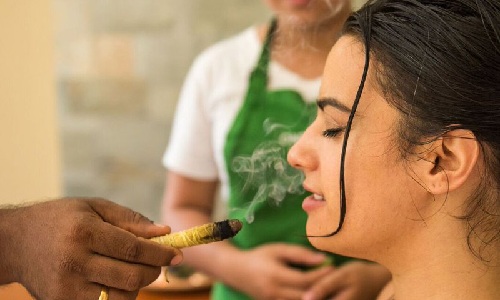
To when we hear the word -Ayurveda, we think of Panchakarma, massages, herbs and Doshas. But did you know that there is a unique Ayurvedic therapy that involves medicated smoking? Yes, it is called Dhoomapana, and it has been a traditional healing practice for centuries.   What is Dhoomapana Therapy ?   Dhoomapana is an Ayurvedic practice of inhaling medicated smoke. Do not get it confused with smoking cigarettes! It is known as a type of therapy that uses herbal wicks and smoke to treat certain health conditions and help bring the body into balance.  It is, indeed, a very controlled and intentional practice that is specifically used to reduce Kapha and, moreover, improve the flow of Vata. In Ayurveda, Dhoomapana, helps to cleanse the body of toxins and, in addition, treat conditions like respiratory problems, headaches, and even hair loss.   Benefits of Dhoomapana   Dhoomapana offers a wide range of health benefits. Here’s how it helps:   Head and senses   Relieves heaviness of the head Cures headaches and migraines Soothes  nasal congestion and helps with rhinitis   Ears and throat   Soothes earaches and hoarseness of voice Assists with pain surrounding the eyes   Respiratory system   Treats asthma, coughing, and sneezing Clears postnasal drip and excess mucus   Mouth and teeth   Helps to strengthen teeth and minimize bad breath Relieves toothaches and helps with thick tongue   Hair and skin   Improves hair growth and prevents balding Enhances skin tone and reduces pallor   Other Benefits   Increases energy levels and decrease lethargy. Strengthens skull bones and improves voice quality.   By balancing Vata and Kapha Doshas, Dhoomapana provides a holistic healing effect, making it a go-to remedy for several conditions.   Types of Dhoomapana   In Ayurveda, Dhoomapana can be categorised into three types based on its intensity: Snigdha Dhooma – oily and gentle smoke that pacifies mild symptoms Madhyama Dhooma – moderate smoke for medium imbalances Tikshna Dhooma  – intense smoke for severe Kapha conditions   Each type has a specific purpose; therefore, the choice depends on the individual’s condition and Dosha balance.   When to Perform Dhoomapana ?    Ayurveda is all about timing, and consequently, Dhoomapana is no different. Dhoomapana is best done at these times:   After a shower After meals After treatment such as Vamana (therapeutic vomiting) or Nasya (nasal cleansing) After brushing your teeth or using collyrium for the eyes This therapy can be performed once or twice a day. Follow proper steps to maximize the benefits.   How to Do Dhoomapana ?     Preparation   Ensure that you are, first and foremost, in a comfortable yet upright position. At the end of the herbal wick (Dhooma Varti), light a flame and allow it to settle.   How to Make Dhoompana Varti (herbal wick) ?   Making a herbal wick at home is simple:   Use a rectangular piece of cotton cloth (5×10 cm). Wash it in hot water and dry it in the sun. Combine the ghee and turmeric to make a paste. Apply the paste to the cloth, then fold it, and allow it to dry in the shade.   It will be usable as soon as it is completely dry.   Inhalation   Sniff the smoke through one nostril while blocking the other. Alternate nostrils for each inhalation. For conditions of the throat, you should inhale through the mouth.   Exhalation   Always exhale through the mouth; therefore, do so to avoid issues like vision loss.   Do this three times for best results.   How to Know if Dhoomapana is Successful ?   You’re doing it right  if: Your heart and throat are light and clear Kapha and its symptoms e.g. mucus have decreased Your mind is lighter and clearer, and you feel refreshed   Excess of Dhoomapana, consequently, aggravates Vata in the body, ultimately leading to dryness and discomfort. Cold water or even buttermilk can soothe the symptoms in that case.   How Does Dhoomapana Work?   The herbs used in Dhoomapana, consequently, produce smoke that, in turn, acts like activated charcoal.  This smoke absorbs excess Kapha and detoxifies the body, much like fumigating a wound to eliminate germs. When done correctly, Dhoomapana can prevent issues like cough, voice disorders, and hair loss; moreover, it promotes overall health.   Who Should Avoid Dhoomapana ?   While Dhoomapana has numerous benefits, it’s not for everyone. Avoid it if you:   Have just undergone cleansing therapies such as Virechana or Vasti. Have bleeding disorders like Raktapittal or are subjected to Visha (poisoning) Are sad, pregnant, tired, giddy or angry, thirsty, injured and have excessive dryness in the body Have Pitta and Ama Dosha Had a meal with milk, honey, curd; in addition, I have consumed alcohol. Have conditions, such as cataract, diabetes or head injury. Dhoomapana should only be performed under the guidance of a qualified Ayurvedic doctor.   Dhoomapana is, indeed, a remarkable example of Ayurveda’s holistic approach to health; moreover, it emphasizes the interconnectedness of body, mind, and spirit.  It’s a method to detoxify the body, restore its balance and address a wide range of ailments.   However, like any Ayurvedic treatment, Dhoomapana should only be practiced under the guidance of an Ayurvedic doctor. Also, do not overdo Dhoomapana unless required.   Are there any such Ayurvedic therapies you wish to know about? Let me know in the comments!   If you are struggling with any health issues, you can either book a consultation with us or send us a message via WhatsApp to +91 79074 89839. We have the best Ayurvedic doctors in Trivandrum who are always glad to help you. If you have any queries, contact us.  You can also visit us at our hospital.

ADHD: The Ayurvedic Perspective

Attention Deficit Hyperactivity Disorder or ADHD, is increasingly becoming a topic of conversation in both medical and social circles. While the modern world labels it as a neurodevelopmental disorder requiring medications, Ayurveda views it through a different lens.  Ayurveda has a simple definition to this condition – Vata imbalance. All symptoms of “ADHD” are a result of your Vata Dosha going off balance. Ayurveda offers a holistic approach involving diet, lifestyle practices and herbal medicines (if needed) to tackle Vata imbalance.      What is ADHD or Vata Imbalance?     ADHD symptoms often appear as early as between the ages of 3 and 6 and can persist into adulthood. Common symptoms include: Hyperactivity Impulsiveness Racing thoughts Easily distracted  Difficulty focusing Irritability Short attention span Absent-mindedness Bored of consistent routines Poor time management Losing or misplacing things Interestingly, these traits align closely with the qualities of Vata Dosha in Ayurveda. Vata governs movement, both in the body and mind. When it’s imbalanced, the mind becomes restless, unfocused, and impulsive.   Why Avoid Modern ADHD Medications?   Medicines such as Adderall and Ritalin are commonly prescribed for ADHD. While these drugs may offer temporary relief, they often come with significant side effects like addiction, gut issues and even heart problems.  Unfortunately, due to aggressive marketing by pharmaceutical companies, ADHD is now portrayed as a “serious disease” that requires medication. Most doctors overdiagnose ADHD due to this marketing pressure. But here’s a fact: ADHD symptoms exist on a spectrum and therefore, it is very difficult to  and are often manageable through lifestyle interventions.  From an Ayurvedic standpoint, balancing Vata through natural methods can bring remarkable improvements without harmful side effects.   Ayurvedic Remedies for ADHD    Managing a Vata mind is not about suppression but balance. Here are some Ayurvedic remedies and effective lifestyle tips:   1. Daily oil massages Daily oil massage, especially with organic black sesame oil, is a cornerstone of Vata management. Vata is dry You can do Abhyanga or self-oil massage on your whole body as a part of your daily routine and even a 5-minute foot massage before bed. It nourishes the body and calms the mind. Oiling the joints is particularly important.  Learn how to do Abhyanga at home here:   2. Incorporate healthy fats into diet Adding good fats, like ghee, to your meal can reduce internal dryness and support digestion. They help nourish the body but also ground the mind.   3. Stay warm Cold aggravates Vata. So, avoid cold and long showers. Use warm water for bathing, and always keep your feet warm. Therefore, wear socks and, as a result, protect yourself from cold winds and air conditioning.   4. Avoid over-exertion Exercise is essential, but over-exertion can worsen Vata. Stick to light to moderate activities like yoga, which promote balance without exhausting your body.   5. Embrace grounding practices Vata is light and the opposite of light is heavy, meaning Earth. So, do earthing and grounding practices. Go outside and connect with nature. Walk barefoot on soil, grass and sand. But, do not walk on cold surfaces as it may aggravate Vata.    Daily Lifestyle Tips for Vata Balance   Living with a Vata mind doesn’t have to be a challenge. These lifestyle tips can help you:   Organize your space: Start by cleaning your room or workspace.When the environment is clutter free, it helps the mind to focus. Plan your day: Write down a full day’s schedule before going to bed. Avoid fasting: Skipping meals can aggravate Vata. Eat regular, balanced meals. Connect with nature: Spend time outdoors, preferably barefoot in a park with greenery. Say no to stimulants: Avoid coffee, tea, and other stimulants that disturb the mind. Avoid cold foods: Stick to warm, freshly cooked meals. Cold and raw foods can imbalance Vata. Steam baths and saunas: Do this thrice a week to relax and ground yourself. Shift to yoga: If you’re into intense workouts, consider yoga for a more balanced routine. Avoid overexertion and honour your body’s need for rest.   You Aren’t Alone. I Am Like You!   Growing up with a Vata mind wasn’t easy for me. I’ve always had a short attention span, yet my focus, albeit brief, was razor-sharp. This allowed me to grasp concepts quickly and connect seemingly unrelated ideas to creative solutions. My impulsiveness? A double-edged sword—it made me seize opportunities, but it also led to challenges. Over time, I learned to channel my Vata energy into creative pursuits and balanced my lifestyle with Ayurveda. Today, I feel empowered, not hindered, by my Vata traits. I’ve always feared boredom, so I structure my day with a mix of activities – consultations, course preparation, overseeing medicine production, and creating content. For me, a Vata mind isn’t a weakness but a unique strength.   Channeling the Vata Mind   When people ask me how to “treat” a Vata mind, I laugh. You don’t need to treat it. You need to channel it. With the right balance of routines and lifestyle choices, a Vata mind can become your greatest asset. It’s about using its creativity and energy to your advantage. People with ADHD or Vata traits often excel in creativity; moreover, they demonstrate exceptional problem-solving skills and, they are quick learners.  What’s important is effectively channeling this energy. By following Ayurvedic principles, you can transform your Vata mind into a powerful tool for innovation and success. So, if you or someone you know is popping pills for ADHD, think twice. Try these Ayurvedic tips. They’re simple, effective, and life-changing. And if you need more guidance, don’t hesitate to reach out to me. Let’s break free from the pharma-driven propaganda and embrace the natural, balanced life Ayurveda offers. Are you with me?   If you are struggling with any health issues, you can either book a consultation with us or send us a message via WhatsApp to +91 79074 89839. We have the best Ayurvedic doctors in Trivandrum who are always glad to help you.… Continue reading ADHD: The Ayurvedic Perspective

Fibromyalgia: The Ayurvedic Perspective

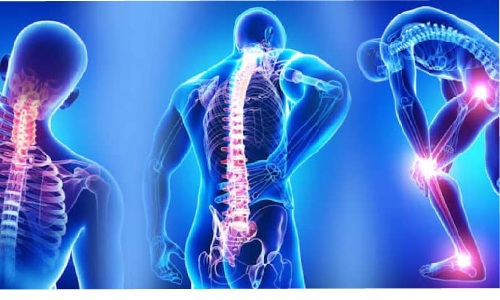
Fibromyalgia. It sounds like one of those intimidating medical terms that make you think, What does that even mean? But here’s the good news: fibromyalgia isn’t as scary as it sounds, and Ayurveda has some incredible insights into understanding and managing it.   What is Fibromyalgia?   Fibromyalgia is a condition where people experience chronic muscle and bone pain that doesn’t seem to have a clear cause. Doctors often use this term when all tests and investigations come back normal, but the patient continues to experience unexplained pain.   PubMed  describes fibromyalgia as a condition with chronic muscular and bone-related pain.   But, it also says that the etiology is unknown (no definite cause) and pathophysiology is uncertain (the exact disease process isn’t clear).    Now, this is where Ayurveda steps in with a fresh perspective.   Ayurveda’s Take: Vata and Vatavyadhi   In Ayurveda, chronic pain conditions often fall under a group of disorders called Vatavyadhi. To understand this, let’s talk about Vata. Imagine your body is a car. What keeps the car running smoothly? The tires. That’s what Vata is like—it drives all your body’s functions. When Vata is balanced, your body operates like a well-oiled machine. But the whole system can break down when it goes out of balance, just like a flat tire.   How Does Vatavyadhi Manifest?   When Vata becomes imbalanced due to poor diet or lifestyle choices, it starts affecting your blood, tissues and body channels (Srotas). This can lead to: Pain across the entire body Localized pain in specific areas A general sense of discomfort and fatigue Sound familiar? This could be what’s happening in fibromyalgia.   What Causes Vatavyadhi?   Several factors can throw Vata off balance. Here are some common culprits:   Cold, dry, uncooked foods What is cold and dry in our body? It’s Vata. Now think of salads, cold drinks, or raw veggies—they’re also cold and dry aggravating Vata. Staying awake at night Late-night binge-watching, scrolling, munching on junk food, etc. disrupt your body’s natural rhythm. Excessive exertion Excessive workouts at the gym or constantly engaging in activities without rest can worsen Vata. Emotional stress Negative emotions like sadness, overthinking, fear or anger play a big role. Poor eating habits Skipping meals, fasting excessively, or eating a low-calorie diet without nourishing your Agni (digestive fire) is one chief cause of Vatavyadhi. Weak digestion When your digestive system isn’t strong, toxins build up, further disrupting Vata.   Ayurvedic Treatment for Vatavyadhi (Fibromyalgia)   There are 80 types of Vatavyadhi, and an experienced Ayurvedic doctor can diagnose and treat them effectively. It is always advisable to visit a qualified Ayurvedic doctor in this condition. But here’s a sneak peek into the general treatment process:   1. Balancing Vata   To pacify Vata, it is recommended to start with lifestyle changes and simple practices.  Indulge in grounding practices like Yoga and meditation. Gentle yoga or a brisk walk is better than overexerting yourself. Try to improve your focus.   2. Nourishing the body   Nourishment is key. Don’t starve your body! Focus on warm, cooked, and easily digestible foods to keep your digestive fire burning bright.  Soups, stews, and khichdi are your best friends. To ensure your safety, it is best to avoid consuming anything that is raw, cold, or uncooked, such as raw salads.  Add good fats to your diet like ghee and sesame oil.  Skip the ice-cold drinks and opt for warm herbal teas instead.   3. Daily practices   Use organic black sesame oil to massage your body. This helps relax muscles and improve circulation.  Regular practices like Abhyanga (self-massage with oil), oil pulling, Ushapan (drinking warm water on an empty stomach in the morning), light workouts, and meditation are important changes you can make for yourself.      Regular bowel movements   Drink warm water with a pinch of ginger to keep your digestion on track. Daily elimination and regular detoxification can also make a huge difference.   Why is Ayurveda Ideal for Fibromyalgia?   Modern medicine often struggles to pinpoint the cause of fibromyalgia. It is classified as a syndrome; however, there is no definitive test or clear treatment plan. This often leaves patients managing symptoms like chronic pain, fatigue, and sleep disturbances without addressing the underlying issue. Ayurveda takes a completely different approach. It doesn’t just label fibromyalgia as a mysterious condition. Instead, it views it through the lens of Vatavyadhi – a disorder caused by an imbalance of Vata Dosha. Vata is responsible for movement, communication, and function in the body. When it becomes aggravated due to improper diet, lifestyle or mental stress, it disrupts the natural balance of the body, causing widespread pain and discomfort. But Ayurveda doesn’t stop at identifying the root cause. It provides a roadmap to healing. Fibromyalgia isn’t treated as a “one-size-fits-all” condition. The uniqueness of Ayurveda lies in its personalized approach. Ayurvedic doctors assess an individual’s body constitution (Prakriti) and imbalances (Vikriti) to craft a holistic treatment plan that restores harmony. Fibromyalgia doesn’t have to be a life sentence of chronic pain. By understanding the role of Vata and following Ayurvedic principles, you can regain control over your health and well-being. So, nourish yourself, take care of your digestion, and embrace the healing wisdom of Ayurveda. Got questions or experiences with fibromyalgia? Let’s discuss this in the comments!   If you are struggling with any health issues, you can either book a consultation with us or send us a message via WhatsApp to +91 79074 89839. We have the best Ayurvedic doctors in Trivandrum who are always glad to help you. If you have any queries, contact us.  You can also visit us at our hospital.

Premature Ejaculation: An Ayurvedic Perspective

Premature ejaculation (PE) is a common male problem that can lead to frustration, shattered relationships and low self-esteem. It is the situation when ejaculation occurs sooner than desired during intercourse. This affects one in three men at some stage of life. It may seem like an awkward topic and not many like to talk about it, but this is part of men’s health and should be addressed. Every health disorder, whether physical or mental, needs proper attention and treatment.    Cause of Premature Ejaculation   In Ayurveda, the corresponding term for this problem is Sukragatavata. As the name suggests, it is primarily caused by an imbalance in Vata Dosha.  Ayurveda, the ancient science of life, offers a holistic approach to managing this condition by addressing the root cause—Vata Dosha imbalance—and nourishing the reproductive system (Shukra Dhatu). In the Sushruta Samhita, it is explained that premature ejaculation occurs when Vata Dosha becomes imbalanced. This leads to rapid ejaculation and weakening of Shukra Dhatu – the vital tissue responsible for reproductive health: शुक्रक्षयः शोषणं च वातः शीघ्रगमनं च ततः। वातदोषेण जनितं वातनाशं च योजयेत्।। (Sushruta Samhita, Chikitsasthana, Chapter 26) Translation: “Premature ejaculation is caused by Vata aggravation, leading to rapid ejaculation and depletion of reproductive strength. Treatments that pacify Vata are recommended for healing.” Apana, on the other hand, is a subtype of Vata energy, specifically governing the lower abdomen and reproductive organs.  An imbalance in Apana Vata causes premature ejaculation.   Other Causes of Premature Ejaculation   Premature ejaculation can happen at any age. Apart from ageing and Vata imbalance, there are, in addition, many other reasons for the condition.: Emotional factors like stress, anxiety and depression  Erectile dysfunction Hormonal imbalances Oversensitivity in sex organs   Ayurvedic Management of Premature Ejaculation   Here’s a guide to Ayurvedic practices for managing PE:   Herbal support In Ayurveda, there are some amazing herbs, such as Brahmi, Mandukaparni, Kapikachu, and Eranda, among others.  Having them in certain combinations along with diet correction, have shown tremendous positive results in the treatment of premature ejaculation.  But take them strictly under the supervision of a qualified Ayurvedic doctor to avoid adverse reactions. Amla powder Have  2 teaspoons of Amla powder mixed with ghee during lunch daily. Amla, also known as ‘Amritphal’ (the nectar fruit) in Ayurveda, is a highly potent fruit.  It replenishes the nutrients in the body and restores vitality. Nutmeg milk Crush the sun-dried rind of nutmeg into a fine powder. Then, add 5g of the powder to hot milk, and subsequently, boil it. Have this drink before you go to bed. Abhyanga (oil massage) Do regular massages around the abdomen from your naval downward using a mix of cinnamon oil and organic black sesame oil. Black sesame oil is highly revered in Ayurveda, whereas cinnamon is a healing herb. Yoga Yoga, on the one hand, can be a supportive practice that, in addition, increases body awareness and control. Yoga poses like Pavanamuktasana, Halasana, Sarvangasan, Kakasana, Kati-chakrasana and backward bending poses are extremely beneficial for strengthening the reproductive organs.  Mental well-being Needless to say, a partner’s assurance and comfort, psychological counselling/therapy, meditation, breathing exercises, and meditation help anyone overcome this problem and enhance results. Relax and rest Overexertion and lack of sleep can aggravate Vata and weaken your system. Ensure a proper sleep routine; consequently, this will help the body heal.   Lifestyle habits play a huge role in managing premature ejaculation. Incorporating regular exercise, as well as balanced meals and quality sleep, can significantly improve energy levels and, consequently, reduce stress. Meditation and yoga are also beneficial for building core strength and mental clarity, which aid in managing the condition. However, sometimes changes may not be enough. If they don’t yield favourable results, consulting an Ayurvedic doctor for personalised treatment is a good choice.     If you are struggling with any health issues, you can either book a consultation with us or send us a message via WhatsApp to +91 79074 89839. We have the best Ayurvedic doctors in Trivandrum who are always glad to help you. If you have any queries, contact us.  You can also visit us at our hospital.

Multitasking: Can Your Mind Really Do It?

Multitasking is no big deal!  At least that’s what we think.   We live in a time where people often try to do many things at once, hanging out with friends but keep checking emails, and exercising while listening to podcasts.    We feel proud of managing so much at once. But have you ever wondered if our minds are truly made for this?    Ayurveda says our minds actually can’t multitask. Instead, the mind just switches quickly between tasks rather than focusing on multiple things at once.     What is Multitasking ?     When we say that we’re going to multitask, what do you usually think of ?    Ayurveda says that the mind is not capable of multitasking! Instead, it switches briskly between one task and another making us feel that we are multitasking.   The price of this constant switching, however, exhausts us both mentally and physically. Ayurveda explains that the mind is in its best form when it concentrates on one thing, which helps in maintaining balance and harmony within us.     The Ayurvedic View on Multitasking     According to Ayurveda, our mind has the quality known as “Ekatwam” or oneness. There is only one mind and it can only do one job at a time.    You may feel that your mind is doing so many things at a time, but it is really not. For example, when you see food in front of you, you can see, smell and taste the food all at once. And you feel your mind is equally involved in all these actions. But, it is not.    Ayurveda quotes an interesting maxim for this:   उत्पल पदतल सूचि वेध न्यायः (Utpala Padatala Suchi Vedha Nyayah)   When a needle is pierced quickly through a hundred lotus petals arranged one over the other, it may seem the needle pierces all hundred petals simultaneously. But, in reality, it makes the piercings one after the other.    The mind is like the needle here. Impressions happen one after the other.    To make it simple, your mind cannot multitask.      Why Multitasking Feels Productive – But Isn’t.     When we multitask, we often get sidetracked by small details. While multitasking seems like a time-saver, it actually reduces efficiency and takes longer to complete tasks.    When juggling too many things, each task only gets a bit of our attention, which can lead to mistakes or half-hearted results. On the surface, it may appear that our productivity is increasing but efficiency is on the decline in reality.   Ayurveda suggests that this scattered focus drains both our mind and body. The mind, like an engine, performs best with clear direction. Constantly shifting gears tires it out, increases mistakes, and weakens focus.     The Impact of Multitasking on Mental Health     Multitasking not only poses a problem for productivity, but it also taxes our mental health. Frequently jumping from one task to the next keeps your brain in heightened alert mode, which can result in stress, anxiety, and even burnout.   When we overload our minds, the Vata Dosha increases and unrest develops which can be noticed in frustration or feeling overwhelmed.   One of the biggest aims in Ayurveda is to cultivate a calm and quiet mind. Trying to manage too many tasks at once disrupts this goal.  It is as if you are trying to calm a lake by throwing more stones into it — each task stirs up new ripples that keep the mind restless.     How Focusing on One Task Benefits the Mind   Imagine holding a single glass of water. It’s easy to carry and manage with both hands. Now, try juggling five glasses. Water spills, and you feel the strain.    This is like focusing on many tasks at once; it’s far more effective to give all your attention to just one task.   When you focus on one thing at a time, your mind has the space to fully absorb and process the information. This leads to better learning and improved results, supporting mental clarity and endurance.   It is more like following your natural clock in Ayurveda which will help to maintain the Doshas, especially Vata.     Ayurvedic Tips to Avoid Multitasking     So how can we reduce multitasking and embrace a more focused, balanced way of living? Here are a few tips from Ayurveda to help keep your mind calm and centred:   Set priorities   Establish priorities at the start of each day. Concentrate on one or two things only. Do not burden yourself in the guise of responsibility — be responsible, but juggle responsibilities responsibly.   Take breaks   Your brain deserves a break between tasks. This will help to perk up your attention and prevent burnout. You could try deep breathing exercises or take a short walk to freshen your mind.   Avoid overstimulation   When you work, turn off all unnecessary notifications and distractions. An overstimulated mind is characterised by an excess of sensory input, so try to limit how much you put in your head every day.   Practice mindfulness   One of the best ways to stop multitasking is by being fully present in whatever you are trying to do. If you are eating, working, or with your family; try to be completely focused in that moment.   Cultivate routine   Routine is often emphasised in Ayurveda as it brings a sense of stability to the mind. Develop a timetable for your daily routine and follow it religiously. It helps in balancing the Vata energy and keeps your mind under control.     When (Or If) Should You Multitask?     Even though Ayurveda does not support the idea of multitasking, there are times when you just cannot avoid it.    Do not let this disrupt your mental status when it happens. Return to single-tasking as soon as possible and do some grounding techniques (e.g. deep breathing)… Continue reading Multitasking: Can Your Mind Really Do It?

Osteoporosis Treatment with Ayurveda

  Imagine you are going about your day in perfect health and suddenly you have a fracture from a situation that’s not even close to danger like lifting a light object or a simple fall. This is the reality of osteoporosis – the silent disease.     Osteoporosis is a condition where your bones turn weak and porous, with a risk of fractures. Though the condition is incurable, different medical systems offer a plethora of ways to manage osteoporosis.      But if you are in search of a way to manage and even prevent osteoporosis naturally, Ayurveda is the answer. With a combination of diet, lifestyle practices, therapies, and herbal remedies, the condition can be effectively managed.     On this International Osteoporosis Day (October 20th), let us learn more about osteoporosis from the Ayurvedic perspective.         Osteoporosis as per Ayurveda        Every function in our body is governed by three biophysical energies or Doshas – Vata, Pitta and Kapha.  These Doshas are seated in one or the other tissue (Dhatu) of our body; moreover, they play a crucial role in our overall health.     Vata Dosha primarily governs the bone tissue or Asthi Dhatu.     When Vata Dosha becomes aggravated due to different factors, it causes the Asthi Dhatu to degenerate (Asthi Kshaya).      Watch this video to learn the early signs of imbalanced Vata in your body:       Both vitiated Vata Dosha and Asthi Kshaya result in osteoporosis. But what causes the Vata Dosha to be aggravated in the first place?        The contributing factors       Your lifestyle plays a huge role.      Some kinds of foods, your habits and even emotional states can cause Vata Dosha to go out of balance, affecting the health of your bones.     Food (Ahara)       Having food with less nutrition, not having adequate quantity of food and consuming food that aggravates Vata.       Lifestyle (Vihara)       Lifestyle factors, such as over exercising, overindulgence in sexual intercourse, staying awake at night, suppressing natural urges and obesity.       Psychological (Manasika) factors     Stress and overthinking can lead to aggravated Vata Dosha – the Dosha that governs mental processes, such as thoughts.      Trauma (Abhighataja)      Trauma to your body – a fall, an accident or injuries as a result of a surgery.         Ayurvedic Treatment for Osteoporosis      Ayurvedic treatments for any health condition does not focus on just treating the symptoms, but also on finding and treating the root cause. It’s the same for osteoporosis as well – the root cause being aggravated Vata Dosha.     So, the Ayurvedic treatment for the condition focuses on balancing the Doshas and restoring the harmony within the body through a combination of diet, lifestyle modifications, therapies and herbal remedies.     The treatments to manage osteoporosis in Ayurveda include Asthigata Vata Chikitsa (treatment for bone-related Vata imbalance), Asthikshaya Chikitsa (treatment for bone degeneration), Bhagna Chikitsa (fracture treatment and herbal medicines.     Asthigata Vata Chikitsa        In osteoporosis, the root cause is mainly an aggravated Vata. Therefore, the primary focus of Ayurvedic treatment involves correcting the Vata imbalance and Agni.      One can achieve this through diet and lifestyle practices, therapies, and herbal medicines.     Diet   Ayurveda considers food as medicine. Therefore, it is one of the primary ways to treat any health condition, including osteoporosis.       The Ayurvedic diet for osteoporosis mainly includes foods that do not aggravate Vata Dosha. This includes foods that are freshly cooked and warm, and that have sweet (Madhura), sour (Amla) and salty (Lavana) taste (Rasa).        Therapies        These are some of the therapies that help balance Vata Dosha:       Snehana     Snehana or internal oleation is one of the preparatory steps (Poorva Karma) before Panchakarma.      In this process, the healthcare provider, therefore, administers medicated oil to the patient.     Abhyanga     Abhyanga, or external oleation, involves applying medicated oil or fat on the body; furthermore, it is an ancient practice that promotes relaxation and rejuvenation.  This therapy helps remove toxins (Ama) from the body.       You can also do Abhyanga at home as a part of your daily routine.         Panchakarma        Panchakarma or detoxification therapy, therefore, helps remove Ama from the body and, consequently, balance Vata Dosha.     The steps of Panchakarma used to treat Vayu include Vamana (therapeutic vomiting), Virechana (therapeutic purgation), Asthapana Vasti (enema using decoctions), Anuvasana Vasti (enema using oils) and Nasya (nasal instillation of oil or medicine).      Check out this video to learn the complete Nasya procedure at home:       These procedures are prescribed to the patient only if required, based on the impact of their condition and other health conditions.       At my hospital, we offer a three-month gut health program to correct Dosha imbalances and Agni.           Bhagna Chikitsa      A person with osteoporosis is always at risk of having a fracture; consequently, it is essential to take preventive measures. If there’s a fracture, it should be healed before starting any medication.       Bhagna Chikitsa includes:      Seka   Pouring of medicated oils.       Lepa   Application of medicinal paste.      Bandhana   Bandaging the fracture for proper healing.         Ayurvedic medicines        Ayurvedic medicines with Brimhana (strengthening), Rasayana(nourishing) and Vata Hara (Vata pacifying) properties are given to patients based on their requirements to improve their bone health naturally.       Prevention is better than cure    Osteoporosis doesn’t happen overnight. You can prevent it with a few simple lifestyle changes and Ayurvedic practices through a gradual process. Regular exercises, such as walking or yoga, can strengthen bones. Also, have calcium-rich foods that help maintain bone density.     Staying hydrated, managing stress, and ensuring a good night’s sleep are also important for your bone health. Ayurveda also recommends regular oil massages to help with circulation and relaxation, which contributes to overall wellness.      Some Shocking Statistics   Osteoporosis results in fragility fractures – the fractures that do not otherwise happen in a particular… Continue reading Osteoporosis Treatment with Ayurveda

Ageing with Ayurveda

Ageing is inevitable. But it does not mean that it has to be a tough or bitter experience. Instead, it should be considered as a graceful and meaningful journey.    With the help of Ayurveda, you can make the journey towards older age beautiful by focusing on improving the quality of your physical and mental well-being.      Take Care of Yourself     According to Ayurveda, ageing is a natural process regulated by the three Doshas – Vata, Pitta, and Kapha.    As we age, our Vata Dosha goes out of balance and we experience it through symptoms, such as dryness, weakness and difficulty in mobility. Therefore, balancing Vata Dosha is essential to remain healthy and active in the later years.    Ayurveda recommends many natural ways to keep your Vata Dosha in balance.      Change Your Lifestyle     Indeed, lifestyle changes can make a whole lot of difference in the way you age.      Follow a Daily Routine     Following a structured daily routine or Dinacharya has a strong positive influence over the Doshas.      Morning rituals      Start the day with a glass of warm water to wash out toxins. Oil pulling, brushing and tongue scraping are small routine activities that make way for great oral health.  This should be followed by some yoga or stretching exercises to keep your body flexible and disease-free.      Oil massage (Abhyanga)      Use organic black sesame oil to do a full-body massage before taking a shower. It helps to moisten and feed the skin. It also prevents the formation of cracks and relieves Vata Dosha.      Healthy breakfast      Consume a balanced, freshly cooked breakfast to have energy throughout the day. Don’t run after the packaged breakfast options like cereals, muesli, etc. Cook your first meal of the day with love and with a dash of ghee and it will do wonders to balance your aggravated Vata.     Want to learn more about Dinacharya? Download my e-book for free.      Have a Balanced Diet     While planning for a meal, include foods that are fresh and organic and are light on the tummy.   Have warm, cooked foods      As you age, your digestion may be compromised. Hence your body may not be able to absorb nutrients properly.    Therefore, it is advisable to go for warm, cooked meals rather than raw, cold, or heavy foods that, on the other hand, may cause indigestion.      Consume anti-ageing foods      Increase the intake of foods that can help counter oxidative stress such as berries, green leafy vegetables, fruits and nuts.      Stay hydrated      Have plenty of water, especially during the warmer Summer and Autumn months or if you engage in heavy physical activity or work outdoors.     You can also have herbal teas occasionally to help detoxify your body. However, not all herbs may be suitable for you. So, it’s better to consult a qualified Ayurvedic doctor for advice.       Sleep Well     Sleep is an essential factor for overall wellness.      Have adequate sleep      One must get quality sleep in order to be healthy and alert. Sleep for 6-8 hours at night so that your body gets enough repair time to rejuvenate itself.      Establish a sleep routine      Be consistent with your sleep and wake-up timings. In addition, this helps to set your body clock efficiently.        Create a calming environment      Declutter your bedroom by getting rid of all the electronic gadgets and things that may distract you at night.      Practice relaxation techniques      Do activities that will help you relax, such as listening to music or reading a book, before sleeping.        Try Detoxification      As we age, more toxin buildup happens in our body because our body’s natural process of expelling the toxins gets weakened. Detoxification flushes out toxins from the body and revitalizes tissues.      Seasonal detox      Discuss with an Ayurvedic doctor to choose one suitable detox program at the beginning of every season. Detoxifying not only purifies your body but also improves your energy levels.      Herbal teas      Occasionally, drink herbal teas that support liver functions and remove toxins from the body. Remember, not all herbal teas suit you. So, it’s better to consult a qualified Ayurvedic doctor for advice.     Sip dry ginger tea at night. It gently detoxifies your gut, boosts digestive fire and promotes blood circulation. Dry ginger also controls Vata, which is the dominant Dosha especially in old age.      Ayurvedic Practices for Ageing      Apart from diet and lifestyle practices, Ayurveda also recommends certain practices that help you age well.      Yoga and Exercise      Physical exercise is vital so as to keep your body in the best shape possible.      Yoga    Perform relatively low-impact movements to help in the flexibility of joints. First, try Bitilasana Marjariasana (Cat-Cow pose); then, move on to Balasana (Child’s pose); and finally, conclude with Pashchimottanasana (Seated forward bend pose).    It is advisable to perform these poses under the supervision of an expert Yoga trainer if you are a beginner.     Also, practising Surya Namaskar (Sun Salutation) daily can also help maintain flexibility and energy levels.      Daily walks      Take a walk for about 45 to 60 minutes daily. It improves blood circulation; as a result, it makes you feel better and more energized.      Strength training      Do strength training under the supervision of an expert trainer to help sustain muscles and bones. As the endurance power of your muscles increase, new cells regenerate, delaying the ageing process.      Mindfulness and Meditation      Age is just a number! It’s all in your mind. Your mental health is, therefore, also of great importance in healthy ageing.      Meditation … Continue reading Ageing with Ayurveda

What are Vata, Pitta and Kapha Doshas in Ayurveda?

Ayurveda is a traditional system of medicine. Beyond that, it is a way of life that helps you reach the ultimate goal of overall wellness. In Ayurveda, the status of your health primarily  revolves around the balance of  your biophysical energies or Doshas.  There are three types of Doshas – Vata, Pitta and Kapha, collectively called Tridoshas.  They are derived  from the 5 basic elements known as “Panchamahabhutas.” The Panchamahabhutas are space or ether, air, fire, water and  earth. All these Doshas must be known to understand the unique constitution of one’s body and how to maintain a balanced manner to attain good health.    The Panchamahabhutas: The Basis of Doshas   The Panchamahabhutas are the fundamental elements that all matter in the universe is based on. These elements, in different combinations, make up the Doshas.  Knowing them can delve deeper into the Doshas’ nature and influence on our bodies and minds. Ether (Space): This is the most subtle of all the elements. It symbolizes emptiness and the possibility of creation. Air: Associated with motion, lightness, and actionability. Fire: Associated with transformation, heat, and metabolism. Water: Fluidity, cohesion, lubrication. Earth: Most solid elements are related to stability and structure. Each Dosha gets its uniqueness from a different combination of these elements, which explains their distinct characteristics and effects on our bodies.   What Are the Doshas?   Doshas are biophysical energies that govern our inner and  outer environments. These energies or Doshas, are present in everybody and everything. They are found in a unique ratio in each individual. This determines one’s Prakriti or physiological and psychological profile.  If your Doshas are in balance, you have health and well-being. They, when in imbalance due to diet, lifestyle, or environmental factors, give rise to diseases.   Vata   Vata is the energy of movement. It constitutes air and  ether.  Vata Dosha governs  bodily functions, like breathing, nerve impulses, and  circulation. When in balance, there is much creativity and vitality. If it’s out of balance, the result is anxiety, dryness, and irregularity in the functions. Characteristics: Light, cold, dry, irregular, quick. Physical Characteristics: Thin build, dry skin, cold hands and feet. Mental Characteristics: Imaginative, anxious, quick learner. Imbalances: Result in anxiety, insomnia, xerosis, and constipation. You can balance your Vata Dosha by following a routine that includes warm, nutrient packed food, proper sleep, and activities like yoga or meditation.   Pitta   Pitta is composed of fire and water. It governs your digestion and metabolism. This fuels the drive of appetite, intelligence, and body heat.  A balanced Pitta Dosha is marked by clarity and energy. However,when it’s out of balance, it results in anger, inflammation and digestive problems. Characteristics: Sharp, oily, hot, intense, and light Physical Traits: Medium build, warm skin, sharp features. Mental Traits: Intelligent, competitive, driven. Imbalances: Marked by symptoms, such as anger, indigestion, skin rashes, heartburn. Balancing the Pitta would require cooling food, relaxing exercises or techniques, and avoiding overwork. Fresh fruits, lots of vegetables and whole grains can nullify the inflamed nature of the Pittas.   Kapha   Kapha Dosha constitutes earth and water. It is the energy of body stability and structure. It controls growth, hydration and immune responses. A person with a proper and well-balanced Kapha will, consequently, be calm, patient, and, moreover, an endurance expert. A Kapha  imbalance will result in lethargy, weight increase, and congestion. Characteristics: Heavy, slow, steady, oily, and cool. Physical Traits: Compact, soft-skinned, big-eyed. Mental Traits: Loyal, patient, compassionate. Imbalances: Results in obesity, slowdown in digestion, depression, and allergies. Massage-reviving functions and a balanced diet with light spicy foods maintain Kapha. Exercise and abstinence from heavy, oily foods will keep Kapha in harmony.   What is Prakriti?   Your Prakriti is your constitution and  fixed at the moment of conception. This is a blueprint of your inborn strengths and weaknesses.  By knowing your Prakriti, you can devise your lifestyle in a manner that will maintain a balance of your Doshas. Are you looking for more valuable insights? Head onto our blog section!   How to Know Your Prakriti?   Knowing your Prakriti means knowing which Doshas are most operative in your constitution based on that knowledge. We can guess these by looking within ourselves or consulting an Ayurvedic professional. Here’s a brief overview of how the Doshas may manifest in your physical and mental attributes: Vata Dominant: Thin and lean, dry skin, quick mind, active, anxious, and sleepless. Pitta Dominant: Medium-built, warm-skinned, sharp intellect, ambitious, irritable, and easily inflamed. Kapha Dominant: Heavier in build, smooth skin, calm disposition, steady energy, tends to put on weight and become lethargic. Knowing your Prakriti helps you tailor a diet, exercise, and daily routines suitable for bringing out balance in life. Balancing the Doshas   Keeping your Doshas in balance is what keeps you healthy. The Doshas are particularly sensitive to continued influences, such as diet, lifestyle, stress and environmental elements that disturb your balance.   What to do to Balance Vata?   Diet: Have warm, freshly-cooked food with spices, such as ginger and cinnamon. Lifestyle: Follow a daily routine. Engage in activities that ground you in life, such as meditation and yoga. Season: Vata is provoked by a cold, dry & windy climate. Keep warm and moist.   Tips to Pacify Pitta   Diet: Consume cooling foods like greens, melons and cucumbers. Stay away from hot, spicy, and oily foods. Lifestyle: Moderate work and exercise. Moreover, engage in cool recreation activities like swimming or, alternatively, walking in nature to calm down Season: One shouldn’t disturb the natural order of Doshas. Avoid hot and humid seasons. Always be cautious at the seasonal end.   Tips for Balancing Kapha   Diet: Light, spicy foods; avoid dairy and heavy foods; include stimulating spices like black pepper and turmeric. Lifestyle: Be active & get regular exercise, but avoid too much sleeping and sedentary habits. Season: In cold, damp weather, Kapha Dosha is dominant. So, stay warm and dry.   Consult an Ayurvedic doctor to guide you regarding your right… Continue reading What are Vata, Pitta and Kapha Doshas in Ayurveda?