Diabetes Management with Ayurveda

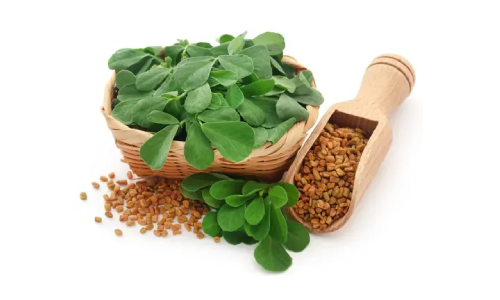
Diabetes is a chronic medical condition characterized by high levels of sugar or glucose in the blood. This occurs when the body either doesn’t produce enough insulin or can’t effectively use the insulin it produces.   According to World Health Organisation (WHO), about 422 million people from around the world suffer from diabetes. And the numbers are gradually increasing with time.   Diabetes can lead to serious complications if not properly managed, including heart disease, stroke, kidney damage, nerve damage, vision loss and problems with the feet and skin. However, with proper treatment and management, many people with diabetes can lead healthy and fulfilling lives.   There are mainly two types of diabetes. Type 1 diabetes is an autoimmune disorder that requires the use of insulin to manage blood sugar levels. Type 2 diabetes, on the other hand, is a result of poor lifestyle practices that often occurs during adulthood.   While Ayurveda has no treatment for Type 1 diabetes, Type 2 diabetes can be reversed through dietary and lifestyle corrections, Ayurvedic herbs and even medications.     How to do Early Detection of Diabetes     Diabetes as per Ayurveda   According to Ayurveda, diabetes is a metabolic condition brought on by an imbalance in the body’s Doshas. This is made worse by lifestyle choices like eating poorly and not exercising. Diabetes, often known as “Madhumeha,” is characterized by high blood sugar and poor insulin activity.    Ayurvedic principles state that diabetes is a  result of an imbalance of Doshas caused by an overabundance of sweet, sour and heavy meals. Increased thirst, frequent urination, exhaustion and sluggish wound healing are the symptoms.    Through Ayurveda, the imbalance of Doshas can be corrected by altering food and lifestyle choices and using certain herbs to control blood sugar levels and enhance general health.   Dietary Recommendations for Diabetes   Diet is an important factor in managing Type 2 diabetes with Ayurveda. If you have been following me, you might know how food is a major part of my treatment method.    Even in my treatment for diabetes, food plays an important role. Though the dietary recommendations vary with each patient, depending on their Prakriti, Dosha imbalances, health conditions and more, some of the recommendations remain common for all.    Focus on Whole Foods   Unprocessed, whole foods like fruits, vegetables, whole grains, legumes etc. are high in antioxidants, fibre, vitamins and minerals. They support general health and blood sugar regulation.    Balanced macronutrients   A balanced diet with enough protein, carbohydrates and healthy fats should be your goal. To avoid blood sugar spikes, concentrate on eating complex carbohydrates with a low glycemic index, like whole grains, legumes, and non-starchy vegetables. Also, incorporate healthy fats like ghee, almonds, etc. and also, protein sources like chicken, fish, tofu, and beans.    Watch Portion proportions   To prevent overindulging and maintain stable blood sugar levels, be mindful of portion proportions. To manage portion sizes, use smaller bowls, plates and utensils. You may also adopt a mindful eating style to recognise your body’s signals of hunger and fullness.    Avoid refined carbohydrates and added sugars   Avoid consuming foods and drinks heavy in unhealthy fats, processed carbohydrates and added sugars. Such foods can raise blood sugar levels and lead to insulin resistance.    Eat Foods with Bitter, Astringent and Pungent Tastes   According to Ayurveda, foods with these tastes help with digestion and blood sugar regulation. Include foods with these flavours, such as cruciferous vegetables, leafy greens, fenugreek, turmeric, cinnamon, and bitter melon in your diet.   Keep Yourself Hydrated   Dehydration can cause your blood sugar levels to rise. So always make sure that you remain hydrated. Water is the best option.    Be consistent   To avoid blood sugar swings, be regular with your meal timings.  For instance, it is best to have a light, digestible dinner,  preferably  early (between 6:00 pm and 6:30 pm).   People with Type 2 diabetes can increase insulin sensitivity, control their blood sugar levels, and improve their general health and well-being by adhering to these dietary guidelines.    Consult a qualified Ayurvedic doctor for guidance regarding a customised meal plan that meets your needs, preferences, and health objectives. To maintain ideal blood sugar management, you should also routinely check your blood sugar levels.   Ayurvedic Herbs for Diabetes Management   Apart from diet and exercise, there are many herbs that help manage your diabetes in Ayurveda.    Gymnema Sylvestre (Gurmar)   Also referred to as the “sugar destroyer,” Gymnema Sylvestre aids in blood sugar regulation by preventing the intestines from absorbing sugar and encouraging the pancreas to produce insulin. It helps control weight because it lessens cravings for sweets.  Overconsumption of Gurmar can lead to hypoglycemia. So, make sure that you consult with an Ayurvedic doctor before using the herb.    Bitter Melon (Karela)   Bitter Melon lowers blood sugar levels by acting as an insulin substitute. It is useful in managing diabetes because it enhances insulin sensitivity and glucose consumption in cells.    Fenugreek (Methi)   The soluble fiber and saponins found in fenugreek seeds aid in slowing down the bloodstream’s absorption of sugars and carbs. Insulin resistance is decreased, and blood sugar regulation is enhanced. Also Read: Fenugreek Benefits for Diabetes   Amla/Indian Gooseberry   Rich in antioxidants, Amla helps shield pancreatic beta cells from oxidative stress-related damage. It helps treat diabetes since it also increases insulin secretion and glucose metabolism.    Turmeric (Curcumin)   Turmeric contains curcumin, a molecule with antioxidant and anti-inflammatory qualities.  It lowers blood sugar, improves pancreatic function, and lessens insulin resistance.    Combination of Amla and Turmeric (Nishamlaki)     Cinnamon (Dalchini) Cinnamon improves cell absorption of glucose and increases insulin sensitivity, both of which reduce blood sugar levels. Also, it slows down the digestive tract’s processing of carbs, which improves blood sugar regulation.   Ayurvedic Remedies and Formulations   Ayurvedic doctors also tend to recommend remedies and formulations to patients to naturally manage diabetes.   Chandraprabha Vati   This… Continue reading Diabetes Management with Ayurveda

Aloe Vera Benefits for Beauty, Health, Healing

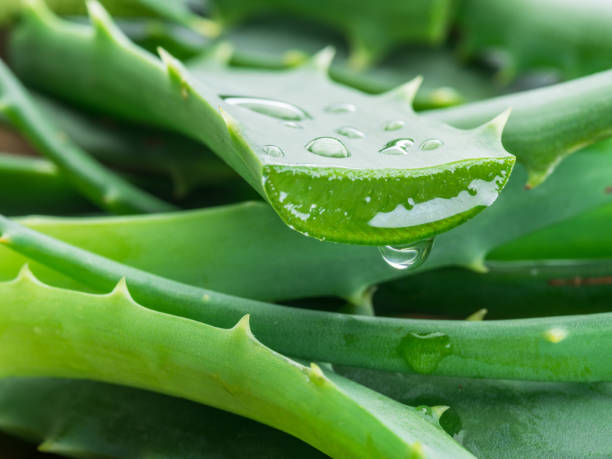
Aloe or Aloe vera fresh leaves and slices on white background.

Aloe vera is long regarded as a botanical miracle due to its powerful healing abilities. The many health and beauty advantages of aloe vera have attracted generations, from ancient civilisations to modern-day fans.    Aloe vera, dubbed the “plant of immortality” by the ancient Egyptians, never ceases to astound with its powers to relieve sunburns, ease gastrointestinal distress, strengthen immunity, and encourage general vigor.   In this blog, let us delve deeper into aloe vera’s healing abilities and its role in dental hygiene, skin care, digestive health, and antioxidant support.  It is a safe and efficient remedy for various problems, including skin irritations, and digestive and general health improvement.    About Aloe Vera   In Sanskrit, aloe vera is called Kumari. It  has a bitter taste (Tikta Rasa). It is also heavy (Guru), oily (Snigdha) and slimy (Pichhila). The herb is also great for managing the Tridoshas.   For centuries, humans have grown aloe vera for its medicinal, cosmetic and aesthetic benefits. The thick, fleshy leaves of the plant are well-known for holding a clear gel-like fluid that is packed with bioactive substances such as antioxidants, enzymes, vitamins, minerals and amino acids.    This gel frequently used in multiple forms, including topical creams, gels, drinks and supplements, due to its many health and cosmetic advantages. Aloe vera is used in skin care products to treat eczema, acne, sunburns, and other skin issues because of its well-known calming and healing qualities.   It also internally uses as a nutritional supplement to help digestion, strengthen the immune system, and improve general health. It is also a component of oral care products that help to preserve gum health and oral cleanliness.    This is a highly valued botanical element because of its many uses and powerful therapeutic qualities.   Benefits of Aloe Vera   There are several applications and advantages of aloe vera for well-being, appearance and health. It is frequently used for the following purposes:   Skincare   People frequently apply aloe vera gel topically to relieve and treat various skin ailments, such as dry skin, psoriasis, acne, eczema, sunburns, small burns, cuts, and bug bites.  Its antibacterial and anti-inflammatory qualities aid in wound healing, infection prevention, and inflammation reduction.    Hair Care   Because of its moisturizing, conditioning, and scalp-soothing qualities, aloe vera is frequently included in hair care products such as shampoos, conditioners and hair treatments.  It can aid in dandruff reduction, scalp hydration, and healthy hair development.   Digestive Health   Internal use of aloe vera juice helps to relieve gastrointestinal problems such as constipation, reflux, indigestion, and irritable bowel syndrome (IBS). It eases stomach pain and encourages bowel regularity as a natural laxative.    Immune Support   Rich in antioxidants, vitamins, and minerals, It helps strengthen the immune system and guard against inflammation and oxidative stress. Taking its  juice or supplements can improve general health and boost immunity.    Oral Hygiene   Oral care products including toothpaste, mouthwash, and dental gels preserve oral hygiene, prevent gum disease, treat mouth ulcers, and freshen breath. Its anti-inflammatory and antibacterial qualities support strong teeth and gums.   Anti-aging   This herb has amazing anti-aging properties. It helps increase collagen formation, enhance skin suppleness and lessen the appearance of wrinkles and fine lines. Aloe vera gel used regularly can help keep skin looking young and beautiful.    Sunburn Relief   Aloe vera gel relieves discomfort, inflammation and redness from prolonged sun exposure. Its hydrating and cooling qualities assist in restoring damaged skin cells and encourage healing.    Healing Wounds   This herb promotes cell regeneration, lowers inflammation, and guards against infection to hasten the healing of wounds. Hence, it helps heal mild burns, scratches and wounds and reduces scarring.    These are only some of its numerous applications  that demonstrate its adaptability and potency in enhancing health and well-being.   Medical uses of Aloe Vera   Aloe vera’s strong healing qualities make it useful in many medicinal applications.  Compounds in its gel-like composition encourage wound healing by lowering inflammation, avoiding infection, and promoting cell regeneration. This makes it a useful remedy for small burns, wounds, and cuts.    This herb is also a well-liked sunburn cure because of its calming and cooling qualities, which reduce discomfort, inflammation and redness. Because of its anti-inflammatory and antibacterial features, it manages skin disorders including dermatitis, psoriasis, acne, and eczema by reducing symptoms like redness, irritation and itching.    Furthermore, it also helps calm digestive issues including acid reflux, indigestion and irritable bowel syndrome (IBS) and reduces inflammation. Its  juice treats constipation and encourages bowel regularity as a natural laxative.    It is a very adaptable and beneficial natural treatment with medical uses. It has a variety of benefits, ranging from healing wounds and calming skin disorders to easing stomach pain and improving general health.    Also Read: Ways to Maintain Skin Health with Ayurveda   Despite the many amazing benefits of aloe vera, it’s important to use it sensibly. It is best to consult an Ayurvedic doctor before you use it, especially if you have any underlying health conditions or allergies.       If you are struggling with any health issues, you can either book a consultation with us or send us a message via WhatsApp to +91 79074 89839. We have the best Ayurvedic doctors in Trivandrum who are always glad to help you. If you have any queries, contact us.  You can also visit us at our hospital.
Maintaining Kidney Health With Ayurveda

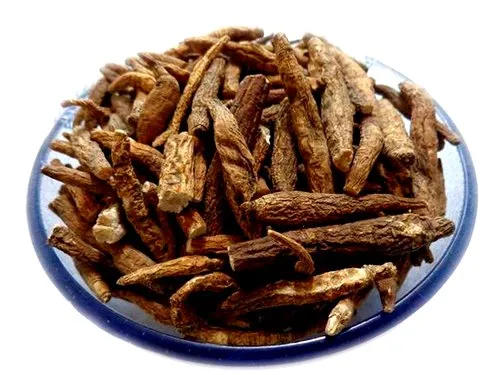
According to Ayurveda, the kidney is an essential organ that remove toxins from the body and keep the fluid equilibrium in the body. They are an important part of the Mutravahasrotas (urinary system). Taking care of our kidneys becomes essential in an environment where stress, poor eating habits and environmental pollutants are becoming more and more common. Ayurvedic principles can help us build the lifespan, health and resilience in our daily lives.  The ageless knowledge of Ayurveda provides direction for cultivating ideal well-being from within, whether your goal is to support renal health difficulties already present or prevent kidney-related problems in the first place.  This article examines practical advice and Ayurvedic ideas for maintaining kidney health and avoiding kidney problems.    Root Causes of Kidney Weakness in Ayurveda   In Ayurveda, kidney weakness is frequently linked to a Vata, Pitta and Kapha imbalance in the body and other lifestyle variables. The following factors can affect the health of your kidney, as per Ayurveda:    Imbalanced Doshas   The kidneys can become abnormal due to excess Vata, Pitta or Kapha Doshas. An imbalance of Vata may induce dryness and exhaustion, an imbalance of Pitta can produce inflammation and excessive heat and an imbalance of Kapha can cause kidney congestion and slowdown.    Poor Digestion   Toxins (Ama) can build up in the body because of poor digestion, which can be brought on by excessive consumption, irregular eating patterns, or eating foods incompatible with one’s constitution (Prakriti). Over time, kidney function may be impacted by these pollutants.   Dehydration   When there is insufficient intake of fluids, particularly water, the kidneys struggle to filter waste materials from the blood, which can contribute to dehydration. Dehydration for an extended period may lead to renal problems, including kidney stones.    Poor Diet   An excessive intake of processed meals, refined sugars, fatty foods and salt can strain the kidneys and cause them to deteriorate. A diet low in whole grains, fresh produce and other nutrients deprives the body of vital elements required for healthy kidney function.    Inactive Lifestyle   Not moving around much can hinder metabolism and circulation, which can cause Ama build up in the body. Regular exercise supports kidney health by assisting in appropriate circulation and cleansing.   Stress   Emotional tension and mental strain might weaken the kidneys and upset the Dosha balance, according to Ayurveda. Over time, renal function may be compromised by adrenal exhaustion brought on by ongoing stress.  It is possible to naturally restore balance and increase kidney function by addressing these underlying reasons using Ayurvedic concepts including food change, stress management, herbal therapies and lifestyle adjustments. Consult with a skilled Ayurvedic practitioner for tailored advice and assistance in treating kidney weakness naturally.   Improving the health of the kidney through Ayurveda   Ayurveda offers complete methods to support overall health as well as the health of the kidneys. The idea of balance—achieving a state of equilibrium among the body, mind and spirit to preserve maximum health—is fundamental to Ayurvedic philosophy.  Here are some Ayurvedic ways to protect your kidneys.   Diet   Ayurvedic kidney treatment is primarily based on dietary corrections, ensuring that your diet is balanced. The kidneys receive vital nutrients when entire, unprocessed diets like fresh produce, whole grains, beans, and lean meats are prioritized. It can promote the kidneys’ optimal function to avoid items that load them, such as processed foods, refined carbohydrates, and excessive salt.   Ayurvedic herbs   Herbs from Ayurveda are essential for supporting kidney function and cleansing. Among the herbs frequently used to support the kidneys are Punarnava, Gokshura, Varuna, Chandraprabha and Shilajit. These herbs support general renal function, help cleanse the kidneys and eliminate toxins. However, do not take any of these herbs without the prescription from a qualified Ayurvedic doctor.       Hydration    In Ayurveda, kidney health is largely dependent on hydration. Throughout the day, sipping warm or room-temperature water promotes healthy kidney function, helps eliminate toxins and keeps kidney stones from forming.   Stress Management   An essential component of Ayurveda’s kidney health strategy, moreover, is stress management. Stress-relieving techniques like yoga, meditation and deep breathing exercises support the body’s balance and vitality by easing mental and emotional tension.   Lifestyle changes   The emphasis is on lifestyle changes to maintain kidney health. Overall kidney strength is influenced by keeping a healthy weight, exercising often, obtaining enough rest and sleep, and abstaining from practices that harm the kidneys, such as smoking and excessive drinking.    Detoxification   Ayurveda suggests using gentle detoxification techniques to help the kidneys and remove toxins from the body. Seasonal detoxification treatments, dietary modifications and techniques like self-massage (Abhyanga) encourage detoxification and circulation.   Dinacharya    Creating a daily routine (Dinacharya) that aligns with the body’s natural cycles aids in keeping the kidneys and other organs in harmony and balance. Daily Ayurvedic practices including oil pulling, tongue scraping, and nose cleaning promote general health and vigor.   Through everyday use of these Ayurvedic practices, people can strengthen their kidneys, encourage good renal function, and avert kidney-related problems. Speaking with a trained Ayurvedic practitioner may promote a comprehensive approach to kidney health and well-being by offering individualized advice and suggestions based on each person’s requirements and imbalances.   Additional Tips   Here are some additional tips to promote kidney health:    Avoid overeating   Avoid overeating, as this can strain the kidneys and overburden the digestive system. Eat slowly, give your food a good chewing motion, and stop once full. Steer clear of large, oily, and spicy meals – especially after dark – as these can cause problems with renal function and upset stomachs.    Keep a Healthy Weight   Kidney disease is more likely in those who are obese. Eat a balanced diet and engage in regular exercise to stay at a healthy weight. Engage in enjoyable physical activities, such as yoga, swimming, or walking, to not only assist your metabolism but also enhance your general health.   Limit Intake… Continue reading Maintaining Kidney Health With Ayurveda

Agni- The Ayurvedic Secret to Health and Vitality

Agni or digestive fire is the most significant concept in Ayurveda. It controls all metabolic functions, like digestion, assimilation and elimination. In a nutshell, it is the energy that gets the food changed into nourishment and waste. It is the basis of good health and keeping it in balance is important for our survival.   Types of Agni   In Ayurveda, there are mainly three types of digestive fire:   Jatharagni: This is an agni located in the stomach and top of the small intestine. It is responsible for breaking down food and thereby triggering the process of digestion.   Bhutagni: This pertains to the fire element of the five elements (earth, water, fire, air, and ether) that constitute the body. Every one of these elements, in fact, has its own Agni, which, consequently, allows for the transformation of food into bioavailable nutrients.   Dhatu Agni: Here are the fires that are present in each of the seven Dhatus (body tissues) – Rasa (plasma), Rakta (blood), Mamsa (muscle), Meda (fat), Asthi (bone), Majja (bone marrow), and Shukra (reproductive tissue). Dhatu Agni is responsible for the nourishment and the sustenance of these tissues.   Role of Agni in Our Health Agni has various functions in our body. They include:   Digestion and absorption: Agni is responsible for breaking down food into small particles for easy absorption and assimilation of nutrients.   Metabolism: It is responsible for the metabolic processes that convert food into energy and tissues.   Detoxification: Agni is in charge of helping the body get rid of toxic substances called Ama. Hence, it acts as a crucial component of internal purity and balance.   Immunity: A robust and stable Agni helps the immune system function properly by facilitating the production of healthy tissue and immune cells.   Promote mental clarity: Agni function is to favor mental features such as clarity, focus, and understanding. Hence, Agni is in charge of a clear and sharp frame of mind.   My Personal Experience   As a teenager, I suffered from acne. My skin was red all the time, so I used every over-the-counter product as well as prescription drugs hoping for some relief but without any effect. I didn’t get any relief until I turned to Ayurveda. My Ayurvedic doctor focused on normalising my Agni. We reworked my diet, included some herbs, and I practised mindful eating. In just a few months, my skin was clean and I started to have more energy and focus. This experience helped me to understand how important proper functioning of Agni is for the overall body health.   Signs of Balanced and Imbalanced Agni   Following are the key features of balanced Agni: Good appetite  Proper digestion Regular bowel movements A light and energetic feeling.   Imbalanced Agni, on the other hand, has the following characteristics:   Tikshna Agni (Hyperactive Fire): It is the overactive Agni that can cause hyperacidity, heartburn, inflammation, and a burning sensation in the stomach.    Manda Agni (Hypoactive Fire): A weak digestive fire, in turn, results in poor digestion, heavy feeling, bloating, and a tendency to gain weight easily.    Vishama Agni (Variable Fire): Irregular results in interrupted digestion, sequential change of constipation and diarrhea, and often unstable appetite.   Causes of Imbalanced Agni    Several factors may contribute to the occurrence of imbalanced Agni:   Poor Diet: Consumption of fried, oily and processed food will overburden and affect it.   Irregular Eating Habits: Eating irregularly, overeating and skipping meals will result in the weakening of digestive fire.   Stress and Anxiety: The emotional strain and worry can negatively impact the function of Agni and cause digestive disorders.   Lack of Physical Activity: Sedentary lifestyle may result in a slackening of metabolism and the weakening of Agni.   Incompatible Foods: Consumption of wrong food combinations, for example milk with sour fruits, can affect your Agni and will give you digestive problems.   Ayurveda and its Agni Balancers   A balanced Agni is key to the health benefits. Ayurveda offers the following suggestions for achieving this state:    Mindful Eating: Eat in a composite and quiet environment purposefully paying attention to chewing thoroughly and sensing the taste and texture of the food. Turn off your TV and refrain from using your smartphones while eating.   Balanced Diet: Consume a diet that is natural, organic, and specific to your Dosha or Ayurvedic body type. Add spices like ginger, cumin, and turmeric to help the digestion process. Stay away from processed foods and choose natural ones instead.   Regular Meal Times: Keep your regular meal timing and do not skip any meals or overeat. It would be better to have your main meal, which is usually at noon when Agni is the strongest.   Herbal Remedies: Consume Ayurvedic herbs and spices like Triphala, ginger, and cumin to help digestion and to enhance your Agni. Among the remedies I love the most is garlic milk which brings the gas and swelling down.   Hydration: Chew warm water or herbal teas throughout the day. This will help digestion and prevent toxins accumulation. Consume warm liquids instead of cold beverages as they can tend to extinguish it.   Physical Activity:  Exercise regularly, whether it be yoga, walking or other forms of exercise, to stimulate Agni. Physical activity is needed to support a healthy metabolism and the digestive system.   Stress Management: A regular practice of stress-reducing techniques like meditation, pranayama (breathing exercises), and mindfulness will not only support Agni but also overall well-being. Stress management should be given top priority in order to keep a healthy digestive system.   Ayurvedic Methods for Strengthening Agni   The following remedies can be practiced to improve your digestive fire:   Ginger Tea: Ginger is known for its digestive properties, and what’s more, it can help stimulate Agni. First, prepare ginger tea by putting fresh ginger slices in boiling water. Then, add a dash of honey and lemon for additional benefits.   Triphala: This is a traditional formulation of three fruits… Continue reading Agni- The Ayurvedic Secret to Health and Vitality

Ayurvedic Diet and the Art of Mindful Eating

An Ayurvedic diet is a major part of my treatment plan for my patients for all health conditions. According to Ayurveda, food is medicine. It not only provides you energy to sustain, but it also heals you. I am someone who gives importance to diet.  80% of my treatment involves food and the rest 20% involves medicines.    If you know me, you might have seen me talking about gut health all the time. Poor gut health is the root cause of all diseases. So, the best way to have a balanced gut health is to have foods that are suitable for you.    Ayurveda believes that each person is unique. That’s why each of my patients is given a personalized diet plan tailored to suit their body type (Prakriti), Dosha imbalances and health conditions.   In this blog, let us explore more about the power of the Ayurvedic diet.   Understanding Ayurvedic Nutrition   Ayurveda defines good health (as mentioned in Sushruta Samhita) as follows:   “Sama Dosha Sama Agnischa Sama Dhatu Mala Kriyaaha Prasanna Atma  Indriya Manaha Swastha Iti Abhidheeyate”    A person is in good health when their Doshas, Agni, Dhatus (body tissues) and Mala (waste products) are in balance. Also, the Mana (mind), Indriyas (sense organs) and Atma (soul) of the person must be in a pleasant state.    And for all these to be in balance, food plays an important role. Food, when not digested, turns into Ama (toxins). The accumulation of Ama in the body, therefore, causes imbalances in your Agni and Doshas; as a result, this can lead to diseases.  That’s why it is important to have light, digestible foods that suit you.   Furthermore, Ayurveda emphasizes the significance of consuming locally sourced and seasonal foods. It’s crucial to adjust your diet to accommodate changes in weather and seasons. This helps keep your dominant Doshas in check and boost your immunity according to the season.    Foods based on your Doshas   Each person has a unique constitution of the three Doshas, out of which one or two may be predominant. So, it is important to eat foods that help balance out your predominant Doshas. You can consult an Ayurvedic doctor to figure out your Prakrit as well as Dosha imbalances and to guide you regarding your diet.   Vata Dosha   Vata Dosha is associated with the characteristics of air and space; moreover, it embodies qualities such as lightness and mobility. This Dosha governs movement, creativity and communication. Vata people are full of energy, possess great creativity and have quick-thinking abilities. Imbalanced Vata can result in feelings of anxiety, fidgetiness and difficulties with digestion.   Foods to balance Vata: Hot and prepared foods, such as soups, thick stews and vegetables cooked by steaming. Healthy fats, like ghee, avocado and sesame oil. Basic spices, such as cumin, ginger and cinnamon.   Pitta Dosha   Pitta Dosha is, indeed, the combination of fire and water in the body. Furthermore, it regulates the body’s energy usage and, consequently, the process of breaking down food for energy. Pitta people tend to be passionate, committed, and able to maintain their focus on objectives. However, an imbalance in Pitta may manifest as irritability, inflammation, and digestive issues.   Foods to balance Pitta: Cooling foods like Cucumber, mint, and coconut. Foods with robust and intense tastes, such as pungent leafy greens and fenugreek.   Avoid overindulging in extremely spicy, sour or fried foods.   Kapha Dosha   Kapha Dosha, resembling the elements of earth and water, provides the body with solidity, power and hydration. Individuals who possess a robust Kapha constitution typically exhibit composure, compassion and willingness to assist others. Excessive Kapha can result in feelings of fatigue, weight gain and congestion.   Foods to balance Kapha: Warm and spicy foods, such as red peppers, garlic, and ginger are great.  Leafy greens, beans and quinoa are examples of foods that are not heavy and do not leave you feeling overly satiated.   Limit your consumption of dairy and high-fat foods.   Foods that promote healing   Ayurveda categorizes foods based on their taste (Rasa), potency Virya), and post-digestive effect (Vipaka). Incorporating the six tastes – sweet (Madhura), sour (Amla), salty (Lavana), bitter (Tikta), pungent (Katu) and astringent (Kashaya) – ensures a well-rounded diet that satisfies the body’s needs and promotes healing.   Many everyday ingredients possess remarkable healing properties, according to Ayurveda. Turmeric, for instance, is revered for its anti-inflammatory and antioxidant properties, making it a staple in Ayurvedic cuisine. Other examples include ginger, cilantro, and cumin, each offering unique health benefits. To reset gut health, emphasis is placed on easily digestible foods such as cooked vegetables, whole grains like basmati rice, and nourishing soups.  Ayurvedic nutrition extends beyond physical health to encompass mental and spiritual well-being. Therefore, have foods like almonds, saffron, and ghee that help nourish the mind and enhance spiritual awareness.   Foods based on seasons   According to Ayurveda, there are 7 seasons (Ritu) – Vasanta Ritu (spring), Greeshma Ritu (summer), Varsha Ritu (monsoon), Sharad Ritu (autumn), Hemanta Ritu (late autumn or pre-winter) and Shishira Ritu (winter).   Seasonal changes, consequently, affect your body and, as a result, bring about imbalances in your Doshas and Agni. So, it is important to eat accordingly.   During Vasanta Ritu, consume dry (Ruksa) and cold (Sheeta) foods. You can have foods with Madhura (sweet) taste during Greeshma Ritu. Foods with Lavana Rasa are the best for Varsha Ritu.  During Sharad Ritu, have dry and cold foods with Madhura, Tikta and Kashaya Rasas.  Snigdha (unctuous) and Ushna (hot) foods are, therefore, best suited for Hemanta and Shishira Ritu.   Ayurvedic principles of eating   Here are the 10 principles of eating (Ahara vidhi vidhana) recommended by Ayurveda: Ushnamashneeyat: Eat warm food. Snigdhamashneeyat: Eat unctuous food (not dry). Matravadashneeyat: Eat the right quantity. Jeerneashneeyat: Eat food only after the previous meal gets digested. Viryaavairudhamashneeyat: Eat compatible foods. Ishtadeshe ishtasarvopakaramashneeyat: Eat food in a good place and also, ensure you… Continue reading Ayurvedic Diet and the Art of Mindful Eating

Osteoarthritis Management With Ayurveda

Osteoarthritis is a common degenerative joint disease that millions of patients suffer across the world. Osteoarthritis joint pain affects nearly 20% of the population.    The condition affects your joints, especially in the knees, hands, and hips. In some cases, the shoulders are affected. The large weight-bearing joints face depleted cartilage and affect mobility.   The condition is incurable, but Ayurveda can help manage the symptoms. Ayurvedic treatment for osteoarthritis includes Panchakarma therapy, Abhyanga, dietary and routine correction and more.   In this blog, let us learn more about managing osteoarthritis with Ayurveda.   Understanding Osteoarthritis   Osteoarthritis occurs due to wear and tear of joints resulting in cartilage deterioration. This is most often due to ageing. But obesity, heredity and joint trauma can also be the reasons.    The symptoms and their severity can differ for each individual. People often feel their joints being tender and painful. There is a limited range of motion thereby hampering free movement. The muscles surrounding the affected joint might be painful; moreover, they might swell.   The symptoms are usually prominent in the morning on waking up. They tend to be more severe in winter or after strenuous physical activity. Patients suffering from osteoarthritis feel tenderness when any pressure is applied.    The ageing process reduces the cartilage and causes it to degenerate. Additional weight lays extra pressure on the joints, resulting in degeneration of the cartilage. Repetitive jobs and joint injuries are other possible causes for symptoms of osteoarthritis. Joint discomfort and cracking are the early symptoms of arthritis.    If left unattended, there is progressive destruction of the articular surface. In advanced stages, the patient has a deformity of the joint. Pain relief for severe osteoarthritis involves careful examination of the condition before prescribing a customized treatment.   Ayurveda and osteoarthritis   Osteoarthritis is called Sandhigata Vata in Ayurveda. According to Ayurveda, the reason for osteoarthritis is the rush of morbid Vata into the joints of the body, affecting their mobility and causing pain and inflammation.    Vata controls joint health and mobility. Any imbalance in Vata Dosha can result in reduced joint lubrication, inflammation and pain. Ayurveda can help in pain relief for osteoarthritis pain and improve lubrication and joint strengthening.  Vata levels can be reduced to improve mobility and reduce pain.    The unique perspective of Ayurveda is that it traces the disease to accumulated toxins and blocked channels of the body. Reactive arthritis and seronegative arthritis have a direct link to the gut.  Therefore, the treatment begins with expelling the toxins (Ama) from the gut. Dietary changes are suggested to treat the buildup of Ama and the lowering of the digestive fire (Agni).   Ayurvedic Treatment for Osteoarthritis   Sandhigata Vata is addressed in Ayurveda mainly with rejuvenating and detoxification therapies. The treatment also involves dietary and lifestyle changes and treatments to improve mobility and reduce pain.   External Treatments   Bahya Chikitsa or external treatment for osteoarthritis includes the following:   Abhyanga Abhyanga means oil massage. Ayurveda recommends including Abhyanga in your Dinacharya or daily routine. It is also a great remedy for osteoarthritis.     You can massage the joints using organic black sesame oil, Adirekha Ayurveda Pain Oil or any other medicated oils. In some cases, practitioners, notably, use a combination of herbal oils and, additionally, medicated ghee.   Doing Abhyanga eases the morbid Vata in the joints and also provides relief from inflammation and pain.    Swedana or steam therapy This therapy involves inducing sweat through any of the different methods recommended in Ayurveda. One way to do it is steaming treatment (applying herbal steam on the whole body or affected joints). Another method is Pinda Sweda, where hot or boiled medications tied in cloth boluses brought down to tolerable heat are used to massage the joints until sweating happens. Swedana provides relief from stiffness by improving joint mobility. It also rejuvenates the joints and relieves pain.   Janu Basti Janu Basti – an Upakarma (subtype) of Panchakarma is also a great remedy for osteoarthritis.    In this therapy, the therapist places a dough ring of black gram flour on the affected joint. Medicated oil is poured and placed in the dough ring for nearly an hour. The gentle pressure provided by the warm oil boosts blood circulation to the affected joint. This goes a long way in improving joint mobility and reducing inflammation.      Internal Treatment   Internal treatment for Osteoarthritis involves some of the steps of Panchakarma. But the treatment methods recommended for a patient depend on factors, such as Prakriti, Dosha imbalances, health conditions and more.  Snehapana Snehapana involves the consumption of medicated oils or ghee by the patient in prescribed doses. This treatment helps pacify the vitiated Doshas.    Basti  Basti or medicated enema is best for vitiated Vata.  The practitioner uses medicated oils in the enema to balance the doshas and provide nourishment.   Virechana  Virechana or therapeutic purgation helps restore Vata imbalance. The patient experiences well-being once the impurities are expelled and the Doshas are in balance.   Dietary changes for osteoarthritis   Your gut health is everything. The vitiated Vata Dosha that is the main reason for your osteoarthritis could be a result of poor Agni. Therefore, it is important to have foods that can help correct your Agni. You can consult an Ayurvedic doctor to help strategize a diet plan that aligns with your Prakriti, health conditions, Dosha imbalances and more.    Always opt for warm and freshly prepared foods. Have plenty of vegetables and fruits in your diet. Stay clear of oily food. Furthermore, include ghee to benefit from its pain-relieving and lubricating properties.  Avoid foods that induce inflammation.   Turmeric is rich in anti-inflammatory benefits and must be added while cooking. Ginger offers plenty of anti-inflammatory properties too. Excessive fasting can, therefore, increase Vata in the body; consequently, it is not suitable for those suffering from osteoarthritis.   Furthermore, include black gram cereals, lentils, pulses, and other wholesome foods.  Do not eat dry and… Continue reading Osteoarthritis Management With Ayurveda

Kapha Time is Here! Ayurveda’s Secrets for Staying Balanced

Changing seasons can have an effect on your Doshas. That’s why it is important to understand your Dosha imbalances with each season and find the best practices that would help you to adapt and be in good health despite the changes. Kapha season usually refers to late winter and spring.   The season is typically cold, damp and stagnant. Known as Shishira Ritu in Ayurveda, this is the season where Kapha Dosha gains dominance and your Agni (digestive fire) is at its peak.    Identifying Kapha   Kapha people are most likely to have a compact big-boned structure. They have deep-set eyes and strong hair, and tend to gain weight.    Excessive Dosha can manifest as chest and lung or nasal congestions. It can also cause digestive problems due to a sluggish gut. Emotional factors might create overeating & end up in gaining weight.  Kapha’s imbalance is also associated with sadness and emotional turbulence.    It tends to favour a lethargic sedentary lifestyle. Individuals who have heightened the Dosha are likely to suffer from diabetes, gallstones, hypertension, varicose veins and oedema.    Symptoms of Kapha imbalance   A Kapha imbalance is usually marked by the following symptoms: Lethargy Excessive sleepiness Nausea Constipation Indigestion   Ayurvedic tips to balance kapha   Ayurveda works on the principles of Doshas – Vata, Kapha and Pitta. While each of us has a unique proportion of each of the Doshas, a predominant Dosha tends to increase more quickly than the others.    Kapha season tends to bring on the qualities and symptoms of excess stagnation. Its dominance  is represented as a heavy sluggish tendency, it is characterized by heaviness and slow gait. An imbalance in this can lead to stubbornness. Trying out new routines or interests can stimulate a lethargic mind.   As per Ayurveda, a healthy balance can be restored by following a lifestyle, food regimen, and exercise pattern. A vigorous self-massage with warm organic sesame oil is prescribed to invigorate the stagnant Kapha. Sesame oil abhyanga aids in balancing Kapha Dosha.    Kapha season is when the dosha is dominant. It is characterized by slow movements and grounding qualities. Those people who are prone to it must keep their feet warm and protect their chests from cold breezes.   Opt for warm food and steer clear of raw food as well as frozen foods and beverages. The consumption of bitter and astringent tastes has lowering effects on it.    Waking up before sunrise can also  be very beneficial to a Kapha personality. Do not sleep late into the day. An early start can help balance this dosha .   A glass of warm water can help activate your bowels and cleanse your body as a persons tend to suffer from constipation. Clearing of the nasal passage will provide relief from the symptoms.    Ayurvedic tips to welcome the Kapha season   Keeping warm is intrinsic to handling the Kapha season. Avoid cold and damp places. Consume warm meals, warm teas, warm water and nuts. Add Tulsi or mint leaves to your tea to stimulate the digestive system. Consumption of warm beverages and sipping hot water throughout the day help in heating and detoxifying.   Stay warm. Move out of cold damp spaces and choose warm dry places.    Kapha season tends to bring lethargy. It might herald the onslaught of depressive and stagnant thoughts and feelings. Ensure that you engage and rev up your psychological well-being.   Another often-noticed fallout of the Kapha season is the lack of energy. It can get exacerbated due to stress and inadequate sleep.  Its combat imbalance, therefore, with good sleep hygiene, can significantly improve energy levels   Activity is crucial for balancing the dosha. Yoga can help significantly during the Kapha season. You can balance Kapha by combining pranayama with yoga to ensure sufficient circulation and strengthen the respiratory system.    Alternate nose breathing works wonders for its imbalance.  You can also incorporate Surya Namaskar into your yoga routine. Activate your body during the mornings and evenings with yoga and daily walks.   Consume seasonal fruits like oranges, pears and apples. However, avoid very sour fruits. Also, do not consume heavy fruits like coconut, bananas, and dates.    Incorporate turmeric, ginger, cinnamon, fennel, and nutmeg as they can help generate heat. These spices will pacify and stimulate the digestive system.     Correcting Kapha imbalance   Ayurveda can help you manage Kapha imbalance with lifestyle modifications and the right diet. Your diet must neutralize its properties. Since it is light and cool, warm and dry foods can help restore the balance.    Foods that are light and spiced can help curtail the tendency to overeat. Heavy foods, on the other hand, tend to burden the system and, consequently, worsen Kapha symptoms. Oily and pungent foods aggravate Kapha.    Kapha tends to produce plenty of moist mucus and it is therefore recommended to eat dry foods with minimal ghee or oil. You can include grains, beans and seeds. Ayurveda does not recommend consuming buttermilk and milk products during its season.   Kapha is often aggravated by milk products. However, you can consider adding yoghurt or ghee to your diet. The consumption of wheat must be reduced too. Avoid processed foods and refined sugar. Sweets might increase the lethargic feeling. Refined foods have hardly any fibre; therefore, they can aggravate it   Ayurvedic Herbs to Combat Kapha Dosha   Ayurvedic herbs that can support Kapha include Trikatu, Bibhitaki,  and Arjuna.   People use bibhitaki, a traditional herb, to treat throat infections and other ailments related to its imbalance. Its anti-oxidant properties relieve stress and improve gastrointestinal functioning.   Turmeric has significant antioxidant and anti-inflammatory properties. It works, therefore, as a soothing agent on the digestive system and, in addition, prevents the growth of yeast and bacteria.   Ginger provides relief from digestive issues and nausea. It works on diseases such as poor digestion and, furthermore, sinusitis.   You can welcome the kapha season with simple lifestyle routines such as slowing… Continue reading Kapha Time is Here! Ayurveda’s Secrets for Staying Balanced

Emotional Imbalances With Ayurveda

Today, I had a chat with a patient dealing with a lot of unwanted emotional thoughts, stress, trauma, bullying from colleagues, job stress and a lot of worries. I asked him, “What’s your go-to when things get tough?” He said he talks to his spouse and friends, which significantly helps him. It’s great when you have a support system or even a therapist to talk to and get the pressure off your chest.   Then, for a moment, I thought of myself.   I do not talk to anyone about what’s going on inside me and keep things to myself. I believe in the power of my mind to sort things out.   Everyone has their own way of handling emotions. Some express them; some stay silent. Mine, by nature, is being silent and finding healing within.   Managing our emotions can often feel like navigating a rollercoaster ride in today’s fast-paced world. From the highs of joy and excitement to the lows of stress and anxiety, our emotional well-being plays a crucial role in shaping our overall health and happiness. In Ayurveda, a profound understanding of the mind-body connection exists, offering holistic approaches to harmonizing our emotional states.   In this blog, let’s explore some valuable tips and techniques from an Ayurvedic perspective on balancing emotions and cultivating inner peace.     Understanding Emotional Imbalances     According to Ayurveda, our emotional state is deeply intertwined with our Dosha constitution—Vata, Pitta, and Kapha. Imbalances in these Doshas can manifest as specific emotional tendencies, such as anxiety and fear for Vata, anger and irritability for Pitta, and attachment and lethargy for Kapha. Recognizing these patterns within ourselves allows us to address underlying imbalances and restore harmony.   Nurturing Self-awareness   The first step towards emotional balance is cultivating self-awareness. Take time each day for self-reflection, journaling or meditation to observe your thoughts, feelings and reactions without judgment. By developing this mindful awareness, you can gain insight into your emotional triggers and tendencies, empowering you to respond more skillfully to challenging situations.     Harnessing the Power of Breath and Meditation     In Ayurveda, meditation is revered as a potent tool for calming the mind and, consequently, balancing the doshas. Practice breathing exercises like deep belly breathing or Pranayama techniques, such as Nadi Shodhana (alternate nostril breathing) to soothe the nervous system, reduce stress and promote mental clarity. Incorporating breathwork into your daily routine can help you stay grounded and centered amidst life’s ups and downs.     Cultivating Emotional Resilience     Building emotional resilience is essential for gracefully navigating life’s inevitable challenges and equanimity. Engage in activities that nourish your spirit and uplift your mood, whether in nature, practicing yoga or connecting with loved ones. Cultivate a support network of friends, family or a trusted therapist whom you can turn to during times of need.     Balancing with Ayurvedic Lifestyle Practices     Incorporating Ayurvedic lifestyle practices into your daily routine can promote emotional balance from within. Follow a Dosha-balancing diet emphasizing whole, seasonal foods tailored to your unique Prakriti. Establish regular eating, sleeping and self-care routines to align with your body’s natural rhythms.      Embracing Mindful Movement   Physical activity is beneficial for the body, mind, and emotions. Engage in mindful movement practices such as yoga, Tai Chi, or Qigong to cultivate inner peace, balance, and harmony. These gentle exercises help release tension, improve circulation, and enhance the flow of prana (life force energy) throughout the body.   Seeking Guidance from Ayurvedic Practitioners   For personalized guidance on balancing emotions with Ayurveda, consult an experienced Ayurvedic doctor. They can assess your dosha constitution, identify imbalances, and recommend tailored lifestyle modifications, herbal remedies, and treatments to support your emotional well-being.   Effect of Expressing Emotions like Anger and Sadness   Let us explore what Ayurveda says about expressing emotions like anger and sadness.   Anger   Now, coming to the emotions, let’s understand the anger. According to modern science, anger is an emotion that needs to be expressed. However, explicitly expressing anger for long periods will do more harm than good, according to Ayurveda. Emotions like anger, grief, etc., fall under “Dharaniya Vegas.” This means these are emotions that need not be explicitly expressed for long periods.      According to Ayurveda, excess Pitta Dosha in the body causes anger. A Dosha imbalance, consequently, may result in exhibiting impulsive and, furthermore, hot-headed behavior.  Pitta-type emotions, such as wrath, are said to “heat up the blood, liver, and heart, creating internal fire” in Ayurveda.   Have you seen yogis who meditate for long hours and have complete control over their minds? Have you ever noticed them showing anger? No. According to Ayurveda, expressing anger is a Rajasik quality, and not expressing anger is a Satvik quality.     Sadness   You may feel like crying. That’s ok. Cry it out. But crying for a long time or keeping that grief lingering in you for more extended periods can harm your whole internal environment and topple off your state of emotional and physical balance.    In Ayurveda, grief is viewed as a manifestation of Pitta Dosha imbalance. Pitta, governing metabolism, digestion, and transformation, can result in strong emotions such as anger, frustration, and grief when it’s out of balance. Individuals with a predominant Pitta constitution are particularly susceptible to experiencing grief, particularly in times of loss or separation.   All good things need some work, so do your emotions. You cannot change the people around you or the circumstances; however, you can change how you respond to them.  But you can change yourself. And the best thing is, when you work on yourself, you will see the whole world changing. And the best way to work on your emotions is through Ayurveda – the system of medicine that gives equal importance to the physical and emotional health of an individual.   Also read: Depression : Five physical symptoms   If you are struggling with any health issues, you… Continue reading Emotional Imbalances With Ayurveda

Hormonal Imbalance Treatment with Ayurveda

As an Ayurvedic doctor, I often have patients consult me with different health conditions. And one of the reasons for some of the health problems, especially for women, is hormonal imbalances. Health conditions, such as PCOS, hypothyroidism, etc. are all results of hormonal imbalance.    In today’s fast-paced world, hormonal imbalances have become increasingly common. Factors such as stress, poor diet, environmental toxins and sedentary lifestyles can influence the balance of your hormones. The common symptoms include irregular menstrual cycles, mood swings, weight gain and low energy levels. While conventional medicine offers solutions like hormone replacement therapy, many individuals seek natural alternatives to restore balance to their hormones without side effects.    In this blog, let us explore how Ayurveda offers natural methods to balance hormones effectively.   What is Hormonal Imbalance?   The endocrine system is made of endocrine glands. These glands secrete hormones that are necessary to carry out a variety of functions in our body. Endocrine glands do not have channels or ducts to carry these hormones. Therefore, hormones are discharged directly into the bloodstream. The pituitary gland, pineal gland, thymus, thyroid, adrenal glands, pancreas, testes and ovaries are among the most crucial endocrine glands in the body.    Hormones play a crucial role in our growth, digestion, sexual desire and reproductive health. They are also responsible for our cognitive processes, emotions, regulating our body temperature, and satisfying our thirst.    An excess or deficiency of a hormone in the body can lead to hormonal imbalances and eventually diseases. This situation can occur due to various factors, such as feeling stressed, having a poor diet, or experiencing health issues.     Hormonal Imbalance as per Ayurveda   Ayurvedic texts do not have a direct mention of the endocrine glands. However, they do have mentions of symptoms due to the increase or decrease of hormones in different contexts.    Influence of Doshas on endocrine glands   Doshas cannot be considered as hormones, as they lack form and also because Kapha and Pitta Doshas are stagnant and need to be mobilized by Vata Dosha. However, their functioning can be considered similar to hormones.    Pituitary gland   The pituitary gland,  also known as the master gland, is located in the brain. This gland secretes hormones that control the operation of some of the other endocrine glands. Similarly, Prana Vata, Sadhaka Pitta and Tarpaka Kapha – subtypes of Vata, Pitta and Kapha Doshas are also located in the head. When these Dosha subtypes work together, they can be considered similar to the functions of the pituitary gland. Also, the Dosha subtypes have an influence on the pituitary gland and its functions.   Thyroid gland   Ayurveda considers the throat as the seat of kapha. This is exactly where our thyroid and parathyroid glands are situated. The movement of Udana Vata and Prana Vata – two of the Vata subtypes also happens in the throat. So, you can say that Kapha, Prana Vata and Udana Vata oversee and influence the functioning of your thyroid and parathyroid glands.    Adrenal glands and pancreas   Adrenal glands and pancreas are situated in the abdomen, which is also the seat of Ranjaka Pitta and Pachaka Pitta – Pitta subtypes, Kledaka Kapha – one of the Kapha subtypes and Samana Vata – a Vata subtype. Therefore, these Dosha subtypes do influence the functioning of the adrenal glands as well as the pancreas. Also, since the Udana Vata moves upwards from the navel towards the throat, it also has an influence on the endocrine glands.   Testes and ovaries   Similarly, the testes in men and ovaries in women are located in the pelvis, which is primarily the territory of Apana Vata. Therefore, the vata subtype oversees the functioning of the glands.      Treatment of Hormonal Imbalance with Ayurveda   Every year, I have a lot of patients who join my women’s hormonal health program as well as thyroid and PCOS reversal programs to have their hormonal imbalances corrected with Ayurveda. Though the treatment can vary with the health condition, Prakriti (body type) and Dosha imbalances of the patients, here are some of the common treatment approaches I follow.   Dietary Modifications   According to Ayurveda, poor gut health is the root cause of all diseases. If your digestive fire (Agni) is not in balance, it can affect your digestion. Food, when not digested, turns into Ama (toxins) and the accumulation of toxins (Ama) in the body can lead to diseases and even disrupt your hormonal balance. Therefore, treatment for hormonal imbalances with Ayurveda often focuses on improving digestive function mainly through dietary changes.   If you are someone who follows my Instagram page or reads my blogs, you might be aware of how 80% of my treatment involves food as medicine. Only the rest 20% involves medicines, that too if necessary. Therefore, my treatment plan for patients with hormonal imbalances primarily involves dietary corrections.   In Ayurveda, diet plays a crucial role in maintaining hormonal balance. Foods are categorized according to their taste (Rasa), energy (Virya), and post-digestive effect (Vipaka), and individuals are encouraged to eat according to their Dosha type and current imbalances. For example:   Vata-pacifying foods, such as warm soups, cooked grains, and nourishing oils, can help calm the nervous system and balance Vata hormones.   Pitta-pacifying foods, such as cooling fruits, vegetables, and grains, can help reduce inflammation and balance Pitta hormones.   Kapha-pacifying foods, such as light, dry, and spicy foods, can help stimulate digestion and balance Kapha hormones.   Herbs, herbal remedies and herbal medicines   Some of the common herbs and medicines that help with hormonal imbalance according to Ayurveda include the following:   Licorice This is one of my favorite Ayurvedic herbs! Licorice or Mulethi helps regulate cortisol levels and supports the adrenal glands. You can have licorice in the form of tea, tonic or extracts, but with the advice of a qualified Ayurvedic doctor.    Turmeric Curcumin – the active component of turmeric has anti-inflammatory… Continue reading Hormonal Imbalance Treatment with Ayurveda

Skin Health Maintenance With Ayurveda

In the quest for beauty and vitality, our skin often serves as the canvas upon which our inner vitality is reflected. Yet, in the hustle and bustle of modern life, our skin health can become imbalanced, manifesting various issues such as acne, dryness, or inflammation.    In the realm of holistic healing, Ayurveda offers profound insights and remedies for nurturing radiant skin health. Having healthy skin doesn’t have to come at a high cost; in fact, it’s about prioritizing self-care on the inside.   Understanding Ayurveda’s Approach to Skin Health   Ayurveda views the body as a microcosm of the universe, composed of the five elements (Panchamahabhutas) – earth, water, fire, air, and ether – manifesting in the form of three Doshas: Vata, Pitta and Kapha.    According to Ayurveda, imbalances in these Doshas can lead to various skin issues; therefore, restoring harmony to the Doshas is vital in promoting skin health.   Vata: Governed by the elements of air and ether, Vata is responsible for movement and dryness in the body. Imbalances in Vata can manifest as dry, rough, or flaky skin, as well as conditions like eczema or psoriasis. Pitta: Representing the elements of fire and water, Pitta governs metabolism and digestion. When Pitta is aggravated, it can manifest as inflammation, redness, or sensitivity in the skin, as well as conditions like acne or rosacea. Kapha: Composed of the elements of earth and water, Kapha governs structure and stability in the body. Imbalances in Kapha can lead to oily, congested skin, as well as conditions like cystic acne or blackheads.   Ayurvedic Skincare Rituals   In Ayurveda, skincare is not just about external treatments but also about nurturing balance from within. Here are some skincare routines that can promote radiant skin health as per Ayurveda:   Cleansing: Gentle cleansing is essential for removing impurities and maintaining skin health. Ayurvedic cleansers often incorporate natural ingredients like rose water, neem or chickpea flour to purify and nourish the skin without stripping away its natural oils. Nourishing:  After cleansing, it’s essential to nourish the skin with hydrating and rejuvenating oils. You can use organic sesame oil or even Adirekha Ayurveda Glow Oil which promotes healing and enhances the skin’s natural radiance. Exfoliating: Regular exfoliation helps remove dead skin cells and promote cell turnover, revealing smoother, brighter skin underneath. Ayurvedic exfoliants may include ingredients like oatmeal, rice flour, or lentil powder, which gently slough away impurities and stimulate circulation. Masking: Herbal masks are an integral part of Ayurvedic skincare, offering targeted treatment for specific skin concerns. Ingredients like clay, aloe vera, or rose petals can be combined with Ayurvedic herbs to detoxify, hydrate or soothe the skin, depending on individual needs.   Ayurvedic Diet and Lifestyle Tips for Skin Health   In addition to external skincare rituals, Ayurveda emphasizes the importance of nourishing the skin from within through diet and lifestyle practices. Here are some Ayurvedic tips for promoting radiant skin health.   Eat According to Your Prakriti and Dosha Imbalance: Ayurveda recognizes that each individual has a unique constitution or Prakriti, which influences their dietary needs. By eating foods that align with your Prakriti and pacify your dominant Dosha while balancing the others, you can support optimal skin health. Stay Hydrated: Adequate hydration is crucial for skin health. Drinking plenty of water throughout the day helps flush out toxins, keep the skin hydrated, and maintain its elasticity and suppleness. Manage Stress: Chronic stress can exacerbate skin issues by triggering inflammation and hormonal imbalances. Practicing stress-reduction techniques like yoga, meditation, or deep breathing can help calm the mind; furthermore, they can also promote skin healing from within. Get Quality Sleep: Adequate sleep is essential for skin regeneration and repair. Aim for 7-8 hours of quality sleep each night to allow your skin to rest, rejuvenate, and replenish its natural glow.   Ayurvedic recipe for natural skin care   This is a recipe from Ashtanga Hridaya for Mukha Dooshika (acne). Ingredients: Multani Mitti Tender guava leaves Turmeric   Method of preparation: Make a paste of the main ingredients and rosewater.  Apply on your skin thrice a week for 15 minutes. Rinse off with water before it dries up on the skin.  In addition, do a Triphala wash three times a day.    Multani Mitti/ Earth Clay   Multani Mitti is a versatile natural clay; furthermore, it offers a range of potential benefits for your skin.  It has deep cleansing and exfoliation properties that absorb excess oil and impurities, unclog pores, and reduce blackheads and whiteheads. It also gently exfoliates, removing dead skin cells and brightening the complexion.   Tender Guava Leaves   Tender guava leaves have been used in traditional medicine for centuries. Some studies suggest they may offer certain benefits for the skin. Furthermore, guava leaves contain various antioxidants and flavonoids that may help combat free radical damage and, consequently, reduce inflammation. This could contribute to a brighter, healthier-looking complexion. It also has antibacterial and antifungal properties, which could prevent acne-causing bacteria and other skin concerns.   Turmeric   Turmeric, a vibrant orange spice with a long history of medicinal use, is a natural remedy for acne. Curcumin, the active compound in turmeric, has potent anti-inflammatory effects; therefore, it may play a significant role in reducing inflammation in the body.  This could, therefore, help reduce redness, swelling, and irritation associated with acne.  Curcumin acts as an antioxidant, protecting the skin from free radical damage that can contribute to acne breakouts. My skincare routine   I have acne-prone skin, and therefore, finding the right kind of products that suit my skin has been a struggle until I found them in Ayurveda. Ever since I haven’t looked back. After starting my career and gaining some experience, I now have a line of products that I personally use and recommend to my patients.  Here is my daily skincare routine:   Step 1- Massaging with organic black sesame oil The first step is cleansing my face with organic black sesame oil. I strongly believe in… Continue reading Skin Health Maintenance With Ayurveda