

Why High Blood Pressure Is Increasing in People in Their 30s and 40s?

  High blood pressure is no longer considered a condition that appears only after the age of 60.   Today, more and more people in their 30s and 40s are being diagnosed with hypertension, especially those with a family history of diabetes, obesity, cholesterol imbalance, or cardiovascular disease.   Many people believe high blood pressure is simply caused by stress or excess salt intake. While these factors do play a role, the deeper issue is often metabolic dysfunction, particularly insulin resistance.   Let us understand this in a simple way.   The Connection Between Insulin Resistance and High Blood Pressure   Our body produces a hormone called aldosterone.   This hormone tells the kidneys to retain sodium (salt). When salt is retained in the body, water also stays back. Increased water retention raises blood volume, and when blood volume increases, blood pressure rises.   Now here is where insulin resistance becomes important.   People with insulin resistance often have higher insulin levels circulating in the body. Elevated insulin can stimulate the retention of sodium and water, making the body more prone to developing high blood pressure.   This is why people with: Belly fat Weight gain Fatty liver High cholesterol Prediabetes Sedentary lifestyles   often gradually develop hypertension as well.   Ayurveda sees this pattern as a Kapha-dominant metabolic disorder associated with weak Agni, Ama accumulation, sluggish circulation, and blocked channels.   The good news is that Ayurveda focuses not just on controlling blood pressure numbers but on improving the underlying metabolic imbalance itself.   Ayurvedic Principles That Support Better Metabolic Health   Langhana, Lightening Therapy   One of the first approaches in Ayurveda for metabolic disorders is Langhana, or “lightening therapy.” The goal is to reduce overload on the digestive system and give metabolism an opportunity to reset. This includes:   Eating lighter meals Avoiding overeating Choosing foods that are easy to digest Reducing processed and heavy foods Allowing proper gaps between meals   When digestion improves, the body becomes more efficient at handling glucose and insulin. Cells begin responding better to insulin signals, reducing metabolic stress.   Simple dietary practices can often create profound changes in energy levels, bloating, cravings, and metabolic function.   Ruksha Ahara and Ruksha Upachara, Dry Diet and Dry Therapies   Kapha imbalance is typically associated with heaviness, excess moisture, sluggishness, and fat accumulation.   To counter this, Ayurveda recommends “Ruksha” therapies, dry and light approaches that reduce excessive Kapha.   Examples include:   Barley Horse gram Flat beans Millets Light legumes   Daily use of spices such as:   Turmeric Black pepper Dry ginger Cumin Mustard seeds   can help stimulate metabolism and improve digestion.   These foods and herbs support better cellular activity and reduce stagnation in the body.   Ushna Dravya   Cold, heavy, oily, and refrigerated foods tend to aggravate Kapha and weaken digestion.   Warmth, on the other hand, activates Agni.   This is why Ayurveda often recommends:   Warm water throughout the day Freshly cooked warm meals Warm herbal infusions   These practices improve circulation, digestion, and metabolic responsiveness.   Many people notice reduced bloating, better digestion, and improved energy simply by shifting from cold foods and drinks to warm alternatives.   Bitter and Pungent Tastes for Metabolic Cleansing   Ayurveda classifies tastes according to their effect on the body.   For Kapha-related disorders like insulin resistance and obesity, bitter (Tikta) and pungent (Katu) tastes are especially beneficial.   Bitter substances help clear metabolic channels and reduce excess accumulation.   Pungent substances stimulate digestion and circulation.   Examples include: Neem Fenugreek (Methi) Bitter gourd Turmeric Black pepper Garlic Radish Leafy greens   These foods support healthy glucose metabolism and improve digestive efficiency.   Vyayama, Movement and Exercise   Modern lifestyles with very little physical activity are one of the main reasons behind poor metabolism and lifestyle diseases today.   Ayurveda strongly emphasises daily movement to reduce Kapha stagnation.   Exercise helps:   Improve circulation Enhance glucose uptake into muscles Reduce insulin resistance Improve cardiovascular health Support healthy body weight   Strength training is particularly beneficial because muscle tissue improves insulin sensitivity.   Even simple daily habits like walking after meals, climbing stairs, yoga, or mobility exercises can create significant improvements over time.   Consistency matters far more than intensity.   Udvartana, Herbal Dry Powder Massage   Udvartana is a traditional Ayurvedic therapy involving massage with herbal powders.   Unlike oil massage, this therapy uses dry herbal powders to stimulate circulation and reduce excess Kapha.   Horse gram powder is commonly used for this purpose.   Benefits may include:   Improved lymphatic circulation Reduction in heaviness Better skin tone Support for fat metabolism Increased body stimulation   This therapy is often used as part of comprehensive metabolic management programs.   Swedana, Sweat Therapy   Swedana refers to therapeutic sweating or steam therapy.   Mild heat therapy helps mobilise accumulated Kapha in the body.   Benefits include:   Improved circulation Relaxation of stiffness Opening of channels Better elimination of waste Enhanced metabolic activity   One important precaution: The head should not be exposed directly to excessive steam or heat during the process.   Deepana and Pachana, Improving Digestion and Reducing Ama   Ayurveda believes that weak digestion is the foundation of many chronic diseases.   When digestion is impaired, Ama forms in the body.   Ama contributes to:   Sluggish metabolism Inflammation Weight gain Blocked circulation Reduced insulin sensitivity   Deepana therapies stimulate digestive fire, while Pachana therapies help in digestion.   This may include: Digestive herbs Fasting strategies Herbal teas Spice combinations Meal timing corrections   Once digestion improves, many metabolic symptoms begin correcting naturally.   Shamana Therapy, Balancing Kapha with Herbs   After digestion improves and metabolism becomes more active, Ayurveda may use herbal formulations to stabilise the system. This is called Shamana therapy.   Importantly, Ayurveda does not rely on random single herbs for complex metabolic disorders.   Proper treatment usually involves carefully selected herbal combinations tailored to:   Body constitution Digestion Sleep Stress levels Weight… Continue reading Why High Blood Pressure Is Increasing in People in Their 30s and 40s?
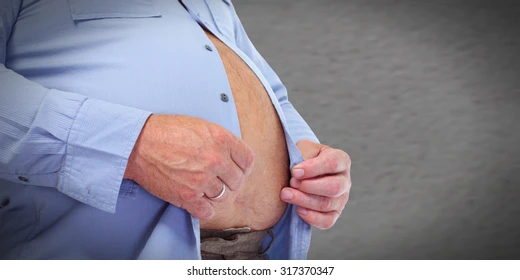

Obesity Treatment in Ayurveda

Obesity is one of the major causes of concern today, and it has become a critical health problem in recent years. According to the estimates of 2022, 890 million adults and 160 million children around the world were living with obesity.  Being obese can raise the chances of getting type 2 diabetes and heart disease. It can also harm your bones, affect your reproductive health and increase the risk of some types of cancer. Obesity can even make everyday activities like sleeping and moving around more difficult.     Obesity According to Ayurveda     According to Ayurveda, obesity or Atisthaulya is the result of an excessive accumulation of fat tissue (Medha Dhathu). The main causes of obesity are lack of exercise, day napping and consuming foods that aggravate Kapha Dosha. This leads to food not being digested properly. As a result, Sneha (oiliness) and fat are accumulated in the body.  Therefore, Ayurvedic treatment to reduce obesity focuses on balancing the Doshas, mainly through diet, exercise and lifestyle corrections.    Effect  of  Obesity  on  Agni   The excessive accumulation of fat tissues aggravates Vata Dosha within the alimentary canal. The result is an increase in Agni (digestive fire). Consumed food gets digested quickly, resulting in binge eating that can eventually affect your health. Though obesity causes the Agni to be high, excessive consumption of Kapha aggravating food will eventually weaken the Agni. This affects your digestion, leading to accumulation of toxins (Ama) in the body and the result is diseases.    How  to  Treat  Obesity  with  Ayurveda ?   In my Weight Loss Program, the primary focus is on balancing the Doshas and correcting the Agni. This is done primarily through dietary changes, lifestyle corrections, exercise and cleansing therapy to flush out toxins from the body.   Diet   Accumulation of fat aggravates Vata and Kapha Doshas and even causes fluctuations in your Agni. Therefore, consult a qualified Ayurvedic doctor to come up with a diet plan that aligns with your Prakriti (body type), Dosha imbalances and  health conditions. Avoid processed and junk foods. Having light, easily digestible foods is the best.   Kashaya Vasti   It is one of the five steps of Panchakarma where an enema with herbal decoction is administered to the patient. It helps balance your Vata Dosha and improves your overall health.   Rooksha Udvartana   Dry powder massage of Rooksha Udvartana involves massaging the body with herbs that are dry in nature.   This treatment helps reduce fat in the stomach, thighs, and buttocks.   Ayurvedic herbs and spices   Buttermilk with spices helps bring out changes in the fat tissues. Ayurveda also recommends a variety of Ayurvedic herbs, such as Guduchi, Amla and Agnimantha to treat obesity.   Exercise   Exercise regularly. You don’t have to go for intense workouts. Walking, cycling or jogging is more than enough.   Ayurvedic  tips  for  obesity   Here are some Ayurvedic tips that can help you beat obesity:   Practice mindful eating Eating food while involving all your senses gives you control over the quality and quantity. It also stops you from overeating.    Avoid Kapha-inducing foods Foods that are excessively salty, sour, sweet or oily aggravates your Kapha Dosha, which is also one of the attributes of obesity.   Drink lots of water Drinking water reduces hunger, thus preventing overeating.    Do not sleep right after dinner Have dinner at least 2 hours before going to bed.    Be consistent Be consistent with your daily routines, diet and exercise.   Stay stress-free Follow practices, such as meditation to stay away from stress. The connection between your mind and body certainly causes stress to be one of the reasons for obesity.   Also read: Are Flaxseeds Healthy?   Ayurveda not only provides a comprehensive strategy for treating obesity but also  targets the underlying causes of physical and mental imbalance. It’s important to maintain a healthy weight, encourage optimum digestion and metabolism, and support general well-being by implementing Ayurvedic principles into lifestyle and dietary habits.      If you are struggling with any health issues, you can either book a consultation with us or send us a message via WhatsApp to +91 79074 89839. We have the best Ayurvedic doctors in Trivandrum who are always glad to help you. If you have any queries, contact us.  You can also visit us at our hospital.

Chronic Health Managing With Ayurveda

The prevalence and rise in the number of people suffering from chronic health conditions globally has sharply grown. From autoimmune disorders and diabetes to obesity and arthritis, chronic conditions significantly affect the quality of life of those suffering.    The growing number of people suffering from chronic disorders has placed a substantial strain on the healthcare systems and resources. The figures of deaths in India and across the world accounted for by diabetes, chronic respiratory diseases, cancers, and cardiovascular diseases are alarming.    These NCDs (non-communicable diseases) are a leading cause of death. Obesity is a global endemic that has increased the instances of heart disease, cancer and diabetes. Recently, many have turned to Ayurveda to address this health crisis mainly because of its distinctive perspective of balancing the body’s doshas and integrating it with simple lifestyle practices.   Ayurveda as a holistic therapy   Ayurveda is a healing system that encompasses the body, mind, and spirit. It emphasizes lifestyle management to treat health conditions. The system of medicines provides a personalized approach to address the imbalances. When the Vata, Pitta and Kapha Doshas are not in balance, the body can develop chronic illness.    Healing this imbalance involves detoxification, improvement in digestion and stress reduction strategies. A person with a Vata imbalance can have warm and moist foods while a person with a Pitta imbalance can have cooling and calming foods.    Chronic health conditions are the result of internal and external factors that result in toxin (Ama) build-up and reduced digestive fire (Agni) according to Ayurveda. Physiological influences, genetic predispositions and environmental factors contribute to the development of chronic conditions. Chronic illness is attributed to a lack of energy. Improper lifestyle habits can cause toxins to build up.    What are chronic health conditions?   Let us understand chronic illnesses – those that last a long time, often a lifetime. They are most often autoimmune like neurological conditions, chronic pain and metabolic imbalances. Chronic conditions differ from acute conditions as their symptoms are persistent leaving the patient in pain, emotional pressure and social reclusiveness.    Globally, it is noticed that chronic conditions are a major issue as they are prolonged and require continual medical attention. Ayurveda has been effective in treating chronic health conditions at a nascent stage and they can be prevented from worsening. It goes to the root of a problem and treats it rather than suppressing the symptoms.   Today’s fast-paced life, dietary and activity changes, have given rise to increasing prevalence of hypertension and cardiovascular disease. Obesity and smoking are associated with these conditions.  The incidences of diabetes have also sharply risen.    Such chronic health conditions have to be managed with a strict diet lest it affect other organs like the eyes, heart, nerves and kidneys. An early diagnosis and treatment therapy can manage arthritis, which is an autoimmune condition.   Rheumatoid arthritis results in inflamed joints and degenerated joint cartilage. Patients suffering from this chronic condition suffer swelling and pain resulting in reduced joint mobility.   Autoimmune Diseases   Autoimmune diseases are mostly treated with immunosuppressive drugs to reduce the symptoms. However, as per Ayurveda, the gut and lifestyle will need rectification to address the malfunctioning immune system. Various herbs such as Maricha, Shunthi, Saindhav Lavan, Pippali and Haritaki can reduce the toxin build-up.   Ayurvedic herbs such as Vasa, Guggulu, Neem, Guduchi and Patola Patra help rectify metabolism. It is important to boost Ojas to provide the immune system with nourishment. The immune system is then corrected by calming and nourishing it.   Asthma   Asthmatic patients suffer from recurrent bouts of wheezing and breathlessness. Asthma is usually associated with irritants and allergens. While doctors prescribe steroids and inhalers to patients, they experience a reduced quality of life.   Ayurveda incorporates herbs like cardamom, licorice, Tulsi, Pippali, cinnamon and Vasaka to relieve airway blockage and congestion. Incorporating herbal teas, warm soups and cooked vegetables can also help.    It’s also important to follow regular mealtimes. Avoid smoke, pollution, pollen and dust to avoid triggers. Certain yoga postures and pranayama can strengthen respiratory muscles and open the chest.   Chronic Gut Issues   Treating gut-related and digestive issues involves the incorporation of a wholesome diet along with a healthy daily routine, exercise and medicines (if necessary). The diet aligns with the body constitution (Prakriti), health conditions and Dosha imbalances.    Ayurvedic treatments to treat chronic conditions   Following Ayurvedic practices can significantly reduce symptoms and prevent disease progression. Initially, Ayurvedic treatments begin with identifying the Dosha (body energy) imbalance in the body. With therapies, oils and diet correction, Ayurveda helps treat anti-inflammatory conditions to manage chronic health conditions.   Panchakarma   Panchakarma is a detoxification therapy that helps remove toxins and rejuvenate the body. This five-pronged specialized treatment encompasses therapeutic oil enemas (Basti), massage with herbal oils (Abhyanga), herbal steam practice (Swedana), purgation (Virechana), and Nasya (nasal medication).    Panchkarma prevents tissue damage and prevents recurrence of autoimmune disorders.    Lifestyle routines   The Ayurvedic regimen involves Dinacharya (daily routine) and Ritucharya (seasonal regimen). These encompass:   Waking up before sunrise Tongue scraping and oil pulling Abhyanga or self-massage Yoga Breathing exercises (pranayama) Meditation Retiring early at night   Following a routine consistently helps strengthen the mind-body connection and lower stress levels.   Benefits of following an Ayurvedic way of life   Ayurveda emphasizes mindful eating. You should avoid overeating and distractions during mealtimes. One can, for instance, modify their lifestyle and diet according to the season and, moreover, their prakriti.   The usage of oils helps in lubricating joints and can assist those suffering from arthritis. Good sleep hygiene can also go a long way in keeping several chronic conditions at bay. Meditative practices help strengthen the mind-body connection and lower stress levels.    A calm mind, therefore, can handle the stresses associated with the fast-paced lifestyle of today.   Also read: Ayurvedic recipe for gut – the mid-morning drink     If you are struggling with any health issues, you… Continue reading Chronic Health Managing With Ayurveda

Dark Neck & Underarm Creams

Are you looking for the best cream for treating dark neck and underarms? The answer is there isn’t any! You could attribute the darkness on your neck to several causes. Hyperpigmentation occurs when certain areas of the skin become darker in colour. If the doctor discovers that hormones are not the cause of the skin colour changes, excessive sun exposure and poor hygiene could be potential factors.  Hyperpigmentation, the velvety patches on the folds and creases of the skin like neck, armpits, groin, etc. is called Acanthosis Nigricans (AN).    What could be the possible reasons for Acanthosis Nigricans ?   Diabetes Acanthosis Nigricans commonly signifies that your body is generating an excess of insulin that it cannot utilize efficiently. Increasing amounts of insulin can lead to a dark patch on the skin. This is called insulin resistance.   PCOS Women with PCOS frequently develop dark spots in areas of the body where there is rubbing or friction, such as the neck, underarms, and inner thighs.   Obesity (most common) Acanthosis Nigricans is associated with obesity and affects the skin. Over half of adults who are double their ideal body weight suffer from this condition.   Hypothyroidism Hypothyroidism can alter the condition of your skin, hair, and nails. It may also result in skin issues like vitiligo, melasma, alopecia areata, and xanthelasma palpebrarum. Additionally, these conditions can lead to further complications, and consequently, individuals may experience a range of symptoms.   Prolonged use of birth control pills Prolonged use of contraceptive pills can result in the formation of hyperpigmentation in areas like the armpits and skin folds.    Continuous use of steroids like Prednisolone, etc. The individual experienced the development of thickened, darkened skin in the groin, armpits, and neck following eight years of steroid treatment for dermatomyositis.   No creams or peels can cure Acanthosis Nigricans  completely. They can only lighten it a little temporarily; however, they can never cure it! Therefore, despite their efforts, the underlying issue remains unresolved.  Only internal treatment can cure Acanthosis Nigricans.   What to do when you notice you have Acanthosis Nigricans ?   First, do a complete bloodwork/hormonal picture; then, consult an Ayurvedic doctor; and finally, find and treat the root cause.  If you have PCOS or diabetes, treat it. And if you are obese, lose weight.   If any doctor tells you he/she can cure Acanthosis Nigricans completely with skin treatments, and you believe it, then be ready to lose all your money.   If you’re looking for the best cream for treating dark neck and underarms, you’ll be disappointed. The condition is Acanthosis Nigricans, which might be related to some underlying health issues that you already have. If you notice AN, consider consulting a doctor and comprehend the root cause because every problem has its own set of solutions.    Doctor Rekha is a 4th generation Ayurvedic Medicine Doctor (BAMS) and also one of the best ayurvedic doctor in trivandrum city, living in between Dubai and India who has patients from around the globe who believes that the wisdom of Ayurveda can help everyone lead a happy, heathy and disease-free life.   If you are struggling with any health issues, you can either book a consultation with us or send us a message via WhatsApp to +91 79074 89839. We have the best Ayurvedic doctors in Trivandrum who are always glad to help you. If you have any queries, contact us.  You can also visit us at our hospital.