Vijayadashami: A Time for New Beginnings and Knowledge

  Taken from the ancient text Manu Smriti, (“Dharma (righteousness) protects those who protect it.”) this quote reflects the essence of Vijayadashami, where righteousness and good ultimately prevail.  Dussehra, also known as Vijayadashami, is a prominent festival in Indian culture symbolising victory, renewal, and the triumph of good over evil.    It marks the conclusion of the nine-day Navratri festival, which is celebrated with great devotion across India. This festival is significant for both cultural and spiritual reasons, often referred to as “Vijayadashami,” which means “the tenth day of victory.”    It commemorates Lord Rama’s victory over Ravana and the defeat of Mahishasura by Goddess Durga.   The day is not only about celebrating victory but also about embracing new beginnings, learning, and personal growth. Homes are adorned with beautiful rangolis, and people come together in joyous celebration.     The Essence of Vijayadashami     At its core, Vijayadashami represents truth, renewal, and prosperity. Whether it’s a new business venture, an educational pursuit, or a spiritual practice, this day is considered auspicious for any fresh start.    Vijayadashami reminds us that life is a continuous cycle of learning and seeking opportunities for growth.   While Dussehra traditionally marks the victory of good over evil, its importance extends beyond mythology. It symbolizes the triumph of positive thoughts, wisdom, and self-discipline over ignorance and negativity.    It’s a day to reflect on personal and spiritual progress, set new goals, and embark on new journeys.     Vidyarambham: New Beginnings and Knowledge     सरस्वति नमस्तुभ्यं वरदे कामरूपिणि।  विद्यारम्भं करिष्यामि सिद्धिर्भवतु मे सदा॥ (O Goddess Saraswati, I bow to you, who grants boons and fulfills desires. I am beginning my pursuit of knowledge; may I always achieve success.)   One of the most meaningful traditions associated with Vijayadashami is Vidyarambham, especially in South India.    This ceremony, particularly popular in Kerala, introduces young children to the world of education. On this day, elders encourage children aged between 2 to 5 to write their first letters, usually on rice or sand.   Known as “Ezhuthiniruthu” in Kerala, this tradition celebrates the beginning of one’s educational journey.    For students, this day is a time to renew their dedication to learning, while for professionals, it’s a day to take new steps in their career or business.   Spiritual Growth and Renewal   Vijayadashami has a deep spiritual significance. The festival acts as a reminder to discard the old and start afresh not just in the material world but also on emotional and spiritual levels.    This is the time for spiritual detoxification – getting rid of negativity and embracing positive energy.   You might have heard of many Rishis or spiritual healers practising Sadhna during the nine days of the Navratri festival. Vijaydashami, being the 10th day, marks the culmination of their connection with their inner selves and the divine.    Ceremonies like worship and reading of scriptures are part of the process of invoking blessings for a meaningful life.   The celebrations of Vijayadashami symbolise the fact that there should be a balance between the three entities of human beings, i.e., mind-body-soul.    A day which is a perfect combination of celebrating defeat over negativity and also anticipating the dawn of new beginnings in hope and positivity.   Vijayadashami Traditions and Rituals     Every region in India celebrates Vijayadashami in its unique ways. The burning of effigies of Ravana in northern India symbolises the triumph of good over evil. It is a dramatic spectacle and a symbol of triumph over life’s challenges and negativity.   Down south, especially in Trivandrum, Kerala, and the rest of South India, Vijayadashami marks a day that is largely dedicated to knowledge and learning. The festival falls on the last day of Navratri, and many educational institutions perform Saraswati (Goddess of knowledge) Puja to invoke her blessings.   Hindus also celebrate this period as the end of the monsoon and the beginning of the wedding season.   From an Ayurvedic perspective, Vijayadashami is a time to make the resolution for good health!    I, being an Ayurvedic doctor, take a vow on this day to deepen my knowledge and help more and more people with real Ayurveda.     Significance in Education     People dedicate Vijayadashami to learning new things — for children as well as adults in the context of the modern lifestyle.    This day reminds us that life is a school and we should never stop learning, whether it comes through experience or new knowledge.   This is the perfect day for students to renew their commitments to education. Also, the school honours the teachers for being the guiding light.     Ayurveda and Vijayadashami: Power of Herbs     Ayurveda also associates Vijayadashami with purification and revitalization. This time best suits the body for detoxification to gain long-lasting positive health benefits.   During this time, practitioners perform various Panchakarma treatments to reap their maximum benefits.   Two popular and potent herbs in Ayurveda, Tulsi (Holy Basil) and Amla (Indian Gooseberry), bear their connection to this period.  Based on folklore, Tulsi Vivah (with Shaligram or a branch of Amla, representing Lord Vishnu) is performed in the following month of Vijayadashami, particularly on the 12th day of the bright fortnight of the Karthik month.   Ayurveda honors Tulsi as the symbol of Lakshmi and Amla as the symbol of Vishnu for their life-giving properties.   Tulsi is extremely beneficial for strengthening your immune system (especially during seasonal changes) and is consumed in herbal teas or Ayurvedic formulations because of its tendency to support respiratory health. Amla, being a powerhouse of Vitamin C and iron, improves overall immunity and strength.   Vijayadashami: A Day of Victory       The day of Vijayadashami emphasises the balance between the three entities of human beings, i.e., mind-body-soul.   It represents youth and strength, wisdom and success.    This day marks the beginning of a new cycle – an ideal time to focus on new beginnings. Whether… Continue reading Vijayadashami: A Time for New Beginnings and Knowledge

Lord Dhanvantari: The God of Ayurveda

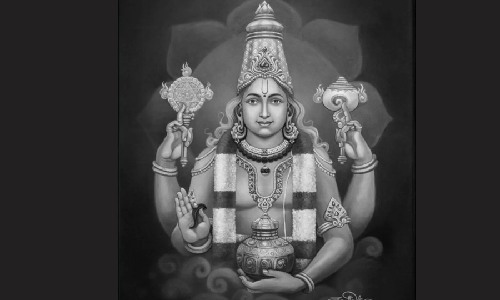
According to Indian mythology, Lord Dhanvantari is the God of medicine and the God of Ayurveda.   This divine physician is also thought to be the 13th avatar of Lord Vishnu.   Lord Dhanvantari is often considered a symbol of health, healing, and longevity, not just in Ayurveda but also in the broader spiritual and cultural traditions of India. His teachings have been passed down through generations, influencing various aspects of both medical and spiritual practices.   In this blog, let’s explore the legend of Lord Dhanvantari, his relevance in the field of Ayurveda, and how he shaped the path of healing and health.   The Origin Story     The story of Lord Dhanvantari originates in Hindu mythology, particularly the legend of Samudra Manthan or the churning of the ocean.   According to the legend, Gods and demons churned the ocean of milk (Kshira Sagara) to get Amrita, the nectar of immortality. After a wearing trial period, Dhanvantari emerged from the sea, bringing with him the potion of immortality.   In images, artists often portray Lord Dhanvantari holding a conch in one hand and a pot full of Amrita in the second hand.  His third hand has a book titled “Ayurveda,” and the fourth hand has medicinal herbs.   The depiction of Lord Dhanvantari holding Amrita isn’t just a divine image. It is a symbol of Ayurveda’s power to sustain life and health. Ayurveda, when followed the right way, isn’t just about curing diseases, but about creating lasting well-being and balance.   Therefore, Lord Dhanvantari’s role is not just to ensure physical well-being, but also the divine alignment of mind, body, and soul, which is the crux of Ayurvedic principles.   This balance is vital in Ayurveda, as it integrates the mind, body, and spirit in a way that promotes overall harmony and vitality. Ayurveda doesn’t just treat symptoms; it works on the root causes to restore balance in the individual’s entire being.   One can see his emergence from the Ksheersagar, the ocean of life, as a metaphor for revealing hidden knowledge related to medicine or healing.     Lord Dhanvantari – God of Medicine and Ayurveda     Many people believe that Lord Brahma was the first person to teach and propagate Ayurveda. However, Lord Dhanvantari is the one worshipped as the god of Ayurveda.   Ayurveda pays attention to both treating illness and preventive health care through lifestyle, food, and natural remedies.   Lord Dhanvantari’s teachings emphasize herbs, therapies, and surgical knowledge as tools for achieving optimal wellness.   Lord Dhanvantari is known for bringing Ayurveda to the world, teaching the use of herbs, therapies, and surgical techniques for better health. His wisdom about healing and nature still guides Ayurvedic treatments today.   Ayurvedic doctors often seek Lord Dhanvantari’s blessings before starting any auspicious works.     Dhanvantari and the Vedas     People revere Lord Dhanvantari for his divine knowledge of surgery, medicinal herbs, and the importance of a balanced lifestyle.   Atharva Veda mentions his teachings through hymns and rituals associated with health and healing.   These hymns often include prayers for long life, peace, and freedom from disease, which reflect the broader spiritual goals of Ayurveda in promoting holistic wellness.   Many people think that Dhanvantari blesses many herbs and treatments used in Ayurveda.     Dhanvantari — Patron of Ayurveda and Surgery     One of the unique aspects of Lord Dhanvantari’s teachings is his focus on surgery.   Sushruta Samhita – the classical text of Ayurveda authored by Acharya Sushruta talks about surgery in detail.   People believe that Lord Dhanvantari reincarnated on earth as Divodasa – the king of Kashi.   Divodasa Dhanvantari was the master of surgery. He passed the knowledge of surgery and Ayurveda to Acharya Sushruta.   This included anatomy, use of surgical instruments, constructive operations such as removal of cataract, open heart surgery, brain surgery, and rhinoplasty.     Benefits of Worshipping Lord Dhanvantari     Since ancient times, people have been worshipping Dhanvantari for both physical and spiritual healing.   Many perform Dhanvantari Puja invoking his blessings for good health, and energy, and to remain guarded against diseases.   Every year, people celebrate Dhanvantari Jayanti on Dhanteras, two days before Diwali.  On this auspicious day, Ayurvedic doctors and followers pray to Lord Dhanvantari.   People also observe Dhanvantari Jayanti as International Ayurveda Day.   The celebration of Dhanvantari Jayanti serves as a reminder to all of us about the importance of good health, proper nutrition, and lifestyle choices. It is a day to reflect on our own health practices and seek guidance from Ayurveda.     Role of Lord Dhanvantari in New Age Wellness     Modern-day Ayurveda heavily follows Sushruta Samhita authored by Acharya Sushruta. In Sushruta Samhita, people also refer to Dhanvantari as Divodasa and Kasi Raja. Today, as more people prefer natural treatments over medicine, the lessons and teachings of Lord Dhanvantari make even more sense.   Here, his philosophy of using natural means to achieve balance links well with contemporary approaches to health and wellness that focus on holistic prevention, healthy eating, and mind-body balance.   In an era where people are increasingly turning to organic, natural alternatives, Lord Dhanvantari’s teachings on sustainable and gentle healing practices resonate deeply. People see his wisdom as a guide towards more conscious living.     Lord Dhanvantari — The Eternal Healer     Lord Dhanvantari’s expertise in Ayurveda inspires Ayurvedic doctors and followers of this ancient healing system.   For those seeking divine guidance regarding health, Lord Dhanvantari stands as the eternal symbol of hope, healing, and longevity.   Whether you follow an Ayurvedic lifestyle or just wish to live a healthier life, the teachings and insights from Lord Dhanvantari are relevant even today.   His eternal teachings inspire a life where physical health, mental peace, and spiritual growth are balanced, making his influence timeless.     Do you follow any Ayurvedic principles in your daily life? Tell us in the comments!  … Continue reading Lord Dhanvantari: The God of Ayurveda

Fenugreek: A Natural Support for Diabetes

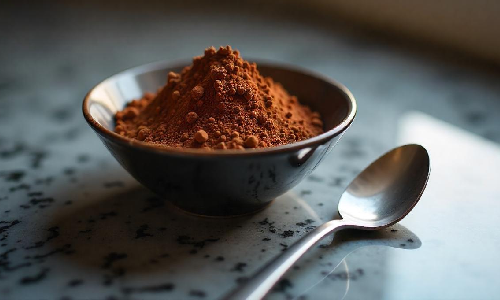
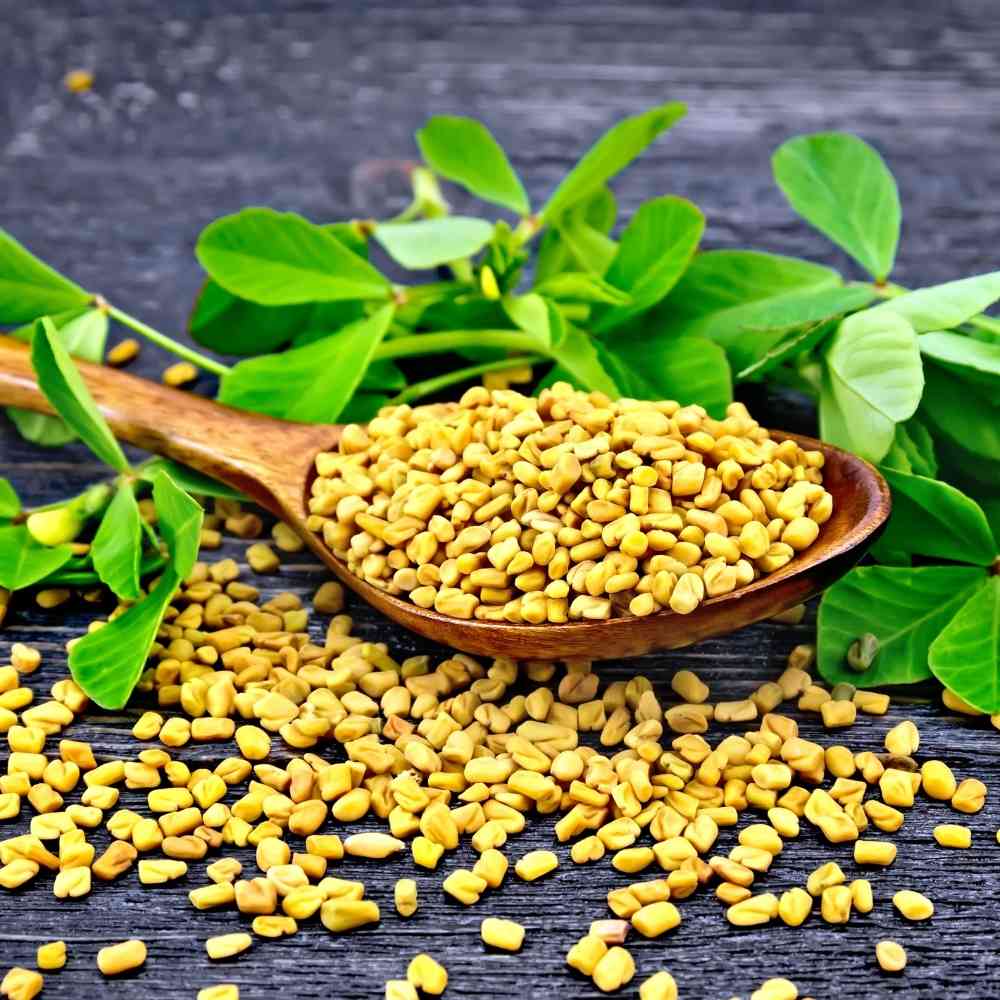
Fenugreek or Methika, is more than just a kitchen spice. Beyond its role in improving the flavour of your meals, it also offers some amazing health benefits, especially for diabetes management. Ayurveda always loved its ability to support digestion, boost metabolism and balance blood sugar levels.   Managing diabetes is not easy, especially if you’re relying only on medications. Ayurveda takes a different approach, focusing on a mix of diet, lifestyle, and natural remedies to keep blood sugar in check. Simple additions like including fenugreek in your diet can make a real difference.   From soaked seeds to herbal teas, there are many ways to add this powerful herb into your routine. Using fenugreek helps improve insulin sensitivity, support digestion, and even reduce sugar cravings, making diabetes management a little easier.Studies suggest that regular intake of fenugreek may help prevent sudden drops or spikes in blood sugar levels, providing a more stable energy supply throughout the day.     What is Fenugreek ?     Fenugreek is a herb that belongs to the legume family. Its seeds are often used in cooking, especially in Indian cuisine.  However, it is not just an aromatic spice. It has been popular in many ancient cultures for being an overall healing agent.   It helps in digestion, increasing milk production in nursing women, and most importantly, in the management of blood sugar levels.     Mention of Fenugreek in Ayurveda     In Ayurveda, fenugreek is known as “Methi” and is mentioned in classical texts as a powerful herb that aids digestion, reduces Kapha and supports metabolic health.    Acharya Charaka includes it in the ‘Shaka Varga’ (group of vegetables) in the Charaka Samhita.   One of the oldest references to fenugreek in Ayurveda can be found in Bhavaprakasha Nighantu:   मेतिका उष्णा तिक्त च दीपनी पाचनी लघु | वातानिलाश्रमघ्नी च श्लेष्मपित्तकरी माता ||   Methika ushna tikta cha deepani pachani laghu Vatanilashramaghni cha shleshma pittakari mata    (Bhavaprakasha Nighantu, Haritakyadi Varga, Verse 142)   Based on this verse,fenugreek has the following properties:   Hot in potency  Bitter in taste Improves digestion Aids metabolism Light for digestion Alleviates Vata disorders, fatigue, and excess Kapha May aggravate Pitta when consumed excessively     Fenugreek and Diabetes       There are several qualities of fenugreek that make it great for managing diabetes:     Slows down sugar absorption     Fenugreek seeds are packed with soluble fiber, which turns into a gel-like mucilage when soaked. This slows down the digestion and absorption of carbohydrates, leading to a steady release of glucose into the bloodstream. As a result, it helps prevent sudden blood sugar spikes after meals and keeps energy levels stable.   Boosts insulin sensitivity   Studies show that fenugreek has components that increase your insulin sensitivity, especially in people with Type 2 diabetes. Hence, it allows your body to use insulin in a better way. This means your body can utilise insulin more effectively, reducing the amount of glucose circulating in the blood   Ayurvedic practitioners often recommend taking Fenugreek with black pepper or ginger to enhance its benefits. Ginger aids digestion, while piperine – the compound in black pepper boosts absorption, making Fenugreek more effective for blood sugar balance.   Aids in blood sugar control   Studies show that fenugreek helps reduce fasting blood sugar levels.   The seeds contain 4-hydroxyisoleucine, an amino acid that is believed to stimulate insulin secretion. This helps improve glucose metabolism and may contribute to lowering blood sugar levels.   Anti-inflammatory properties   People with diabetes often suffer from inflammation, especially of the joints.   Not only does it decrease inflammation, but it also increases insulin sensitivity due to its anti-inflammatory nature.   Ayurveda links weak digestion to Ama (toxins), which can lead to chronic inflammation. Fenugreek, with its digestion-boosting and metabolism-enhancing properties, helps clear Ama, indirectly supporting better metabolism and easing diabetic complications like joint pain.     Ways to Use Fenugreek for Diabetes Management     You can use fenugreek in different ways to regulate blood sugar levels.   Fenugreek seeds   You can take it’s seeds directly by soaking a teaspoon in water overnight and consuming them on an empty stomach.    Ayurveda suggests chewing the soaked seeds instead of swallowing them whole, as this stimulates digestive enzymes and enhances absorption.   Ground fenugreek   You can also add a teaspoon of the fenugreek powder to a glass of warm water or milk and drink one to two times a day.   Mixing the powder with buttermilk is another Ayurvedic way to consume it, especially during summer, as buttermilk pacifies Pitta Dosha.   Fenugreek tea   Another way to consume fenugreek is by boiling the seeds in water to make a tea. It’s a simple and relaxing way to support blood sugar balance.    Adding a pinch of cinnamon to the tea not only adds to the taste, but it also boosts its glucose-lowering benefits.     Precautions     While fenugreek is generally safe for most people, there are a few things to keep in mind:     Consult your doctor   Fenugreek can interact with certain medications and affect blood sugar levels. Before consuming it, consult with an Ayurvedic doctor, especially if you’re taking medication for diabetes.     Possible side effects   Some people may experience mild digestive discomfort, diarrhea, or bloating when they first start taking fenugreek. These symptoms usually subside as the body adjusts.   These symptoms usually subside as your body adjusts.     Allergies     If you have allergies to legumes like peanuts or chickpeas, you might also be allergic to fenugreek. Start with a small amount to test for any reactions.   Fenugreek is a versatile and powerful herb that can support blood sugar control in people with diabetes.   Its high fiber content, ability to improve insulin sensitivity, and anti-inflammatory properties make it a valuable addition to a diabetes management plan.   Ancient Ayurvedic texts emphasize that Type-2 diabetes (Madhumeha) is not just about… Continue reading Fenugreek: A Natural Support for Diabetes

Insomnia – Cure it Naturally with Ayurveda

In my career, I have come across many patients who have been battling diabetes for years. During my consultations with them, I often notice that they share something in common – months and years of improper sleep or, to be more precise, insomnia. But they are not the only ones.      In today’s world, insomnia is indeed a serious health issue faced by many. As per reports, at least 38% of adults around the world are deprived of sleep.     Stress, bad eating habits and other factors can all contribute to the condition.    Lack of sleep not only makes you feel tired for the whole day. It also has an adverse effect on your physical and mental health, increasing the chances of having diseases.     Ayurvedic treatment for insomnia includes dietary corrections, herbal medicines (if needed), and Ayurvedic therapy that promotes better sleep.    Let’s learn more about insomnia, therefore, from the Ayurvedic perspective in this blog.      What is Insomnia ?     Insomnia is a sleeping disorder, marked by trouble falling asleep, not being able to stay asleep, or not having good quality sleep.  It can have a negative impact on your overall well-being and functioning.     Insomnia can be acute, where it lasts for a few days or weeks, and chronic, where it lasts for months or years.  Even if you are doing everything right, you are putting your long-term health at risk if your sleep is not on point.    Taking care of your sleep is extremely important for preventing many diseases, like diabetes, PCOS, and cancer.  Even a partial or full night of sleep deprivation, consequently, can increase your insulin resistance and your sugar levels.    Lack of sleep also causes a reduction in immunity, reduced strength of the body and the mind, weakness, debility, and reduced fertility and longevity.     Insomnia as per Ayurveda     Ayurveda calls insomnia “Anidra” or “Nidranasha.”    Although it seems to be a modern-day problem, Ayurveda has always emphasized the importance of sleep for health and longevity in ancient texts.     “Nidra samyak prakrutisthaa sukham dukham pushtikarshyam |   Balaabalam vrushata klibata jnaanajnaane cha karanam ||”    Charaka Samhita (Sutra Sthana 21:35)    Translation: Sleep, when balanced, leads to happiness, nourishment, strength, and wisdom. However, improper sleep results in suffering, weakness, and ignorance.     In Ayurvedic terms, Nidra (sleep) is one of the three pillars of health (Traya Upasthambha), along with Aahara (food) and Brahmacharya (regulated lifestyle).     Acharya Sushruta has stated that inadequate sleep can lead to Prameha (diabetes), Hridroga (heart disease) and even premature aging.      Ayurvedic Approach to Insomnia      According to Ayurveda, a low Kapha Dosha and an aggravated Vata Dosha could be the reasons for insomnia.     Vata Dosha controls movement and activity, while Kapha Dosha takes care of lubrication of joints, nourishment, growth, etc.     Imbalances in these Doshas, consequently, can affect your ability to sleep well.  Insomnia can be cured Ayurvedically through lifestyle and dietary changes, medicines (if required), and therapies.      Ayurvedic Lifestyle Tips for Better Sleep      Ayurveda promotes a set of lifestyle changes that can help you sleep better.      Fix your sleep schedule    Set a specific sleeping and wake-up time for every day; in addition, this should include weekends. This, consequently, helps you establish good sleep quality and set the body’s internal sleep clock.    Avoid distractions     Remove any gadgets from your bedroom that can distract you from sleeping. For instance, leave your mobile phones in the living room (this is something I follow).    Create a relaxing sleep environment     The ideal environment for sleep, therefore, would be a dark, quiet, and cool bedroom.  Avoid using bright lights in the bedroom. Also, make sure that the temperature in the room is cool and comfortable.    Engage in some mindfulness and meditation     Practice meditation and mindfulness to calm your mind and, as a result, to have proper sleep.  Take a few minutes each night, for instance, to practice deep breathing or, alternatively, to do some guided meditation.    Also, practising yoga poses like Shavasana (Corpse Pose) and Viparita Karani (Legs-Up-The-Wall Pose) before bed can relax your nervous system and improve sleep quality.      Ayurvedic Dietary Tips for Better Sleep     Your diet also has a role to play in your sleeping pattern.    Eat a light dinner    Moreover, have warm, freshly cooked, and easily digestible foods for dinner. Therefore, avoid heavy, spicy, or raw foods, as they can indeed aggravate your Vata Dosha.    Drinking warm milk infused with a pinch of nutmeg before bed is an excellent Ayurvedic remedy for insomnia.    Avoid stimulants     Try to avoid coffee, alcohol, and other stimulating drinks that contain sugar at night.     These drinks make it difficult for you to go to sleep, thus affecting your sleep timings. Instead, consider opting for herbal tea or water.    Stay hydrated    Drink plenty of water during the day. This not only helps regulate your body’s temperature, but it also helps you sleep well.      Ayurvedic Therapies to Treat Insomnia        These are some of the therapies, therefore, Ayurveda recommends to have better sleep.     Shiro Abhyanga    Shiro Abhyanga – a head massage done using medicated oils, is, in fact, a great method to improve your sleep.  It helps, therefore, calm the mind; additionally, it improves your blood circulation; and, furthermore, it reduces the anxiety and stress you’re feeling.    Shirovasti    In this treatment method, medicated oil is, therefore, held on the patient’s head within a hollow head cap.  Shirovasti helps relax both body and mind and thereby, helps you sleep better.      Thalapothichil    This therapy involves covering the scalp with herbal paste.  Thalapothichil helps relax your mind and body, and also promotes sleep.      Shirodhara    Shirodhara is another Ayurvedic therapy that helps improve the quality of your sleep and take care of your insomnia.  This treatment,… Continue reading Insomnia – Cure it Naturally with Ayurveda

Herbal Tea: Ayurvedic Benefits and Recipes

In Ayurveda, herbal tea is not just a comforting drink. They also offer many health benefits.   The herbs and spices used in these teas are specifically chosen for their medicinal properties and their capacity to balance the Doshas.   These natural remedies have been used for centuries for overall wellness, making them an integral part of Ayurvedic practices.   Benefits of Herbal Tea   Herbal teas, in addition to their delightful flavors, offer an array of health benefits. Specifically, they:   Reduce stress The body can better handle stress because of the adaptogenic qualities of herbs, like Aparajita. Improve digestion: Pepper and asafoetida, among other ingredients, not only promote healthy digestion but also reduce gas and discomfort. Detoxify: Herbs like neem and turmeric, for instance, help the body rid itself of toxins and, moreover, purify the blood. Improve Immunity: The infection-fighting properties of herbs, such as Ajwain, not only help boost immunity but also enhance overall health. Promote sleep: Teas made with herbs like chamomile and Blue Pea flower soothe the mind, thus improving your sleep quality.   While herbal teas offer many health benefits, it is important to remember that all of these herbs mentioned here may not be suitable for you. It’s always better to consult a qualified Ayurvedic doctor before you consume any herbs.   More Ayurvedic Benefits of Herbal Teas     Hydration with a purpose   Most of us are well aware that we need to drink more water. But some people find drinking plain water boring. If you’re one of them, try herbal teas occasionally for a change. They provide flavour and hydration. As opposed to caffeinated drinks which dehydrate, herbal teas replenish the fluids and nourish your body. Being caffeine-free, they are a  healthier alternative to traditional teas and coffee.   Balancing the elements   According to Ayurveda, a Dosha imbalance leads to diseases in the body. Herbal teas can act as gentle healers, bringing back the balance. If your body is feeling too hot because of excess Pitta, cooling herbs such as coriander can help balance that heat. If you are a little sluggish from too much Kapha, choose a warming ginger-cinnamon tea to wake you up in an organic way.   Aiding emotional well-being   Ever noticed how a cup of tea feels like a warm hug? Ayurveda explains this so beautifully. There are some herbs which affect our emotions directly. For instance, Brahmi tea clears the head and relieves brain fog; chamomile tea helps fight anxiety. That’s why having tea isn’t simply about sipping on something warm, it’s a way of caring for yourself from the inside out.     Ayurvedic Herbal Tea Recipes     Here are some recipes of herbal teas that serve different purposes. Furthermore, they can provide various health benefits and enhance your overall well-being.   Anti-Anxiety Herbal Tea   This tea is cooling in nature; moreover, it helps with better sleep, reduces anxiety, calms and relaxes the mind, and improves memory. It also works great for people with hypertension (high blood pressure) and hypothyroidism.   Ingredients:   Fresh blue pea flowers Ajwain leaves Water   How to prepare:   Take fresh blue pea flowers and remove the stalks Add them to boiling (hot) water and let them steep Add ajwain leaves for flavor and digestion Drink after dinner   You can also prepare the tea by adding the flowers and ajwain leaves in water and boiling it.   As an Ayurvedic doctor, this tea is part of my daily nighttime routine. It helps me relax after a hectic day!   Herbal tea for digestion (Bharittha Tea)   Bharittha tea, on the other hand, is perfect to drink after having a heavy meal. It alleviates gas, bloating, and indigestion.   The tea also improves the digestive fire or Agni, scrapes off (Lekhana) the excess fat from food, and subsides Vata and Kapha Doshas.   This Bharittha tea recipe is from the Ayurvedic text – Yogaratnakara. Moreover, it highlights the importance of holistic health.   Ingredients:   Water Lemon Pepper Himalayan Pink Salt Asafoetida   How to Prepare:   Boil a glass of water Add a squeeze of lemon to the water Add some pepper, asafoetida, and Himalayan pink salt And your tea is ready   Caution: Avoid this tea if you suffer from acidity, acid reflux, or heartburn.   Licorice tea   This tea is my absolute favourite.   It has helped me a lot; moreover, it is a great replacement for morning coffee.   This is the best thing to drink every morning (in all seasons) for your skin, hair, digestion, and overall health.   Licorice acts as a natural coolant for the stomach and helps reduce inflammation in the throat. This tea also boosts your energy levels naturally.   Ingredients:   Licorice root Water   How to Prepare:   Add 1-inch piece of licorice root to 2 glasses of water and reduce to 1 glass.     Caution: Licorice is not recommended for you if you suffer from hypertension; moreover, if you have a family history of the condition, it is also advised to avoid it. Also, take it for a maximum period of 3 months and stop for a while.   More Ayurvedic Teas for Specific Concerns     Tea for seasonal allergies: Boil tulsi leaves, black pepper, and a pinch of rock salt in water. It clears nasal congestion and strengthens immunity. Tea for weight management: Cumin, coriander, and fennel seeds steeped in hot water can support digestion and help manage weight. Tea for glowing skin: A mix of rose petals, fennel, and licorice can promote clear, radiant skin by balancing Pitta. Tea for menstrual cramps: A soothing blend of ginger, ajwain, and jaggery helps reduce period pain naturally.   Herbal teas are more than just drinks. They are a way to nourish your body, calm your mind, and connect with ancient Ayurvedic wisdom.   When you ditch your regular tea and coffee for herbal teas, you’re giving your body something better – natural goodness,… Continue reading Herbal Tea: Ayurvedic Benefits and Recipes

Mental Clarity with Ayurveda

Mental clarity and attention have a profound effect on your emotional stability, productivity and sound decision-making abilities. However, with the busy lives everyone leads today, it might be difficult to stay focused and have mental clarity.    “Brain fog,” as it is termed, can put you in a difficult situation, especially when you are looking forward to success.    Mental exhaustion and memory loss are often the results of multitasking, stress, and the continual assault of information. But they could also be a result of any underlying health condition.    Ayurveda offers many tried-and-true methods for improving focus and mental clarity. These techniques help enhance general well-being and cognitive performance.    You can enhance your general well-being and cognitive performance by implementing Ayurvedic mental clearing activities into your everyday routine.      The Ayurvedic Perspective     According to Ayurveda, lack of mental clarity and focus is a condition that involves your mind or Manas and channels associated with the mind (Manovaha Srotas). It could also be a result of Dosha imbalances.    In Ayurveda, mental clarity is closely linked to one of the three Gunas or qualities – Sattva (purity and balance), while brain fog is associated with excess of the other two Gunas – Tamas and Rajas.   A person with high Sattva has a calm, clear, and sharp mind. Excess Tamas results in sluggishness, forgetfulness, and confusion. Similarly, Rajas creates restlessness, overthinking, and stress.   Balancing these qualities through food, lifestyle, and mindful practices is the key to mental clarity.      Another reason for the condition could be excess consumption of Viruddha Ahara or incompatible foods. Such foods contribute to Ama (toxin buildup) in the body that affects your digestive health and energy levels. Since the mind and body are connected, poor digestion can indirectly contribute to sluggishness and brain fog.      Ayurvedic Practices for Mental Clarity and Focus     These Ayurvedic practices can help you stay focused and clear your mind.      Daily Routine (Dinacharya)      Following a consistent daily routine is crucial for mental clarity. Some of the daily routine practices are:      Tongue Scrubbing     The coating on your tongue in the morning indicates how much Ama has accumulated overnight. A thick white or yellow coating on the tongue may indicate toxin buildup, especially if accompanied by other signs like fatigue, indigestion, and sluggishness.    Scraping the tongue in the morning (preferably, using a copper tongue cleaner) helps remove these toxins and ensures better taste perception and digestion. Thus, it allows the mind to function with better clarity.       Oil Pulling     Oil pulling promotes better oral hygiene and, in addition, aids in the body’s detoxification.    Ayurveda suggests using organic black sesame oil for oil pulling. Try swishing a tablespoon of oil in your mouth for 5-10 minutes every morning before brushing your teeth.    Want to learn more about Dinacharya? Download my ebook for free!      Nutrition and Diet   Eating a balanced diet is essential to keeping your mind clear. Also, make sure that the food you eat is freshly cooked, warm, and light to digest.    Avoid deep-fried foods, excess sugar, processed foods and heavy dairy products like cheese. Heavy foods are hard to digest; consequently, this leads to Ama build up in the body. This can further deteriorate your mental health and cause diseases.      Hydration     Staying hydrated is important for your body and mind. Dehydration leads to fatigue and brain fog, making it harder to stay focused.    Drinking enough water helps remove toxins from the body. Also, avoid excessive caffeine and sugary drinks which can cause mental restlessness. You can opt for herbal teas instead.     For example, I start my mornings with a cup of licorice tea. It is healthy for the gut and is rejuvenating. But I don’t have it for long. I have it for three months, take a break, and then resume. But if you have hypertension or a family history of hypertension, I won’t recommend it.       Exercise and Yoga     A healthy mind lives in a healthy body. Physical activities can boost your concentration level as well as clear your mind.      Yoga and Pranayama   Yoga   Yoga poses such as Garudasana (Eagle Pose) and Vrikshasana (Tree Pose) can help you focus.    Practising Pranayama (breathing exercises) has an immense effect on mental clarity.  Nadi Shodhana (Alternate Nostril Breathing) calms the mind, and balances the left and right brain hemispheres resulting in deep relaxation.    Bhramari (Bee Breathing) alleviates stress and improves concentration.      Exercise     Moving your body regularly helps lower stress hormones and boosts blood flow to the brain, keeping your memory sharp and your mind clear.    Take part in light activities such as swimming or walking to boost circulation and energy levels.     Walk barefoot on soft green grass at sunrise for better energy and focus. The morning sun exposure regulates your circadian rhythm, improving concentration.    Meditation and Mindfulness     Mindfulness and meditation practices are sure to enhance your concentration and mental clarity.    Pay attention to what you’re doing, be it working, eating or walking. Also, to ground and clear your mind, set aside 10 to 15 minutes to meditate to let your mind calm or practice some breathing techniques.    One of the most powerful Ayurvedic meditations is Trataka (gazing meditation). It involves focusing on one object like candle flame. This deepens focus and clears the mind of any distractions. To reset your mind, try doing Trataka daily before bed.    With time, meditation trains your brain to focus better, stay emotionally balanced, and handle stress more effectively.    Ayurveda can help you get better mental clarity via regular physical exercise, a balanced diet, frequent mindfulness and meditation, and regular morning practice.    By bringing the mind, body, and spirit into balance, these activities enhance mental clarity and attention and advance general well-being.  Remember, small consistent lifestyle changes can make a huge difference. Start… Continue reading Mental Clarity with Ayurveda

Ageing with Ayurveda

Ageing is inevitable. But it does not mean that it has to be a tough or bitter experience. Instead, it should be considered as a graceful and meaningful journey.    With the help of Ayurveda, you can make the journey towards older age beautiful by focusing on improving the quality of your physical and mental well-being.      Take Care of Yourself     According to Ayurveda, ageing is a natural process regulated by the three Doshas – Vata, Pitta, and Kapha.    As we age, our Vata Dosha goes out of balance and we experience it through symptoms, such as dryness, weakness and difficulty in mobility. Therefore, balancing Vata Dosha is essential to remain healthy and active in the later years.    Ayurveda recommends many natural ways to keep your Vata Dosha in balance.      Change Your Lifestyle     Indeed, lifestyle changes can make a whole lot of difference in the way you age.      Follow a Daily Routine     Following a structured daily routine or Dinacharya has a strong positive influence over the Doshas.      Morning rituals      Start the day with a glass of warm water to wash out toxins. Oil pulling, brushing and tongue scraping are small routine activities that make way for great oral health.  This should be followed by some yoga or stretching exercises to keep your body flexible and disease-free.      Oil massage (Abhyanga)      Use organic black sesame oil to do a full-body massage before taking a shower. It helps to moisten and feed the skin. It also prevents the formation of cracks and relieves Vata Dosha.      Healthy breakfast      Consume a balanced, freshly cooked breakfast to have energy throughout the day. Don’t run after the packaged breakfast options like cereals, muesli, etc. Cook your first meal of the day with love and with a dash of ghee and it will do wonders to balance your aggravated Vata.     Want to learn more about Dinacharya? Download my e-book for free.      Have a Balanced Diet     While planning for a meal, include foods that are fresh and organic and are light on the tummy.   Have warm, cooked foods      As you age, your digestion may be compromised. Hence your body may not be able to absorb nutrients properly.    Therefore, it is advisable to go for warm, cooked meals rather than raw, cold, or heavy foods that, on the other hand, may cause indigestion.      Consume anti-ageing foods      Increase the intake of foods that can help counter oxidative stress such as berries, green leafy vegetables, fruits and nuts.      Stay hydrated      Have plenty of water, especially during the warmer Summer and Autumn months or if you engage in heavy physical activity or work outdoors.     You can also have herbal teas occasionally to help detoxify your body. However, not all herbs may be suitable for you. So, it’s better to consult a qualified Ayurvedic doctor for advice.       Sleep Well     Sleep is an essential factor for overall wellness.      Have adequate sleep      One must get quality sleep in order to be healthy and alert. Sleep for 6-8 hours at night so that your body gets enough repair time to rejuvenate itself.      Establish a sleep routine      Be consistent with your sleep and wake-up timings. In addition, this helps to set your body clock efficiently.        Create a calming environment      Declutter your bedroom by getting rid of all the electronic gadgets and things that may distract you at night.      Practice relaxation techniques      Do activities that will help you relax, such as listening to music or reading a book, before sleeping.        Try Detoxification      As we age, more toxin buildup happens in our body because our body’s natural process of expelling the toxins gets weakened. Detoxification flushes out toxins from the body and revitalizes tissues.      Seasonal detox      Discuss with an Ayurvedic doctor to choose one suitable detox program at the beginning of every season. Detoxifying not only purifies your body but also improves your energy levels.      Herbal teas      Occasionally, drink herbal teas that support liver functions and remove toxins from the body. Remember, not all herbal teas suit you. So, it’s better to consult a qualified Ayurvedic doctor for advice.     Sip dry ginger tea at night. It gently detoxifies your gut, boosts digestive fire and promotes blood circulation. Dry ginger also controls Vata, which is the dominant Dosha especially in old age.      Ayurvedic Practices for Ageing      Apart from diet and lifestyle practices, Ayurveda also recommends certain practices that help you age well.      Yoga and Exercise      Physical exercise is vital so as to keep your body in the best shape possible.      Yoga    Perform relatively low-impact movements to help in the flexibility of joints. First, try Bitilasana Marjariasana (Cat-Cow pose); then, move on to Balasana (Child’s pose); and finally, conclude with Pashchimottanasana (Seated forward bend pose).    It is advisable to perform these poses under the supervision of an expert Yoga trainer if you are a beginner.     Also, practising Surya Namaskar (Sun Salutation) daily can also help maintain flexibility and energy levels.      Daily walks      Take a walk for about 45 to 60 minutes daily. It improves blood circulation; as a result, it makes you feel better and more energized.      Strength training      Do strength training under the supervision of an expert trainer to help sustain muscles and bones. As the endurance power of your muscles increase, new cells regenerate, delaying the ageing process.      Mindfulness and Meditation      Age is just a number! It’s all in your mind. Your mental health is, therefore, also of great importance in healthy ageing.      Meditation … Continue reading Ageing with Ayurveda

Onam: Celebrating Tradition with Ayurvedic Wisdom

In the Indian state of Kerala, it’s Onam festival in a few days.    Onam is one of the festivals that everyone in Kerala anticipates.   The festival celebrates harvest, mythology and tradition.    Beyond that, it is also when many Ayurvedic practices hold significance and go hand in hand with the traditions.    Let us learn more about it in this blog.    Tradition and Mythology   Onam festival is a mixture of traditions and mythology.    Celebrations are held to commemorate the legendary Asura king, King Mahabali, who is believed to have ruled Kerala.   The time of his reign was believed to be of unity, happiness, truthfulness, peace and prosperity.    It is believed that King Mahabali returns to Kerala to meet his subjects every year on Thiruvonam (the 10th day of Onam celebrations).    His return is celebrated with grand festivities, highlighting Kerala’s culture and traditions.    Beyond that, Onam teaches us the importance of values that once prevailed during the rule of King Mahabali.    These values are essential to building a harmonious society, which impacts your physical and emotional health.   Onam also marks the end of the monsoon season and the start of harvest season in the state.    Hence, Onam is also known as a harvest festival. The festival is celebrated with many cultural rituals, like Pookalam or flower carpets and traditional games.    The best part is the elaborate feast or Sadhya which is a blend of many flavours and tastes.    Beyond all that, Onam is also a time when many Ayurvedic principles come to the forefront.    They play an important role in restoring your physical, mental and spiritual health. Also, considering how the climate is stable during Onam, it is the best time to seek Ayurvedic treatments.    You can try cleansing therapies like Panchakarma to detoxify your body. Also, Ayurvedic diet and lifestyle practices help balance your Doshas and Agni (digestive fire).   When Ayurveda Aligns with Tradition   Kerala’s culture and lifestyle have incorporated Ayurvedic practices for a long time without intention.   Ayurveda believes in maintaining the harmony between body and nature.    That’s the same principle that Onam follows. The festival encourages us to live in alliance with nature.    The pookalam or flower carpet is one example. It is one ritual that honours the soil that sustains us and reminds us of our connection with nature.      Onam and Ayurveda   Many of Onam’s practices naturally align with Ayurvedic principles.    Sadhya   Sadhya or feast is a major part of Onam.    It consists of rice, side dishes, curries and pickles – all that form a potpourri of flavours.    We use natural and seasonal ingredients to prepare sadhya dishes.   Also, Sadhya satisfies all six tastes (sweet, sour, salty, bitter, pungent, and astringent).    This is essential in maintaining a balanced diet according to Ayurveda.    Ayurveda recommends having foods that are warm, freshly cooked and easy to digest.  This holds true for Onam Sadhya.    The ingredients and spices used in the dishes are not only delicious, but they also have medicinal properties.    They help improve your digestion and boost your immunity.    Also, the sadhya is served in banana leaves, which is a sign of connection with nature.   Pookalam   Pookalam or the designs made of flowers on the ground is an important part of Onam.  People use ten varieties of flowers to make a pookalam. .    They include the following: Ceylon slitwort (Thumba) Little tree plant (Mukutti) Holy Basil (Tulsi) Hibiscus Ixora (Thechi) Butterfly pea (Shankhapushpi) Pagoda flower (Krishnakireedam) Golden trumpet flower (Kolambi poovu) White Orchid tree flower (Mandaram) Common Lantana (Aripoo)   Before,people used freshly plucked flowers to create pookalam. But now, most people buy them from the market.    The fresh flowers are rich in fragrance and colour, which is a way to connect us with nature.    Also, as you spend time creating pookalam, it makes you feel calm and mindful. This, in turn, helps your mental health.    Onam and Spirituality   Ayurveda is deeply rooted in spirituality.    The rituals of Onam have a spiritual connection and promote the messages of unity, love and balance. These qualities are all part of Ayurvedic philosophy.    Unity and harmony   Onam is a festival that is beyond the boundaries of religion, caste or financial status.    On the occasion of Onam, people from different walks of life, be it family or friends, get together to celebrate.    This unity and friendship displayed during the festival is equivalent to the Ayurvedic principle of Sattva which is the synonym of purity and balance.    This brings a significant impact on your mental health.    Gratitude   Onam is a celebration of harvest.    It is when the farmers receive the outcome of their months-long hard work.    Onam festival is, therefore, their way of expressing gratitude to nature.    The feeling of gratitude, therefore, stems from contentment. Consequently, this emotion reduces anxiety and stress.   Ayurvedic Principles in Modern Onam Celebrations   In today’s fast-paced world, Ayurvedic principles hold more significance than ever.    Onam has many Ayurvedic principles naturally integrated into its rituals.    Also, the festival being a symbol of unity, heritage and spirituality reminds us to live a balanced life in harmony with nature.    Consciously integrating Ayurvedic practices will help us further,    Going for Ayurvedic treatments around the time helps detoxify your body and strengthen your immune system.    It also helps boost your energy levels, which is very much needed during the festivities.    Onam is not just a festival that reflects Kerala’s culture, traditions and mythology, but also celebrates Ayurvedic principles.    The festival teaches us to experience a deeper connection with nature, harmony and togetherness.        If you are struggling with any health issues, you can either book a consultation with us or send us a message via WhatsApp to +91 79074 89839. We have… Continue reading Onam: Celebrating Tradition with Ayurvedic Wisdom

Karkidaka Chikitsa- Top 4 Ayurvedic Treatments in Monsoon

In the Malayalam calendar, Karkidakam – the last month of the year falls during the monsoon season. It is considered as a month of poverty and diseases and your immunity will be at its lowest during this month. This is when Karkidaka Chikitsa – an exclusive Ayurvedic therapy – plays its part.   This treatment improves your immunity and helps your body prepare for the year ahead.    What is Karkidaka Chikitsa ?   Karkidaka Chikitsa, also known as Monsoon treatment in Ayurveda, is a therapeutic style that originated in Kerala’s traditional healing practices. Karkidaka Chikitsa helps improve your immunity and physical and mental strength. It also helps remove toxins from your body and bring back a healthy, rejuvenated you!   During the monsoon, your Agni (digestive fire) is weak, making your body more prone to accumulating toxins (Ama). This results in sluggish digestion, frequent infections and overall fatigue. Karkidaka Chikitsa helps eliminate these toxins, reset your digestive fire and prepare your body for the months ahead.   Let us look into the depths of  Karkidaka Chikitsa, exploring its essence and benefits.     Common Karkidaka Chikitsa Methods     Here are the common treatment methods of Karkidaka Chikitsa that help build your immunity.   Abhyanga (Oil Massage)   Abhyanga is a traditional Ayurvedic oil massage practice that uses warm herbal oils on the entire body.   Benefits of Abhyanga   Strengthens the nervous system: The warm oil penetrates deep into tissues, nourishing nerve endings and reducing stress. Improved blood circulation: Abhyanga helps enhance blood circulation in the body. Detox the body: Abhyanga helps in loosening and liquefying body toxins and thereby makes excretion easier. Helps your skin glow: Regular use of oil on the skin helps to moisturize and soften your skin, giving it a natural, healthy glow. Decreases Stress: As Abhyanga relaxes your body and mind, it reduces stress.     How to Do Abhyanga ?   Take some oil in your palm and apply it gently on the top of your head – specifically, at the bregma.   Then, use your fingers to massage the scalp (you can also choose to massage the oil along the length of your hair).   Then, massage your face. Follow by massaging your hands, feet, and the rest of your body.   Use gentle, circular motions over joints, but with long strokes on limbs for the self-Abhyanga session at home.   Wash it off with warm water after 20 minutes by taking a shower.   The best oil for Abhyanga is organic black sesame oil. It is Vata subsiding and offers vigour and vitality.    Abhyanga not only strengthens your muscles and joints but also enhances your skin’s radiance.   Here’s how you can do Abhyanga at home:         Swedana   Swedana, or sudation therapy, is, in fact, a part of Panchakarma preparation. There are 13 types of Swedana. In each type, sweat is induced using different methods.     Benefits of Swedana   Alleviates joint pain: The heat from Swedana helps loosen stiff joints and reduce pain. Reduces toxins: Swedana, therefore, opens pores in the skin to help release toxins. Relieves muscle tension: The warm experience relaxes your muscles. Promotes respiratory health: The aroma from herbal steam helps clear sinus passageways and restore easy breathing.     How to Do Swedana ?   You can get it done at an Ayurvedic hospital under the supervision of a qualified Ayurvedic doctor.   If you want to do it at home, you can try this: Fill your bathtub with hot water. While doing so, make sure that the temperature of the water is neither too hot, nor too cold. Immerse yourself in the water for 15 minutes. This is called Avagaha Sweda.   Avoid your eyes while doing any kind of sweating treatment. Also, avoid Swedana if you are pregnant, consume alcohol regularly, or if you are a diabetic and take insulin.   Make sure you do not consume food within 1 hour of Swedana.   If you have never tried the authentic Ayurvedic way of Swedana treatments, you are completely missing out! You must try it at least once in your lifetime.     Panchakarma   Panchakarma is a full-body cleansing therapy that not only helps detoxify the body but also brings back the balance of the Doshas. It includes five types of Ayurvedic treatments – Vamana (emesis), Virechana (purgation), Basti (enema), Nasya (nasal administration), and Rakta Mokshan (blood purification).     Benefits of Panchakarma   Enhances mental clarity: The detoxification process clears brain fog and improves focus. Balances Doshas: This therapy balances Vata, Pitta, and Kapha Doshas of the body. Improves digestion: Panchakarma improves the digestive fire (Agni) in the body, hence improving digestion and assimilation of nutrients. Improves immunity: When Panchakarma flushes out all toxins in the body, it helps to boost overall immune strength and function.     How to Undergo Panchakarma ?   It is best to have Panchakarma treatment under the guidance of a qualified doctor.   An Ayurvedic doctor recommends the required Panchakarma treatment methods for a patient based on their Prakriti (body constitution) and health conditions.       Nasya   Nasya is the process in which oil is instilled via the nasal route. It is especially helpful in the monsoon as it protects us from recurring respiratory issues.   Benefits of Nasya   Enhances brain function: Nasya has been known to improve memory and concentration. Clears sinus: Nasya can clear congestion and sinus. Boosts respiratory health: It enhances the general function of your respiratory system to a great extent and relieves you from allergies, colds, etc. Great mental health: Nasya helps to obtain mental clarity and also cuts down the recurrence of headaches or migraines. Dosha balancing: It also helps balance the Vata and Kapha Doshas.     How to Do Nasya ?   I recommend using Nasya Oil and Steaming Oil to do Nasya. Massage your face, neck, and chest with Steaming Oil while applying slight pressure on… Continue reading Karkidaka Chikitsa- Top 4 Ayurvedic Treatments in Monsoon

Ayurvedic Treatment – Things to Know if you’re travelling to India

What does the word “Ayurveda” remind you of? For most people, especially if you’re not from India, it’s the massages (thanks to our tourism ads!. Massages are definitely a part of Ayurveda. But, beyond that, Ayurveda is  a traditional “system of medicine” like Allopathy or any other that helps you heal from diseases. As an Ayurvedic doctor, I can say from my experience that a large part of Ayurveda has been commercialised today to fit the modern society. But the truth is real Ayurveda is still relevant today. It has solutions to almost all health conditions. So, if you’re planning to come to India to experience Ayurveda, make sure that what you experience is real, authentic Ayurveda. And the best way to do that is understanding the basic Ayurvedic practices and principles you may come across and be well prepared.       Understanding Ayurveda     Ayurveda is a traditional system of medicine that primarily focuses on healing health conditions not by just suppressing the symptoms, but by treating the root cause and helping individuals be in their best of health.  That does not mean just physical health. Ayurveda emphasises the balance of mind, body, and soul in supporting health and wellness. Treatment in Ayurveda does not focus just on the symptoms of a health condition. Rather, it focuses on finding the root cause of your condition and healing from the bottom so that the disease does not recur in the long run.    Ayurvedic treatments are usually majorly through food and a combination of lifestyle practices and herbal medicines. Also, remember that anything that is Ayurvedic isn’t always safe. You cannot blindly follow an Ayurvedic diet or have Ayurvedic medicines without guidance.  Ayurveda believes that each person is different, in terms of their constitution, Dosha dominances and health conditions.  So, do not simply go for an Ayurvedic treatment just because your friend or relative tried it and got positive results.  It’s always best to consult with a qualified Ayurvedic doctor to figure out a treatment plan that works best for you.     Popularity of  Ayurveda Among Foreigners     People have long started looking for natural ways to heal from health conditions rather than popping one pill after another. As a result, Ayurveda has seen a rise in popularity globally since COVID happened.  However, many countries still do not accept Ayurveda as a system of medicine. Hopefully, things would change with the growing popularity of Ayurveda around the world.      How to Prepare for Your Trip for Ayurvedic Treatment?   Here are some tips to follow before you start your Ayurvedic journey:   Research and Plan   Research well about Ayurvedic clinics or hospitals and ensure that the services they offer are authentic. Make sure that the doctors are well qualified. It’d be great if they prepare their own medicine at the clinic using traditional methods. A real Ayurvedic doctor will only recommend treatments to you based on factors like your body type (Prakriti), Dosha imbalances and health conditions.    Consult an Ayurvedic doctor   If the Ayurvedic hospital you opt for offers online consultations, go for it before flying down for treatment. In my online consultations, I talk to my patients to know about their health conditions and requirements in detail.  After I have a clear idea of their Prakriti, Dosha imbalances and health conditions, I come up with a treatment plan that works for them.  You should consult a skilled Ayurvedic doctor who can advise you on the treatments considering your Prakriti, Dosha and health conditions.   Pack Accordingly   Choose your outfits carefully, e.g. casual clothes for yoga/meditation sessions.  Take note of the climate, for example, monsoon in Kerala can be cold and summers can be hot and humid. So, pack accordingly.   Key Ayurvedic Treatments   Here are some common Ayurvedic treatments which you can have in India.   Sukha Chikitsa   If you are a generally healthy person, but would like to further enhance your health, Sukha Chikitsa works the best for you.  This treatment strengthens your immunity and boosts your energy levels, preventing you from being prone to diseases very often.    Panchakarma   If you’re someone who follows content related to Ayurveda, you might have come across this treatment.  Panchakarma is an Ayurvedic therapy that helps remove the accumulated toxins or Ama and rejuvenate your body through the following five steps:    Vamana Virechana Basti Nasya Rakta Moksha   Abhyanga   Abhyanga means massage. It’s the Ayurvedic treatment that involves massaging the whole body with, preferably, organic black sesame oil. Abhyanga helps improve blood circulation, reduce stress and improve overall health.   You can also do it at home.        Shirodhara   Shirodhara is one of the best treatments if you have a stressed mind.  During this treatment, medicated oil or liquids are poured in a continuous stream on the forehead. Shirodhara is known to pacify the mind, reduce stress and help in sleep.   Swedana     Swedana is an Ayurvedic steam therapy. In this treatment, sweat is induced in the body through different methods. It is one of the preparation procedures for Panchakarma.  Swedana opens up all pores of the body, releases toxins and relaxes muscles. Instead of choosing the treatments you need by yourself, it’s always safe to seek the guidance of an Ayurvedic doctor.    Yoga and Meditation   Many Ayurvedic centres provide daily yoga and meditation sessions along with treatments.  Consult with your Ayurvedic doctor to check whether you need these sessions as you get treated.  Yoga and meditation help keep the equilibrium between mind, body and spirit. It promotes flexibility, acts as a great stress buster and makes the mind clearer.   Ayurvedic Diet   According to Ayurveda, a poor gut health is the main cause of all illnesses. And this is best treated through dietary corrections. Ayurveda sees food as medicine. This is one philosophy I strongly believe in and use in my treatment.  80% of my treatment is mainly through food. Only the rest 20% consists of herbal medicines,… Continue reading Ayurvedic Treatment – Things to Know if you’re travelling to India