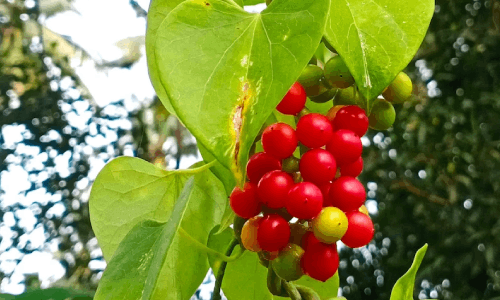

Guduchi – Why Ayurveda Calls It the Nectar of Immortality

Of all the herbs mentioned in Ayurveda, Guduchi or Giloy is my most favourite! It has given me the best results in treating diseases from diabetes to arthritis to autoimmune diseases to heart diseases to women’s health! Guduchi holds a significant place in Ayurveda, for its potent medicinal properties. Its botanical name, Tinospora cordifolia, stems from its heart-shaped leaves and is native to tropical regions of India, Sri Lanka and Myanmar. Guduchi is a Rasayana herb renowned for its ability to enhance immunity and promote overall health and longevity. It is classified as bitter and astringent in taste with a cooling potency, making it particularly beneficial for pacifying Pitta Dosha and balancing the body’s systems. Guduchi helps treat many ailments, including fevers, respiratory disorders, digestive issues, and inflammatory conditions. Its immunomodulatory effects help strengthen the body’s defences against infections and diseases. Guduchi also has amazing detoxifying properties,  eliminating toxins and promoting cellular rejuvenation. It is often prescribed to support overall wellbeing and vitality in various Ayurvedic formulations, such as herbal teas, powders, and decoctions. In this blog, let us learn more about this amazing herb.   Guduchi in Ayurveda     For general wellbeing, Guduchi is rasayana (rejuvenating) and anti-aging. It also helps improve digestion, removes Ama (toxins) and strengthens the body! This herb is celebrated for its multifaceted therapeutic properties and has been utilized for centuries in Ayurvedic practice. With its bitter taste and heating potency, Guduchi is esteemed for balancing all three Doshas, particularly pacifying Pitta and Kapha imbalances. Its post-digestive sweet effect nourishes the body, while its affinity for deep tissues benefits overall vitality. Guduchi’s standout quality lies in its capacity to enhance Ojas (vitality), the essence of immunity and vitality, granting it a special potency status. It serves as a potent detoxifier, purifying the blood and eliminating toxins while bolstering the immune system against infectious diseases. Rich in bioactive compounds, Guduchi also exhibits formidable anti-inflammatory and antioxidant prowess, safeguarding against oxidative stress and inflammation. Its support for liver health, digestion, stress resilience, and skin wellness also underscores its holistic healing potential. Whether consumed as fresh juice, powder, decoction or as a part of herbal formulations, Guduchi is a cornerstone in Ayurvedic therapeutics, offering a versatile and potent ally in pursuing holistic health and wellbeing. If you ask me for one Ayurvedic supplement we all need to boost our immunity, it is this! This is one herb you should grow around your house. The most medicinal part is the stem, though we use all parts of it in various Ayurvedic medicines. Now that you have read this, please don’t run to a medical shop and look for a tablet or powder! If you can, get hold of this plant, cut the stems, dry them in sunlight, powder and store them. Boil two glasses of water, add one tablespoon, reduce to one glass, and drink before breakfast daily! Your safest immunity booster!     Benefits of Guduchi     Guduchi is renowned in Ayurveda for its numerous health benefits. Here are some of the vital health benefits it offers:   Immune Support Guduchi is a potent immunomodulator that helps regulate and strengthen the immune system. It stimulates the production of white blood cells, enhancing the body’s defence mechanism against infections and diseases.   Detoxification Guduchi is valued for its detoxifying properties. It helps to cleanse the blood, liver and other vital organs, facilitating the elimination of toxins and metabolic waste products from the body.   Anti-inflammatory Guduchi possesses strong anti-inflammatory properties, which help reduce inflammation and swelling in various body parts. It is often used to alleviate symptoms of inflammatory conditions like arthritis, gout, and inflammatory bowel diseases.   Antioxidant It is rich in antioxidants, such as flavonoids and polyphenols, which help to neutralize harmful free radicals in the body. This antioxidant activity protects cells from oxidative damage and supports overall health and longevity.   Liver Support It is beneficial for liver health and function. It helps to detoxify the liver, protect it from damage caused by toxins and pollutants, and promote regeneration of liver cells.   Digestive Health It aids digestion and helps to improve appetite. It stimulates the digestive fire (Agni), promotes the absorption of nutrients, and relieves symptoms of indigestion, bloating, and gas.   Stress Reduction It is an adaptogen, meaning it helps the body adapt to stress and maintain homeostasis. It has a calming effect on the nervous system, reducing stress, anxiety, and fatigue.   Fever Management It is traditionally used to manage fevers and other symptoms of viral and bacterial infections. It helps to reduce body temperature, alleviate symptoms like headache and body aches, and promote faster recovery.   Skin Health It benefits skin health and can help improve complexion and treat acne, eczema, and other skin disorders. Its detoxifying and blood-purifying properties contribute to healthy and radiant skin.   Anti-diabetic Properties Some studies suggest that Guduchi may have hypoglycemic effects, helping to lower blood sugar levels and improve insulin sensitivity in individuals with diabetes.   Tips to grow Guduchi at home   Growing Guduchi at home can be a rewarding experience, as it allows you to have easy access to this valuable medicinal herb. Here’s a guide on the best way to grow Guduchi at home. It is  important to note that Guduchi is a tropical climbing vine that thrives in warm and humid conditions. Therefore, it is best to cultivate it in regions with a low or subtropical climate. Living in a colder climate, you can still grow Guduchi indoors or in a greenhouse.   To start growing Guduchi, you’ll need to obtain a healthy Guduchi plant or stem cuttings from a reliable source. You can often find Guduchi plants or cuttings at nurseries specializing in medicinal herbs or online.   Select a suitable location for planting Guduchi. It prefers partial shade to full sun and well-drained soil with organic matter. Guduchi is a climbing vine, so you’ll need to provide it with a sturdy trellis, fence, or support structure… Continue reading Guduchi – Why Ayurveda Calls It the Nectar of Immortality

Ankylosing Spondylitis – The Ayurvedic Perspective

Recently, someone approached me asking about Ayurvedic treatment for Ankylosing Spondylitis. This led me to realize that I haven’t discussed this health condition before. So, here’s some information about it!        What  is  Ankylosing  Spondylitis?       Ankylosing Spondylitis (AS) is a chronic inflammatory condition – a rare form of arthritis that primarily affects the spine and large joints. It belongs to a group of conditions known as spondylarthritis that usually starts at the lower aback and eventually spreads up to the neck and other damaged joints.     Although AS  is less common than other forms of arthritis, it still affects a significant number of people worldwide. Studies show that approximately 0.1% to 0.5% of the global population suffers from the condition.     Amavata is the word associated with rheumatoid arthritis in Ayurveda. However, the word also refers to other painful conditions as well and that includes Ankylosing Spondylitis. Ayurveda categorizes Ankylosing Spondylitis based on the body part it affects: Prishtagata (back), Katigata (lumbo-sacral), or Grivagata (pelvis or neck – cervical region) Amavata.     The Symptoms   Ankylosing Spondylitis often begins with inflammation in the joints where your spine connects to your pelvis, called the sacroiliac joints. This can make your lower back and hips feel painful and stiff.  As it progresses, Ankylosing Spondylitis can affect other areas where your tendons and ligaments attach to bones. In some cases, it may even cause your vertebrae – the bones in your spine, to fuse together. In extreme situations, the condition may also result in your spine becoming hunched.  Other signs of Ankylosing Spondylitis you might experience include:    Neck feeling sore or stiff  Pain in your shoulders  Feeling pain and stiffness around your ribcage  Pain in your hips or thighs  Feeling pain in your feet, heels, or hands  Pain that is worse in the morning or after sitting for a long time  Noticing your spine becoming rigid and curving forward  Feeling tired  Swelling in your joints  Ankylosing Spondylitis is frequently observed in males in their teenage and 20s, although it can affect individuals of any age. Women typically experience milder symptoms that often go unnoticed.  Everyone’s experience with Ankylosing Spondylitis is different. Your symptoms might change faster or slower than someone else’s, and they might not be exactly the same. Your symptoms commonly come and go, with times of worsening followed by times of improvement.   Ankylosing Spondylitis as per Ayurveda   According to Ayurveda, Ankylosing Spondylitis happens when Ama (toxins) accumulate in the body due to the imbalance of the three Doshas – Vata, Pitta, and Kapha. Ama, carried by the air element called Vayu, settles in places where the Kapha Dosha is prominent, mostly in the joints. It further moves to the body’s circulation channels and becomes the root cause of diseases. The aggravated Ama and Vata jointly enter the pelvic region (sacro-iliac and lumbo-sacral areas) causing stiffness and what is known as Amavata.    The Treatment   Modern medicine does not offer a permanent cure for Ankylosing Spondylitis. However, the symptoms can be suppressed using medications, physical therapy and even surgery.    According to Ayurveda, Amavata is the most difficult to treat (Sa Kashta Sarva Roganam), especially when the condition is in its progressive state. However, it can be completely healed through lifestyle modifications and dietary changes, external and internal treatments and herbal medicines in the beginning stages.    The treatment for Amavata involves practices like Langhana, Swedana (sudation) and Abhyanga that help alleviate pain and swelling by providing warmth, which helps reduce inflammation and stiffness in muscles. There are also Panchakarma therapies like Virechana (purgation) and Vasti (enema) that help manage Ankylosing Spondylitis by rejuvenating and eliminating toxins from the body.      Regular exercise and adequate sleep are equally important to help you heal. Dietary changes include, for instance, avoiding inflammatory and trigger foods; moreover, it involves having foods that suit you. Also, herbal medicines are administered based on your Prakriti (body type), health conditions and Doshas.     Ankylosing Spondylitis is a chronic inflammatory condition that can significantly impact the quality of life of those affected. Ayurvedic treatment for Ankylosing Spondylitis targets the root cause and imbalances, focusing on lifestyle modifications, dietary changes, herbal medicines, and Panchakarma therapy. As with any medical condition, it is essential to consult with a qualified Ayurvedic doctor to ensure safety and efficacy.    If you are struggling with any health issues, you can either book a consultation with us or send us a message via WhatsApp to +91 79074 89839. We have the best Ayurvedic doctors in Trivandrum who are always glad to help you. If you have any queries, contact us.  You can also visit us at our hospital.

Infertility Solutions Through Ayurveda – Natural Ways to Conceive

Recently, a couple in their lates 30s joined my 6-month conception program. The woman was a patient of mine from seven years ago when she took part in my 3-month program to improve her gut health. They had been trying to conceive naturally for the last 5 years, but couldn’t succeed. So, they had approached a doctor for infertility treatment, who told them that her AMH levels were low and suggested IVF as they were losing time. They were warned that waiting longer could make it even harder for IVF to work.   Because the woman believed in Ayurveda and lived an Ayurvedic life, she was hesitant to go for IVF. She was emotional during the consultation saying how she didn’t want to go through all those procedures. I spent the hour talking to the couple, reassuring them that it was okay to explore all options, including trying to conceive naturally. As they proceeded with the treatment, the lady was able to conceive naturally in 2.5 months.   It’s becoming common for doctors to suggest IVF to couples who approach them for infertility issues. Just like the woman, there are many who approach them as the last resort but are made to feel scared in the name of progressing age and more. Nobody must go through such fear and anxiety. This is where Ayurveda can be helpful.   So, to answer the question, yes! Ayurveda does provide treatment for infertility. In fact, Ayurveda has all answers to infertility and offers treatment that is not invasive or painful. The messages brimming with happiness, sharing the fruitful results of the treatment we provided to patients who had come to me with fertility issues show how effective Ayurvedic fertility treatment can be!      Infertility  from  the  Ayurvedic  Perspective      In Ayurveda, infertility is viewed as a multifaceted issue stemming from imbalances in the body’s Doshas (biological energies), low digestive fire (Agni), and the accumulation of toxins (Ama).  These imbalances can be attributed to various factors such as lifestyle choices, stress levels, and reproductive issues like PCOS, hypothyroidism and endometriosis. You can have them easily treated with Ayurveda.    Age as a factor in conception    While age plays a significant role in fertility, Ayurveda recommends the optimal age for conception to be between 24 and 30 years. However, fertility can still be supported beyond this age if you are in good health.    You should not be suffering from conditions like PCOS, endometriosis or thyroid. Also, you should have good AMH levels and optimum size and number of follicles. Now, in case If you have any of the above-mentioned health conditions, you can take a break from trying to conceive for at least three months and get your health conditions treated with Ayurveda. Once you are healed, you can again try to conceive naturally.      Conception essentials    According to Ayurveda, there are 4 essentials (Garbhasambhava Samagri) for conception. Whether you are just starting or have been on this path for a while, understanding these essentials can make the journey smoother.  They include the following:  Fertile period (Garbhasaya Ritu)    The uterus (Kshetra)   Nourishment (Ambu)   The gametes (Beeja)     Ayurvedic treatment for infertility      Whether you are just starting or have been on this path for a while, it is best to consult an Ayurvedic doctor for guidance. At my hospital, we offer a conception program where I and my team help couples, especially the mothers-to-be, create the right environment in their womb to help them conceive naturally.     The conception program is for 6 months. Both partners should be present for the consultations with their reports that contain basic parameters like TSH, AMH, size and number of follicles, LSH, FSH, prolactin, testosterone levels, semen analysis (for men), etc.    We thoroughly analyse the reports to understand the condition of their bodies and to check for any underlying health conditions. If they have any such conditions, we spend the first three conditions to correct them to bring the body to a normal balance or to optimise the body.  Then we start the conception treatment.    Ayurveda does not have concepts like ovulation. There are higher chances to conceive on the 7th day after period. So, we ask the patients to try to conceive then. Meanwhile, we also help to improve the fertility of women and men with the help of Ayurvedic herbal combinations and formulations and cleanses like Vasti and Virechana that enable natural conception. So, the minimum time taken will be 6 months.       I believe in looking at things from a spiritual perspective as well. I always tell my patients that 95% of the journey is in their control. My team and I will guide couples by equipping them with knowledge and helping the mother prepare her body for conception. Meanwhile, the patients should also focus on their Karma (actions) by following principles and practices to optimise their digestive fire (Agni) and their fertility.  The rest 5% should be left to the universe.     Despite challenges like age and fertility issues, our Ayurvedic fertility program has yielded remarkable results. I even had a 44-year-old woman who attended my program conceive naturally.    Role of lifestyle practices in fertility    Ayurveda highlights lifestyle practices as a significant contributor to fertility. Ayurvedically one of the most important causes of infertility these days is the consumption of Kapha increasing foods and following practices that aggravate Kapha. It could also be genetic, where daughters inherit Kapha tendencies from their mothers.  Conditions like thyroid, fibroids, PCOS, etc. are all results of aggravated Kapha. Therefore, it is essential to make dietary and lifestyle changes to reduce Kapha tendencies. Regular exercise, such as brisk walking, can help break down Kapha.    Practices to improve sperm health    Here are a few practices that can help boost sperm health:  Keep your laptops away from your lap   Keep your phones away from your pocket   Include cooling foods in your diet   Strictly avoid incompatible foods   Reduce stress… Continue reading Infertility Solutions Through Ayurveda – Natural Ways to Conceive

Stool Colors – What They Reveal About Your Health

This morning I had a consultation with one of my patients. She has been suffering from a chronic liver disease. All things fine, she suddenly brought in a conversation about stool.    Now, the thing is, a conversation related to stools with her was happening for the first time. She mentioned that she has been observing dark stools, also known as melena, with a foul smell for a long time. She didn’t enquire about this to me because she felt it was natural/normal.    And here I was shocked!    Hence, I thought it was important to talk about stool discoloration in my community. Similar to that patient, many of us must have been ignoring these subtle symptoms our body would be giving us. And this little ignorance would have led to severe conditions later.    Trust me, the human body is amazing. It gives signals, it’s on you whether you can analyse it or not. Stool discoloration for that matter, is also a signal and  let’s understand how!    What is Stool Discoloration?    Normally, the colour of the stool is brown. It’s because of the presence of bile produced by the liver. Now, in the situation above, the lady noticed a black stool. But the changes vary a lot. One can notice red, green, yellow, clay/white coloured stools.    The root cause? These changes often happen because of some medications, changes in diet, or the presence of blood or excess fat in the stool.    The point to notice here is that every stool colour has a meaning. For example:    Normal stool colour is brown because of bile juice. There could be a variation in colour consistency, but nothing to fret about. It can happen due to diet, dehydration/some medicines. Red stool colour is red because there could be some bleeding in your lower gastrointestinal tract.  The black stool colour, the one that the lady noticed, indicated the presence of digested blood in the stool. The discoloration happens here because of bleeding in the upper gastrointestinal tract.  Green stool colour, a highly concerning one, happens because of rapid transit through the digestive system. Yellow stool colour is simply a sign of excess fat in the stool. If there’s a lack of bile in the stool, you will notice a white or clay colour.   And the other factors!   The lady even noticed a foul odour. So aside from colour changes, one must look for other factors like – consistency and odour. Then, speak it out to your doctor.    After you have noticed, what to do next?   The above reasons which I have stated are according to the Western perspective. For example, the black stool condition could happen because of bleeding in the upper gastrointestinal tract. The bleeding happens due to conditions like ulcers, colitis, or cancer.    What is done after?    Western medicines, if you are thinking of going for it, you will generally be advised to take iron supplements and have iron-rich foods.   No matter what problems you are facing, Ayurveda knows it all. Even when it comes to stool discoloration. According to Ayurveda, stool discoloration is a result of Vata imbalance.   To give you a quick understanding of what Vata  is, it is one of the three Doshas that is associated with movement (bodily movements), nerve impulses, circulation and elimination (the stool case that we are seeing right now). When there is an imbalance in Vata Dosha, there is either an excess or some deficiency of Vata energy inside the body. Therefore, one faces disruptions in routine functions.    Other than bowel movements/stool discoloration, some common signs of Vata imbalance are:  Skin dryness Cold extremities or intolerance to weather Irregular digestion Restlessness Fluctuations in energy levels Joint stiffness/pain   Should you bother about addressing stool changes?   Yes. Most of us ignore the subtle signs of our body as normal, but in reality, it’s not.   In fact, in Ayurveda, stool examination is considered essential for understanding digestive health and overall well-being. If there are any bit of changes in the colour, odour or even consistency, it’s a sign. And if analysed quickly, these signs can provide valuable insights into the body’s health and functioning.   What are the Side Effects of Ignoring Stool Changes?   Imagine you ignored the changes. Nothing new and  many of us do this.    But, remember – you may face serious consequences.    First, delayed diagnosis of any underlying medical condition. Second, there could be some progression of digestive disorders like IBD (inflammatory bowel disease). And let’s not forget the nutritional deficiencies that could happen because of the bleeding that’s happening inside.    Last is the psychological impact. You will see changes in your stools, you will overthink, and get anxious because of the changes. Hence, in the initial days itself, recognize the changes. Don’t go for self-diagnosis, or googling it out. Your body and your lifestyle are unique. Therefore, proper diagnosis and treatment are much needed.   Are there any lifestyle modifications you can do?   Well yes. Switching to positive lifestyle changes can significantly impact digestive health and help manage stool discoloration. Try:    Modifying your diet: Fruits, vegetables, whole grains, lean proteins, and healthy fats contain these. Processed food is a big no-no. Sugary snacks have it when you are waiting for it the most. Fatty meals, avoid it. And keep a food diary. List your potential trigger foods in the diary and also the color changes of the stool.    Staying hydrated: Drink plenty of water. Drink juices. But stay away from Coke or any artificial juice. You can even try herbal teas & coconut water, as these are the best hydrating options apart from water.    Exercising regularly: This should come without saying. Engage yourself in physical activities. The more you move, the better your digestion gets as the bowel movements are stimulated. There’s less risk of constipation. If not the regular ones, try aerobics, strength training, or… Continue reading Stool Colors – What They Reveal About Your Health

Periods with Shower : Facts, and Tips in Ayurveda

Does Ayurveda recommend taking showers during periods?   The answer is, “Yes.”   Ayurveda insists on not doing a lot of cooling practices and over-exertion during periods . This is primarily because periods is a time when your Vata is naturally high. So anything that increases Vata furthermore can disturb the balance of the body.   So, if you really want to take a shower, take a quick shower. It helps cleanse the body.   What does Ayurveda say about periods in women?   According to Ayurveda, menstruation (called Rajah Pravritti) is a natural physiological process unique to women, influenced by the balance of Doshas (Vata, Pitta, and Kapha), the state of the Dhatus (tissues) and the overall health of the individual.   Here’s how Ayurveda perceives periods in women:   Balanced menstrual cycle   A regular menstrual cycle with moderate flow, minimal discomfort, and a duration of about 3-5 days is considered indicative of good health in Ayurveda. This indicates a balanced state of doshas and proper functioning of the reproductive system.   Dosha influence   Menstrual imbalances are often attributed to disturbances in the Doshas: Vata: Irregular menstruation, scanty flow, and increased pain may occur due to Vata imbalance.   Pitta: Excessive bleeding, inflammation, and irritability during menstruation may be linked to Pitta imbalance.   Kapha: Heavy flow, lethargy, and bloating may be associated with Kapha imbalance.   Menstruation and cleansing   Ayurveda views menstruation as a natural detoxification process during which the body eliminates excess Pitta (heat) and Apana Vata (downward-moving energy) from the reproductive system. This cleansing aspect of menstruation is considered beneficial for overall health.   Role of hormones   While Ayurveda doesn’t specifically mention hormones as modern medicine does, it acknowledges the influence of subtle energies and physiological processes on menstrual health. The hormonal fluctuations during the menstrual cycle are seen as manifestations of Doshic influences and their impact on bodily functions.   Importance of rest and nourishment   Ayurveda advises women to take adequate rest during menstruation to conserve energy and support the body’s natural healing processes. It also emphasizes the consumption of warm, nourishing foods to replenish the body’s energy stores and promote balance during this time.   Why is Vata high during periods?   In Ayurveda, the concept of Vata refers to the Dosha associated with the elements of air and ether. Vata governs movement, including the movement of bodily fluids, nerve impulses, and thoughts.   During menstruation, people believe that Vata Dosha tends to increase or become aggravated in the body.  There are several reasons may elevate Vata during menstruation.   Movement of menstrual flow   Menstruation involves the downward movement of blood and tissue from the uterus through the cervix and vagina. This movement corresponds to the qualities of Vata, which governs downward movement in the body.   Change and instability   Menstruation is a time of significant change and transition in the body.  Disruptions in the body’s natural rhythms cause hormonal fluctuations.  These changes can worsen Vata Dosha, which exhibits qualities of movement, change, and instability.   Depletion of energy   People consider menstruation a physiological process that expends energy and resources from the body. This depletion of energy can contribute to an increase in Vata Dosha, as Vata is responsible for the movement and distribution of energy throughout the body.   Dryness and lightness   Vata is characterized by qualities of dryness, lightness, and roughness. During menstruation, there may be an increase in these qualities, leading to symptoms such as dry skin, constipation, or feelings of lightness or spaciness.   Emotional sensitivity   The nervous system and emotional balance closely link to Vata Dosha.  During menstruation, hormonal fluctuations and physical discomfort can lead to increased emotional sensitivity and vulnerability, which are characteristic of Vata imbalance.   What does Ayurveda suggest to do during periods?   Ayurveda offers various recommendations to support women during their menstrual cycles. These suggestions aim to promote comfort, balance Doshas, and enhance overall well-being. Here are some Ayurvedic practices to consider during menstruation:   Rest and relaxation   During menstruation, prioritize rest to conserve energy and support the body’s natural healing processes. Allow yourself to take breaks, reduce physical exertion, and engage in activities that promote relaxation, such as gentle yoga, meditation, or deep breathing exercises.   Maintain a regular routine   Stick to a consistent daily routine during menstruation to create stability and promote balance in the body and mind. This includes maintaining regular meal times, bedtime, and self-care practices.   Keep warm   To prevent Vata imbalance and promote comfort during menstruation, stay warm by dressing in layers, using heating pads or warm blankets, and avoiding exposure to cold drafts or environments.   Eat nourishing foods   Consume warm, nourishing foods that are easy to digest and provide essential nutrients to support your body during menstruation. Include cooked grains, cooked vegetables, soups, and warm herbal teas in your diet.   Stay hydrated   Drink plenty of warm fluids, such as herbal teas, warm water, or warm milk with spices like ginger or turmeric, to stay hydrated and support the proper elimination of toxins from the body.   Gentle exercise Engage in gentle movement practices like restorative yoga, walking, or light stretching to promote circulation, ease tension, and alleviate menstrual cramps.   Self-care practices   Practice self-care techniques to nurture and support yourself during menstruation. This may include taking warm baths, getting a soothing massage with warm herbal oils, or practicing abdominal massage to relieve menstrual discomfort.   Emotional well-being   Pay attention to your emotional health and practice self-compassion during menstruation. Allow yourself to express and process emotions in a supportive environment and engage in activities that uplift your spirits and promote emotional well-being.   Listen to your body   Above all, listen to your body’s signals and honour its needs during menstruation. Tune in to your intuition and make choices that support your overall health and well-being during this time.   Is it okay to have sex during periods?  … Continue reading Periods with Shower : Facts, and Tips in Ayurveda

Shirodhara – the treatment and benefits

Shirodhara is a traditional Ayurvedic treatment that involves pouring a continuous stream of warm oil or other liquids onto the forehead (the “third eye” or “Ajna chakra” point), in a rhythmic and gentle manner. The term “Shirodhara” is derived from the Sanskrit words “shiro” (head) and “dhara” (flow).    Throughout this process, the oil is carefully drizzled onto the forehead, coating the hair and everything with a thick layer of oil as it trickles down. At the outset, it might seem unusual and cause a tingling sensation on your forehead. Even though it may be challenging for a few individuals, it should never cause them distress.    Occasionally, having oil drizzle onto your forehead can be quite enjoyable. Many individuals claim that the Shirodara treatment is akin to a massage for your brain. When the oil seeps into your forehead and hair, it can nourish the hair roots and alleviate problems with dry scalp and hair. It also helps to hydrate and nourish the skin on your scalp, neck, and forehead. Regularly doing this can greatly benefit your hair, especially if you do it at least once a month or more frequently.    The oil is heated before application to improve the body’s absorption of it. This results in treatment being more comfortable and less complicated. The temperature of the treatment can vary depending on the client’s preferences, but it is generally a safe temperature for skin contact. Altering the temperature can provide a sense of well-being for the client and bring equilibrium to the body.   What are the benefits of Shirodhara?   Shirodhara holds significant importance in Ayurveda and holistic wellness for several reasons:   Deep relaxation Shirodhara induces a profound state of relaxation by calming the nervous system and promoting the release of stress and tension. This relaxation response has numerous benefits for overall health and well-being, including reducing anxiety, improving mood, and enhancing sleep quality.   Balancing the Doshas According to Ayurvedic principles, imbalances in the three Doshas (Vata, Pitta, and Kapha) can lead to various health issues. Shirodhara helps restore balance by pacifying excess Doshas, thus addressing the root cause of many ailments and promoting holistic healing.   Mental clarity and focus People believe that regular sessions of Shirodhara enhance mental clarity, concentration, and cognitive function.  By calming the mind and promoting relaxation, Shirodhara can help individuals achieve a heightened sense of awareness and focus.   Stress reduction In today’s fast-paced world, stress has become a prevalent health concern. Shirodhara offers a natural and effective way to manage stress by promoting deep relaxation and releasing tension stored in the body and mind.   Support for sleep disorders Shirodhara is often recommended for individuals struggling with insomnia or other sleep disorders. The calming effects of Shirodhara help prepare the body and mind for restful sleep, leading to improved sleep quality and overall well-being.   Nourishment for hair and scalp The warm oil used in Shirodhara provides nourishment to the scalp, strengthens hair roots, and improves the overall health and appearance of the hair. This aspect of Shirodhara contributes to both physical and cosmetic well-being.   Holistic approach to wellness Shirodhara exemplifies the holistic approach of Ayurveda, addressing not only the physical symptoms of illness but also the underlying imbalances in the body and mind. By treating the individual as a whole, Shirodhara promotes long-term health and vitality.   Overall, Shirodhara is an essential therapy in Ayurveda for its ability to promote deep relaxation, balance the Doshas, and support overall physical, mental, and emotional health and well-being.   How is Shirodhara performed?   Shirodhara, a specialized Ayurvedic therapy, begins with careful preparation of a warm, comfortable space free from distractions. The client reclines on a comfortable surface, usually on their back. Suspended above their forehead is a vessel containing warm oil or a chosen liquid, carefully selected based on the individual’s Ayurvedic constitution and therapeutic goals. Before the therapy commences, the therapist may perform a gentle head massage to relax the client and prepare the scalp. Then, with steady hands, the therapist pours the warm oil or liquid onto the client’s forehead in a continuous, rhythmic stream. The fluid flows in back-and-forth or circular patterns, covering the entire forehead and often extending to the scalp.    The duration of the session varies but typically lasts around 30 to 60 minutes, during which the therapist maintains a consistent flow of oil or liquid. After the session, the client will be allotted time to rest. Depending on the type of oil used, they may leave it on the scalp and hair for absorption or wash it off after a specified period. Follow-up sessions may be recommended for optimal results, along with complementary Ayurvedic treatments or lifestyle adjustments to support overall well-being. Shirodhara is a gentle and deeply relaxing therapy that requires skill and attention to detail to ensure a safe and effective experience for the client.   I perform this procedure using different combinations of medicines. Sometimes, it is oil; sometimes, it is a combination of oils; sometimes, it is just a decoction. Decoctions are much more effective than oils. We prepare the decoctions of the oil, we pour it, and the patient will be lying down here. From the nozzle, the medicated oil goes into the forehead of the patient.   Health conditions Shirodhara is used for   For people suffering from dementia, Alzheimer’s, memory loss, parkinsonism, people with mental health conditions like depression, anxiety, psychosis, neurosis, and all those kinds of situations, this treatment is super effective. Even in psoriasis and in some cases of ulcerative colitis, where the mind is also involved, and in certain diseases of the gut, where the mind is also involved, we give this treatment.   In general, if you don’t have any health conditions, you can still use this treatment, but the medicines will be different. It is amazing for cooling down, calming you down, making you relax, rejuvenating and improving the overall health of this area.   Shirodhara treatment for… Continue reading Shirodhara – the treatment and benefits

Skincare Secrets for Radiant Skin with Ayurveda

Ayurvedic skincare incorporates traditional healing methods from India. The practice offers natural facials, treatments for skin problems, and herbal remedies for the skin. Today, numerous skincare products based on Ayurveda are available for purchase. It is crucial to review the ingredients and the quality in order to achieve optimal results. According to Ayurveda, the treatments for skin are designed to target specific skin types and their related concerns.   Understanding your type of skin   Ayurvedic skin care treatments are designed to cater to a range of skin conditions. According to Ayurveda, an individual’s skin type is determined by their Doshas.    Vata In Ayurveda, Vata refers to the combination of air and space elements within the body. As per Ayurveda, an individual with predominant Vata Dosha may have dry and coarse skin that becomes wrinkled without proper moisturization. Lower fat levels characterize Vata-type skin and require additional moisturizing, both externally and internally.   Pitta Individuals who have high body heat levels frequently experience oily skin and are susceptible to developing acne and rosacea.   Kapha Kapha skin tends to feel cold, produce excess oil, and is prone to developing pimples, whiteheads and retaining water. Utilizing dry brushing is a beneficial method for removing blockages, stimulating the lymphatic system and exfoliating the skin.   Causes of skincare problems   According to Ayurveda, numerous factors can lead to skincare issues.   Imbalance of Doshas An excess of Vata can lead to dry, flaky, and rough skin. An excess of Pitta can lead to swelling, redness, and acne. Excessive Kapha can lead to the excessive production of oil in the skin, resulting in clogged pores and a dull complexion.   Poor gut health  Skin issues can result from difficulties in digesting food, as per Ayurveda. When your digestion is not functioning correctly, harmful substances known as toxins may accumulate in your body. This may lead to skin problems, such as acne, eczema, or psoriasis.   Issues in diet Consuming foods that do not suit your body type (Prakriti) or consuming unhealthy processed foods can disrupt your body’s equilibrium and lead to skin issues. Consuming unhealthy food can exacerbate Dosha imbalances and lead to skin issues.   Environmental factors  Excessive pollution, sun exposure, adverse weather conditions and using chemical products can also damage the skin and lead to skin issues.   Emotional stress  Emotional stress and psychological factors can affect the skin. Ayurveda recognizes the interconnectedness of the mind and body. Emotional stress, consequently, may lead to the development or, furthermore, aggravation of skin issues.   Toxin buildup  The accumulation of toxins (Ama) in the body from unhealthy habits, poor dietary choices, or digestive issues may lead to skin problems. These toxins are capable of obstructing the pathways, disrupting blood circulation, and damaging skin wellness.   My skincare routine   I have acne-prone skin and therefore, finding the right kind of products that suit my skin has been a struggle, until I found them in Ayurveda. Ever since, I haven’t looked back. After starting my career and gaining some experience, now I have my own line of products that I personally use and also recommend to my patients. I use them on a daily basis.    Here is my daily skincare routine:   Step 1- Cleansing with organic black sesame oil   The first step of my skincare routine is cleansing my face with organic black sesame oil. I strongly believe in double cleansing. So, I massage my face with organic black sesame oil to remove makeup, dirt, and all the impurities that have accumulated on my face. If you are not aware, organic black sesame oil holds lots of importance in Ayurveda. It has lots of health benefits and is the best recommended oil for Abhyanga (self-oil massage).   Step 2- Cleansing with a mild herbal scrub   This herbal scrub smells so divine. Furthermore, it has Vetiver as the main ingredient. In addition, Vetiver is an amazing Ayurvedic herb that has a cooling effect on your skin. Once dried, I rinse it off and then, dry my face gently using use a microfiber towel.   Step 3- Applying the magical oil   This is the last and the most crucial step of my skincare routine – applying 4 drops of my magical Glow Oil. I can’t tell you how much this oil has helped reduce me with reducing my blemishes and dark circles, and makes my skin glow. Happy skin, happy me.    Benefits of Vetiver and organic black sesame oil   Apart from my Glow Oil, organic black sesame oil and the herbal scrub with Vetiver as the main ingredient help keep my skin healthy and happy! Indeed, Ayurveda has a lot to say about Vetiver and, furthermore, organic black sesame oil for its amazing health benefits.     Vetiver   Vetiver is a perennial grass that thrives in the southern regions of India and regrows annually. Known as Khus in Ayurveda, it is scientifically called Vetiveriazizanioides and has a refreshing scent with hints of citrus and earthy notes that provide a cooling sensation. It is a good skincare herb. Specifically, vetiver water or oil is commonly utilized for addressing various skin issues. Vetiver roots are processed and incorporated into beauty products.    For a long time, individuals have believed that this particular item is unique due to its ability to withstand high temperatures and provide a refreshing, cooling sensation. It is commonly found in households, particularly during the summer months. During the summer, your body can heat up, leading to increased acne, breakouts, irritation, and sunburns.   Vetiver oil has a calming effect on the skin, consequently, it promotes relaxation and, furthermore, reduces stress. It helps keep the skin safe from harsh weather, lessens damage from oxygen, lessens wrinkles, and makes the skin tighter and more hydrated. Renowned for improving hair and combating scalp infections, Vetiver essential oil is derived from Indian grass.  The process of making vetiver essential oil involves boiling the roots in water; subsequently, the… Continue reading Skincare Secrets for Radiant Skin with Ayurveda

What makes Ayurveda different?

When we talk about Ayurveda, we think about Yoga, Satwik, spiritual science and many more. But the truth is they are not the same.   Ayurveda is different. Yoga and Satwik and spiritual sciences are associated with lifestyle practices for leading a harmonious and healthy life. Meanwhile, Ayurveda is a traditional system of medicine that helps people heal from their health conditions physically, emotionally and spiritually.    This blog will dig deeper into these concepts and give a brief outcome of Ayurveda.   Yoga   Yogic refers to practices and principles related to Yoga. In Sanskrit, the term “yoga” originates from the word “yoke” or “union.” Yogic refers to a discipline that unites an individual’s physical, mental, and spiritual aspects with a universal consciousness.   Yoga is a discipline that aims to create harmony between the mind and body. It derives from a spiritual practice and a nuanced area of study. Maintaining a healthy lifestyle requires both creativity and knowledge.   Yoga, as described in Yogic scriptures, aids in aligning our thoughts with those of others, illustrating the harmony of our mind and body with the world. Contemporary scientists call quantum particles the basic elements that form everything in the universe. A person who feels a deep connection to everything is known as a yogi. They have achieved a state of liberation known as Mukti, Nirvana or Moksha.   Yoga is intended to assist individuals in gaining insight into themselves and overcoming their pain, ultimately achieving a state of liberation known as Moksha or Kaivalya. Yoga is focused on living a life of freedom and achieving overall health and balance. It provides a method for individuals to reconnect with themselves and assert authority over their lives. It has existed for an extended period and supports individuals in their growth and improvement, both in practical and spiritual aspects—the principles of yoga center around embodying virtuous behavior.   Satwik   Satwik life refers to following lifestyle practices with the intent of being pure, positive, clean, responsible and honest. This is achieved by following the best practices for a Satwik life.  Following them influence our bodies’ health and our minds’ state and help us lead a balanced life.    Sattvic diet emphasizes the consumption of foods with Sattva (pure) quality. It  consists of natural and healthy foods that benefit the body and mind. Foods that are included are natural, unadulterated and packed with energy. It also abides by causing no harm to other living creatures. This is one explanation for why yogis frequently opt for a vegetable-based diet.   Sattvic diet includes fresh, natural foods such as fruits, vegetables, nuts, seeds and whole grains. It also comprises proteins from sources other than meat. Good dairy products are the result of cows being fed and milked correctly.   Spiritual Science   The concept of spiritual science combines elements of spirituality, moral beliefs and empirical knowledge. According to spiritual science, the world consists of tangible and visible elements and spiritual components. Spiritual science provides an alternative approach to understanding the world that diverges from traditional scientific and religious views. It demonstrates an alternative world perspective, distinct from science and religion. According to spiritual science, self-awareness is crucial, and our spiritual understanding can enhance scientific progress. It is an approach to understanding the world based on spiritual concepts rather than materialistic ones.   It is presented as an alternative to conventional science. Both spirituality and science aim to comprehend the fundamental aspects of the universe and our place within it. Science attempts to address this question through observation and experimentation, while spirituality examines it through introspection and personal experience. Spirituality involves contemplating and understanding concepts such as love, kindness, selflessness, afterlife, wisdom and truth.   Ayurveda   Ayurveda, on the other hand, is a traditional system of medicine that has been in existence for over 3,000 years. The tern “Ayurveda” is a combination of two words – Ayu meaning life and Veda meaning science or knowledge. Ayurveda, therefore, means science of life.    This traditional system of medicine emphasizes on the importance of maintaining a well-rounded balance between the mind, body, spirit, and environment for overall health. It strives to maintain people’s wellness, prevent them from becoming ill and address their ailments.     Ayurveda focuses on the entirety of the body, including the mind and spirit. According to Ayurveda, Doshas are the biophysical energies that represent the distinctive traits of individuals and influence their mental and physical health. There are three Doshas – Vata, Pitta and Kapha.   Every living thing in this universe consists of 5 “panchamahabhutas,” or five elements.  Now, you might be working on what this term is. Panchamahabhutas are the five vital elements in Ayurveda, including Earth, Air, Water, Fire and Ether. The human body composes all these five elements, but in different proportions.   Depending on the proportions of these elements, Doshas are categorized into Vata, Pitta and Kapha, and the best way to understand them is by observing their qualities.   Vata   Vata has more of the air element. The air has the property of moving and instability; similarly, Vata people show the same characteristics. They are always active and continuous to move, as they never sit idle. Anybody symptoms related to dryness are closely related to Vata Dosha. Whenever you feel lightness in your body, it means Vata is affecting your body.    Pitta   Pitta means fire. Fire denotes aggression, passion, etc., and therefore, Pitta people have more fire in them, depicting an aggressive and tenacious nature. Whenever you feel a rise in body temperature like fever, you should understand that Pitta in your body is increasing. One can conceptualize pitta as burning liquid fuel.   Kapha   Kapha is predominantly the Earth element, and people with Kapha are sluggish, slow, lazy and lethargic. Whenever you feel heaviness in your body, it depicts that Kapha is influencing your body. Kapha is predominantly present in heavy-weight or overweight people. The stiffness and rigidity in the body related… Continue reading What makes Ayurveda different?

Viruddha Ahara – 5 combinations with milk you must avoid

Are you a fan of milk and fruit smoothies or overnight oats with milk and fruits? Then what you are having is Viruddha Ahara or incompatible food.   There are some food combinations that, when consumed with milk, can negatively affect the body.  According to Ayurveda, having Virrudha Ahara is believed to cause many health problems.   How different foods can affect each other and cause illness   According to Caraka Samhita – one of the ancient Ayurvedic texts, certain types of food can disrupt the body’s metabolism and the process of tissue formation. Incompatible foods are called these. Eating food in the wrong way  – that is combining foods that don’t go together, processing the food in the wrong way, eating too much or too little of it, eating it at the wrong time of day or eating it in the wrong season can also affect your gut health.   The way different foods interact with each other can differ. Many times, combining certain foods is fine, but it is good to be aware of possible interactions.    The word Viruddha means the opposite. It seems like eating certain foods together can affect how they taste.  Different characteristics Opposite activities to the body’s cells. It could have adverse effects on the body if processed in a specific manner. It might cause harmful effects if used together in the wrong amount. It might cause problems if taken at the wrong time.   Having Viruddha Ahara can cause inflammation in the body at a molecular level. Ancient Ayurvedic texts like Caraka Samhita and Sushruta Samhita mention different types of food incompatibilities. Eating certain food combinations can be bad for your body. It has the potential to impact your immune system, cell functioning, growth hormone levels, and dehydroepiandrosterone sulphate (DHEAS) hormone.      Viruddha Ahara ( Incompatible food ) combinations     Here are some food combinations that are not compatible.    Milk + Jaggery   Jaggery is a common substitute for sugar in milk for many individuals. While it may seem like a good option, in Ayurveda, combining jaggery with milk is considered harmful to the digestive system. This has the potential to irritate your stomach. You may have seen influencers recommending jaggery as a sugar replacement for tea. Ayurvedically, this combination increases Pitta and Kapha. Use rock sugar (mishri) instead.    Rock sugar, referred to as Mishri in Hindi, is a small, crystal, unprocessed variety of sugar. This nutritious sweet, known as Bhura sugar or Khand in various regions, is created by cooking sugarcane juice until it solidifies. It is a suitable replacement for regular sugar or jaggery.    Mishri formulates to digest more easily and provides a cooling sensation to the body due to its unique crystallization process. After a delicious meal, it’s common for us to consume rock sugar and fennel to aid in digestion. It also helps to freshen your breath. This little sweet treat is great for your overall health.   Milk + Sour fruits   One of the Ayurvedic texts, Yogaratnakara, mentions this combination is as good as POISON for the gut! Yogaratnakara is a text that discusses Ayurvedic concepts, practices, and techniques. It also contains remedies for various ailments. The book is unique in that it provides insights into the evolution of medical knowledge from antiquity to the late 17th century.    Eating a variety of foods at once can overtax your body and lead to digestive issues. This could result in the creation of toxic substances within your body. If consumed individually, these foods might aid in digestion and potentially promote fat loss. Consuming mismatched foods can lead to nausea, bloating, and unpleasant odours in your digestive system, potentially resulting in severe illness. One such combination is having sour fruits like grapes, pineapple, oranges, strawberries, watermelon, bananas, and the list goes on.    Eating bananas with milk can potentially impair your digestion, alter gut bacteria, produce harmful substances in your body, and potentially lead to symptoms like a stuffy nose, cold, cough, or allergies. Both bananas and milk are delicious and refreshing, but once digested, bananas turn sour, while milk turns sweet. It can create a sense of confusion in our stomach and body, potentially causing harmful substances, allergies, and other challenges.   Furthermore, refrain from consuming milk and melons simultaneously. Milk consumption can lead to excretion while eating melon can result in urination. It takes longer for the body to digest milk.   Milk+ Non-vegetarian food   As per Ayurveda, it is said that this deadly combination causes skin diseases, indigestion, and other gastroenterological diseases. Combining milk and chicken or any other non-vegetarian food may not be ideal as they have different protein compositions that digest differently.    Consuming milk and chicken simultaneously can produce harmful compounds in the body. Some individuals may find it challenging to digest. This could lead to increased acidity in the stomach, making digestion more challenging. You can also feel stomach ache, nausea, indigestion, ulcers, constipation and acid reflux.    Milk+ Sea salt   Have you ever considered the reason behind using sugar instead of salt in the milk? The reason for this is that salt and milk do not complement each other. They possess contrasting characteristics. Adding milk to curries and sauces can unknowingly cause harm to our bodies. Consuming these food mixtures may not immediately result in feeling unwell. However, prolonged consumption of unhealthy foods can lead to the development of health issues over time.    The consumption of milk may result in a feeling of being cold, whereas salt can lead to a sensation of being hot. Combining them can be harmful to your health as they counteract one another. A typical combination used in pancakes and breads. Long-term use leads to impaired digestive fire! If you must add salt, use rock salt instead!    Milk + Green gram   Green gram, also known as mung bean or moong, is a legume plant. The plant belongs to the Fabaceae family; furthermore, it is… Continue reading Viruddha Ahara – 5 combinations with milk you must avoid

Uses of Triphala in Ayurveda

Triphala is a combination of three fruits or herbs known as Haritaki, Bibhitaki, and Amalaki. Ayurveda refers to it as Tridoshic Rasayana – a medicine that is used to harmonize the Kapha, Vata and Pitta Doshas. There are many uses of Triphala, owing to the large number of benefits it offers!       Benefits   of   Triphala       Triphala has a lot of antioxidants like vitamin C that can help you stay healthy. Consuming Triphala supplements on an empty stomach before bedtime is beneficial as it assists in cleansing your internal system. It is one of the most widely used Ayurvedic medicines in the world. It is available over the counter, which means you don’t need to see a doctor or get a prescription to have this medicine.     Is  Triphala  good   for  everyday  use ?     Let’s discuss more about it.   Throughout ancient times, Triphala has been utilized in traditional Ayurvedic medicine as a multipurpose remedy for conditions ranging from stomach aches to tooth caries. Additionally, it is thought to enhance general health and longevity. It is classified as a polyherbal remedy since it contains a variety of therapeutic plants. Ayurvedic medicine, a traditional approach emphasizing health promotion and disease prevention, extensively uses polyherbal preparations. Synergistic herb combinations are thought to have more therapeutic efficacy and be a more potent treatment than any one herb used alone. Triphala is the most marketed, most prescribed (a default item in Ayurvedic prescriptions), and often advised to take every day!   Is Triphala suitable for everyday use?   Yes, it works excellent externally – as a face wash, as a hair wash, as an eye wash, and even as a vaginal wash!    Triphala is better used internally rather than externally. But is it suitable for internal use every day? No.   Continuous use of Triphala leads to – Loosening of tissues and muscles of the large intestine. – habit forming. Once you start, you won’t be able to pass bowel movements without it. – Drying up of the mucosal layer lining the large intestine.   What is the best alternative for Triphala?   If you have taken my course or my 3-month gut health program, you already know how much I love GH oil to control Vata that causes constipation. If you cannot get it, just take 2-3 ml of plain castor oil before bed. Follow up with hot water or mix with hot water. The opposite of dryness is oiliness. Using oil for constipation is far better than using any dry powders, be it Triphala, Nityam, Kayam churna, isabgol, or psyllium husk – all of which may satisfy you momentarily due to the fibre in it, but later, it leaves your tract drier so that you will need to take the same the next day to pass bowels. Triphala is a medicine. If you choose to take it internally, you must take it with the right vehicle (milk, warm water, cold water, etc. based on condition), in the right season, and the correct quantity under a doctor’s supervision. Otherwise, don’t bother at all! Unfortunately, manufacturers currently do not make commercially manufactured Triphala as per the proportions mentioned in the Samhitas to reduce cost.     Four unique uses of Triphala       There are four uses of Triphala.   Triphala as a hair wash for dry, itchy scalp and dandruff   Triphala is a natural remedy in Ayurveda that helps balance the Doshas in the body. It also helps keep our insides healthy, which then makes our hair and scalp healthy on the outside.   Triphala powder is beneficial for hair health as it helps to combat fungus and bacteria. It works against germs, prevents your head from itching, and reduces flaking. Triphala can also alleviate inflammation on your scalp triggered by the use of inappropriate hair products or environmental shifts. It also helps hair to grow by making follicles and roots stronger.   Amla found in Triphala aids in maintaining the natural pH balance of the scalp and promotes healthy hair. Triphala hair tonics can also help with dandruff and other skin issues. Weak and moisture-deficient, curly, and brittle hair is prone to breakage. Triphala assists in maintaining hair hydration and guarding against harm. This will leave your hair feeling soft, glossy and in excellent condition.   Triphala as a face wash for acne-prone skin   According to Ayurveda, the aggravation of Kapha leads to increased sebum production and clogging of pores. This results in the formation of both white and blackheads. An aggravation of Pitta, causes red papules (bumps) and inflammation with pus.   When it comes to treating acne and blemishes, there are various approaches that individuals can take. One natural remedy that has gained attention for its potential benefits is Triphala.   Inflammation is one of the key factors contributing to acne is inflammation. Triphala contains potent anti-inflammatory properties; therefore, it may help reduce redness and swelling associated with acne breakouts.  By calming the skin and reducing inflammation, Triphala can provide relief from the discomfort often experienced with acne. Additionally, Triphala possesses antibacterial properties that may aid in fighting the bacteria responsible for causing acne. This can help prevent new blemishes from forming and promote clearer skin over time.   While individual results may vary, incorporating Triphala into a skincare routine alongside other recommended treatments may offer a holistic approach to managing acne and blemishes. Triphala gives good results in case of skin problems like acne or pimples. Its usage helps to reduce acne or pimples because of its Pitta-Kapha balancing properties.   Triphala as a vaginal douche   Pruritus vulvae is the medical term for itching in the vagina. The term “pruritus vulvae” refers to itchiness in the vicinity of the vagina. The vulva refers to the external skin surrounding the vaginal opening. Persistent itching characterizes pruritus vulvae, which can cause emotional distress. The itching may worsen in the evening and could lead to difficulty falling asleep.   Approximately… Continue reading Uses of Triphala in Ayurveda