
Hemophilia Treatment in Ayurveda

Hemophilia is a rare, hereditary bleeding disorder with excessive bleeding as its main symptom. The condition is manageable if detected at an early stage. If not managed, hemophilia can be fatal.   Ayurveda can help keep your symptoms in check primarily through diet and lifestyle practices, thereby improving the quality of your life.     What is Hemophilia ?   Hemophilia is a bleeding disorder where a person often has trouble forming blood clots. This results in chronic bleeding after an injury or accident and other health issues.   Ayurveda categorizes bleeding disorders as “Raktapitta.” Hemophilia too comes under this category.   According to Ayurveda, Raktapitta is the result of an aggravated Pitta Dosha (due to dietary and lifestyle habits, and emotions), which affects the Rakta (blood).   In terms of diet (Ahara), the excessive consumption of the following kinds of foods can aggravate your Pitta Dosha and be the reason for hemophilia:   Foods of Amla (sour), Katu (pungent), and Lavana (salty) tastes (Rasa). Foods that are heating (Ushna) and cause acid reflux and heartburn (Vidahi).   The following lifestyle practices also contribute to an imbalance in Pitta Dosha:   Overexposure to sunlight Overdoing exercise and walking   Also, extreme emotions such as excessive grief and anger can also affect the balance of your Pitta Dosha.     This is why Ayurveda always emphasizes balance, not just in what we eat but also in how we live. Even something as simple as eating at irregular times or sleeping too late can disrupt the Doshas, making conditions like hemophilia worse over time.   To learn more about the early signs of increased Pitta, watch this video:       Symptoms     The main symptom of hemophilia is excessive bleeding. It could be external bleeding, which is visible, or internal bleeding.     External bleeding symptoms     Bleeding inside the mouth as a result of a cut or due to the loss of a tooth Bleeding from the nose without a reason Excessive bleeding from even a small injury Bleeding from an early injury that resumes after a while     Internal bleeding symptoms    Signs of intestinal bleeding marked by blood in urine or stool Joint discomfort and swelling     In children, unexplained bruising is one of the early warning signs of hemophilia. If a child frequently gets large bruises from small bumps or falls, it might be a sign to consult a doctor.     Ayurvedic Treatment for Hemophilia   There is no permanent cure for hemophilia. However, with the right diet and lifestyle practices, the condition can be managed.   Diet   A nutritious diet is essential for managing hemophilia. To treat bleeding issues, Ayurvedic principles highlight the need for a Pitta-pacifying diet.   You can include the following foods in your diet:   Rice varieties, such as Shashtikashali (Njavara rice), Neevar, Priyangu, etc. Pulses, such as mung beans, masoor dal, chickpeas, moth beans, etc. Vegetables, such as pointed gourd (Patola), Vetas leaves, Shalmali flower, etc. Fruits, such as Amla, pomegranate (Dadima), raisins, etc.   In Ayurveda, special emphasis is placed on including cooling and nourishing foods to balance Pitta. Ghee, for example, is highly beneficial—not only does it balance Pitta, but it also improves digestion and the absorption of nutrients that strengthen the blood. These foods are good for managing hemophilia, but that does not mean that all of them may suit you. It is always best to consult a qualified Ayurvedic doctor first to figure out the right diet for you.     Lifestyle   Leading a healthy lifestyle benefits your overall health and also helps manage hemophilia symptoms.     Daily exercise   To enhance circulation without putting too much strain on the body, you can, for example, try light activities such as yoga and walking. However, if you have severe hemophilia, it’s important to avoid activities that can cause injury. Swimming is one of the best exercises since it puts minimal strain on the joints while improving circulation.   Stress management   Reduce stress, which can aggravate bleeding issues, by practicing breathing exercises, meditation, and other relaxation methods. Ayurveda believes that excessive stress and emotional turbulence weaken the Rakta Dhatu (blood tissue). Spending time in nature, journaling, or even listening to calming music can help manage emotions better.     Prevent heat exposure   Because the Pitta Dosha is linked to heat, stay out of the sun and warm places for extended periods.     Ayurvedic Approach to Hemophilia Management   Ayurveda emphasizes treating patients comprehensively and individually, considering their unique imbalances (Vikriti) and constitutions (Prakriti). At my hospital, this is how we go about managing hemophilia:     Evaluation   During the first consultation, the doctors have a detailed discussion with the patient regarding their symptoms and health condition. We then figure out the Dosha imbalances, the root cause, and also the foods and activities that trigger the symptoms. Based on the information, we come up with a personalized treatment plan.     Lifestyle and dietary practices   The treatment plans include dietary recommendations and lifestyle practices that prevent the imbalance of Pitta Dosha.     Detoxification   Regular detoxification treatments, such as Panchakarma, aid in the removal of toxins and preserve the balance of Doshas. However, the procedures are recommended only if required and suitable for the patient. Basti (medicated enema) is often recommended in chronic cases to nourish the body and improve the absorption of nutrients. But not all types of Basti are suitable for hemophilia, so it’s always best to take professional advice.     Recognizing the triggers   Determine the foods or activities that cause bleeding episodes or worsen symptoms and stay away from them. Many people with hemophilia don’t realize that even certain Ayurvedic herbs, if not used correctly, can increase bleeding. For example, while Neem and Aloe Vera are fantastic for Pitta imbalances, they must be used cautiously in bleeding disorders. To be on the safe side, always consult a qualified Ayurvedic doctor… Continue reading Hemophilia Treatment in Ayurveda

Sinusitis Treatment in Ayurveda

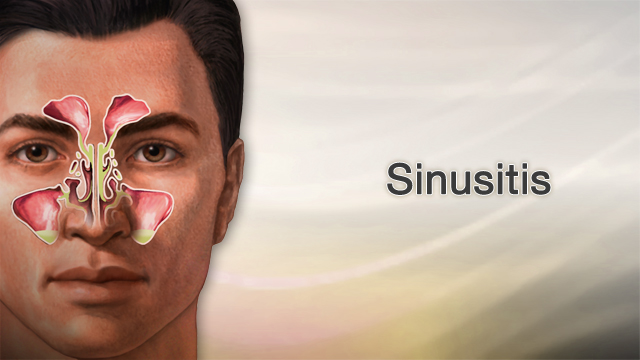
Growing up, my father, who was an Ayurvedic doctor, never let me try anything else other than Ayurveda for any illness.  I have had my own tough times with sinusitis issues and his remedies and treatments always worked.  Though I didn’t like them back then, today, I’m thankful that Ayurveda has become my way of life.    What is sinusitis ?   Sinusitis is a health condition involving inflammation of the tissues lining the sinus; specifically, these are the air-filled cavities bordering the nasal passage. The sinus is responsible for creating mucus.  Sinusitis is a result of a bacterial or viral infection, or even an allergy. It is marked by symptoms such as nasal congestion, a mild or severe headache and pain in the face.  Furthermore, Ayurveda associates sinusitis with Peenasa (mild form of sinusitis) and, in addition, Dushta Pratishyaya (chronic sinusitis). Ayurveda considers sinusitis as a result of imbalance of Kapha and Vata Doshas.  When these Doshas are out of balance, Ama (toxins) accumulate in the sinuses, leading to inflammation and congestion. Ayurveda recommends many remedies and treatment for sinusitis.  In this blog, let me share, first of all, some natural treatments for sinusitis that have helped me, and furthermore, that I recommend to my patients.   Ayurvedic Treatment for Sinusitis   In Ayurveda, the treatment for sinusitis starts with determining the main cause of Dosha imbalance. The focus of the treatment for sinusitis is mainly on regaining the balance of the Doshas, eliminating Ama and improving the functional capacities of the body.  Here are some effective Ayurvedic treatments for sinusitis:   Nasya Therapy   Nasya is one of the five Panchakarma procedures. It involves administering medicated oil into the nose, in order to cleanse nasal passages.  I recommend using Nasya Oil and Steaming Oil to do Nasya. This works best if you are often prone to allergic rhinitis, seasonal cough, cold and other upper respiratory conditions.  If you are healthy and, furthermore, do Nasya as a part of your daily routine, then you can, indeed, just use 2 drops of Nasya Oil.  Another option is Anu Taila.    How to do Nasya?   Massage face, neck and chest with steaming oil  Remember to apply pressure on sinus areas.    Steam face, neck and chest with eyes protected  Cover your eyes using a cloth and then apply steam.    Instil 2 drops of Nasya Oil in each nostril  Instil the oil in each nostril and  inhale. Position your face facing upwards until you feel the Nasya Oil get into your nasal cavity.    Spit the mucus out  This step is very important.  The best time to do Nasya is ideally in the morning – 1 hour before/after shower and 1 hour before/after food.    Steam Inhalation   Steam inhalation with medicinal herbs, therefore, is considered one of the best home remedies for sinusitis. It helps to clear the blocked nasal passages, manage congestion, and lessen sinus pain.   How to do steam inhalation?   Heat water and drop a few eucalyptus oil or sprinkle herbs, such as mint or tulsi. Take a towel and place it over your head and breathe in the steam for the next 10-15 minutes. This can be done 2-3 times a day to have relief from sinus congestion.   Jala Neti (Nasal Irrigation)   Jala Neti is one of the six cleansing methods(Shat Karma) mentioned in Hatha Yoga.  It involves rinsing the nasal passage with warm water containing salt. Jala Neti helps effectively rinse mucus and allergens, thus alleviating sinusitis symptoms immediately.   How to do Jala Neti?   Mix 1 teaspoon of non-iodized salt in a cup of warm water. With the help of a Neti pot, rinse the saline solution in one nostril and let it come out from the opposite side. Repeat on the other side. This should be done once a day and ideally done in the morning.   Herbal Remedies   The following herbs that are useful in the treatment of sinusitis:   Tulsi (Holy Basil) Tulsi has anti-inflammatory and antimicrobial potential.  Furthermore, Tulsi tea or inhaling steam from Tulsi water can help clear up the sinuses   Turmeric Turmeric has anti-inflammatory properties; consequently, these properties help reduce the swelling in the sinuses. Consume one tablespoon of turmeric powder along with lukewarm milk and go to bed.   Ginger Ginger has natural anti-inflammatory and analgesic effects. Ginger tea with honey could help with a sore throat and alleviate sinus pressure.   Diet and Lifestyle   Following suitable dietary and lifestyle practices can help manage your sinusitis symptoms. Avoid old, heavy, and oily foods, such as yoghurt, ice-cream, deep-fried foods, etc. as they increase the quantity of Kapha. Include warm, light, and easily digestible foods in your diet. Drink plenty of warm fluids in the form of herbal teas or soups.  Avoiding having dairy products as they increase the production of mucus.  Be regular with your food and sleep.  Doing Pranayama regularly will increase the capacity of the lungs and will also clear the nasal passage. Keep away from cold and damp environments.   Ayurvedic Medicines for Sinusitis   Ayurveda prescribes various herbal medicines which are very effective in treating Sinusitis.  However, make sure that you have any Ayurvedic medicine only under the guidance of a qualified, Ayurvedic doctor.    Chyawanprash This herbal jam helps boost the immunity of the body. Having a spoonful of this medicine every day to prevent the formation of sinus infection.    Sitopaladi Churna Taking this herbal powder mixed with honey 2-3 times a day, in fact, helps reduce cough and congestion.   Trikatu Churna Trikatu Churna contains ginger, black pepper and long pepper.  Having one teaspoon of this herbal powder mixed with honey after meals helps reduce Kapha and digestive capacity of the gut.   Dashamoola  Made of a combination of ten roots, Dashamoola is very effective in reducing inflammation and congestion.  It can be given in the form of powder, tablets or decoction.    Talisadi Churna Talisadi Churna is another effective herbal… Continue reading Sinusitis Treatment in Ayurveda

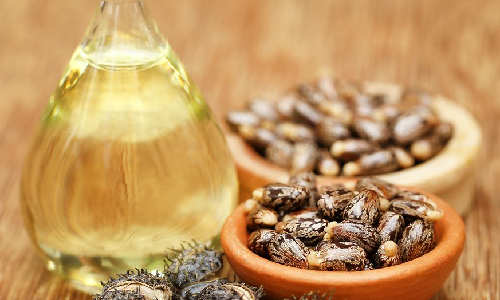
Use of Castor or Eranda for Pain Relief and Detoxification

Castor or Eranda is a plant that has numerous medicinal benefits. Ayurveda makes use of its leaves, seeds and roots to treat various ailments, be it external or internal. Eranda has strong purgative and anti-inflammatory properties. That’s why it is an excellent remedy for pain relief and detoxification.  Ricinoleic acid – the main active ingredient in Eranda is known for its ability to stimulate the digestive system. It boosts intestinal motions and liver function. This, in turn, helps in detoxification. Eranda is also used as an aphrodisiac and in treating neurological ailments.    Properties of  Castor   Ayurvedically speaking, Eranda has sweet (Madhura), pungent (Katu) and astringent (Kashaya) taste (Rasa). It is also Singdha (unctuous), Teekhsna (piercing) and Sookshma (minute) in nature. Eranda also has a sweet taste post digestion. It is also heating in nature.   Uses of Eranda   The purgative, anti-inflammatory and narcotic qualities of Eranda are highlighted in ancient Ayurvedic texts. It also helps balance Kapha and Vata Doshas. Eranda has a rich chemical composition that is the reason behind its numerous medicinal benefits. Ricinoleic acid , the fatty acid in Eranda has strong painkiller and anti-inflammatory properties.  Antioxidants, like Flavonoids and phenolic compounds, present in Eranda help reduce oxidative stress. Alkaloids and Terpenoids in Eranda provies relief from in pain, and has detox and cleansing properties.   Castor for detoxification   One of the main uses of Eranda is detoxification of the body.   Liver detoxification   Accumulation of Ama (toxins) in the body can burden the liver, affecting its function. Ricinoleic acid in Eranda  boosts the liver as well as its capacity to flush out toxins. This helps boost the functioning of the liver and general liver health.   Lymphatic drainage   The lymphatic system is responsible for removing toxins and waste products from body tissues.  Applying warm castor oil packs over the belly helps improve the lymphatic flow. Stomach cleansing   Castor oil is a powerful laxative. Therefore, it is often used to detoxify the intestines.  Castor oil encourages removing waste and also, toxins from the body by stimulating bowels. This promotes good digestion and gut health, which is critical for general health.     Castor for Reducing Pain   Eranda is also a great pain reliever.   Anti-inflammatory properties   Ricinoleic acid in Eranda offers anti-inflammatory benefits.  It works especially well for diseases like arthritis, where ongoing pain is a big problem. Ricinoleic acid blocks the synthesis of inflammatory mediators. This not only reduces inflammation but also, the discomfort associated with it.   Analgesic effects The anti-inflammatory qualities of Eranda provide pain relief. Eranda has deep tissue penetration properties that are useful for treating various pain conditions. You can experience relief from menstrual cramps, joint pain and muscular pains by applying castor oil to the affected region.    Better blood circulation Regular use of castor oil also helps improve blood circulation, which, in turn, helps manage pain.  Better circulation fastens healing and reduces discomfort.This ensures that oxygen and nutrients reach tissues effectively.   Modern Uses Of Castor   Ayurveda is not the only system of medicine that uses Eranda. The herb is also actively used in modern medicine to treat a variety of health conditions.   Skin health   Castor oil is used as an ingredient in skincare products for its healing and moisturizing qualities. It promotes skin regeneration and reduces inflammation. These properties make it a good cure for different skin disorders.   Hair care   Castor oil is a great remedy for scalp problems and also, promotes hair growth.  The nourishing qualities of Eranda help reduce dandruff, strengthen the hair roots and stop hair loss.   Wound healing   Eranda possess antibacterial and anti-inflammatory qualities  that help heal wounds. It promotes the formation of new tissue, thus elevating the healing process and avoiding infections. Are you looking for more valuable insights? Head onto our blog section!     How To Use It ?     Eranda can be used in different ways to help heal different health conditions.    Oral consumption   It is important to stick to the prescribed doses while consuming Eranda orally. But, overconsumption can cause dehydration and severe diarrhea.  Therefore, make sure that you take Eranda only under the guidance of an Ayurvedic doctor.    Topical application   Castor oil is used topically to relieve pain and cure skin conditions.  It is generally safe. But, it’s always safe to do a patch test before you use castor oil  externally.    Combination with other therapies   People use castor oil in different treatments, such as massage and heat therapy. Researchers have found that this improves the effectiveness of the treatments.   Despite its amazing health benefits, it’s not safe to have Eranda or any other herb without supervision. Over consumption can have serious side effects. So, make sure that you consult a qualified Ayurvedic doctor before using Eranda.   Also Read: Use of Triphala in Ayurveda       If you are struggling with any health issues, you can either book a consultation with us or send us a message via WhatsApp to +91 79074 89839. We have the best Ayurvedic doctors in Trivandrum who are always glad to help you. If you have any queries, contact us.  You can also visit us at our hospital.

What are Vata, Pitta and Kapha Doshas in Ayurveda?

Ayurveda is a traditional system of medicine. Beyond that, it is a way of life that helps you reach the ultimate goal of overall wellness. In Ayurveda, the status of your health primarily  revolves around the balance of  your biophysical energies or Doshas.  There are three types of Doshas – Vata, Pitta and Kapha, collectively called Tridoshas.  They are derived  from the 5 basic elements known as “Panchamahabhutas.” The Panchamahabhutas are space or ether, air, fire, water and  earth. All these Doshas must be known to understand the unique constitution of one’s body and how to maintain a balanced manner to attain good health.    The Panchamahabhutas: The Basis of Doshas   The Panchamahabhutas are the fundamental elements that all matter in the universe is based on. These elements, in different combinations, make up the Doshas.  Knowing them can delve deeper into the Doshas’ nature and influence on our bodies and minds. Ether (Space): This is the most subtle of all the elements. It symbolizes emptiness and the possibility of creation. Air: Associated with motion, lightness, and actionability. Fire: Associated with transformation, heat, and metabolism. Water: Fluidity, cohesion, lubrication. Earth: Most solid elements are related to stability and structure. Each Dosha gets its uniqueness from a different combination of these elements, which explains their distinct characteristics and effects on our bodies.   What Are the Doshas?   Doshas are biophysical energies that govern our inner and  outer environments. These energies or Doshas, are present in everybody and everything. They are found in a unique ratio in each individual. This determines one’s Prakriti or physiological and psychological profile.  If your Doshas are in balance, you have health and well-being. They, when in imbalance due to diet, lifestyle, or environmental factors, give rise to diseases.   Vata   Vata is the energy of movement. It constitutes air and  ether.  Vata Dosha governs  bodily functions, like breathing, nerve impulses, and  circulation. When in balance, there is much creativity and vitality. If it’s out of balance, the result is anxiety, dryness, and irregularity in the functions. Characteristics: Light, cold, dry, irregular, quick. Physical Characteristics: Thin build, dry skin, cold hands and feet. Mental Characteristics: Imaginative, anxious, quick learner. Imbalances: Result in anxiety, insomnia, xerosis, and constipation. You can balance your Vata Dosha by following a routine that includes warm, nutrient packed food, proper sleep, and activities like yoga or meditation.   Pitta   Pitta is composed of fire and water. It governs your digestion and metabolism. This fuels the drive of appetite, intelligence, and body heat.  A balanced Pitta Dosha is marked by clarity and energy. However,when it’s out of balance, it results in anger, inflammation and digestive problems. Characteristics: Sharp, oily, hot, intense, and light Physical Traits: Medium build, warm skin, sharp features. Mental Traits: Intelligent, competitive, driven. Imbalances: Marked by symptoms, such as anger, indigestion, skin rashes, heartburn. Balancing the Pitta would require cooling food, relaxing exercises or techniques, and avoiding overwork. Fresh fruits, lots of vegetables and whole grains can nullify the inflamed nature of the Pittas.   Kapha   Kapha Dosha constitutes earth and water. It is the energy of body stability and structure. It controls growth, hydration and immune responses. A person with a proper and well-balanced Kapha will, consequently, be calm, patient, and, moreover, an endurance expert. A Kapha  imbalance will result in lethargy, weight increase, and congestion. Characteristics: Heavy, slow, steady, oily, and cool. Physical Traits: Compact, soft-skinned, big-eyed. Mental Traits: Loyal, patient, compassionate. Imbalances: Results in obesity, slowdown in digestion, depression, and allergies. Massage-reviving functions and a balanced diet with light spicy foods maintain Kapha. Exercise and abstinence from heavy, oily foods will keep Kapha in harmony.   What is Prakriti?   Your Prakriti is your constitution and  fixed at the moment of conception. This is a blueprint of your inborn strengths and weaknesses.  By knowing your Prakriti, you can devise your lifestyle in a manner that will maintain a balance of your Doshas. Are you looking for more valuable insights? Head onto our blog section!   How to Know Your Prakriti?   Knowing your Prakriti means knowing which Doshas are most operative in your constitution based on that knowledge. We can guess these by looking within ourselves or consulting an Ayurvedic professional. Here’s a brief overview of how the Doshas may manifest in your physical and mental attributes: Vata Dominant: Thin and lean, dry skin, quick mind, active, anxious, and sleepless. Pitta Dominant: Medium-built, warm-skinned, sharp intellect, ambitious, irritable, and easily inflamed. Kapha Dominant: Heavier in build, smooth skin, calm disposition, steady energy, tends to put on weight and become lethargic. Knowing your Prakriti helps you tailor a diet, exercise, and daily routines suitable for bringing out balance in life. Balancing the Doshas   Keeping your Doshas in balance is what keeps you healthy. The Doshas are particularly sensitive to continued influences, such as diet, lifestyle, stress and environmental elements that disturb your balance.   What to do to Balance Vata?   Diet: Have warm, freshly-cooked food with spices, such as ginger and cinnamon. Lifestyle: Follow a daily routine. Engage in activities that ground you in life, such as meditation and yoga. Season: Vata is provoked by a cold, dry & windy climate. Keep warm and moist.   Tips to Pacify Pitta   Diet: Consume cooling foods like greens, melons and cucumbers. Stay away from hot, spicy, and oily foods. Lifestyle: Moderate work and exercise. Moreover, engage in cool recreation activities like swimming or, alternatively, walking in nature to calm down Season: One shouldn’t disturb the natural order of Doshas. Avoid hot and humid seasons. Always be cautious at the seasonal end.   Tips for Balancing Kapha   Diet: Light, spicy foods; avoid dairy and heavy foods; include stimulating spices like black pepper and turmeric. Lifestyle: Be active & get regular exercise, but avoid too much sleeping and sedentary habits. Season: In cold, damp weather, Kapha Dosha is dominant. So, stay warm and dry.   Consult an Ayurvedic doctor to guide you regarding your right… Continue reading What are Vata, Pitta and Kapha Doshas in Ayurveda?

Summer Allergies Remedies in Ayurveda

Warm weather and outdoor activities are associated with seasons, but summer allergies can cause pain and suffering. As particle levels rise, runny noses, itchy eyes and sneezing are frequent complaints.  Ayurveda provides completely organic, natural methods to treat and reduce allergy symptoms. According to Ayurveda, allergies are caused by an imbalance in the Vata, Pitta and Kapha Doshas. Heat and inflammation are typical symptoms of the Pitta Dosha, which becomes worse by summer allergies.  Common allergy symptoms are due to the exposure to allergens like pollen grains caused by this imbalance. In this blog, let us discuss how to get rid of summer allergies and the role of Ayurveda in its cure.   Ayurveda for Allergies   Ayurveda emphasizes recovering the body’s equilibrium through food modifications, way-of-life adjustments and herbal remedies for treating allergies.  Here’s a thorough look at how allergies are treated in Ayurveda: Finding the Imbalance: The initial stage of Ayurvedic therapy is identifying the imbalanced Dosha and the symptoms that result from it. Detoxification: Toxins (Ama) accumulated in the body can  increase allergy symptoms. Detoxification therapy helps flush out the toxins.  Increasing Immunity: Increasing immunity via food and herbal remedies makes the body more resistant to allergies. Dietary and lifestyle modifications: Modifying one’s daily schedule and food can relax an inflamed Dosha and reduce allergy symptoms. Are you looking for more valuable insights? Head onto our blog section!   Ayurvedic Remedies for Summer Allergies   Here are some remedies for summer allergies recommended by Ayurveda:    Neem   The antiviral and anti-inflammatory properties of neem helps reduce allergic responses by detoxifying the body and purifying the blood. Neem oil can be used either topically or taken as a dietary supplement in the form of capsules.   Tulsi   Tulsi, often called Holy Basil, is a useful Ayurvedic treatment for allergies and respiratory problems. It helps fight allergies and is great for improving your immunity. A significant reduction in allergy symptoms can, therefore, be obtained by consuming tulsi tea or, alternatively, by utilizing tulsi drops.   Turmeric   Curcumin, the active component of turmeric, possesses potent antioxidant and anti-inflammatory qualities; therefore, it may offer significant health benefits.  Reducing allergic responses can be achieved by including turmeric in your cooking or having it with heated milk (golden milk).     Ginger   A strong anti-inflammatory plant that helps reduce allergy symptoms is Ginger (Zingiber officinale). Have ginger tea, or alternatively, incorporate fresh ginger into your food, in order to help relieve allergy symptoms.   Also Read: Ayurvedic Superfoods to Eat Daily   Though these remedies can help you, overuse of some of them can have serious side effects. So, it’s best to seek the guidance of a qualified Ayurvedic doctor before using them.    Ayurvedic Treatment for Allergies   Ayurveda recommends the following treatments for allergies:   Nasya Therapy   Nasya therapy is a method of treating nasal passages with plant oils. This therapy not only aids in reducing inflammation, but also helps in cleaning up congestion in the nose, and enhancing respiratory health. Anu Taila – a traditional Ayurvedic oil is great for Nasya to relieve allergy problems.   Neti Pot   Neti pot treatment is used to do nose irrigation. By clearing mucus and allergens from the nostrils, this method helps avoid sinus infections and offers instant relief.   Panchakarma   An extensive Ayurvedic detoxification process called panchakarma uses five therapies to rid the body of toxins (Ama). This procedure assists Dosha balance and improves the body’s reaction to allergies.   Ayurvedic Tips for Allergies   Here are some Ayurvedic tips that can help: Refrain from acidic, hot, and spicy meals since they could aggravate Pitta Dosha. Include cold meals such as leafy greens, cucumbers, and melons. Stay hydrated by having lots of water and herbal beverages.   Ayurvedic Solutions for Long-Term Relief   Incorporate these Ayurvedic practices into your daily routine to preserve general health and develop resilience, for long-term relief from summer allergies:   Abhyanga (Self-Massage)   Daily Abhyanga will help balance the Pitta Dosha and furthermore, it’ll calm the skin. In addition to body calming, this technique improves lymphatic drainage and circulation which are critical for the immune system and detoxification. Warm up the oil and then apply and massage it on your body for at least 15 to 20 minutes. You can then take a shower.   Enough Sleep   Do not compromise on your sleeping hours as it is essential for the proper working of your immune system. Establish, therefore, a peaceful evening ritual to encourage, in turn, sound, restful sleep.  Try to avoid screens and stimulating activities at least one hour before bed. Drinking a cup of warm milk  with a bit of ginger and turmeric helps balance your Pitta Dosha and helps you to sleep.   Stress Management   Since stress may exacerbate allergic responses, practice mindfulness, yoga, or meditation to reduce stress.  Regularly performing yoga poses like Child’s Pose (Balasana), Legs Up the Wall Pose (Viparita Karani), and Corpse Pose (Savasana) might help lower stress levels and promote mental clarity. Include breathing techniques like Shavasana and Brahmari (Humming Bee Breath) to encourage calmness and, consequently, focus.   Seasonal Detoxification   Regularly eliminate your body of poisons collected over time by practicing detoxification. Panchakarma is an extensive Ayurvedic cleansing treatment to help your body reset and enhance general health with seasonal changes. Easy at-home detoxification techniques like having a warm cup of water with honey and lemon in the morning and eating small, easily digested meals can be helpful.   Boost Immunity with Herbs   Consume immune-stimulating herbs, like Amla (Indian gooseberry) and Guduchi. Amla is rich in vitamin C; it aids tissue regeneration and strengthens the immune system.Guduchi/Tinospora Cordifolia is, indeed, a powerful immune-stimulating supplement. Furthermore, it is available in both pill and powder form   You don’t have to let summer allergies stop you from enjoying the season. Ayurveda’s comprehensive approach can help you treat and prevent them naturally and with long-term Ayurvedic solutions for summer allergies. … Continue reading Summer Allergies Remedies in Ayurveda

Pancreas’ Health Tips in Ayurveda

The pancreas is called a mixed gland due to its dual role as a digestive organ and an endocrine organ. Located in the abdomen, this incredible organ has two main responsibilities. It produces enzymes that aid digestion and also, insulin, the hormone that controls your sugar levels. That’s why the health of your pancreas is important.    In Ayurveda, the pancreas is called Agnashaya/Grahani or the seat of Agni (digestive fire). Therefore, it is important to keep your Agni balanced for a healthy pancreas. And this can be achieved through the right diet, herbs and lifestyle practices.     In this blog, let us delve into some of the Ayurvedic tips that can help keep your pancreas healthy.       Know the Pancreas   Out of the three Doshas (biophysical energies), Pitta Dosha that is responsible for digestion and metabolic functions of the body, is mainly associated with the pancreas.     An imbalance of Agni or Doshas can affect the health of your pancreas and in turn, your overall health.       Ayurvedic Diet for Pancreas Health    Ayurveda not only considers food as a source of energy but also as medicine. As an Ayurvedic doctor, I follow this principle in my treatment. 80% of my treatment primarily involves dietary corrections and only the remaining 20% involves medicines.     The right diet can have a profound impact on your overall health. And the same works for maintaining the health of the pancreas. To keep your pancreas healthy, have Pitta-balancing and Agni-boosting foods in your diet.       Fresh fruits and vegetables   Have lots of seasonal vegetables and fruits. Leafy greens, bitter gourd and cucumbers are all great for balancing Pitta Dosha and the health of your pancreas.     Whole Grains   Have barley, quinoa and amaranth. These whole grains are soft, do not increase your blood sugar levels and are light to digest.     Healthy Fats   Include healthy fats, like ghee in your diet. Ghee is one of Ayurveda’s favourites, thanks to its health benefits. It aids digestion and helps balance Pitta Dosha.      Spices   Add spices like turmeric, cumin and fennel in your cooking. They are all great for digestion; furthermore, they are anti-inflammatory in nature.     These foods are all generally great for your pancreas health. But that does not mean they may be suitable for you. What’s most important is to know if they align with your Prakriti (body type), Dosha imbalances and health conditions. And the best way to know that is to consult a qualified Ayurvedic doctor.       Herbs for the Health of the Pancreas    In Ayurveda, dietary and lifestyle corrections are the most important factors when it comes to maintaining good health. The next factor is Ayurvedic herbs.     The Samhitas or Ayurvedic texts mention of countless herbs that help treat various health conditions and are good for your overall health. There are even many on the list that help nourish the pancreas and maintain its functions by boosting your Agni, reducing inflammation and keeping your blood sugar levels in check.     Turmeric    Turmeric is known to have amazing medicinal properties. Its anti-inflammatory nature is, therefore, great for reducing inflammation and, insulin resistance.      Guduchi    Guduchi is another amazing Ayurvedic herb with many medicinal benefits. It balanced the Tridoshas, which is important to keep your pancreas healthy.    Bitter Melon    The anti-inflammatory properties of bitter melon or bitter gourd help lower your blood sugar levels and thereby, help manage your pancreatic health.      Amla    Packed with antioxidants, Amla or Indian gooseberry has beneficial effects on your pancreas and the liver.     Triphala    Triphala  – the Ayurvedic formulation made of three fruits, Amlaki, Haritaki and Bibhitaki is great for digestion and detoxification.     I, however, do not recommend Triphala for internal use on a regular basis. Triphala is a medicine. If at all you choose to take it internally, it has to be taken with the right vehicle, in the right season in the right quantity under a doctor’s supervision.   Watch this video for more insight into Triphala:      Ayurvedic Lifestyle for Pancreas Health    A balanced lifestyle is another factor that helps keep your pancreas healthy. Ayurveda insists on following Dinacharya or daily routine and Ritucharya or seasonal routine. It brings about a discipline in life which can have a positive impact on your pancreatic health as well as your mental health.     Want to learn more about Dinacharya? Then download my ebook here (it’s absolutely free)!    Stress is often related to mental health. But the truth is it can mess up your physical health too. The following lifestyle practices help manage your stress levels, while also boosting the efficiency of the different functions of the body.     Yoga and Pranayama    Doing Yoga and Pranayama helps lower your stress, while also improving circulation and stimulating your digestive tract – all of which are much needed for your pancreas.     Paschimottanasana, Ardha Matsyendrasana and Dhanurasana are some of the Yoga poses that help stimulate your pancreas. These poses are also great for the functioning of your digestive system.      Also, breathing exercises like Kapalbhati and Anulom Vilom help reduce your stress levels and boost the functioning of your pancreas.     Meditation    Meditation is another great way to lower your stress and keep a calm mind. Meditate for 5 to 10 minutes on a daily basis and see the difference it can bring about on your overall health.      Mindfulness    Be mindful of everything you do.  It helps you stay aware of your actions; furthermore, it allows you to have better control of your life.    Adequate Sleep    Ayurveda has three pillars of health and sleep is one of them. Having quality sleep is crucial for your overall health and to manage your blood sugar levels.     Our… Continue reading Pancreas’ Health Tips in Ayurveda

Shiro Abhyanga – The Healing Touch of Ayurvedic Head Massage

There’s nothing more comforting than a head massage (Shiro Abhyanga) after having a hectic day. If you’re from India, you would have experienced the iconic head massage by our mothers or grandmothers using herbal oil at least once in life. Now, with my busy schedules, I sometimes crave for those massages.    Talking of head massages, in Ayurveda, a head massage with herbal oil is called Shiro Abhyanga. ‘Shiro’ means head and ‘Abhyanga’ means massage. Shiro Abhyanga involves a complete massage of your head, neck and shoulders using herbal oils.      The Importance of Shiro Abhyanga     Our head is the most important part of our body. It comprises components, such as brains, nerves and sense organs, that control various necessary functions of the body. In Ayurveda, they consider the head as ‘Uttamanga’ or the best organ among all in the body.   In Charaka Samhita Sutra Sthana, the importance of head is mentioned as follows:    प्राणाः प्राणभृतां यत्र श्रिताः सर्वेन्द्रियाणि च| यदुत्तमाङ्गमाङ्गानां शिरस्तदभिधीयते||   The head is referred to as the supreme part of the body because it is the place where life forces (Prana) and all the sense organs (Sarvendriya) are situated.   Therefore, maintaining the health of the head is necessary for the health of your whole body. Shiro Abhyanga is one of the many methods to soothe and strengthen the functioning of your head, and thereby, your overall body.      Benefits of Shiro Abhyanga   Relaxation and Stress Relief   Shiro Abhyanga helps your mind feel relaxed and comfortable. The gentle rubbing also helps calm your nervous system. It is really beneficial, especially for people who work long hours or feel stressed a lot. The best part is that the effects of Shiro Abhyanga are not temporary, but long lasting.   Enhanced Blood Circulation   Shiro Abhyanga is known for its ability to enhance blood circulation to the scalp and hair follicles. As blood flows to the hair roots, it stimulates the scalp. Consequently, it promotes the growth of hair follicles.  This ensures early growth of the hair, making it smoother and silkier. Regular massage with Ayurvedic oils strengthens the hair shaft due to the increased blood flow and reduces shedding.   Mental Well-being   It is amazing how Shiro Abhyanga benefits focus and other concentration patterns. In many scenarios, individuals undergo a lot of stress as a result of workload and other issues. The gentle strokes and movements during the massage take away the stress and help you focus and concentrate. One added advantage of the massage is that it helps get rid of headaches and migraines that are often results of stress.    Spiritual and Emotional Balance   In Ayurveda, we believe that the head is very important. It is where we think and feel things. There are also energy centres in our body called Chakras. When we massage the head, we can make the energy flow better in our body. This can help us feel more peaceful and balanced inside. Shiro Abhyanga is a way to take care and love yourself and show love to yourself. It helps you connect with who you are deep down.   Choosing the Right Oils for Shiro Abhyanga   The choice of oil used during the massage can further enhance its benefits.    In Ayurveda, the following are some of the commonly used oils for head massage: Organic black sesame oil Ksheerabala Tailam Lakshadi Tailam Chandanabala Lakshadi Tailam Dhanwantaram Tailam Yashtimadhu Tailam Mahamasha Tailam Manjishtadi Tailam    It is always safe to use the oils as per the recommendation of a qualified Ayurvedic doctor. They’d be able to prescribe the right oil or mix of oils depending on your Prakriti, Dosha imbalances and health conditions.    At my unit, we prepare herbal oils exclusively using locally sourced authentic Ayurvedic herbs. These oils are free from heavy metals and strong Ayurvedic herbs, ensuring a safe and effective treatment for our patients.   Ayurvedic head massage or Shiro Abhyanga addresses the physical, mental, emotional, and spiritual aspects of an individual’s well-being. It also helps promote health, relaxation and inner balance.   Also watch:       If you are struggling with any health issues, you can either book a consultation with us or send us a message via WhatsApp to +91 79074 89839. We have the best Ayurvedic doctors in Trivandrum who are always glad to help you. If you have any queries, contact us.  You can also visit us at our hospital.

Medicinal Plants in Ayurveda for Balancing Kapha Dosha

Kapha Dosha is responsible for giving structure and lubrication to the body. When balanced, Kapha gives us strength, protects against diseases and keeps us calm. But if it’s out of balance, it can cause weight gain, congestion and tiredness. My treatment for Dosha imbalances majorly involves dietary and lifestyle correction. And if necessary, It includes medicines in the treatment that aligns with the patients’ Prakriti (body type), Dosha imbalances and health conditions. The medicines are made in my unit using Ayurvedic medicinal Plants through traditional methods as mentioned in ancient Ayurvedic texts or Samhitas.    The Ayurvedic texts have mentions of an array of medicinal plants that help balance your Doshas. In this blog, let us discuss the top herbs that help balance Kapha Dosha.      5 Potent Medicinal Plants to Balance Kapha Dosha     These are some of the top medicinal plants that can help balance your Kapha Dosha:   Turmeric     Turmeric or Haridra is a bright yellow spice that comes from the dried rhizome of a plant in the ginger family. It’s a superstar in Ayurveda, known for its many healing properties. The herb is particularly effective in balancing Kapha Dosha. Its warming, dry and light qualities counteract Kapha’s heavy and moist nature.   Benefits   Anti-inflammatory Properties: One of the most amazing things about turmeric is its curcumin content. This compound helps reduce inflammation, which is great for managing Kapha.    Digestion: Turmeric supports the digestive fire or Agni, aiding digestion and metabolism. This is especially helpful for people with Kapha body types, who often struggle with slow digestion.    Detoxification: Another fantastic benefit of turmeric is its ability to support liver function and eliminate toxins (Ama) from the body. I often feel lighter and more energized when I regularly include turmeric in my diet.   How to Use   Turmeric is a staple ingredient in almost all Indian dishes. So, I would say it is the best way to incorporate turmeric into your routine.   You can add it as an ingredient to curries and soups or use its powder to make tea. Also, you can combine it with warm milk to make turmeric milk, which is great for coughs and colds, getting a good sleep and alleviating period cramps.   If you prefer, you can take turmeric supplements, but it’s always a good idea to consult with an Ayurvedic doctor first.    Ginger     Ginger, known as Shunti in Sanskrit, is a versatile herbal option to balance your Kapha Dosha. It has warming and stimulating properties that help in energizing the body and fighting off problems associated with Kapha, such as feeling “sluggish” or “congested.”   Benefits   Digestive Health: Works as a good appetizer and helps to improve digestion by enhancing the Agni. This reduces the accumulation of Ama as well as ensures that the food gets digested properly.   Respiratory Health: Works as an expectorant and helps remove mucus from the respiratory tract. This not only helps in relieving congestion but also makes breathing easier.   Weight Control: The herbs are able to enhance metabolism and help in weight reduction. It can prove to be especially effective if there is a Kapha vitiation in the individual’s body.   How to Use   Ginger can be used as an ingredient in cooking. You can also add it to teas, juices, smoothies, or can even be used as a spice in cooking. Ginger supplements are another option. But it is safe to consult an Ayurvedic doctor before trying them out.   Trikatu       Trikatu is a blend of three powerful spices: black pepper, long pepper (Pippali) and dry ginger. The strong heating and stimulating properties of this combination is great for balancing Kapha Dosha.   Benefits   Metabolic Booster: Trikatu helps enhance your metabolism and boosts your Agni, which helps your body process food more efficiently.   Detoxification: It helps your body get rid of Ama, reducing the risk of Kapha-related issues.   Respiratory Health: Trikatu is also good for clearing respiratory congestion and improving lung function.   How to Use   You can take Trikatu powder with honey or warm water. It’s also available in tablet form. As always, it’s best to consult with an Ayurvedic doctor before starting any new supplement.   Tulsi     Tulsi or Holy Basil is an important herb used in Ayurveda due to its numerous health benefits. It has the added advantage of helping to decrease Kapha Dosha due to its light, dry, and warm nature.   Benefits   Respiratory Support: Tulsi has a good effect on the respiratory passage and thins the mucus therefore; it is of great value in the case of Kapha respiratory disorders.   Stress Relief: It is an adaptogenic agent since it can help the body deal with stress to the point of sharpening your mind.   Immune Support: Tulsi also helps to strengthen the body’s defense and increases the body’s capability to fight diseases and infections.   How to Use   Tulsi can be consumed raw or the leaves may be boiled to prepare a tea or it can be used as a seasoning while preparing a particular dish. Tulsi capsules/tinctures are also available for those who do not want to consume leaves or Tulsi powder.   Also Read: Health Benefits of Tulsi   Cinnamon     Cinnamon or Twak in Sanskrit is a warm spice that helps in moderating Kapha Dosha. Due to its Pungent and hot like qualities, it can be used to balance excess Kapha Dosha.   Benefits   Blood Sugar Regulation: Cinnamon has a healing effect on blood sugar. Since blood sugar level is a major determinant of metabolism and weight, cinnamon is of great help.   Improved Circulation: It stimulates blood flow which combats Kapha’s tendency to cause lethargy.   Digestive Aid: Cinnamon helps in digestion and aids in getting rid of digestive problems like bloating and indigestion.   How to Use   Cinnamon is best added to teas,… Continue reading Medicinal Plants in Ayurveda for Balancing Kapha Dosha

Jatamansi: Ayurveda’s Answer to Stress and Sleep Disorders

Jatamansi (scientifically known as ‘Nardostachys jatamansi’) has been using in Ayurvedic medicine for thousands of years. This herb’s amazing benefits in stress management and treating insomnia make it popular. It is also well known that it can calm and support our mental health.   The Power of Jatamansi Powder   Liquid Jatamansi extracts cost more than powder versions and are often not as convenient. Obtaining its powder form is typically less difficult and can easily be included in your daily routine.   Stress Relief: The primary benefit of Jatamansi powder is that it fights stress. Its powder aids in calming the mind.  People have used it as a natural stress reliever with a good deal of success for centuries.   Enhancing sleep: This  treats insomnia by calming the nervous system and reducing the problem of overthinking. Deep sleep is another advantage of taking it, which will allow you to feel refreshed when you get up in the morning.   Cognitive effects: Jatamansi powder is also known for its advantages for your brain. Cognitive functions will undoubtedly improve, and you will start to notice a substantial improvement in your memory. You will be able to think more clearly and easily as a result.   Jatamansi for Hair   Jatamansi oil is the perfect natural product for hair. It works on the scalp and nourishes it well. The  oil also provides huge strength for the roots and is effective in terms of boosting hair growth. If you are looking for something natural that would help, this is the one. It stimulates the scalp by improving the circulation of blood and makes the hair stronger, longer and more attractive.     How to Use it ?     You can easily incorporate it into your daily routine in various ways.   Using Jatamansi Powder: Jatamansi powder can be mixed with water or milk and consumed daily. For stress relief and better sleep, take a teaspoon of  its  powder with warm milk before bed. For cognitive benefits, you can, therefore, take it in the morning with water.   Applying Jatamansi Hair Oil: For hair care, massage Jatamansi hair oil into your scalp and leave it overnight. Wash it off the next morning with a mild shampoo. Additionally, regular use will result in healthier and stronger hair.   Watch this if you are interested in my hair journey:   Using Jatamansi in Aromatherapy: Jatamansi oil can also be used in aromatherapy to achieve a calming and soothing effect. Add 2-3 drops of the  oil to the diffuser for stress relief and better sleep.   Personal Tips for Using it.   Consistency is Key: For best results, use Jatamansi consistently. Whether you are using it for stress relief, sleep, or hair care, regular use will help you achieve the desired results.   Combine with Other Ayurvedic Practices: Combine the use of Jatamansi with other Ayurvedic practices for enhanced benefits. Practices like Abhyanga (self-oil massage), yoga, and meditation can, therefore, complement the effects of Jatamansi.   Listen to Your Body: Everyone’s body is different, so it’s important to listen to your body and adjust the usage accordingly. Start with a small dose and gradually increase it based on how your body responds. You can consult an Ayurveda doctor for guidance on dosage.    The Take of Modern Science   Modern research supports many of the traditional uses of Jatamansi. Studies have shown that Jatamansi has neuroprotective properties, which can help in protecting the brain from damage. It also has anti-inflammatory and antioxidant properties, which contribute to its overall health benefits. This is a wonderful herb with numerous benefits. Additionally, it will help you to get rid of the stress, sleep better, and, furthermore, have healthier hair. Always remember; in fact, everybody’s way to a healthy life is unique.  All you can do is listen to your body, be persistent and combine the fantastic power of natural herbs with a healthy lifestyle to lead a disease free life.   Also read: 6 Tips for Long Hair       If you are struggling with any health issues, you can either book a consultation with us or send us a message via WhatsApp to +91 79074 89839.  We have the best Ayurvedic doctors in Trivandrum who are always glad to help you. If you have any queries, contact us. You can also visit us at our hospital.

Shankhupushpi: The Brain Tonic for Cognitive Enhancement

Shankhupushpi, scientifically known as Convolvulus pluricaulis, is considered as a brain herb in Ayurveda. It’s revered mainly due to its capacity of boosting cognitive functions, enhancing memory and lowering stress levels. In the ancient texts of Ayurveda, Shankhapushpi is described as a Medhya Rasayana – a rejuvenator of the mind. In this blog, let us delve into the details of how Shankhapushpi is beneficial for the brain.    Shankhupushpi Benefits for Brain   In today’s fast-paced world, cognitive health is more important than ever. Shankhapushpi is a great natural solution to enhance mental clarity, concentration and overall brain performance.   Enhances Memory and Learning   Shankhupushpi is renowned not only for its ability to boost memory but also, for its learning capabilities. It’s great for boosting focus and memory, making it a fantastic herb for both students and professionals.   Reduces Stress and Anxiety   Stress and anxiety can take a toll on cognitive functions. Shankhupushpi is an amazing natural adaptogen that supports the body in handling stress and reducing anxiety levels. It works to soothe the mind and cultivate a sense of tranquillity within.   Improves Cognitive Function   Regular consumption of Shankhupushpi can enhance overall cognitive function. It assists not only in making better decisions and solving problems, but also, in boosting creativity.   Shankhupushpi for Adults   Adults often face cognitive decline due to various factors such as stress, ageing and lifestyle choices. Shankhupushpi for adults can be a game-changer, offering a natural way to boost brain health.   Combats Age-Related Cognitive Decline   As we age, our cognitive functions tend to decline. Shankhupushpi helps in slowing down this process, keeping the brain sharp and active.   Enhances Focus and Attention   For adults juggling multiple responsibilities, maintaining focus and attention can be challenging. Shankhupushpi enhances these cognitive abilities, making daily tasks easier to manage.   Supports Emotional Well-being   Emotional health is crucial for cognitive function. Moreover, Shankhupushpi supports emotional well-being, helping to maintain a positive outlook and reduces the risk of depression.   Learn one more benefit of Shankhpushpi in this video: Forms of Shankhupushpi   Shankhupushpi is available in various forms, each with its unique benefits and usage.   Shankhupushpi Tonic   Tonic is a popular form, especially for those who prefer liquid supplements. It is easy to consume and also, quickly absorbed by the body, providing rapid benefits.   Shankhapushpi Powder   Shankhapushpi powder is another versatile form. It can be mixed with either water or milk or any beverage of choice. Its  benefits include improved digestion, better absorption and ease of use.   Shankhupushpi Tablets   For those who prefer convenience, Shankhupushpi tablets are an excellent option. They’re easy to carry and can be eaten while you’re on the move, so you can make sure you’re getting enough of this powerful herb every day.   Remember, it is always better to consult a qualified Ayurvedic doctor before taking Shankhapushpi in any form.      How to Use Shankhapushpi?     Incorporating Shankhapushpi into your daily routine is simple and can be done in various ways.   Dosage   The recommended dosage of Shankhapushpi varies based on age, health condition, and form of the herb. Generally, 1-2 teaspoons of Shankhapushpi powder or 2-4 tablespoons of Shankhapushpi tonic daily is sufficient. But, it’s better toseek the help of an Ayurvedic doctor to know the right dosage suitable for you.    Best Time to Consume   For optimal benefits, consume Shankhapushpi in the morning on an empty stomach. This allows for better absorption and ensures that the herb starts working right away to boost your cognitive functions.   Combining with Other Herbs   Shankhapushpi can be combined with other Ayurvedic herbs for enhanced benefits. For instance, combining it with Brahmi can further boost memory and cognitive functions. Always consult with an Ayurvedic practitioner before combining herbs.   The Science Behind Shankhapushpi   Modern science has started to validate the traditional uses of Shankhapushpi. Studies have shown that Shankhapushpi contains alkaloids, flavonoids and other compounds that contribute to its cognitive-enhancing properties.   Neuroprotective Effects   Research indicates that Shankhupushpi has neuroprotective effects, helping to protect the brain from damage caused by free radicals and oxidative stress. This makes it an excellent herb for long-term brain health.   Anti-Anxiety and Antidepressant Properties   Studies have also highlighted Shankhupushpi’s anti-anxiety and antidepressant properties. By modulating neurotransmitter levels, Shankhupushpi helps in reducing anxiety and promoting a sense of well-being.   Ayurvedic Perspective on Cognitive Health   According to Ayurveda, cognitive health is closely linked to the balance of Doshas and the state of our Agni or digestive fire. An imbalance in Vata, Pitta or Kapha Doshas can lead to cognitive issues, such as memory loss, anxiety, and lack of focus. Shankhapushpi helps in balancing these Doshas, promoting overall cognitive health.   Dietary and Lifestyle Tips for Cognitive Enhancement   In addition to taking Shankhapushpi, following a balanced diet and healthy lifestyle can further enhance your cognitive functions.   Having a Balanced Diet   Consume a diet rich in fresh fruits, vegetables, whole grains, and healthy fats. Foods that are easy to digest help maintain a healthy Agni and prevent the build up of Ama (toxins). Also, your diet should align with your Prakriti (body type), Dosha imbalances and health conditions. You can approach an Ayurvedic doctor to help you with your diet.    Yoga and Meditation   Regular practice of yoga and meditation helps in reducing stress, improving focus and enhancing overall mental well-being.   Enough Sound Sleep   Sleep is essential for cognitive health. Aim for 7-8 hours of quality sleep each night to allow your brain to rest and rejuvenate. Shankhupushpi is an amazing herb that has lots of benefits for your brain health. If you want to boost your memory, lower stress or make your brain work better. It is a great thing to add to your everyday schedule. As an Ayurvedic doctor, I really suggest trying Shankhupushpi to see how it can change your… Continue reading Shankhupushpi: The Brain Tonic for Cognitive Enhancement