
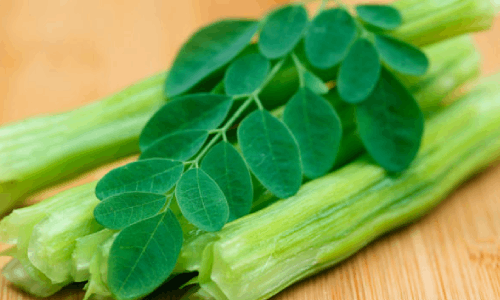
Kwathita – A Traditional Recipe for Gut Healing

Ayurveda emphasizes the use of natural remedies to treat various ailments, and one such Ayurvedic recipe as a remedy for healing the gut is the Kwathita drink, which has been used for over 5000 years.    Kwathita is a recipe that is believed to be effective in treating indigestion, loss of appetite, flatulence, abdominal pain, hemorrhoids and overall gut health. The recipe is taken from the Bhavaprakasha Nighantu, one of the ancient Ayurvedic texts that contain information about medicinal plants and their therapeutic uses.    How  to  prepare  Kwathita?      Here’s the recipe to make Kwathita.    Ingredients:    Ghee – 1 tsp  Asafoetida – a pinch   Turmeric – 1 tsp   Peppercorns -2   buttermilk – 1 glass   Salt – to taste    Method of preparation:    First, add all ingredients to a pan, and then boil the mixture for one minute. Remove the mixture from the flame in the first boil itself, else there will be solid clumps.  Consume the drink with rice during lunch.   Kwathita drink provides a nutritious and delectable accompaniment to any rice-based meal, and people say it facilitates digestion and improves gut health in general.   Benefits of ingredients    Ghee, or clarified butter, is an important ingredient in Ayurvedic medicine; moreover, it is known for its numerous health benefits.  It has numerous health benefits. Ghee helps lubricate the digestive tract, promote the absorption of nutrients, and improve the overall health of the gut.   Asafoetida, on the other hand, is a pungent spice with anti-flatulent properties. It is aids digestion and relieves bloating and gas.     Turmeric, a popular spice used in Indian cuisine, has anti-inflammatory properties; therefore, it is often regarded as a beneficial addition to a healthy diet.  It helps reduce inflammation in the gut; furthermore, it promotes the healing of the digestive tract.  Pepper, another important ingredient in the Kwathita drink, that helps improve digestion and aids the absorption of nutrients.     A fermented dairy product called buttermilk is, indeed, well-known for having probiotic benefits.  It contains live cultures of advantageous bacteria that support the preservation of balanced gut flora. It also contains a lot of lactic acid, which helps with digestion and increasing nutrient absorption.    The Ayurvedic recipe – Kwathita is, indeed, a proven, over 5000-year-old remedy for gut healing.  Furthermore, it has stood the test of time, demonstrating its effectiveness across generations.  It is best to take Kwathita as a side with rice during lunch time. The ingredients of the drink aid digestion, encourage digestive system healing and maintain a healthy balance of gut flora.  Looking for ways to improve your gut health? Book a consultation with us today and we’ll help you heal! You can join our Health Programs for mind and body detox.   If you are struggling with any health issues, you can either book a consultation with us or send us a message via WhatsApp to +91 79074 89839. We have the best Ayurvedic doctors in Trivandrum who are always glad to help you. If you have any queries, contact us.  You can also visit us at our hospital.

Ayurvedic food – Shashkuli

Ayurveda views food as medicine. Your diet is one of the important factors that have an influence on your health. Therefore, it is important to have Ayurvedic food that suits your body type (Prakriti) and is digestible.     Ayurveda has plenty of recommendations when it comes to food and that includes snacks. One such Ayurvedic snack is Shashkuli. This tasty, crispy snack is mentioned in ancient Ayurvedic texts like Caraka Samhita and Sushruta Samhita and even Mahabharata. Variations of this recipe are popular across India as Murukku, Chakli, etc.    Shashkuli is Vata and Kapha subsiding. It is also carminative and digestive.      Ingredients of Shashkuli    The following ingredients are needed to make Shashkuli:  Rice  Black gram  Sesame seeds  Cumin seeds  Rock salt or rock sugar  Ghee  Buttermilk    Rice is a cooling food that helps pacify Pitta Dosha, which is responsible for metabolism and digestion, while black gram is a warming food that helps balance Vata Dosha, which is responsible for movement and circulation. Sesame seeds and cumin seeds are carminative and digestive. Ghee, which is used for frying the shashkuli, is therefore significant in Ayurveda.  It is one of the most Satvic (pure) foods in Ayurveda and is rich in healthy fats and nutrients.    Method of preparation    Dry roast equal parts of rice and black gram separately. Then powder them and combine. Add buttermilk and ghee to the mixture to make a dough.   Add cumin seeds, black sesame seeds and salt to taste to the dough.  Now roll the dough into spirals using a chakli machine.   Then fry the spirals in ghee until golden brown and crispy.    Shashkuli is an Ayurvedic food item that is not only delicious but also healthy. It is a light and easy-to-digest snack that is perfect for those with a weak digestive system. It is also a great snack option for those who are trying to maintain a healthy weight or are on a weight-loss diet. Due to its warming and carminative properties, shashkuli is also believed to help relieve gas, bloating and other digestive issues.  I remember my grandmother loved chakli; however, she had no teeth.  So, she would powder these snacks in a blender and chew it and eat it to her heart’s content at 90 years.    Shashkuli is also a great snack for kids!  If you’re suffering from any health conditions, book a consultation with us. You can join our Health Programs for mind and body detox.   If you are struggling with any health issues, you can either book a consultation with us or send us a message via WhatsApp to +91 79074 89839. We have the best Ayurvedic doctors in Trivandrum who are always glad to help you. If you have any queries, contact us.  You can also visit us at our hospital.

Healing Factors in Ayurveda

According to Ayurveda, health is not just the absence of disease, but a state of balance between the body, mind and spirit. Therefore, healing is a complex process that depends on various factors.     According to Ayurveda, there are three factors that influence healing in Ayurveda.    In this blog, let us take a closer look at each of these factors and how they impact healing.    Factors that influence healing      The factors are the strength of the disease (Roga Bala), the strength of the patient (Rogi Bala) and time (Kala).        Roga Bala: The strength of the disease       Roga Bala refers to the strength of the disease or the severity of the illness. In Ayurveda, diseases are classified based on their intensity, and treatment plans are tailored accordingly. Some diseases are considered mild, while others are more severe and require more intensive treatment. The strength of the disease depends on various factors such as its nature, duration and extent of involvement.     For example, a common cold is considered a mild disease, and most people recover from it within a few days with rest and home remedies. However, a chronic disease like diabetes requires long-term management and lifestyle modifications to prevent complications. In such cases, the strength of the disease is high, and the treatment plan needs to be more intensive.     Rogi Bala: The strength of the patient    Rogi Bala, refers to the strength of the patient; moreover, it signifies the ability of the body to fight the disease. In Ayurveda, each person is considered unique, and their constitution or Prakriti determines their susceptibility to diseases. Some people have a stronger constitution and can fight off diseases more easily, while others are more vulnerable and prone to illnesses.     The strength of the patient depends on various factors such as age, diet, lifestyle and genetics. For example, a young person with a healthy diet and active lifestyle is more likely to have a strong immune system and can fight off diseases more easily than an older person with a sedentary lifestyle and poor diet.     Time (Kala)     The third component that affects healing is time or Kala. In Ayurveda, time is crucial for healing and, consequently, overall well-being. There is, however, no overnight remedy for the majority of ailments.  Healing takes time. The severity of the sickness, the patient’s health and the success of the therapy are just a few of the variables that affect how long an illness lasts and how long it takes to recover.     For example, a mild infection like a sore throat may resolve on its own within a few days, while a severe infection like pneumonia may take several weeks to resolve with medication and rest. Similarly, a chronic disease like arthritis may require long-term management.    Understanding the above-mentioned factors is essential in developing an effective treatment plan for any disease.   If you’re looking to heal from any health conditions, book a consultation with us and we will help you!   If you are struggling with any health issues, you can either book a consultation with us or send us a message via WhatsApp to +91 79074 89839. We have the best Ayurvedic doctors in Trivandrum who are always glad to help you. If you have any queries, contact us.  You can also visit us at our hospital.  

Ayurvedic recipe for gut – the mid-morning drink

Ayurveda believes that an imbalanced digestive fire (Agni) or poor gut health is the root of all diseases. That is why it is important to eat mindfully. There are plenty of healthy Ayurvedic recipes you can follow, for instance, to keep your Agni balanced. Here is one such Ayurvedic recipe for your gut that can be a healthy replacement for your mid-morning snack – the mid-morning drink!    In this blog, let us explore the benefits and learn how to prepare this amazing drink!    Recipe  Here is the recipe for your nutritious mid-morning drink.     Ingredients:  Small carrot – 1  Cabbage leaves – 1 to 2  Beans – a handful  Coriander leaves – a small handful  Onion – 1/4 of a bulb   Pepper Himalayan pink salt   Method of preparation:  Chop the vegetables roughly.  In a pressure cooker, add all the vegetables and water.  Pressure cook the vegetables for 3 whistles.  When the broth is done, set up a strainer in a large pot.  Pour the vegetables and broth into the strainer; then, drain the broth. Add pepper and salt to taste to the strained broth.  Serve and enjoy!    Benefits    Here are the benefits you gain from this mid-morning drink:    Nutritious option for vegetarians This mid-morning drink, therefore, is a perfect choice for those who are vegetarian. It provides essential nutrients while being completely plant-based.     Packed with nutrients  The drink is not only packed with vitamins, but also with minerals and antioxidants from the vegetables.  Furthermore, it provides essential nutrients that support overall health.  If you are not a vegetable lover, this drink is a great way to incorporate more vegetables into your diet.    Aids hydration and digestion  The mid-morning drink helps aid hydration and digestion.  Also, it is low in calories and can be a comforting and warming drink.    This drink is served to my patients at my hospital, especially for those dealing with gut issues. Incorporating Ayurvedic recipe for gut like this mid-morning drink into your routine can promote better digestion, enhance your overall health and provide a delicious way to enjoy vegetables.    If you are struggling with any health issues, you can either book a consultation with us or send us a message via WhatsApp to +91 79074 89839. We have the best Ayurvedic doctors in Trivandrum who are always glad to help you. If you have any queries, contact us.  You can also visit us at our hospital.
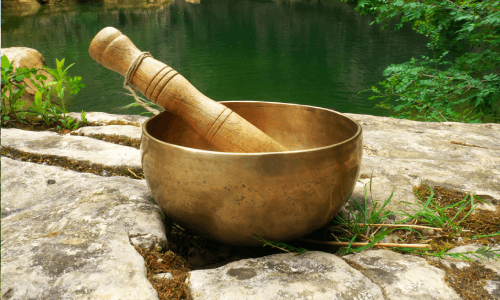
Abhyanga Like a Pro: Master the Art of Self-Massage

Abhyanga or daily self-oil massages are important to live a healthy long life according to Ayurveda. You might think of going to a spa and getting it done. But it is not practical. So, the most useful and effective way to do Abhyanga is in the comfort of your home.        Benefits of doing Abhyanga      Doing Abhyanga offers the following benefits:   Improves strength and flexibility of muscles, bones and joints Slows down ageing Improves skin health Relieves weakness, tiredness Improves sleep Reduces aches and pains in the body Nourishes tissues of the body Rejuvenates the body and promotes longevity      How to do Abhyanga at home?      Here’s how you can do Abhyanga at home:    The first step in performing Abhyanga is to choose the right oil. The ideal oil to do Abhyanga is organic black sesame oil, specifically the darkest or dark organic sesame oil available.    The steps    Ayurveda specifies the body parts you should focus on when you are doing it. These areas include the top of your head, your palms, feet, navel, ears, and face. These are the main areas you should massage.     You can also massage other parts of your body, especially your joints, because they tend to collect Vata, which is the air element. Vata increases when you move your body a lot, so it’s more in your joints. That’s why it is important to massage them with oil.  First, take some oil in your palm and gently apply it on the top of your head. Once you apply the oil, use your fingers to rub your scalp. If you want, you can also massage oil along the length of your hair.     Next, massage your face.     After that, massage your hands and feet, and then continue with the rest of your body. For your joints, move your hands in circular motions, but for other body parts, use longer up-and-down strokes.     When you’re massaging your legs, it’s a good idea to massage them in an upward direction, towards your heart.     When massaging your hands, fold them and use your hands to massage the long bones effectively.    Doing Abhyanga is crucial for maintaining good health, regardless of age. On days when you are really busy, you can, therefore, do a brief 2-to-3-minute Abhyanga.  However, you can do it for at least 5 to 10 minutes if you have ample time.    To know more about Abhyanga, download my ebook or watch my YouTube video.  If you are struggling with any health issues, you can either book a consultation with us or send us a message via WhatsApp to +91 79074 89839. We have the best Ayurvedic doctors in Trivandrum who are always glad to help you. If you have any queries, contact us.  You can also visit us at our hospital.
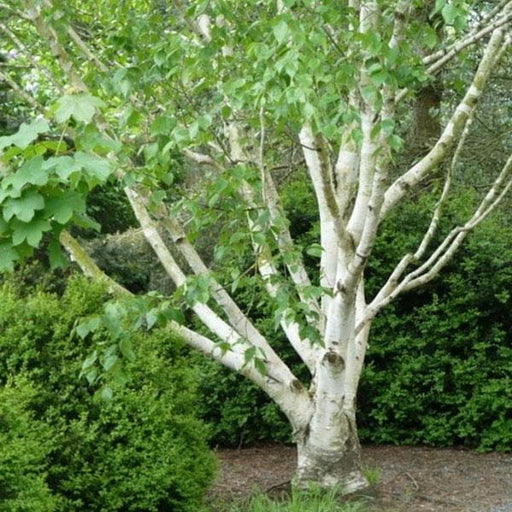
Hair Care Routines – My Tried-and-True Tips for Healthy Hair

People often ask me about my hair care routine.     In this blog, I will reveal my little secret!    Oiling hair    Before I wash my hair, I always oil my scalp using Dr Rekha Ayurveda Hair Oil. This Ayurvedic hair oil contains ingredients, like Bringaraja, Neeli, Yashti, Anjana, Amla and Haritaki among other components that nourish the scalp and boost hair growth.    To use Dr. Rekha Ayurveda Hair Oil, apply a few drops on the Bregma or the crown of the head and massage with firm pressure. Then, work your way around the scalp with gentle pressure and apply more oil to dry patches. Massage the scalp for 5 to 10 minutes. If you have a dry scalp, then leave the oil on for up to 30 minutes.  Hair oiling is effective in reducing hair loss, improving hair growth, reducing the dryness of the scalp and nourishing the scalp.    Head shower    I usually wash my hair thrice a week. When you wash your hair frequently, your hair might lose its natural oils and this can cause dryness and breakage. Thus, three times a week is the ideal frequency.    Hair scrub    I use Dr. Rekha Ayurveda Hair Scrub to exfoliate my scalp. It helps improve blood circulation. Some common ingredients in the Ayurvedic Hair Scrub include Bhringaraja, Indigo, Henna, Shikakai and Hibiscus flower. These ingredients are known to maintain hair and scalp health, control hair fall, exfoliate the scalp and rejuvenate hair, scalp and skin.    To use Dr. Rekha Ayurveda Hair Scrub, wet your hair and scalp before applying the hair scrub in circular motions for five minutes. After massaging the scalp for a while, rinse it off with water. Use this hair scrub once each week.    Shampoo    Next, I use Dr. Rekha Ayurveda Triphala shampoo. It is an antidandruff shampoo and can be used everyday. Whenever I take a shower, I make sure to use this Triphala shampoo. It is a mild shampoo. Triphala, the main ingredient of the shampoo, helps nourish hair and encourage hair growth. The shampoo not only helps to clean your scalp, but also boosts hair growth.    To use the shampoo, first wet your hair and scalp; then, apply a small amount of the shampoo.  Massage the scalp for a few minutes before rinsing off with water.     And that’s the end of my haircare routine!.      In addition to following a hair care routine, you must also be healthy from within to have healthy hair. It is important to eat a healthy diet, stay hydrated and get enough sleep to promote overall health and well-being. This will reflect on the health of your hair.    If you are struggling with any health issues, you can either book a consultation with us or send us a message via WhatsApp to +91 79074 89839. We have the best Ayurvedic doctors in Trivandrum who are always glad to help you. If you have any queries, contact us.  You can also visit us at our hospital.

Devadaru: Ancient Ayurvedic Healing Powers Unveiled

Devadaru, also known as Himalayan Cedar or Deodara, is a popular herb in Ayurveda and is known for its healing powers. This evergreen tree is native to the Himalayan region and has been used for centuries in traditional medicine to treat various ailments.     One of the most significant benefits of Devadaru is its anti-inflammatory properties. When applied externally in the form of a paste or oil, it can provide relief from pain, swelling and inflammation. It is a significant ingredient in my Dr. Rekha Ayurveda Pain Oil, which helps alleviate pain associated with conditions such as osteoarthritis, rheumatoid arthritis, cervical spondylitis, muscle pain and joint pain.    Uses of Devadaru     Here are some of the healing powers of Devadaru and its uses according to Ayurveda:     Respiratory disorders    Devadaru has anti-inflammatory and anti-spasmodic properties, which makes it useful in treating respiratory disorders such as asthma, bronchitis and cough. Its oil can be used for inhalation or massaging the chest to relieve congestion and clear the air passages. It also acts as an expectorant and helps in expelling mucus from the lungs.     Skin disorders    Devadaru is beneficial in treating various skin conditions, such as eczema, psoriasis and fungal infections. Its oil has antifungal and antibacterial properties that help in preventing and treating infections. The oil can be applied topically on the affected area or mixed with other oils, such as coconut or sesame oil for better absorption.     Arthritis    Devadaru has analgesic and anti-inflammatory properties that make it useful in treating arthritis and joint pain. You can massage its oil on the affected joint; consequently, this may help reduce pain and inflammation.  It also improves blood circulation in the joints, which helps in reducing stiffness and improving mobility.     Digestive disorders    People know Devadaru for its digestive properties and find it useful in treating digestive disorders such as indigestion, bloating, and constipation. You can massage its oil on the abdomen to improve digestion and relieve gas.  It also helps in regulating bowel movements and promoting regularity.     Mental disorders    Devadaru has a calming effect on the mind and is useful in treating mental disorders such as anxiety, stress and depression. You can use its oil for aromatherapy or massage on your temples to reduce stress and promote relaxation. It also helps in improving concentration and focus.    Wound healing    Devadaru has antiseptic properties that make it useful in treating wounds and preventing infections. You can apply its oil topically on the wound to promote healing and to prevent scarring. It also helps in reducing pain and inflammation associated with wounds.     Hair care    Devadaru is beneficial for hair growth and can be used to treat various scalp conditions, such as dandruff, itchiness and hair fall. Its oil can be mixed with other oils such as coconut or olive oil and massaged on the scalp to improve blood circulation and promote hair growth. It also helps in reducing dandruff and itchiness.       Anti-inflammatory    Devadaru has anti-inflammatory properties that make it useful in treating various inflammatory conditions such as gout, rheumatism and muscle pain. You can massage on the affected area using an oil containing Devadaru to reduce pain and inflammation .     Immunity booster    Devadaru has immunity-boosting properties and helps in improving overall health and immunity. You can use its oil in aromatherapy or massaged on the body to improve circulation and promote a sense of well-being.     Devadaru is one ingredient used widely in Ayurveda for its healing properties.  You can use its oil for various purposes, such as massaging, inhalation and aromatherapy, to promote health and well-being. However, it is important to consult a qualified Ayurvedic practitioner before using Devadaru for any medical condition.    If you are struggling with any health issues, you can either book a consultation with us or send us a message via WhatsApp to +91 79074 89839. We have the best Ayurvedic doctors in Trivandrum who are always glad to help you. If you have any queries, contact us.  You can also visit us at our hospital.

What is Happiness According to Ayurveda?

Happiness is an emotion that every human wishes would stay with them. There are a hundred ways to stay happy. But whether they’d work or not is the big question. While we   If you are struggling with any health issues, you can either book a consultation with us or send us a message via WhatsApp to +91 79074 89839. We have the best Ayurvedic doctors in Trivandrum who are always glad to help you. If you have any queries, contact us.  You can also visit us at our hospital.

How Much Food Should You Eat Daily?

According to Ayurveda, food is medicine. Along with routine and medicines, diet is equally important for healing and remaining healthy. That is why it is important to choose the right quantity of food to consume.  Ayurveda gives utmost importance to digestion. An imbalanced digestive fire (Agni) is the reason of all diseases. Therefore, eat mindfully considering your body type or Prakriti and health conditions.  Also, in Ayurveda, the quality of food is more important than quantity and the digestive fire or Agni, is taken into account to decide the amount of food one should consume.      Consumption  of  Food      Due to their poor digestive fire, Kapha individuals frequently have slow digestion. Overeating can result in Ama or toxic waste accumulation, which can cause fatigue, lethargy, weight gain and other health issues. Food should therefore be consumed in moderation by Kapha people. Little, regular meals can help keep the digestive fire going and prevent the buildup of Ama over the day.     On the other hand, Pitta people have a high digestive fire, and consuming less food can lead to acidity and heartburn. Hence, the quantity of food should be more for Pitta individuals. However, it is important to avoid overeating as this can lead to indigestion, inflammation and other health issues. Choosing cooling and hydrating foods can also help balance Pitta and prevent heat-related imbalances.     Vata people have irregular digestion, and it may be good one day but bad on the other. Hence, it is difficult to determine if Vata individuals should consume more or less food. However, one general rule of thumb is to eat until the stomach is half full. This allows enough space for air and water, which aids in digestion and prevents overeating.     In general, all Prakritis can aim at eating food until the stomach is half full. This practice promotes healthy digestion, prevents overeating and allows for mindful eating. It is also essential to avoid distractions while eating, such as watching television or using electronic devices, as this can lead to mindless eating and overconsumption.       Apart from the quantity of food, the quality of food is also important in Ayurvedic nutrition. Eating fresh, seasonal and whole foods that are appropriate for one’s Prakriti can promote overall health and balance. Processed and packaged foods should be avoided as they are typically high in preservatives, additives and other artificial ingredients that can disrupt the balance of the body.     Ayurvedic nutrition places a strong emphasis on mindful eating, which involves focusing on the tastes, textures, and aromas of food while consuming it. In order to aid in digestion and nutrient absorption, it also entails taking the time to chew meals thoroughly. Mindful eating can help avoid overeating, which also helps to improve general health and well-being.     In conclusion, choosing the right quantity of food in Ayurvedic nutrition involves considering an individual’s Prakriti and digestive fire. Kapha individuals should consume minimal amounts of food, Pitta individuals should consume more, and Vata individuals should aim for half-full stomachs. Mindful eating and selecting quality, whole foods appropriate for one’s Prakriti are also crucial for promoting balance and overall health.    If you are struggling with any health issues, you can either book a consultation with us or send us a message via WhatsApp to +91 79074 89839. We have the best Ayurvedic doctors in Trivandrum who are always glad to help you. If you have any queries, contact us.  You can also visit us at our hospital.
Sadness, grief , depression as per ayurveda

Ayurveda views body and mind as interconnected entities that affect each other. An imbalance in the three Doshas – Vata, Pitta and Kapha are responsible for many of the health conditions – both physical and emotional. This includes emotions like sadness, grief and depression.       Ayurvedic POV of sadness, grief and depression      Here’s how Ayurveda views sadness, grief and depression: Sadness    According to Ayurveda, sadness is as an expression of Vata Dosha. Vata is responsible for the nervous system, and when this Dosha is imbalanced, it can lead to feelings of anxiety, fear and sadness. People with Vata-dominant constitution are more prone to feeling sad, especially during the winter months.     To address sadness, Ayurveda recommends a warm, nourishing diet that includes healthy fats like ghee, nuts and seeds. Gentle exercise, like walking or yoga, can also help balance the Vata Dosha and alleviate feelings of sadness.     Grief    According to Ayurveda, grief is an expression of Pitta Dosha. Pitta is responsible for metabolism, digestion and transformation, and when this Dosha is imbalanced, it can lead to intense emotions like anger, frustration and grief. People with a Pitta-dominant constitution are more prone to experiencing grief, especially when they feel a sense of loss or separation.     To address grief, Ayurveda recommends cooling and soothing foods like cucumbers, watermelon and coconut water. Meditation, breathing exercises and gentle yoga can also help balance the Pitta Dosha and ease feelings of grief.     Depression    According to Ayurveda, depression is, in fact, an expression of Kapha Dosha. Kapha is responsible for stability, structure and growth, and when this Dosha is imbalanced, it can lead to feelings of lethargy, heaviness and depression. Those with a Kapha-dominant constitution may be more susceptible to depression when they feel stagnant in life.   To address depression, Ayurveda recommends a light, energizing diet that includes fruits, vegetables and spices like ginger and turmeric. Vigorous exercise, like running or dancing, can also help balance the Kapha Dosha and alleviate feelings of depression.     Ayurveda also recognizes that emotions are part of the human experience and can be helpful in guiding us towards our true nature.  However, when emotions become excessive or unmanageable, they can lead to physical and mental imbalances. Ayurveda believes that these imbalances can be corrected through a combination of diet, lifestyle changes, herbs and therapies.       Ayurvedic therapies that can help      Ayurveda offers several therapies to help address these imbalances. Specifically, they include:   Panchakarma  A series of cleansing and rejuvenating therapies that help remove toxins from the body and restore balance to the Doshas.     Shirodhara  A therapy where warm oil is poured onto the forehead, which can help calm the mind and balance the nervous system.     Abhyanga  A self-massage with preferably organic black sesame oil, in fact, can help nourish and balance the body and mind.   Yoga and meditation  Ayurveda recognizes the powerful connection between the body and mind and recommend practices like yoga and meditation to help balance the Doshas and promote overall health and well-being.   Ayurveda offers a unique perspective on the relationship between emotions and the body. By understanding the Doshas and how they relate to different emotions, Ayurveda offers a holistic approach to addressing sadness, grief and depression. By incorporating diet, lifestyle changes, herbs and therapies, Ayurveda can help restore balance to the body and mind and promote optimal health and well-being.    If you are struggling with any health issues, you can either book a consultation with us or send us a message via WhatsApp to +91 79074 89839. We have the best Ayurvedic doctors in Trivandrum who are always glad to help you. If you have any queries, contact us.  You can also visit us at our hospital.