
Heart Health Boosters – Ayurvedic Herbs You Need to Know

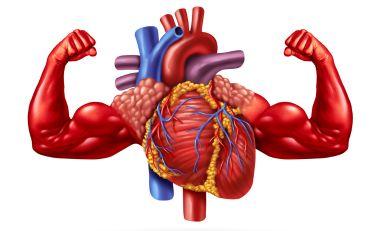
Ancient Ayurvedic texts (Samhitas) have mentions of countless herbs that can be used to treat different ailments. As an Ayurvedic doctor who swears by the Samhitas, I use many of them to treat my patients as well as to prepare Ayurvedic medicines, oils and other products at my hospital. One such kind of Ayurvedic herbs that I use are herbs for heart health. In this blog, let us explore the herbs that have become my allies in nurturing and strengthening the heart.     Understanding the Heart-Health Connection from an Ayurvedic point of view.     Ayurveda views the heart as a central point in the body where multiple pathways converge. Envision a wagon wheel with the heart positioned in the middle. Every spoke on the wheel signifies a distinct element of the body or a significant emotional experience. The combination of channels is substantial as it demonstrates the interconnectedness of the heart with every part of the body. The subtle body, which is energized and guides the physical body, has a solid connection to the it.  It plays a crucial role in the subtle body’s energy pathways. It is directly related to the Chakra.  The heart, in Ayurveda, is not just a physical organ but the seat of emotions and consciousness. This ancient system of medicine teaches us that imbalances in the body’s Doshas—Vata, Pitta, and Kapha—can impact heart health. Therefore, maintaining balance in mind, body and spirit is critical to support a healthy heart.    The Heart Chakra   The heart is connected to all seven Chakras through the ten great vessels, but it has a more pronounced connection to the heart chakra. This Chakra is believed to bridge the gap between our internal and external environments, acting as a gateway to heightened consciousness and comprehension. It is the primary location where we experience love, sympathy, solitude, sorrow and melancholy. These emotions frequently cluster in the vicinity of the heart. The convergence of energy pathways occurs at specific locations within the body known as Chakras. The Heart Chakra is another pathway  that can affect our health.   Natural Herbs Good for the Heart   Among the myriad of Ayurvedic herbs, several stand out for their profound benefits on heart health: Arjuna (Terminalia arjuna): Known as the “guardian of the heart” in Ayurveda, Arjuna is revered for its ability to strengthen the heart muscle, improve circulation and regulate blood pressure. Incorporating Arjuna into my daily routine has been a cornerstone of my health regimen. Hawthorn (Crataegus spp.): Hawthorn is another potent herb that supports cardiovascular health. Rich in antioxidants, it helps dilate blood vessels, improve blood flow, and lower blood pressure.  Garlic (Allium sativum): Garlic, with its intense aroma and potent medicinal properties, is a staple in Ayurvedic cuisine. It helps lower cholesterol levels, regulate blood pressure, and reduce the risk of blood clots. I add garlic liberally to my meals, savouring its flavor and healthy benefits.   Ways to Prevent Heart Disease   Prevention is always better than cure when it comes to the health.  Here are some Ayurvedic-inspired tips to keep your heart healthy: Maintain a Balanced Lifestyle: Balance is the key to health in Ayurveda. I prioritize rest, relaxation and rejuvenation, making time for self-care practices like yoga, meditation and mindfulness. Exercise Regularly: Physical activity is essential for cardiovascular health. I engage in activities that I enjoy, whether it’s dancing, hiking or practicing martial arts, to keep my heart strong and my body fit. Manage Stress: Chronic stress can take a toll on the heart. I cultivate resilience through stress-reduction techniques like deep breathing, progressive muscle relaxation and spending time in nature. According to Ayurvedic tradition, the body, mind, and spirit are viewed as intertwined and inseparable from one another. Caring for these influences can significantly affect the heart’s transformation. Similarly, the functioning of the heart impacts all the interconnected systems and pathways within it. If we focus on one area, it will have repercussions on all the surrounding areas. There are several treatment options available that can benefit both our cardiovascular health and overall well-being. It is essential to listen to your gut and follow your heart when determining the best course of action.   Effect of digestion on heart health   Apart from using the above-mentioned herbs, maintaining a healthy digestive system is also crucial for heart health. Agni (digestive fire) plays a pivotal role in supporting  health by influencing plasma, body tissues, and Ojus. Focus on consuming nutritious foods and be mindful of how you pair your meals. Follow a diet that helps improve your Agni.  Being conscious of our eating habits and, consequently, sticking to a routine can, in turn, enhance our digestion.  You can consult an Ayurvedic doctor for guidance regarding your diet.    Recognizing Stress Symptoms   It’s essential to listen to your body and recognize the signs of heart stress. Some common symptoms include: Chest Pain or Discomfort: This may, for instance, feel like pressure, squeezing, or tightness in the chest. Shortness of Breath: Difficulty breathing or feeling out of breath, especially during physical activity. Fatigue: Unusual tiredness or lack of energy, even with rest. Dizziness or Light-headedness: Feeling faint, dizz, or lightheaded, especially when standing up quickly. Irregular Heartbeat: Specifically, palpitations, skipped beats, or, additionally, a sensation of fluttering in the chest. If you experience any of these symptoms, it’s essential to seek medical attention promptly to rule out any severe  conditions. Always listen to your heart, nourish it with love and care and embrace the healing power of nature’s remedies to protect it.     If you are struggling with any health issues, you can either book a consultation with us or send us a message via WhatsApp to +91 79074 89839. We have the best Ayurvedic doctors in Trivandrum who are always glad to help you. If you have any queries, contact us.  You can also visit us at our hospital.

Seasons Change, So Should Your Ayurveda Routine

With changing seasons, our bodies undergo various changes. You might experience Dosha imbalances, seasonal allergies, gut health issues due to varying digestive fire (Agni) and more. But you don’t have to worry! Ayurveda offers the perfect advices to take care of yourself with the changing seasons. In this blog, let us delve deeper into the principles of Ayurveda and how they guide us towards optimal health and wellbeing, particularly in alignment with the changing seasons.   Understanding Ayurveda   Ayurveda is a traditional system of medicine that focuses on the physical, mental and spiritual well being of a person. It is not just about treating health conditions; Ayurveda can also be considered as a way of life that ensures the overall wellness and well being of an individual.  At its core, Ayurveda recognizes that each individual is unique, with their distinct constitution, or “Prakriti,” which is determined by the three Doshas – Vata, Pitta and Kapha. These Doshas govern various physiological and psychological functions in the body and are influenced by factors such as diet, lifestyle, environment and the changing seasons.   Seasonal Wellness from Ayurvedic perspective   According to Ayurveda, the key to maintaining good health lies in living in harmony with nature’s rhythms, including the cycles of the seasons. Each season influences the doshas with its own set of qualities.  Therefore, Ayurveda recommends seasonal adjustments to diet, lifestyle and daily routines to maintain balance and prevent imbalances or illnesses. For example, during the hot summer months, when Pitta Dosha tends to be aggravated, Ayurveda advises consuming cooling foods and beverages, such as fresh fruits, salads and herbal teas, to pacify excess heat in the body. Similarly, in the cold, dry winter months, when Vata Dosha may become imbalanced, nourishing and grounding foods like soups, stews and warm spices help to counteract the cold and keep Vata in check.   Ayurvedic Treatments for Seasonal Wellness   In addition to dietary and lifestyle recommendations, Ayurveda offers a wide range of treatments and therapies to support your health with changing seasons.    Abhyanga (Ayurvedic oil massage)   Regular massage with organic sesame oil or Sheeta Tailam (during summers) helps to lubricate the joints, nourish the skin and calm the nervous system. These massages are particularly beneficial during the dry, cold winter months.   Panchakarma   This Ayurvedic detoxification and rejuvenation therapy involves a series of cleansing procedures designed to eliminate toxins from the body and restore balance to the Doshas. Health professionals often recommend Panchakarma during seasonal transitions to reset the body and boost immunity.   Herbal remedies Ayurveda employs a vast array of herbs with specific properties to address imbalances associated with each Dosha and season. For example, herbs like Tulsi are known for their adaptogenic and immune-enhancing properties. they, therefore, make an ideal choice for supporting overall health and well-being throughout the year.   Ayurveda and Seasonal Routines   Ayurveda and Ayurvedic medicine take into account the natural properties of the elements. The different combinations of the five elements (earth, water, fire, air, and ether) form the three Doshas (Vata, Pitta, and Kapha).  The varying characteristics, such as mass, heat, feel, compactness, etc., are present in nature, including the different seasons. These characteristics directly influence our physical, mental and overall well being.  Understanding the characteristics of each season is crucial for making necessary adjustments to your diet and lifestyle in order to maintain good health. The ancient Ayurvedic texts advise adhering to a schedule that aligns with the six distinct seasons in their region.  We will simplify things – routines, foods and more for each of the four seasons: Fall, Winter, Spring, and Summer. But they can vary depending on your location, your Prakriti and Dosha imbalances.    Routines for the Autumn season During autumn, Vata’s dominance brings cold, wind, dryness and restlessness. Adjust by adding warm foods and fats like ghee, dressing warmly, and having warm oil massages. Opt for seasonal foods, warm water, and less cold foods like salads.   Routines for the Winter season In Winter, colder weather worsens Vata and increases Kapha. Neglecting season-appropriate routines may lead Vata-dominant individuals to have dry, cracked feet, poor sleep and distress. Vata types can stick to Autumn routines. But Kapha types should opt for warm, light foods and aromatic spices like black pepper and mustard, with less oil.   Routines for the Spring season During Spring, increasing warmth melts built-up Kapha qualities, causing phlegm and allergies. For renewed energy, engage in more movement like walks, gym or yoga. Massage dryly, and consume warm, dry foods with bitter greens and spices. This season is also ideal for detox or Panchakarma.   Routines for the Summer season In summer, Pitta-dominant individuals must take extra care in the hot weather. Stay cool by avoiding midday sun, walking in forests and using Sheeta Tailam for massages. Try relaxing yoga and cooling pranayama, like Shitali and Sheetkari, along with meditation. Stay hydrated with drinks like coconut water, and have cooling and seasonal foods.   Consult an Ayurvedic Doctor   Incorporating Ayurvedic principles into your daily life isn’t just enough. It’s essential to consult with a qualified Ayurvedic doctor for personalized guidance to ensure your overall well being. An Ayurvedic doctor assesses your Prakriti, identifies imbalances, and recommends personalized treatments.   Embracing Emotional and Mental Wellbeing   In addition to physical health, Ayurveda also places great emphasis on emotional and mental wellbeing. According to Ayurvedic teachings, the mind and body are intimately connected, and imbalances in one can manifest as symptoms in the other. Therefore, we encourage practices such as meditation, yoga, and Pranayama (breathwork).  They help promote relaxation, reduce stress and cultivate mental clarity and emotional balance. In this fast-paced world, Ayurveda reminds you to slow down, reconnect with nature and prioritize our health and well-being. By aligning our daily routines with the changing seasons and understanding our Prakriti, we can cultivate vibrant health, balance and vitality in our lives. So, let us embrace the wisdom of Ayurveda; furthermore, let us embark… Continue reading Seasons Change, So Should Your Ayurveda Routine

Ways to Boost Immunity With Ayurveda

Covid pandemic and its after effects have teaken a toll on people’s immunity recently.   Here’s an example from one of my consultations:   I had a patient who came to the hospital complaining of perennial fatigue and lethargy.     Her main complaints were aches and pains and she also tended to catch a cough or cold very easily.    She had a Covid attack a year back and since then, her immunity had taken a beating.     The patient fell ill very often and the symptoms would persist for weeks on end.    She was severely disappointed due to the constant dip in energy and persistent bouts of fever and cough.    No amount of medicines could help build her immunity and that’s why she finally decided to turn to Ayurveda.    Like her, I have many  patients who consult me regarding their immunity issues.    In this blog, let us discuss immunity from the Ayurvedic perspective.    Immunity as per Ayurveda    The strength within you to fight all diseases is called Vyadhi-Kshamatva; Vyadhi means illness and Kshamatya means resistance.     In Ayurveda, any imbalance in Doshas is indicative of bad health.   Imbalance in Doshas results in the accumulation of Ama (toxins) that affect all the cells in the body.     And this leads to diseases.    People with a strong immune system rarely fall ill and if they do, they recover faster.     A robust immune system is characterised by healthy sleep, good gut health and overall well-being and people feeling energetic daily.    As per Ayurveda, we possess different types of resistance or immunity:  Genetic  Developed by specific antibodies created in the body to fight a particular antigen  Developed through healthy lifestyle practices and a nutritious diet     Contributing factors to immunity    According to Ayurveda, the following factors have an effect on your immunity.     Ojus   Ojus or vitality is hailed as an important determinant of a person’s immunity as it nourishes and manages the body’s functions.     This includes digestion, nutrition assimilation and the ability to fight infections.     Any decline in Ojus can result in lowered immunity.     Our state of mind   The mind plays a crucial role in maintaining our emotional balance and the strength of our immune system.     We have heard the phrase ‘it’s all in the mind’ – and it cannot be far from the truth.    Digestive power or Agni   Your gut health determines your overall well-being.     Impaired digestion causes an accumulation of toxins or Ama, thereby clogging the channels.    This affects your immunity and results in diseases.     Guidelines to boost immunity with Ayurveda    Ayurveda emphasises building and strengthening immunity with a healthy lifestyle. This includes using herbs, healthy foods and incorporating daily rituals.   Panchakarma or Ayurvedic detoxification is also prescribed for people suffering from a build-up of Ama.    Your food and your immunity    The quality and quantity of food you eat is vital for your immunity.     Stay away from stale, highly refined and processed foods.    Also, make sure that the food you eat is warm and freshly cooked.     It’d be great if you can consult an Ayurvedic doctor regarding your diet.     They can help follow a diet that matches with your Prakriti or body constitution, Dosha imbalances and health conditions.     Practice healthy daily rituals   Start your day early and sleep during the prescribed time. Do not discount the role of good sound sleep to relax and recharge your body and mind.     Start your day with a glass of warm water to boost your gut elimination.    Ayurvedic rituals include tongue scraping and oil pulling.     Daily self-massage with oil will keep your skin lubricated, improve circulation and calm the mind.     A common modern-day malady is stress. Stress can arise due to various reasons and affects your peace of mind.     Try to practice breathing exercises, take quiet walks and do meditation to allow the mind to achieve a calm state.     Keeping physically active is critical to immunity. Whether walking or yoga, exercise moderately to handle stress and boost immunity.    Want to learn more about daily rituals? You can download my eBook for free!    Foods to Boost Immunity as per Ayurveda    Here are some foods to boost immunity as per Ayurveda:     Dry Ginger   In Ayurveda, ginger – in both original and dried form, is highly valued for boosting the immune system and helping with digestion. Dry ginger is rich in antioxidants. It helps build immunity and reduce inflammation. It is also great for the digestive system.    Amla   Amla has lots of vitamin C and antioxidants, which help your immune system. Drink fresh amla juice or use dried amla powder in your food to get its advantages, especially for enhancing immunity and lustrous skin and hair.     Tulsi   Tulsi is considered a sacred Ayurvedic herb and is known for its ability to help your immune system. It also helps relieve congestion, colds and coughs. Regular consumption of Tulsi can go a long way in enhancing immunity.     Drumstick   Drumstick or moringa is a powerhouse of nutrients and has the ability to greatly boost your immune system. With its high antioxidant levels, it helps protect you from infections. Additionally, moringa is packed with iron and vitamin A, which further strengthen your immune system.     Neem   Neem aids in boosting your immune system and has a cooling effect on your body from within. It has both anti-bacterial and anti-fungal properties and has been recommended by Ayurveda for different health conditions.    Dates   Dates are the “fruit of kings.” It helps build Ojus (vitality) and strengthen the tissue systems of the body. The fruit is rich in immunity-boosting elements, such as magnesium, copper, selenium antioxidant, etc. that are necessary for immune response.    Ghee  … Continue reading Ways to Boost Immunity With Ayurveda

Gut Health – Unlocking the Power of Ayurvedic Foods for Digestion

From bloating and constipation to IBS and diarrhoea, poor digestive health has become a sign of modern times. A sedentary lifestyle, improper meal times, unhealthy food choices and mental stress are some of the modern-day contributors to poor gut health. It is alarming to note that nearly 40% of adults suffer from gut issues, ranging from heartburn and bloating to acid reflux and IBS (Irritable Bowel Syndrome). According to Ayurveda, poor gut health is the root cause of all diseases. So, neglecting these problems could lead to severe conditions like colon cancer.    The Reasons Your Gut Is Not Happy   Fatigue, IBS, constipation, bloating, diarrhoea, unintentional weight changes, etc. are all signs of poor gut health. If you see it from the Ayurvedic perspective, Then, it’s time for you to hurry up and consult a doctor. One of the main reasons for your gut health issues is lack of sleep. The role of good sleep in digestive health is, however, often overlooked.   Serotonin is produced in the gut; therefore, any imbalance can significantly affect its production. A weakened immune system can also lead to poor gut health. Your body is not capable of fighting diseases as it has not absorbed nutrients from the food. Another reason for digestive issues is excessive consumption of incompatible and processed foods.   The Gut-Mind Connection   The gut-mind connection has been scientifically proven. Unlike the popular adage ‘You are what you eat,’ Ayurveda believes that ‘you are what you digest’. Healthy digestion is vital to wellness.  In Ayurveda, gut health is derived from ‘Agni’ – the digestive fire. It not only has a bearing on your digestion process, but it also influences your emotions and thoughts. Most digestive problems arise due to an imbalance in Agni. This imbalance in turn affects the Doshas and accumulates Ama or toxins. The GI system and the central nervous system are deployed and connected. Food can trigger mood changes. Ayurveda says, “Rogah sarve api mande agnou,” meaning, a low Agni or poor gut health is the root cause of all diseases – be it physical or emotional. It means your gut and mind are connected. Following a regular daily routine or Dinacharya is intrinsic to wellness as per Ayurveda. This regularity also goes a long way in maintaining a healthy nervous and digestive system.  Furthermore, Ayurveda recommends mindful eating, which, in a way, means the mind and the gut are connected. Additionally, mindful eating is about involving all your senses as you eat.  It makes you aware of the quality and taste of the food and portion control. This nourishes the inner Agni, thereby ensuring balanced digestion.    Ayurvedic Ways to Keep Your Agni Balanced   Here are different ways to keep your Agni on balance: Follow a diet with foods that are simple, light and easy to digest. Be consistent with your mealtimes.  Avoid overeating. Avoid incompatible food combinations. Eat your dinner early. Have three meals every day. Maintain a gap of about 2 to 3 hours between your dinner and bedtime. Follow Dinacharya. Keep your body well hydrated. Avoid cold drinks and ice water as it dampens your Agni. Avoid processed and frozen foods. Have warm, freshly cooked foods instead.   Ayurvedic Remedies To Soothe Your Gut   Here are some Ayurvedic remedies that work best for your gut health: Consume black raisins to support digestive health. They relieve constipation and provide much-needed minerals and nutrients. Guduchi is an Ayurvedic herb that helps soothe gut inflammation. Consume it if you suffer constipation or poor appetite. Add licorice or Yashtimadhu to tea to soothe an acidic gut. Add cinnamon to tea or milk to promote better digestion. It acts as an antioxidant to eliminate oxidative compression in the gut. Use cardamom to reduce inflammation. Furthermore, it alleviates symptoms of indigestion, gas, and bloating. People have used cloves for their analgesic and anti-inflammatory properties. Triphala – a combination of Amla, Haritaki, and Bibhitaki can be consumed for better nutrient absorption and relief from constipation. Relieve nausea by drinking ginger tea. Add ginger while cooking to promote digestive health. Consume fennel to boost digestion. You can either chew fennel seeds after your meals. Alternatively, brew a fennel tea and have it. Carom seeds or ajwain is a wonderful carminative. It has antibacterial and anti-inflammatory properties to reduce bloating, gas, and digestive tract inflammation.  Use black pepper and long pepper in food or tea to enhance digestive power.   Practices For Better Digestive Health   Incorporate these practices into your daily life to improve your digestive health: Try meditation to reduce the stress and anxiety that is part of modern-day life. Not only will you have better gut health, but you will also experience a healthier mental and emotional state. Eat foods that align with your Prakriti (body type). This helps prevent Dosha imbalances. Eat seasonal food. This practice maintains energy balance. Local produce is best as it is fresh and has not travelled thousands of miles to get to your plate. Enjoy your food but keep your gut happy too. Have foods that are easy to digest and follow mindful eating. Keep yourself active. Follow an exercise regimen that suits your age, fitness levels, and overall condition. Daily walks can kindle the Agni and build your digestive capacity. Though the principles of Ayurveda date back several thousand years, they hold relevance even today. Ayurveda gives utmost importance to gut health as it has an impact on your overall health. So, have foods that are digestible, follow a daily routine and keep away from stress. If you need any help with your diet.   If you are struggling with any health issues, you can either book a consultation with us or send us a message via WhatsApp to +91 79074 89839. We have the best Ayurvedic doctors in Trivandrum who are always glad to help you. If you have any queries, contact us.  You can also visit us at our hospital.

All About Eye Health – the Ayurvedic Perspective

Ayurveda extends its healing touch to almost every part of our being – this also includes our eyesight. When it comes to caring for our eyes, physical needs and energies that influence eye health – Ayurveda covers it all. For example, Netra Basti/Tarpana, are age-old Ayurvedic therapies that promote eye health.     Ayurvedic Perspective on Eye Health     Before exploring the therapies, we should first understand what Ayurveda thinks of eye care.According to the principles of Ayurveda, occular health is intricately linked to the balance of Doshas (Vata, Pitta, and Kapha altogether). It is also connected to the proper functioning of Dhatus (tissues), and the clarity of channels (Strotas) within.    Any imbalances in these elemental forces can lead to eye disorders – whether it’s dryness, excessive straining or something more serious like cataracts and glaucoma.     Key Principles of Ayurvedic Eye Care     Ayurveda has listed out various principles for Ayurvedic eye care.     Panchakarma for Eye Detoxification   Ayurveda has prescribed panchakarma therapies for eye care. Some popular ones are Netra Basti and Netra Tarpana. Netra Basti, called an eye oil bath, relieves various eye-related issues.    In this therapy, a small dough dam is built around the eyes. The dough is made using a mix of flour/black gram paste. Then, warm medicated oil (preferably organic black sesame oil) is poured into the dam. The warmth of the oil enhances blood circulation and issues like dryness and fatigue/strain get fixed.     Netra Tarpana is also almost the same, but instead of medicated oil, medicated ghee (clarified butter) is used. The ghee is also warmed like oil, and this therapy works best for individuals suffering from degenerative eye disorders.   Herbal Care   Ayurveda gives much importance to herbs. Ayurvedic herbs like Triphala, Amla (Indian Gooseberry) and saffron are popular for their rejuvenating properties. People have been using these herbs altogether to support eye health for years.   For example, Triphala eye washes and Amla-based eye tonics are used to improve vision, reduce inflammation and prevent age-old degeneration.    Padabhyanga   One great way to maintain the eye health with Ayurveda is by doing Padabhyanga, i.e., massaging the feet with organic black sesame oil every night before bed.   Dosha Balancing for Proper Vision   When your Doshas are not in balance, it has an effect on your overall health and that includes the health of your eyes. One has to follow Ayurvedic lifestyle practices to maintain Doshas, like daily routines (Dinacharya), and stress management techniques. Cooling foods, gentle eye exercises and relaxation techniques pacify your Aggravated Doshas and help with eye strains.    Agni Optimisation   Also known as digestive fire, Ayurveda emphasizes the role of Agni in occular health. An  impaired digestion leads to the accumulation of Ama (toxins) which often affects vision.    Once the digestive function has improved through dietary adjustments, herbal remedies, and lifestyle changes including nutrient absorption for supporting healthy vision.   Other Ayurvedic Remedies for Eye Care   In addition to the above-mentioned practices, Ayurveda has laid out specific remedies for eye care.   Anulom Vilom (Alternate Nostril Breathing)   How even is this related to eyes? Well, Anulom Vilom is a popular Pranayama technique that helps balance the flow of Prana (life force energy). And this flow of Prana in the body includes eyes as well. Try regularly practising this breathing technique as it enhances oxygenation and eye circulation.   Ayurvedic Eye Exercises   Next comes simple eye exercises. Try focusing on distant objects, and rotating your eyes in all directions. These exercises can relax the eye muscles. It also improves flexibility and gives relief from strain.   Ayurvedic Remedies for Dry Eyes   Coming to specific concerns, Ayurveda also offers remedies for dry eyes. Apply rose water or aloe vera gel to soothe dry eyes. You can also incorporate ghee (clarified butter) and healthy fats into your diet. The reason is that fats support lubrication and help moisture retention.   Ayurvedic Remedies for Vision Improvement   Ayurveda has many offers for vision improvement. It recommends consuming nutrient-rich foods like carrots, spinach, almonds  and Indian gooseberry (Amla)  for improved vision and eliminating degenerative eye conditions.   Ayurvedic Treatment for Glaucoma   Next comes Glaucoma. There are multiple Ayurvedic treatments available for this condition. These treatments focus on reducing intraocular pressure and improving blood circulation to the eyes. The therapies include herbal formulations like Guggulu and Punarnava.    Diet and Lifestyle Recommendations for Healthy Eyes   Maintaining healthy eyes involves adopting a balanced diet and lifestyle practices that support eye health. Here are some recommendations:   Nutrient-Rich Diet   After therapy and remedies come recommendations. Ayurveda always focuses on taking foods rich in vitamins A and C, omega-3 fatty acids and antioxidants into your diet. Eat as many leafy greens, carrots, citrus fruits, nuts, seeds and fatty fish as required. As this food not only nourishes your body, but even protects the eyes. And the most important point to remember is to follow a diet that aligns with your Prakriti (body type). You can consult an Ayurvedic doctor to figure out your Prakriti and to recommend an Ayurvedic diet accordingly.    Hydration   Our life schedule can sometimes get tiring. But that should not stop you from drinking enough  water. At least three litres of water daily will maintain hydration in your body. It will prevent dryness, a factor that contributes to eye discomfort and fatigue.   Protective Eyewear   During summers, swear by your sunglasses or protective eyewear. Ayurveda may not have talked about sunglasses, but Ayurveda has talked about sun protection. The eyes are the seat of Pitta, the fire element. Hence it is important to keep the eyes protected against any kind of warm practices, including warm compresses and looking directly at the sun. In the olden times, people used to carry umbrellas in the summer for sun protection. These days it has become “old fashioned” and we carry them only during rain.… Continue reading All About Eye Health – the Ayurvedic Perspective

Frozen Foods – How Ayurveda Views Preservation and Quality

Did you know that India is grappling with a silent epidemic of lifestyle diseases? According to recent studies, approximately one-third of the adult population in India is living with high blood pressure. In 2019, it was estimated that 77 million people in India had diabetes. This number is predicted to increase to more than 134 million by 2045.   That’s a staggering figure, isn’t it?  Health experts are increasingly recognizing dietary habits – including processed and frozen foods – as contributing factors to this health crisis.  In today’s fast-paced world, convenience often trumps nutrition, and frozen foods have become a mainstay in many households.    From frozen pizzas and ready-to-eat frozen foods to pre-packaged snacks, the allure of quick and easy meals is undeniable. But what impact do these frozen food products have on our health, particularly from the perspective of Ayurveda?   Today, I will talk more about what Ayurveda says about frozen foods and all about healthy Ayurvedic foods!   What are Frozen foods?   With cold storage and preservation technology enhancements, frozen foods have become a multi trillion-dollar business. They are handy, last longer, and save time if you don’t want to cook.    Nowadays, children are hooked on frozen food items.   Adults, like children, take the easy way out. People purchase frozen meats, such as salami, sausages, and kebabs at the market and consume them after heating.   You can also buy frozen dinners, including gourmet dishes that might take longer to prepare or involve hard-to-find ingredients, so it’s a win-win situation.    But is it? While frozen meals are handy and seamless, you’ll be compromising your health in return. And that’s the opposite of what Ayurveda is all about.    Ayurveda sees food not just as a source of satiating your hunger, but also as medicine. The system of medicine believes food has the power to heal. And that’s why Ayurveda always suggests having warm, freshly cooked nutritious or Sattvic foods.    Is It Okay to Eat Frozen Foods?   Refrigeration affects much more than simply the flavour, texture, and colour of food. According to studies, the blanching technique used to pack fruits and vegetables depletes them of vitamins B and C. Frozen meals have fewer antioxidants than fresh vegetables.    The biggest worry is the prevalence of high salt levels in frozen meals. You should not exceed 2300 mg of salt in your daily intake. However, a frozen spaghetti meal has 600 mg of sodium, and meat can include more than 800 mg.    Some frozen food manufacturers ensure that the nutritional value of their fruits and vegetables is not compromised since they are frozen when they are at their ripest—when the nutritional content is maximum.     So, while newly harvested raw vegetables or fruits are still edible after a few days in the freezer, freezing leftover food or pre-cooked meals is not recommended.   “Prana” in Frozen Foods   Fresh fruits, vegetables and juices are rich in Prana. They are Sattvic Ayurvedic foods, light, kind on the digestive tract, and do not produce Ama or toxins. However, frozen meals are termed Paryushita (lifeless) in Ayurveda. They have depleted their energy or ojus, lost their sattvic character, and have very little prana throughout the chilling process.   They also reduce our digestive fire and stress our digestive system, leading to diseases.  If eating frozen meals offers benefits, there are also downsides. It has the potential to have unanticipated consequences for your health. From heart disease to cancer, frozen foods may influence your life.   Whether it’s a salad or a burger, eating frozen foods should not become a habit.   Ayurveda’s Take on Frozen Foods   Most fruits and vegetables are now available all year thanks to refrigeration. However, eating all fruits all year is not optimal. Some fruits, berries and plants grow at particular times of year. It is critical to keep them in fresh batches on the kitchen table. Since this produce is robust in Prana and combined with nature, it can be ideal for balancing the Doshas that are inflamed during the season.   For example, as Vata imbalances develop in the fall and autumn, we can ground ourselves by eating unctuous and warm meals. It’s an excellent time to consume more soups, broths and warm, wet meals with the season when nature provides an abundance of high-quality vegetables such as beets, broccoli, brussels sprouts, squashes and gourds.    As Kapha season arrives at the height of winter, it is time to transition from a dry and pungent smell. Have warm meals and savour sprouts and berries—the season’s first harvest. One should enjoy melons, juices, cucumber, mint, and other cooling foods during the summer when pitta is at its peak.   How Frozen Foods Can Aggravate Vata Dosha?   Do you find it more challenging to get out of your seat and accomplish anything after eating a frozen or store-bought dinner the day before? If your answer is yes, It’s due to an increase in Vata Dosha.    Vata Dosha’s nature is chilly, dry and light. Specific seasons such as fall and autumn exacerbate these characteristics when they are out of balance. The air is drier, causing dry skin and hair, chapped lips, and increasing muscular and joint discomfort, among other symptoms of vitiation.   Frozen meals might disrupt your digestive and metabolic health by worsening the Vata Dosha. It may induce bloating, constipation, indigestion, dehydration and weight loss. It also induces restlessness and a feeling of being ungrounded in the mind.     What to Eat Instead?   According to Ayurveda, we are what we eat, and everything we consume affects our mental state, emotions, productivity, outlook on life and overall well-being. It also indicates that the amount of food we consume, the way of cooking, its odour, look and freshness can impact our mind, digestive system and all five senses.    It has most likely been your experience as well: eating a freshly made salad or bowl of… Continue reading Frozen Foods – How Ayurveda Views Preservation and Quality

Summer Health Secrets for Ultimate Hydration

Summer’s fiery embrace brings sunshine, joy, and, of course, scorching temperatures. While we crave those long, lazy days, the heat can wreak havoc on our health, leaving us dehydrated, sluggish and cranky. But fear not; Ayurveda offers a treasure trove of tips and tricks to remain hydrated, calm, and balanced throughout summer  season. In this blog, let us discuss the best ways to stay cool in the heat.     Understanding Summer Health from an Ayurvedic Lens     Ayurveda recognises three primary Doshas (biophysical energies) that govern our mind and body: Vata (air and space), Pitta (fire and water) and Kapha (earth and water). During summer, Pitta Dosha takes centre stage. The fiery nature of Pitta manifests as increased heat, sweating, and irritability. Dehydration further aggravates Pitta, leading to fatigue, headaches and digestive issues.   Hydration Hacks: Beyond Just Water   While water remains the cornerstone of hydration, it is not the only solution that Ayurveda recommends. Here are some summer health tips to stay well hydrated and keep your Pitta in check:   Embrace Room Temperature Water Ice-cold drinks might seem tempting, but Ayurveda suggests room-temperature water for optimal absorption. Think of it like quenching a fire with another fire . Cold drinks provide temporary relief, but disrupt your digestive fire (Agni), which is the root cause of all diseases according to Ayurveda.   Flavour it Up Spruce up plain water with natural flavourings. The best Ayurvedic herb that helps beat the heat is Vetiver. It has a nice aroma and has amazing cooling properties. Boil a handful of Vetiver in 1 litre water, strain it and drink it throughout the day. It is the best thing to subside Pitta in summer.   Coconut Water Coconut water is a natural source of electrolytes lost through sweat. It is the best thing to drink to stay hydrated during summer. Its cooling properties and abundance of minerals make it a perfect summer drink.   Herbal Teas Cooling herbs like peppermint, fennel and coriander are Pitta-pacifying.  Brew them as teas or add them to your water for one of the best rehydration drinks.   Seasonal Fruits and Vegetables Mother Nature provides! Watermelon, cucumber, celery, leafy greens, and other summer fruits and vegetables are high in water content, keeping hydrated from within.   Soups and Light Broths Enjoy light, brothy soups like lentil soup or vegetable clear broth. They are hydrating and, furthermore, easy to digest; consequently, they are perfect for a light summer lunch.   Summer Safety Health Tips for Summer Season: Beyond the Sip   Hydration is just one piece of the puzzle. Here are some additional summer health tips to help you stay relaxed and balanced:   Early to Bed, Early to Rise The sun’s peak intensity occurs in the afternoon. Adjust your sleep schedule to rise early and enjoy the cooler mornings.   Light and Loose Clothing Opt for breathable, loose-fitting cotton clothes in light colours. They allow for better airflow and prevent heatstroke.   Sun Protection is Key Shield yourself from the harsh sun with a hat, sunglasses, and broad-spectrum sunscreen (SPF 30 or higher). Apply sunscreen liberally and reapply every two hours, especially after swimming or sweating.   Limit Strenuous Activity Opt for light exercise or indoor activities during the hottest part of the day. Save your intense workouts for the cooler mornings or evenings.   Abhyanga Using Sheeta Tailam Organic sesame oil is usually recommended for self-oil massage or Abhyanga. But the heating property of organic black sesame oil makes it impossible to use during summers. You can use Sheeta Tailam instead – a massage oil made in my clinic exclusively for Pitta people. It contains Vetiver as the main ingredient. The oil also contains other cooling herbs like Manjishta, camphor, etc. and has Organic black sesame oil as the base. You can contact +91  7306421248 to purchase  Sheeta Tailam.   The Pitta-Pacifying Diet: Food as Medicine   What you eat significantly impacts your digestive fire. Here are some summer health tips for your diet:   Favour Sweet, Bitter and Astringent Tastes These tastes are naturally cooling and Pitta-pacifying. Think sweet fruits, bitter greens, and astringent pomegranate.   Minimise Spicy and Sour Foods Spicy and sour foods aggravate Pitta. Limit chilli peppers, tomatoes, citrus fruits and excessive salt in your diet.   Healthy Fats are Your Friends Ghee and healthy fats, such as those in avocado and nuts, not only help balance Pitta but also relax you.   Spice it Up (Wisely) While some spices, like chilli peppers, are a no-no, others, like fennel, coriander and cumin, have cooling properties and can be used in moderation.   Opt for a more enjoyable lifestyle   It’s a great time to go swimming and participate in water-based activities. Being in natural surroundings with an abundance of greenery can promote a sense of peace and tranquillity. Spending time outdoors, taking extended strolls in natural surroundings, and savouring the climate is beneficial. Keep in mind, therefore, to shield yourself from the intense rays of the sun.   Before sleeping, cleanse your feet, which soothes you and helps you relax. You can apply essential oils such as lavender, sandalwood and rose to your feet or incorporate them into your bath to help you relax and cool down. In the end, surround yourself with pleasant aromas, as they can help to neutralize the intense, fiery Pitta energy in the atmosphere. Inhale the scents of rose or sandalwood essential oils; moreover, decorate your home with abundant fresh flowers.   Beat the Heat, Not Your Spirit   Summer doesn’t have to be a season of sluggishness and discomfort. By embracing these Ayurvedic summer health tips, you can, in turn, remain hydrated, cool, and, moreover, maintain your inner balance.  Remember, consistency is the key.  Consequently, make these practices a part of your daily routine, and as a result, enjoy a vibrant, healthy summer.   Bonus Tip: Listen to your body. These are general guidelines, but tailor your approach to your individual needs. And… Continue reading Summer Health Secrets for Ultimate Hydration

Rheumatoid Arthritis in Ayurveda: Balancing Dos and Don’ts

 As an ayurvedic doctor, I’ve dedicated my career to helping individuals navigate the complexities of diseases starting from gut issues, weight management, PCOS, type 2 Diabetes, rheumatoid arthritis (RA) disease, etc., and adopting a healthy lifestyle with healthy food habits and regimes. Each day, I am humbled by the opportunity to make a difference in my patients’ lives—to offer medical expertise, compassion, empathy, and unwavering support on their journey to wellness. During this whole journey, I came across some patients suffering from RA, which is a chronic autoimmune disease that primarily affects the joints. The symptoms include inflammation, pain, stiffness, and sometimes deformity of the joints. According to the Arthritis Foundation, about 1.3 million people worldwide are affected by RA, with women being more commonly affected than men. While conventional medicine offers various treatments to manage RA symptoms, many individuals seek alternative therapies like Ayurveda for relief and holistic management. In this comprehensive guide, we’ll explore the dos and don’ts of managing rheumatoid arthritis with Ayurveda, covering everything from symptoms and types to treatment options and lifestyle adjustments.      Understanding  Rheumatoid  Arthritis     Rheumatoid arthritis is different from the more common osteoarthritis. While osteoarthritis is caused by wear and tear on the joints over time, RA is an autoimmune disorder where the body’s immune system mistakenly attacks its tissues, primarily affecting the synovium (the lining of the joints). This leads to inflammation, pain, and eventual damage to the joints and other organs. In Ayurveda, rheumatoid arthritis is referred to as Amavata. Pain and swelling in the joints can be attributed to an issue with the Vata and Ama. The Amavata treatment, therefore, involves gentle care; moreover, it includes natural detoxification of the body. The treatments consist of fasting; furthermore, they involve improving digestion, and additionally, eliminating undigested food. Other forms of treatment, for instance, include the application of oils, the use of heat, and, furthermore, the elimination of bodily waste.   Signs and symptoms of Rheumatoid Arthritis   The signs and symptoms of rheumatoid arthritis can vary from person to person; however, they may also change over time.  But the general symptoms include: Joint pain and swelling, typically symmetrical (affecting both sides of the body) Stiffness, especially in the morning or after periods of inactivity Fatigue Fever Weight loss Rheumatoid nodules (firm lumps under the skin) Joint deformity over time   Different types of Rheumatoid Arthritis   There are three main types of rheumatoid arthritis. Seropositive RA: This type is characterized by the presence of rheumatoid factor (RF) and anti-cyclic citrullinated peptide (anti-CCP) antibodies in the blood. Seronegative RA: These antibodies are not present in this type, making diagnosis more challenging. Juvenile RA: This occurs in children under the age of 16 and can be either similar to adult RA or present with different symptoms.   Ayurvedic Approach to Rheumatoid Arthritis Treatment   Ayurveda, offers a holistic approach to managing rheumatoid arthritis.  Ayurvedic treatment for rheumatoid arthritis rebalances Doshas, enhances digestion, fights inflammation, and boosts the immune system.   Early Signs of rheumatoid arthritis and Diagnosis   Recognizing the early signs of rheumatoid arthritis is crucial for early intervention and management. Some early signs include joint pain, stiffness, and swelling, especially in the morning or after periods of inactivity. If you experience these symptoms, then, consult a healthcare professional for proper diagnosis and treatment.   Ayurvedic Diagnosis   In Ayurveda, rheumatoid arthritis is classified under “Amavata,” which translates to toxic arthritis. Diagnosis in Ayurveda involves assessing the individual’s constitution (Prakriti), current imbalances (Vikriti), and the nature of the disease manifestation.   Ayurvedic Treatment Modalities   Ayurvedic treatments for rheumatoid arthritis aim to reduce inflammation, alleviate pain, and improve joint function. Some key modalities include:   Herbal Remedies Ayurvedic herbs like guggul, turmeric and ginger have anti-inflammatory properties and also, they can help reduce joint pain and stiffness.   Panchakarma This detoxification therapy, in fact, involves various cleansing procedures to not only remove toxins from the body but also restore balance.   Dietary Modifications An anti-inflammatory diet rich in fresh fruits, vegetables, whole grains, and lean proteins can help reduce inflammation and support overall health.   Lifestyle Changes Yoga, meditation and gentle exercise can improve flexibility, reduce stress, and promote overall well-being.   Ayurvedic Therapies External therapies like oil massage (Abhyanga), herbal steam (Swedana), and poultice application (Pinda Sweda) can provide joint pain relief and stiffness.   Do’s and Don’ts   If you are suffering from rheumatoid arthritis. Here are some dos and don’ts that can help improve your condition.   Do’s   Consult an ayurvedic practitioner: Seek guidance from a qualified Ayurvedic doctor who can provide personalized treatment based on your constitution and imbalances. Follow a healthy diet: Emphasize on fresh, whole foods. Avoid processed, inflammatory foods like refined sugar, refined flour, and trans fats. Stay active: Engage in gentle exercise, yoga, or tai chi to improve joint flexibility and reduce stiffness. Manage stress: Practice relaxation techniques like meditation, deep breathing, or spending time in nature to reduce stress levels and support overall health.   Don’ts   Overexertion: Avoid overworking or straining your joints, as this can exacerbate symptoms. Unhealthy habits: Minimize or eliminate habits like smoking and excessive alcohol consumption, as these can worsen inflammation and weaken the immune system. Ignoring symptoms: Pay attention to changes in your symptoms. Consult your healthcare provider if you experience worsening pain, swelling, or stiffness. While rheumatoid arthritis can be a challenging condition to manage, Ayurveda offers a holistic approach that addresses the root cause of the disease and aims to restore balance to the body. With Ayurveda, you can find relief from pain and inflammation and improve your overall quality of life. Remember, managing rheumatoid arthritis is a journey. Patience, consistency, and a proactive approach are key to achieving long-term wellness and vitality.   If you are struggling with any health issues, you can either book a consultation with us or send us a message via WhatsApp to +91 79074 89839. We have the best Ayurvedic doctors in Trivandrum who… Continue reading Rheumatoid Arthritis in Ayurveda: Balancing Dos and Don’ts

Contact Dermatitis Treatment in Ayurveda

Though not transmittable, contact dermatitis is a skin condition that causes great deal of pain and discomfort. If left untreated for an extended period, it has the potential to result in lasting scars and harm to the skin. To address the issue, one must select an effective treatment rooted in Ayurvedic traditions.    What is contact dermatitis?   Contact dermatitis is a common skin condition that affects millions worldwide. It happens when your skin is exposed to something that it reacts negatively to. This may be a substance that triggers an allergic reaction or discomfort. It can manifest as redness, itching, swelling, and sometimes even blistering, often resulting from direct contact with certain substances.    Types  of  Contact  Dermatitis   It is a type of skin inflammation caused by direct contact with irritants or allergens, and it has two main types: Irritant contact dermatitis: This occurs when the skin comes into contact with a substance that damages or irritates it. For instance, common culprits include detergents, soaps, acids, and solvents. Allergic contact dermatitis: This occurs when the skin has an allergic reaction to a specific substance, such as certain metals (e.g., nickel), cosmetics, plants (e.g., poison ivy), or medications. According to the American Academy of Dermatology, irritant contact dermatitis accounts for up to 80% of cases, while allergic contact dermatitis accounts for the remaining 20%. Its symptoms can vary in intensity; moreover, they may include redness, itching, swelling, dryness, and even blistering.  Managing this skin disease effectively requires identifying and avoiding triggers while soothing the irritated skin.   Ayurvedic Perspective on Contact Dermatitis   Ayurveda views skin diseases like contact dermatitis as a manifestation of imbalances within the body, particularly involving the Doshas – Vata, Pitta and Kapha. According to Ayurvedic principles, an imbalance in these Doshas can disrupt the body’s natural harmony and lead to various health issues, including skin conditions. Vata: When Vata Dosha is aggravated, it can cause dryness, roughness, and itching of the skin, making it more susceptible to irritants. Pitta: Aggravated Pitta Dosha can result in inflammation, heat, and sensitivity, exacerbating symptoms like redness and swelling in contact dermatitis. Kapha: Imbalances in Kapha Dosha may lead to excessive oiliness and skin congestion, worsening symptoms such as itching and irritation. According to Ayurveda, it is also known as Udarda, can result from exposure to potent chemicals, soaps, cleaning agents, or prolonged water exposure.    Ayurvedic Treatments for Contact Dermatitis   Ayurvedic treatment for contact dermatitis aims to rebalance the Doshas, cleanse the body of toxins, and promote skin healing. Here are some Ayurvedic remedies and practices that may help alleviate symptoms and prevent recurrences:   Dietary Adjustments Ayurveda emphasizes the importance of a balanced diet to maintain overall health and well-being. Individuals with contact dermatitis may benefit from consuming cooling and soothing foods to pacify aggravated Pitta Dosha. This includes fresh fruits, vegetables, whole grains, and herbal teas. Avoiding spicy, oily, and processed foods can also help prevent further irritation.   Herbal Remedies Ayurvedic herbs possess potent anti-inflammatory, antipruritic, and skin-soothing properties that can aid in managing  it.  Some commonly used herbs, for example, include neem, turmeric, aloe vera, and licorice.  These herbs can be applied topically as creams, ointments, or poultices to reduce inflammation and promote healing.   Abhyanga (Ayurvedic Massage) Regular self-massage, known as Abhyanga can help nourish and moisturize the skin while calming the nervous system. Massaging the affected areas with gentle, circular motions can improve circulation, reduce itching, and promote the elimination of toxins from the body.   Lifestyle Modifications Healthy lifestyle habits can be crucial in managing contact dermatitis. Avoiding exposure to known irritants and allergens, wearing protective clothing, practising good hygiene, and managing stress through yoga and meditation can help prevent flare-ups and promote skin healing.   Ayurvedic Formulations Ayurvedic practitioners may prescribe specific formulations tailored to an individual’s unique constitution and imbalances. These formulations, contain herbs, minerals, and natural ingredients to address the underlying causes; in addition, they aim to restore skin health.   Utilizing home remedies  Home remedies are crucial in managing and addressing contact dermatitis. Home remedies involve using readily available items like plants and food for treatment. These can be beneficial, cost-effective choices that are free from chemicals. Many DIY remedies can improve the skin and prevent it from drying, benefiting those with contact dermatitis. There are specific items in your household that can provide a cooling sensation to your skin and alleviate discomfort from sore or swollen skin. The symptoms can be effectively managed using Ayurvedic treatments and natural home remedies. Ayurveda effectively controls its symptoms and, in addition, educates individuals on how to prevent its recurrence and promote skin well-being.   Final takeaway   Contact dermatitis, a troublesome skin condition, can find relief and healing through Ayurvedic treatment.  Individuals can manage symptoms effectively and prevent recurrences by addressing imbalances in the Doshas, detoxifying the body and adopting natural remedies and lifestyle practices. However, consulting a qualified Ayurvedic practitioner for personalized guidance and treatment recommendations tailored to your specific needs is essential. With dedication and patience, you can restore balance to your skin and experience lasting relief from contact dermatitis.   If you are struggling with any health issues, you can either book a consultation with us or send us a message via WhatsApp to +91 79074 89839. We have the best Ayurvedic doctors in Trivandrum who are always glad to help you. If you have any queries, contact us.  You can also visit us at our hospital.

What is Mindful Eating?

In the hustle and bustle of modern life, the simple act of eating has become a mindless routine for many of us. We often grab a quick bite on the go, scarcely pausing to savour the flavors or consider the nutritional value of what we consume. However, Ayurveda recognizes food as not only nourishment for the body but also for healing and hence, emphasises on mindful eating, As an Ayurvedic doctor, 80% of my treatment involves food as medicine. The diet plan I make for each of my patients is not just about how it aligns with their Prakriti, Dosha dominance and health conditions. It is also about mindfulness. Mindful eating requires you to think about the food you consume and make healthy decisions based on what your body needs and how fulfilled you feel after eating. People need to be more mindful of their dietary choices, as over 50 % of the global population is overweight.  In this blog, we delve into the art of mindful eating with Ayurveda, exploring how it can lead to healthier eating habits, improved gut health, and enhanced digestion.   Understanding  Mindful  Eating  with  Ayurveda   Central to Ayurvedic philosophy is the belief that the mind, body and spirit are interconnected. Therefore, maintaining balance among these elements is essential for overall well-being. Mindful eating is an integral aspect of Ayurveda. It emphasises the importance of being present and fully engaged in the process of nourishing oneself.  Ayurveda and mindful eating underscore the importance of savouring food for overall mental and digestive well-being. According to Ayurveda, food is essential for nourishing the holistic well-being of the mind, body and spirit, not just for mere survival. Being consciously aware of what you consume and relishing the flavours and scents of your meal is essential to mindful eating.    Healthy Eating Habits: The Ayurvedic Perspective   According to Ayurveda, aligning our diet with our Prakriti is key to maintaining balance and promoting optimal health. For instance, those with a predominant Vata constitution may benefit from warm, grounding foods that help to alleviate Vata’s cold and airy qualities. Pitta types, on the other hand, may thrive on cooling, hydrating foods that balance Pitta’s fiery nature. Kapha individuals may find support in lighter, stimulating foods to counterbalance Kapha’s heavy and stagnant tendencies. By understanding our constitution and selecting foods that harmonise with it, we can cultivate healthier eating habits that promote balance and vitality.   Ayurvedic Food for Gut Health   In Ayurveda, the digestive fire or Agni is considered the cornerstone of health. Your Agni should be balanced for efficient digestion and assimilation of nutrients. A low Agni or poor gut health is the root cause of all diseases. It can lead to digestive discomfort, nutrient deficiencies and the accumulation of toxins (Ama) in the body. An Ayurvedic diet, therefore, offers a treasure trove of foods and spices that, in turn, support digestive health.  Warm, cooked foods are generally preferred over raw or cold foods. They are easier to digest and help stoke the digestive fire. Incorporating spices such as ginger, cumin, coriander, and turmeric can further enhance digestion and reduce digestive woes. Additionally, Ayurveda emphasises the importance of mindful eating practices, such as chewing food thoroughly, eating in a calm and relaxed environment, and avoiding distractions while eating. These simple yet profound practices can help improve gut health and optimise digestion.   The Role of Mindfulness in Digestion   In today’s fast-paced world, many of us eat on autopilot, scarcely registering the tastes, textures, and aromas of our meals. However, Ayurveda teaches us that digestion begins the moment food enters our mouths, as the act of chewing stimulates the release of digestive enzymes and prepares the body for assimilation. Mindful eating encourages us to slow down and savour each bite, paying attention to the sensory experience of eating. By cultivating mindfulness at the table, we can enhance our body’s ability to digest and metabolise nutrients effectively. And the best part is you have control over your food portions that you consume.   Practical Tips for Mindful Eating with Ayurveda   Begin each meal with a moment of gratitude, acknowledging the sources of your food and the efforts that went into its preparation. Take a few deep breaths before eating to centre yourself and shift into a state of relaxation. Chew each mouthful thoroughly, aiming for at least 20-30 chews per bite to aid digestion. Eat in a calm, distraction-free environment, free from electronic devices or other distractions. Listen to your body’s hunger and satiety cues, eating until you feel comfortably satisfied rather than overly full.   Cultivating Awareness of Food Effects   According to Ayurveda, the food we ingest plays a significant role in influencing our mind and body. Understanding the potential effects of different foods on your health is essential. Mindful eating involves being fully aware of how the food you consume impacts your body’s energy levels, emotional state, and overall well-being. Understanding the impact of various foods on your body can help you make informed decisions about your diet. This, in turn, can assist in maintaining equilibrium between your body and mind; consequently, it increases energy levels.  It also aligns with the principles of Ayurveda, which emphasise individualised nutrition and holistic well-being.   Practising Gratitude and Connection   Ayurveda and mindful eating promote acknowledging and appreciating the nourishment food provides and maintaining a connection to it for vitality and wellness. Feeling appreciative of the food we possess and recognizing our interconnectedness fosters reverence and appreciation for nature’s blessings. Practising healthy eating habits involves being conscious and respectful of the food we consume, as well as participating in meal preparation and sharing meals with others. This improves our sense of being linked and content.   Conclusion   In a world filled with fad diets and conflicting nutritional advice, Ayurveda offers a refreshing perspective on food and eating. By embracing mindful eating practices, we can cultivate healthier eating habits, improve gut health, and enhance digestion. Let… Continue reading What is Mindful Eating?