
From My Clinic to Your Kitchen

Why I am writing this to you…   I have spent decades sitting with people who are unwell.   Not just inconvenienced. Genuinely unwell. People with conditions that have names, diagnoses, years of medical history behind them.   Thyroid disorders, PCOS, IBS, chronic fatigue, autoimmune conditions, type 2 diabetes. People who have seen good doctors, taken their medications, followed the advice, and still wake up every morning not feeling like themselves. They come to me after all of that.   And the first thing I notice, almost every single time, is not their blood reports or their prescription history. It’s how they eat. When they eat. What they believe food is supposed to do for them.   Most of them have been told what not to eat. Very few have been taught how to eat. That distinction has taken me a long time to understand, and even longer to be able to explain. I trained in Ayurveda. I have practiced it across countries, across cultures, across very different kinds of suffering. What I keep coming back to, no matter where I am or who I am sitting with, is that the gut is where almost everything begins.   Not just digestion. Immunity. Hormones. Mood. Energy. Inflammation. It starts there.   Ayurveda has known this for over five thousand years. What we are only now beginning to confirm through modern research, Ayurvedic physicians observed through careful, sustained clinical practice across generations. The gut is not just a digestive organ. It is the foundation of health.   When I write a dietary protocol for my patients, I am not pulling from a wellness trend or a nutrition blog. I am drawing from classical texts, from thousands of hours of clinical observation, and from the humbling experience of watching very sick people get measurably better when they change the way they eat and live.   This document is a version of what I give my patients.   It is not a diet. It is a way of approaching food with knowledge rather than anxiety. Every instruction here has a reason behind it, grounded in how the body actually works, not how we wish it did.   If you are dealing with a chronic condition, if you have been struggling for a long time and feel like you have already tried everything, I want you to read this carefully. Not because it will fix everything overnight. But because in my clinical experience, this is where real recovery begins. Not in a hospital, not in a supplement, but in the kitchen, three times a day, consistently, over time.   That is the medicine I am offering you here.     Ayurvedic Healthy Eating — A Personal Guide     Let’s start with something simple.   Food is your daily medicine. Not a punishment, not a restriction, just a way to come back to balance. And I’m going to walk you through exactly how to do that, one step at a time.   First, let’s fix your meal times.   I want you to eat at the same time every day. Your body has a clock, and your digestion follows it. When you eat irregularly, your gut gets confused. You get bloating, acidity, that heavy sluggish feeling. Sound familiar? So here’s what I need you to do: don’t skip meals. Not breakfast, not lunch. Every skipped meal weakens your digestion a little more, and then you end up overeating later and wondering why you feel terrible. Let’s break that cycle.   Now, let’s talk about water.   I’m not asking you to force down three litres. Drink when you’re thirsty, that’s it. But please, switch to warm water. Cold water is one of the quiet things slowing your digestion down without you realising it. And during meals, just sip. Don’t flood your stomach. You’re trying to digest food, not dilute it.   Here’s what to cook with. For fats, use ghee, coconut oil, or black sesame oil. These nourish you. For sweetness, reach for jaggery or mishri instead of refined sugar. Small swaps, but they make a real difference over time.   Please cook your food.   I know raw salads feel healthy. They’re not, not for a gut that’s already struggling. Raw food is cold, hard to digest, and creates gas. Cook your vegetables with a lid on, add cumin and a pinch of asafoetida, and your body will thank you.   For pulses, dry roast them first, soak overnight, throw away that water, then boil fresh with ginger, turmeric, and cumin. This removes the gas-causing compounds. It’s a few extra steps, but it makes pulses so much easier on your system.   For now, let’s remove a few things.   Just temporarily. Maida, soy products, cow’s milk, curd are putting stress on your digestion right now. Cheese and paneer, once a week at most. No deep-fried food, no packaged food with more than five ingredients on the label.   This isn’t forever. It’s just long enough to let your gut heal.   When you eat out, keep it simple.   Go for grilled or baked over fried. Avoid anything heavy, creamy, or processed. Warm and freshly cooked is always the right call.   And walk. Every day.   Ten thousand steps. It sounds like a lot, but it’s really just being consistently on your feet. Walking supports your digestion, moves toxins out, and clears your head in ways no supplement can.   The last thing I’ll say is this.   None of this works if you do it three days and then stop.   Healing isn’t dramatic. It’s quiet and cumulative.   Every meal you eat on time, every warm glass of water, every freshly cooked dish, it adds up. That’s where the change lives.   You don’t need an extreme diet. You need consistent, aware, daily habits. That’s Ayurveda. And that’s what I’m asking you to try.     Love & Light, @DoctorRekha

5 Everyday Kitchen Ingredients That Quietly Build Your Health

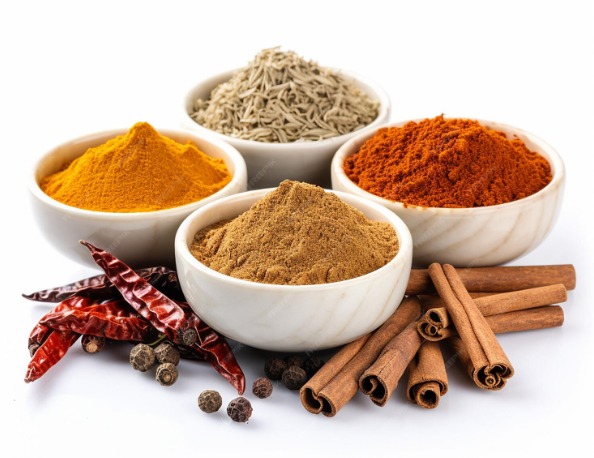
Most people think spices are used simply to make food taste good. However, they have a much bigger role. Spices help the body digest food properly, absorb nutrients and prevent accumulation of toxins.   The first and foremost factor for good health is a nutritious and balanced diet. Ayurveda also aims to preserve health through Ahara, it emphasizes not only on the quality of the food, but also in its cooking, processing and digestion.   One of the important aspects of adding spices to food is not just to enhance flavor but also to aid digestion as they are rich in nutrients, have medicinal and antioxidant properties.   In Ayurveda, digestive health is governed by Agni, your internal fire that transforms food into energy, strength and healthy tissues. When Agni is strong, the body is able to properly nourish itself and eliminate waste efficiently. When Agni becomes weak or disturbed, partially digested food can accumulate in the body, creating Ama(toxin) which may lead to heaviness, fatigue, poor immunity, and imbalance over time.   Spices are used to gently stimulate Agni. They reduce Kleda, which builds up in places like Majja Dhatu (nerves). When used correctly, spices also help maintain balance among the three functional energies of the body, known as Doshas.   You don’t need complicated spice blends to gain these benefits. Simple, everyday spices such as cumin, coriander, fennel, turmeric, and fenugreek can quietly support digestion and overall wellbeing when used consistently and in the right way.     Cumin (Jeeraka)     Cumin is one of the most important digestive spices in Ayurveda. It strengthens Agni without creating excessive heat. This makes it suitable for regular use in everyday cooking. Cumin helps the stomach break down food more efficiently and reduces common digestive problems such as gas, bloating, and heaviness.   It also helps in elimination of excess fluids from the body and can be helpful for mild burning during urination when used along with coriander.   Cumin is warming in nature, but not overly stimulating, so even people with mild heat sensitivity can usually tolerate it in small amounts. Traditionally, cumin is also used to support cleansing after childbirth and to prevent stagnation from building up in deeper tissues over time. Lightly roasting cumin makes it easier to digest and enhances its aroma and effectiveness.     Coriander (Dhania)       Coriander has a naturally cooling and soothing effect on the body, which helps calm excess Pitta. It is gentle on the stomach and helps improve appetite and digestion without irritation. Coriander also supports healthy urinary function.   Because coriander is mildly sweet and soothing in nature, it helps balance stronger or warming spices. This is why it is often paired with cumin in traditional cooking. Coriander is considered suitable for all body types when used appropriately and does not tend to create heaviness.   In cooking, coriander powder also helps soften sharp flavors such as while naturally thickening sauces and gravies.     Fennel (Saunf)     Fennel is a sweet, aromatic spice well known for its gentle digestive benefits. It helps relax the digestive tract, reduce bloating, and relieve discomfort after meals. Fennel supports smooth movement of food through the intestines and helps calm digestive sensitivity, especially when Vata is aggravated.   Because fennel is mild and easy to digest, it is commonly used as a mouth freshener and digestive after meals. Lightly dry roasting fennel enhances its flavor and effectiveness. Smaller fennel seeds are usually more potent and less fibrous, making them easier to chew and digest.   Fennel is safe for daily use and works well for people of all ages.     Turmeric (Haridra)     Turmeric is known in Ayurveda for supporting Rakta dhatu, skin clarity, and tissue healing. It is mildly warming and helps prevent the buildup of heaviness and stagnation in the body. Used regularly in small amounts, turmeric supports natural cleansing and is anti-inflammatory.   Turmeric also has strong traditional use for wound care and throat health. Applying turmeric to minor cuts can help stop bleeding and support healing. Gargling warm water with salt and turmeric can help soothe throat irritation.   Dry turmeric is generally preferred over fresh turmeric because it has a stronger cleansing effect. Although turmeric is very beneficial, more is not better. Excessive use may dry or irritate the system. Small, consistent amounts are ideal.     Fenugreek (Methi)     Fenugreek is a stronger, more heating spice than cumin or fennel and is especially helpful when digestion feels slow. It stimulates Agni and helps clear thick buildup in the body, which can be useful for people with more Kapha or cold digestion.   Because fenugreek is quite warming and drying, it should be used in small amounts. Too much can increase heat in the body and may aggravate Pitta. People who experience frequent acid reflux or burning sensations should use fenugreek cautiously or avoid it.   Fenugreek has traditionally been used to support healthy blood sugar balance and milk production in nursing mothers. Soaking fenugreek seeds in water overnight and drinking the water in the morning is a traditional practice for metabolic support.     How You Use Spices Also Matters     The way spices are prepared is just as important as which spices you choose. In Ayurveda, it is suggested warm the spices in ghee before adding them to the food. Ghee acts as a Yogavahi, meaning it carries the properties of the spices deeper into the body and helps distribute their effects throughout the tissues.   This method not only improves flavor and aroma but also makes the spices easier to digest and more effective. Simply sprinkling spices onto food does not create the same digestive benefit.   Learning how food actually behaves inside the body changes the way we relate to eating. The way we cook, the way we combine ingredients, and the way we support digestion quietly shape how the body functions over time. We begin… Continue reading 5 Everyday Kitchen Ingredients That Quietly Build Your Health