
Dosha Personality Types in Ayurveda

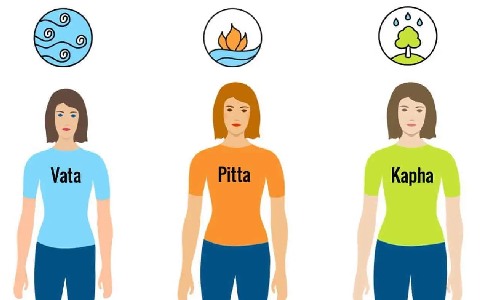
In a world bustling with ambitions and dreams, motivation becomes the fuel that propels us forward. But have you ever wondered why some people are naturally driven while others struggle to find their inner spark?  Enter Ayurveda, which offers profound insights into the diverse spectrum of personality types that are influenced by different factors, like Dosha.      According to Ayurvedic principles, each individual possesses a unique constitution, or “Prakriti,” determined by the balance of the three Doshas: Vata, Pitta, and Kapha. These Doshas govern not only our physical health but also our mental tendencies and emotional inclinations.     Understanding the Doshas    Before we delve further into how your personality and motivation type varies with your Dosha predominance, first let us understand each Dosha.      Every living being in the universe is made up of five elements or the Panchamahabhutas – earth, air, water, fire and ether. In our body, we have these 5 elements in various proportions. Depending on the proportion of these 5 elements, we categorise people into Vata, Pitta and Kapha.       Vata Vata has more of air element. Just like how air is moving and unstable, Vata people are highly dynamic.       Pitta Pitta means fire, and fire means aggression and passion. Similarly, Pitta people are consistent.       Kapha For Kapha, Earth element is predominant. Kapha people are sluggish, slow, lazy and lethargic.      Nobody has one single Dosha. Everybody is a combination of two or sometimes even a combination of all the Doshas together.      There are tons of Dosha and Prakriti quizzes online to identify your personality type. But most of them are not accurate. The best way to identfy your Prakriti or Dosha predominance is by consulting an Ayurvedic doctor.    Personality Types Based on Dosha Predominance    Your personality can vary based on your Dosha predominance.      Vata Person   If you are a creative visionary who is artistic, inspirational, with a naturally thin body type, dry skin and often having difficulties sleeping well, you are a Vata person.     Think Steve Jobs, Sundar Pichai, Amitabh Bachchan!      Vatas have their mind all over the place. Their mind hovers around 100 different thoughts at a time. They are restless and find it difficult to focus on a single task and lose interest and focus easily. Vatas always face a ‘this or that’ situation in their mind when it comes to making decisions.       If you ask me, I am a Vata person – super creative and super unorganized with a super wandering mind. I keep changing my mind, constantly wondering, ‘should I do this or that?’      Vata is a mixture of elements Air and Ether. It is free-flowing, light-spirited, ever moving. A balanced Vata makes you a visionary, creative, dreamer who is full of ideas.      The downside is you start a million projects and leave them unfinished because your mind is always wandering, moving from one job to another. Change drives you, while routine and regularity bring you boredom. And that’s why your motivation is easy come, easy go.      However, this is not a problem, but this is who you are!      So, the best thing to do is to not be fixated on doing just one thing for a long period. Instead, split your time to do different kinds of things and then rotate the same set of things.       Just like how your motivation comes and goes easily, it isn’t hard for you to be excited again about something. Also, you can organise your day by giving yourself a deadline.         Pitta Person    Pittas in Ayurveda are the passionate bosses we all have had. They are ambitious, sharp, disciplined, determined and powerful, yet impatient, irritable, angry, and fierce with a strong drive to accomplish whatever they set their mind to.       They have a fire in them to win, to accomplish and be successful. Also, they are steady and consistent. Think Beyonce. She is not bossy; she is the boss in her own words. That’s perfect Pitta.       P️ittas are highly motivated people and their ambitions can sometimes go beyond their capabilities, leading to burnout.       So, like I said for Pittas, embrace who you are.       The truth is that, in fact, society is designed in such a way as to help Pitta people succeed.  So, you can tone down your righteousness and emotions which can save you from conflicts with other people who do not match your motivation style. You can then focus on your ultimate goal without experiencing burn out.         Kapha Person    A Kapha person is slow, steady and resilient like the earth. They are the ever-flowing love and care we all yearn to receive.      I like to call it the “mom energy.” Kaphas are the most nurturing and supportive that you just want to give them a hug and tell them all your life’s problems.      Think Oprah!     About their motivation style, Kaphas are slow to start but are powerful once engaged. However, being very self-critical, they get anxious when their progress is slow.       The best thing to do is to accept that this is who you are – you may start slow, but as you progress, you gain speed and can be at your productive best. All you have to do is to be patient.       Whether you resonate with the airy whims of Vata, the fiery ambition of Pitta, or the steadfast resolve of Kapha, remember that true motivation springs from a harmonious balance of mind, body and spirit. Embrace your innate nature, honour your unique journey and let Ayurveda lead you to a fulfilling life.     So, which dosha personality type are you?       If you are struggling with any health issues, you can either book a consultation with us or send us a message via WhatsApp to +91 79074 89839. We have the best Ayurvedic doctors in Trivandrum who are always glad to help you.… Continue reading Dosha Personality Types in Ayurveda

Summer Heat – How to Stay Cool with Ayurveda

The arrival of summer brings with it a plethora of delights – long days, outdoor adventures, and an abundance of fresh fruits and vegetables. However, for some, the sweltering heat of summer can also bring discomfort, especially if you’re prone to imbalances in your Doshas, particularly Pitta Dosha. In Ayurveda, Doshas are the three elemental forces that govern our physical and mental well-being. With summer health in mind, let’s explore a few Ayurvedic tips to stay cool and balanced in summer according to your Dosha.   Understanding the Three Doshas   Before delving into specific strategies for staying cool in summer, it’s essential to understand the three Doshas: Vata, Pitta and Kapha. Each Dosha is composed of a combination of the five elements – ether, air, fire, water and earth and is responsible for various physiological and psychological functions in the body.   Vata Dosha: Governed by the elements of air and ether, Vata is characterized by qualities such as cold, dry, light and mobile. Imbalances in Vata Dosha can manifest as anxiety, dry skin, and digestive issues.   Pitta Dosha: Associated with the elements of fire and water, Pitta is characterized by qualities such as hot, sharp, oily and intense. Imbalances in Pitta Dosha may lead to irritability, inflammation, and digestive disturbances.   Kapha Dosha: Composed of the elements of water and earth, Kapha is characterized by qualities such as heavy, slow, cold, and stable. Imbalances in Kapha Dosha can result in lethargy, congestion, and weight gain.   Pitta Dosha and Summer: A Recipe for Imbalance     Summer is considered the Pitta season in Ayurveda, as the intensity of the sun’s rays mirrors the qualities of Pitta Dosha – hot, fiery, and intense. During this time, individuals with a predominance of Pitta Dosha may experience a worsening of Pitta-related imbalances, such as excessive heat, inflammation and irritability. Common symptoms of Pitta imbalance in summer may include: Skin rashes or irritation Digestive issues such as acidity or heartburn Increased sensitivity to heat Emotional irritability or frustration During the summer months, Pitta-dominant individuals adopt practices that help pacify Pitta Dosha and stay cool both internally and externally.   Staying Cool in summer According to Your Dosha     Here are few ways to say cool during summer according to your Dosha:   Pitta-Pacifying Diet One of the most effective ways to balance Pitta Dosha in summer is through diet. Pitta-pacifying foods are cooling, hydrating and nourishing, helping to offset the intensity of the season. Here are some dietary tips for each Dosha:   For Pitta Dosha: Focus on incorporating sweet, bitter and astringent tastes into your meals. Opt for cooling foods such as cucumbers, watermelon, coconut, leafy greens and sweet fruits like grapes and pears. Avoid spicy, oily and overly salty foods, which can aggravate Pitta.   For Vata Dosha: Emphasize warm, grounding foods that provide stability and nourishment. Cooked grains, root vegetables, ghee and warming spices like cinnamon and cardamom can help balance Vata’s cold and dry qualities.   For Kapha Dosha: Choose lighter, stimulating foods that counteract Kapha’s heaviness and congestion. Incorporate pungent, bitter and astringent tastes, such as green leafy vegetables, beans, lentils and spicy herbs like ginger and black pepper.   Cooling Lifestyle Practices for summer   In addition to dietary modifications, adopting cooling lifestyle practices can further support your efforts to stay balanced in summer:   Stay Hydrated   Drink plenty of water throughout the day to prevent dehydration and help regulate body temperature. Opt for cool beverages like coconut water, cucumber-infused water or herbal teas with cooling herbs like mint and coriander. Furthermore, avoid consuming carbonated drinks as they can inhibit your digestion. Fresh fruit juices and nectar that are not chilled are nutritious, satisfying and delicious. Some revitalizing choices include grapes, tasty pineapple and succulent watermelon.    Protect Yourself from the Sun   Limit exposure to direct sunlight during the hottest hours of the day (typically between 10 am and 4 pm). Wear lightweight, breathable clothing and use natural sunscreens to protect your skin from sun damage.   Practice Mindful Movement   Engage in gentle, cooling forms of exercise such as swimming, yoga, or walking in shaded areas. Avoid strenuous activities during the peak heat of the day to prevent overheating.   Cooling Breathwork   Practice pranayama techniques such as Sheetali and Sheetkari to cool the body and calm the mind. These breathing exercises involve inhaling through the mouth with the tongue curled or teeth clenched, respectively, to draw in cool air and release excess heat.   Take Regular Breaks   Listen to your body’s signals and take breaks when needed to rest and rejuvenate. Incorporate moments of stillness and relaxation into your daily routine to help soothe Pitta-related stress and tension.   In hot weather, it’s best to wear loose and soft clothing to remain comfortable and cool. Refrain from wearing clothes that are tight or cause itchiness. It is beneficial to assist your body in removing excess heat through activities such as dry brushing, consuming ample water and herbal teas, and adopting a light, fresh, and colourful diet to aid in liver detoxification.   It is recommended to avoid outdoor exercise and excessive sun exposure at this time. Conversely, numerous children participate in tennis camps and sports events, where their bodies become more active due to the sun and physical activities. It’s not the right time to be traveling to different shrines or holiday destinations, or to be moving from one relative’s house to another. In the summer months, it’s ideal to remain indoors, consume light meals, and steer clear of direct sunlight.   Conclusion   During summer, it’s essential to honor our unique constitution and adapt our lifestyle accordingly. By understanding the Doshas and implementing Pitta-pacifying strategies, we can stay cool, balanced, and vibrant throughout the summer months.   Whether you’re a Pitta-dominant individual seeking relief from summer’s heat or simply looking to optimize your well-being during this season, incorporating Ayurvedic principles into your life can provide valuable guidance… Continue reading Summer Heat – How to Stay Cool with Ayurveda

Fruits for breakfast is not a good idea, Why ?

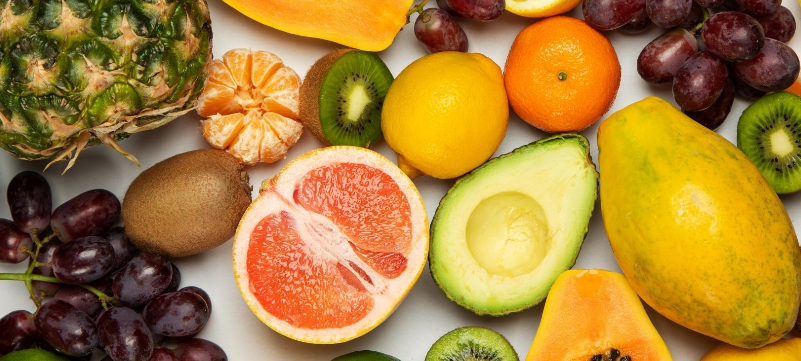
You might have seen many sources in the internet suggesting fruits for breakfast as part of a healthy diet. But Ayurveda has a different opinion.     Fruits for breakfast is not a good idea, Why ?       #1  Mornings are cold, dewy, and moist   Fruits are cold, moist, and slimy as well. Similarly, what is cold, moist, and slimy in our body? Kapha!   #2   Fruits are sweet, heavy and cold.   What is sweet, heavy and cold in our body? Kapha!   #3   6am to 10am is Kapha Kala   This is the time Kapha is at its peak – think excessive mucous, blocked nose, runny nose, and all upper respiratory tract symptoms.   #4 The Sun has just risen   Our digestive fire mimics the Sun; however, we do not have sharp digestion in the mornings.  Hence we may not be able to digest cold, sweet, heavy foods at this time.   what is a good breakfast? Anything warm, light and freshly cooked. Example, oatmeal, porridges, rice or chickpea flour, pancakes, stewed apples, green gram pancakes etc. These are not only light but also easy to digest.   When is the best time to have fruits?   Between 10am to 4pm (Pitta Kala) before or after a meal, but not with a meal. Trust me, if you do this, your gut will thank you!       Doctor Rekha is a 4th generation Ayurvedic Medicine Doctor (BAMS) living in between Dubai and India who has patients from around the globe who believes that the wisdom of Ayurveda can help everyone lead a happy, heathy and disease-free life.   If you are struggling with any health issues, you can either book a consultation with us or send us a message via WhatsApp to +91 79074 89839. We have the best Ayurvedic doctors in Trivandrum who are always glad to help you. If you have any queries, contact us.  You can also visit us at our hospital.                                                                                                                                                                                                                                                                                                                                                                                                                                                                                                                                                                                                                                                                                                                                                                                                                                                                                                                                                                                                                                                                                                                                                                                                                                                                                                                                                                                          … Continue reading Fruits for breakfast is not a good idea, Why ?