
Understanding Parkinson’s Disease: A Simple Guide to Symptoms and Support

Parkinson’s disease is a brain condition that slowly gets worse over time. It starts by affecting how you move, like making your hands shake or your steps slow. But it goes deeper, touching sleep, mood, digestion, and daily joys. Millions face it worldwide, often starting after age 60, though it can hit younger people too.   This article explains Parkinson’s in plain words. We’ll cover what it is, why it happens, how it feels, and ways to manage it. It includes standard care and an Ayurvedic view for balance. The aim is clear facts to help you or a loved one feel more in control.     What is Parkinson’s Disease?   Think of your brain as a control center. It uses a chemical called dopamine to send smooth signals for walking, grabbing a cup, or smiling. In Parkinson’s, special brain cells that make dopamine die off which cause signals to glitch, movements to turn shaky, stiff, or slow.   It’s called a progressive neurological disorder. That means it worsens bit by bit. Early days might mean a slight hand tremor when resting. Months or years later, balance wobbles or speech slurs. There’s no full cure yet, but early steps make a big difference in comfort and function. Most cases show after 60, but 5-10% start younger. It affects men a touch more than women.     Causes and Risk Factors   No one cause fits all. It’s often a mix:   Brain cell loss: Dopamine factories in the substantia nigra area shut down slowly. Protein clumps called Lewy bodies gum up the works too. Age: Biggest factor. Brain cells naturally wear after 60. Genes: Rare types run in families. Common ones slightly raise odds if relatives have it. Environment: Farm chemicals like pesticides, weed killers, or factory fumes link to higher risk. Other triggers: Head injuries from sports or falls. Long stress. Poor gut health may play a role via the gut-brain link.   Daily habits don’t start it, but skipping sleep, junk food, or no exercise can speed symptoms. Smoking oddly lowers risk a bit, though no one suggests it.     Symptoms and Effects   Symptoms split into movement ones and hidden ones. They creep in slow, then build.   Movement symptoms:   Tremors: Hands shake like rolling a pill between fingers. Starts one side, worse at rest, eases with action. Stiffness: Muscles lock tight. Arms don’t swing walking. Back or neck hurts. Slow moves (bradykinesia): Buttoning shirts takes forever. Face freezes—no big expressions. Balance loss: Lean forward. Freeze mid-step. Falls rise.   Hidden symptoms:   Speech: Voice soft, slurs, or trails off. Words chop. Thinking: Memory slips. Focus fades, especially later. Mood: Sadness, worry, or feeling blank hits 50% of people. Body: Constipation blocks. Blood pressure drops standing. Sleep fights, kick or yell in dreams. Smell weakens early. Fatigue drags.     Conventional Management Overview   Doctors focus on easing symptoms and keeping function: Pills: Levodopa turns to dopamine in brain. Others mimic it or block breakdown. They cut shakes and stiffness well, but effects shorten over years. Side wiggles (dyskinesia) can pop. Exercise: Walking, boxing, dance, or cycling build strength. Aim 150 mins moderate weekly. Therapy: Physio for balance. Speech work for clear talk. Occupational help for home tasks. Advanced: Deep brain stimulation zaps steady signals via wires for tough cases.       The Need for a Deeper, Structured Approach   Pills calm shakes today, but Parkinson’s is a marathon. Body ultimately tires. Nerves need ongoing food. Digestion matters, poor gut starves brain. Quick fixes fade fast.   A deeper plan looks at whole body: Nerves, gut fire (energy to tissues), habits. Months of steady steps bring real shifts, like smoother walks or less fatigue. Regular check-ins tweak as needed.   Ayurvedic Perspective on Parkinson’s   Ayurveda names it Kampavata. Vata is the body’s air force: Moves nerves, joints, breath. Too much Vata dries channels. Nerves stutter. Shakes and stiffness grow. Weak Agni (digest fire) builds Ama (gunk), blocking nutrients to brain and muscles.   Causes mirror life: Cold foods, late nights, stress, age (Vata rises natural). Ayurveda balances Vata gently, no fight, just moisten, warm, steady. It adds to regular care, not replaces.   Ayurvedic Management Approach   Simple layers build over time. Consistency counts, weeks give calm, months rebuild. Nerve support Gut fix (Agni) Food   Outcomes and Expectations   Steady care often brings: Speech clears Tremors quiet Memory firms Coordination lifts Energy up Around 98% feel overall better with time. Some see 80% less shake or stiff. But it varies: Early stage wins bigger. Age, stick-to-it, body type matter. It slows slide, boosts function.   A Structured Approach to Parkinson’s Care For those looking beyond short-term symptom management, a more structured and consistent approach to care can make a meaningful difference over time. We offer a personalised 3-month Ayurvedic support program for Parkinson’s, designed to focus on improving function, slowing progression, and enhancing overall quality of life. This is not a quick intervention, but a guided process that works with the body steadily. The approach focuses on supporting neuromuscular coordination, improving speech and daily function, strengthening digestion (Agni), and addressing underlying imbalances that contribute to the condition. Care is provided in a structured manner, including regular consultations, ongoing reviews, daily monitoring when required, and guidance from both medical and nutrition perspectives. In certain cases, specific Ayurvedic cleansing therapies are included based on individual needs. Over time, patients have reported improvements in areas such as speech clarity, tremors, memory, and overall coordination. In some cases, significant improvements in specific symptoms have been observed. However, responses vary from person to person, and consistency plays a key role in outcomes. This initiative is offered as a service-driven effort. There are no consultation or program fees, medicines are provided at subsidised cost, and any contribution is voluntary. For those exploring a more consistent and holistic way to support Parkinson’s, this may be one approach to consider. WhatsApp +91 99011 26331 for enquiries! (Consulations, Products,… Continue reading Understanding Parkinson’s Disease: A Simple Guide to Symptoms and Support

Ayurvedic View of Dry Itchy and Flaky Skin, Causes and Care

  In Ayurveda, dryness, itching, and flaking of the skin are not treated as random problems but as clear signals of an internal imbalance in the body. The way Ayurveda reads these symptoms is quite different from the usual cosmetic cream approach you see today.   Instead of just layering moisturizers, Ayurveda digs into your digestion, doshas, lifestyle, and even your emotional state to understand why the skin has become dry, itchy, or flaky in the first place.     How Ayurveda sees the skin     The skin is called Twak Dhatu and is deeply connected to the Rasa Dhatu, which is the first tissue formed after digestion. In simple terms, the quality of your blood and fluids directly reflects on the quality of your skin.   If the Rasa Dhatu is well nourished and clean, the skin stays soft, smooth, and hydrated. If the nutrition is poor, or if there is congestion and toxins in the channels that carry this nutrition, the skin becomes dry, rough, and prone to itching and flaking.   Ayurveda also explains that the skin is one of the main seats of Vata dosha, which means any imbalance in Vata will show up clearly on the skin in the form of dryness, tightness, and rough texture.     Why the skin feels dry     From an Ayurvedic angle, dry skin is usually linked to excess Vata. Vata is the dosha of air and ether, and its qualities are dry, cold, light, rough, and mobile. When Vata becomes aggravated, these qualities spread through the body, depleting moisture from the skin and tissues.   Common triggers Ayurveda points to include:   Very dry or cold weather Too many dry, light, raw, or cold foods Excessive travel, overwork, stress, or lack of rest Poor digestion leading to weak Agni and formation of ama   All of these either increase Vata or reduce the body’s capacity to nourish the skin, so the skin feels tight, rough, and lacks its natural glow.   In some cases, dryness may also be linked to low kapha. Kapha represents structure, lubrication, and moisture in the body. When this supportive fluid layer is depleted, the skin loses its softness and resilience.     What Ayurveda says about itching     In Ayurveda, itching is called Kandu and is usually a message from a deeper imbalance rather than a problem isolated to the surface of the skin. Itching can be classified based on the dosha involved: Vata type itching: This type comes with dry, rough skin, sometimes with flaking or fine cracks. The itch is often sharp, prickly, or moving, and may worsen when the skin is very dry or cold. It is closely linked to poor nutrition, dehydration, tiredness, and nervous stress. Kapha type itching: Here the skin may feel heavy, slightly swollen, or damp. You might notice more oozing, crusting, or thick scaling in addition to itching. This kind of itching is often tied to sluggish digestion, excess mucus, and weight gain. Pitta type itching: The skin feels warm, red, or burning, and the itching can be intense, sometimes with burning or stinging. This pattern is common in inflammatory or allergic skin reactions, or when the body is running hot due to heat, spicy food, or emotional anger and stress.   Very often, two or all three doshas can combine, so someone may have dryness, burning, or oozing all at once. This is why a one cream fits all solution rarely works in the long term.     Why the skin starts flaking and peeling   Flaking and peeling are the body’s attempt to shed excess dry, dead cells, especially when the skin is not being properly nourished from within. Ayurveda explains this as:   Twakgata Vata – Vata that has become localized in the skin, causing dryness, roughness, and cracking. Depletion of Rasa Dhatu – when the fluid and plasma layer is thin, the skin loses its suppleness and starts to scale. Blockage of channels – when the channels that carry nutrition and fluids are congested with ama, the skin does not receive proper fuel and begins to dry out and flake.   Conditions like ichthyosis, severe eczema, or chronic dry skin are often described in Ayurveda as forms of Vata predominant Kushta, where dryness, flaking, and tightness are prominent features.     Root causes that Ayurveda looks for     Rather than focusing only on the visible symptoms, Ayurveda asks questions like:   Is the digestion weak, with bloating, gas, or irregular bowel movements Is the person eating too many drying foods (lots of raw salads, dry fruits without balance, caffeine, cold drinks) Is there a lot of stress, fear, or sleeplessness keeping vata high Are there systemic conditions such as diabetes, thyroid issues, or anemia that can mirror as dry, itchy skin   In Ayurvedic terms, the key factors are:   Agnimandhya – weak digestive fire Ama – accumulation of toxins Sroto dushti – blockage of channels Vega dharana – suppressing natural urges like urination, defecation, or sweating   All of these can disturb the internal environment and show up on the skin as dryness, itching, or flaking.     How Ayurveda guides treatment     Ayurvedic treatment for dryness, itching, and flaking is usually stepwise and individualized. A basic outline that you can simplify for readers:   Balance the dosha For vata dominant dry, itchy, flaky skin: use warm, nourishing, moistening approaches. For pitta dominant burning, itchy skin: cool, soothing, anti inflammatory methods are chosen. For kapha dominant damp, heavy, crusted itching: light, drying, and detoxifying measures are preferred.   Support digestion and reduce ama Simple tips for patients: Eat warm, cooked, easily digestible foods. Avoid heavy, fried, or excessively sweet and sour foods if itching is pronounced. Encourage small, regular meals and mindful eating.   When ama is stubborn and itching is chronic, an Ayurvedic practitioner may consider Panchakarma procedures like Vamana or Virechana, depending on the patient’s constitution and disease pattern.   Hydrate from… Continue reading Ayurvedic View of Dry Itchy and Flaky Skin, Causes and Care

Viruddha Ahara in Ayurveda: Incompatible Foods and Their Effects

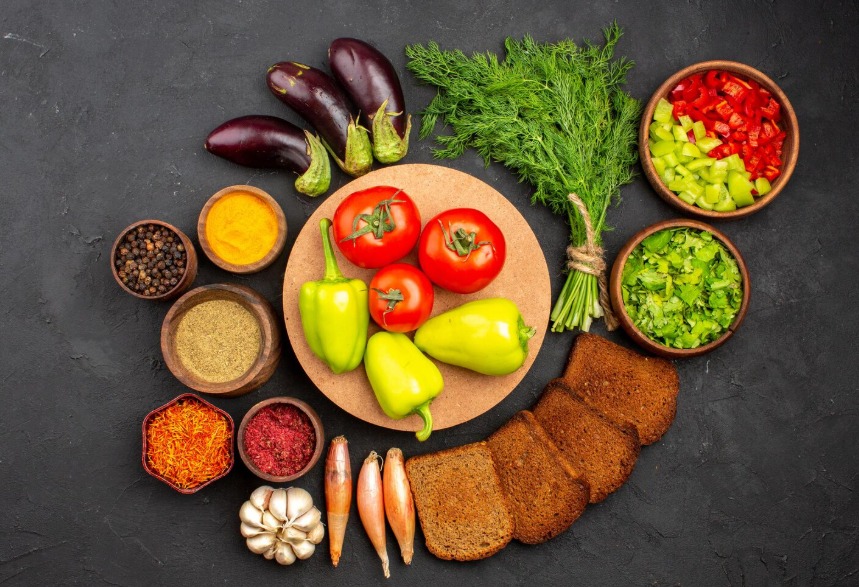
In Ayurveda, food is considered the foundation of health. It is not only meant to satisfy hunger but also to nourish the body, mind, and tissues. When food is chosen and consumed correctly, it supports digestion, strengthens immunity, and maintains balance in the body.   However, when food is taken in an improper manner, it can disturb digestion and gradually lead to disease. One such important concept explained is Viruddha Ahara in Ayurveda, which means incompatible or contradictory food.   The word “Viruddha” means opposite. Viruddha Ahara refers to food or food combinations that are opposite in nature to the body and its digestive process. Such food interrupts metabolism, weakens digestion, and prevents proper formation of body tissues.   Even foods that are healthy on their own can become harmful when consumed in the wrong combination, wrong quantity or wrong time. Regular consumption of such incompatible food is considered a major cause of metabolic and systemic disorders in Ayurveda.   Viruddha Ahara does not usually cause immediate illness. Instead, it works slowly by disturbing Agni and creating Ama, which is toxic, undigested material in the body.   Over time, this Ama blocks channels, vitiates the Doshas (Vata, Pitta, and Kapha), and weakens the tissues. This gradual imbalance eventually manifests as digestive problems, skin disorders, hormonal imbalance, mental disturbances, and chronic diseases.     Types of Viruddha Explained Simply     Desha Viruddha (Place / Environment Incompatibility)   Food should match the place you live in. Dry, spicy, alcoholic foods in hot, dry regions aggravate Vata and Pitta while cold, oily foods in marshy or humid places increase Kapha. Eating against the nature of your environment disturbs balance.     Kala Viruddha (Time & Season Incompatibility)   Each season has its own demands. Cold, dry foods in winter and extremely spicy and hot foods in summer, such choices strain digestion and doshas.     Agni Viruddha (Digestive Power Incompatibility)   Agni means digestive fire. Heavy food when digestion is weak and light food when digestion is strong both cause imbalance. Food must match your digestive capacity.     Matra Viruddha (Quantity Incompatibility)   Quantity matters as much as quality. Too much food Too little food Certain foods in equal quantities (like honey and ghee) Even healthy foods can become harmful in wrong proportions.     Satmya Viruddha (Habit Incompatibility)   Your body adapts to habits over time. If someone accustomed to spicy, hot food suddenly eats excessive cold and sweet food, digestion suffers.     Dosha Viruddha (Dosha-Specific Incompatibility)   Eating foods that increase the sameDosha already dominant in your body can cause imbalance. Example: Heavy, oily food for Kapha-dominant people Dry, cold food for Vata-dominant people   Samskara Viruddha (Processing Incompatibility)   It is incompatibility caused by improper processing or preparation of food. Certain methods of cooking or processing can convert food into a toxic substance. Examples include heating honey or preparing food using unsuitable materials or methods.     Virya Viruddha (Potency Incompatibility)   It occurs when substances with opposite potencies are consumed together. Combining hot-potency and cold-potency foods confuses digestion and creates imbalance in the body.     Koshtha Viruddha (Bowel Nature Incompatibility)   Koshtha Viruddha is related to bowel nature. Some people have hard bowels, while others have soft bowels. Food and medicines should be chosen accordingly. Ignoring bowel nature can lead to digestive disturbances.     Avastha Viruddha (Condition Incompatibility)   It refers to incompatibility related to the physical or mental state of the person. Consuming Vata-aggravating food after exhaustion or heavy exercise, or Kapha-aggravating food during lethargy and sleepiness, worsens Dosha imbalance.     Krama Viruddha (Order Incompatibility)   Occurs when the proper sequence of eating is not followed. Eating without hunger, eating before bowel and bladder are cleared, or eating when hunger is excessive disturbs digestion.     Parihara Viruddha and Upachara Viruddha (Treatment Incompatibility)   These are related to ignoring dietary restrictions during illness or treatment. Consuming foods that are prohibited for a particular disease or during treatment can interfere with recovery.     Paka Viruddha (Cooking Incompatibility)   It refers to incompatibility due to improper cooking. Food that is burnt, undercooked, overcooked, stale, or reheated becomes difficult to digest and harmful to health.     Samyoga Viruddha (Combination Incompatibility)   It is incompatibility due to wrong combinations. Certain combinations, such as sour substances with milk, produce harmful effects even though the individual items may be healthy.     Hridaya Viruddha (Mental Incompatibility)   Hridaya Viruddha is incompatibility related to the mind. Eating food that is unpleasant or disliked affects digestion because the mind and digestive system are closely connected.     Sampat Viruddha (Quality Incompatibility)   It refers to food that lacks proper quality, such as unripe, overripe, or impure substances.     Vidhi Viruddha (Eating Rules Violated)   Vidhi Viruddha occurs when the rules of eating are violated, such as eating without discipline, in an improper environment, or without mindfulness.     Effects of Consuming Viruddha Ahara   Digestive disorders (bloating, acidity, IBS) Skin diseases (eczema, vitiligo, herpes-like eruptions) Anemia and liver disorders Hormonal and reproductive problems Mental disturbances like anxiety and insanity Toxic buildup (Ama) Chronic inflammation Reduced immunity Even fatal outcomes in extreme cases   The concept of Viruddha Ahara highlights one of the most practical and insightful teachings of Ayurveda, that food is not universally beneficial just because it is nutritious.   The same food can act as medicine for one person and as poison for another, depending on how it is combined, prepared, consumed, and digested. Ayurveda reminds us that digestion is at the centre of health, and anything that disturbs it repeatedly will eventually disturb the entire system of the body.   Modern lifestyles unknowingly promote Viruddha Ahara. Irregular eating habits, fast food combinations, excessive use of refrigerated and reheated food, eating under stress, and ignoring seasonal needs all contribute to digestive imbalance.   Many people suffer from acidity, bloating, skin issues, allergies, fatigue, and hormonal problems without realizing that the root cause may lie… Continue reading Viruddha Ahara in Ayurveda: Incompatible Foods and Their Effects

Ageing with Ayurveda

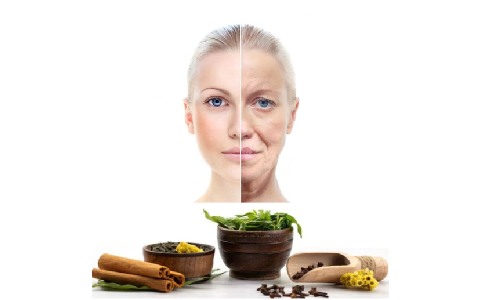
Ageing is inevitable. But it does not mean that it has to be a tough or bitter experience. Instead, it should be considered as a graceful and meaningful journey.    With the help of Ayurveda, you can make the journey towards older age beautiful by focusing on improving the quality of your physical and mental well-being.      Take Care of Yourself     According to Ayurveda, ageing is a natural process regulated by the three Doshas – Vata, Pitta, and Kapha.    As we age, our Vata Dosha goes out of balance and we experience it through symptoms, such as dryness, weakness and difficulty in mobility. Therefore, balancing Vata Dosha is essential to remain healthy and active in the later years.    Ayurveda recommends many natural ways to keep your Vata Dosha in balance.      Change Your Lifestyle     Indeed, lifestyle changes can make a whole lot of difference in the way you age.      Follow a Daily Routine     Following a structured daily routine or Dinacharya has a strong positive influence over the Doshas.      Morning rituals      Start the day with a glass of warm water to wash out toxins. Oil pulling, brushing and tongue scraping are small routine activities that make way for great oral health.  This should be followed by some yoga or stretching exercises to keep your body flexible and disease-free.      Oil massage (Abhyanga)      Use organic black sesame oil to do a full-body massage before taking a shower. It helps to moisten and feed the skin. It also prevents the formation of cracks and relieves Vata Dosha.      Healthy breakfast      Consume a balanced, freshly cooked breakfast to have energy throughout the day. Don’t run after the packaged breakfast options like cereals, muesli, etc. Cook your first meal of the day with love and with a dash of ghee and it will do wonders to balance your aggravated Vata.     Want to learn more about Dinacharya? Download my e-book for free.      Have a Balanced Diet     While planning for a meal, include foods that are fresh and organic and are light on the tummy.   Have warm, cooked foods      As you age, your digestion may be compromised. Hence your body may not be able to absorb nutrients properly.    Therefore, it is advisable to go for warm, cooked meals rather than raw, cold, or heavy foods that, on the other hand, may cause indigestion.      Consume anti-ageing foods      Increase the intake of foods that can help counter oxidative stress such as berries, green leafy vegetables, fruits and nuts.      Stay hydrated      Have plenty of water, especially during the warmer Summer and Autumn months or if you engage in heavy physical activity or work outdoors.     You can also have herbal teas occasionally to help detoxify your body. However, not all herbs may be suitable for you. So, it’s better to consult a qualified Ayurvedic doctor for advice.       Sleep Well     Sleep is an essential factor for overall wellness.      Have adequate sleep      One must get quality sleep in order to be healthy and alert. Sleep for 6-8 hours at night so that your body gets enough repair time to rejuvenate itself.      Establish a sleep routine      Be consistent with your sleep and wake-up timings. In addition, this helps to set your body clock efficiently.        Create a calming environment      Declutter your bedroom by getting rid of all the electronic gadgets and things that may distract you at night.      Practice relaxation techniques      Do activities that will help you relax, such as listening to music or reading a book, before sleeping.        Try Detoxification      As we age, more toxin buildup happens in our body because our body’s natural process of expelling the toxins gets weakened. Detoxification flushes out toxins from the body and revitalizes tissues.      Seasonal detox      Discuss with an Ayurvedic doctor to choose one suitable detox program at the beginning of every season. Detoxifying not only purifies your body but also improves your energy levels.      Herbal teas      Occasionally, drink herbal teas that support liver functions and remove toxins from the body. Remember, not all herbal teas suit you. So, it’s better to consult a qualified Ayurvedic doctor for advice.     Sip dry ginger tea at night. It gently detoxifies your gut, boosts digestive fire and promotes blood circulation. Dry ginger also controls Vata, which is the dominant Dosha especially in old age.      Ayurvedic Practices for Ageing      Apart from diet and lifestyle practices, Ayurveda also recommends certain practices that help you age well.      Yoga and Exercise      Physical exercise is vital so as to keep your body in the best shape possible.      Yoga    Perform relatively low-impact movements to help in the flexibility of joints. First, try Bitilasana Marjariasana (Cat-Cow pose); then, move on to Balasana (Child’s pose); and finally, conclude with Pashchimottanasana (Seated forward bend pose).    It is advisable to perform these poses under the supervision of an expert Yoga trainer if you are a beginner.     Also, practising Surya Namaskar (Sun Salutation) daily can also help maintain flexibility and energy levels.      Daily walks      Take a walk for about 45 to 60 minutes daily. It improves blood circulation; as a result, it makes you feel better and more energized.      Strength training      Do strength training under the supervision of an expert trainer to help sustain muscles and bones. As the endurance power of your muscles increase, new cells regenerate, delaying the ageing process.      Mindfulness and Meditation      Age is just a number! It’s all in your mind. Your mental health is, therefore, also of great importance in healthy ageing.      Meditation … Continue reading Ageing with Ayurveda

What are Vata, Pitta and Kapha Doshas in Ayurveda?

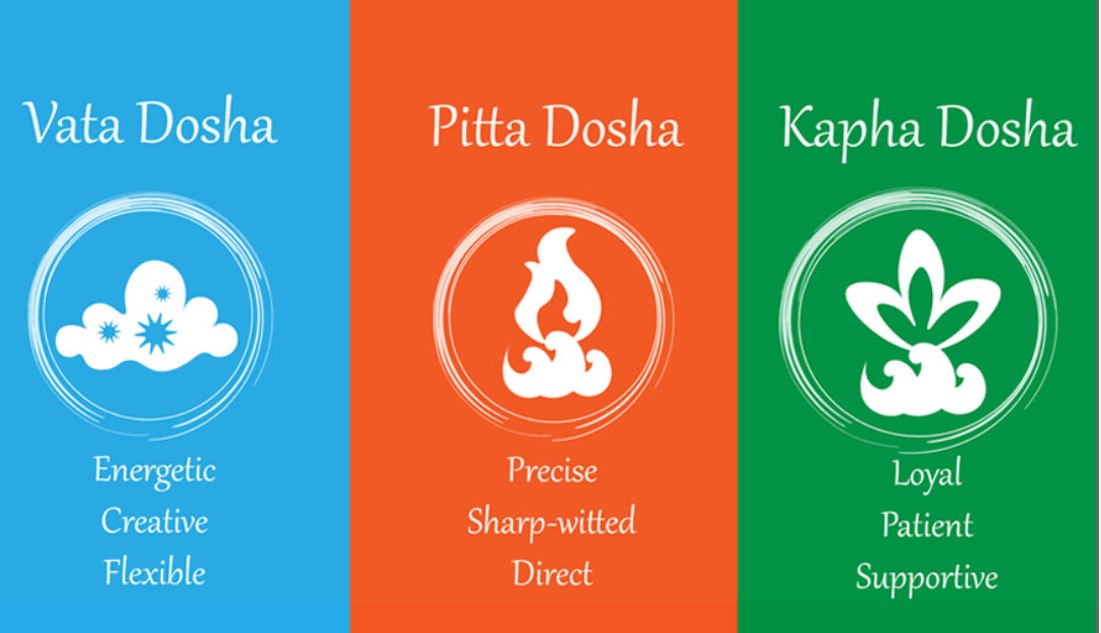
Ayurveda is a traditional system of medicine. Beyond that, it is a way of life that helps you reach the ultimate goal of overall wellness. In Ayurveda, the status of your health primarily  revolves around the balance of  your biophysical energies or Doshas.  There are three types of Doshas – Vata, Pitta and Kapha, collectively called Tridoshas.  They are derived  from the 5 basic elements known as “Panchamahabhutas.” The Panchamahabhutas are space or ether, air, fire, water and  earth. All these Doshas must be known to understand the unique constitution of one’s body and how to maintain a balanced manner to attain good health.    The Panchamahabhutas: The Basis of Doshas   The Panchamahabhutas are the fundamental elements that all matter in the universe is based on. These elements, in different combinations, make up the Doshas.  Knowing them can delve deeper into the Doshas’ nature and influence on our bodies and minds. Ether (Space): This is the most subtle of all the elements. It symbolizes emptiness and the possibility of creation. Air: Associated with motion, lightness, and actionability. Fire: Associated with transformation, heat, and metabolism. Water: Fluidity, cohesion, lubrication. Earth: Most solid elements are related to stability and structure. Each Dosha gets its uniqueness from a different combination of these elements, which explains their distinct characteristics and effects on our bodies.   What Are the Doshas?   Doshas are biophysical energies that govern our inner and  outer environments. These energies or Doshas, are present in everybody and everything. They are found in a unique ratio in each individual. This determines one’s Prakriti or physiological and psychological profile.  If your Doshas are in balance, you have health and well-being. They, when in imbalance due to diet, lifestyle, or environmental factors, give rise to diseases.   Vata   Vata is the energy of movement. It constitutes air and  ether.  Vata Dosha governs  bodily functions, like breathing, nerve impulses, and  circulation. When in balance, there is much creativity and vitality. If it’s out of balance, the result is anxiety, dryness, and irregularity in the functions. Characteristics: Light, cold, dry, irregular, quick. Physical Characteristics: Thin build, dry skin, cold hands and feet. Mental Characteristics: Imaginative, anxious, quick learner. Imbalances: Result in anxiety, insomnia, xerosis, and constipation. You can balance your Vata Dosha by following a routine that includes warm, nutrient packed food, proper sleep, and activities like yoga or meditation.   Pitta   Pitta is composed of fire and water. It governs your digestion and metabolism. This fuels the drive of appetite, intelligence, and body heat.  A balanced Pitta Dosha is marked by clarity and energy. However,when it’s out of balance, it results in anger, inflammation and digestive problems. Characteristics: Sharp, oily, hot, intense, and light Physical Traits: Medium build, warm skin, sharp features. Mental Traits: Intelligent, competitive, driven. Imbalances: Marked by symptoms, such as anger, indigestion, skin rashes, heartburn. Balancing the Pitta would require cooling food, relaxing exercises or techniques, and avoiding overwork. Fresh fruits, lots of vegetables and whole grains can nullify the inflamed nature of the Pittas.   Kapha   Kapha Dosha constitutes earth and water. It is the energy of body stability and structure. It controls growth, hydration and immune responses. A person with a proper and well-balanced Kapha will, consequently, be calm, patient, and, moreover, an endurance expert. A Kapha  imbalance will result in lethargy, weight increase, and congestion. Characteristics: Heavy, slow, steady, oily, and cool. Physical Traits: Compact, soft-skinned, big-eyed. Mental Traits: Loyal, patient, compassionate. Imbalances: Results in obesity, slowdown in digestion, depression, and allergies. Massage-reviving functions and a balanced diet with light spicy foods maintain Kapha. Exercise and abstinence from heavy, oily foods will keep Kapha in harmony.   What is Prakriti?   Your Prakriti is your constitution and  fixed at the moment of conception. This is a blueprint of your inborn strengths and weaknesses.  By knowing your Prakriti, you can devise your lifestyle in a manner that will maintain a balance of your Doshas. Are you looking for more valuable insights? Head onto our blog section!   How to Know Your Prakriti?   Knowing your Prakriti means knowing which Doshas are most operative in your constitution based on that knowledge. We can guess these by looking within ourselves or consulting an Ayurvedic professional. Here’s a brief overview of how the Doshas may manifest in your physical and mental attributes: Vata Dominant: Thin and lean, dry skin, quick mind, active, anxious, and sleepless. Pitta Dominant: Medium-built, warm-skinned, sharp intellect, ambitious, irritable, and easily inflamed. Kapha Dominant: Heavier in build, smooth skin, calm disposition, steady energy, tends to put on weight and become lethargic. Knowing your Prakriti helps you tailor a diet, exercise, and daily routines suitable for bringing out balance in life. Balancing the Doshas   Keeping your Doshas in balance is what keeps you healthy. The Doshas are particularly sensitive to continued influences, such as diet, lifestyle, stress and environmental elements that disturb your balance.   What to do to Balance Vata?   Diet: Have warm, freshly-cooked food with spices, such as ginger and cinnamon. Lifestyle: Follow a daily routine. Engage in activities that ground you in life, such as meditation and yoga. Season: Vata is provoked by a cold, dry & windy climate. Keep warm and moist.   Tips to Pacify Pitta   Diet: Consume cooling foods like greens, melons and cucumbers. Stay away from hot, spicy, and oily foods. Lifestyle: Moderate work and exercise. Moreover, engage in cool recreation activities like swimming or, alternatively, walking in nature to calm down Season: One shouldn’t disturb the natural order of Doshas. Avoid hot and humid seasons. Always be cautious at the seasonal end.   Tips for Balancing Kapha   Diet: Light, spicy foods; avoid dairy and heavy foods; include stimulating spices like black pepper and turmeric. Lifestyle: Be active & get regular exercise, but avoid too much sleeping and sedentary habits. Season: In cold, damp weather, Kapha Dosha is dominant. So, stay warm and dry.   Consult an Ayurvedic doctor to guide you regarding your right… Continue reading What are Vata, Pitta and Kapha Doshas in Ayurveda?

Guduchi – Why Ayurveda Calls It the Nectar of Immortality

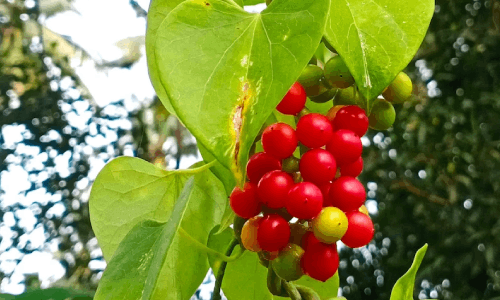
Of all the herbs mentioned in Ayurveda, Guduchi or Giloy is my most favourite! It has given me the best results in treating diseases from diabetes to arthritis to autoimmune diseases to heart diseases to women’s health! Guduchi holds a significant place in Ayurveda, for its potent medicinal properties. Its botanical name, Tinospora cordifolia, stems from its heart-shaped leaves and is native to tropical regions of India, Sri Lanka and Myanmar. Guduchi is a Rasayana herb renowned for its ability to enhance immunity and promote overall health and longevity. It is classified as bitter and astringent in taste with a cooling potency, making it particularly beneficial for pacifying Pitta Dosha and balancing the body’s systems. Guduchi helps treat many ailments, including fevers, respiratory disorders, digestive issues, and inflammatory conditions. Its immunomodulatory effects help strengthen the body’s defences against infections and diseases. Guduchi also has amazing detoxifying properties,  eliminating toxins and promoting cellular rejuvenation. It is often prescribed to support overall wellbeing and vitality in various Ayurvedic formulations, such as herbal teas, powders, and decoctions. In this blog, let us learn more about this amazing herb.   Guduchi in Ayurveda     For general wellbeing, Guduchi is rasayana (rejuvenating) and anti-aging. It also helps improve digestion, removes Ama (toxins) and strengthens the body! This herb is celebrated for its multifaceted therapeutic properties and has been utilized for centuries in Ayurvedic practice. With its bitter taste and heating potency, Guduchi is esteemed for balancing all three Doshas, particularly pacifying Pitta and Kapha imbalances. Its post-digestive sweet effect nourishes the body, while its affinity for deep tissues benefits overall vitality. Guduchi’s standout quality lies in its capacity to enhance Ojas (vitality), the essence of immunity and vitality, granting it a special potency status. It serves as a potent detoxifier, purifying the blood and eliminating toxins while bolstering the immune system against infectious diseases. Rich in bioactive compounds, Guduchi also exhibits formidable anti-inflammatory and antioxidant prowess, safeguarding against oxidative stress and inflammation. Its support for liver health, digestion, stress resilience, and skin wellness also underscores its holistic healing potential. Whether consumed as fresh juice, powder, decoction or as a part of herbal formulations, Guduchi is a cornerstone in Ayurvedic therapeutics, offering a versatile and potent ally in pursuing holistic health and wellbeing. If you ask me for one Ayurvedic supplement we all need to boost our immunity, it is this! This is one herb you should grow around your house. The most medicinal part is the stem, though we use all parts of it in various Ayurvedic medicines. Now that you have read this, please don’t run to a medical shop and look for a tablet or powder! If you can, get hold of this plant, cut the stems, dry them in sunlight, powder and store them. Boil two glasses of water, add one tablespoon, reduce to one glass, and drink before breakfast daily! Your safest immunity booster!     Benefits of Guduchi     Guduchi is renowned in Ayurveda for its numerous health benefits. Here are some of the vital health benefits it offers:   Immune Support Guduchi is a potent immunomodulator that helps regulate and strengthen the immune system. It stimulates the production of white blood cells, enhancing the body’s defence mechanism against infections and diseases.   Detoxification Guduchi is valued for its detoxifying properties. It helps to cleanse the blood, liver and other vital organs, facilitating the elimination of toxins and metabolic waste products from the body.   Anti-inflammatory Guduchi possesses strong anti-inflammatory properties, which help reduce inflammation and swelling in various body parts. It is often used to alleviate symptoms of inflammatory conditions like arthritis, gout, and inflammatory bowel diseases.   Antioxidant It is rich in antioxidants, such as flavonoids and polyphenols, which help to neutralize harmful free radicals in the body. This antioxidant activity protects cells from oxidative damage and supports overall health and longevity.   Liver Support It is beneficial for liver health and function. It helps to detoxify the liver, protect it from damage caused by toxins and pollutants, and promote regeneration of liver cells.   Digestive Health It aids digestion and helps to improve appetite. It stimulates the digestive fire (Agni), promotes the absorption of nutrients, and relieves symptoms of indigestion, bloating, and gas.   Stress Reduction It is an adaptogen, meaning it helps the body adapt to stress and maintain homeostasis. It has a calming effect on the nervous system, reducing stress, anxiety, and fatigue.   Fever Management It is traditionally used to manage fevers and other symptoms of viral and bacterial infections. It helps to reduce body temperature, alleviate symptoms like headache and body aches, and promote faster recovery.   Skin Health It benefits skin health and can help improve complexion and treat acne, eczema, and other skin disorders. Its detoxifying and blood-purifying properties contribute to healthy and radiant skin.   Anti-diabetic Properties Some studies suggest that Guduchi may have hypoglycemic effects, helping to lower blood sugar levels and improve insulin sensitivity in individuals with diabetes.   Tips to grow Guduchi at home   Growing Guduchi at home can be a rewarding experience, as it allows you to have easy access to this valuable medicinal herb. Here’s a guide on the best way to grow Guduchi at home. It is  important to note that Guduchi is a tropical climbing vine that thrives in warm and humid conditions. Therefore, it is best to cultivate it in regions with a low or subtropical climate. Living in a colder climate, you can still grow Guduchi indoors or in a greenhouse.   To start growing Guduchi, you’ll need to obtain a healthy Guduchi plant or stem cuttings from a reliable source. You can often find Guduchi plants or cuttings at nurseries specializing in medicinal herbs or online.   Select a suitable location for planting Guduchi. It prefers partial shade to full sun and well-drained soil with organic matter. Guduchi is a climbing vine, so you’ll need to provide it with a sturdy trellis, fence, or support structure… Continue reading Guduchi – Why Ayurveda Calls It the Nectar of Immortality