Lord Dhanvantari: The God of Ayurveda

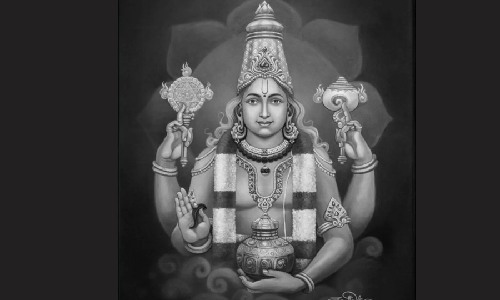
According to Indian mythology, Lord Dhanvantari is the God of medicine and the God of Ayurveda.   This divine physician is also thought to be the 13th avatar of Lord Vishnu.   Lord Dhanvantari is often considered a symbol of health, healing, and longevity, not just in Ayurveda but also in the broader spiritual and cultural traditions of India. His teachings have been passed down through generations, influencing various aspects of both medical and spiritual practices.   In this blog, let’s explore the legend of Lord Dhanvantari, his relevance in the field of Ayurveda, and how he shaped the path of healing and health.   The Origin Story     The story of Lord Dhanvantari originates in Hindu mythology, particularly the legend of Samudra Manthan or the churning of the ocean.   According to the legend, Gods and demons churned the ocean of milk (Kshira Sagara) to get Amrita, the nectar of immortality. After a wearing trial period, Dhanvantari emerged from the sea, bringing with him the potion of immortality.   In images, artists often portray Lord Dhanvantari holding a conch in one hand and a pot full of Amrita in the second hand.  His third hand has a book titled “Ayurveda,” and the fourth hand has medicinal herbs.   The depiction of Lord Dhanvantari holding Amrita isn’t just a divine image. It is a symbol of Ayurveda’s power to sustain life and health. Ayurveda, when followed the right way, isn’t just about curing diseases, but about creating lasting well-being and balance.   Therefore, Lord Dhanvantari’s role is not just to ensure physical well-being, but also the divine alignment of mind, body, and soul, which is the crux of Ayurvedic principles.   This balance is vital in Ayurveda, as it integrates the mind, body, and spirit in a way that promotes overall harmony and vitality. Ayurveda doesn’t just treat symptoms; it works on the root causes to restore balance in the individual’s entire being.   One can see his emergence from the Ksheersagar, the ocean of life, as a metaphor for revealing hidden knowledge related to medicine or healing.     Lord Dhanvantari – God of Medicine and Ayurveda     Many people believe that Lord Brahma was the first person to teach and propagate Ayurveda. However, Lord Dhanvantari is the one worshipped as the god of Ayurveda.   Ayurveda pays attention to both treating illness and preventive health care through lifestyle, food, and natural remedies.   Lord Dhanvantari’s teachings emphasize herbs, therapies, and surgical knowledge as tools for achieving optimal wellness.   Lord Dhanvantari is known for bringing Ayurveda to the world, teaching the use of herbs, therapies, and surgical techniques for better health. His wisdom about healing and nature still guides Ayurvedic treatments today.   Ayurvedic doctors often seek Lord Dhanvantari’s blessings before starting any auspicious works.     Dhanvantari and the Vedas     People revere Lord Dhanvantari for his divine knowledge of surgery, medicinal herbs, and the importance of a balanced lifestyle.   Atharva Veda mentions his teachings through hymns and rituals associated with health and healing.   These hymns often include prayers for long life, peace, and freedom from disease, which reflect the broader spiritual goals of Ayurveda in promoting holistic wellness.   Many people think that Dhanvantari blesses many herbs and treatments used in Ayurveda.     Dhanvantari — Patron of Ayurveda and Surgery     One of the unique aspects of Lord Dhanvantari’s teachings is his focus on surgery.   Sushruta Samhita – the classical text of Ayurveda authored by Acharya Sushruta talks about surgery in detail.   People believe that Lord Dhanvantari reincarnated on earth as Divodasa – the king of Kashi.   Divodasa Dhanvantari was the master of surgery. He passed the knowledge of surgery and Ayurveda to Acharya Sushruta.   This included anatomy, use of surgical instruments, constructive operations such as removal of cataract, open heart surgery, brain surgery, and rhinoplasty.     Benefits of Worshipping Lord Dhanvantari     Since ancient times, people have been worshipping Dhanvantari for both physical and spiritual healing.   Many perform Dhanvantari Puja invoking his blessings for good health, and energy, and to remain guarded against diseases.   Every year, people celebrate Dhanvantari Jayanti on Dhanteras, two days before Diwali.  On this auspicious day, Ayurvedic doctors and followers pray to Lord Dhanvantari.   People also observe Dhanvantari Jayanti as International Ayurveda Day.   The celebration of Dhanvantari Jayanti serves as a reminder to all of us about the importance of good health, proper nutrition, and lifestyle choices. It is a day to reflect on our own health practices and seek guidance from Ayurveda.     Role of Lord Dhanvantari in New Age Wellness     Modern-day Ayurveda heavily follows Sushruta Samhita authored by Acharya Sushruta. In Sushruta Samhita, people also refer to Dhanvantari as Divodasa and Kasi Raja. Today, as more people prefer natural treatments over medicine, the lessons and teachings of Lord Dhanvantari make even more sense.   Here, his philosophy of using natural means to achieve balance links well with contemporary approaches to health and wellness that focus on holistic prevention, healthy eating, and mind-body balance.   In an era where people are increasingly turning to organic, natural alternatives, Lord Dhanvantari’s teachings on sustainable and gentle healing practices resonate deeply. People see his wisdom as a guide towards more conscious living.     Lord Dhanvantari — The Eternal Healer     Lord Dhanvantari’s expertise in Ayurveda inspires Ayurvedic doctors and followers of this ancient healing system.   For those seeking divine guidance regarding health, Lord Dhanvantari stands as the eternal symbol of hope, healing, and longevity.   Whether you follow an Ayurvedic lifestyle or just wish to live a healthier life, the teachings and insights from Lord Dhanvantari are relevant even today.   His eternal teachings inspire a life where physical health, mental peace, and spiritual growth are balanced, making his influence timeless.     Do you follow any Ayurvedic principles in your daily life? Tell us in the comments!  … Continue reading Lord Dhanvantari: The God of Ayurveda

Kapha Time is Here! Ayurveda’s Secrets for Staying Balanced

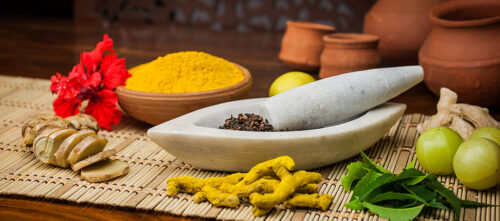
Changing seasons can have an effect on your Doshas. That’s why it is important to understand your Dosha imbalances with each season and find the best practices that would help you to adapt and be in good health despite the changes. Kapha season usually refers to late winter and spring.   The season is typically cold, damp and stagnant. Known as Shishira Ritu in Ayurveda, this is the season where Kapha Dosha gains dominance and your Agni (digestive fire) is at its peak.    Identifying Kapha   Kapha people are most likely to have a compact big-boned structure. They have deep-set eyes and strong hair, and tend to gain weight.    Excessive Dosha can manifest as chest and lung or nasal congestions. It can also cause digestive problems due to a sluggish gut. Emotional factors might create overeating & end up in gaining weight.  Kapha’s imbalance is also associated with sadness and emotional turbulence.    It tends to favour a lethargic sedentary lifestyle. Individuals who have heightened the Dosha are likely to suffer from diabetes, gallstones, hypertension, varicose veins and oedema.    Symptoms of Kapha imbalance   A Kapha imbalance is usually marked by the following symptoms: Lethargy Excessive sleepiness Nausea Constipation Indigestion   Ayurvedic tips to balance kapha   Ayurveda works on the principles of Doshas – Vata, Kapha and Pitta. While each of us has a unique proportion of each of the Doshas, a predominant Dosha tends to increase more quickly than the others.    Kapha season tends to bring on the qualities and symptoms of excess stagnation. Its dominance  is represented as a heavy sluggish tendency, it is characterized by heaviness and slow gait. An imbalance in this can lead to stubbornness. Trying out new routines or interests can stimulate a lethargic mind.   As per Ayurveda, a healthy balance can be restored by following a lifestyle, food regimen, and exercise pattern. A vigorous self-massage with warm organic sesame oil is prescribed to invigorate the stagnant Kapha. Sesame oil abhyanga aids in balancing Kapha Dosha.    Kapha season is when the dosha is dominant. It is characterized by slow movements and grounding qualities. Those people who are prone to it must keep their feet warm and protect their chests from cold breezes.   Opt for warm food and steer clear of raw food as well as frozen foods and beverages. The consumption of bitter and astringent tastes has lowering effects on it.    Waking up before sunrise can also  be very beneficial to a Kapha personality. Do not sleep late into the day. An early start can help balance this dosha .   A glass of warm water can help activate your bowels and cleanse your body as a persons tend to suffer from constipation. Clearing of the nasal passage will provide relief from the symptoms.    Ayurvedic tips to welcome the Kapha season   Keeping warm is intrinsic to handling the Kapha season. Avoid cold and damp places. Consume warm meals, warm teas, warm water and nuts. Add Tulsi or mint leaves to your tea to stimulate the digestive system. Consumption of warm beverages and sipping hot water throughout the day help in heating and detoxifying.   Stay warm. Move out of cold damp spaces and choose warm dry places.    Kapha season tends to bring lethargy. It might herald the onslaught of depressive and stagnant thoughts and feelings. Ensure that you engage and rev up your psychological well-being.   Another often-noticed fallout of the Kapha season is the lack of energy. It can get exacerbated due to stress and inadequate sleep.  Its combat imbalance, therefore, with good sleep hygiene, can significantly improve energy levels   Activity is crucial for balancing the dosha. Yoga can help significantly during the Kapha season. You can balance Kapha by combining pranayama with yoga to ensure sufficient circulation and strengthen the respiratory system.    Alternate nose breathing works wonders for its imbalance.  You can also incorporate Surya Namaskar into your yoga routine. Activate your body during the mornings and evenings with yoga and daily walks.   Consume seasonal fruits like oranges, pears and apples. However, avoid very sour fruits. Also, do not consume heavy fruits like coconut, bananas, and dates.    Incorporate turmeric, ginger, cinnamon, fennel, and nutmeg as they can help generate heat. These spices will pacify and stimulate the digestive system.     Correcting Kapha imbalance   Ayurveda can help you manage Kapha imbalance with lifestyle modifications and the right diet. Your diet must neutralize its properties. Since it is light and cool, warm and dry foods can help restore the balance.    Foods that are light and spiced can help curtail the tendency to overeat. Heavy foods, on the other hand, tend to burden the system and, consequently, worsen Kapha symptoms. Oily and pungent foods aggravate Kapha.    Kapha tends to produce plenty of moist mucus and it is therefore recommended to eat dry foods with minimal ghee or oil. You can include grains, beans and seeds. Ayurveda does not recommend consuming buttermilk and milk products during its season.   Kapha is often aggravated by milk products. However, you can consider adding yoghurt or ghee to your diet. The consumption of wheat must be reduced too. Avoid processed foods and refined sugar. Sweets might increase the lethargic feeling. Refined foods have hardly any fibre; therefore, they can aggravate it   Ayurvedic Herbs to Combat Kapha Dosha   Ayurvedic herbs that can support Kapha include Trikatu, Bibhitaki,  and Arjuna.   People use bibhitaki, a traditional herb, to treat throat infections and other ailments related to its imbalance. Its anti-oxidant properties relieve stress and improve gastrointestinal functioning.   Turmeric has significant antioxidant and anti-inflammatory properties. It works, therefore, as a soothing agent on the digestive system and, in addition, prevents the growth of yeast and bacteria.   Ginger provides relief from digestive issues and nausea. It works on diseases such as poor digestion and, furthermore, sinusitis.   You can welcome the kapha season with simple lifestyle routines such as slowing… Continue reading Kapha Time is Here! Ayurveda’s Secrets for Staying Balanced