
Holistic Healing in Ayurveda – The Ancient Science of Total Health

Ayurveda is often described as a “holistic” system of medicine.       But what does it mean for a medical system to be holistic, and why is Ayurveda considered one?      Here’s the answer.      Ayurveda teaches us to look at things from a macro level. Conversely, focusing too narrowly may often lead us to wrong conclusions.    Imagine asking a person who has never seen an elephant, for instance, to describe how an elephant looks by showing its trunk.  He might say that the elephant looks like a thick snake.     This is what happens when you don’t view things on a broader scale.      Treating the symptoms is of little use when you do not treat the whole person. This is why, in Ayurveda, we treat the whole person and not isolated symptoms.  Ayurveda looks at the whole person; in addition, it considers the link between their physical, mental, and emotional well-being.      Furthermore, Ayurveda recognizes that the human body and mind are connected to the environment and, in addition, the universe.” The system of medicine defines health as not merely the absence of disease, but a state of harmony and balance in the body, mind, and spirit.       Factors that influence the holistic state of well-being      To achieve this holistic state of well-being, Ayurveda, therefore, considers various factors that, in turn, influence an individual’s health.      Doshas   There are three Doshas (biophysical energies) – Vata, Pitta, and Kapha that are present in everyone but in varying proportions.  Understanding one’s unique dosha constitution and imbalances is, therefore, essential for diagnosis and treatment.       Diet and nutrition   In Ayurveda, food is seen as medicine. What we eat affects not only our physical health but also our mental and emotional well-being. A diet tailored to an individual’s body type (Prakriti), health conditions, and other factors, therefore, helps a person heal.     Lifestyle and daily routines   Ayurveda emphasizes the importance of daily routines and lifestyle choices. From sleep patterns to exercise, Ayurveda offers guidelines to maintain balance. By aligning daily activities with natural rhythms and considering one’s constitution, Ayurveda promotes overall health and well-being.       Medicines Ayurveda utilizes a vast array of herbs and natural remedies to treat various health conditions. In addition, practitioners recommend herbal preparations based on an individual’s Dosha and specific imbalances.     Yoga and meditation   Yoga and meditation have a huge role to play in promoting physical health; on the other hand, they also significantly contribute to mental health. These practices, therefore, help in reducing stress, improving flexibility, and aligning the body and mind; consequently, these elements are essential for holistic well-being.      Ayurveda acknowledges that individuals are unique and that there is no one-size-fits-all approach to health and well-being.  If a person is suffering from health conditions, Ayurvedic treatment, therefore, involves diagnosing and treating the root cause. Furthermore, based on the diagnosis, all the above-mentioned factors are consequently considered to help the person heal.    That is why Ayurveda is called a “holistic” system of medicine.   Want to heal with Ayurveda? Book a consultation with me today!   If you are struggling with any health issues, you can either book a consultation with us or send us a message via WhatsApp to +91 79074 89839. We have the best Ayurvedic doctors in Trivandrum who are always glad to help you. If you have any queries, contact us.  You can also visit us at our hospital.

Ayurveda Millets : A Path to Balance and Vitality

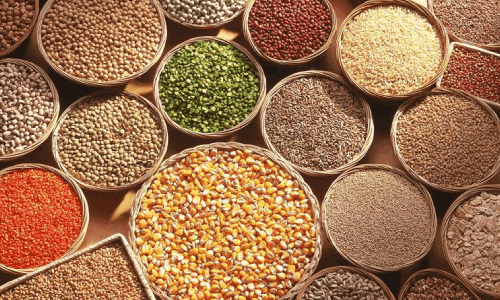
The internet has been singing praises about the goodness of millets for a while now. But are millets really that good and nutritious? Let us see what Ayurveda has to say about millets!  First things first, millets are indeed nutritious. They are packed with essential nutrients and have been a staple in the diets of many cultures for centuries. They are a good source of dietary fibre, vitamins and minerals. However, Ayurveda offers a unique perspective on millets and their consumption.  If your digestion is important, don’t make millets an everyday part of your diet – instead have them once or twice a week! This is because millets are mentioned as “Kudhanya” (unwholesome grain) in Ayurveda and they can disrupt the balance of Doshas if taken on a regular basis.  In the past, the kings and the brahmins and those who belonged to the upper class of the society only could eat nourishing grains like rice and wheat. Millets were mostly eaten by the lower sections of the society as they were more affordable though less nourishing.  But not all millets are made equal. Some millets are good for Vata, some are good for Pitta and Kapha but not Vata and so on.    Best millets to consume according to Ayurveda    It’s important to note that not all millets are created equal in the eyes of Ayurveda. Ayurveda recognizes that various millets have different effects on the Doshas, making some more suitable for specific body types. Ayurveda recommends some millets. Here are they,    Jowar (Sorghum)    Jowar has gluten but is light to digest. It also has cooling properties. It is best to consume Jowar once or twice a week as it is “Kledakara” (clogs channels) and increases Vata.     Bajra (Pearl Millet)    Bajra is a gluten-free millet and is very light to digest. It is an excellent choice if you are trying to lose weight or if you have a sensitive digestive system.    Barley    Barley is one of my favourite millets!  It helps eliminate mucous and relieve constipation. It is also excellent for consumption during spring and fall. Also, drinking barley water is beneficial in urinary tract infections.  Barley is of 2 types. Do not use the smaller type (Yavaka) every day.   Ragi (Finger Millet)    Ragi is another favourite of mine. It is gluten free and is rich in protein. The millet is also super light and digestive.    Ragi also helps balance all Doshas and rejuvenate your body. It also purifies blood and acts as an aphrodisiac.      While Ayurveda recommends the consumption of the millets mentioned above, it is essential to be aware of certain considerations. Experts generally consider millets as goitrogens – substances that may interfere with thyroid function. Therefore, you should not consume them if you have thyroid issues.  You can join our  Health Programs for mind and body detox.   If you are struggling with any health issues, you can either book a consultation with us or send us a message via WhatsApp to +91 79074 89839. We have the best Ayurvedic doctors in Trivandrum who are always glad to help you. If you have any queries, contact us.  You can also visit us at our hospital.

Sleep Your Way to a Healthy Life

Adequate and restful sleep is critical for the body to heal and repair itself and lack of it can lead to many health problems. In this article, let us explore the importance of sleep for our health according to Ayurveda.   According to Ayurveda, proper sleep is essential for good health and well-being. In Ayurvedic philosophy, it is considered one of the three pillars of life; moreover, it stands alongside diet and lifestyle.   In Ayurveda, sleep is considered, in fact, a natural state of rest and, furthermore, rejuvenation.  According to Ayurvedic principles, the human body is composed of three Doshas or biophysical energies – Vata, Pitta and Kapha.  Each of these Doshas, therefore, has a unique influence on our sleep patterns and, its quality.    Ayurveda believes that a balanced Dosha system is necessary for good sleep.  An imbalance in any of the Doshas,  can lead to disturbances and, as a result, health problems.      Restful  Sleep, Stronger Health    Ayurveda acknowledges the importance of sleep for health and well-being. According to Ayurveda, there are a number of ways that getting enough sleep can be beneficial to our health:     Rest and rejuvenation  It is a natural state of rest and rejuvenation, and the body uses this time to repair and regenerate itself. During the process, the body produces growth hormones, which are essential for cell repair and tissue growth.    Immune system booster  It is also necessary for a strong immune system. The body creates cytokines , which are proteins that aid in the fight against stress, infection and inflammation.     Enhances cognitive function  Proper sleep is essential for cognitive function; moreover, it plays a crucial role in memory consolidation and learning. It is also essential for mood regulation and emotional balance.     Improves digestion  Adequate sleep is critical for good digestion and metabolism. It helps to regulate hormones that control appetite and digestion, and lack of it can lead to weight gain and metabolic imbalances.     Reduces inflammation  Cancer, diabetes and heart disease are just a few of the chronic health problems that inflammation in the body is a key cause of. Getting enough sleep is essential for reducing body inflammation.       Ayurvedic tips for Better Sleep   Furthermore, Ayurveda offers many natural remedies and lifestyle practices for improving its quality.  Here are some Ayurvedic tips: Have a consistent schedule  Even on weekends, Ayurveda, therefore, advises maintaining a consistent bedtime and wake-up time. Better, it is encouraged furthermore, the body’s natural cycle is helped to be regulated.     Create a relaxing  environment  A dark, quiet and cool environment is  ideal.  Avoid bright lights and loud noises in the bedroom; furthermore, keep the temperature cool and comfortable.    Practice relaxation techniques  Ayurveda recommends relaxation techniques such as meditation, deep breathing, and yoga for reducing stress and promoting better sleep.    If you are struggling with any health issues, you can either book a consultation with us or send us a message via WhatsApp to +91 79074 89839. We have the best Ayurvedic doctors in Trivandrum who are always glad to help you. If you have any queries, contact us.  You can also visit us at our hospital.

What is real yoga?

YOGA   Today, you can see different forms of yoga in the internet. But, are all of them real yoga? My answer is no. Then, what exactly is real yoga? Let’s explore… According to Ayurveda, real yoga is a complementary exercise that can assist people in achieving this balance by enhancing their physical and mental well-being, enhancing their digestion and lowering their stress levels. It comprises exercises like Pranayama (breathing methods), meditation and mantra chanting in addition to physical postures or Asanas. These techniques support people in balancing their Doshas or energies and advancing general wellness and vigor. Ayurveda regards the idea of Ahimsa or non-violence as one of the fundamental tenets of true yoga. This idea encompasses not just what we do physically, but also what we think and say. Ahimsa practice can help people develop a deeper sense of kindness and compassion for both themselves and others, which can help them feel better emotionally and experience less stress.   The emphasis on the breath in authentic yoga, according to Ayurveda, is another crucial component. The breath is utilized to help people balance their Doshas and encourage better physical and emotional health in Ayurveda is considered to be the link between the mind and body. The breath is considered the link between the mind and body. People can learn to control their breathing and reach deeper levels of relaxation and inner calm by using Pranayama practices. Ayurveda’s definition of real yoga emphasizes the value of leading a healthy lifestyle and eating well. Ayurveda views food as medicine and advises people to follow a diet that is suitable for their Dosha type to promote their overall health and well-being. In a similar fashion, individuals should regularly practice self-care, yoga, and meditation to maintain emotional balance and reduce stress. Last but not least, genuine yoga as defined by Ayurveda is a comprehensive practice that necessitates a customized approach. Each individual, according to Ayurveda, should customize their practice to meet their unique needs and Dosha type. Working with an Ayurvedic practitioner or yoga instructor can help individuals create a personalized practice for a healthy lifestyle.    If you are struggling with any health issues, you can either book a consultation with us or send us a message via WhatsApp to +91 79074 89839. We have the best Ayurvedic doctors in Trivandrum who are always glad to help you. If you have any queries, contact us.  You can also visit us at our hospital.

Coconut Water in Ayurveda

Ayurveda places great importance on natural remedies and nutrition for maintaining a healthy body and mind. Tender coconut water is one of the most treasured natural remedies in Ayurveda.  This refreshing drink is rich in nutrients and has numerous health benefits, making it a staple in Ayurvedic practices.