Ayurveda’s Take on Alcohol

For many, celebrations are incomplete without alcohol. But have you ever wondered what Ayurveda says about it?   Interestingly, Ayurveda doesn’t completely forbid alcohol. Instead, it stresses moderation and mindful consumption.     Is Alcohol Allowed in Ayurvedic Practices?     Yes, there is mention of alcohol within the medicinal context in Ayurveda.    Ayurvedic preparations like Draksharishta contain self-generated alcohol. These are made using natural fermentation techniques and contain healing herbs for health benefits.    However, recreational use of this should be approached with caution.     Effect of Alcohol on Doshas     Pitta Dosha: Alcohol has heating, sharp and penetrating properties. Too much of it aggravates Pitta-related conditions like acidity, liver inflammation and skin rashes.   Vata Dosha: Alcohol has a drying effect too, and this can aggravate Vata Dosha causing anxiety, restlessness, and digestive issues. Its drying nature can disturb mental clarity, cause dehydration, and can also lead to joint pain or bloating.   Kapha Dosha: High indulgence can overburden Kapha Dosha, resulting in excess mucus secretion, lethargy, weight gain and sluggishness.   To counterbalance these effects, Ayurveda emphasizes moderation and pairing with the right foods.     Is Drinking Alcohol Allowed in Ayurvedic Diet?     Alcohol is not forbidden in Ayurveda, but it is not advised as part of an Ayurvedic lifestyle. If you drink, take the following into account: Do not drink on an empty stomach To calm Pitta, consume cooling and sweet foods the next day Drink twice the water to stay hydrated     Ayurvedic Remedies for Alcohol Detoxification     For the consumers, detox is a must for the negative effects to not take a toll on you. Ayurveda recommends: Dry fruits: To get rid of the hangover, soak some dry fruits the night before and eat them in the morning. Figs, dates or black raisins are great for reducing Pitta and fighting dehydration.   Draksharishta: Consume 15 ml of this Ayurvedic tonic mixed with an equal amount of water after meals. It helps the health of the liver and digestion.   Head massage: At my clinic, I prepare a night routine oil with pure sandalwood in it. Use this oil for a head massage followed by a cold shower.      Alcohol and Digestive Fire (Agni)     Ayurveda places great importance on Agni – the digestive fire. Alcohol, when consumed in large amounts can dampen your Agni, resulting in indigestion, flatulence and toxin build up (Ama). To support your Agni: Eat light, easily digestible meals after drinking   Avoid mixing alcohol with fried or heavy foods   Drink herbal teas with ginger or fennel to strengthen digestion.     An Ayurvedic Perspective on Alcohol     “Madhye tu matra gunatmanam, ati doshakaram nrunam.” [Charaka Samhita, Sutrasthana Chapter 24, Verse 30]   Translation: “Alcohol in moderation is beneficial, but in excess, it becomes harmful.”   The key is Yukti – using appropriate judgment. As per Ayurvedic texts, alcohol can act as both nectar and poison. The impact depends on the dose, person and situation.   It is, therefore, used in Ayurveda as a solvent in formulations like Asavas and Arishtas.  These are herbal preparations created through natural fermentation and are used for specific ailments.    Ayurveda sees alcohol addiction as an imbalance in the mind and body. Through detoxification treatments such as Panchakarma, both liver health and mental health can be restored.   Too much alcohol disrupts the balance of Doshas, impairs Agni and causes a toxin build-up. Ayurveda emphasizes Madhyama Matra – the middle path of moderation. Small amounts of alcohol, consumed mindfully, may be acceptable, but overindulgence is harmful.   Instead of the conventional alcoholic drinks, you can opt for Ayurvedic drinks such as Herbal Teas or Draksha Rasa (grape juice). They not only satisfy the palate but also provide nourishment and balance.   Fermented drinks like Takra (buttermilk) and herbal infusions are better alternatives. These drinks are light on the system, assist in digestion and support Dosha balance.     A Quick Reality Check     So, before you raise a glass at your next gathering, remember that alcohol is not essential to celebration. Ayurveda inspires us to live a life with balance and mindfulness.    If you decide to drink, do so responsibly, and always pair it with self-care practices to minimize harm. Or better yet, explore Ayurvedic alternatives that nourish both body and soul.   Alcohol can be a part of life, but it doesn’t have to be the whole thing. Choose balance, moderation, and care for your body because health is the ultimate wealth!   If you are struggling with any health issues, you can either book a consultation with us or send us a message via WhatsApp to +91 79074 89839. We have the best Ayurvedic doctors in Trivandrum who are always glad to help you. If you have any queries, contact us.  You can also visit us at our hospital.

Ayurvedic Treatment for Hypertension

Hypertension or high blood pressure is also referred to as a silent killer. Do you know why?   Most people with hypertension don’t know they have it. This condition quietly stresses the heart and arteries and raises the risk for serious problems like heart disease, stroke and kidney failure.    Considering this, you would be further shocked to hear that 46% of people with hypertension are unaware of it.   Let us explore the condition from an Ayurvedic perspective:     What is Hypertension?     Hypertension is a lifestyle disease marked by elevated arterial pressure. When your blood vessels continuously work under high pressure, it takes a toll on your heart. This adds up over time, leading to complications if untreated.     Causes of Hypertension (Modern Perspective)     Modern science identifies several causes of hypertension, such as: Family history of high blood pressure Obesity and lack of physical activity Chronic stress, smoking, and alcohol consumption A high-salt diet Certain medications like birth control pills, steroids, NSAIDs, and decongestants Other health issues like diabetes, sleep apnea, and hypothyroidism     Hypertension in Ayurveda     Ayurveda, however, looks at hypertension from a different lens.    The condition as a result of vitiation of Pitta and Vata Doshas in the Raktha Dhatu (blood tissue). If these Doshas are not in balance, they affect the quality of blood and its flow thereby causing hypertension.   The Ayurvedic principles focus on correcting such imbalances by optimizing Agni (digestive fire), which is the key to good health.   Causes of High Blood Pressure (Ayurvedic Perspective)   According to the Charaka Samhita — one of the most authoritative texts of Ayurveda — here are the potential culprits for hypertension:   Madyapana: Consumption of excess alcohol Excess Lavana: High salt consumption Heavy foods: Eating fatty, oily and overly sweet foods Diwaswapna: Daytime napping Krodha, Bhaya and Shoka: Emotional stress such as anger, fear, sadness Shrama: Excessive work effort or physical strain Beeja Dushti: Personal family history of hypertension Chronic conditions: Diabetes, obesity and kidney problems     Ayurvedic Treatment for Hypertension     If you’ve been battling high blood pressure, here’s what treatment looks like in my practice.   The first and foremost step in managing hypertension is Nidana Parivarjana, which means identifying and removing the root causes.     My three-month program     Keeping in mind all the root causes of hypertension, my hospital offers a three-month complete treatment plan. During this time, my team and I closely monitor the patient’s diet, routines, blood pressure readings, mental health, sleep patterns and exercise habits during this period.     Month 1  :  Balancing Pitta and Rakta     In the first month, we try to cool down Pitta and improve the quality of Raktha Dhatu. This is achieved through:   A customized diet plan tailored to Dosha imbalances. Gentle detoxes to cleanse the body. Mild herbal formulations to support the process.   By the end of the first month, patients typically observe major improvements in blood pressure.     Month 2 :  Treating Other Doshas and Dhatus     Once the initial imbalances are corrected, the focus shifts to balancing other Doshas and Dhatus (tissues). During this phase:   When the BP reading turns out to be normal, a subsequent customized diet plan is offered. The use of modern medicines (if the patient is taking any) is lowered, but always under supervision.     Month 3 :  Stabilizing and maintaining     By the end of the third month, patients typically control their blood pressure well. The majority of patients need only mild herbal remedies and in some cases no medicines at all.   In cases where patients have a slower response due to overly relying on modern medicines or co-morbidities, the program may extend to six months.   However, by the end of the treatment, the blood pressure would be under control and the patients are either on mild low doses of herbs or sometimes none!       Lifestyle Tips to Manage Hypertension       Before starting any treatment, take a second to examine what could be causing your hypertension. What is something you can change at this moment?   Here are a few small but powerful changes you can implement:   Cut down on salt: Do not eat processed and salty food. Instead of table salt, use Himalayan or rock salt in moderation. Stay active: Include mild exercises such as walking, yoga or stretching. Do not work out excessively as strenuous workouts will raise Vata. Mind your meals: Eat freshly cooked, warm meals. Avoid heavy, fatty, and overly sweet foods. Manage stress: Try practices that calm your mind, such as  mindfulness and meditation or deep breathing exercises. Emotional stress is a significant contributor to hypertension. Sleep well: Get regular sleep and avoid daytime naps (Diwaswapna). Limit alcohol: Consumption of alcohol more than the acceptable amount is known to be an inducer of hypertension. Cut back and try to avoid it completely. Avoid over-exertion: Balance is key. Overworking your body or mind can aggravate Doshas.   Hypertension doesn’t have to rule your life. By making appropriate changes to your diet, routine, and thought process, you can revert your blood pressure to a normal level easily.   Remember, the first step is identifying the root cause and removing it. The Ayurvedic approach is not just about treating symptoms; it’s about bringing balance to your entire being.   If you’re ready to regain control of your health, begin making small changes today. And if you’re looking for direction, my team and I are here for you. If you have any questions feel free to reach out to me so we can get you started toward a healthier, and more balanced life!     If you are struggling with any health issues, you can either book a consultation with us or send us a message via WhatsApp to +91 79074 89839. We have the best Ayurvedic doctors in Trivandrum who are always glad to help you.… Continue reading Ayurvedic Treatment for Hypertension

ADHD: The Ayurvedic Perspective

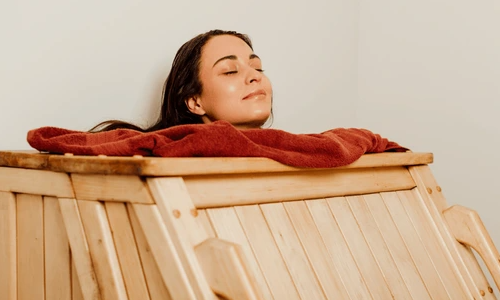
Attention Deficit Hyperactivity Disorder or ADHD, is increasingly becoming a topic of conversation in both medical and social circles. While the modern world labels it as a neurodevelopmental disorder requiring medications, Ayurveda views it through a different lens.  Ayurveda has a simple definition to this condition – Vata imbalance. All symptoms of “ADHD” are a result of your Vata Dosha going off balance. Ayurveda offers a holistic approach involving diet, lifestyle practices and herbal medicines (if needed) to tackle Vata imbalance.      What is ADHD or Vata Imbalance?     ADHD symptoms often appear as early as between the ages of 3 and 6 and can persist into adulthood. Common symptoms include: Hyperactivity Impulsiveness Racing thoughts Easily distracted  Difficulty focusing Irritability Short attention span Absent-mindedness Bored of consistent routines Poor time management Losing or misplacing things Interestingly, these traits align closely with the qualities of Vata Dosha in Ayurveda. Vata governs movement, both in the body and mind. When it’s imbalanced, the mind becomes restless, unfocused, and impulsive.   Why Avoid Modern ADHD Medications?   Medicines such as Adderall and Ritalin are commonly prescribed for ADHD. While these drugs may offer temporary relief, they often come with significant side effects like addiction, gut issues and even heart problems.  Unfortunately, due to aggressive marketing by pharmaceutical companies, ADHD is now portrayed as a “serious disease” that requires medication. Most doctors overdiagnose ADHD due to this marketing pressure. But here’s a fact: ADHD symptoms exist on a spectrum and therefore, it is very difficult to  and are often manageable through lifestyle interventions.  From an Ayurvedic standpoint, balancing Vata through natural methods can bring remarkable improvements without harmful side effects.   Ayurvedic Remedies for ADHD    Managing a Vata mind is not about suppression but balance. Here are some Ayurvedic remedies and effective lifestyle tips:   1. Daily oil massages Daily oil massage, especially with organic black sesame oil, is a cornerstone of Vata management. Vata is dry You can do Abhyanga or self-oil massage on your whole body as a part of your daily routine and even a 5-minute foot massage before bed. It nourishes the body and calms the mind. Oiling the joints is particularly important.  Learn how to do Abhyanga at home here:   2. Incorporate healthy fats into diet Adding good fats, like ghee, to your meal can reduce internal dryness and support digestion. They help nourish the body but also ground the mind.   3. Stay warm Cold aggravates Vata. So, avoid cold and long showers. Use warm water for bathing, and always keep your feet warm. Therefore, wear socks and, as a result, protect yourself from cold winds and air conditioning.   4. Avoid over-exertion Exercise is essential, but over-exertion can worsen Vata. Stick to light to moderate activities like yoga, which promote balance without exhausting your body.   5. Embrace grounding practices Vata is light and the opposite of light is heavy, meaning Earth. So, do earthing and grounding practices. Go outside and connect with nature. Walk barefoot on soil, grass and sand. But, do not walk on cold surfaces as it may aggravate Vata.    Daily Lifestyle Tips for Vata Balance   Living with a Vata mind doesn’t have to be a challenge. These lifestyle tips can help you:   Organize your space: Start by cleaning your room or workspace.When the environment is clutter free, it helps the mind to focus. Plan your day: Write down a full day’s schedule before going to bed. Avoid fasting: Skipping meals can aggravate Vata. Eat regular, balanced meals. Connect with nature: Spend time outdoors, preferably barefoot in a park with greenery. Say no to stimulants: Avoid coffee, tea, and other stimulants that disturb the mind. Avoid cold foods: Stick to warm, freshly cooked meals. Cold and raw foods can imbalance Vata. Steam baths and saunas: Do this thrice a week to relax and ground yourself. Shift to yoga: If you’re into intense workouts, consider yoga for a more balanced routine. Avoid overexertion and honour your body’s need for rest.   You Aren’t Alone. I Am Like You!   Growing up with a Vata mind wasn’t easy for me. I’ve always had a short attention span, yet my focus, albeit brief, was razor-sharp. This allowed me to grasp concepts quickly and connect seemingly unrelated ideas to creative solutions. My impulsiveness? A double-edged sword—it made me seize opportunities, but it also led to challenges. Over time, I learned to channel my Vata energy into creative pursuits and balanced my lifestyle with Ayurveda. Today, I feel empowered, not hindered, by my Vata traits. I’ve always feared boredom, so I structure my day with a mix of activities – consultations, course preparation, overseeing medicine production, and creating content. For me, a Vata mind isn’t a weakness but a unique strength.   Channeling the Vata Mind   When people ask me how to “treat” a Vata mind, I laugh. You don’t need to treat it. You need to channel it. With the right balance of routines and lifestyle choices, a Vata mind can become your greatest asset. It’s about using its creativity and energy to your advantage. People with ADHD or Vata traits often excel in creativity; moreover, they demonstrate exceptional problem-solving skills and, they are quick learners.  What’s important is effectively channeling this energy. By following Ayurvedic principles, you can transform your Vata mind into a powerful tool for innovation and success. So, if you or someone you know is popping pills for ADHD, think twice. Try these Ayurvedic tips. They’re simple, effective, and life-changing. And if you need more guidance, don’t hesitate to reach out to me. Let’s break free from the pharma-driven propaganda and embrace the natural, balanced life Ayurveda offers. Are you with me?   If you are struggling with any health issues, you can either book a consultation with us or send us a message via WhatsApp to +91 79074 89839. We have the best Ayurvedic doctors in Trivandrum who are always glad to help you.… Continue reading ADHD: The Ayurvedic Perspective

Ayurvedic Guide for a Balanced and Blissful New Year

New year is just around the corner, and I hope you are all set to make 2025 your best year!    The beginning of the new year is a perfect time to reset your mind and intentions. It’s all about becoming a healthier and happier version of yourself.    If you’re wondering where to start, Ayurveda offers ways to balance your body, mind, and soul.   Let’s dive into some easy Ayurvedic tips to make this your happiest year ever!     Start the New Year by Gratitude Journaling     Have you ever tried practising gratitude? It’s simple but incredibly powerful. Start your day by writing down just three things you’re thankful for. It could be anything – big or small. This tiny habit, in fact, can significantly shift your mindset and, as a result, fill your day with positivity.   Grab a notebook or a piece of paper, jot down the blessings in your life, and notice how the weight on your heart begins to lift. You’ll feel lighter, calmer, and more content.   Gratitude journaling is like giving your brain a refreshing rinse. It not only clears out the negativity, but also makes room for happiness to flow in. Think of it as a daily reset button for your thoughts.    Simple steps, big impact. Why not give it a try? You’ll be amazed at how much brighter life feels.     Follow a Daily Routine     Following a daily routine or “Dinacharya,” as Ayurveda calls it, benefits your overall health and also brings in a sense of discipline in your life.    If you aren’t someone who follows a consistent daily schedule, this new year is the perfect time to start.    Dinacharya sets the tone for your day.    Get up early between 4:00 AM and 6:00 AM – during Vata Kala. Scrape your tongue and drink warm water. Follow this with Abhyanga, exercise, shower and a nourishing breakfast.    Healthy resolutions are easier to maintain when you enjoy them.         Want to know more about Dinacharya? Download my ebook for free!      Balance Your Doshas     In Ayurveda, balance is everything. Your Dosha – Vata, Pitta, or Kapha – affects both your body and mind.  Start the new year by understanding your Prakriti, if you haven’t already. Also, take a moment to check if your Doshas are in balance.  The foods you eat play a big role in maintaining balance. For example, warming foods are great for Vata, cooling foods help Pitta, and light foods are best for Kapha.  Adjusting your diet based on the season can really help support your overall health. If you focus on balancing your Doshas, you’re already halfway to a healthy year ahead!   Seek the help of a qualified Ayurvedic doctor to understand your Prakriti, dominant Doshas and to plan a diet and lifestyle that best suits you.      Engage in Detoxification Practices     Detoxing is a requisite after the excesses of the festive season.    You can opt for Panchakarma therapy – the detox system that helps get rid of toxins (Ama) from your body and resets your body’s natural rhythm. Therefore, consult with an Ayurvedic doctor to understand which procedures suit you the best.   Or maybe start with something simple, like having cleansing foods.    Your gut and, of course, your skin will thank you.     Mindful Eating for Mental Clarity     Let’s eat mindfully this year. Slow down, chew, involve all your senses and enjoy each bite.    Ayurveda advocates for dining in a relaxed atmosphere to stimulate digestion and enhance cognitive clarity. Trust me, your food will taste better and your brain will feel clearer.     An Ayurvedic Diet for a Fresh Start     Ayurveda believes that food is medicine. Your poor gut health is the root cause for all diseases. So, if you’re to focus on self-care this new year, start with your diet.     Follow an Ayurvedic diet designed according to your Prakriti, Dosha imbalances and health conditions.  Include seasonal fruits and veggies, whole grains, and spices such as turmeric, cumin, and coriander. Do not forget to add ghee. It’s great for digestion and immunity.  Therefore, stay away from processed food; instead, go for fresh, warm, and easily digestible food.     Skin and Hair Care  for New Year     Start the year with  self-care.   Try Abhyanga or self-oil massage with organic black sesame oil to moisturise your skin, relax your nervous system and increase circulation.  Also, follow a hair care routine that will give you healthy, strong hair.    But do not leave oil on your hair overnight and use water at normal temperature to wash your hair.    You can check out my haircare routine here.     Ayurvedic Herbs for Boosting Immunity     Catching a cold right after New Year’s Eve is no fun.    December and January are the coldest months of the year.    Don’t worry! Ayurveda has you sorted.    The immunity boosters of Ayurveda like Tulsi tea, Chyawanprash and Turmeric milk will keep you healthy. Incorporate Ayurvedic herbs such as Giloy, Guduchi, and Mulethi (licorice) into your daily routine to prevent diseases and stay active.     Ayurvedic Techniques for Stress Management     New Year, new calm.   Meditation     Meditation for 10 minutes in the morning is indeed, the go-to tool for stress management.   It is all about shifting your attention to your inner self for a while.    Still, if it seems too much, practice Pranayama (breathing exercises) to soothe the mind instantly. Kapalbhati and Anulom Vilom are two such breathing techniques that boost the serotonin hormone in the body. This hormone is responsible for making you feel good. So go for it!   These simple practices create peace and balance even on the busiest days.     Yoga     Yoga helps balance your body and mind.    Start your day with… Continue reading Ayurvedic Guide for a Balanced and Blissful New Year

Winter Wellness with Ayurveda

Winter is a magical season –  a time when nature slows down, inviting us to rest and rejuvenate. It’s also a season that challenges our body, especially our skin and digestion, due to the cold and dry weather.  Ayurveda offers a treasure trove of remedies and practices to help us stay healthy, balanced and radiant during the colder months. In this blog, we’ll explore practical Ayurvedic tips for winter wellness.     Ayurvedic Approach to Skin Health in Winter     During winter, Vata and Kapha are aggravated and cause dry skin. According to Ayurveda, all chronic dryness-related issues fall under Kushta (skin disorders). Vata imbalance: Causes dryness. Kapha imbalance: Leads to itching. Rakta (blood) imbalance: Causes redness and irritation. However, the primary imbalance is always Vata in all kinds of dryness issues and the only treatment for this is nourishment both from inside and outside.   Dry Skin vs Gut Health: The Connection   Dry skin isn’t just about harsh weather but also an internal imbalance. According to Ayurveda, poor gut health is a major culprit for dry skin. Here are some solutions: Keep your bowels regular: Vata resides in the large intestine. Irregular bowel movements can worsen Vata imbalance, leading to dryness. Constipation, often triggered by overthinking and stress, is a common culprit. Calm your mind: Since the gut and brain are closely linked, grounding practices like yoga and mindfulness can help. Timing for fruits: Eat fruits during the warmer hours of the day (11 a.m. to 5 p.m.) to aid digestion. Good fats and spices:                                                                                                          Incorporate good fats into your diet, like ghee, nuts, and seeds, to keep your skin and body lubricated. Also add warming spices like ginger and cinnamon to boost your digestive fire.   Are Hydrating Creams Helpful?   Do the so-called hydrating creams with hyaluronic acid and many other fancy ingredients that burn a hole in your pocket really hydrate? The answer is a big no! Think about how your skin feels after swimming or showering – it’s often drier than before. Why? Because water is drying.  Water doesn’t moisturize; rather, it depletes natural oils from your skin. Water-based products, though marketed as hydrating, can actually dry your skin. The opposite of dryness is oiliness, not wetness. So, the best way to keep your skin hydrated is by applying oil.  The best oil for combating dryness is organic black sesame oil. Now you might be arguing – Why not coconut oil? Many modern doctors advise using coconut oil on the body but trust me it will dry you out further.  Unlike coconut oil, which is naturally drying, black sesame oil deeply nourishes and balances Vata Dosha – the primary culprit for dryness. But external oiling is just one part of the equation. Internal hydration is even more critical. While topical treatments might provide temporary relief, true hydration begins from within.    The Magic of Shat Dhaut Ghrita (SDG)   Shat Dhaut Ghrita means “100 times washed ghee.” This Ayurvedic remedy transforms ghee into a silky, neutral-pH cream that penetrates deeply into the skin. You may be wondering why I recommend using a hundred times washed ghee for skin conditions. Why not use plain cow ghee?  To understand this, first, let me explain the process of Samskara to you. So, when you convert one substance into another, it is called Samskara in Ayurveda.  When we do Samskara of ghee by washing it 100 times, the particle size of ghee is also reduced. Hence, something that was granular, thick and heavy is now changed to smooth, silky and easily penetrable into the skin. Now your skin is able to absorb this ghee much more easily and quickly.  SDG makes your skin properly nourished because of the active particles going deeper into the skin.  SDG is the ultimate moisturizer for winter skin care. It is great for chapped lips, cracked feet, sunburn and household burns.  The best part is you can easily make SDG at home.    Use SDG after showering for the ultimate winter skincare experience.   Don’t Diet in Winter!   As soon as holidays get over and the new year begins, everyone makes resolutions to lose weight. However, Ayurveda says that winter isn’t the time for restrictive dieting.    Your digestive fire is strongest in winter During winter, the outside environment is cold. So your body produces more heat to keep it warm internally. This process is similar to homeostasis which ignites your Agni (digestive fire), allowing you to digest heavier foods.  During winters, you automatically feel a craving for rich, creamy and spicy food. This is your body’s internal mechanism or intelligence telling you to eat all these because the body is craving for it.  There is no harm in eating the heavy stuff made with Urad dal and wheat during this time which are contraindicated during the other seasons.  However, portion control is key – always leave some room in your stomach to avoid overwhelming your digestion. Build immunity and strength Winter is ideal for physical activity, strength training and sex. This is also the best time to enhance stamina and immunity for the year ahead.  In summer, the heat weakens Agni and reduces the body’s strength. Foods consumed in winter help sustain the body’s energy and immunity during this time.   Nourishment Through Diet   Your diet is the cornerstone of winter wellness. Ayurveda emphasizes eating warming, nourishing foods to balance Vata and support digestion. Here are some diet tips for winter: Start your day with ojas tea This tea, enriched with licorice, nourishes all seven Dhatus (tissues) and boosts vitality. Sip warm water and herbal teas Boil water with dry ginger and sip it throughout the… Continue reading Winter Wellness with Ayurveda

Overthinking – The Silent Ailment

Are you an overthinking person ? If you’re not sure, try answering these questions:   Does your mind never keep quiet ? Does it keep on chattering, blabbering and even exaggerating the thoughts to the point of being ‘unrealistic’?   One minute you’re replaying a conversation between you and someone, the next, your mind creates wild scenarios that leave you feeling worried and stressed. It’s like your brain is weaving a web; consequently, you’re stuck right in the center of it.   Does any of this sound familiar?   If so, you may be an overthinker. Overthinking is often brushed off as harmless, but it’s a silent disease that affects both our mind and body. So let’s unpack overthinking further, what it can do to us and how we can employ a simple yet powerful technique to break free from it.   What Is Overthinking?     Overthinking is when your mind goes into overdrive, replaying past events or imagining endless possibilities of what could go wrong. It’s not just mental – it can manifest physically too. Muscle tension, stiffness, unexplained body aches—these are often linked to overthinking. Moreover, they can significantly impact overall well-being. In my clinic, I see this pattern often. Patients come with physical complaints, but their tests are normal. When I ask, “Do you overthink a lot?” the answer is usually yes. The mind and body are deeply connected. When your mind spirals, your body feels the impact.   A Personal Revelation   To be very honest, initially, I used to be an overthinker myself. But two things changed that: I became too busy to indulge in overthinking, thanks to my work and the people around me. I stumbled upon a powerful verse from the Bhagavad Gita:   उद्धरेदात्मनात्मानं नात्मानमवसादयेत्। आत्मैव ह्यात्मनो बन्धुरात्मैव रिपुरात्मनः॥   “uddhared ātmanātmānaṁ nātmānam avasādayet  ātmaiva hyātmano bandhurātmaiva ripurātmanah”  (Chapter 6, Verse 5)   “Uplift yourself through the power of your mind, and do not degrade yourself, for the mind can serve as both your friend and your enemy.”   This shloka, therefore, beautifully reminds us of the immense power our mind holds.  When trained, it can elevate us; when uncontrolled, it can weigh us down.   This verse was a turning point for me. It reminded me of a simple truth: you hold the key to your mind. Your mind can uplift you or, on the other hand, pull you down. Therefore, the choice is yours.     Why Do We Overthink?     Overthinking is often a  result of  fear – fear of the unknown, failure or making the wrong decision. But here’s the irony: most of the scenarios you imagine never actually happen. Overthinking is, in fact, like carrying an umbrella on a sunny day; consequently, you worry that it might rain.     A Powerful Technique to Stop Overthinking     You train your body by eating right and exercising. Similarly, you can train your mind. Here’s a simple guided meditation technique I recommend to my patients. It’s not a direct solution to overthinking but a way to understand your mind’s power. Follow these steps: Close your eyes and listen to the instructions carefully. Imagine a green cricket field. It’s vast, empty, and peaceful. Picture a batsman in yellow – a yellow shirt and yellow pants – batting alone. Now, switch your focus to a blue ocean. It’s calm and vast. At the farthest point, the orange sun is setting. Picture this serene scene. Next, think of a little girl in a white dress. She’s running joyfully in a garden filled with red flowers. Also, picture her laughter along with her carefree nature. Open your eyes.   What did you realize? When I asked you to think of the green field, you did. When I switched to the blue ocean, you followed. And when I introduced the girl, you moved on effortlessly. You switched your thoughts in seconds. This is the power of your mind. Your mind can shift from one thought to another with ease. The next time you find yourself stuck in a loop of overthinking, however, practice this technique.  Shift your focus to a positive or calming thought.   Why This Technique Works   This exercise shows you that: You are not your thoughts. Just like the batsman, ocean, or little girl, in a similar way, your thoughts are separate from you.   Your mind can be trained. With practice, you can, in fact, move away from negative patterns and, choose better ones.   The Mind Is a Friend or Foe   The Bhagavad Gita says it best: “Your mind is your closest friend and your worst enemy.” When you let your mind control you, it can create chaos. But when you take charge, it becomes your greatest ally. Start small. Whenever you catch yourself overthinking, say to yourself: I control my mind. My mind does not control me.   7 Tips to Break Free from Overthinking   Practice mindfulness Live in the moment. Focus on the present rather than worrying about the past or future. Write it down Sometimes, putting your thoughts on paper helps you see them clearly; furthermore, it allows you to organize your ideas effectively. Shift your perspective Ask yourself: Will this matter in a year? Take action Overthinking often stems from indecision. Make a small step toward resolving the issue. Limit distractions A disorganised environment can lead to a disorganised mind. Simplify your surroundings. Move your body Exercise helps release pent-up stress and clears your mind. Practice gratitude Focusing on what you’re thankful for can shift your thoughts from worry to appreciation. You can even try gratitude journaling.     Overthinking doesn’t solve problems; it creates them. Remember, your mind is powerful; in fact, it can build mountains or, molehills. It can create storms or calm seas. You have the ability to choose. Control your thoughts before they control you. And the next time you catch yourself spiraling, try the green field, blue ocean, and little girl exercise. It’s… Continue reading Overthinking – The Silent Ailment

What Do Your Dreams Mean?

Dreams – aren’t they fascinating?   Sometimes, they feel like magical adventures. Other times, they leave us wondering, “What was that all about?”   Personally, I often dream about swimming in vast water bodies, struggling to reach the shore. It’s a relentless loop, and guess what? I never reach the shore!    Do you have recurring dreams too? Ever wonder if they mean something?   Well, in Ayurveda, dreams aren’t just random images. They’re a window into your subconscious mind, influenced by your body, mind, and even your Dosha balance. Curious? Let’s dive into what Ayurveda says about dream.   Why Do We Dream?   As per Ayurveda, dream start in the soul (Atma)  and are visualised by the mind. When you are asleep, it’s time for your conscious mind to take a break. But your subconscious mind? It stays active; consequently, it sorts through unresolved thoughts, emotions, and experiences. This is where it comes from—an intricate dance between your soul and mind.   Dreams, as described in Ayurvedic texts like the Charaka Samhita, are vast and complex, offering insights into our inner world.   The 7 Types of Dreams in Ayurveda   Ayurveda categorizes dreams into seven fascinating types: Dreams of things you have seen These are like replays of your day. Did you watch a movie or visit a bustling market? You might dream about it. Or you might see a person in your dream you met during the day or talked about. Dreams of things you have heard about Heard a spooky ghost story or an inspiring tale? Don’t be surprised if it pops up in your dream. Dreams of things you have experienced These come from past events – happy memories or even old fears resurfacing. Dreams born from pure imagination Sometimes, your mind creates its own stories, weaving dreams out of creativity. These are generally clueless. You can sometimes laugh in the morning at the weirdness of your dream last night. Dreams influenced by the universe According to Ayurveda, cosmic energies can impact your dream. These are subtle messages from the universe. Dreams arising from emotions When emotions like fear, anger or joy dominate, they shape your dreams. Dreams due to your Dosha Now, this is the most fascinating one. Your Dosha – Vata, Pitta, or Kapha – can influence the type of dreams you have. Let’s explore this in detail.   Dreams Due to Your Dosha   Ayurveda reveals that your it can reflect your body’s Prakriti (body type) or even Dosha imbalances. Here’s what different Dosha-related dreams might mean: Vata dream If you see yourself flying, climbing trees or riding animals and vehicles, it’s a sign of Vata’s influence. Vata governs movement and creativity, so these dreams often have a free-spirited, adventurous vibe.   Pitta dream Do you dream of fire, the sun, flashes of light or sunsets? That’s Pitta in action. Pitta represents heat and transformation; therefore, it mirrors its fiery nature.    Kapha dream If you see water bodies, lotuses or clouds, Kapha might be at play. These dreams often feel calm; in fact, they reflect Kapha’s grounding and nurturing qualities.     Meaning Behind Dreams   Dreams are like mirrors; in fact, they show you what’s happening inside your body and mind. They can be signals – calling attention to Dosha imbalances or unresolved emotions.   For example, if you constantly dream of chaotic events or feel restless in your sleep, it could point to an aggravated Vata. Similarly, fiery or intense dreams might suggest Pitta imbalance, while sluggish or water-filled dreams could indicate Kapha imbalance.   Bad Dreams and Nightmares   Not all dreams are pleasant. Some are unsettling and can leave you feeling drained. Ayurveda recognizes that bad dreams or nightmares aren’t healthy for the mind. They can disturb your mental peace; furthermore, they can even disrupt your sleep cycle. If you frequently experience a bad dream, it’s worth exploring ways to calm your mind and balance your Doshas.   Tackling Bad Dreams   One effective Ayurvedic practice to manage bad dream is Padabhyanga – a soothing foot massage with oil before bed. Why does it work? Because your feet have powerful energy points that are connected to your body and mind. Massaging them helps release tension, calm the mind, and promote restful sleep.   Learn more about  Padabhyanga here.   My Dream Loop   Here’s more about my recurring dream. It’s always about water bodies. I see myself swimming tirelessly, trying to reach the shore. But no matter how hard I try, I never seem to make it. This dream could be Kapha-related, as water symbolizes Kapha in Ayurveda. It might also reflect my subconscious mind working through some unresolved thoughts or emotions.   What about you? What dream visits you most often?   The Beauty of Ayurvedic Dream Analysis   The world of dream is vast and mysterious. Furthermore, Ayurveda offers a unique lens to explore them, connecting our inner world to the balance (or imbalance) of Doshas.  Understanding your dream isn’t just intriguing – it’s a step toward self-awareness. It helps you, therefore, listen to your body, mind, and soul; consequently, guiding you to restore harmony. So, the next time you wake up from a vivid dream, don’t brush it off. Pause. Reflect. It might just be your inner world sending you a message. What do your dreams look like? Let me know in the comments below.    If you are struggling with any health issues, you can either book a consultation with us or send us a message via WhatsApp to +91 79074 89839. We have the best Ayurvedic doctors in Trivandrum who are always glad to help you. If you have any queries, contact us.  You can also visit us at our hospital.

Fibromyalgia: The Ayurvedic Perspective

Fibromyalgia. It sounds like one of those intimidating medical terms that make you think, What does that even mean? But here’s the good news: fibromyalgia isn’t as scary as it sounds, and Ayurveda has some incredible insights into understanding and managing it.   What is Fibromyalgia?   Fibromyalgia is a condition where people experience chronic muscle and bone pain that doesn’t seem to have a clear cause. Doctors often use this term when all tests and investigations come back normal, but the patient continues to experience unexplained pain.   PubMed  describes fibromyalgia as a condition with chronic muscular and bone-related pain.   But, it also says that the etiology is unknown (no definite cause) and pathophysiology is uncertain (the exact disease process isn’t clear).    Now, this is where Ayurveda steps in with a fresh perspective.   Ayurveda’s Take: Vata and Vatavyadhi   In Ayurveda, chronic pain conditions often fall under a group of disorders called Vatavyadhi. To understand this, let’s talk about Vata. Imagine your body is a car. What keeps the car running smoothly? The tires. That’s what Vata is like—it drives all your body’s functions. When Vata is balanced, your body operates like a well-oiled machine. But the whole system can break down when it goes out of balance, just like a flat tire.   How Does Vatavyadhi Manifest?   When Vata becomes imbalanced due to poor diet or lifestyle choices, it starts affecting your blood, tissues and body channels (Srotas). This can lead to: Pain across the entire body Localized pain in specific areas A general sense of discomfort and fatigue Sound familiar? This could be what’s happening in fibromyalgia.   What Causes Vatavyadhi?   Several factors can throw Vata off balance. Here are some common culprits:   Cold, dry, uncooked foods What is cold and dry in our body? It’s Vata. Now think of salads, cold drinks, or raw veggies—they’re also cold and dry aggravating Vata. Staying awake at night Late-night binge-watching, scrolling, munching on junk food, etc. disrupt your body’s natural rhythm. Excessive exertion Excessive workouts at the gym or constantly engaging in activities without rest can worsen Vata. Emotional stress Negative emotions like sadness, overthinking, fear or anger play a big role. Poor eating habits Skipping meals, fasting excessively, or eating a low-calorie diet without nourishing your Agni (digestive fire) is one chief cause of Vatavyadhi. Weak digestion When your digestive system isn’t strong, toxins build up, further disrupting Vata.   Ayurvedic Treatment for Vatavyadhi (Fibromyalgia)   There are 80 types of Vatavyadhi, and an experienced Ayurvedic doctor can diagnose and treat them effectively. It is always advisable to visit a qualified Ayurvedic doctor in this condition. But here’s a sneak peek into the general treatment process:   1. Balancing Vata   To pacify Vata, it is recommended to start with lifestyle changes and simple practices.  Indulge in grounding practices like Yoga and meditation. Gentle yoga or a brisk walk is better than overexerting yourself. Try to improve your focus.   2. Nourishing the body   Nourishment is key. Don’t starve your body! Focus on warm, cooked, and easily digestible foods to keep your digestive fire burning bright.  Soups, stews, and khichdi are your best friends. To ensure your safety, it is best to avoid consuming anything that is raw, cold, or uncooked, such as raw salads.  Add good fats to your diet like ghee and sesame oil.  Skip the ice-cold drinks and opt for warm herbal teas instead.   3. Daily practices   Use organic black sesame oil to massage your body. This helps relax muscles and improve circulation.  Regular practices like Abhyanga (self-massage with oil), oil pulling, Ushapan (drinking warm water on an empty stomach in the morning), light workouts, and meditation are important changes you can make for yourself.      Regular bowel movements   Drink warm water with a pinch of ginger to keep your digestion on track. Daily elimination and regular detoxification can also make a huge difference.   Why is Ayurveda Ideal for Fibromyalgia?   Modern medicine often struggles to pinpoint the cause of fibromyalgia. It is classified as a syndrome; however, there is no definitive test or clear treatment plan. This often leaves patients managing symptoms like chronic pain, fatigue, and sleep disturbances without addressing the underlying issue. Ayurveda takes a completely different approach. It doesn’t just label fibromyalgia as a mysterious condition. Instead, it views it through the lens of Vatavyadhi – a disorder caused by an imbalance of Vata Dosha. Vata is responsible for movement, communication, and function in the body. When it becomes aggravated due to improper diet, lifestyle or mental stress, it disrupts the natural balance of the body, causing widespread pain and discomfort. But Ayurveda doesn’t stop at identifying the root cause. It provides a roadmap to healing. Fibromyalgia isn’t treated as a “one-size-fits-all” condition. The uniqueness of Ayurveda lies in its personalized approach. Ayurvedic doctors assess an individual’s body constitution (Prakriti) and imbalances (Vikriti) to craft a holistic treatment plan that restores harmony. Fibromyalgia doesn’t have to be a life sentence of chronic pain. By understanding the role of Vata and following Ayurvedic principles, you can regain control over your health and well-being. So, nourish yourself, take care of your digestion, and embrace the healing wisdom of Ayurveda. Got questions or experiences with fibromyalgia? Let’s discuss this in the comments!   If you are struggling with any health issues, you can either book a consultation with us or send us a message via WhatsApp to +91 79074 89839. We have the best Ayurvedic doctors in Trivandrum who are always glad to help you. If you have any queries, contact us.  You can also visit us at our hospital.

Fatty Liver Management with Ayurveda

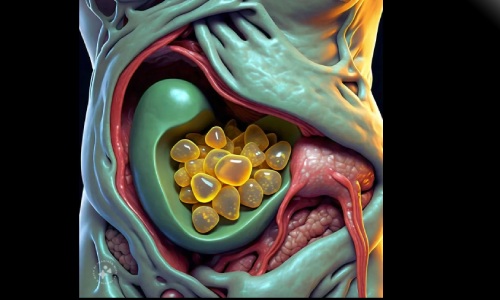
Shocking but true! In India, non-alcoholic fatty liver disease (NAFLD) is becoming alarmingly common, with 1 in 3 adults affected. If you’re living a sedentary life, eating heavy foods, or dealing with stress and aggression, your liver may be crying for help. Ayurveda refers to NAFLD as Yakrit Roga or Medo Roga. It is a metabolic disorder linked to an imbalance of Agni (digestive fire) and an unhealthy gut. Left untreated, this fat buildup in the liver can cause the organ to swell, posing serious health risks.  Let’s see how Ayurveda tackles this health condition holistically.   Causes of Fatty Liver According to Ayurveda     Ayurveda identifies specific lifestyle and dietary habits as the root causes of fatty liver: Sedentary lifestyle: A lack of physical activity slows metabolism and encourages fat accumulation. Consumption of heavy-to-digest foods: Rich, oily, or processed foods burden the digestive system. Overeating: Consuming beyond one’s capacity weakens the digestive fire (Agni), leading to fat deposition. Excessive spicy foods: These can cause inflammation and disturb the body’s Dosha balance. Hyperactive, aggressive mind: Emotional imbalances can directly impact liver health.    Ayurvedic Approach to Treating Fatty Liver     Ayurveda treats NAFLD through a combination of diet, lifestyle changes and mild herbal therapies. This holistic approach addresses the root cause of the imbalance rather than just managing symptoms.   Step 1: Reducing inflammation   Inflammation in the body must be addressed first. This is achieved by following an anti-inflammatory diet and, in some cases, incorporating mild herbs. The focus is on soothing the body and balancing the Doshas, especially Kapha and Pitta.   Step 2: Apatarpana – lightening the load   In this step, the emphasis is on reducing the fat or Medo Dhatu in the body by: Consuming easily digestible foods Introducing herbs that enhance digestion and metabolism. Increasing daily physical activity and avoiding sedentary habits.   Step 3: Purifying the blood   The liver’s role in cleansing the blood (Rakta Dhatu) is crucial. This step involves: A specialized diet to purify the blood. Mild herbal remedies tailored to the patient’s needs. Individualized cleansing therapies for the liver and intestines. By the end of three months, most patients show significant improvement, with ultrasounds often coming back clear. For more severe cases, an additional three months of treatment may be required.     Ayurvedic Perspective on Lifestyle and Diet     NAFLD is largely a lifestyle disease. Ayurveda emphasizes the importance of small but impactful changes:   1. Diet recommendations   Fast once a month: This gives the liver time to detoxify and reset. Avoid heavy, oily, and processed foods: While Ghee is beneficial, it should be used sparingly. Switch to light, warm soups for dinner: This eases digestion and reduces the liver’s workload. Reduce use of salt: High salt intake can strain the liver. Avoid “Guru” foods (heavy foods): Heavy foods, such as wheat, potatoes, and nuts like almonds and cashews are difficult to digest and can increase Kapha. Include bitter vegetables: They help detoxify the liver and balance Kapha. Make sure to have them cooked. Reduce sweet foods: Excessive sweets increase Kapha and contribute to fat accumulation.   2. Exercise regularly   Physical activity is essential to breaking down Kapha and reducing fat deposits. A 30-minute daily walk is a good starting point. Yoga practice or a light morning workout on an empty stomach yields wonderful results if accompanied by the right diet.    3. Emotional balance   Emotions like anger, stress, and anxiety can disturb the liver’s functioning. Practices like meditation, yoga or deep breathing and gratitude journaling help maintain emotional and mental balance.   Fatty Liver: Habits to Avoid     Stop doing these things right now to avoid being affected by this condition at any point in life:   Daytime napping: This worsens liver conditions. Staying awake at night: Lack of proper sleep affects the liver’s ability to detoxify and metabolize fats. Anger: Ayurveda connects anger to liver dysfunction. Ancient texts like Charaka Samhita emphasize the impact of emotional states on physical    Learn more about   Liver Health   Non-alcoholic fatty liver disease (NAFLD) is more than just liver fat. It’s your body sending you an alarm to start making healthier decisions.  That’s why the Ayurvedic approach is based on balance – balancing your diet, your emotions, and lifestyle so that you can treat your liver naturally. If you are diagnosed with NAFLD, do not jump to medications right away. Better wait and start with small things like eating healthy, working out, and managing emotions. Still, if these measures aren’t effective, see an Ayurvedic doctor.  Trust me, you can reverse fatty liver and regain your health with the right guidance without popping synthetic pills. Keep in mind that the liver is your master organ. Take care of it, and it will take care of you for a lifetime!   If you are struggling with any health issues, you can either book a consultation with us or send us a message via WhatsApp to +91 79074 89839. We have the best Ayurvedic doctors in Trivandrum who are always glad to help you. If you have any queries, contact us.  You can also visit us at our hospital.

Foot Massage in Ayurveda – Padabhyanga

Do you struggle with sleepless nights? If your answer is yes, let me introduce you to an Ayurvedic foot massage that can help — Padabhyanga.  Padabhyanga is not just the remedy for tired feet; it is also a gateway to a calm mind and restful nights.     What is Padabhyanga?     ‘Pada’ means foot and ‘abhyanga’ means massage. Hence it is an Ayurvedic foot massage done with the help of medicated oils. In fact, it’s not just a massage, but a therapeutic experience that restores balance and brings calm to your mind and body.  In Ayurveda, your feet are, indeed, considered the foundation of your body’s well-being. Furthermore, they play a crucial role in maintaining balance and harmony. By nurturing your feet, you support the balance of your entire system.   From an Ayurvedic point of view, Padabhyanga: Balances Vata and Pitta Doshas Strengthens the connection between body and mind Activates key Marma points in the feet, facilitating energy flow By focusing on these energy points, the therapy restores harmony and supports the healing process.     Why Foot Massage?     In Ayurveda, the body is likened to an inverted tree. The head represents the roots, nourishing the body. The limbs (arms and legs) are the branches, performing essential functions. Without strong roots and healthy boughs, the tree cannot flourish. In the same way, if one part of your body is out of balance, it influences the rest. When you practice Padabhyanga, you stimulate key points in your feet connected to other parts of your body. This simple therapy provides profound benefits not just for your feet but for your mind and internal systems as well.     What Can  Padabhyanga Do?     Ayurvedic foot massage a.k.a. Padabhyanga offers numerous incredible health benefits:   Relieves anxiety and alleviates stress Padabhyanga releases the accumulated stress of the day. The rhythmic strokes and herbal oils calm the nervous system and create a sense of calm.   Improves sleep quality Foot massage is especially beneficial for those who have insomnia or a disrupted sleep pattern. With regular practice, you can have nights of uninterrupted peaceful sleep.   Enhances circulation Not only does the foot massage increase blood flow but also ensures better oxygen and nutrient delivery to the body’s tissues.   Boosts immunity By toning the body’s energy and enhancing circulation, Padabhyanga fortifies your immune system.   Balances Doshas It helps to balance the Tridoshas—Vata, Pitta, and Kapha—to guarantee holistic well-being.   Relieves nerve pain Padabhyanga calms the nerves, hence it is an excellent procedure for pain relief and healing in conditions associated with nerves.   Detoxifies the body It helps to eliminate toxins (Ama), leading to better health.   Improves eyesight Padabhyanga is a great way to enhance your vision and treat several eye diseases ranging from myopia to cataracts.     Now Comes the Big Question!     Which oil should one use to do Padabhyanga? When it comes to making the foot massage really effective, choosing the right oil makes a world of difference.  Chandanadi Oil is my personal favourite. It is very cooling and calming.Also, it consists of a mixture of sandalwood and over 50 other herbal ingredients. Doing foot massage with this oil calms the mind, reduces Pitta aggravation, and induces sound sleep.     How to Do Foot Massage at Home?     Padabhyanga can also be done by yourself — you don’t need a professional for the same. Here’s how to do the foot massage yourself:     Choose your oil Use a good quality Chandanadi oil for Padabhyanga. Instead of buying from a commercial brand, it’s better to buy it from an Ayurvedic doctor, who prepares their own medicines following the traditional recipe.   Prepare your feet Wash your feet thoroughly with warm water and dry them. Then, get into a comfortable position, in a quiet space.   Apply the oil Gently warm the oil and slather it on soles, heels and ankles.   Massage  Start with gentle circular motions on your ankles using your thumb and palm. Massage the Achilles tendon with slow, deep strokes. Move to the top of your foot, kneading from the heel to the toes. Focus on each toe, gently squeezing from base to tip. Don’t forget to massage both feet!   Duration Spend 5-15 minutes per foot. The deeper the massage, the longer the relaxation.     The Best Time to Do Padabhyanga   Padabhyanga is best done at night, right before going to bed. A foot massage at the end of the day prepares your body for sleep, helping you wind down for deep sleep. It can also be added to your regular Abhyanga (full-body massage) routine.     Connection Between Foot Massage and Mental Health     Padabhyanga not only works on your physical body, but also fosters your emotional health!  It helps you feel more connected and balanced during times of stress.  Many consider it a meditative experience that clears the mind and brings inner calm.     Who is Padabhyanga Suitable For?   People with sleep disorders              If you have trouble falling asleep or experience disturbed sleep at night, Padabhyanga may be your living remedy.              These symptoms generally occur as a manifestation of Vata imbalance. A foot massage with warm oil can be the answer to your sleep                       issues.   People with stressful lifestyles               If you have a hectic work life, a foot massage at the end of the day helps you relax and revitalize.   New mothers               Regular Padabhyanga alleviates postpartum stress and sleeplessness in new mothers.   Those experiencing foot pain               Whether due to walking, standing, or health conditions, Padabhyanga relieves aches and pains.   Elderly individuals As you get older, circulation tends to slow… Continue reading Foot Massage in Ayurveda – Padabhyanga