
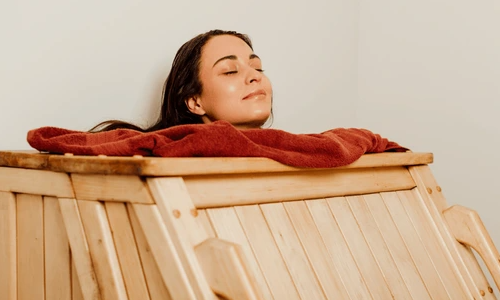
Swedana, i.e., sudation or sweating therapy, is vital to Ayurvedic treatment, particularly as a preparatory treatment in Panchakarma. This therapy helps the body release toxins, improve circulation, and promote relaxation. Let us explore, furthermore, the different types of Swedana and their amazing benefits in this blog. What is Swedana? Swedana means to “perspire” or “sweat.” As the name suggests, this therapy induces sweat which flushes the toxins out and revitalizes the system. This can be done through a variety of techniques such as steam, heat, or herbal applications, in order to promote detoxification and relaxation Swedana is usually done after Abhyanga (oil massage) to make it more effective. Types of Swedana Therapy and Their Health Benefits As per Ayurveda, there are 13 types of Swedana or sudation treatments. They all have different methods but a shared purpose: to generate sweat and rid the body of impurities. 1. Tapa Sweda (direct heat application) By using heated objects (stones or sandbags) against the surface of the body. It’s good for localized pain, stiffness or swelling. 2. Upanaha Sweda (poultice therapy) Firstly, herbal pastes blended with oils are spread over the affected area; subsequently, they are covered with a warm cloth. Doctors often recommend it for joint pain, inflammation, and stiffness. 3. Ushma Sweda (steam therapy) Steam generated from boiling water or herbal decoctions is directed on to the body. Among the most commonly used methods of Swedana, this is, in fact, great for detox and, furthermore, for respiratory health. 4. Avagaha Sweda (immersion therapy) The body is submerged in a tub of warm herbal water. This method improves circulation and also soothes muscles and joints. This method is the easiest one and can be performed at home. 5. Nadi Sweda (herbal steam jet) Steam is applied to particular areas of the body through a tube or nozzle. It works especially well for localized pain and stiffness. 6. Pinda Sweda (bolus therapy) Heated boluses with medicated herbs, rice, or sand are then applied to the body. This method rejuvenates tissues, strengthens muscles, and often utilizes weight management. 7. Patra Pottali Sweda (leaf bolus therapy) Herbal leaves are wrapped up in a pouch and heated; subsequently, they are massaged onto the body. Good for joint pain and improving mobility. 8. Shashtika Shali Pinda Sweda (rice bolus therapy) This involves a bolus made from medicated rice cooked in herbal decoctions and milk. It’s nourishing and restorative, especially to those with weakened muscles or nerves. 9. Prasthaara Sweda (bed Therapy) The patient lies on a bed covered with medicinal herbs or, furthermore, warm substances. It is beneficial for relaxation and detoxification of the body. 10. Sankara Sweda (bundle therapy) Herbs or substances are bundled; subsequently, they are heated, and then placed on targeted areas of the body. It’s great for pain and stiffness reduction. 11. Jentaka Sweda (herbal tent therapy) The patient sits in a tent where steam from herbal decoctions surrounds them. This technique is perfect for respiratory problems; moreover, it also facilitates complete body detox. 12. Parisheka Sweda (pouring therapy) Continuous pouring of warm medicated liquids over the body. It not only improves circulation and decreases stress, but also, furthermore, it soothes muscles. 13. Bashpa Sweda (steam chamber therapy) The patient sits in a closed chamber where herbal steam circulates around the body while the head remains outside. It is amongst the best procedures to cleanse the body and enhance skin quality. These therapies are chosen based on an individual’s Prakriti (constitution), Dosha imbalance and specific health conditions. Always consult an Ayurvedic doctor to determine the right type for your needs. How Swedana Helps in Detoxification and Relaxation Swedana opens up the skin’s pores, allowing toxins to sweat out. It also enhances blood circulation and promotes better distribution of oxygen and nutrients to tissues. Herbal steam therapies like Bashpa Sweda (a form of full-body steam) are especially effective in improving blood circulation. This also strengthens the Srotas (microcirculatory channels). Thus, Swedana is an effective procedure for detoxifying the body and relaxing the body and mind. Also, the warmth and aroma of Swedana comforts the nervous system. It helps you unwind and lower your stress levels. Benefits of Swedana for Overall Health Weight loss: Ushma Sweda (dry heat therapy), can aid in weight loss by enhancing metabolism. These therapies boost circulation and promote sweating, burning more calories and reducing water retention, thus aiding weight loss. Rejuvenation: Swedana therapy, such as Pinda Sweda (herbal bolus massage), not only improves tissue health but also, consequently, reduces fatigue. It’s an important practice for regenerating vitality and energy. Joint health: In Upanaha or Pattra Pottali Sweda, the heat penetrates deeply into the tissues, reducing Vata conditions such as joint pain, stiffness, and arthritis. Regular sessions can improve mobility and subdue discomfort. Skin health: Sweating through Swedana purifies and cleans the skin of impurities leaving it glowing with health. It also hydrates and nourishes the skin, helping to promote elasticity and minimize the appearance of age. Respiratory health: Steam therapies can open up nasal passages, decreasing sinus congestion and making breathing easier. Other ingredients such as eucalyptus or tulsi amplify these effects. Digestive health: Being detoxifying in nature, Swedana therapy strengthens Agni (digestive fire), thereby enhancing digestion and metabolism. Immunity booster: Regular Swedana sessions improve circulation and help drain lymphatic fluid, increasing immunity. It also balances the Doshas, specifically Kapha; consequently, it helps to prevent illnesses and improve vitality. Which Swedana is for You? Choosing the right type of Swedana, therefore, depends on your health goals and, additionally, your Dosha imbalances. Each type of Swedana has unique applications based on the individual’s body constitution (Prakriti) and imbalances (Vikriti). For instance: Dry heat therapies are better for Kapha-dominant individuals Moist heat therapies are… Continue reading Swedana : Types and Benefits