
Aligning Your Daily Routine With Ayurveda: A Practical Guide For Modern Life

Daily routine in Ayurveda is not a rigid checklist; it is a living practice. It adapts to your digestion, the season, your age, and your current state of health. The real aim is to stay in touch with your body’s signals, not to chase perfection on paper.   Waking Up, Meditation, and Timing   Ayurveda recommends waking close to Brahma Muhurta because this time supports mental clarity and natural rhythms. If you feel very cold, stiff, or sleep deprived, especially with a Vata‑dominant constitution in winter, forcing yourself to wake too early can exhaust you. In that situation, you protect your health better by waking a little later, keeping a regular schedule, staying warm, and ensuring good sleep quality instead of blindly following the clock.   Meditation does not depend on a strict time slot. Early morning and evening transitions suit a calm mind, but your mental alertness and consistency matter more than a specific hour.   A Balanced Morning Routine   A well‑structured morning routine supports digestion, the sense organs, and the mind throughout the day. Start with basic cleansing and oral care: brush your teeth and clean your tongue before oil pulling so your mouth is fresh and receptive. Practice abhyanga, or oil massage, on an empty stomach and then bathe with warm water to remove excess oil and support circulation.   You can follow a simple sequence. Lightly hydrate the eyes, drink a glass of warm water, complete dental hygiene, perform oil pulling, apply body oil for abhyanga, do mild stretching or physical activity, sit for a few minutes of meditation, and end with a warm shower. This order gently wakes up your body and mind without strain and sets a steady tone for the day.   Abhyanga: Duration, Order, and Special Situations   Abhyanga remains one of the most valuable daily routines, even when you cannot follow every other practice. Ideally you leave the oil on your body for 20–30 minutes so tissues can absorb it well. On busy days, 10 minutes still offers benefit, even though shorter exposure naturally gives less.   You get the most from abhyanga when you exercise after oiling, not before. Gentle movement after applying oil generates warmth and better blood flow, which helps the oil reach deeper into joints, ligaments, and muscles instead of staying on the surface. This approach refers to light, controlled exercise followed by a bath rather than an intense workout routine.   If you have a Vata‑dominant constitution, especially in cold weather, keep exercise mild and preferably after abhyanga. Avoid vigorous activity right after a bath because it can increase dryness and fatigue. During menstruation, skip full‑body abhyanga and heavy oil routines so you respect the body’s natural downward flow and sensitivity.   Children naturally have more Kapha, yet they still benefit from gentle oil massage. In healthy children, appropriate abhyanga supports growth and nourishment. You avoid it only when Kapha clearly aggravates or when there are specific medical reasons.   In the postpartum phase, Vata rises, but extremely heavy oils do not always suit the early days. Oils like Dhanvantara taila help pacify Vata without overburdening digestion or causing sluggishness. Very heavy, guru formulations fit better later, when the body regains strength or has specific indications.   Oils, Scalp Care, and Powder Massage   You should always choose oils according to constitution, season, and present symptoms. Coconut oil cools and suits Pitta‑dominant people or hot climates, particularly for scalp and body. Sesame oil warms and nourishes, which helps Vata types and colder seasons, and you use it more cautiously in hot weather or Pitta conditions with clear heat.   Your scalp already produces natural oil, yet that surface oil does not always replace the need for external oiling. Internal imbalance, dryness, or nervous system strain may still call for the deeper nourishment that external oil can provide. At the same time, if your scalp feels very oily or follicles clog easily, frequent oiling may worsen issues.   In Ayurveda, you treat oil as a medicine: it helps when you choose it well and use the right amount. People with naturally oily scalps usually do not need daily scalp abhyanga.   The time you keep hair oil on the scalp also matters. If you have a tendency toward sinus issues, colds, or heaviness in the head, you generally keep the oil for about 10–15 minutes before washing. If your scalp tolerates oil and feels very dry, 30–40 minutes is usually enough; keeping oil for longer rarely adds benefits and may aggravate sinus discomfort.   Udvartanam, or herbal powder massage, helps in Kapha dominance and excess weight but does not suit everyone as a daily habit. Right after childbirth, its drying and scraping action can disturb Vata and delay tissue recovery, so you wait until the body regains strength and then consider appropriate Kapha‑reducing powders such as Kolakulathadi churna.   When you have a Vata‑dominant constitution and plan for pregnancy, you focus more on nourishment and stability with regular abhyanga and gentle movement than on frequent Udvartanam.   Mouth Care, Oil Pulling, and Gargling   For everyday oil pulling, sesame oil remains a safe and broadly effective choice. It lubricates, protects, and cleanses the mouth while supporting digestion from its starting point. You reserve other substances such as ghee, honey, or milk for specific complaints, such as ulcers or burning, and do not switch them in based only on body type.   A small glass of warm water before brushing can help many people stimulate bowel movements and gently hydrate the body. Ayurveda does not completely forbid this practice for any constitution. It only discourages drinking large volumes, especially cold water, immediately after waking and before brushing.   You do not need daily warm salt water gargling unless you have a specific issue. You use it when you face an active throat infection or discomfort. In colder months, regularly sipping warm water offers a simple and sustainable way to support the throat and digestion.   Eye… Continue reading Aligning Your Daily Routine With Ayurveda: A Practical Guide For Modern Life

Why You Get Acidity, Gas and Bloating After Meals?

What Is Really Going On?   If you feel burning, gas, heaviness or bloating after most meals, it is not “just your usual stomach problem.” Ayurveda says this means your digestion is disturbed and your food is not processing properly.   In simple words, three things are happening inside:   Your digestive “fire” (Agni) is weak or irregular. Your inner heat (Pitta) may be too high – causing burning and acidity. Your air element (Vata) may be disturbed – causing gas and bloating.   When this continues for weeks or months, half-digested food turns into sticky waste called Ama. This Ama creates more gas, heaviness and discomfort after almost every meal.   Agni is like the flame in your stomach. When it is balanced, you feel hungry at the right time, your food digests well, and you feel light and comfortable after a meal. Similarly, when Agni is weak, food stays longer in the stomach and intestines, making you feel full, dull and sleepy even after a small meal.   When it is too strong, you may feel sharp hunger but also burning, acidity and loose stools. When it is irregular, your appetite and digestion keep changing sometimes very hungry, sometimes no hunger at all, sometimes constipated, sometimes loose motions.   All these patterns can lead to discomfort after meals if not corrected.   When food does not digest properly because of disturbed Agni, it turns into something that Ayurveda calls Ama. You can imagine Ama as half-cooked, sticky, stale food sitting in your gut. It is heavy, blocks the natural flow in the intestines and starts to ferment.   This shows up as constant bloating, excessive gas, bad breath, a coated tongue and that feeling of being full and tired even after a small quantity of food. Over time, if Ama keeps building up, it can spread further and contribute to problems like joint pains, low energy and skin issues. That is why just neutralizing acid is not enough, the real work is to improve Agni and clear Ama.   Role of Pitta – Heat and Acidity   Pitta is the fire and heat energy in the body. In the stomach and chest area, high Pitta shows up as burning, sour burps, acid taste in the mouth, nausea and discomfort in the upper abdomen or chest. Everyday habits easily push Pitta up, such as eating very spicy, oily and fried food, taking a lot of pickles, vinegar and sour items, drinking too much tea, coffee, cola or alcohol, and smoking. Skipping meals, having long gaps and then overeating also irritate Pitta.   Emotionally, anger, frustration, working under pressure and eating while tense or upset add more “heat” to the digestive system. If this continues for weeks and months, it can lead to repeated acidity, heartburn and conditions like gastritis and reflux.     Role of Vata – Gas and Bloating   Vata is the principle of movement and air in the body. In the digestive system, excess or disturbed Vata shows up as gas, bloating, gurgling sounds, shifting cramps and irregular bowel habits. Common triggers are eating in a hurry, talking while eating, swallowing a lot of air, taking very cold, dry or raw foods, or living on biscuits, chips and other dry snacks.   Fizzy drinks and chilled water add more air and cold to the system. Irregular meal timings, frequent travel, late nights and worry or anxiety disturb Vata even more. Even if acidity and burning seem to be the main issue, Vata usually adds extra gas and bloating on top of it, which makes you feel stretched and uncomfortable after meals.     Everyday Causes That Make It Worse   Most people with repeat acidity and gas have a few habits in common. When you correct these, you often feel better even before taking any herbs.   Common food-related causes: Eating at odd times every day. Eating again before the last meal is digested. Heavy, late-night dinners. Very spicy, oily, fried and junk food. Too much tea, coffee, cola or alcohol. Mixing foods that don’t go well together (like milk with sour fruits, or fruits with heavy meals). Lifestyle and mind-related causes: Eating while working, scrolling, or in front of a screen. Eating too fast, not chewing properly. Lying down soon after meals. High stress, anger or worry, especially around mealtimes. Not sleeping on time and lack of any movement or exercise.   Simple Food Rules To Keep in Mind   You don’t need a very complicated diet to start healing. A few clear, simple rules help a lot.   Eat at regular times   Try to eat your main meals at similar times each day. Your body likes rhythm. When you eat at random times, your digestive fire becomes confused and weak.   Wait for real hunger   Eat when you feel light hunger, not just boredom or habit. If the last meal is still sitting heavy, give it time to digest. For most people, a gap of about 4 hours between main meals works well.   Eat warm, fresh, cooked food   Warm, freshly cooked meals are easier to digest than cold or stale food. Prefer:   Light khichdi, dal-rice, simple vegetable sabzis. Chapatis with ghee and cooked vegetables. Soups, stews and lightly spiced one-pot meals.   Avoid having large bowls of raw salad, cold smoothies or fridge-cold leftovers when digestion is weak.   Go easy on spice, sour and oil   If you get burning and acid: Cut down on heavy chilli, pickles, vinegar, tomato-heavy gravies and fried food. Reduce deep-fried snacks, pakodas, chips, samosas, puris and heavy biryanis. Keep mustard oil, very spicy chutneys and heavy masalas to a minimum.   Avoid wrong food combinations   Some common combinations can disturb digestion: Milk with sour fruits like orange, pineapple or berries. Milk or curd with salty, fish or meat dishes. Fruits eaten together with a full cooked meal.   It is better to have fruits alone, with some gap before or… Continue reading Why You Get Acidity, Gas and Bloating After Meals?

Hypothyroidism: Why Your Metabolism Is Slowing Down

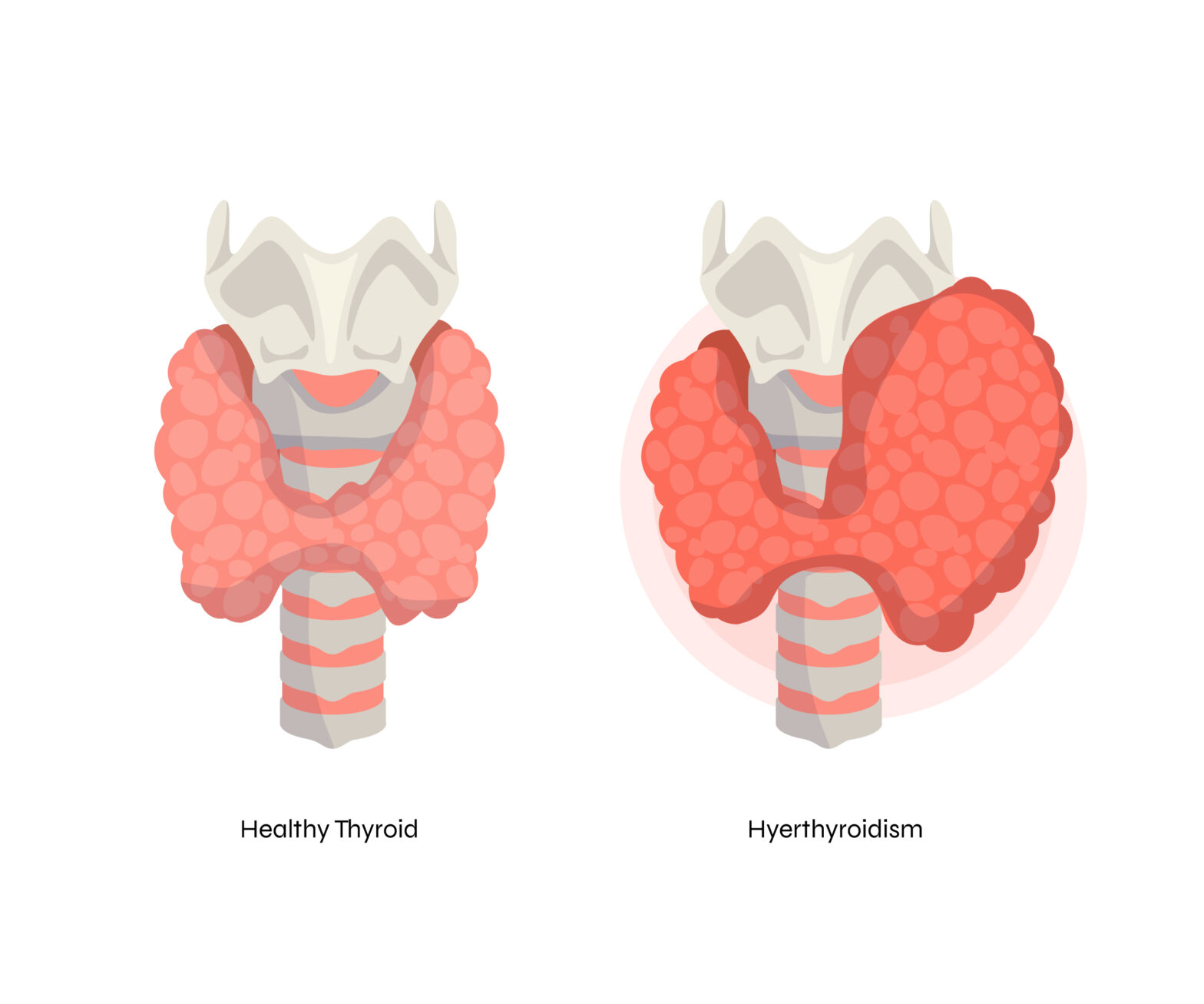
You’re doing everything “right” – eating well and sleeping enough. But you’re suddenly gaining weight, feeling tired all the time, or struggling with brain fog. Eventually, you get a diagnosis that brings both answers and new questions: hypothyroidism.   And it’s not just you. Hypothyroidism is becoming increasingly common these days.   If you’ve been diagnosed with hypothyroidism, or if you suspect something is wrong with your metabolism, read till the end to understand what’s happening inside your body and more importantly, what you can actually do about it.     What Is Hypothyroidism?   Hypothyroidism occurs when your thyroid gland doesn’t produce enough thyroid hormones. These hormones, primarily T3 and T4, are responsible for regulating your metabolism, which is essentially the rate at which your body burns calories and converts food into energy.   The condition is usually diagnosed through blood tests measuring TSH (Thyroid Stimulating Hormone) and free T4 levels.   Hashimoto’s thyroiditis is the most common cause of autoimmune hypothyroidism. In this condition, the immune system mistakenly identifies thyroid tissue as a threat and gradually attacks it. Over time, this immune response damages the thyroid gland’s ability to produce adequate hormones, leading to progressive slowing of metabolism.   Unlike temporary thyroid dysfunction caused by stress or nutrient deficiencies, Hashimoto’s is a chronic immune-mediated condition.   The immune system produces antibodies, most commonly thyroid peroxidase (TPO) antibodies and thyroglobulin antibodies, which interfere with normal hormone production.     The Hereditary Truth     Here’s something most people don’t realize: if your family has a history of hypothyroidism, your risk of developing it is significantly higher. Your thyroid hormone production capacity is determined by genetics.   In practical terms, if your mother has Hashimoto’s thyroiditis, your risk of developing the same condition is extremely high. Genetic inheritance plays a powerful role in autoimmune thyroid disorders, making proactive screening and preventive care essential. This is a condition that requires careful attention, regular monitoring, and early supportive measures rather than waiting for hormone levels to decline.   Some people are even born with congenital hypothyroidism, a condition present from birth where the thyroid gland doesn’t develop properly or function from the start.   But, even if you inherit the genetic tendency toward hypothyroidism, you might never develop it if you manage your lifestyle well. Conversely, you can be genetically resilient but still develop hypothyroidism if you’re exposed to enough environmental stressors.     The Ayurvedic View     In Ayurveda, hypothyroidism is understood through the concept of Udanavrita Samana Vata. It means, your thyroid problem starts with an imbalance in two Vata subtypes in your body, combined with excess Kapha heaviness.   Your thyroid gland is located in the throat region, which is governed by Udana Vata, one of the five subtypes of Vata Dosha. When Udana Vata becomes aggravated, it directly impacts your thyroid function.   This imbalance then spreads downward to Samana Vata, the type of Vata energy responsible for digestion and the absorption of nutrients.   When both Udana and Samana Vata are compromised, your Agni (digestive fire) becomes weak. This is when excess Kapha physically surrounds and blocks the Vata energy in your throat and digestive system.   The main symptoms are weight gain, bloating, constipation, water retention, sluggishness and cold intolerance.     Can Hypothyroidism Be Reversed?     This is one of the most common questions people ask after receiving a thyroid diagnosis. The honest answer is, it depends on the root cause, the stage of the condition, and how consistently lifestyle changes are applied.   If hypothyroidism is caused by temporary stress, nutritional deficiencies, gut imbalance, postpartum hormonal shifts, or early metabolic dysfunction, the thyroid can often recover partially or even completely with the right interventions.   However, if the condition is autoimmune (such as Hashimoto’s thyroiditis) or if the thyroid tissue has been significantly damaged, full reversal may not always be possible. In these cases, the focus shifts toward slowing progression, optimizing hormone levels, reducing symptoms, and improving overall quality of life.   The encouraging news is that regardless of the cause, your body can respond remarkably well when metabolic stress is reduced and digestion, immunity, and hormonal balance are supported properly.   Why Additional Testing is Important?     In some individuals, standard thyroid blood tests such as TSH, T3, and T4 may appear completely normal, yet the person continues to experience classic symptoms of hypothyroidism. These symptoms may include cold hands and feet, excessive sleepiness after meals, forgetfulness, slow metabolism, low energy, difficulty concentrating, and overall sluggishness.   In such cases, it becomes essential to evaluate thyroid antibodies, specifically:   Anti-TPO (Thyroid Peroxidase Antibodies) Anti-TG (Thyroglobulin Antibodies)   These tests help detect whether the immune system is attacking the thyroid gland, even before hormone levels become abnormal. Elevated antibody levels often indicate early or developing Hashimoto’s thyroiditis.     A Structured Path Toward Thyroid Balance     Rebalancing the thyroid is rarely about quick fixes or isolated treatments. From an Ayurvedic perspective, true healing happens when the body’s internal constitution is supported consistently through nutrition, daily routines, detoxification, emotional balance, and personalized care.   Personalized Assessment   Every individual has a unique constitution, digestive strength, stress response, emotional pattern, and lifestyle rhythm. A comprehensive assessment identifies the dominant doshic imbalances, digestive efficiency, toxin load, sleep quality, hormonal history, and mental resilience.   Strengthening Agni (Digestive Fire)   Healthy metabolism begins in the gut. When digestion improves, nutrient absorption becomes efficient, inflammation reduces, and hormone conversion stabilizes. Warm, freshly prepared meals, mindful eating, proper meal timing, hydration, and digestive herbs support Agni naturally.   Reducing Metabolic Toxins (Ama)   Detoxification practices help clear stagnation from tissues and channels. Gentle cleansing, proper elimination, hydration, breathing practices, and seasonal routines prevent toxin accumulation and support cellular rejuvenation.   Nourishing Ojus   Ojus represents immunity, vitality, resilience, and hormonal stability. Chronic stress, irregular lifestyle, excessive stimulation, poor sleep, and digestive weakness gradually deplete Ojus. Rebuilding Ojus requires nourishing foods, emotional balance, rest, grounding routines,… Continue reading Hypothyroidism: Why Your Metabolism Is Slowing Down

Panchamahabhuta Explained: The Five Elements in Ayurveda

  Panchamahabhuta refers to the five fundamental elements: Akasha (space), Vayu (air), Agni (fire), Jala (water), and Prithvi (earth). Ayurveda teaches that the entire universe, including your body and mind, emerges from their unique combinations. They explain how your body, mind, and even your personality are shaped by nature itself. When you understand these elements, daily choices like food, routine, and emotions start to make much more sense.   Ayurveda says the human body is a small version of the cosmos, a microcosm of the macrocosm. That means whatever exists in nature also exists in you, in some proportion and combination. The Panchamahabhuta are not just physical substances, they are qualities like lightness, movement, heat, liquidity, and solidity that express in different ways.   The Five Elements in Simple Language   Akasha – Space   Akasha is the element of emptiness and openness. In the body, it shows up as all the hollow spaces like the mouth, nostrils, ears, chest cavity, blood vessels, cells and even the gaps between tissues. In the mind, Akasha gives you the feeling of expansion, freedom, and room to think. When space is balanced, you feel creative, spacious, and less “crowded” by thoughts and emotions. When it is disturbed or excessive, you may feel isolated, empty, or disconnected.     Vayu – Air     Vayu is movement. In your body, air governs all kinds of motion: breathing, blinking, heartbeat, circulation, the flow of thoughts, nerve impulses, and even the movement of food through your digestive tract.   In the mind, Vayu shows up as speed, creativity, imagination, quick understanding, and also anxiety when it is too strong. If air is balanced, you feel alert, light, active, and motivated. If it is aggravated, you may experience restlessness, overthinking, fear, dryness, bloating, or disturbed sleep.     Agni – Fire     Agni is the inner flame of digestion, metabolism, and warmth. It governs body temperature, vision, glow of the skin, and the power to transform food into energy and tissues. When Agni is balanced, you digest food well, feel energetic, and think clearly. When it is high, you may feel hot, irritable, angry, or experience acidity and inflammation; when low, you may feel dull, sluggish, confused, and have weak digestion.     Jala – Water     Jala is the element of fluidity and cohesion. In your body, it forms saliva, blood, lymph, plasma, digestive juices, synovial fluid in joints, and all the liquids that keep tissues moist and nourished. When water is balanced, you feel emotionally nourished, content, and stable, and your skin, joints, and tissues feel hydrated.     Prithvi – Earth     Prithvi is solidity and structure. In the body, it forms bones, muscles, skin, nails, teeth, and all the firm, dense tissues that give you shape and strength.   When Prithvi is balanced, you feel safe, steady, and rooted in life. When it is excessive, you may feel heavy, lazy, stuck in old patterns, and gain weight easily, when deficient, you may feel weak, scattered and insecure.     Your basic constitution (Prakriti) whether Vata, Pitta, Kapha, is also decided by the dominant combination of these elements at conception. That is why two people can eat the same food or live in the same climate and still react very differently.   Once you begin to observe your body and mind through the lens of space, air, fire, water, and earth, you start to recognize patterns like why certain foods suit you, why specific emotions repeat, and why your energy fluctuates at different times.   Every action you take either increases or balances certain elements within you. For example, eating dry, light, cold foods increases the qualities of Vayu (air). On the other hand, warm, cooked, moist foods increase Jala (water) and Prithvi (earth), bringing grounding and stability.   Similarly, spicy food, intense competition, exposure to heat, and excessive screen time increase Agni (fire). This can be useful if digestion or motivation is low, but excessive fire can quickly turn into irritation, inflammation, or burnout.   The elements are constantly shifting due to seasons, age, time of day, emotional states, and lifestyle. Your role is not to eliminate any element, but to maintain harmony among them.     Elements and the Mind     Thoughts running in your mind are Vayu. Clarity and perception arise from Akasha. Understanding, judgment, and ambition come from Agni. Emotional bonding, compassion, and attachment relate to Jala. Memory, stability, and patience are rooted in Prithvi.   When the mind feels scattered and anxious, air and space are dominant. If emotions feel heavy or clingy, water and earth may be excessive. When anger or frustration dominates, fire is strong. By recognizing this, Ayurveda allows you to respond wisely instead of reacting blindly.   The solution is not only positive thinking but also grounding practices: regular routines, warm meals and adequate rest.     Prakriti and Vikriti     Your Prakriti is your natural elemental blueprint, the unique balance you were born with. Vikriti is your current imbalance caused by lifestyle, stress, environment, or emotional patterns. Ayurveda focuses more on correcting Vikriti than changing Prakriti.   Instead of comparing your energy, productivity, or emotions to others, you begin honoring your own rhythm. This self-awareness itself becomes healing.   The ultimate aim of understanding Panchamahabhuta is not control, but harmony. Health is experienced when space allows freedom, air allows movement, fire allows transformation, water allows nourishment, and earth provides stability, without any one element overpowering the rest.   Ayurveda reminds us that disease begins when we live against our elemental nature and healing begins when we return to it. By listening to the body, observing the mind, and respecting nature balance becomes a lived experience rather than a concept.   When you start seeing yourself as a living expression of the five elements, life feels less confusing. Symptoms become signals, emotions become teachers, and daily choices turn into tools for alignment. In this way, Panchamahabhuta is not just… Continue reading Panchamahabhuta Explained: The Five Elements in Ayurveda