Gut Health – Unlocking the Power of Ayurvedic Foods for Digestion

From bloating and constipation to IBS and diarrhoea, poor digestive health has become a sign of modern times. A sedentary lifestyle, improper meal times, unhealthy food choices and mental stress are some of the modern-day contributors to poor gut health. It is alarming to note that nearly 40% of adults suffer from gut issues, ranging from heartburn and bloating to acid reflux and IBS (Irritable Bowel Syndrome). According to Ayurveda, poor gut health is the root cause of all diseases. So, neglecting these problems could lead to severe conditions like colon cancer.    The Reasons Your Gut Is Not Happy   Fatigue, IBS, constipation, bloating, diarrhoea, unintentional weight changes, etc. are all signs of poor gut health. If you see it from the Ayurvedic perspective, Then, it’s time for you to hurry up and consult a doctor. One of the main reasons for your gut health issues is lack of sleep. The role of good sleep in digestive health is, however, often overlooked.   Serotonin is produced in the gut; therefore, any imbalance can significantly affect its production. A weakened immune system can also lead to poor gut health. Your body is not capable of fighting diseases as it has not absorbed nutrients from the food. Another reason for digestive issues is excessive consumption of incompatible and processed foods.   The Gut-Mind Connection   The gut-mind connection has been scientifically proven. Unlike the popular adage ‘You are what you eat,’ Ayurveda believes that ‘you are what you digest’. Healthy digestion is vital to wellness.  In Ayurveda, gut health is derived from ‘Agni’ – the digestive fire. It not only has a bearing on your digestion process, but it also influences your emotions and thoughts. Most digestive problems arise due to an imbalance in Agni. This imbalance in turn affects the Doshas and accumulates Ama or toxins. The GI system and the central nervous system are deployed and connected. Food can trigger mood changes. Ayurveda says, “Rogah sarve api mande agnou,” meaning, a low Agni or poor gut health is the root cause of all diseases – be it physical or emotional. It means your gut and mind are connected. Following a regular daily routine or Dinacharya is intrinsic to wellness as per Ayurveda. This regularity also goes a long way in maintaining a healthy nervous and digestive system.  Furthermore, Ayurveda recommends mindful eating, which, in a way, means the mind and the gut are connected. Additionally, mindful eating is about involving all your senses as you eat.  It makes you aware of the quality and taste of the food and portion control. This nourishes the inner Agni, thereby ensuring balanced digestion.    Ayurvedic Ways to Keep Your Agni Balanced   Here are different ways to keep your Agni on balance: Follow a diet with foods that are simple, light and easy to digest. Be consistent with your mealtimes.  Avoid overeating. Avoid incompatible food combinations. Eat your dinner early. Have three meals every day. Maintain a gap of about 2 to 3 hours between your dinner and bedtime. Follow Dinacharya. Keep your body well hydrated. Avoid cold drinks and ice water as it dampens your Agni. Avoid processed and frozen foods. Have warm, freshly cooked foods instead.   Ayurvedic Remedies To Soothe Your Gut   Here are some Ayurvedic remedies that work best for your gut health: Consume black raisins to support digestive health. They relieve constipation and provide much-needed minerals and nutrients. Guduchi is an Ayurvedic herb that helps soothe gut inflammation. Consume it if you suffer constipation or poor appetite. Add licorice or Yashtimadhu to tea to soothe an acidic gut. Add cinnamon to tea or milk to promote better digestion. It acts as an antioxidant to eliminate oxidative compression in the gut. Use cardamom to reduce inflammation. Furthermore, it alleviates symptoms of indigestion, gas, and bloating. People have used cloves for their analgesic and anti-inflammatory properties. Triphala – a combination of Amla, Haritaki, and Bibhitaki can be consumed for better nutrient absorption and relief from constipation. Relieve nausea by drinking ginger tea. Add ginger while cooking to promote digestive health. Consume fennel to boost digestion. You can either chew fennel seeds after your meals. Alternatively, brew a fennel tea and have it. Carom seeds or ajwain is a wonderful carminative. It has antibacterial and anti-inflammatory properties to reduce bloating, gas, and digestive tract inflammation.  Use black pepper and long pepper in food or tea to enhance digestive power.   Practices For Better Digestive Health   Incorporate these practices into your daily life to improve your digestive health: Try meditation to reduce the stress and anxiety that is part of modern-day life. Not only will you have better gut health, but you will also experience a healthier mental and emotional state. Eat foods that align with your Prakriti (body type). This helps prevent Dosha imbalances. Eat seasonal food. This practice maintains energy balance. Local produce is best as it is fresh and has not travelled thousands of miles to get to your plate. Enjoy your food but keep your gut happy too. Have foods that are easy to digest and follow mindful eating. Keep yourself active. Follow an exercise regimen that suits your age, fitness levels, and overall condition. Daily walks can kindle the Agni and build your digestive capacity. Though the principles of Ayurveda date back several thousand years, they hold relevance even today. Ayurveda gives utmost importance to gut health as it has an impact on your overall health. So, have foods that are digestible, follow a daily routine and keep away from stress. If you need any help with your diet.   If you are struggling with any health issues, you can either book a consultation with us or send us a message via WhatsApp to +91 79074 89839. We have the best Ayurvedic doctors in Trivandrum who are always glad to help you. If you have any queries, contact us.  You can also visit us at our hospital.

Ginger Health Benefits as per Ayurveda

Popularly known as “Shunthi” in Sanskrit, ginger is a spice that is often recommended by Ayurveda for its amazing medicinal benefits.  The journey of ginger from the earth’s roots to a part of the wellness routine everyone, we have so much to learn.   This article is all about ginger. Yes, we will be exploring the multitude of its health benefits,  mentioned in Ayurveda. But, we won’t miss out on the forms – yes, there are many forms and options  you get. Ultimately, you will also see why this specific herb has extreme importance and  let’s dive in!   Ayurveda and Ginger: What’s the connection?   In general, it works best for digestion. It also balances the body’s energies. That’s why Ayurveda has been swearing by ginger for decades now.   Ayurvedic practitioners always state that ginger can ignore Agni (digestive fire). Agni  is essential for good digestion and overall gut health improvement. And it is also considered Tridoshic, meaning it can balance all three Doshas – Vata, Pitta, and Kapha. Hence, it’s much more suitable for all individuals and different health conditions.   Types of Ginger Used in Ayurveda    Ginger comes in different forms. But what’s more exciting is each form comes with its unique properties, like:   Fresh Ginger (Shunthi) This is the one when you get in general use for cooking. Since it’s the root, it’s flavourful. It has a strong taste and can be used regularly for cooking and as any herbal remedy.   Dried Ginger (Shunthi) Next comes the various dried forms called “Shunti” or “Shonth” made by drying fresh ginger root. Once it’s dried, the shelf life extends, but the medicinal benefits stay the same. Since it’s milder in taste, it’s also used for addressing various health issues and  even in tea.   Powdered Ginger The powder is created by grinding the dried ginger root. The powdered form is highly convenient. The shelf life is also longer and  you can add them to food, beverages or herbal preparations.   Ginger Oils and Extracts  This is the concentrated form of ginger. The “extract” or “essential oil” come with therapeutic effects. In terms of usage, oils have topical applications. You can consume the extracts for internal purposes under the guidance of an Ayurvedic doctor.   Why Does Ayurveda Value Ginger So Much?   Ayurveda values ginger highly because of its various health benefits. They include the following:   Supports Digestion  As mentioned previously, it stimulates Agni. It promotes a better assimilation of nutrients and elimination of waste. Hence, digestion improves a lot.   Balances Doshas The Tridoshic nature of ginger is quite a saviour for the human body. If consumed regularly, you can balance all three Doshas (Vata, Pitta and Kapha) no matter what your Prakriti (body type) is or what imbalance they are facing.   Detoxifies the Body With time, Ama (toxins) accumulate in our body that leads to diseasesThat is why detoxification is vital in the human body. Ginger comes with detoxifying properties. It removes toxins from the body and supports overall health and well-being.   Improves Circulation It also comes with warming properties. When you consume it, the blood circulation in the body improves. It promotes better blood flow and vitality.   Adaptogenic Effects Last comes the most important point – ginger helps the body to adapt. Whether the body wants to adapt to stress or any environmental change that’s happening out there, the consumption of it makes adaptability easier. It supports resilience and overall health.   Health Benefits According to Ayurveda   There are over  50 health benefits of ginger, but here are the major ten ones that I believe everyone must be aware of.   Aids Digestion Ginger is best for digestion. Hence, it’s always been a part of Indian households. It also reduces gas (acidity issues) and  bloating. It also works against indigestion, making it more effective for adults who often face similar problems.   Relieves Nausea Whether you’re someone combating motion sickness or any kind of uneasiness, it can be your saviour. Try candied ginger to relieve your nausea and within a few minutes, you will feel relaxed.   Anti-inflammatory It is rich in gingerol – a beta-hydroxy ketone that contributes to its anti-inflammatory properties. This property can help reduce pain and inflammation. For example, if you have arthritic joints or you’re struggling with weary muscles, it can help you relieve the pain.   Boosts Immunity Here comes the crucial part. It is power-packed with the immunomodulatory properties. It strengthens the body’s immune system, helping to fight infections and illnesses.   Provides Respiratory Support Ginger tea, one of the most consumed drinks in India, is famous for a reason. It helps individuals combat cough and other respiratory issues. It clears the airways, so no matter what respiratory distress you’re facing, and will ease your respiration.   Offers Menstrual Comfort Ginger has  analgesic properties. It’s a lifesaver for women during their menstrual cycle. Whether it’s bloating, discomfort, or cramps that you are struggling with, ginger can relax you.   Aids in Weight Management Ginger helps boost metabolism. It helps in weight loss and gives you a feeling of fullness throughout the day.   Provides Mental Clarity Ginger comes with a Sattvic essence. It balances all the Doshas, hence promoting mental clarity and focus. It also supports cognitive function.   Reduces Stress Ginger soothes the nerves and is effective for your mental health. It helps reduce stress and anxiety, not up to top levels, but absolutely up to some extent. Consuming it  also offers a sense of well-being and  eternal peace.   Great for Skin Health   It is packed with antioxidants. It’s best for your skin and  no matter whether it’s premature ageing issues or you’re struggling with an uneven complexion, then consume it and see the change.   If it’s boring for you to consume the roots, you can go for candied or try ginger tea – the benefits you will get will be the same. The… Continue reading Ginger Health Benefits as per Ayurveda

What is Mindful Eating?

In the hustle and bustle of modern life, the simple act of eating has become a mindless routine for many of us. We often grab a quick bite on the go, scarcely pausing to savour the flavors or consider the nutritional value of what we consume. However, Ayurveda recognizes food as not only nourishment for the body but also for healing and hence, emphasises on mindful eating, As an Ayurvedic doctor, 80% of my treatment involves food as medicine. The diet plan I make for each of my patients is not just about how it aligns with their Prakriti, Dosha dominance and health conditions. It is also about mindfulness. Mindful eating requires you to think about the food you consume and make healthy decisions based on what your body needs and how fulfilled you feel after eating. People need to be more mindful of their dietary choices, as over 50 % of the global population is overweight.  In this blog, we delve into the art of mindful eating with Ayurveda, exploring how it can lead to healthier eating habits, improved gut health, and enhanced digestion.   Understanding  Mindful  Eating  with  Ayurveda   Central to Ayurvedic philosophy is the belief that the mind, body and spirit are interconnected. Therefore, maintaining balance among these elements is essential for overall well-being. Mindful eating is an integral aspect of Ayurveda. It emphasises the importance of being present and fully engaged in the process of nourishing oneself.  Ayurveda and mindful eating underscore the importance of savouring food for overall mental and digestive well-being. According to Ayurveda, food is essential for nourishing the holistic well-being of the mind, body and spirit, not just for mere survival. Being consciously aware of what you consume and relishing the flavours and scents of your meal is essential to mindful eating.    Healthy Eating Habits: The Ayurvedic Perspective   According to Ayurveda, aligning our diet with our Prakriti is key to maintaining balance and promoting optimal health. For instance, those with a predominant Vata constitution may benefit from warm, grounding foods that help to alleviate Vata’s cold and airy qualities. Pitta types, on the other hand, may thrive on cooling, hydrating foods that balance Pitta’s fiery nature. Kapha individuals may find support in lighter, stimulating foods to counterbalance Kapha’s heavy and stagnant tendencies. By understanding our constitution and selecting foods that harmonise with it, we can cultivate healthier eating habits that promote balance and vitality.   Ayurvedic Food for Gut Health   In Ayurveda, the digestive fire or Agni is considered the cornerstone of health. Your Agni should be balanced for efficient digestion and assimilation of nutrients. A low Agni or poor gut health is the root cause of all diseases. It can lead to digestive discomfort, nutrient deficiencies and the accumulation of toxins (Ama) in the body. An Ayurvedic diet, therefore, offers a treasure trove of foods and spices that, in turn, support digestive health.  Warm, cooked foods are generally preferred over raw or cold foods. They are easier to digest and help stoke the digestive fire. Incorporating spices such as ginger, cumin, coriander, and turmeric can further enhance digestion and reduce digestive woes. Additionally, Ayurveda emphasises the importance of mindful eating practices, such as chewing food thoroughly, eating in a calm and relaxed environment, and avoiding distractions while eating. These simple yet profound practices can help improve gut health and optimise digestion.   The Role of Mindfulness in Digestion   In today’s fast-paced world, many of us eat on autopilot, scarcely registering the tastes, textures, and aromas of our meals. However, Ayurveda teaches us that digestion begins the moment food enters our mouths, as the act of chewing stimulates the release of digestive enzymes and prepares the body for assimilation. Mindful eating encourages us to slow down and savour each bite, paying attention to the sensory experience of eating. By cultivating mindfulness at the table, we can enhance our body’s ability to digest and metabolise nutrients effectively. And the best part is you have control over your food portions that you consume.   Practical Tips for Mindful Eating with Ayurveda   Begin each meal with a moment of gratitude, acknowledging the sources of your food and the efforts that went into its preparation. Take a few deep breaths before eating to centre yourself and shift into a state of relaxation. Chew each mouthful thoroughly, aiming for at least 20-30 chews per bite to aid digestion. Eat in a calm, distraction-free environment, free from electronic devices or other distractions. Listen to your body’s hunger and satiety cues, eating until you feel comfortably satisfied rather than overly full.   Cultivating Awareness of Food Effects   According to Ayurveda, the food we ingest plays a significant role in influencing our mind and body. Understanding the potential effects of different foods on your health is essential. Mindful eating involves being fully aware of how the food you consume impacts your body’s energy levels, emotional state, and overall well-being. Understanding the impact of various foods on your body can help you make informed decisions about your diet. This, in turn, can assist in maintaining equilibrium between your body and mind; consequently, it increases energy levels.  It also aligns with the principles of Ayurveda, which emphasise individualised nutrition and holistic well-being.   Practising Gratitude and Connection   Ayurveda and mindful eating promote acknowledging and appreciating the nourishment food provides and maintaining a connection to it for vitality and wellness. Feeling appreciative of the food we possess and recognizing our interconnectedness fosters reverence and appreciation for nature’s blessings. Practising healthy eating habits involves being conscious and respectful of the food we consume, as well as participating in meal preparation and sharing meals with others. This improves our sense of being linked and content.   Conclusion   In a world filled with fad diets and conflicting nutritional advice, Ayurveda offers a refreshing perspective on food and eating. By embracing mindful eating practices, we can cultivate healthier eating habits, improve gut health, and enhance digestion. Let… Continue reading What is Mindful Eating?

Meals That Fit Your Lifestyle

Meals are structured times for eating, typically consisting of a variety of foods that provide essential nutrients and energy.   Do you know which animal that eats 7-8 small meals daily? The answer is “only humans!” Modern medicine and even many online sources say eating multiple small meals is beneficial. But what does Ayurveda have to say?   The Ayurvedic perspective   According to Ayurveda, contrary to the principles of modern nutrition, eating multiple small meals a day will not keep the metabolism strong. It works the opposite way – it lowers your “Agni” or digestive fire!    Eat when you are hungry   Ayurveda says you should only eat when hungry and stop when you feel full. When you feel hungry, it indicates that your digestive enzymes are fully produced to the highest extent. Therefore, your body will break down the food you eat properly.   Ayurveda advises eating proper full meals 4 hours apart, sitting down, without talking.   Eat mindfully   It also suggests enjoying food with all your senses – touch, feel, smell, look, and listen to it! Eating four times a day has proven to assist some people in controlling their blood sugar levels and avoiding overindulging in larger meals.. Remember that the caliber and amount of food eaten at these meals matters just as much as how often they occur.   Give time to digest   After eating a proper full meal, you should allow the body time to digest the food entirely and form hunger. Once hunger is created and the previous food is completely digested, and you see signs like udgarasuddhi (belching without the smell or taste of the last meal), you can have the next meal. This usually takes 3.5 to 4 hours. It is essential to wait for hunger to form well before the next meal as it allows you to understand your body’s natural hunger and fullness cues.   Be consistent   Eating on time is very important too, ideally around the same time every day! Eating on time every day helps your body adjust to a set routine. Maintaining a regular eating schedule encourages the body to acquire all the energy it needs and, in turn, reduces the intake of sugar, junk food, and fast food. Planning your meals and snacks can help you eat better and have more energy throughout the day. This keeps your body working at its best all day. Consistently eating at regular times each day helps our bodies recognize hunger cues. This enables you to identify your hunger better and satisfy it healthily.   Let’s start eating like real humans again! Will you still be eating 7-8 meals a day after this?   It’s not about how many times you eat in a day, but how you are consistent with your timings and what you eat that counts! This helps improve your digestion and your life expectancy.     If you are struggling with any health issues, you can either book a consultation with us or send us a message via WhatsApp to +91 79074 89839. We have the best Ayurvedic doctors in Trivandrum who are always glad to help you. If you have any queries, contact us.  You can also visit us at our hospital.

Cooking Oil Health Facts

Cooking oil is a common ingredient found in our kitchens and is used in many of our favourite recipes. Each kind of oil is usually named after the part of the plant it comes from, like a nut or seed. The type of fat it contains the most commonly defines it.   Some oils are more suitable for high-heat cooking as they transform when heated. As we fry food, the oil temperature increases and combines with humidity and air. This leads to chemical processes that alter the oil and impact its flavour. Considering how the oil was manufactured is essential because it can affect its cooking performance and nutritional value.   Ayurvedic Perspective   There is no one-size-fits-all approach to anything in Ayurveda and this applies to cooking oil as well. Choose cooking oil based on dosha imbalances and the health of the individual.   Sesame oil Due to its qualities like sharpness (Tikshna) and penetrating (Sookshma), it is the best oil for the absorption of nutrients. It also helps sharpen your Agni.   Mustard oil Mustard oil is a highly heating oil. It is advisable to avoid using mustard oil entirely if you have psoriasis, eczema and other diseases that lead to flare-ups. However, it is suitable for people with diabetes.   Coconut oil If you exercise a lot and get exhausted quickly, use coconut oil.  This cooling oil suits people with gastric issues but is not the best if you are trying to lose weight.   Ghee Ghee is the best when used at medium temperature. It enhances digestion and also nourishes,  rejuvenates and replenishes the blood, muscles, bones and reproductive tissues. However, go easy on ghee if you have extreme indigestion and liver diseases.   Peanut oil If your digestion is on point, you can consume peanut oil. It can be Vata aggravating, so if you have issues like malabsorption or sluggish digestion, it is better to reduce until the digestion becomes normal.   Refined vegetable oils Canola oil, safflower oil, and sunflower oil all highly process and unsuitable for consumption.   The Samhitas do not mention olive oil because it is not native to India.   According to Ayurveda, if something is Satmya (favourable by habit), it won’t cause any disturbance in your body. However, it does not work in the case of oils.  If you grew up consuming refined oils,  then that’s not helpful. It may have become favourable by habit for you, but let’s not repeat the same mistake for the next generation!    Oil is essential for cooking, but the mandatory point is to choose the wise option among all. Choosing the best oil depends on your Dosha imbalances and health. So, weighing all the positive and negative effects and moving on with the correct option is critical.    Doctor Rekha is a 4th generation Ayurvedic Medicine Doctor (BAMS) and also one of the best ayurvedic doctor in trivandrum city, living in between Dubai and India who has patients from around the globe who believes that the wisdom of Ayurveda can help everyone lead a happy, heathy and disease-free life.   If you are struggling with any health issues, you can either book a consultation with us or send us a message via WhatsApp to +91 79074 89839. We have the best Ayurvedic doctors in Trivandrum who are always glad to help you. If you have any queries, contact us.  You can also visit us at our hospital.

Yoga Poses That Help Relieve Stomach Upsets Naturally

Most stomach issues arise due to an imbalanced digestive fire (Agni) – a topic Ayurveda gives utmost importance to. While diet and Ayurvedic medicines give long-term relief to the issues, it obviously takes time. Meanwhile, yoga poses can give you faster relief from the symptoms.    Yoga poses for stomach issues    Here are a few yoga poses you can try for your stomach issues:    Uthana Padasana        To do Uthana Padasana pose, you keep your legs stretched at a perpendicular position (at a 90-degree angle) from the ground.    Also called the raised leg pose, Uthana Padasana strengthens the abdominal muscles, improves digestion and relieves digestive problems, such as acidity, constipation and flatulence.    Malasana      To do Malasana pose, you squat down with your feet flat on the ground and your hands together at your chest.    Also called the garland pose, Malasana strengthens your digestive system along with your lower back and hips. This pose is great for improving your metabolism and digestion. It also helps relieve digestive issues.    Pavana Muktasana      To do Pavana Muktasana, lie on your back, hug your knees to your chest and gently rock back and forth.    Also called the wind-relieving pose, Pavana Muktasana helps relieve bloating and gas. This pose is great for constipation, indigestion and other similar stomach problems.    Naukasana      In the Naukasana pose, you lie on your back, lift your legs and upper body off the ground, balancing on your buttocks while extending your arms forward.    Also called the boat pose, Naukasana stimulates the digestive system and helps alleviate constipation, bloating and gas. It also increases the blood flow to the abdomen, thus improving your digestion as well as the health of your internal organs.    Sethubandhasana      To do Sethubandhasana, lie on your back, bend your knees, lift your hips, and hold the pose, like a bridge.    Also called the bridge pose, Sethubandhasana helps stimulate the thyroid gland, which can aid in regulating metabolism and digestion. Relieves stress and anxiety, which can contribute to digestive issues.      Another yoga pose for stomach issues is Kapalabhati Pranayama. It offers long-term relief from stomach issues like gas, bloating and indigestion.      If the issues do not subside, having Ayurvedic preparations like Hingwashtaka churna and lavana bhaskara with buttermilk can help. But first consult your Ayurvedic doctor, as each individual is different and each one of us has a unique state of balance and imbalance.     As the saying goes, “one man’s medicine is another man’s poison” and this is very true about Ayurveda.  You can join our Health Programs for mind and body detox.   If you are struggling with any health issues, you can either book a consultation with us or send us a message via WhatsApp to +91 79074 89839. We have the best Ayurvedic doctors in Trivandrum who are always glad to help you. If you have any queries, contact us.  You can also visit us at our hospital.

Is horse gram good for Pitta bodies?

Horse gram is a popular legume that is often consumed in South India. It is rich in fibre and protein and is great for people looking to lose their weight. However, horse gram is not ideal for all, especially if you are a Pitta body. Pitta Dosha is one of the three Doshas (biophysical energies). This Dosha is responsible for digestion and all metabolic activities as well as maintaining body heat. However, when Pitta aggravates, it can lead to problems like acidity, inflammation and skin issues.  So, if you have a Pitta predominant body type, having horse gram can do more harm that good.    Nature of Horse Gram    Horse gram is considered hot and dry, and it has a spicy taste. These qualities can make Pitta Dosha even more imbalanced because Pitta is already hot. Eating spicy and hot foods can make your body even hotter and cause issues like heartburn and inflammation.  Also, horse gram can be hard to digest. People with a lot of Pitta already have strong digestion, and eating tough-to-digest foods can strain the digestive system and lead to problems. This can create toxins (Ama) in the body, making Pitta Dosha even worse.  Furthermore, horse gram is drying, and Pitta individuals tend to have dry skin and hair. Eating drying foods can make these issues worse and lead to dryness in the digestive system, causing constipation and other stomach problems.  According to Ayurveda, it is best to eat foods that help balance your Doshas. So, if you have a lot of Pitta, it is better to eat foods that cool your body down and keep it hydrated. Some examples of these cooling foods are cucumber, coconut, melons and leafy greens.  Horse gram is not the best choice for people with a lot of Pitta in their bodies because it is hot, hard to digest, and drying. If you are a Pitta person, it is better to focus on eating foods that cool you down and keep you hydrated to balance your Dosha and stay healthy.    If you are struggling with any health issues, you can either book a consultation with us or send us a message via WhatsApp to +91 79074 89839. We have the best Ayurvedic doctors in Trivandrum who are always glad to help you. If you have any queries, contact us.  You can also visit us at our hospital.

Coconut Water in Ayurveda

Ayurveda places great importance on natural remedies and nutrition for maintaining a healthy body and mind. Tender coconut water is one of the most treasured natural remedies in Ayurveda.  This refreshing drink is rich in nutrients and has numerous health benefits, making it a staple in Ayurvedic practices. 

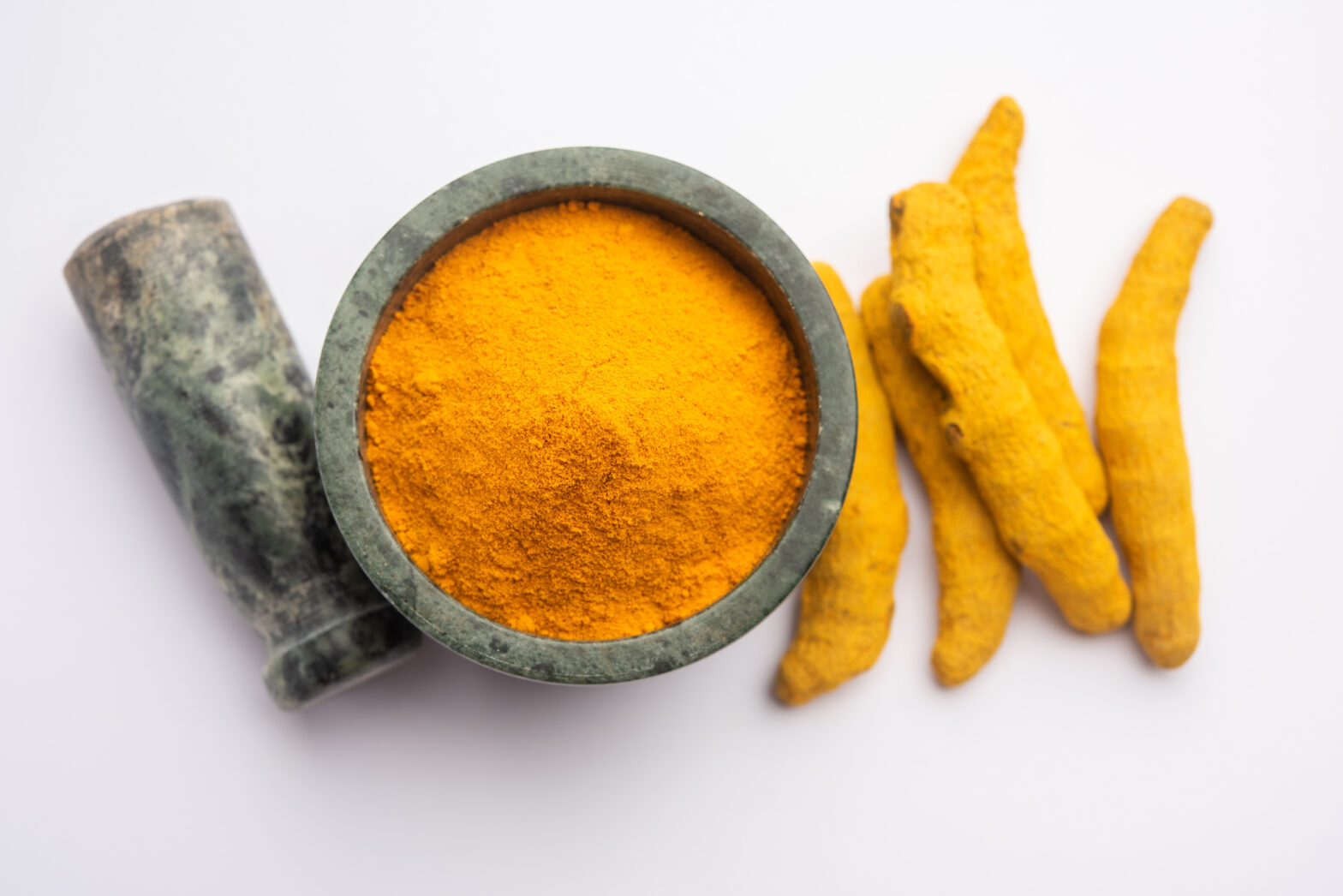
Turmeric in Ayurveda – 7 Benefits for Holistic Healing

  What is Turmeric ?   Turmeric is a spice that has been used in traditional Indian cooking for thousands of years and has recently become a popular supplement. It is easy to see why turmeric is such an attractive choice for health enthusiasts looking to boost their immune systems and improve their overall health.   According to Ayurveda, turmeric helps balance all three Doshas—Vata, Pitta, and Kapha. However, it can aggravate Pitta and Vata when taken in excess. It  has a bitter taste (Rasa), an astringent energetic effect (Virya), and its post-digestive effect (Vipaka) is pungent and heating.   In Ayurvedic practices, turmeric is thought to have many medicinal properties. It strengthens your body’s energy, gets rid of gas, dries out worms, improves immunity, improves digestion, regulates menstruation, dissolves gallstones, and relieves arthritis.   It has anti-inflammatory properties Turmeric contains curcuminoids that are potent anti-inflammatory agents. They help reduce pain while also decreasing swelling, especially related to conditions like arthritis.    It is a powerful antioxidant Turmeric has antioxidants that protect cells from damage and helps improve memory and brain function.    It is an antidepressant Turmeric  helps the brain produce serotonin, which is a hormone that makes you feel happy. The spice can also help people with seasonal depression and milder forms of depression. However, if you suffer from severe depression, it won’t cure the condition by itself, but it may be able to ease some of your symptoms so that other treatments are more effective.   It has anti-cancer properties Curcumin has been studied for its anti-inflammatory properties, it has also shown to have anti-cancer properties. In fact, curcumin has been shown to slow the growth of cancer cells and even prevent them from spreading. It is also a powerful antioxidant that helps protect your body from free radicals, which can damage cells and lead to disease.   It protects our brain The active ingredient curcumin protects the brain from radical damage, thus lowering chances of Alzheimer’s and depression that are related to inflammation of the brain.   It helps in better digestion Turmeric when cooked with food along with ghee and consumed helps in “Srotovisodhana.” It clears up the blocks in the channels and detoxifies them, helping in better absorption and digestion of food.  This means more absorption of nutrients from the food.   It works wonders on the skin Turmeric is also great for your skin as it has anti-inflammatory and anti-microbial properties that reduce redness and irritation. If you are Indian, you might know how you use the spice in most home-made face packs.   Consuming turmeric regularly can help keep your body healthy. I add turmeric to almost everything I cook!   If you have kids or adults who are like kids at home, adding turmeric to every dish is also a great way to improve immunity!   If you are struggling with any health issues, you can either book a consultation with us or send us a message via WhatsApp to +91 79074 89839. We have the best Ayurvedic doctors in Trivandrum who are always glad to help you. If you have any queries, contact us.  You can also visit us at our hospital.

Tongue Assessments in Ayurveda

Tongue is one of the sense organs; it is the organ of taste. But Ayurveda sees it as a far more important tool that can be used for diagnosis. It is considered the window of the inner system and that is why tongue assessment is an important part of Ayurvedic diagnosis. In Ayurveda, a tongue assessment helps to recognize the following conditions: Any Ayurvedic doctor can clearly see the imbalances of the body and hence digestion by looking at it. You can also do a self-assessment.   Regularly checking your tongue helps you identify when toxins are being accumulated in your body, when certain foods you consume are causing negative reactions to your system, or when other indications of disorder arise.     Tongue Assessments     If your tongue is yellowish, cracked and rough, it denotes a Vata imbalance.   Your tongue shows shades of red, blue or black and if you experience a bitter taste often, it denotes a Pitta imbalance.   If you have a white, clear, watery, it implies Kapha imbalance.   Do a self-assessment You may wonder – oh! my tongue always looks a certain way; therefore, how do I figure out if it has any abnormalities?  Just like how you take a BP or do a self-examination of the breast, it is important to check it for a range of days to look for signs of digestion. Tongue analysis is something you can do by yourself.  I advise my patients to take a photo of their tongue every morning before brushing; consequently, they should send it for 15 days. Do this for 15 days. If, however, you notice any abnormalities, it could be an indication of poor gut health.   If you are struggling with any health issues, you can either book a consultation with us or send us a message via WhatsApp to +91 79074 89839. We have the best Ayurvedic doctors in Trivandrum who are always glad to help you. If you have any queries, contact us.  You can also visit us at our hospital.                                                                                                                                                                                                                                                                                                                                                                                                                                                                                                                                                                                                                                                                                                                                                                                                                                                                                                                                                                                                                                                                                                                                                                                                                                                                                                                                                                  … Continue reading Tongue Assessments in Ayurveda