
Ayurveda and Menstrual Pain: Understanding Cramps, Clots and Mood Changes

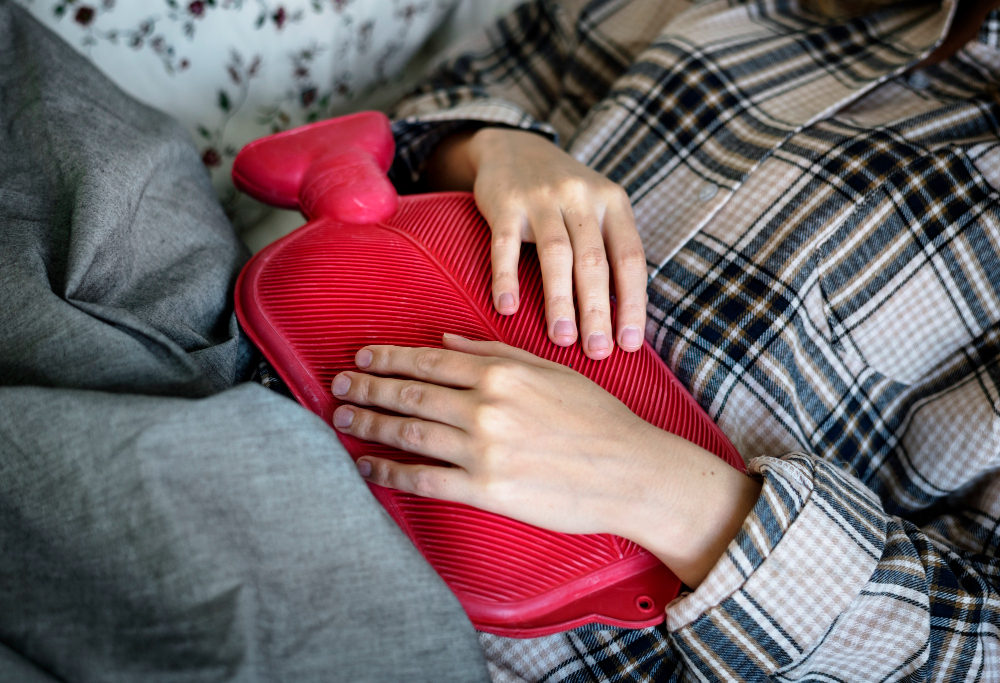
Menstrual pain, clots, and mood changes are very common, but they are not something every woman has to quietly suffer through. From an Ayurvedic perspective, these are signs that the body’s natural balance needs support. Ayurveda sees periods not as a “problem,” but as a reflection of how well digestion, hormones, and daily lifestyle are working.   Many women know the routine every month: lower‑abdomen cramps, passing clots, feeling bloated, tired, or suddenly emotional. In Ayurveda, these are not “just part of being a woman.” They are signals from the body that Vata and Pitta doshas are imbalanced, digestion is weak, and the reproductive system is under stress.   Instead of treating each symptom alone, Ayurveda looks at the whole picture: food, sleep, stress, emotions, and daily habits, and then offers gentle, natural ways to bring balance back.   Why Do Period Cramps Happen?   In Ayurveda, menstruation is seen as a natural downward movement controlled by an energy called Apana Vata. This energy helps the menstrual blood flow out smoothly.   When life is too fast, too stressful, or too cold for the body, this Apana Vata gets disturbed. The result is tightening, spasms, and cramping in the lower abdomen, back, and sometimes thighs.   Cramps usually start a few hours before the period or right when bleeding begins. They may come and go in waves and can be mild or very strong. Ayurveda views this as a sign that the body needs more warmth, rest, and calm routines, not just painkillers.   Are Clots and Heavy Bleeding Normal?   Passing small clots with your period is usually normal, especially if the bleeding is not too heavy and your cycle is otherwise regular. But large clots, very heavy bleeding, or periods lasting more than 7–8 days are signs that the body is out of balance.   Ayurveda links heavy, dark, or clotty flow mainly to Pitta dosha and disturbed Rakta dhatu (blood tissue). When Pitta is high, the blood can become hot, fast, and heavy, which leads to more bleeding and clots.   On the other hand, if the flow is very light, patchy, or very irregular, it is often linked to Vata imbalance, where the flow is weak and unsteady.   The goal in Ayurveda is to balance the doshas, support healthy digestion, and strengthen the reproductive tissues so that periods become regular, comfortable, and not painful.   Mood Swings, Anxiety and PMS   Many women feel more emotional, anxious, or easily irritated a week or two before their period. Ayurveda connects this to Vata and Pitta going out of balance in the mind and body.   Vata, which controls the nervous system, makes the mind restless and sensitive. Pitta adds intensity and sharpness to emotions. Together, they can create:   Feeling suddenly upset or tearful Feeling angry over small things Fear, anxiety, or racing thoughts   Stress, lack of sleep, and irregular eating make this worse. When the digestive fire (Agni) is weak, the body cannot digest food properly and also cannot handle stress and emotions, which leads to stronger PMS symptoms.   Simple Diet Changes During Your Period   During menstruation, the body is already delicate, so Ayurveda suggests eating light, warm, and easy‑to‑digest foods.   Here are some simple tips: Eat warm cooked meals like khichdi, vegetable soups, rice, and soft lentils. Sip warm water with ginger, fennel, or cumin to ease cramps. Avoid cold drinks, ice cream, raw salads, and too much fried food, as they increase Vata and pain. Have a light dinner early so the body can rest instead of digesting heavy food at night.   On bleeding days, it helps to avoid heavy exercise, intense workouts, and long travel and instead focus on rest, warmth, and gentle movement.   Lifestyle and Daily Habits for Better Periods   Your daily routine has a big impact on your periods. Ayurveda calls this Dinacharya (daily routine). A few simple changes can make a big difference:   Sleep and wake up around the same time every day, especially going to bed early. Avoid staying up very late or working on screens till midnight, as this aggravates Vata and Pitta. Take short gentle walks or practice mild yoga and stretching to improve blood flow in the pelvic area. Use warm water or warm showers instead of very cold baths to soothe the body.   A gentle self‑massage (Abhyanga) on the lower abdomen with warm oil a few days before the period can also relax muscles and reduce cramps.   Breathing and Mind Calming for Pain and Mood   Breathing practices help calm the mind and balance hormones. Simple techniques recommended in Ayurveda include:   Nadi Shodhana (alternate‑nostril breathing): 5–10 minutes daily to reduce anxiety and mood swings. Gentle Kapalabhati (quick exhalations): Helps clear the mind and improve circulation.   Spending 10 minutes each day in quiet breathing, without phones or screens, can greatly reduce stress‑related PMS and cramps.   Herbal Support, But Use Carefully   Ayurveda uses various herbs to support menstrual health, but they should always be taken under the guidance of a qualified Ayurvedic doctor. Some commonly used herbs include:   Shatavari: A gentle, cooling herb that nourishes the female reproductive system and helps with heavy or irregular bleeding. Ashoka: Helps regulate periods, reduce pain, and support a healthy uterus. Dashmoolarishta and similar herbal preparations: Used to balance hormones, reduce inflammation, and support long‑term menstrual health.   In chronic conditions like PCOD or endometriosis, trained Ayurvedic doctors may also suggest Panchakarma‑style therapies, such as gentle cleansing and special herbal treatments, over a few months.   When to Seek Help   Mild cramps and small mood changes are common, but severe pain, very heavy bleeding, large clots, or extreme mood swings are not normal. They can be signs of conditions like PCOD, endometriosis, fibroids, or hormonal imbalance.   If any of the following are true, it is important to see a doctor (Ayurvedic or modern): The pain is so strong that it stops daily work… Continue reading Ayurveda and Menstrual Pain: Understanding Cramps, Clots and Mood Changes
Why You Get Acidity, Gas and Bloating After Meals?

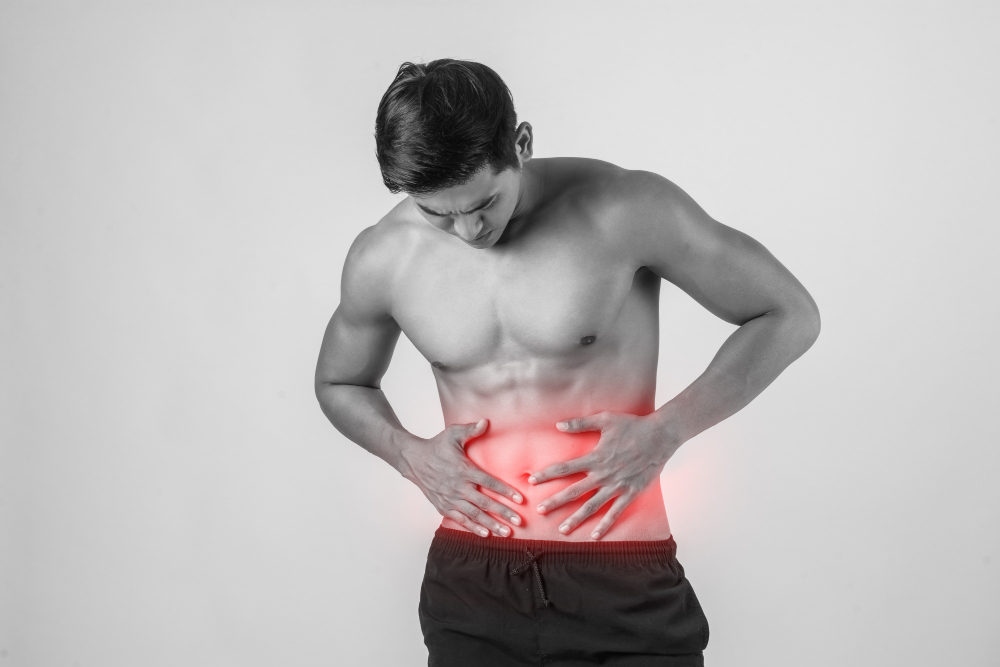
What Is Really Going On?   If you feel burning, gas, heaviness or bloating after most meals, it is not “just your usual stomach problem.” Ayurveda says this means your digestion is disturbed and your food is not processing properly.   In simple words, three things are happening inside:   Your digestive “fire” (Agni) is weak or irregular. Your inner heat (Pitta) may be too high – causing burning and acidity. Your air element (Vata) may be disturbed – causing gas and bloating.   When this continues for weeks or months, half-digested food turns into sticky waste called Ama. This Ama creates more gas, heaviness and discomfort after almost every meal.   Agni is like the flame in your stomach. When it is balanced, you feel hungry at the right time, your food digests well, and you feel light and comfortable after a meal. Similarly, when Agni is weak, food stays longer in the stomach and intestines, making you feel full, dull and sleepy even after a small meal.   When it is too strong, you may feel sharp hunger but also burning, acidity and loose stools. When it is irregular, your appetite and digestion keep changing sometimes very hungry, sometimes no hunger at all, sometimes constipated, sometimes loose motions.   All these patterns can lead to discomfort after meals if not corrected.   When food does not digest properly because of disturbed Agni, it turns into something that Ayurveda calls Ama. You can imagine Ama as half-cooked, sticky, stale food sitting in your gut. It is heavy, blocks the natural flow in the intestines and starts to ferment.   This shows up as constant bloating, excessive gas, bad breath, a coated tongue and that feeling of being full and tired even after a small quantity of food. Over time, if Ama keeps building up, it can spread further and contribute to problems like joint pains, low energy and skin issues. That is why just neutralizing acid is not enough, the real work is to improve Agni and clear Ama.   Role of Pitta – Heat and Acidity   Pitta is the fire and heat energy in the body. In the stomach and chest area, high Pitta shows up as burning, sour burps, acid taste in the mouth, nausea and discomfort in the upper abdomen or chest. Everyday habits easily push Pitta up, such as eating very spicy, oily and fried food, taking a lot of pickles, vinegar and sour items, drinking too much tea, coffee, cola or alcohol, and smoking. Skipping meals, having long gaps and then overeating also irritate Pitta.   Emotionally, anger, frustration, working under pressure and eating while tense or upset add more “heat” to the digestive system. If this continues for weeks and months, it can lead to repeated acidity, heartburn and conditions like gastritis and reflux.     Role of Vata – Gas and Bloating   Vata is the principle of movement and air in the body. In the digestive system, excess or disturbed Vata shows up as gas, bloating, gurgling sounds, shifting cramps and irregular bowel habits. Common triggers are eating in a hurry, talking while eating, swallowing a lot of air, taking very cold, dry or raw foods, or living on biscuits, chips and other dry snacks.   Fizzy drinks and chilled water add more air and cold to the system. Irregular meal timings, frequent travel, late nights and worry or anxiety disturb Vata even more. Even if acidity and burning seem to be the main issue, Vata usually adds extra gas and bloating on top of it, which makes you feel stretched and uncomfortable after meals.     Everyday Causes That Make It Worse   Most people with repeat acidity and gas have a few habits in common. When you correct these, you often feel better even before taking any herbs.   Common food-related causes: Eating at odd times every day. Eating again before the last meal is digested. Heavy, late-night dinners. Very spicy, oily, fried and junk food. Too much tea, coffee, cola or alcohol. Mixing foods that don’t go well together (like milk with sour fruits, or fruits with heavy meals). Lifestyle and mind-related causes: Eating while working, scrolling, or in front of a screen. Eating too fast, not chewing properly. Lying down soon after meals. High stress, anger or worry, especially around mealtimes. Not sleeping on time and lack of any movement or exercise.   Simple Food Rules To Keep in Mind   You don’t need a very complicated diet to start healing. A few clear, simple rules help a lot.   Eat at regular times   Try to eat your main meals at similar times each day. Your body likes rhythm. When you eat at random times, your digestive fire becomes confused and weak.   Wait for real hunger   Eat when you feel light hunger, not just boredom or habit. If the last meal is still sitting heavy, give it time to digest. For most people, a gap of about 4 hours between main meals works well.   Eat warm, fresh, cooked food   Warm, freshly cooked meals are easier to digest than cold or stale food. Prefer:   Light khichdi, dal-rice, simple vegetable sabzis. Chapatis with ghee and cooked vegetables. Soups, stews and lightly spiced one-pot meals.   Avoid having large bowls of raw salad, cold smoothies or fridge-cold leftovers when digestion is weak.   Go easy on spice, sour and oil   If you get burning and acid: Cut down on heavy chilli, pickles, vinegar, tomato-heavy gravies and fried food. Reduce deep-fried snacks, pakodas, chips, samosas, puris and heavy biryanis. Keep mustard oil, very spicy chutneys and heavy masalas to a minimum.   Avoid wrong food combinations   Some common combinations can disturb digestion: Milk with sour fruits like orange, pineapple or berries. Milk or curd with salty, fish or meat dishes. Fruits eaten together with a full cooked meal.   It is better to have fruits alone, with some gap before or… Continue reading Why You Get Acidity, Gas and Bloating After Meals?

Bloated stomach Remedy in Ayurveda – Ajwain Faanta

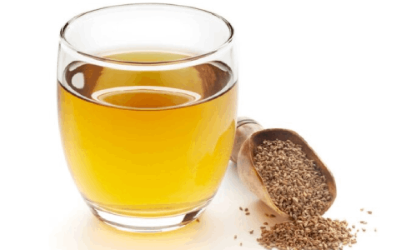
Ajwain Faanta, also known as Ajwain water or carom seed water, is a traditional Ayurvedic remedy for bloated stomach.    It is made using Ajwain (Trachyspermum ammi) – a herbaceous plant native to India and the eastern Mediterranean region. Its seeds have a pungent, bitter taste and are used as a spice in many Indian dishes. Ajwain seeds are also known for their medicinal properties, including their ability to relieve digestive problems.          Ajwain Faanta  Recipe For Bloated Stomach     Here’s how you can make Ajwain Faanta.    Ingredients:  Ajwain (Carom seeds) – 20 grams   Hot water – 80 ml     Method of preparation:  Add the carom seeds to a bowl and pour the hot water into the bowl as well.   Let it stay there for 10 minutes.   After 10 minutes, strain the water and let it cool to room temperature.   Drink the Ajwain Faanta when it is lukewarm.    How Does Ajwain Faanta Help Ease Bloating and Discomfort?    Here are a few ways Ajwain Faanta can ease bloating and discomfort in the stomach:    Reduces stomach discomfort  Ajwain Faanta possesses analgesic qualities that may be utilized to lessen stomach pain brought on by indigestion, gas, or bloating.     Enhances digestion  The enzymes in ajwain seeds aid in the breakdown of food in the gastrointestinal tract. This may aid in enhancing digestion and easing indigestion symptoms like nausea and vomiting.     Increases fat burning and metabolism  Ajwain seeds have a thermogenic effect, which means they can aid to increase fat burning and metabolism. This could aid in encouraging weight loss and reducing belly fat.     Anti-inflammatory qualities  The anti-inflammatory characteristics of ajwain seeds may assist to lessen digestive system inflammation. This can aid in reducing the signs and symptoms of digestive diseases like inflammatory bowel disease (IBD).     Ajwain Faanta is a well-known Ayurvedic remedy for bloated stomach. It is simple to prepare at home and is great to enhance intestinal health. Nonetheless, it is crucial to speak with a healthcare provider for an accurate diagnosis and treatment if you have severe or persistent digestive issues.    If you are struggling with any health issues, you can either book a consultation with us or send us a message via WhatsApp to +91 79074 89839. We have the best Ayurvedic doctors in Trivandrum who are always glad to help you. If you have any queries, contact us.  You can also visit us at our hospital.

Gas or Bloating Remedies in Ayurveda

Bloating or gas is one of the common digestive issues faced by many. unhealthy food habits, indigestion, desk-bound lifestyle – all contribute to bloating. According to Ayurveda,  bloating or gas is caused due to a weak digestive fire (Agni). They call it aadhmaana and it is a kind of vata imbalance.  Bloating that occurs occasionally is considered normal. However, if it is frequent, it is a sign of imbalance in digestion. Bloating in our abdomen happens when our gastrointestinal tract is not able to split the food into smaller particles for absorption. The body then retains the food, converting it to toxins and receiving no nourishment.  Ayurveda suggests the following remedy for relief from bloating. Garlic milk This recipe is from Caraka Samhita Chikitsa Sthana. Ingredients Garlic –   5g Milk    –  50ml Water  –  50 ml Preparation Add garlic paste to milk and water and boil it until the quantity reduces to 50ml.  Strain and drink 10ml two times a day after food. Benefits Garlic milk is good for subsiding gas, bloating, abdominal cramps and constipation. This recipe is also suitable for people with heart disease and arthritis. Ayurveda recommends using small garlic over big ones, though the latter is easy to clean. The reason is that small garlic has more health benefits than big garlic. Small garlic is good for the heart, eyes, liver, hair, hot potency and anti-ageing. It is also useful for relief from worms and digestive issues and for healing wounds. It also reduces Vata and improves vitality. Big garlic, however, is the inferior variety. It has all benefits of small garlic but to a lesser extent. It is also extremely Pitta increasing. Remember, garlic milk is medicine. So, it is not advisable to consume it daily forever. You can use it for a few days and stop it. But, do not store the garlic milk to use later.   If you are struggling with any health issues, you can either book a consultation with us or send us a message via WhatsApp to +91 79074 89839. We have the best Ayurvedic doctors in Trivandrum who are always glad to help you. If you have any queries, contact us.  You can also visit us at our hospital.