Ayurvedic Formulations : Exploring Sahasrayogam

History of Ayurvedic Formulations   It is a traditional Kerala Ayurvedic textbook that has 1000 formulations used to treat diseases in Ayurveda. Originally written in Sanskrit, this book is priceless for any practicing Ayurvedic doctor, and it primarily talks of formulations made from medicinal plants available in Kerala!  (  Sahasrayogam  –    Sahasra = 1000,   Yoga = formulation  )Like any Ayurvedic text, the book is also written in the form of Shlokas (verses). The learning method used to study texts like these, or even all of the Ayurvedic texts is, by repetition.  This is how learning Ayurvedic texts look like: Reading aloud the verses, grasping the content, and repeating over and over again until it becomes by heart. The more you repeat, the more it gets cemented in the memory. The best part is, if you learn as a verse, chances are you will never forget it in your lifetime. Remember the poems you had learned by heart as a child versus the stories- you remember the poems more!  Personally, this book has helped me a lot in my practice. The moments I realise the importance of these verses “flowing” from memory is during some consultations. When a patient presents with weird combinations of Rakta-Pitta imbalance, deranged metabolism, and less of Kapha complaints and still struggling with memory loss, you know you have to give a “Chandanadi” formulation and not a Pinda Taila. This quick realisation comes only if the Shlokas are “flowing”.  It is said that it takes 30 years to learn even 1% of Ayurveda. It’s an ocean of knowledge. Learning it is a never-ending process. Just imagine this book has 1000 formulations and Ayurveda overall has around 30,000 formulations described in the Samhitas. It is not humanly possible to learn all of this in a lifetime. I know this, but still, I try to learn at least one new sloka per day. Some progress is better than no progress at all.  All of us – including you and me, if you are reading this post – we are all these little minuscule beings standing on the shore of the vast ocean of Ayurveda looking at the never-ending horizon with nothing but wonder!  And if you have any queries, book a consultation with us. We are more than happy to help to bring back you to your good health.   If you are struggling with any health issues, you can either book a consultation with us or send us a message via WhatsApp to +91 79074 89839. We have the best Ayurvedic doctors in Trivandrum who are always glad to help you. If you have any queries, contact us.  You can also visit us at our hospital.

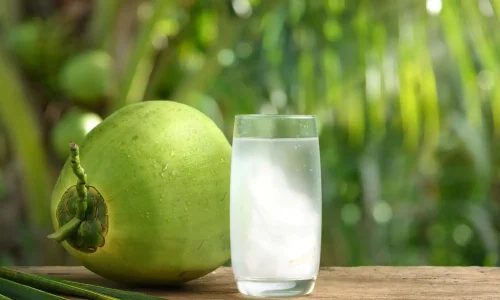
Coconut Water in Ayurveda

Ayurveda places great importance on natural remedies and nutrition for maintaining a healthy body and mind. Tender coconut water is one of the most treasured natural remedies in Ayurveda.  This refreshing drink is rich in nutrients and has numerous health benefits, making it a staple in Ayurvedic practices. 

Why do you get diseases?

While we readily acknowledge and celebrate birth, the topics of diseases and death often evoke fear and discomfort. Similar to birth, in addition, death and diseases are inevitable aspects of life. While death is unavoidable, you can take preventive measures to resist one of the major causes of it – diseases!   Why do you get diseases?   Caraka Samhita mentions 5 reasons why diseases are caused.     Mithya Ahara Vihara Adopting an unhealthy diet and sedentary lifestyle can contribute to the development of chronic diseases, such as diabetes and hypertension, commonly referred to as “lifestyle diseases.     Asathmya Indriyatha Samyoga Misuse of the senses can cause imbalance of the body and the mind, leading to the accumulation of toxins (Ama) in the body.     Karma   According to Ayurveda, Karma refers to actions and their outcomes, including the diseases one experiences. They are often a result of our past actions.     Kaala   With the passage of time, the body naturally weakens, its immune system becomes less effective and it becomes more susceptible to various diseases.     Prajnaparadha   Ayurveda considers Prajnapradha – an offense against wisdom – as the main cause of all diseases; therefore, it emphasizes the importance of maintaining mental clarity and insight. In life, where there is hope, there is also despair. Just as normalcy coexists with adversity, similarly, birth accompanies death and disease. While there are certain aspects beyond our control, there are also elements that we have complete control over. It is within our power to take meaningful actions, right at this moment. I will cite an example: You may not be able to naturally reverse the grey hair or that wrinkle that appears after 30 to how it looked when you were 16. But we can do a daily Abhyanga to keep up the youth of skin and hair! The key is to take small steps and approach life one day at a time, striving to live a life free from disease through every means available to us.   If you are struggling with any health issues, you can either book a consultation with us or send us a message via WhatsApp to +91 79074 89839. We have the best Ayurvedic doctors in Trivandrum who are always glad to help you. If you have any queries, contact us.  You can also visit us at our hospital.                                                                                                                                                                                                                                                                                                                                                                                                                                                                                                                                                                                                                        

Cholesterol Managing with Ayurveda

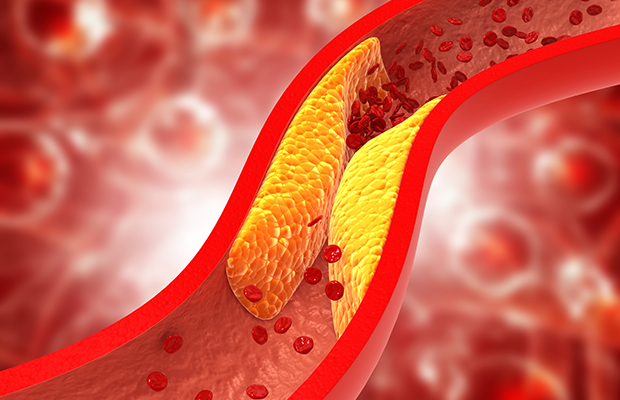
A Hyper cholesterolemia ( high cholesterol )  is not a disease. It is a condition or sign that indicates something bigger is happening inside your body. You just need to pay a little attention to your lifestyle to bring it down easily to normal levels in Ayurveda.    Ayurvedic texts do not specifically mention cholesterol by its name. Mentions of keeping Meda Dhatu (lipid tissue) healthy in quantity and quality instead, this is how to maintain the lipid tissue in the body.   The Doshas and tissue (Dhatu) are maintained in their normal quantity, quality, and functionality by metabolic processes. Metabolites that are not assimilated by the body tissues will be produced when in abnormal states as a result of various physical and emotional factors. Ama (toxins) is the end product of such metabolic activity. According to Ayurveda, bad cholesterol is caused by Ama found in fat tissue.     Ama – the by-product of improper digestion can obstruct body passageways, such as arteries. It spreads throughout the body when it is present for a very long time and is not eliminated from the system. Ama can mix with the Dhatus and the Malas (waste products). It also damages the body’s channels when it mixes with fat tissue, which can result in issues like high cholesterol, heart disease, stroke, and high blood pressure.     According to Ayurveda, Ama is the root cause of all metabolic diseases. Once formed, it has the potential to obstruct metabolic pathways and cause diseases. One such product that results from metabolic weakening in humans is cholesterol.    Pitta people have more tendency to get high cholesterol, high triglycerides and fatty liver because of their body make up.    Managing cholesterol      When you hear the word “cholesterol,” the first thought would be to cut down fats completely from your diet.     But, do you really have to do it?    Absolutely not!    Our body produces and synthesizes up to 80% of the cholesterol we have, not the fat in our diet. (Less than 8% comes from consumed food.)   You can consume good fats, like fish, eggs and ghee without any worries as you try to manage your cholesterol levels. Good fats help improve digestion, help break down food and also ease the digestive process in stomach, liver and intestine.    Here are few things that you can follow to manage high cholesterol:     Completely avoid any kind of processed foods. Never have any food that comes in a packet with more than five ingredients.   Use garlic in plenty   Do not have extremely spicy or sour foods in your diet.  Make sure you walk at least 30 mins every day  And the very important step – manage your stress levels!    If you are struggling with any health issues, you can either book a consultation with us or send us a message via WhatsApp to +91 79074 89839. We have the best Ayurvedic doctors in Trivandrum who are always glad to help you. If you have any queries, contact us.  You can also visit us at our hospital. 

Temperature Of The Water You Should Drink

 Human body is made up of 50-70% water. Also, our body needs water for the cells and tissues to be hydrated as well as to maintain the body temperature. It is also vital for many other functions of the body. Men should drink 2.5 litres and women should drink 2 litres of water per day. (The numbers represent placeholders for the actual quantities).  Ayurveda says water is “Jeevana” – enlivening, water is “Tarpana” – satiating, water is “Hladi” – gives joy, water is “Amrutopama” – like nectar!  But what is the right temperature of water that you should be drinking?  Hot water?  Warm water?  Room temperature water?  Internet says something, books say another! It is confusing, isn’t it?  Rather than the kind of water that everyone should drink, Ayurveda has clear-cut recommendations on who should drink what. In this blog, let us explore, furthermore, the type of water you should drink, as mentioned in Ashtanga Hridaya Sutra Sthana.    Room temperature water    According to Ayurveda, room temperature water is water that is boiled and cooled down to room temperature.   Drinking room temperature water is more beneficial than warm water in these conditions:  After having alcohol   If you are tired, exhausted or feeling giddy  If you are extremely thirsty  If you have been out in the sun  If you have bleeding disorders  If you have food poisoning     Warm water      According to Ayurveda, drinking warm water, in fact, makes you feel lighter. It also helps improve Kapha Dosha. Drinking warm water also helps reduce the chances of you feeling hungry, thus preventing overeating and reducing your urge to consume junk food.     Drinking warm water is better in these conditions:  If you have less appetite  If you have low digestive fire  If you have throat pain or sore throat  If you have fever, cough, cold  If you have aches and pains  If you have flatulence  Ayurveda does not recommend drinking cold water as it cools down the digestive fire (Agni), thus affecting your digestive process.   Ayurveda also has certain guidelines for drinking water – taking small sips, drinking water while standing and not immediately before or after having food, being some of them.     If you are struggling with any health issues, you can either book a consultation with us or send us a message via WhatsApp to +91 79074 89839. We have the best Ayurvedic doctors in Trivandrum who are always glad to help you. If you have any queries, contact us.  You can also visit us at our hospital.

I Just Won the Digital Health Award

Winning award always reminds me of how long I have come from being a graduate to an experienced Ayurveda doctor who understands the need to spread the essence of real Ayurveda, which seems to be lost today. Thanks to the business goals and money mindedness. My journey as a health influencer started from the very thought that my responsibilities as a doctor – especially being from a family of Ayurvedic practitioners for generations, in imparting the right knowledge about Ayurveda hold importance and to make people aware that Ayurveda might be one of the oldest traditional systems of medicine. But, that it is still relevant in the modern world. The patients who approach me, the queries I get in my messages and the awards I receive are all proofs that I am being successful in my attempts.  The latest award I received in October 2022 – Digital Health award by IHW Council, Health Authority of India is another reminder of my journey and my responsibilities. I have received this health award deeply honored and will continue my efforts to spread knowledge about Ayurveda.   If you are struggling with any health issues, you can either book a consultation with us or send us a message via WhatsApp to +91 79074 89839. We have the best Ayurvedic doctors in Trivandrum who are always glad to help you. If you have any queries, contact us.  You can also visit us at our hospital.

How I Became an Ayurvedic Doctor – My Ayurveda Journey

  My journey as an ayurvedic doctor is something I get asked about the most. Hence, I’m sharing it in this blog.  I consider myself fortunate to have been born into an Ayurvedic family. My father, grandfather, his father and his grandfather were all Ayurvedic doctors. However, my mother was a government employee, adding a different dimension to my upbringing.  Throughout my life, I was surrounded by Ayurveda. As a newborn, the first thing I was given was a little bit of Vacha (Acorus calamus), honey and a touch of gold in my mouth. Ayurveda was a part of my upbringing. Whether it was the food I consumed or the medicines I took for various ailments, Ayurveda was always a part of it.  My father was a Yogi. He led a Satwik life and practiced yoga throughout his life. He held a strong belief in Ayurveda and had reservations about Western medicine or any medical system other than Ayurveda. As a result, throughout my childhood, I never set foot into an Allopathic hospital or took a single Paracetamol. Even when I had a fever – even a high one, my mother would request my father to admit me to a hospital, but he would insist on giving me “pani koorka” juice and Tulsi juice. Surprisingly, the fever would subside without further medical intervention.  As time passed, it was time for me to enroll in college.   The Ayurvedic clinic that my father ran was attached to our house. The smell of oils always lingered in the air, and patients would gather in the mornings and evenings, for their consultations with my father. There was always a bustling crowd in front of our home that made me want to live somewhere else, as I couldn’t stand the smell or the sight of so many patients and suffering. All of these coupled with the fact that I had hot blood of a teenager running in my veins, I told my father that I didn’t want to study Ayurveda.  When the results of my entrance exams arrived, my marks aligned with those required for BDS (Bachelor of Dental Surgery). In India, medical college admissions are determined by your score in competitive entrance exams. Those with the highest ranks have the first option to pursue MBBS (Bachelor of Medicine and Bachelor of Surgery), which is followed by BDS, Ayurveda and then Homeopathy.   I was disappointed not to secure a place in MBBS as it would have been my one way to get out of Ayurveda. But my father was extremely happy. He said, “Why limit yourself to just the teeth? Why not consider the entire body? Pursue Ayurveda, and we will support you.” It was in that moment that I realized my true calling lay in treating the entire body.  So, I made the decision to study Ayurveda and joined my college. But, little did I know of the challenges that lay ahead. I was never the type to sit for extended hours and study, but I would be somewhere in the top five all through my life. But when it came to my college and studying Ayurveda, I realized I had no chance of passing it, because it was so voluminous for anybody to study.   My cousin used to be an MBBS student. We used to share notes of our classes because we had almost similar subjects. Only difference was that we have some other subjects added in the form of Ayurveda, and that too three different volumes and three different Samhitas, three different Acharyas, their books and what they have said about each of these concepts. Hence it was too voluminous for me and to make it worse, everything was in the form of a verse or a poem because it was all written in Sanskrit language, but not to the point that I could read all these verses and understand the meanings and all of it in detail.   At the time when I was studying, if you don’t write the verses then you don’t get any marks. Nowadays, the students are no longer required to memorize every single verse. This is what I’ve gathered from speaking with newer students. However, during my time, complete memorization was essential. Every single Sloka had to be learned by-heart.  It was too much for me to the extent that I contemplated running away from college. So, one morning, I packed my bags and returned home, pretending as though nothing had happened. No one, except myself, knew that I had abandoned Ayurveda. I remained at home until the college contacted my father, informing him of my prolonged absence.  My parents had believed that I was having my month-long study break. However, once they received the call from the college, they realized the truth. My parents insisted that I return to college. My father said, “Whatever happens, it’s fine for you right now. This is your Karma. Karma has to be done. This is something that you have to do. This is your duty to do. So do the duty. And then finally whatever end result it may bring, it’s okay. We are there to support you.” Encouraged by their support, I returned to college, where a new principal had also taken charge. So, things appeared brighter and more positive in my college.  However, I soon discovered that passing the exams required even more effort than before. We had an exam in every one and a half year. Memorizing everything we learned in that one and a half year and facing exams was much of a struggle. So, I had to literally take time and study.   So, I would wake up early in the morning, say by 3 AM, and dedicate myself to studying continuously. Even after returning from college, I would continue studying and sleep for only three hours at night. Sleeping any longer wouldn’t let me complete the portions and I won’t have time to exercise. During study breaks, I wouldn’t even take restroom breaks. I used to have bread… Continue reading How I Became an Ayurvedic Doctor – My Ayurveda Journey


Rain Water: Is It Really Safe to Drink?

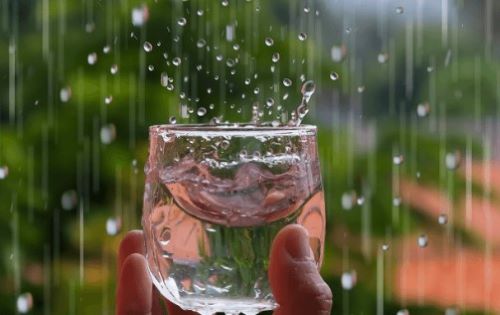
 Rain water  in  Ayurveda     According to Ayurveda,  drinking rain water (Antareeksha Jalam) can be beneficial for many reasons. Ayurveda recommends fresh, clean rainwater to help balance the body’s natural energies, improve the digestive system, and reduce any discomfort or pain associated with digestive issues. Additionally, it is believed to be a natural diuretic and helps flush toxins from the body.    Ayurveda also believes that rainwater contains healing properties, which can help reduce inflammation, support mental clarity, and provide relief from stress. In particular, Ayurvedic practitioners believe that drinking rainwater can help clear out Ama, which is the accumulation of toxins in the body caused by an unhealthy diet or lifestyle.    Finally, Ayurveda teaches that rainwater carries a unique energy and vibration that can help us connect more deeply to nature. This connection is thought to be especially beneficial for spiritual growth and emotional wellbeing.   BUT, THERE ARE A FEW THINGS TO TAKE CARE OF.   Choose the rain water Water collected after a few days of rain is ideal.   Choose the vessel Copper vessels are great for the collection of rainwater.   Process Collect rainwater after an hour of rain. Leave it overnight in the moonlight (covered with a thin cotton cloth – optional). Boil and drink the next day!   “Antareeksha Jalam” or rainwater that has come in contact with sunlight, moon light and wind has the following properties: Jeevaneeya (enlivening), Tarpana (satiating),  Hrudya (good for heart),  Buddhi Prabodhanam ( improves intellect), Tanu (Thin), Avyaktarasa (imperceptible taste),  Sheeta (cold),  Laghu (light to digest), Amrutopamam ( nectar-like).   The four types of rain water are Dhara, Kara, Tausara, and Haima.  Dhara Jala is the best among them due to its Laghu property.   Drinking rain water is comforting, relieves fatigue and is great for health.   However, whether rain water is safe or not depends on the season and location. If you live in a highly polluted area, with very low air quality, drinking rainwater may not be for you.   I used to drink rainwater a lot as a child! 12 years in Dubai – never! Now that I am in Kerala, I wish to do it more often!   Have you tried drinking rainwater?   If you are struggling with any health issues, you can either book a consultation with us or send us a message via WhatsApp to +91 79074 89839. We have the best Ayurvedic doctors in Trivandrum who are always glad to help you. If you have any queries, contact us.  You can also visit us at our hospital.

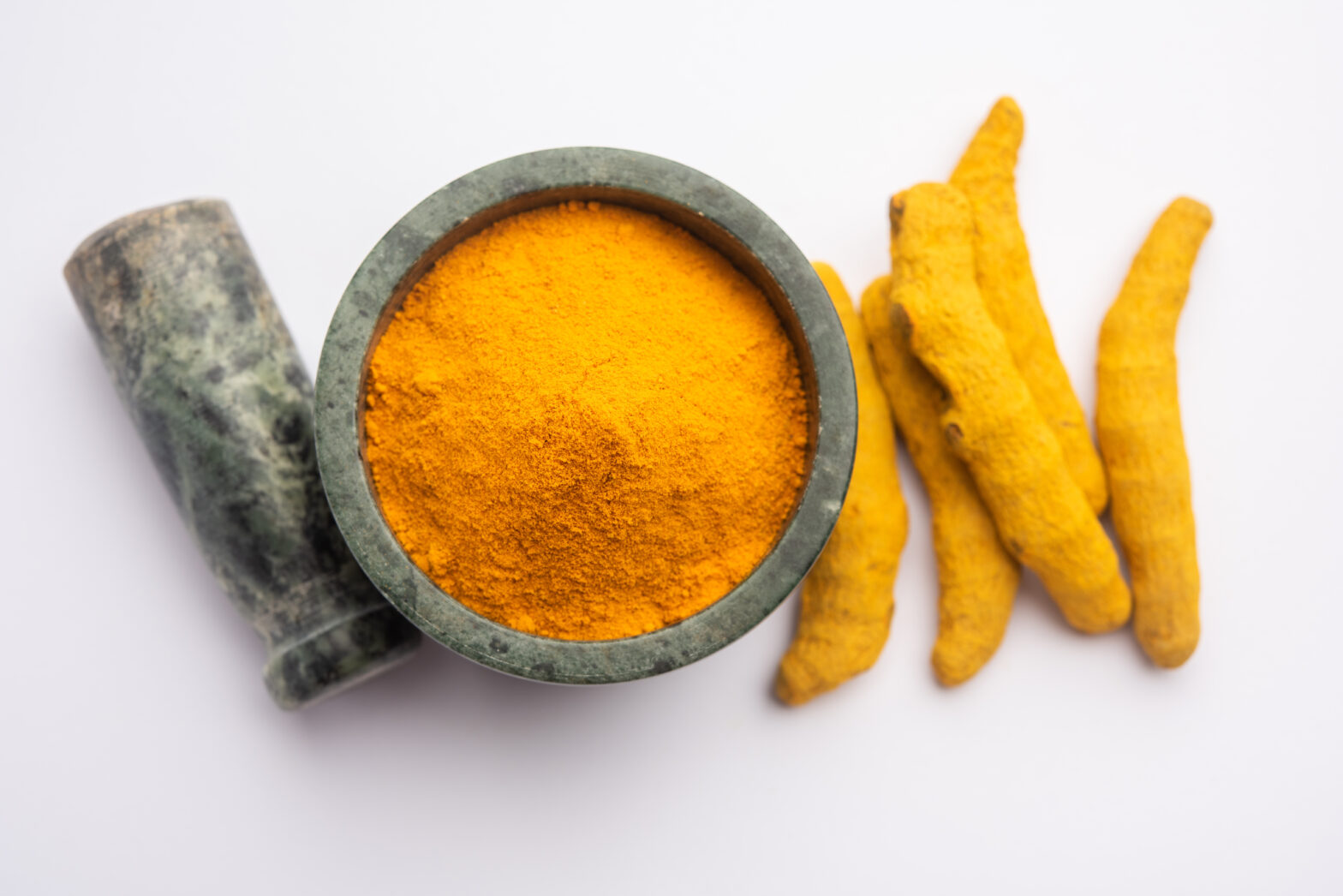
Turmeric in Ayurveda – 7 Benefits for Holistic Healing

  What is Turmeric ?   Turmeric is a spice that has been used in traditional Indian cooking for thousands of years and has recently become a popular supplement. It is easy to see why turmeric is such an attractive choice for health enthusiasts looking to boost their immune systems and improve their overall health.   According to Ayurveda, turmeric helps balance all three Doshas—Vata, Pitta, and Kapha. However, it can aggravate Pitta and Vata when taken in excess. It  has a bitter taste (Rasa), an astringent energetic effect (Virya), and its post-digestive effect (Vipaka) is pungent and heating.   In Ayurvedic practices, turmeric is thought to have many medicinal properties. It strengthens your body’s energy, gets rid of gas, dries out worms, improves immunity, improves digestion, regulates menstruation, dissolves gallstones, and relieves arthritis.   It has anti-inflammatory properties Turmeric contains curcuminoids that are potent anti-inflammatory agents. They help reduce pain while also decreasing swelling, especially related to conditions like arthritis.    It is a powerful antioxidant Turmeric has antioxidants that protect cells from damage and helps improve memory and brain function.    It is an antidepressant Turmeric  helps the brain produce serotonin, which is a hormone that makes you feel happy. The spice can also help people with seasonal depression and milder forms of depression. However, if you suffer from severe depression, it won’t cure the condition by itself, but it may be able to ease some of your symptoms so that other treatments are more effective.   It has anti-cancer properties Curcumin has been studied for its anti-inflammatory properties, it has also shown to have anti-cancer properties. In fact, curcumin has been shown to slow the growth of cancer cells and even prevent them from spreading. It is also a powerful antioxidant that helps protect your body from free radicals, which can damage cells and lead to disease.   It protects our brain The active ingredient curcumin protects the brain from radical damage, thus lowering chances of Alzheimer’s and depression that are related to inflammation of the brain.   It helps in better digestion Turmeric when cooked with food along with ghee and consumed helps in “Srotovisodhana.” It clears up the blocks in the channels and detoxifies them, helping in better absorption and digestion of food.  This means more absorption of nutrients from the food.   It works wonders on the skin Turmeric is also great for your skin as it has anti-inflammatory and anti-microbial properties that reduce redness and irritation. If you are Indian, you might know how you use the spice in most home-made face packs.   Consuming turmeric regularly can help keep your body healthy. I add turmeric to almost everything I cook!   If you have kids or adults who are like kids at home, adding turmeric to every dish is also a great way to improve immunity!   If you are struggling with any health issues, you can either book a consultation with us or send us a message via WhatsApp to +91 79074 89839. We have the best Ayurvedic doctors in Trivandrum who are always glad to help you. If you have any queries, contact us.  You can also visit us at our hospital.

Immunity Boosting With These 5 Foods

Ayurveda defines strong immunity as a result of good digestion, strong Agni (digestive fire), good liver functioning and a balanced endocrine system. There are many natural foods available that help enhance your immunity. According to Ayurveda, you should add these  foods to your diet to boost your immune system.   The 5 Foods to Boost Immunity:   Amla (Indian gooseberry) Amla has more Vitamin C than in Acai or oranges and has rich anti-oxidant properties that help protect our blood cells from oxidative stress and enhance immune cell function. The Vitamin C in Amla thus helps prevent as well as recover from different types of infections, like common cold. Amla suits every body type and is easy to digest.   Dates According to Ayurveda, drinking warm water, in fact, makes you feel lighter. The fruit is rich in immunity-boosting elements, such as magnesium, copper, selenium antioxidant, etc. that are necessary for immune response.   Ghee (clarified butter) Ghee benefits the Sapta Dhatus (7 tissue systems) of the body and is rich in antioxidants. It has both gut-health-boosting and detoxification properties that are great for the immune system.   Dry ginger Dry ginger is rich in antioxidants. It helps build immunity and reduce inflammation. It is also great for the digestive system.   Black raisins Black raisins improve blood quality and have the potential to reduce the inflammatory response. They are also loaded with vitamins and minerals that help boost the immune system and recover from infections.   If you are struggling with any health issues, you can either book a consultation with us or send us a message via WhatsApp to +91 79074 89839. We have the best Ayurvedic doctors in Trivandrum who are always glad to help you. If you have any queries, contact us.  You can also visit us at our hospital.