
Maintaining Kidney Health With Ayurveda

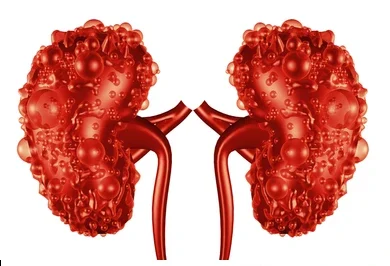
According to Ayurveda, the kidney is an essential organ that remove toxins from the body and keep the fluid equilibrium in the body. They are an important part of the Mutravahasrotas (urinary system). Taking care of our kidneys becomes essential in an environment where stress, poor eating habits and environmental pollutants are becoming more and more common. Ayurvedic principles can help us build the lifespan, health and resilience in our daily lives.  The ageless knowledge of Ayurveda provides direction for cultivating ideal well-being from within, whether your goal is to support renal health difficulties already present or prevent kidney-related problems in the first place.  This article examines practical advice and Ayurvedic ideas for maintaining kidney health and avoiding kidney problems.    Root Causes of Kidney Weakness in Ayurveda   In Ayurveda, kidney weakness is frequently linked to a Vata, Pitta and Kapha imbalance in the body and other lifestyle variables. The following factors can affect the health of your kidney, as per Ayurveda:    Imbalanced Doshas   The kidneys can become abnormal due to excess Vata, Pitta or Kapha Doshas. An imbalance of Vata may induce dryness and exhaustion, an imbalance of Pitta can produce inflammation and excessive heat and an imbalance of Kapha can cause kidney congestion and slowdown.    Poor Digestion   Toxins (Ama) can build up in the body because of poor digestion, which can be brought on by excessive consumption, irregular eating patterns, or eating foods incompatible with one’s constitution (Prakriti). Over time, kidney function may be impacted by these pollutants.   Dehydration   When there is insufficient intake of fluids, particularly water, the kidneys struggle to filter waste materials from the blood, which can contribute to dehydration. Dehydration for an extended period may lead to renal problems, including kidney stones.    Poor Diet   An excessive intake of processed meals, refined sugars, fatty foods and salt can strain the kidneys and cause them to deteriorate. A diet low in whole grains, fresh produce and other nutrients deprives the body of vital elements required for healthy kidney function.    Inactive Lifestyle   Not moving around much can hinder metabolism and circulation, which can cause Ama build up in the body. Regular exercise supports kidney health by assisting in appropriate circulation and cleansing.   Stress   Emotional tension and mental strain might weaken the kidneys and upset the Dosha balance, according to Ayurveda. Over time, renal function may be compromised by adrenal exhaustion brought on by ongoing stress.  It is possible to naturally restore balance and increase kidney function by addressing these underlying reasons using Ayurvedic concepts including food change, stress management, herbal therapies and lifestyle adjustments. Consult with a skilled Ayurvedic practitioner for tailored advice and assistance in treating kidney weakness naturally.   Improving the health of the kidney through Ayurveda   Ayurveda offers complete methods to support overall health as well as the health of the kidneys. The idea of balance—achieving a state of equilibrium among the body, mind and spirit to preserve maximum health—is fundamental to Ayurvedic philosophy.  Here are some Ayurvedic ways to protect your kidneys.   Diet   Ayurvedic kidney treatment is primarily based on dietary corrections, ensuring that your diet is balanced. The kidneys receive vital nutrients when entire, unprocessed diets like fresh produce, whole grains, beans, and lean meats are prioritized. It can promote the kidneys’ optimal function to avoid items that load them, such as processed foods, refined carbohydrates, and excessive salt.   Ayurvedic herbs   Herbs from Ayurveda are essential for supporting kidney function and cleansing. Among the herbs frequently used to support the kidneys are Punarnava, Gokshura, Varuna, Chandraprabha and Shilajit. These herbs support general renal function, help cleanse the kidneys and eliminate toxins. However, do not take any of these herbs without the prescription from a qualified Ayurvedic doctor.       Hydration    In Ayurveda, kidney health is largely dependent on hydration. Throughout the day, sipping warm or room-temperature water promotes healthy kidney function, helps eliminate toxins and keeps kidney stones from forming.   Stress Management   An essential component of Ayurveda’s kidney health strategy, moreover, is stress management. Stress-relieving techniques like yoga, meditation and deep breathing exercises support the body’s balance and vitality by easing mental and emotional tension.   Lifestyle changes   The emphasis is on lifestyle changes to maintain kidney health. Overall kidney strength is influenced by keeping a healthy weight, exercising often, obtaining enough rest and sleep, and abstaining from practices that harm the kidneys, such as smoking and excessive drinking.    Detoxification   Ayurveda suggests using gentle detoxification techniques to help the kidneys and remove toxins from the body. Seasonal detoxification treatments, dietary modifications and techniques like self-massage (Abhyanga) encourage detoxification and circulation.   Dinacharya    Creating a daily routine (Dinacharya) that aligns with the body’s natural cycles aids in keeping the kidneys and other organs in harmony and balance. Daily Ayurvedic practices including oil pulling, tongue scraping, and nose cleaning promote general health and vigor.   Through everyday use of these Ayurvedic practices, people can strengthen their kidneys, encourage good renal function, and avert kidney-related problems. Speaking with a trained Ayurvedic practitioner may promote a comprehensive approach to kidney health and well-being by offering individualized advice and suggestions based on each person’s requirements and imbalances.   Additional Tips   Here are some additional tips to promote kidney health:    Avoid overeating   Avoid overeating, as this can strain the kidneys and overburden the digestive system. Eat slowly, give your food a good chewing motion, and stop once full. Steer clear of large, oily, and spicy meals – especially after dark – as these can cause problems with renal function and upset stomachs.    Keep a Healthy Weight   Kidney disease is more likely in those who are obese. Eat a balanced diet and engage in regular exercise to stay at a healthy weight. Engage in enjoyable physical activities, such as yoga, swimming, or walking, to not only assist your metabolism but also enhance your general health.   Limit Intake… Continue reading Maintaining Kidney Health With Ayurveda

Dosha Personality Types in Ayurveda

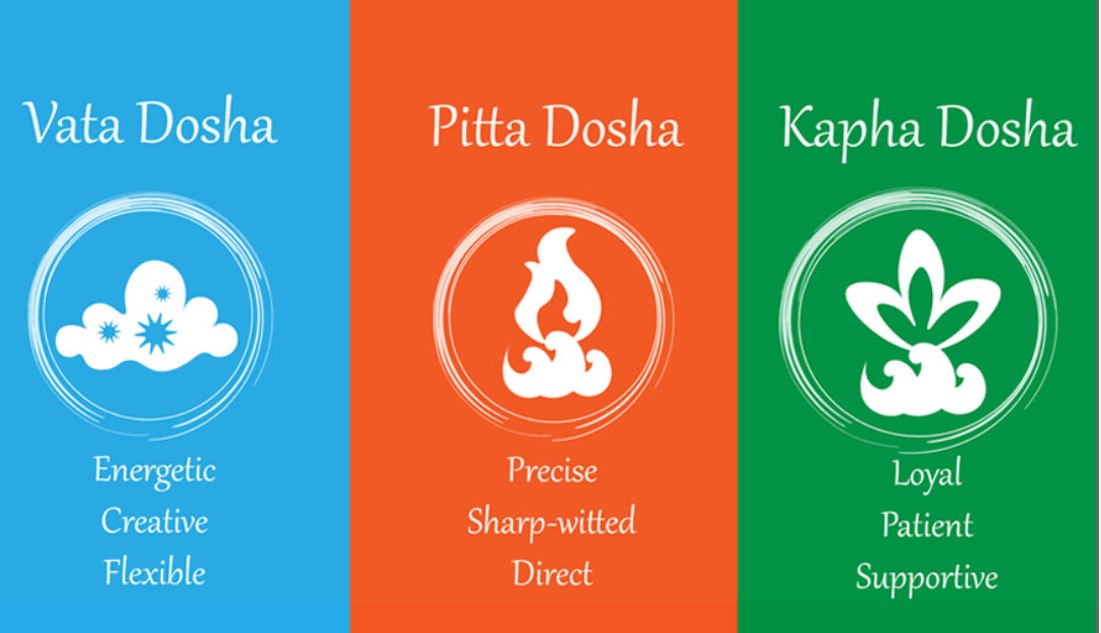
In a world bustling with ambitions and dreams, motivation becomes the fuel that propels us forward. But have you ever wondered why some people are naturally driven while others struggle to find their inner spark?  Enter Ayurveda, which offers profound insights into the diverse spectrum of personality types that are influenced by different factors, like Dosha.      According to Ayurvedic principles, each individual possesses a unique constitution, or “Prakriti,” determined by the balance of the three Doshas: Vata, Pitta, and Kapha. These Doshas govern not only our physical health but also our mental tendencies and emotional inclinations.     Understanding the Doshas    Before we delve further into how your personality and motivation type varies with your Dosha predominance, first let us understand each Dosha.      Every living being in the universe is made up of five elements or the Panchamahabhutas – earth, air, water, fire and ether. In our body, we have these 5 elements in various proportions. Depending on the proportion of these 5 elements, we categorise people into Vata, Pitta and Kapha.       Vata Vata has more of air element. Just like how air is moving and unstable, Vata people are highly dynamic.       Pitta Pitta means fire, and fire means aggression and passion. Similarly, Pitta people are consistent.       Kapha For Kapha, Earth element is predominant. Kapha people are sluggish, slow, lazy and lethargic.      Nobody has one single Dosha. Everybody is a combination of two or sometimes even a combination of all the Doshas together.      There are tons of Dosha and Prakriti quizzes online to identify your personality type. But most of them are not accurate. The best way to identfy your Prakriti or Dosha predominance is by consulting an Ayurvedic doctor.    Personality Types Based on Dosha Predominance    Your personality can vary based on your Dosha predominance.      Vata Person   If you are a creative visionary who is artistic, inspirational, with a naturally thin body type, dry skin and often having difficulties sleeping well, you are a Vata person.     Think Steve Jobs, Sundar Pichai, Amitabh Bachchan!      Vatas have their mind all over the place. Their mind hovers around 100 different thoughts at a time. They are restless and find it difficult to focus on a single task and lose interest and focus easily. Vatas always face a ‘this or that’ situation in their mind when it comes to making decisions.       If you ask me, I am a Vata person – super creative and super unorganized with a super wandering mind. I keep changing my mind, constantly wondering, ‘should I do this or that?’      Vata is a mixture of elements Air and Ether. It is free-flowing, light-spirited, ever moving. A balanced Vata makes you a visionary, creative, dreamer who is full of ideas.      The downside is you start a million projects and leave them unfinished because your mind is always wandering, moving from one job to another. Change drives you, while routine and regularity bring you boredom. And that’s why your motivation is easy come, easy go.      However, this is not a problem, but this is who you are!      So, the best thing to do is to not be fixated on doing just one thing for a long period. Instead, split your time to do different kinds of things and then rotate the same set of things.       Just like how your motivation comes and goes easily, it isn’t hard for you to be excited again about something. Also, you can organise your day by giving yourself a deadline.         Pitta Person    Pittas in Ayurveda are the passionate bosses we all have had. They are ambitious, sharp, disciplined, determined and powerful, yet impatient, irritable, angry, and fierce with a strong drive to accomplish whatever they set their mind to.       They have a fire in them to win, to accomplish and be successful. Also, they are steady and consistent. Think Beyonce. She is not bossy; she is the boss in her own words. That’s perfect Pitta.       P️ittas are highly motivated people and their ambitions can sometimes go beyond their capabilities, leading to burnout.       So, like I said for Pittas, embrace who you are.       The truth is that, in fact, society is designed in such a way as to help Pitta people succeed.  So, you can tone down your righteousness and emotions which can save you from conflicts with other people who do not match your motivation style. You can then focus on your ultimate goal without experiencing burn out.         Kapha Person    A Kapha person is slow, steady and resilient like the earth. They are the ever-flowing love and care we all yearn to receive.      I like to call it the “mom energy.” Kaphas are the most nurturing and supportive that you just want to give them a hug and tell them all your life’s problems.      Think Oprah!     About their motivation style, Kaphas are slow to start but are powerful once engaged. However, being very self-critical, they get anxious when their progress is slow.       The best thing to do is to accept that this is who you are – you may start slow, but as you progress, you gain speed and can be at your productive best. All you have to do is to be patient.       Whether you resonate with the airy whims of Vata, the fiery ambition of Pitta, or the steadfast resolve of Kapha, remember that true motivation springs from a harmonious balance of mind, body and spirit. Embrace your innate nature, honour your unique journey and let Ayurveda lead you to a fulfilling life.     So, which dosha personality type are you?       If you are struggling with any health issues, you can either book a consultation with us or send us a message via WhatsApp to +91 79074 89839. We have the best Ayurvedic doctors in Trivandrum who are always glad to help you.… Continue reading Dosha Personality Types in Ayurveda

Summer Heat – How to Stay Cool with Ayurveda

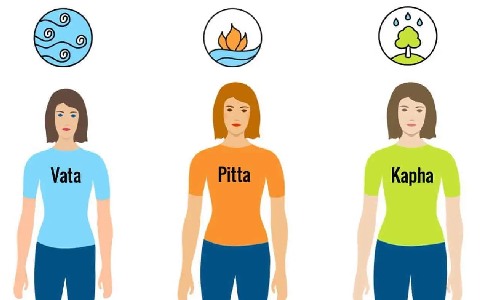
The arrival of summer brings with it a plethora of delights – long days, outdoor adventures, and an abundance of fresh fruits and vegetables. However, for some, the sweltering heat of summer can also bring discomfort, especially if you’re prone to imbalances in your Doshas, particularly Pitta Dosha. In Ayurveda, Doshas are the three elemental forces that govern our physical and mental well-being. With summer health in mind, let’s explore a few Ayurvedic tips to stay cool and balanced in summer according to your Dosha.   Understanding the Three Doshas   Before delving into specific strategies for staying cool in summer, it’s essential to understand the three Doshas: Vata, Pitta and Kapha. Each Dosha is composed of a combination of the five elements – ether, air, fire, water and earth and is responsible for various physiological and psychological functions in the body.   Vata Dosha: Governed by the elements of air and ether, Vata is characterized by qualities such as cold, dry, light and mobile. Imbalances in Vata Dosha can manifest as anxiety, dry skin, and digestive issues.   Pitta Dosha: Associated with the elements of fire and water, Pitta is characterized by qualities such as hot, sharp, oily and intense. Imbalances in Pitta Dosha may lead to irritability, inflammation, and digestive disturbances.   Kapha Dosha: Composed of the elements of water and earth, Kapha is characterized by qualities such as heavy, slow, cold, and stable. Imbalances in Kapha Dosha can result in lethargy, congestion, and weight gain.   Pitta Dosha and Summer: A Recipe for Imbalance     Summer is considered the Pitta season in Ayurveda, as the intensity of the sun’s rays mirrors the qualities of Pitta Dosha – hot, fiery, and intense. During this time, individuals with a predominance of Pitta Dosha may experience a worsening of Pitta-related imbalances, such as excessive heat, inflammation and irritability. Common symptoms of Pitta imbalance in summer may include: Skin rashes or irritation Digestive issues such as acidity or heartburn Increased sensitivity to heat Emotional irritability or frustration During the summer months, Pitta-dominant individuals adopt practices that help pacify Pitta Dosha and stay cool both internally and externally.   Staying Cool in summer According to Your Dosha     Here are few ways to say cool during summer according to your Dosha:   Pitta-Pacifying Diet One of the most effective ways to balance Pitta Dosha in summer is through diet. Pitta-pacifying foods are cooling, hydrating and nourishing, helping to offset the intensity of the season. Here are some dietary tips for each Dosha:   For Pitta Dosha: Focus on incorporating sweet, bitter and astringent tastes into your meals. Opt for cooling foods such as cucumbers, watermelon, coconut, leafy greens and sweet fruits like grapes and pears. Avoid spicy, oily and overly salty foods, which can aggravate Pitta.   For Vata Dosha: Emphasize warm, grounding foods that provide stability and nourishment. Cooked grains, root vegetables, ghee and warming spices like cinnamon and cardamom can help balance Vata’s cold and dry qualities.   For Kapha Dosha: Choose lighter, stimulating foods that counteract Kapha’s heaviness and congestion. Incorporate pungent, bitter and astringent tastes, such as green leafy vegetables, beans, lentils and spicy herbs like ginger and black pepper.   Cooling Lifestyle Practices for summer   In addition to dietary modifications, adopting cooling lifestyle practices can further support your efforts to stay balanced in summer:   Stay Hydrated   Drink plenty of water throughout the day to prevent dehydration and help regulate body temperature. Opt for cool beverages like coconut water, cucumber-infused water or herbal teas with cooling herbs like mint and coriander. Furthermore, avoid consuming carbonated drinks as they can inhibit your digestion. Fresh fruit juices and nectar that are not chilled are nutritious, satisfying and delicious. Some revitalizing choices include grapes, tasty pineapple and succulent watermelon.    Protect Yourself from the Sun   Limit exposure to direct sunlight during the hottest hours of the day (typically between 10 am and 4 pm). Wear lightweight, breathable clothing and use natural sunscreens to protect your skin from sun damage.   Practice Mindful Movement   Engage in gentle, cooling forms of exercise such as swimming, yoga, or walking in shaded areas. Avoid strenuous activities during the peak heat of the day to prevent overheating.   Cooling Breathwork   Practice pranayama techniques such as Sheetali and Sheetkari to cool the body and calm the mind. These breathing exercises involve inhaling through the mouth with the tongue curled or teeth clenched, respectively, to draw in cool air and release excess heat.   Take Regular Breaks   Listen to your body’s signals and take breaks when needed to rest and rejuvenate. Incorporate moments of stillness and relaxation into your daily routine to help soothe Pitta-related stress and tension.   In hot weather, it’s best to wear loose and soft clothing to remain comfortable and cool. Refrain from wearing clothes that are tight or cause itchiness. It is beneficial to assist your body in removing excess heat through activities such as dry brushing, consuming ample water and herbal teas, and adopting a light, fresh, and colourful diet to aid in liver detoxification.   It is recommended to avoid outdoor exercise and excessive sun exposure at this time. Conversely, numerous children participate in tennis camps and sports events, where their bodies become more active due to the sun and physical activities. It’s not the right time to be traveling to different shrines or holiday destinations, or to be moving from one relative’s house to another. In the summer months, it’s ideal to remain indoors, consume light meals, and steer clear of direct sunlight.   Conclusion   During summer, it’s essential to honor our unique constitution and adapt our lifestyle accordingly. By understanding the Doshas and implementing Pitta-pacifying strategies, we can stay cool, balanced, and vibrant throughout the summer months.   Whether you’re a Pitta-dominant individual seeking relief from summer’s heat or simply looking to optimize your well-being during this season, incorporating Ayurvedic principles into your life can provide valuable guidance… Continue reading Summer Heat – How to Stay Cool with Ayurveda

Stool Colors – What They Reveal About Your Health

This morning I had a consultation with one of my patients. She has been suffering from a chronic liver disease. All things fine, she suddenly brought in a conversation about stool.    Now, the thing is, a conversation related to stools with her was happening for the first time. She mentioned that she has been observing dark stools, also known as melena, with a foul smell for a long time. She didn’t enquire about this to me because she felt it was natural/normal.    And here I was shocked!    Hence, I thought it was important to talk about stool discoloration in my community. Similar to that patient, many of us must have been ignoring these subtle symptoms our body would be giving us. And this little ignorance would have led to severe conditions later.    Trust me, the human body is amazing. It gives signals, it’s on you whether you can analyse it or not. Stool discoloration for that matter, is also a signal and  let’s understand how!    What is Stool Discoloration?    Normally, the colour of the stool is brown. It’s because of the presence of bile produced by the liver. Now, in the situation above, the lady noticed a black stool. But the changes vary a lot. One can notice red, green, yellow, clay/white coloured stools.    The root cause? These changes often happen because of some medications, changes in diet, or the presence of blood or excess fat in the stool.    The point to notice here is that every stool colour has a meaning. For example:    Normal stool colour is brown because of bile juice. There could be a variation in colour consistency, but nothing to fret about. It can happen due to diet, dehydration/some medicines. Red stool colour is red because there could be some bleeding in your lower gastrointestinal tract.  The black stool colour, the one that the lady noticed, indicated the presence of digested blood in the stool. The discoloration happens here because of bleeding in the upper gastrointestinal tract.  Green stool colour, a highly concerning one, happens because of rapid transit through the digestive system. Yellow stool colour is simply a sign of excess fat in the stool. If there’s a lack of bile in the stool, you will notice a white or clay colour.   And the other factors!   The lady even noticed a foul odour. So aside from colour changes, one must look for other factors like – consistency and odour. Then, speak it out to your doctor.    After you have noticed, what to do next?   The above reasons which I have stated are according to the Western perspective. For example, the black stool condition could happen because of bleeding in the upper gastrointestinal tract. The bleeding happens due to conditions like ulcers, colitis, or cancer.    What is done after?    Western medicines, if you are thinking of going for it, you will generally be advised to take iron supplements and have iron-rich foods.   No matter what problems you are facing, Ayurveda knows it all. Even when it comes to stool discoloration. According to Ayurveda, stool discoloration is a result of Vata imbalance.   To give you a quick understanding of what Vata  is, it is one of the three Doshas that is associated with movement (bodily movements), nerve impulses, circulation and elimination (the stool case that we are seeing right now). When there is an imbalance in Vata Dosha, there is either an excess or some deficiency of Vata energy inside the body. Therefore, one faces disruptions in routine functions.    Other than bowel movements/stool discoloration, some common signs of Vata imbalance are:  Skin dryness Cold extremities or intolerance to weather Irregular digestion Restlessness Fluctuations in energy levels Joint stiffness/pain   Should you bother about addressing stool changes?   Yes. Most of us ignore the subtle signs of our body as normal, but in reality, it’s not.   In fact, in Ayurveda, stool examination is considered essential for understanding digestive health and overall well-being. If there are any bit of changes in the colour, odour or even consistency, it’s a sign. And if analysed quickly, these signs can provide valuable insights into the body’s health and functioning.   What are the Side Effects of Ignoring Stool Changes?   Imagine you ignored the changes. Nothing new and  many of us do this.    But, remember – you may face serious consequences.    First, delayed diagnosis of any underlying medical condition. Second, there could be some progression of digestive disorders like IBD (inflammatory bowel disease). And let’s not forget the nutritional deficiencies that could happen because of the bleeding that’s happening inside.    Last is the psychological impact. You will see changes in your stools, you will overthink, and get anxious because of the changes. Hence, in the initial days itself, recognize the changes. Don’t go for self-diagnosis, or googling it out. Your body and your lifestyle are unique. Therefore, proper diagnosis and treatment are much needed.   Are there any lifestyle modifications you can do?   Well yes. Switching to positive lifestyle changes can significantly impact digestive health and help manage stool discoloration. Try:    Modifying your diet: Fruits, vegetables, whole grains, lean proteins, and healthy fats contain these. Processed food is a big no-no. Sugary snacks have it when you are waiting for it the most. Fatty meals, avoid it. And keep a food diary. List your potential trigger foods in the diary and also the color changes of the stool.    Staying hydrated: Drink plenty of water. Drink juices. But stay away from Coke or any artificial juice. You can even try herbal teas & coconut water, as these are the best hydrating options apart from water.    Exercising regularly: This should come without saying. Engage yourself in physical activities. The more you move, the better your digestion gets as the bowel movements are stimulated. There’s less risk of constipation. If not the regular ones, try aerobics, strength training, or… Continue reading Stool Colors – What They Reveal About Your Health

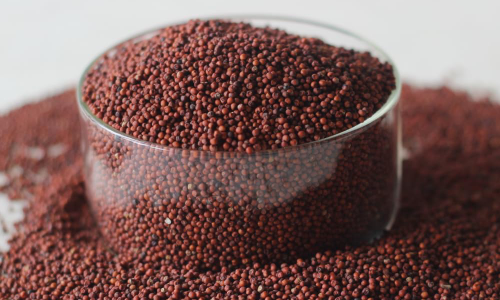
Ragi Power – Why This Ancient Grain is a Superfood

Ragi (finger millet) has my heart for so many awesome reasons! This little grain is not just popular in many corners of the world, but is also a nutritional powerhouse. Loaded with essentials like calcium, magnesium, iron, and dietary fibre. This is a superfood with amazing health benefits.    It  is often used to make flour, which can be used for making various dishes like roti (flatbread) or porridge. It is a great choice for those looking to incorporate a healthy and gluten-free grain into their diet, as it provides energy, aids digestion and supports overall well-being.    Properties of Ragi   It is super light and digestive. It is also known for its anti-Pitta and aphrodisiac properties. Having this, helps balance all Doshas, purifies blood and rejuvenates your body.     We often advise  it  for pregnant women and lactating moms to help improve breast milk production and for children to gain strength.    Downsides    Even it is great for your health, it has some downsides.   It is slightly Vata increasing. So, always cook it with ghee and spices.   You cannot use ragi as a replacement for rice; however, you can have rice every day.  But it is better to have it twice or thrice a week as millets are called “Kudhanya” or unwholesome grains in Ayurveda.  Millets are goitrogens and this includes ragi. Therefore, do not consume it if you have thyroid issues.    However, despite the downsides, I still love my Ragi dosas with coconut chutney every week.     Ragi porridge recipe    Now, for those looking to add some variety to your  menu, let me introduce you to the delightful Ragi porridge.     This superfood fits both babies and adults, including expectant mothers.   Ingredients  Ragi  Ghee  Cumin   Cardamom  Palm sugar  Water    Method of preparation  First, sieve ragi and then roast 2 tablespoons of it in 2 teaspoons of ghee. Add water to make a paste and then, add a pinch of powdered cumin and cardamom to it  Add water in a saucepan and  then add washed palm sugar to it  When it boils, add ragi paste and mix  Your ragi porridge is ready!    This recipe is a traditional first food given to infants; therefore, it can be introduced as early as 6 months.  Skip the store-bought baby food loaded with unknown XYZ and give your baby ragi porridge.  Start with a small amount so that you can help your baby get used to the new flavour and texture.   For adults, ragi porridge can  be a great replacement for your oatmeal for breakfast; moreover, it offers a nutritious alternative!  To make it interesting, you can add almond milk, top it up with stewed fruits and a scoop of some peanut butter. Having ragi gives nutritious and satisfying start to the day, not to forget its great health benefits! You can join our Health Programs for mind and body detox.   If you are struggling with any health issues, you can either book a consultation with us or send us a message via WhatsApp to +91 79074 89839. We have the best Ayurvedic doctors in Trivandrum who are always glad to help you. If you have any queries, contact us.  You can also visit us at our hospital.

Vata Dosha – 5 Signs which shows your body needs help

Vata Dosha comprises elements of air and space and is responsible for movement, communication and creativity. When it is in balance, it promotes mental clarity, agility and vitality. However, when it becomes excessive or imbalanced, it can cause a range of physical and mental symptoms.  Here are five signs that your Vata is high and your body needs help according to Ayurveda.     Dry skin and hair  Vata Dosha governs the moisture balance in the body. When it is high, it can cause dryness in the skin, lips and hair. You may notice flakiness, roughness and itching in your skin, as well as split ends and brittle hair. To balance Vata, Ayurveda suggests using warm oils, such as sesame or coconut oil, to moisturize the skin and hair. Avoid using harsh soaps and shampoos, as they can strip away natural oils and aggravate Vata Dosha.     Irregular digestion  Vata Dosha is responsible for the movement of food through the digestive tract. When it is high, it can lead to irregular bowel movements, bloating, gas and constipation. You may also experience abdominal pain and discomfort after eating. For balancing, Ayurveda recommends eating warm, cooked foods that are easy to digest, such as soups, stews and cooked vegetables. Avoid cold, raw and processed foods, as they can aggravate you Vata.     Anxiety and nervousness  Vata Dosha is associated with the nervous system and the mind. When it is high, it can lead to anxiety, nervousness and racing thoughts. You may feel overwhelmed, scattered and unable to focus. To balance Vata, Ayurveda recommends practicing grounding and calming activities, such as walking in nature, taking warm baths and using aromatherapy oils, such as lavender or sandalwood.     Cold intolerance  If you have low tolerance to cold, that may be the result of high Vata. For balancing it protect yourself from cold, reduce long showers. You have to avoid cold showers completely. Use only warm water for the body. Wear a footwear on cold surfaces, keep your feet always warm, use socks in the night and cover yourself well when exposed to cold breeze, winds or even A/c.     Joint pain and stiffness  Vata Dosha governs the movement of the body, including the joints. When it is high, it can cause joint pain, stiffness and cracking sounds. You may also experience muscle tension and spasms. To have a perfect balance, it is better to do some gentle stretching exercises, such as yoga or tai chi, as well as using warm compresses and massage oils to soothe the joints and muscles.  High Vata Dosha can manifest in a variety of physical and mental symptoms. To balance it, Ayurveda suggests adopting a warm, nourishing and grounding lifestyle, including a diet rich in warm, cooked foods, regular exercise, relaxation techniques and self-care practices that promote relaxation and inner calm.   If you are struggling with any health issues, you can either book a consultation with us or send us a message via WhatsApp to +91 79074 89839. We have the best Ayurvedic doctors in Trivandrum who are always glad to help you. If you have any queries, contact us.  You can also visit us at our hospital.
Vata Mind : Ways to Tackle It.

According to Ayurveda, there are three biophysical energies based on which every human being is classified into a specific Prakriti (unique constitution and identity of an individual). The energies are Vata, Pitta and Kapha. Everyone and everything in this world is made of energy. This energy is comprised of five elements: space, air, fire, water, and earth. Vata is a combination of space and air elements. Pitta is a combination of fire and water elements, whereas Kapha is a combination of earth and water elements.   Do you have a Vata mind ?   Imagine driving a car. You know where you are going, but 1000 other things are running in your mind, like the stove you forgot to switch off, the email you have to reply to, the dress you wanted to buy, the lunch plan, and 996 others. Your mind is all over the place and it lingers around 100 different thoughts at a time. You feel restless and alert at the same time, which confuses people. You find it difficult to concentrate on a single task and  lose interest and focus easily. Confusion is your other name; you always face a, this or that situation in your mind, when it comes to making decisions. If this is you, you have a Vata mind.   How to tackle a Vata mind ?   First of all, having a Vata mind is not a bad thing at all. You are the energy that lights up the whole room! You are the enthu bomb!!! No Pitta or Kapha mind can beat your zest for life, energy, and optimism; furthermore, your enthusiasm truly sets you apart. Like Beyonce says, ‚ÄúI am not bossy, I am the boss,‚Äù we, Vata minds, rule the world. However, things can go wrong when Vata gets out of balance and it is necessary to tackle it. Here are a few tips to be the master of your own Vata mind.   Oil Massage   Vata is dry (Ruksha). The opposite of dry is oily. The best way to tackle Vata is to do daily oil massage (abhyanga) using organic black sesame oil. Do a five-minute foot massage before going to bed. This will help you to calm your mind.   Earthing Practices   Vata is light. The opposite of light is heavy, which equals Earth. Doing earthing or grounding practices therefore, can help you to tackle your Vata mind. Get outdoors and connect with nature. Get out of concrete and, in addition, get your feet on the soil, grass, sand, or any natural surface. But, walking barefoot on a cold surface may increase Vata.   Warm Practices   Vata is cold (Sheeta) and the opposite of cold is warm. Doing warm practices can be of great help. Cover yourself from everything cold and do not expose yourself to cold conditions, cold food, or cold people. Eat warm food, such as warm spiced soups, porridges, khichdi, etc. Furthermore, these options can provide comfort and nourishment.  You can also spend time with warm people and stay in warm places, and notice your Vata mind being pacified.   Yoga and Meditation   Vata is moving (chala). One of the best ways to tackle an always-moving mind is Yoga and meditation. Do real Yoga – the satwik kind, not the exercise one. You might find it, initially, difficult in the beginning to concentrate.  But slowly, you will get used to it, as Kapha takes over and keeps you grounded. If you are struggling with any health issues, you can either book a consultation with us or send us a message via WhatsApp to +91 79074 89839. We have the best Ayurvedic doctors in Trivandrum who are always glad to help you. If you have any queries, contact us.  You can also visit us at our hospital. You can also follow me on Instagram.                                                                                                                                                                                                                                                                                                                                                                                                                                                                                                                                                                                                                                                                                                                                              … Continue reading Vata Mind : Ways to Tackle It.