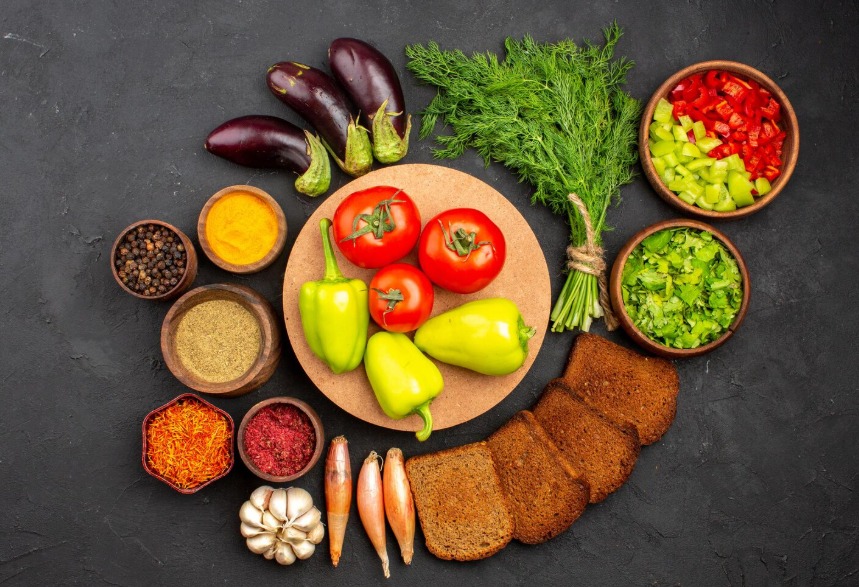

Viruddha Ahara in Ayurveda: Incompatible Foods and Their Effects

In Ayurveda, food is considered the foundation of health. It is not only meant to satisfy hunger but also to nourish the body, mind, and tissues. When food is chosen and consumed correctly, it supports digestion, strengthens immunity, and maintains balance in the body.   However, when food is taken in an improper manner, it can disturb digestion and gradually lead to disease. One such important concept explained is Viruddha Ahara in Ayurveda, which means incompatible or contradictory food.   The word “Viruddha” means opposite. Viruddha Ahara refers to food or food combinations that are opposite in nature to the body and its digestive process. Such food interrupts metabolism, weakens digestion, and prevents proper formation of body tissues.   Even foods that are healthy on their own can become harmful when consumed in the wrong combination, wrong quantity or wrong time. Regular consumption of such incompatible food is considered a major cause of metabolic and systemic disorders in Ayurveda.   Viruddha Ahara does not usually cause immediate illness. Instead, it works slowly by disturbing Agni and creating Ama, which is toxic, undigested material in the body.   Over time, this Ama blocks channels, vitiates the Doshas (Vata, Pitta, and Kapha), and weakens the tissues. This gradual imbalance eventually manifests as digestive problems, skin disorders, hormonal imbalance, mental disturbances, and chronic diseases.     Types of Viruddha Explained Simply     Desha Viruddha (Place / Environment Incompatibility)   Food should match the place you live in. Dry, spicy, alcoholic foods in hot, dry regions aggravate Vata and Pitta while cold, oily foods in marshy or humid places increase Kapha. Eating against the nature of your environment disturbs balance.     Kala Viruddha (Time & Season Incompatibility)   Each season has its own demands. Cold, dry foods in winter and extremely spicy and hot foods in summer, such choices strain digestion and doshas.     Agni Viruddha (Digestive Power Incompatibility)   Agni means digestive fire. Heavy food when digestion is weak and light food when digestion is strong both cause imbalance. Food must match your digestive capacity.     Matra Viruddha (Quantity Incompatibility)   Quantity matters as much as quality. Too much food Too little food Certain foods in equal quantities (like honey and ghee) Even healthy foods can become harmful in wrong proportions.     Satmya Viruddha (Habit Incompatibility)   Your body adapts to habits over time. If someone accustomed to spicy, hot food suddenly eats excessive cold and sweet food, digestion suffers.     Dosha Viruddha (Dosha-Specific Incompatibility)   Eating foods that increase the sameDosha already dominant in your body can cause imbalance. Example: Heavy, oily food for Kapha-dominant people Dry, cold food for Vata-dominant people   Samskara Viruddha (Processing Incompatibility)   It is incompatibility caused by improper processing or preparation of food. Certain methods of cooking or processing can convert food into a toxic substance. Examples include heating honey or preparing food using unsuitable materials or methods.     Virya Viruddha (Potency Incompatibility)   It occurs when substances with opposite potencies are consumed together. Combining hot-potency and cold-potency foods confuses digestion and creates imbalance in the body.     Koshtha Viruddha (Bowel Nature Incompatibility)   Koshtha Viruddha is related to bowel nature. Some people have hard bowels, while others have soft bowels. Food and medicines should be chosen accordingly. Ignoring bowel nature can lead to digestive disturbances.     Avastha Viruddha (Condition Incompatibility)   It refers to incompatibility related to the physical or mental state of the person. Consuming Vata-aggravating food after exhaustion or heavy exercise, or Kapha-aggravating food during lethargy and sleepiness, worsens Dosha imbalance.     Krama Viruddha (Order Incompatibility)   Occurs when the proper sequence of eating is not followed. Eating without hunger, eating before bowel and bladder are cleared, or eating when hunger is excessive disturbs digestion.     Parihara Viruddha and Upachara Viruddha (Treatment Incompatibility)   These are related to ignoring dietary restrictions during illness or treatment. Consuming foods that are prohibited for a particular disease or during treatment can interfere with recovery.     Paka Viruddha (Cooking Incompatibility)   It refers to incompatibility due to improper cooking. Food that is burnt, undercooked, overcooked, stale, or reheated becomes difficult to digest and harmful to health.     Samyoga Viruddha (Combination Incompatibility)   It is incompatibility due to wrong combinations. Certain combinations, such as sour substances with milk, produce harmful effects even though the individual items may be healthy.     Hridaya Viruddha (Mental Incompatibility)   Hridaya Viruddha is incompatibility related to the mind. Eating food that is unpleasant or disliked affects digestion because the mind and digestive system are closely connected.     Sampat Viruddha (Quality Incompatibility)   It refers to food that lacks proper quality, such as unripe, overripe, or impure substances.     Vidhi Viruddha (Eating Rules Violated)   Vidhi Viruddha occurs when the rules of eating are violated, such as eating without discipline, in an improper environment, or without mindfulness.     Effects of Consuming Viruddha Ahara   Digestive disorders (bloating, acidity, IBS) Skin diseases (eczema, vitiligo, herpes-like eruptions) Anemia and liver disorders Hormonal and reproductive problems Mental disturbances like anxiety and insanity Toxic buildup (Ama) Chronic inflammation Reduced immunity Even fatal outcomes in extreme cases   The concept of Viruddha Ahara highlights one of the most practical and insightful teachings of Ayurveda, that food is not universally beneficial just because it is nutritious.   The same food can act as medicine for one person and as poison for another, depending on how it is combined, prepared, consumed, and digested. Ayurveda reminds us that digestion is at the centre of health, and anything that disturbs it repeatedly will eventually disturb the entire system of the body.   Modern lifestyles unknowingly promote Viruddha Ahara. Irregular eating habits, fast food combinations, excessive use of refrigerated and reheated food, eating under stress, and ignoring seasonal needs all contribute to digestive imbalance.   Many people suffer from acidity, bloating, skin issues, allergies, fatigue, and hormonal problems without realizing that the root cause may lie… Continue reading Viruddha Ahara in Ayurveda: Incompatible Foods and Their Effects

Chronic Health Managing With Ayurveda

The prevalence and rise in the number of people suffering from chronic health conditions globally has sharply grown. From autoimmune disorders and diabetes to obesity and arthritis, chronic conditions significantly affect the quality of life of those suffering.    The growing number of people suffering from chronic disorders has placed a substantial strain on the healthcare systems and resources. The figures of deaths in India and across the world accounted for by diabetes, chronic respiratory diseases, cancers, and cardiovascular diseases are alarming.    These NCDs (non-communicable diseases) are a leading cause of death. Obesity is a global endemic that has increased the instances of heart disease, cancer and diabetes. Recently, many have turned to Ayurveda to address this health crisis mainly because of its distinctive perspective of balancing the body’s doshas and integrating it with simple lifestyle practices.   Ayurveda as a holistic therapy   Ayurveda is a healing system that encompasses the body, mind, and spirit. It emphasizes lifestyle management to treat health conditions. The system of medicines provides a personalized approach to address the imbalances. When the Vata, Pitta and Kapha Doshas are not in balance, the body can develop chronic illness.    Healing this imbalance involves detoxification, improvement in digestion and stress reduction strategies. A person with a Vata imbalance can have warm and moist foods while a person with a Pitta imbalance can have cooling and calming foods.    Chronic health conditions are the result of internal and external factors that result in toxin (Ama) build-up and reduced digestive fire (Agni) according to Ayurveda. Physiological influences, genetic predispositions and environmental factors contribute to the development of chronic conditions. Chronic illness is attributed to a lack of energy. Improper lifestyle habits can cause toxins to build up.    What are chronic health conditions?   Let us understand chronic illnesses – those that last a long time, often a lifetime. They are most often autoimmune like neurological conditions, chronic pain and metabolic imbalances. Chronic conditions differ from acute conditions as their symptoms are persistent leaving the patient in pain, emotional pressure and social reclusiveness.    Globally, it is noticed that chronic conditions are a major issue as they are prolonged and require continual medical attention. Ayurveda has been effective in treating chronic health conditions at a nascent stage and they can be prevented from worsening. It goes to the root of a problem and treats it rather than suppressing the symptoms.   Today’s fast-paced life, dietary and activity changes, have given rise to increasing prevalence of hypertension and cardiovascular disease. Obesity and smoking are associated with these conditions.  The incidences of diabetes have also sharply risen.    Such chronic health conditions have to be managed with a strict diet lest it affect other organs like the eyes, heart, nerves and kidneys. An early diagnosis and treatment therapy can manage arthritis, which is an autoimmune condition.   Rheumatoid arthritis results in inflamed joints and degenerated joint cartilage. Patients suffering from this chronic condition suffer swelling and pain resulting in reduced joint mobility.   Autoimmune Diseases   Autoimmune diseases are mostly treated with immunosuppressive drugs to reduce the symptoms. However, as per Ayurveda, the gut and lifestyle will need rectification to address the malfunctioning immune system. Various herbs such as Maricha, Shunthi, Saindhav Lavan, Pippali and Haritaki can reduce the toxin build-up.   Ayurvedic herbs such as Vasa, Guggulu, Neem, Guduchi and Patola Patra help rectify metabolism. It is important to boost Ojas to provide the immune system with nourishment. The immune system is then corrected by calming and nourishing it.   Asthma   Asthmatic patients suffer from recurrent bouts of wheezing and breathlessness. Asthma is usually associated with irritants and allergens. While doctors prescribe steroids and inhalers to patients, they experience a reduced quality of life.   Ayurveda incorporates herbs like cardamom, licorice, Tulsi, Pippali, cinnamon and Vasaka to relieve airway blockage and congestion. Incorporating herbal teas, warm soups and cooked vegetables can also help.    It’s also important to follow regular mealtimes. Avoid smoke, pollution, pollen and dust to avoid triggers. Certain yoga postures and pranayama can strengthen respiratory muscles and open the chest.   Chronic Gut Issues   Treating gut-related and digestive issues involves the incorporation of a wholesome diet along with a healthy daily routine, exercise and medicines (if necessary). The diet aligns with the body constitution (Prakriti), health conditions and Dosha imbalances.    Ayurvedic treatments to treat chronic conditions   Following Ayurvedic practices can significantly reduce symptoms and prevent disease progression. Initially, Ayurvedic treatments begin with identifying the Dosha (body energy) imbalance in the body. With therapies, oils and diet correction, Ayurveda helps treat anti-inflammatory conditions to manage chronic health conditions.   Panchakarma   Panchakarma is a detoxification therapy that helps remove toxins and rejuvenate the body. This five-pronged specialized treatment encompasses therapeutic oil enemas (Basti), massage with herbal oils (Abhyanga), herbal steam practice (Swedana), purgation (Virechana), and Nasya (nasal medication).    Panchkarma prevents tissue damage and prevents recurrence of autoimmune disorders.    Lifestyle routines   The Ayurvedic regimen involves Dinacharya (daily routine) and Ritucharya (seasonal regimen). These encompass:   Waking up before sunrise Tongue scraping and oil pulling Abhyanga or self-massage Yoga Breathing exercises (pranayama) Meditation Retiring early at night   Following a routine consistently helps strengthen the mind-body connection and lower stress levels.   Benefits of following an Ayurvedic way of life   Ayurveda emphasizes mindful eating. You should avoid overeating and distractions during mealtimes. One can, for instance, modify their lifestyle and diet according to the season and, moreover, their prakriti.   The usage of oils helps in lubricating joints and can assist those suffering from arthritis. Good sleep hygiene can also go a long way in keeping several chronic conditions at bay. Meditative practices help strengthen the mind-body connection and lower stress levels.    A calm mind, therefore, can handle the stresses associated with the fast-paced lifestyle of today.   Also read: Ayurvedic recipe for gut – the mid-morning drink     If you are struggling with any health issues, you… Continue reading Chronic Health Managing With Ayurveda

Treatment for Polycystic ovary syndrome (PCOS)

Ayurvedic Treatment of PCOS   Ayurveda considers PCOS as “artava dushti” which translates to menstrual abnormality. This happens due to vitiation of Vata, Pitta & Kapha. However, the highs and lows of vitiation varies from patient to patient. There are various treatment in Ayurveda for PCOS.       Types  of   Treatment protocols     1 – Vihara (Lifestyle)   Sleep is the most important parameter to corrected as sleep irregularities are one of the main causes of PCOS as per Ayurveda Moderate exercise to half of one’s strength and capacity is ideal. No extreme, strenuous workouts are advised. Meditation, breathing exercises like Kapalbhati, daily Abhyanga (oil massages) are also helpful.    2 – Ahara (food)   A customized diet that balances the vitiated doshas is ideal. Eg. If the patient presents with PCOS due to excess Kapha imbalance, the diet should be light. Vata imbalance – the diet should be nourishing. Reducing inflammatory foods like black gram, yoghurt and night shades like capsicum, potatoes, tomatoes, eggplants etc will also help. Overall, having light, easily digestible well cooked foods with good fats added is important.    3 – Internal medicines   In my practice, for most cases of PCOS that come to me, I do not usually prescribe medicines. I put them on a 3-month diet and routines protocol based on their imbalance and they get better. In cases where internal medicines are required, there is no one-size fits all in Ayurveda. The medicines vary from patient to patient depending on the imbalances.       Doctor Rekha is a 4th generation Ayurvedic Medicine Doctor (BAMS) living in between Dubai and India who has patients from around the globe who believes that the wisdom of Ayurveda can help everyone lead a happy, heathy and disease-free life.   If you are struggling with any health issues, you can either book a consultation with us or send us a message via WhatsApp to +91 79074 89839. We have the best Ayurvedic doctors in Trivandrum who are always glad to help you. If you have any queries, contact us.  You can also visit us at our hospital. You can also follow me on Instagram.                                                                                                                                                                                                                                                                                                                                                                                                                                                                                                                                                                                                                                                                                                                                                                                                                                                                                                                                                                                                                                                                                                                                                                                                                                                                                                                                … Continue reading Treatment for Polycystic ovary syndrome (PCOS)