
Agni- The Ayurvedic Secret to Health and Vitality

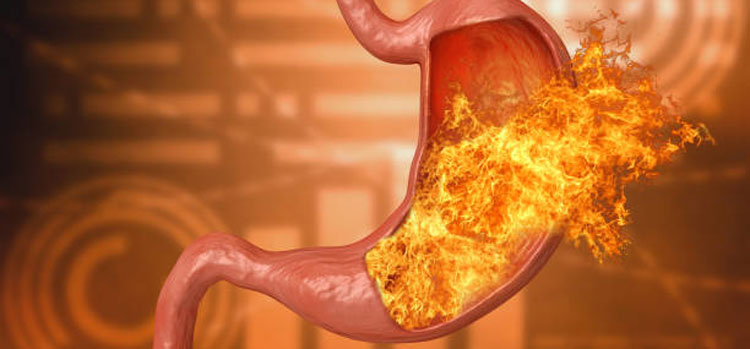
Agni or digestive fire is the most significant concept in Ayurveda. It controls all metabolic functions, like digestion, assimilation and elimination. In a nutshell, it is the energy that gets the food changed into nourishment and waste. It is the basis of good health and keeping it in balance is important for our survival.   Types of Agni   In Ayurveda, there are mainly three types of digestive fire:   Jatharagni: This is an agni located in the stomach and top of the small intestine. It is responsible for breaking down food and thereby triggering the process of digestion.   Bhutagni: This pertains to the fire element of the five elements (earth, water, fire, air, and ether) that constitute the body. Every one of these elements, in fact, has its own Agni, which, consequently, allows for the transformation of food into bioavailable nutrients.   Dhatu Agni: Here are the fires that are present in each of the seven Dhatus (body tissues) – Rasa (plasma), Rakta (blood), Mamsa (muscle), Meda (fat), Asthi (bone), Majja (bone marrow), and Shukra (reproductive tissue). Dhatu Agni is responsible for the nourishment and the sustenance of these tissues.   Role of Agni in Our Health Agni has various functions in our body. They include:   Digestion and absorption: Agni is responsible for breaking down food into small particles for easy absorption and assimilation of nutrients.   Metabolism: It is responsible for the metabolic processes that convert food into energy and tissues.   Detoxification: Agni is in charge of helping the body get rid of toxic substances called Ama. Hence, it acts as a crucial component of internal purity and balance.   Immunity: A robust and stable Agni helps the immune system function properly by facilitating the production of healthy tissue and immune cells.   Promote mental clarity: Agni function is to favor mental features such as clarity, focus, and understanding. Hence, Agni is in charge of a clear and sharp frame of mind.   My Personal Experience   As a teenager, I suffered from acne. My skin was red all the time, so I used every over-the-counter product as well as prescription drugs hoping for some relief but without any effect. I didn’t get any relief until I turned to Ayurveda. My Ayurvedic doctor focused on normalising my Agni. We reworked my diet, included some herbs, and I practised mindful eating. In just a few months, my skin was clean and I started to have more energy and focus. This experience helped me to understand how important proper functioning of Agni is for the overall body health.   Signs of Balanced and Imbalanced Agni   Following are the key features of balanced Agni: Good appetite  Proper digestion Regular bowel movements A light and energetic feeling.   Imbalanced Agni, on the other hand, has the following characteristics:   Tikshna Agni (Hyperactive Fire): It is the overactive Agni that can cause hyperacidity, heartburn, inflammation, and a burning sensation in the stomach.    Manda Agni (Hypoactive Fire): A weak digestive fire, in turn, results in poor digestion, heavy feeling, bloating, and a tendency to gain weight easily.    Vishama Agni (Variable Fire): Irregular results in interrupted digestion, sequential change of constipation and diarrhea, and often unstable appetite.   Causes of Imbalanced Agni    Several factors may contribute to the occurrence of imbalanced Agni:   Poor Diet: Consumption of fried, oily and processed food will overburden and affect it.   Irregular Eating Habits: Eating irregularly, overeating and skipping meals will result in the weakening of digestive fire.   Stress and Anxiety: The emotional strain and worry can negatively impact the function of Agni and cause digestive disorders.   Lack of Physical Activity: Sedentary lifestyle may result in a slackening of metabolism and the weakening of Agni.   Incompatible Foods: Consumption of wrong food combinations, for example milk with sour fruits, can affect your Agni and will give you digestive problems.   Ayurveda and its Agni Balancers   A balanced Agni is key to the health benefits. Ayurveda offers the following suggestions for achieving this state:    Mindful Eating: Eat in a composite and quiet environment purposefully paying attention to chewing thoroughly and sensing the taste and texture of the food. Turn off your TV and refrain from using your smartphones while eating.   Balanced Diet: Consume a diet that is natural, organic, and specific to your Dosha or Ayurvedic body type. Add spices like ginger, cumin, and turmeric to help the digestion process. Stay away from processed foods and choose natural ones instead.   Regular Meal Times: Keep your regular meal timing and do not skip any meals or overeat. It would be better to have your main meal, which is usually at noon when Agni is the strongest.   Herbal Remedies: Consume Ayurvedic herbs and spices like Triphala, ginger, and cumin to help digestion and to enhance your Agni. Among the remedies I love the most is garlic milk which brings the gas and swelling down.   Hydration: Chew warm water or herbal teas throughout the day. This will help digestion and prevent toxins accumulation. Consume warm liquids instead of cold beverages as they can tend to extinguish it.   Physical Activity:  Exercise regularly, whether it be yoga, walking or other forms of exercise, to stimulate Agni. Physical activity is needed to support a healthy metabolism and the digestive system.   Stress Management: A regular practice of stress-reducing techniques like meditation, pranayama (breathing exercises), and mindfulness will not only support Agni but also overall well-being. Stress management should be given top priority in order to keep a healthy digestive system.   Ayurvedic Methods for Strengthening Agni   The following remedies can be practiced to improve your digestive fire:   Ginger Tea: Ginger is known for its digestive properties, and what’s more, it can help stimulate Agni. First, prepare ginger tea by putting fresh ginger slices in boiling water. Then, add a dash of honey and lemon for additional benefits.   Triphala: This is a traditional formulation of three fruits… Continue reading Agni- The Ayurvedic Secret to Health and Vitality

Ways to Boost Immunity With Ayurveda

Covid pandemic and its after effects have teaken a toll on people’s immunity recently.   Here’s an example from one of my consultations:   I had a patient who came to the hospital complaining of perennial fatigue and lethargy.     Her main complaints were aches and pains and she also tended to catch a cough or cold very easily.    She had a Covid attack a year back and since then, her immunity had taken a beating.     The patient fell ill very often and the symptoms would persist for weeks on end.    She was severely disappointed due to the constant dip in energy and persistent bouts of fever and cough.    No amount of medicines could help build her immunity and that’s why she finally decided to turn to Ayurveda.    Like her, I have many  patients who consult me regarding their immunity issues.    In this blog, let us discuss immunity from the Ayurvedic perspective.    Immunity as per Ayurveda    The strength within you to fight all diseases is called Vyadhi-Kshamatva; Vyadhi means illness and Kshamatya means resistance.     In Ayurveda, any imbalance in Doshas is indicative of bad health.   Imbalance in Doshas results in the accumulation of Ama (toxins) that affect all the cells in the body.     And this leads to diseases.    People with a strong immune system rarely fall ill and if they do, they recover faster.     A robust immune system is characterised by healthy sleep, good gut health and overall well-being and people feeling energetic daily.    As per Ayurveda, we possess different types of resistance or immunity:  Genetic  Developed by specific antibodies created in the body to fight a particular antigen  Developed through healthy lifestyle practices and a nutritious diet     Contributing factors to immunity    According to Ayurveda, the following factors have an effect on your immunity.     Ojus   Ojus or vitality is hailed as an important determinant of a person’s immunity as it nourishes and manages the body’s functions.     This includes digestion, nutrition assimilation and the ability to fight infections.     Any decline in Ojus can result in lowered immunity.     Our state of mind   The mind plays a crucial role in maintaining our emotional balance and the strength of our immune system.     We have heard the phrase ‘it’s all in the mind’ – and it cannot be far from the truth.    Digestive power or Agni   Your gut health determines your overall well-being.     Impaired digestion causes an accumulation of toxins or Ama, thereby clogging the channels.    This affects your immunity and results in diseases.     Guidelines to boost immunity with Ayurveda    Ayurveda emphasises building and strengthening immunity with a healthy lifestyle. This includes using herbs, healthy foods and incorporating daily rituals.   Panchakarma or Ayurvedic detoxification is also prescribed for people suffering from a build-up of Ama.    Your food and your immunity    The quality and quantity of food you eat is vital for your immunity.     Stay away from stale, highly refined and processed foods.    Also, make sure that the food you eat is warm and freshly cooked.     It’d be great if you can consult an Ayurvedic doctor regarding your diet.     They can help follow a diet that matches with your Prakriti or body constitution, Dosha imbalances and health conditions.     Practice healthy daily rituals   Start your day early and sleep during the prescribed time. Do not discount the role of good sound sleep to relax and recharge your body and mind.     Start your day with a glass of warm water to boost your gut elimination.    Ayurvedic rituals include tongue scraping and oil pulling.     Daily self-massage with oil will keep your skin lubricated, improve circulation and calm the mind.     A common modern-day malady is stress. Stress can arise due to various reasons and affects your peace of mind.     Try to practice breathing exercises, take quiet walks and do meditation to allow the mind to achieve a calm state.     Keeping physically active is critical to immunity. Whether walking or yoga, exercise moderately to handle stress and boost immunity.    Want to learn more about daily rituals? You can download my eBook for free!    Foods to Boost Immunity as per Ayurveda    Here are some foods to boost immunity as per Ayurveda:     Dry Ginger   In Ayurveda, ginger – in both original and dried form, is highly valued for boosting the immune system and helping with digestion. Dry ginger is rich in antioxidants. It helps build immunity and reduce inflammation. It is also great for the digestive system.    Amla   Amla has lots of vitamin C and antioxidants, which help your immune system. Drink fresh amla juice or use dried amla powder in your food to get its advantages, especially for enhancing immunity and lustrous skin and hair.     Tulsi   Tulsi is considered a sacred Ayurvedic herb and is known for its ability to help your immune system. It also helps relieve congestion, colds and coughs. Regular consumption of Tulsi can go a long way in enhancing immunity.     Drumstick   Drumstick or moringa is a powerhouse of nutrients and has the ability to greatly boost your immune system. With its high antioxidant levels, it helps protect you from infections. Additionally, moringa is packed with iron and vitamin A, which further strengthen your immune system.     Neem   Neem aids in boosting your immune system and has a cooling effect on your body from within. It has both anti-bacterial and anti-fungal properties and has been recommended by Ayurveda for different health conditions.    Dates   Dates are the “fruit of kings.” It helps build Ojus (vitality) and strengthen the tissue systems of the body. The fruit is rich in immunity-boosting elements, such as magnesium, copper, selenium antioxidant, etc. that are necessary for immune response.    Ghee  … Continue reading Ways to Boost Immunity With Ayurveda

Gut Health – Unlocking the Power of Ayurvedic Foods for Digestion

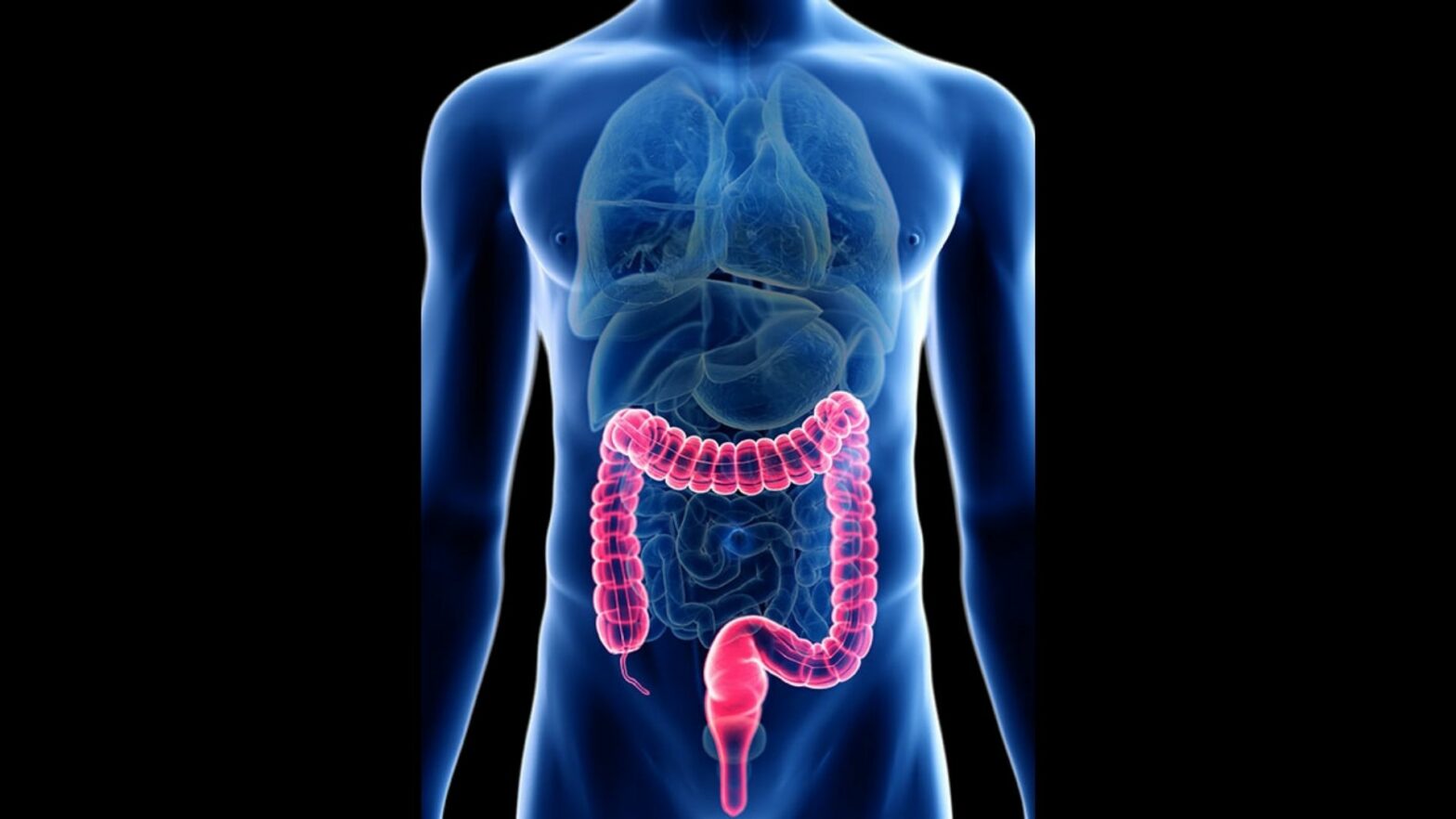
From bloating and constipation to IBS and diarrhoea, poor digestive health has become a sign of modern times. A sedentary lifestyle, improper meal times, unhealthy food choices and mental stress are some of the modern-day contributors to poor gut health. It is alarming to note that nearly 40% of adults suffer from gut issues, ranging from heartburn and bloating to acid reflux and IBS (Irritable Bowel Syndrome). According to Ayurveda, poor gut health is the root cause of all diseases. So, neglecting these problems could lead to severe conditions like colon cancer.    The Reasons Your Gut Is Not Happy   Fatigue, IBS, constipation, bloating, diarrhoea, unintentional weight changes, etc. are all signs of poor gut health. If you see it from the Ayurvedic perspective, Then, it’s time for you to hurry up and consult a doctor. One of the main reasons for your gut health issues is lack of sleep. The role of good sleep in digestive health is, however, often overlooked.   Serotonin is produced in the gut; therefore, any imbalance can significantly affect its production. A weakened immune system can also lead to poor gut health. Your body is not capable of fighting diseases as it has not absorbed nutrients from the food. Another reason for digestive issues is excessive consumption of incompatible and processed foods.   The Gut-Mind Connection   The gut-mind connection has been scientifically proven. Unlike the popular adage ‘You are what you eat,’ Ayurveda believes that ‘you are what you digest’. Healthy digestion is vital to wellness.  In Ayurveda, gut health is derived from ‘Agni’ – the digestive fire. It not only has a bearing on your digestion process, but it also influences your emotions and thoughts. Most digestive problems arise due to an imbalance in Agni. This imbalance in turn affects the Doshas and accumulates Ama or toxins. The GI system and the central nervous system are deployed and connected. Food can trigger mood changes. Ayurveda says, “Rogah sarve api mande agnou,” meaning, a low Agni or poor gut health is the root cause of all diseases – be it physical or emotional. It means your gut and mind are connected. Following a regular daily routine or Dinacharya is intrinsic to wellness as per Ayurveda. This regularity also goes a long way in maintaining a healthy nervous and digestive system.  Furthermore, Ayurveda recommends mindful eating, which, in a way, means the mind and the gut are connected. Additionally, mindful eating is about involving all your senses as you eat.  It makes you aware of the quality and taste of the food and portion control. This nourishes the inner Agni, thereby ensuring balanced digestion.    Ayurvedic Ways to Keep Your Agni Balanced   Here are different ways to keep your Agni on balance: Follow a diet with foods that are simple, light and easy to digest. Be consistent with your mealtimes.  Avoid overeating. Avoid incompatible food combinations. Eat your dinner early. Have three meals every day. Maintain a gap of about 2 to 3 hours between your dinner and bedtime. Follow Dinacharya. Keep your body well hydrated. Avoid cold drinks and ice water as it dampens your Agni. Avoid processed and frozen foods. Have warm, freshly cooked foods instead.   Ayurvedic Remedies To Soothe Your Gut   Here are some Ayurvedic remedies that work best for your gut health: Consume black raisins to support digestive health. They relieve constipation and provide much-needed minerals and nutrients. Guduchi is an Ayurvedic herb that helps soothe gut inflammation. Consume it if you suffer constipation or poor appetite. Add licorice or Yashtimadhu to tea to soothe an acidic gut. Add cinnamon to tea or milk to promote better digestion. It acts as an antioxidant to eliminate oxidative compression in the gut. Use cardamom to reduce inflammation. Furthermore, it alleviates symptoms of indigestion, gas, and bloating. People have used cloves for their analgesic and anti-inflammatory properties. Triphala – a combination of Amla, Haritaki, and Bibhitaki can be consumed for better nutrient absorption and relief from constipation. Relieve nausea by drinking ginger tea. Add ginger while cooking to promote digestive health. Consume fennel to boost digestion. You can either chew fennel seeds after your meals. Alternatively, brew a fennel tea and have it. Carom seeds or ajwain is a wonderful carminative. It has antibacterial and anti-inflammatory properties to reduce bloating, gas, and digestive tract inflammation.  Use black pepper and long pepper in food or tea to enhance digestive power.   Practices For Better Digestive Health   Incorporate these practices into your daily life to improve your digestive health: Try meditation to reduce the stress and anxiety that is part of modern-day life. Not only will you have better gut health, but you will also experience a healthier mental and emotional state. Eat foods that align with your Prakriti (body type). This helps prevent Dosha imbalances. Eat seasonal food. This practice maintains energy balance. Local produce is best as it is fresh and has not travelled thousands of miles to get to your plate. Enjoy your food but keep your gut happy too. Have foods that are easy to digest and follow mindful eating. Keep yourself active. Follow an exercise regimen that suits your age, fitness levels, and overall condition. Daily walks can kindle the Agni and build your digestive capacity. Though the principles of Ayurveda date back several thousand years, they hold relevance even today. Ayurveda gives utmost importance to gut health as it has an impact on your overall health. So, have foods that are digestible, follow a daily routine and keep away from stress. If you need any help with your diet.   If you are struggling with any health issues, you can either book a consultation with us or send us a message via WhatsApp to +91 79074 89839. We have the best Ayurvedic doctors in Trivandrum who are always glad to help you. If you have any queries, contact us.  You can also visit us at our hospital.

Your bowel movement can say a lot about you

Did you know, according to Ayurveda, your bowel movements can say a lot about your digestion, health of body tissues, presence of parasites, prognosis of diseases and overall health. To understand this, let us first understand the concept of Ama. Poor digestion creates toxic waste called ama, leading to overall body imbalance. In modern terms, we can correlate this to poor gut health.   Bowel movement test for Ama   There is a bowel movement test for Ama. If you have Ama, consequently, your bowel sinks; however, if you don’t have it, your bowels will float. If you find out that you have Ama, you have an impaired digestive fire that needs to be fixed ASAP. Also, check out my other articles to know about how to improve your digestion.     Doctor Rekha is a 4th generation Ayurvedic Medicine Doctor (BAMS) living in between Dubai and India who has patients from around the globe who believes that, Ayurveda can help everyone lead a happy and healthy life. If you are suffering from any gut issues, you can take our Gut Health Program. If you are struggling with any health issues, you can either book a consultation with us or send us a message via WhatsApp to +91 79074 89839. We have the best Ayurvedic doctors in Trivandrum who are always glad to help you. If you have any queries, contact us.  You can also visit us at our hospital.