
Ayurveda and Menstrual Pain: Understanding Cramps, Clots and Mood Changes

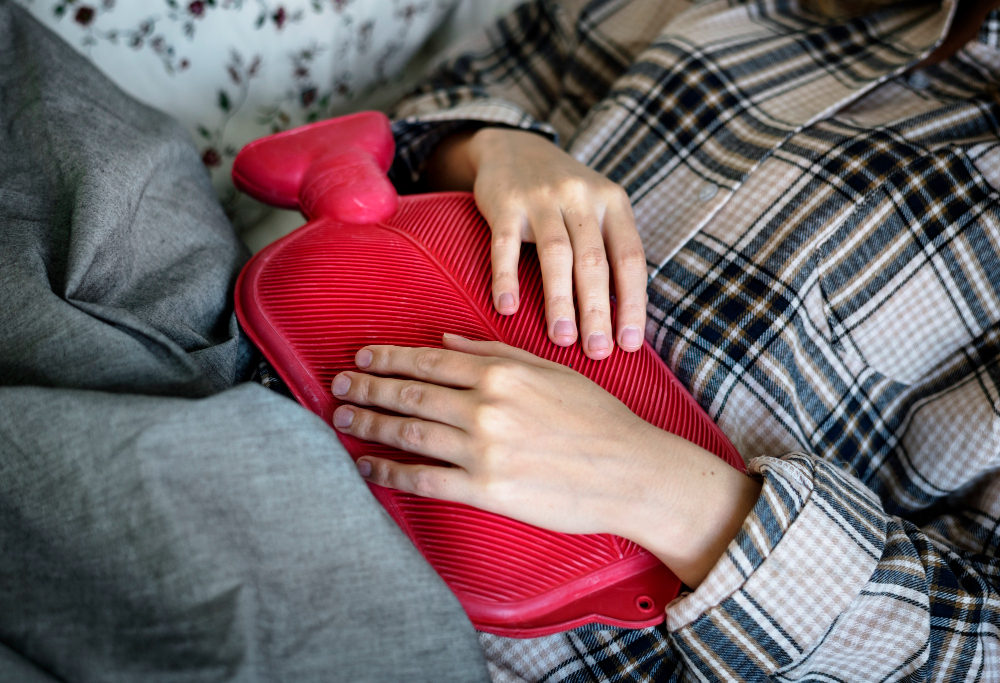
Menstrual pain, clots, and mood changes are very common, but they are not something every woman has to quietly suffer through. From an Ayurvedic perspective, these are signs that the body’s natural balance needs support. Ayurveda sees periods not as a “problem,” but as a reflection of how well digestion, hormones, and daily lifestyle are working.   Many women know the routine every month: lower‑abdomen cramps, passing clots, feeling bloated, tired, or suddenly emotional. In Ayurveda, these are not “just part of being a woman.” They are signals from the body that Vata and Pitta doshas are imbalanced, digestion is weak, and the reproductive system is under stress.   Instead of treating each symptom alone, Ayurveda looks at the whole picture: food, sleep, stress, emotions, and daily habits, and then offers gentle, natural ways to bring balance back.   Why Do Period Cramps Happen?   In Ayurveda, menstruation is seen as a natural downward movement controlled by an energy called Apana Vata. This energy helps the menstrual blood flow out smoothly.   When life is too fast, too stressful, or too cold for the body, this Apana Vata gets disturbed. The result is tightening, spasms, and cramping in the lower abdomen, back, and sometimes thighs.   Cramps usually start a few hours before the period or right when bleeding begins. They may come and go in waves and can be mild or very strong. Ayurveda views this as a sign that the body needs more warmth, rest, and calm routines, not just painkillers.   Are Clots and Heavy Bleeding Normal?   Passing small clots with your period is usually normal, especially if the bleeding is not too heavy and your cycle is otherwise regular. But large clots, very heavy bleeding, or periods lasting more than 7–8 days are signs that the body is out of balance.   Ayurveda links heavy, dark, or clotty flow mainly to Pitta dosha and disturbed Rakta dhatu (blood tissue). When Pitta is high, the blood can become hot, fast, and heavy, which leads to more bleeding and clots.   On the other hand, if the flow is very light, patchy, or very irregular, it is often linked to Vata imbalance, where the flow is weak and unsteady.   The goal in Ayurveda is to balance the doshas, support healthy digestion, and strengthen the reproductive tissues so that periods become regular, comfortable, and not painful.   Mood Swings, Anxiety and PMS   Many women feel more emotional, anxious, or easily irritated a week or two before their period. Ayurveda connects this to Vata and Pitta going out of balance in the mind and body.   Vata, which controls the nervous system, makes the mind restless and sensitive. Pitta adds intensity and sharpness to emotions. Together, they can create:   Feeling suddenly upset or tearful Feeling angry over small things Fear, anxiety, or racing thoughts   Stress, lack of sleep, and irregular eating make this worse. When the digestive fire (Agni) is weak, the body cannot digest food properly and also cannot handle stress and emotions, which leads to stronger PMS symptoms.   Simple Diet Changes During Your Period   During menstruation, the body is already delicate, so Ayurveda suggests eating light, warm, and easy‑to‑digest foods.   Here are some simple tips: Eat warm cooked meals like khichdi, vegetable soups, rice, and soft lentils. Sip warm water with ginger, fennel, or cumin to ease cramps. Avoid cold drinks, ice cream, raw salads, and too much fried food, as they increase Vata and pain. Have a light dinner early so the body can rest instead of digesting heavy food at night.   On bleeding days, it helps to avoid heavy exercise, intense workouts, and long travel and instead focus on rest, warmth, and gentle movement.   Lifestyle and Daily Habits for Better Periods   Your daily routine has a big impact on your periods. Ayurveda calls this Dinacharya (daily routine). A few simple changes can make a big difference:   Sleep and wake up around the same time every day, especially going to bed early. Avoid staying up very late or working on screens till midnight, as this aggravates Vata and Pitta. Take short gentle walks or practice mild yoga and stretching to improve blood flow in the pelvic area. Use warm water or warm showers instead of very cold baths to soothe the body.   A gentle self‑massage (Abhyanga) on the lower abdomen with warm oil a few days before the period can also relax muscles and reduce cramps.   Breathing and Mind Calming for Pain and Mood   Breathing practices help calm the mind and balance hormones. Simple techniques recommended in Ayurveda include:   Nadi Shodhana (alternate‑nostril breathing): 5–10 minutes daily to reduce anxiety and mood swings. Gentle Kapalabhati (quick exhalations): Helps clear the mind and improve circulation.   Spending 10 minutes each day in quiet breathing, without phones or screens, can greatly reduce stress‑related PMS and cramps.   Herbal Support, But Use Carefully   Ayurveda uses various herbs to support menstrual health, but they should always be taken under the guidance of a qualified Ayurvedic doctor. Some commonly used herbs include:   Shatavari: A gentle, cooling herb that nourishes the female reproductive system and helps with heavy or irregular bleeding. Ashoka: Helps regulate periods, reduce pain, and support a healthy uterus. Dashmoolarishta and similar herbal preparations: Used to balance hormones, reduce inflammation, and support long‑term menstrual health.   In chronic conditions like PCOD or endometriosis, trained Ayurvedic doctors may also suggest Panchakarma‑style therapies, such as gentle cleansing and special herbal treatments, over a few months.   When to Seek Help   Mild cramps and small mood changes are common, but severe pain, very heavy bleeding, large clots, or extreme mood swings are not normal. They can be signs of conditions like PCOD, endometriosis, fibroids, or hormonal imbalance.   If any of the following are true, it is important to see a doctor (Ayurvedic or modern): The pain is so strong that it stops daily work… Continue reading Ayurveda and Menstrual Pain: Understanding Cramps, Clots and Mood Changes
How to Boost Fertility With Ayurveda?

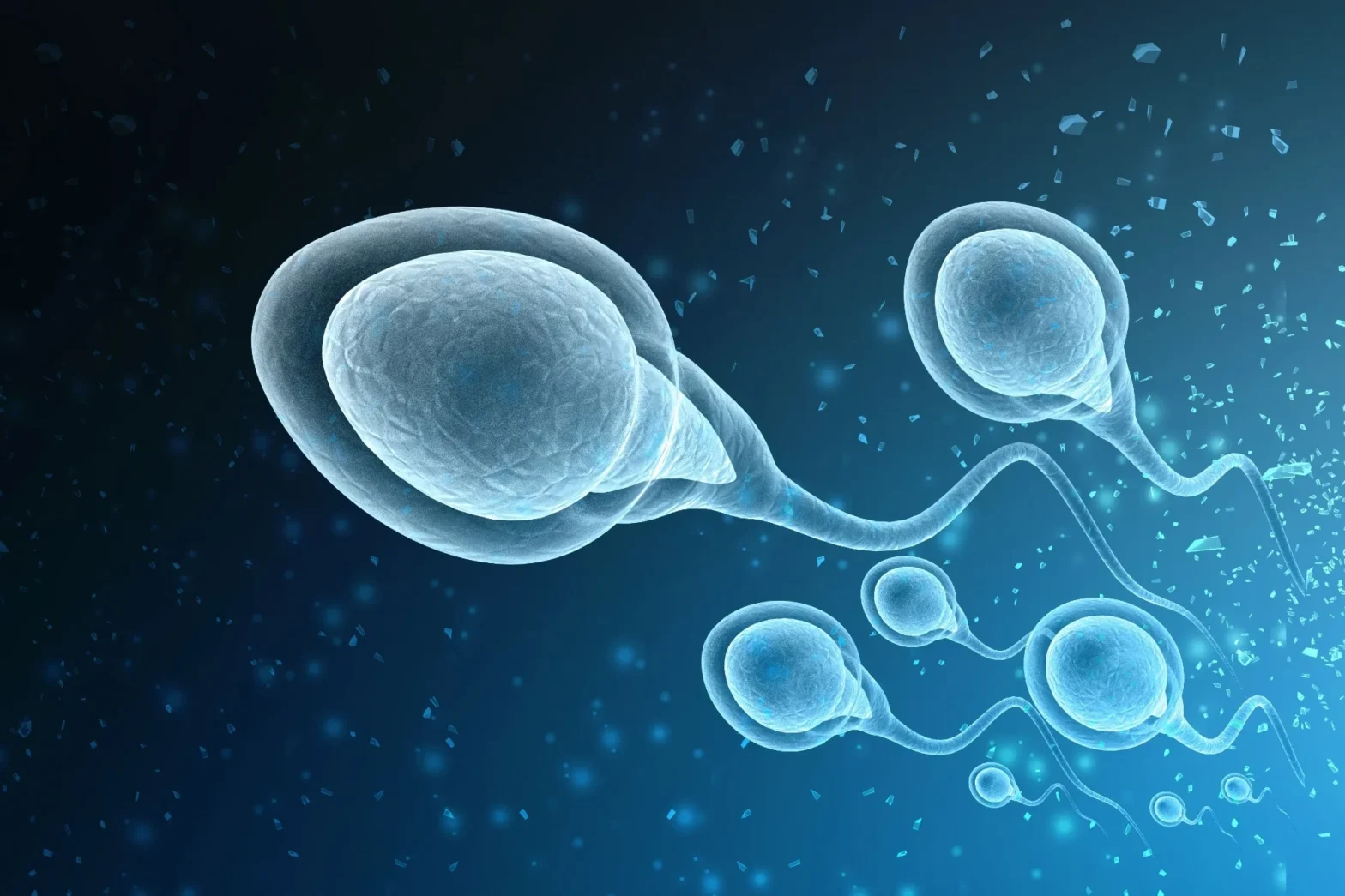
Every year, I have a lot of patients who approach me seeking treatment for infertility. For most of them, Ayurveda is the last option after having tried every other treatment and not finding a result. Many are often surprised that there are no invasive procedures and yet Ayurveda can help them find their way to boost fertility.   About 1 in 6 people around the world experience infertility. Some of the main reasons include stress, poor diet, sedentary lifestyle, etc. Ayurvedic conception treatment includes correcting all these factors to boost fertility and to prepare the body for conception.    In this blog, let us delve deeper into how Ayurveda helps boost fertility.   Understanding Fertility in Ayurveda   In Ayurveda, fertility is considered to be the obvious result of a harmonic body and mind. It is integral to our physical, mental and emotional state. According to the ancient scriptures, the body’s Doshas, Agni and Dhatus, when in harmony,  become the reason for improved reproductivity.   Fertility Determiners in Ayurveda   The concepts of Ojas, Shukra Dhatu, and Prakriti are connected with reproductive health. Ojas represents the essence of vitality and immunity within an individual. Shukra Dhatu is the reproductive tissue that is responsible for the formation of sperm in men and ovum in women. Prakriti is the unique body of each person and determines the requirements for reproductive health.    Factors Affecting Fertility   Several factors could affect fertility, such as: Eating habits: Poor nutritional intake, processed food, spicy and junk foods could affect reproductive health too.   Lifestyle and stress: With today’s hectic schedules, higher stress and unhealthy lifestyle adversely affect fertility levels.   Other health conditions: Conditions like polycystic ovary syndrome (PCOS), endometriosis, and low sperm count could affect the fertility levels.   Ayurvedic Approach to Enhancing Fertility   Ayurveda offers a holistic approach to enhancing fertility, focusing on balancing the Doshas, strengthening Agni and nourishing the Dhatus. Here are some key Ayurvedic practices to boost fertility.   Dietary Recommendations   To enhance fertility, one should surely manage their diet. Below, you will find lists of foods that one should either include or exclude from their diet: Eat Sattvic food: Fresh, organic and easily digested products help to balance the Doshas and enhance Agni. This group includes fruits, vegetables, whole grains, nuts, seeds and dairy products.   Avoid Ama-producing food: One should avoid processed products, too much sugar, caffeine and alcohol as they take time to digest. Undigested food, consequently, turns into Ama (toxins). As a result, the accumulation of Ama weakens the Agni and, in turn, causes diseases.   Avoid excessive salty and spicy foods: Such foods can aggravate your Pitta Dosha, causing Dosha imbalance that in turn affects your fertility.   Foods to enhance fertility: You can have almonds, walnuts, ghee, milk, sesame seeds, and dates, but in moderation.   Kapha and Pitta: Encourage the use of light food in Kapha-type patients and refreshing tastes for Pitta.   Vata: Avoid raw, dried food. Use good fats, like ghee.   These are some general suggestions.    Ayurveda does not follow a one size fits all approach. Every person is unique. So the diet for each person differs, primarily based on their Prakriti, Dosha imbalances, health conditions and more. You can consult an Ayurvedic doctor to determine your Prakriti and Dosha imbalances and to help you plan a diet that aligns with your preferences.        Herbal Medicines for Fertility   In my conception treatment, herbal medicines are given to the couple to treat any underlying health conditions, improve their strength and immunity and also to enhance their reproductive health.  The medicines are prescribed based on the couple’s Prakriti, Dosha imbalancers and health conditions. I do not prescribe any medicines that have strong herbs like Shatavari, Ashwagandha, or Shilajit; moreover, I also avoid those with heavy metals as ingredients. Their continuous usage can have side effects.    Panchakarma therapy   This detoxification therapy rejuvenates the body by flushing out toxins and besides balancing the Doshas. It helps heal from any underlying health conditions and furthermore resets the body and mind, making it capable for conception.     Panchakarma has 5 cleansing procedures – Vamana, Virechana,Nasya, Kashaya Vasti and Sneha Vasti.  These therapies cleanse the body, improve digestion and also, promote health and longevity.   Lifestyle Modifications   Maintaining a healthy lifestyle is equally important to enhance your fertility.   Manage stress: Practices like yoga, meditation, and pranayama (breathing exercises) can help reduce stress and improve mental clarity, which are crucial for fertility.   Regular exercise: Engage in regular physical activity; consequently, this helps to maintain a healthy weight and improve circulation, which, in turn, supports reproductive health.   Sleep quality: Ensure you get adequate, restful sleep to support overall well-being and hormonal balance.   Avoid bad habits: Smoking and consuming alcohol can have an adverse effect on your fertility. So, it’s better to quit. Ayurveda says that having a healthy mind is really important for being able to reproduce whether it’s male or female. Doing things like being mindful, writing in a journal, and spending time outside in nature can make your mind feel calm and less stressed.  These activities increase mental strength and hence reproductivity.  Following a daily routine or Dinacharya will also bring discipline and consistency in your life.    Importance of Balanced Doshas   Balanced Doshas are crucial for reproductive health. Each individual has a unique Prakriti, which is their natural constitution of the three Doshas: Vata, Pitta, and Kapha. Imbalances in these Doshas can affect fertility.    Vata imbalance: Can lead to irregular menstrual cycles and anxiety, affecting conception.   Pitta imbalance: Can cause inflammation and hormonal imbalances, impacting fertility.   Kapha imbalance: Can result in weight gain and sluggish metabolism, hindering reproductive health.   By identifying and correcting Dosha imbalances through diet, lifestyle changes, and Ayurvedic treatments, you can, therefore, enhance fertility and, consequently, increase the chances of conception.   Practical Tips for Enhancing Fertility   Here are some practical tips that… Continue reading How to Boost Fertility With Ayurveda?