
5 Natural Supplements You Should Add To Your Diet Every Single Day

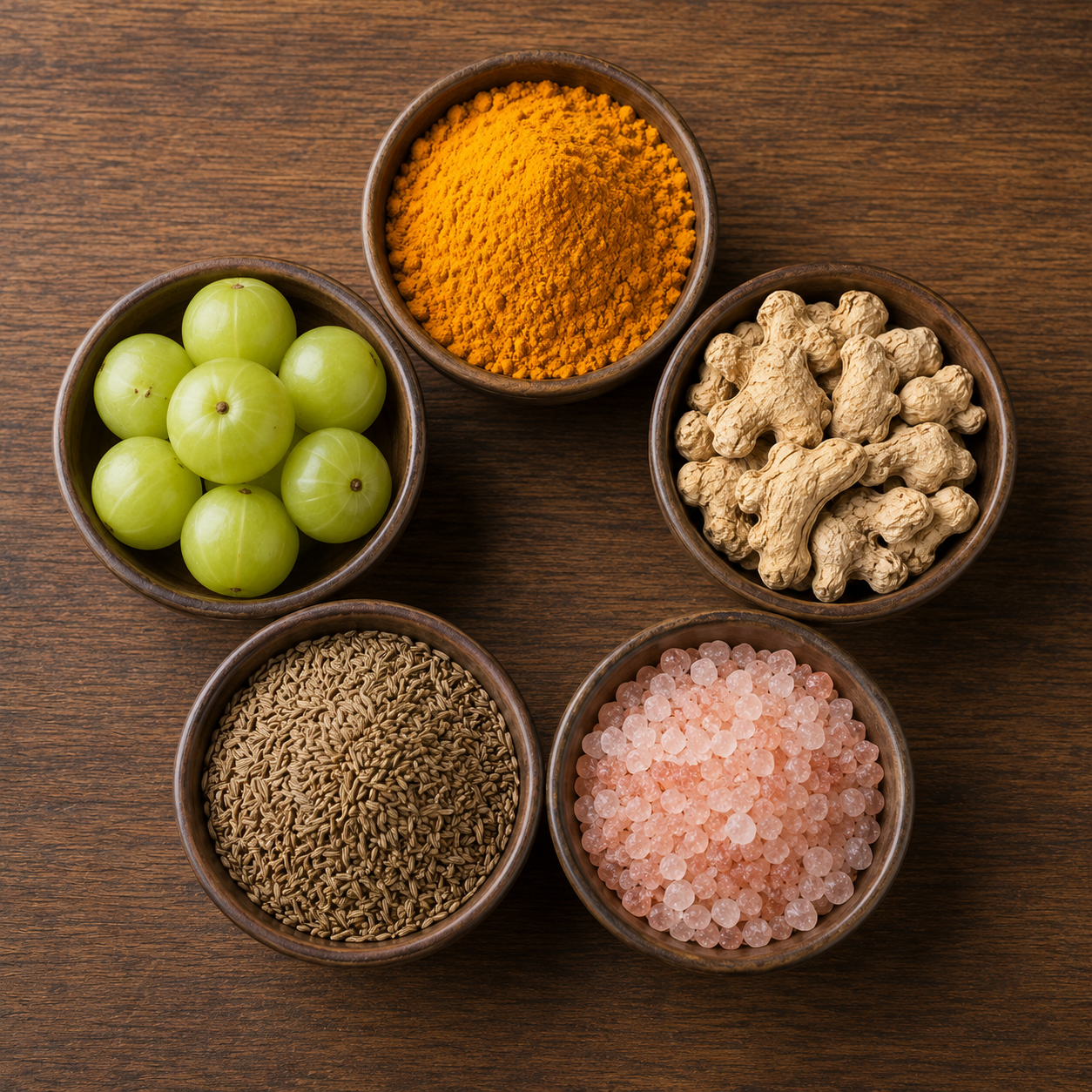
1. Turmeric   The number one supplement that you need in your life is nothing but turmeric.     You may have heard people saying, especially people in the west, talking about having turmeric in the form of teas, in the form of turmeric lattes, or sometimes even in the form of supplements.   You don’t need all of these pills and supplements to get your adequate amount of turmeric to help with all the benefits that it is going to give us.   Our traditional Indian way of cooking where we add the good fats and the spices, along with that we add turmeric, that is the most bioavailable form of turmeric and that helps with better digestion, better absorption, and better assimilation of all the good things that turmeric has to give us.   Now let us understand what turmeric does in our body. For this we have to understand what the properties of turmeric are as per Ayurveda.   Ayurveda says every food has certain properties, like there is a specific taste to a particular food item, a particular post-digestive taste.   Ayurveda also talks about a property called Prabhava or special characteristic.   One special characteristic or Prabhava of turmeric is that it is antimicrobial and anti-inflammatory.   For example, somebody is having a viral condition like chickenpox, we ask our patients to take shower with water boiled with turmeric because it is antimicrobial.   When it comes to food poisoning, if you consume more of turmeric paste throughout the day, you are helping your body to reduce inflammation.   Even if you have acne, you can use turmeric boiled water to wash your face because of its antimicrobial properties, you don’t need any antibacterial face washes.   All bitter tasting herbs are good for your liver. So, if you want to detoxify your liver, don’t go for supplements and medicines that detoxify your liver. Instead, just add a little bit more turmeric to your diet.   Adding turmeric to your dishes can help you improve your digestive fire, reduce gas, and bloating.   If you have children at home who constantly get bronchitis, cough, cold, fever, etc., turmeric helps you to improve their immunity. Make sure that you add turmeric to your cooking every day.   Even in traditional Indian cooking, we have so many dishes like haldi chawal, haldi doodh, haldi ka achar, turmeric lettuce soup. All of these are very good for improving your digestive system.     2. Dry Ginger     Number two is dry ginger.     I am talking about dry ginger and not wet ginger. Wet ginger is extremely heating, extremely pitta increasing. Dry ginger is also warm; it is much less heating compared to wet ginger.   When you buy ginger, make sure that you leave it outside and don’t keep it in the fridge so that it gets a little dry and then you can use it for cooking.   Just like how we said turmeric was anti-microbial and anti-inflammatory because of its prabhava, ginger also has a prabhava.   And what is that?   Dry ginger is anti-emetic. That means if somebody feels like vomiting, dry ginger is what we give.   It’s also good for improving digestion, absorption, and assimilation of food. It helps in reducing gas and bloating. It helps in subsiding Vata gently.   Just like how I told you about turmeric, don’t take dry ginger as a pill or a supplement. Instead, make sure that you have dry ginger in a cooked form along with other spices and good fats.   I personally add dry ginger every day to my cooking. However, one special indulgence that I really love doing is to have dry ginger wali masala chai.   After heavy meals, if for example, you had a biryani and you’re now feeling very heavy, very bloated, or you have this guilt feeling that you shouldn’t have had it because you can’t even think of the digestive problems that may come, then have dry ginger powder mixed with a little bit of rock salt, add a little bit of water and consume it.   That will help you subside the gas and bloating. It will also help you improve the digestion.   And if you’re somebody who feels constipation, you can have a glass of dry ginger water in the morning.   Make sure that you add two glasses of water, add one piece of dry ginger and reduce to one glass to get the maximum essence of dry ginger. And drink this water. This can ease your bowel movements.     3. Amla   This one is my favorite.     If you don’t want to have any supplement at all in this world, then one supplement that you need in your life is amla or amla powder.   This is something that you must include in your life.   Whether it is in the form of amla powder, amla juice, as amla murabba, amla candy, whatever it is, amla has to go into your system every single day.   Every house should have some form of amla ready to be served every day because amla helps in a lot of ways beyond what you can imagine.   There is a particular practice in Ayurveda. We call it as Kuti Pravishika. It is for people who want to reverse aging. It is a complete process. And the one thing that is given to people who wants to reverse their aging is Amla.   Amla has rejuvenating or anti-aging properties which can actually reverse your aging.   It is amazing for your skin, amazing for your heart, amazing for your hair, amazing for your digestive system, your liver, your intestine, and it’s good for your eyes.   So, if you want to take that one supplement every day, take Amla.   How can you consume Amla?   You can have Amla juice. Again, Amla juice, don’t have it as a… Continue reading 5 Natural Supplements You Should Add To Your Diet Every Single Day
5 Everyday Kitchen Ingredients That Quietly Build Your Health

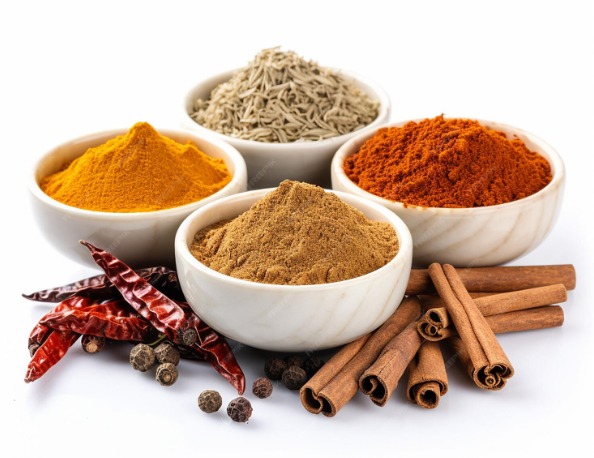
Most people think spices are used simply to make food taste good. However, they have a much bigger role. Spices help the body digest food properly, absorb nutrients and prevent accumulation of toxins.   The first and foremost factor for good health is a nutritious and balanced diet. Ayurveda also aims to preserve health through Ahara, it emphasizes not only on the quality of the food, but also in its cooking, processing and digestion.   One of the important aspects of adding spices to food is not just to enhance flavor but also to aid digestion as they are rich in nutrients, have medicinal and antioxidant properties.   In Ayurveda, digestive health is governed by Agni, your internal fire that transforms food into energy, strength and healthy tissues. When Agni is strong, the body is able to properly nourish itself and eliminate waste efficiently. When Agni becomes weak or disturbed, partially digested food can accumulate in the body, creating Ama(toxin) which may lead to heaviness, fatigue, poor immunity, and imbalance over time.   Spices are used to gently stimulate Agni. They reduce Kleda, which builds up in places like Majja Dhatu (nerves). When used correctly, spices also help maintain balance among the three functional energies of the body, known as Doshas.   You don’t need complicated spice blends to gain these benefits. Simple, everyday spices such as cumin, coriander, fennel, turmeric, and fenugreek can quietly support digestion and overall wellbeing when used consistently and in the right way.     Cumin (Jeeraka)     Cumin is one of the most important digestive spices in Ayurveda. It strengthens Agni without creating excessive heat. This makes it suitable for regular use in everyday cooking. Cumin helps the stomach break down food more efficiently and reduces common digestive problems such as gas, bloating, and heaviness.   It also helps in elimination of excess fluids from the body and can be helpful for mild burning during urination when used along with coriander.   Cumin is warming in nature, but not overly stimulating, so even people with mild heat sensitivity can usually tolerate it in small amounts. Traditionally, cumin is also used to support cleansing after childbirth and to prevent stagnation from building up in deeper tissues over time. Lightly roasting cumin makes it easier to digest and enhances its aroma and effectiveness.     Coriander (Dhania)       Coriander has a naturally cooling and soothing effect on the body, which helps calm excess Pitta. It is gentle on the stomach and helps improve appetite and digestion without irritation. Coriander also supports healthy urinary function.   Because coriander is mildly sweet and soothing in nature, it helps balance stronger or warming spices. This is why it is often paired with cumin in traditional cooking. Coriander is considered suitable for all body types when used appropriately and does not tend to create heaviness.   In cooking, coriander powder also helps soften sharp flavors such as while naturally thickening sauces and gravies.     Fennel (Saunf)     Fennel is a sweet, aromatic spice well known for its gentle digestive benefits. It helps relax the digestive tract, reduce bloating, and relieve discomfort after meals. Fennel supports smooth movement of food through the intestines and helps calm digestive sensitivity, especially when Vata is aggravated.   Because fennel is mild and easy to digest, it is commonly used as a mouth freshener and digestive after meals. Lightly dry roasting fennel enhances its flavor and effectiveness. Smaller fennel seeds are usually more potent and less fibrous, making them easier to chew and digest.   Fennel is safe for daily use and works well for people of all ages.     Turmeric (Haridra)     Turmeric is known in Ayurveda for supporting Rakta dhatu, skin clarity, and tissue healing. It is mildly warming and helps prevent the buildup of heaviness and stagnation in the body. Used regularly in small amounts, turmeric supports natural cleansing and is anti-inflammatory.   Turmeric also has strong traditional use for wound care and throat health. Applying turmeric to minor cuts can help stop bleeding and support healing. Gargling warm water with salt and turmeric can help soothe throat irritation.   Dry turmeric is generally preferred over fresh turmeric because it has a stronger cleansing effect. Although turmeric is very beneficial, more is not better. Excessive use may dry or irritate the system. Small, consistent amounts are ideal.     Fenugreek (Methi)     Fenugreek is a stronger, more heating spice than cumin or fennel and is especially helpful when digestion feels slow. It stimulates Agni and helps clear thick buildup in the body, which can be useful for people with more Kapha or cold digestion.   Because fenugreek is quite warming and drying, it should be used in small amounts. Too much can increase heat in the body and may aggravate Pitta. People who experience frequent acid reflux or burning sensations should use fenugreek cautiously or avoid it.   Fenugreek has traditionally been used to support healthy blood sugar balance and milk production in nursing mothers. Soaking fenugreek seeds in water overnight and drinking the water in the morning is a traditional practice for metabolic support.     How You Use Spices Also Matters     The way spices are prepared is just as important as which spices you choose. In Ayurveda, it is suggested warm the spices in ghee before adding them to the food. Ghee acts as a Yogavahi, meaning it carries the properties of the spices deeper into the body and helps distribute their effects throughout the tissues.   This method not only improves flavor and aroma but also makes the spices easier to digest and more effective. Simply sprinkling spices onto food does not create the same digestive benefit.   Learning how food actually behaves inside the body changes the way we relate to eating. The way we cook, the way we combine ingredients, and the way we support digestion quietly shape how the body functions over time. We begin… Continue reading 5 Everyday Kitchen Ingredients That Quietly Build Your Health