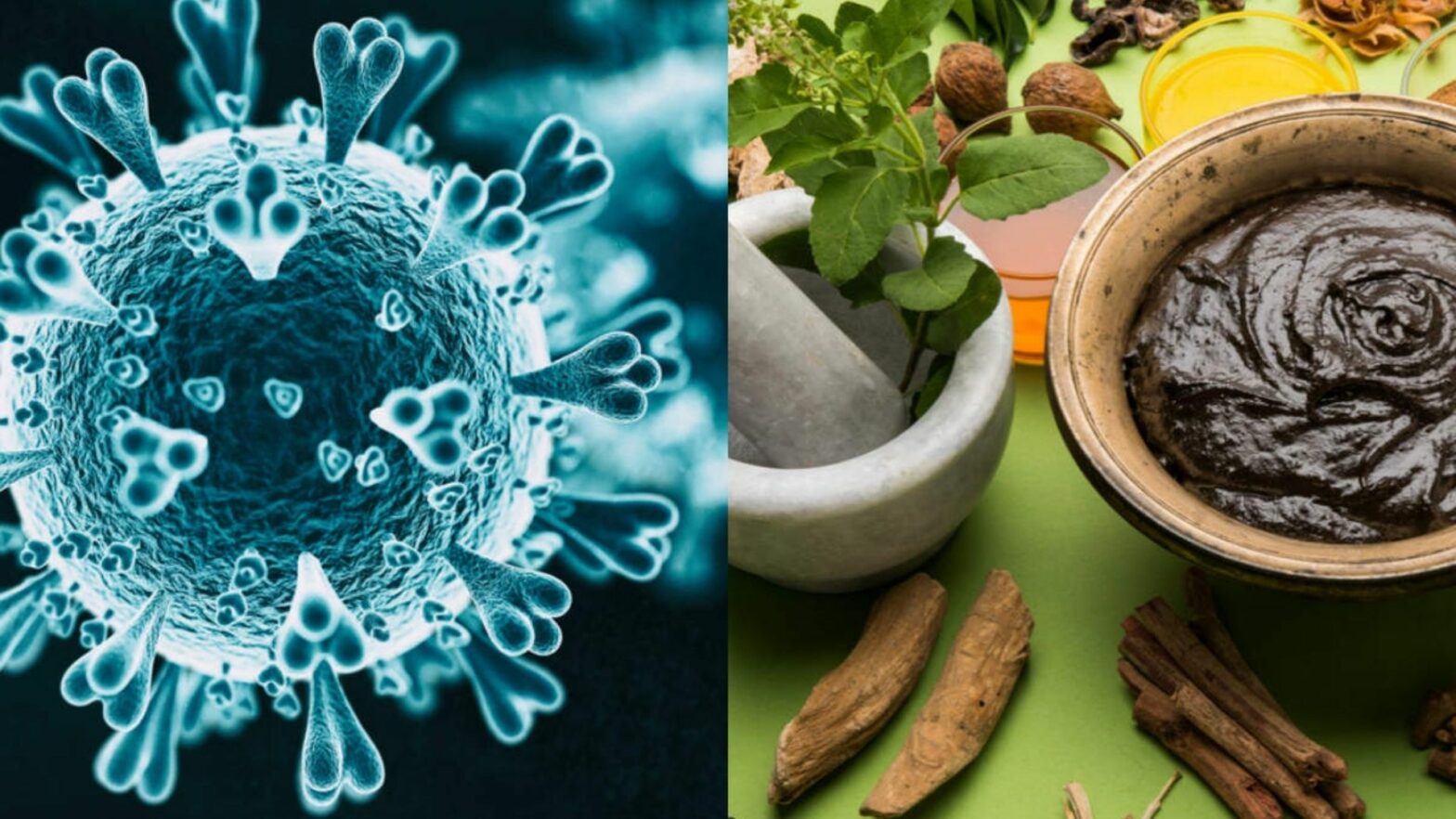

Immunity Boosting Tips In Ayurveda

Maintaining a robust immune system is essential for overall well-being in today’s fast-paced world. With constant exposure to stress, pollutants and pathogens, our bodies often need extra support to stay healthy and resilient. While various supplements and medications are available, many people are gradually turning to Ayurveda for immunity boosting purposes. Ayurveda offers a treasure trove of knowledge on boosting immunity naturally. This blogs explores Ayurvedic tips and the best foods for boosting the immune system, and immunity-enhancing practices to help you fortify your body’s defence mechanism.   Understanding Immunity from the Ayurvedic perspective   Ayurveda views immunity as the body’s ability to resist disease and maintain optimal health. Understanding Ayurveda for immunity boosting is crucial in today’s forward life. It emphasises the balance between physical, mental, and emotional well-being to achieve a harmonious state of health.    According to Ayurvedic principles, a robust immune system is closely linked to a balanced digestive fire (Agni), proper elimination of toxins (Ama), and a harmonious balance of the body’s three Doshas: Vata, Pitta, and Kapha. Ayurveda, therefore, advises maintaining the body’s innate ability to combat diseases and their symptoms in order to remain healthy.   A compromised immune system and poor health may manifest in symptoms such as frequent illnesses, inadequate resistance to diseases, allergies, exhaustion, weakness, breathing difficulties, emotional distress, digestive issues and chronic insomnia.   Tips to improve immunity   Numerous factors can contribute to a weakened immune system. Genetics, emotional distress, environmental pollutants, poor diet, lifestyle and metabolic disorders are all contributing factors. Here are a few simple tips that can help to solve all of these problems.   Consuming immunity-enhancing foods   It is crucial to consume nutritious and sensible foods that support your physical health and vitality to maintain good health. According to Ayurveda, the optimal way to eat for maximum nutrition is to align with your body’s energy type. It is advisable to avoid consuming harmful sugars and processed and canned foods containing preservatives, limit the intake of fried and high-calorie foods and reduce alcohol consumption. Consuming everyday staples, such as coriander, turmeric, black pepper and cumin is the best immune booster through Ayurveda. To maintain good digestion, it is recommended to have a substantial lunch around noon and a smaller dinner in the evening. Avoid consuming any foods containing gluten or dairy ingredients. Frequent small meals are a beneficial way to provide your body with the necessary nutrients and prevent excessive hunger.    Detoxification   Improper digestion, consequently, leads to the accumulation of toxins (Ama) that, in turn, can negatively affect your health.  Ama weakens the body’s ability to defend against illnesses. Ayurveda offers detoxification therapies that help cleanse your body and mind and boost your immune system.   Boosting digestive system   A robust immune system relies heavily on your digestive fire or Agni. Ayurveda says “Roga sarve api mande agnou” meaning a low digestive fire or a poor gut health is the root cause of all diseases. If the Agni is not in equilibrium, then it can disrupt metabolism and, consequently, lower the immune system’s strength. Therefore, follow a lifestyle focusing on your gut health. You can also seek the support of an Ayurvedic doctor to correct your gut health and boost your digestive health.    Proper sleep   After a long day at work, it is essential to prioritise getting enough sleep and rest. Ayurveda recommends getting at least 8 hours of sleep to enhance the immune system’s functioning. The body’s immune cells require periods of rest and regeneration during sleep. Lack of sufficient sleep can disrupt your body processes and increase your susceptibility to illnesses such as depression, high blood glucose levels and cardiovascular issues..   Warm bath   Ayurveda recommends bathing with warm water in the evening to soothe the body’s cells and promote their healthy regeneration. But use only normal water to wash your hair as warm or hot water can ruin your hair health..   Natural ways to boost immunity through herbs   There are some amazing Ayurvedic herbs that, in fact, help boost your immunity.   Turmeric  This golden spice is a potent immune booster as per Ayurveda. Its active compound, curcumin, possesses anti-inflammatory, antioxidant, and antimicrobial properties. Incorporate turmeric into your diet by adding it to curries, soups or warm milk.   Ginger Ginger, especially dried ginger, is revered in Ayurveda for its ability to strengthen the immune system and aid digestion. Enjoy ginger tea or add freshly grated ginger to your meals for its warming and refreshing properties.   Tulsi Tulsi is considered a sacred Ayurveda herb renowned for its immunomodulatory effects.  Drinking Tulsi tea or, alternatively, chewing fresh Tulsi leaves can, indeed, help enhance immunity and, in addition, reduce stress.   Amla Amla is a rich source of vitamin C and antioxidants, making it a powerful immune booster in Ayurveda. Incorporate fresh amla juice or, alternatively, dried amla powder into your diet in order to reap its benefits.   Cumin Cumin aids digestion and enhances immunity. Roast cumin seeds and sprinkle them on your dishes, or brew cumin tea for its immune-boosting properties.   Garlic Garlic possesses antimicrobial and immune-enhancing properties. Include raw or cooked garlic in your meals to help ward off infections and strengthen your immune system.   You can further boost your immunity by seeking guidance from an Ayurvedic doctor. Incorporating Ayurvedic principles into your daily life can significantly enhance your body’s natural defenses and promote long-term health and vitality. By nourishing your body with immunity-boosting foods, adopting healthy lifestyle practices, and embracing Ayurvedic wisdom, you can empower yourself to thrive in today’s challenging environment.    Remember, small changes can yield significant results when it comes to bolstering your immunity and enhancing your overall well-being.  Furthermore, embrace real Ayurveda and, consequently, embark on a journey towards optimal health and vitality.       If you are struggling with any health issues, you can either book a consultation with us or send us a message via WhatsApp to +91 79074 89839.… Continue reading Immunity Boosting Tips In Ayurveda

Women Health Exploration Through Ayurvedic Lenses

Did you know that according to recent statistics, India faces significant health challenges among women? Women’s health is a treasure that must be maintained with the utmost attention. From reproductive issues to mental health concerns, women often bear the brunt of societal pressures and biological complexities.    About 30% of women in India experience reproductive health issues and mental health disorders affect around 20% of women.  A woman’s body undergoes incredible modifications and variances from the time she reaches adolescence until the life-changing stages of pregnancy, childbirth, and menopause.    Unfortunately, disrupting this delicate balance can lead to a variety of women’s-specific health difficulties. However, with the support of Ayurveda, women may embark on a path of healing and rejuvenation, regaining their well-being with grace and vitality.   Ayurveda shines a ray of hope in a world where stress, the environment, and hormone imbalances may all harm women’s health. The system of medicine recognizes that women need special care as they navigate the tangled web of their lives.    Ayurveda provides women with the skills they need to embark on a life-changing journey toward robust health by balancing the Doshas and supporting overall well-being. As an Ayurvedic doctor, I’ll shed light on how Ayurveda can be a game changer for women’s health. So, let’s dive in.    Let’s talk about women’s health first!   When we discuss women’s health, we recognize that it encompasses various issues at different stages of a woman’s life. Every woman goes through several massive changes over her lifetime. Menarche, pregnancy, postpartum, and menopause are vital changes.    The uterus, ovary, and breast are the three organs that carry out these physiologic functions. The vagina is another organ that is essential to a woman’s overall health. Female hormones are vital in many physiological and emotional changes, making them equally important factors.    Women have unique health challenges, ranging from pregnancy and menopause to gynaecological disorders such as uterine fibroids and pelvic floor abnormalities. Only women are impacted by the following health conditions. While some other ailments afflict males, they affect women more severely.     Gynaecological issues affecting women include menstruation and menstrual irregularities, urinary tract health, such as urinary incontinence and pelvic floor disorders, and ailments such as bacterial vaginosis, vaginitis, uterine fibroids, and vulvodynia.     Pregnancy-related issues include prenatal care, miscarriage, early birth, preterm labour, Sudden Infant Death Syndrome (SIDS), breastfeeding, and birth challenges. Uterine fibroids, polycystic ovary syndrome, endometriosis, and primary ovarian insufficiency are some of the disorders associated with infertility.     An add-on is the societal expectations of a woman centred on her weight and looks, in which she continually stresses herself out to try to achieve the perfect figure, unaware that it indirectly impacts their mental health as well.    How does Ayurveda come to the rescue?   Ayurvedic beliefs highlight that every woman is unique, and her health is affected by her distinct constitution, or Dosha, which might be Vata, Pitta or Kapha dominant. Menstruation, pregnancy, parenthood, and menopause are all distinct life stages that women will experience over their lives.   The ancient method also clarifies the importance of diet, natural medicines, and lifestyle choices. They are created exclusively for a woman’s requirements. These practices also highlighted the value of self-care, stress management, and emotional balance.   Hormonal Balance Ayurvedic medicines and treatments assist in managing the hormonal fluctuations that women regularly experience. They treat conditions including premenstrual syndrome (PMS), polycystic ovary syndrome (PCOS), irregular periods, and menopausal symptoms.   Fertility and Reproductive Health Ayurveda offers extensive recommendations for increasing fertility and improving reproductive health. It’s accomplished by food recommendations, natural remedies and lifestyle changes.   Menstrual Health Ayurvedic medicines for monthly discomfort include particular herbs, warm oil massages, and heat therapies to relieve cramps, bloating, and mood swings.   Pregnancy and Postpartum Care Ayurveda encourages a healthy pregnancy and a quick postpartum recovery. It offers advice on a healthy diet, prenatal yoga, herbal medicines, and complementary therapies for the mother and child’s health.   Menopausal Support Ayurveda uses herbal supplements, changes in diet, and relaxation techniques to assist people manage menopausal symptoms, including hot flashes, nocturnal sweating, mood swings, and insomnia.   Ayurvedic Practices for Women’s Health   Now, let us look at some ayurvedic techniques that advise for improving women’s health.   Abhyanga Abhyanga, the Ayurvedic practice of self-massage, is one of the most beneficial ways for women to care for their minds and bodies. The mild ritual, therefore, consists of applying warm oil to the body.  It has several benefits in addition to relaxing.    The process also helps to improve blood circulation and calm the nervous system. Abhyanga is particularly effective for women facing discomfort or menopausal symptoms. The therapy also helps to keep the joints lubricated and the skin healthy. Abhyanga promotes a profound connection with one’s body and increases self-awareness daily/anytime you desire some self-care.   Yoga and Pranayama Yoga and pranayama (breathing exercises) are two of the most effective methods advised by Ayurveda for women’s health. These activities promote body-mind harmony, making them crucial for emotional and physical well-being. Yoga positions, or asanas, can help with common conditions, including menstruation cramps and back discomfort.    They increase flexibility, strength, and posture for women of all ages. In contrast, pranayama focuses on breath control. Practising these strategies can be beneficial. They are a great way to relieve tension and relax your thoughts. One can readily adapt these techniques to any age group and can perform them with or without the assistance of an ayurvedic doctor.   Herbal Remedies Ayurveda offers a wealth of herbal therapies for addressing typical women’s health concerns. Several herbs give significant health advantages to women. They help promote hormonal balance, making them ideal for menstruation irregularities and menopausal symptoms.    Turmeric and ginger are well-known home treatments for digestive and inflammatory disorders. They identify as the root cause of a variety of women’s health issues.  Herbal drinks such as chamomile and peppermint might help relieve tension and anxiety.  … Continue reading Women Health Exploration Through Ayurvedic Lenses

Medicines in Ayurveda and Allopathy – Is It Okay to Take Together

  “Can I take Ayurvedic and Allopathic medicines together?”   This is the frequent question asked by my patients, and the answer is NO. Ayurveda and Allopathy are two entirely different systems of medicines.    Ayurveda    As an Ayurvedic doctor, my line of treatment mainly includes diagnosing and treating the root cause of health conditions. The treatment involves dietary and lifestyle changes and mild Ayurvedic medicines and Panchakarma detoxification, if necessary.    The main intent of my treatment is to correct the digestive fire (Agni) of the patient. This is because according to Ayurveda, an imbalanced Agni is the root cause of all diseases (Rogasarve api mande agnou).   When I say Agni or gut health, I am taking care of your liver health which is crucial for digestion. The liver has two main functions- one is fat metabolism, and the other is detoxification. When you are putting yourself on so many medications, the liver has to try hard to detoxify them while not helping with the core treatment principle. This is why it is essential not to take too many or strong medications when you’re trying to heal from one condition.    If you thought all Ayurvedic medicines are good, you’re wrong. Ayurvedic medicines containing heavy metals and strong herbs, like Ashwagandha or  Shatavari can only have adverse effects on your health.    That is why 80% of my treatment involves food and the rest 20% involves medicines. If at all I have to recommend Ayurvedic medicines to a patient, I usually provide them with the mild ones I and my team make at our unit that contain only locally sourced mild herbs.   This can help your system and your own body to heal by itself by giving it the ideal environment for it to perform better. But it will take a few months.     Allopathy   Allopathy focuses on taking care of the symptoms of a health condition through medication. Hence, the mode of treatment is at a faster pace. The health condition may return in the long run if only its symptoms are suppressed.   Why you shouldn’t mix Allopathy and Ayurveda   There are differences between Ayurveda and Allopathy in terms of medication production, therapy administration, and health approach. Every medical practice, including Allopathy and Ayurveda, has benefits and drawbacks. So, having both Ayurvedic and Allopathic medicines together does not seem ideal.   There are many Ayurvedic medications, including tablets of Sudarsana, Anu Thailam, Histantin, and other formulations, that can serve as safe and efficient substitutes for their Allopathic equivalents. Therefore, it is better to focus on one medical system at a time.     If you are struggling with any health issues, you can either book a consultation with us or send us a message via WhatsApp to +91 79074 89839. We have the best Ayurvedic doctors in Trivandrum who are always glad to help you. If you have any queries, contact us.  You can also visit us at our hospital.

Glow and Complexion – 8 Best Ayurvedic Herbs

We all desire flawless, radiant skin.  There are various skincare products and treatments that offer the same. But nothing beats the power of Ayurvedic herbs for improving the glow and complexion of your skin!   Ayurveda offers a treasure trove of herbs that have been used for centuries to enhance the skin’s glow and complexion. In this blog, I’ll introduce you to the top 8 Ayurvedic herbs that can help you achieve the radiant skin you’ve always dreamed of.   Glow and Complexion Herbs       Sandalwood (Chandana)   Part used: heartwood   Sandalwood has a calming and cooling effect on our bodies and mind. It is rich in antioxidants that help retain the moisture of the skin and reduce skin dryness. It also helps remove wrinkles, acne, tan and scars on the skin.     Alexandrian Laurel (Punnaga)     Parts used: stem, bark, seeds   Alexandrian Laurel, also known as Punnaga, rejuvenates the skin. It also fights skin conditions, such as acne, psoriasis, eczema, dermatitis, etc. Leaves of Punnaga are also used to treat chicken pox, scabies, skin inflammation, etc.     Indian Madder (Manjishta)     Part used: Root   Manjishta can be used both externally and internally to improve the complexion of your skin. Apart from that, it is a rich source of antioxidants and hence, helps manage common skin conditions, like acne and pimple. Also, Alizarin – a compound present in Manjishta has anti-bacterial properties and helps soothe skin allergies, rashes, etc.     Crested fever nut (Lata karanja)     Parts used: Leaf, bark, seeds   Lata karanja is a powerful Ayurvedic herb, with many uses. In terms of skincare, it is great for treating skin diseases, like scabies, eczema, psoriasis and leprosy. The astringent properties of the herb also help relieve inflammation, contagious skin diseases, etc.     Asoka (Sita)     Part used: Bark   The antioxidant properties of Asoka help manage skin conditions and also lighten your complexion by removing toxins. Therefore, it is one of the majorly used ingredients in cosmetic products to improve complexion. It also helps rejuvenate the skin and soothes skin inflammation.   Vetiver (Ushira)   Part used: Roots   Vetiver is great for dull and inflamed skin. It helps nourish and hydrate the skin and also maintains the pH balance of the skin. Vetiver also helps to even out your skin tone and tighten your skin pores. It also has anti-ageing properties that help delay the signs of ageing.     Licorice (Mulethi)     Parts used: Root, underground stem   Licorice is my favourite among all Ayurvedic herbs for skincare! It helps improve the complexion of your skin by reducing damage to the skin caused by the sun. It also lightens scars and reduces wrinkles. The anti-inflammatory properties of licorice help soothe skin conditions.       Indian Sarsaparilla (Sariva)     Part used: Root   Indian Sarsaparilla is a Pitta pacifying herb and is, therefore, widely used to promote healthy skin. It helps to maintain an even skin tone and improves the texture of the skin. The natural cleansing properties of the herb add to the glow of your skin. It is also used to soothe skin conditions, such as psoriasis.   Most Ayurvedic formulations for enhancing the complexion and glow of the skin contain one or many of the above-mentioned herb. You can try a few of these in powdered form in your face packs!   If you are struggling with any health issues, you can either book a consultation with us or send us a message via WhatsApp to +91 79074 89839. We have the best Ayurvedic doctors in Trivandrum who are always glad to help you. If you have any queries, contact us.  You can also visit us at our hospital.                                                                                                                                                                                                                                                                                                                                                                                                                                                                                                                                                                                                                                                                                                                                                                  … Continue reading Glow and Complexion – 8 Best Ayurvedic Herbs

Ayurvedic Herbs – The Lesser Known Facts

Are you aware that some Ayurvedic herbs are more powerful than allopathic medications? Marketers and promoters still casually market and promote them as over-the-counter supplements and treatments.   98% of all herbal medicines mentioned in Ayurveda are combinations of herbs and not single herbs.   Ayurveda has a well-developed medical system of healing diseases with herbs. However, this is NOT by using a single herb as a medicine.   For example, using a super herb like Shatavari alone has very less effectiveness when compared to that of Shatavaryaadi ghrita (aadi means etc.) which is a combination of 35 plus herbs.     Ayurvedic herbs have their side-effects too!     Ayurvedic herbs may have lesser side-effects compared to other medical systems, removing the myth of being completely free of them. For example, prolonged use of Triphala is found to cause drying of mucous membrane of the intestine, leading to chronic constipation. Use of Sarpagandha as a herb for lowering BP has found to cause depression, if not used as per a qualified doctor’s advice.     ‘Sarva Dharmeshu Madhyamam’   Do not go to the extremes. Always take a middle ground. Do not overdo on Ayurveda herbs thinking it is good for you.   For example, some of the herbs are habit forming. If you are taking such a herb for say constipation for a long time, you will realize that you are unable to pass motion unless you take that herb.   One man’s meat is another man’s poison.   Just because, something is good and works for someone, does not mean it is good for you. You are unique. Your prakruti, your strength, your digestion, your genetic makeup, your surroundings, your internal environment, your thoughts and emotions, your mind, is what makes you YOU! Hence your herbs/medicines/food/treatment should be unique too. Do NOT self-medicate. Consult a good ayurvedic doctor before relying on what is written on the internet.   Doctor Rekha is a 4th generation Ayurvedic Medicine Doctor (BAMS) living in between Dubai and India who has patients from around the globe who believes that the wisdom of Ayurveda can help everyone lead a happy, healthy and disease-free life. You can join our Health Programs for mind and body detox. If you are struggling with any health issues, you can either book a consultation with us or send us a message via WhatsApp to +91 79074 89839. We have the best Ayurvedic doctors in Trivandrum who are always glad to help you. If you have any queries, contact us.  You can also visit us at our hospital. You can also follow me on Instagram.                                                                                                                                                                                                                                                                                                                                                                                                                                                                                                                                                                                                                                                                                                                                                                                                                                                                                                                                                                                                                                                                                                                                                                            … Continue reading Ayurvedic Herbs – The Lesser Known Facts

COVID : The Ayurvedic Protocol

Covid affects different people in different ways. The most common symptoms are – Fever Cough Tiredness This article is for people with mild symptoms who are otherwise healthy and are asked to manage their symptoms at home. If you have serious symptoms of covid, then seek medical help immediately. Hydration: Drink warm water with dry ginger and Tulsi leaves. Boil water with a piece of dry ginger and reduce it to half the quantity, add Tulsi leaves and drink warm multiple times a day. Food: Have freshly cooked warm meals Have rice gruel or mung daal soup without salt and any fat added (oil, ghee) for lunch and dinner Leave stomach half empty after each meal Have dinner before 7pm Fruits: If you have symptoms, skip fruits completely If you are asymptomatic, have pomegranates or grapes Veggies: Have well-cooked food, no raw vegetables or salads Bitter ones are the best – bitter gourd, ash gourd etc. Reduce eggplants, tomatoes, potatoes and bell peppers Spices and Cooking: You can, for instance, add spices like cinnamon, pepper, cardamom, star anise, and cloves to food. Include dried turmeric and dried ginger in cooking Sleep: Sleep at least 8 hours every night without fail. Immunity is made and restocked while you sleep. Do not sleep during the day Relaxation: Relax, either read a book, talk to people, listen to music, or, alternatively, do something that helps you relax and makes you happy. Avoid smoking and alcohol Meditate Exercise: If you have symptoms, therefore, stay away from any type of exertion, including exercises. 30 minutes Pranayama Herbs: My top immunity boosting Ayurvedic supplement is, Guduchi (Amrit) – specifically, 1000mg per day. (available in various brands) If you have a productive cough, then use a mix of 1 tablespoon of honey with pepper powder 3-4 times a day. If you have irritation in throat, chew on Vyoshadivatakam from time to time If you have throat pain or congestion – do a hot water gargle with Himalayan Pink Salt and a teaspoon of dried turmeric powder Herbal Decoction: If you have respiratory symptoms, do the following kashayam (decoction) twice daily before food. Boil 2 glasses of water, add half a tablespoon of Trikatu Churna (Equal proportion of dried ginger powder, pepper powder and long pepper powder), then, reduce it to half a glass and add Tulsi leaves. You can add palm jaggery for taste. These are the precautions for the Covid symptoms. In addition, save this article for the future so that you can take care!   Doctor Rekha is a 4th generation Ayurvedic Medicine Doctor (BAMS) living in between Dubai and India who has patients from around the globe who believes that the wisdom of Ayurveda can help everyone lead a happy, heathy and disease-free life. You can join our Health Programs for mind and body detox.  If you are struggling with any health issues, you can either book a consultation with us or send us a message via WhatsApp to +91 79074 89839. We have the best Ayurvedic doctors in Trivandrum who are always glad to help you. If you have any queries, contact us.  You can also visit us at our hospital. You can also follow me on Instagram.