
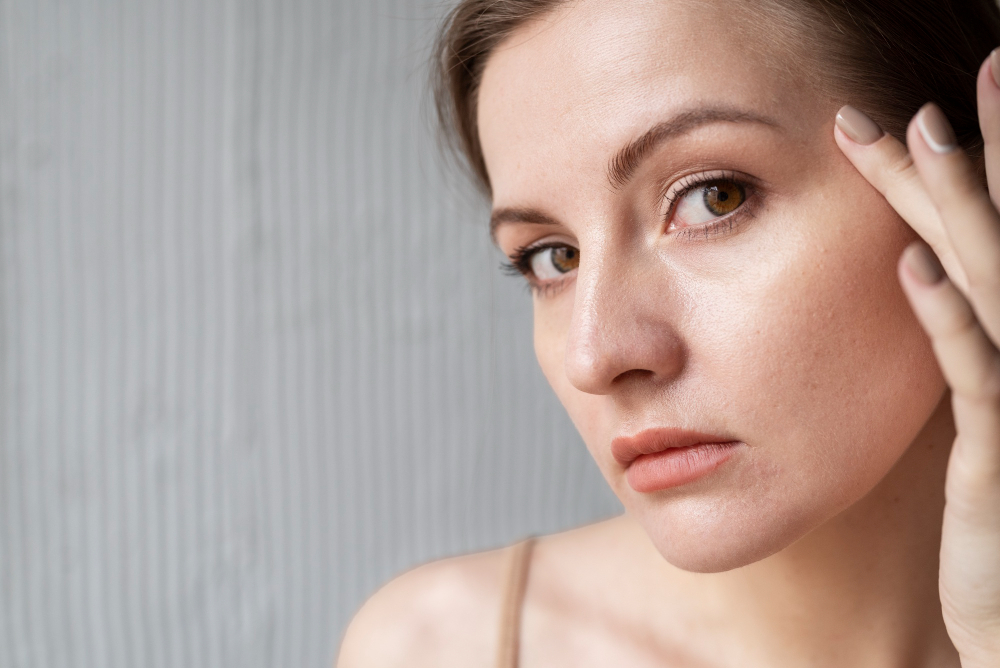
Ayurvedic View of Dry Itchy and Flaky Skin, Causes and Care

  In Ayurveda, dryness, itching, and flaking of the skin are not treated as random problems but as clear signals of an internal imbalance in the body. The way Ayurveda reads these symptoms is quite different from the usual cosmetic cream approach you see today.   Instead of just layering moisturizers, Ayurveda digs into your digestion, doshas, lifestyle, and even your emotional state to understand why the skin has become dry, itchy, or flaky in the first place.     How Ayurveda sees the skin     The skin is called Twak Dhatu and is deeply connected to the Rasa Dhatu, which is the first tissue formed after digestion. In simple terms, the quality of your blood and fluids directly reflects on the quality of your skin.   If the Rasa Dhatu is well nourished and clean, the skin stays soft, smooth, and hydrated. If the nutrition is poor, or if there is congestion and toxins in the channels that carry this nutrition, the skin becomes dry, rough, and prone to itching and flaking.   Ayurveda also explains that the skin is one of the main seats of Vata dosha, which means any imbalance in Vata will show up clearly on the skin in the form of dryness, tightness, and rough texture.     Why the skin feels dry     From an Ayurvedic angle, dry skin is usually linked to excess Vata. Vata is the dosha of air and ether, and its qualities are dry, cold, light, rough, and mobile. When Vata becomes aggravated, these qualities spread through the body, depleting moisture from the skin and tissues.   Common triggers Ayurveda points to include:   Very dry or cold weather Too many dry, light, raw, or cold foods Excessive travel, overwork, stress, or lack of rest Poor digestion leading to weak Agni and formation of ama   All of these either increase Vata or reduce the body’s capacity to nourish the skin, so the skin feels tight, rough, and lacks its natural glow.   In some cases, dryness may also be linked to low kapha. Kapha represents structure, lubrication, and moisture in the body. When this supportive fluid layer is depleted, the skin loses its softness and resilience.     What Ayurveda says about itching     In Ayurveda, itching is called Kandu and is usually a message from a deeper imbalance rather than a problem isolated to the surface of the skin. Itching can be classified based on the dosha involved: Vata type itching: This type comes with dry, rough skin, sometimes with flaking or fine cracks. The itch is often sharp, prickly, or moving, and may worsen when the skin is very dry or cold. It is closely linked to poor nutrition, dehydration, tiredness, and nervous stress. Kapha type itching: Here the skin may feel heavy, slightly swollen, or damp. You might notice more oozing, crusting, or thick scaling in addition to itching. This kind of itching is often tied to sluggish digestion, excess mucus, and weight gain. Pitta type itching: The skin feels warm, red, or burning, and the itching can be intense, sometimes with burning or stinging. This pattern is common in inflammatory or allergic skin reactions, or when the body is running hot due to heat, spicy food, or emotional anger and stress.   Very often, two or all three doshas can combine, so someone may have dryness, burning, or oozing all at once. This is why a one cream fits all solution rarely works in the long term.     Why the skin starts flaking and peeling   Flaking and peeling are the body’s attempt to shed excess dry, dead cells, especially when the skin is not being properly nourished from within. Ayurveda explains this as:   Twakgata Vata – Vata that has become localized in the skin, causing dryness, roughness, and cracking. Depletion of Rasa Dhatu – when the fluid and plasma layer is thin, the skin loses its suppleness and starts to scale. Blockage of channels – when the channels that carry nutrition and fluids are congested with ama, the skin does not receive proper fuel and begins to dry out and flake.   Conditions like ichthyosis, severe eczema, or chronic dry skin are often described in Ayurveda as forms of Vata predominant Kushta, where dryness, flaking, and tightness are prominent features.     Root causes that Ayurveda looks for     Rather than focusing only on the visible symptoms, Ayurveda asks questions like:   Is the digestion weak, with bloating, gas, or irregular bowel movements Is the person eating too many drying foods (lots of raw salads, dry fruits without balance, caffeine, cold drinks) Is there a lot of stress, fear, or sleeplessness keeping vata high Are there systemic conditions such as diabetes, thyroid issues, or anemia that can mirror as dry, itchy skin   In Ayurvedic terms, the key factors are:   Agnimandhya – weak digestive fire Ama – accumulation of toxins Sroto dushti – blockage of channels Vega dharana – suppressing natural urges like urination, defecation, or sweating   All of these can disturb the internal environment and show up on the skin as dryness, itching, or flaking.     How Ayurveda guides treatment     Ayurvedic treatment for dryness, itching, and flaking is usually stepwise and individualized. A basic outline that you can simplify for readers:   Balance the dosha For vata dominant dry, itchy, flaky skin: use warm, nourishing, moistening approaches. For pitta dominant burning, itchy skin: cool, soothing, anti inflammatory methods are chosen. For kapha dominant damp, heavy, crusted itching: light, drying, and detoxifying measures are preferred.   Support digestion and reduce ama Simple tips for patients: Eat warm, cooked, easily digestible foods. Avoid heavy, fried, or excessively sweet and sour foods if itching is pronounced. Encourage small, regular meals and mindful eating.   When ama is stubborn and itching is chronic, an Ayurvedic practitioner may consider Panchakarma procedures like Vamana or Virechana, depending on the patient’s constitution and disease pattern.   Hydrate from… Continue reading Ayurvedic View of Dry Itchy and Flaky Skin, Causes and Care
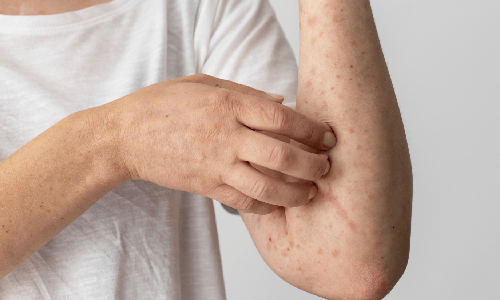
Contact Dermatitis Treatment in Ayurveda

Though not transmittable, contact dermatitis is a skin condition that causes great deal of pain and discomfort. If left untreated for an extended period, it has the potential to result in lasting scars and harm to the skin. To address the issue, one must select an effective treatment rooted in Ayurvedic traditions.    What is contact dermatitis?   Contact dermatitis is a common skin condition that affects millions worldwide. It happens when your skin is exposed to something that it reacts negatively to. This may be a substance that triggers an allergic reaction or discomfort. It can manifest as redness, itching, swelling, and sometimes even blistering, often resulting from direct contact with certain substances.    Types  of  Contact  Dermatitis   It is a type of skin inflammation caused by direct contact with irritants or allergens, and it has two main types: Irritant contact dermatitis: This occurs when the skin comes into contact with a substance that damages or irritates it. For instance, common culprits include detergents, soaps, acids, and solvents. Allergic contact dermatitis: This occurs when the skin has an allergic reaction to a specific substance, such as certain metals (e.g., nickel), cosmetics, plants (e.g., poison ivy), or medications. According to the American Academy of Dermatology, irritant contact dermatitis accounts for up to 80% of cases, while allergic contact dermatitis accounts for the remaining 20%. Its symptoms can vary in intensity; moreover, they may include redness, itching, swelling, dryness, and even blistering.  Managing this skin disease effectively requires identifying and avoiding triggers while soothing the irritated skin.   Ayurvedic Perspective on Contact Dermatitis   Ayurveda views skin diseases like contact dermatitis as a manifestation of imbalances within the body, particularly involving the Doshas – Vata, Pitta and Kapha. According to Ayurvedic principles, an imbalance in these Doshas can disrupt the body’s natural harmony and lead to various health issues, including skin conditions. Vata: When Vata Dosha is aggravated, it can cause dryness, roughness, and itching of the skin, making it more susceptible to irritants. Pitta: Aggravated Pitta Dosha can result in inflammation, heat, and sensitivity, exacerbating symptoms like redness and swelling in contact dermatitis. Kapha: Imbalances in Kapha Dosha may lead to excessive oiliness and skin congestion, worsening symptoms such as itching and irritation. According to Ayurveda, it is also known as Udarda, can result from exposure to potent chemicals, soaps, cleaning agents, or prolonged water exposure.    Ayurvedic Treatments for Contact Dermatitis   Ayurvedic treatment for contact dermatitis aims to rebalance the Doshas, cleanse the body of toxins, and promote skin healing. Here are some Ayurvedic remedies and practices that may help alleviate symptoms and prevent recurrences:   Dietary Adjustments Ayurveda emphasizes the importance of a balanced diet to maintain overall health and well-being. Individuals with contact dermatitis may benefit from consuming cooling and soothing foods to pacify aggravated Pitta Dosha. This includes fresh fruits, vegetables, whole grains, and herbal teas. Avoiding spicy, oily, and processed foods can also help prevent further irritation.   Herbal Remedies Ayurvedic herbs possess potent anti-inflammatory, antipruritic, and skin-soothing properties that can aid in managing  it.  Some commonly used herbs, for example, include neem, turmeric, aloe vera, and licorice.  These herbs can be applied topically as creams, ointments, or poultices to reduce inflammation and promote healing.   Abhyanga (Ayurvedic Massage) Regular self-massage, known as Abhyanga can help nourish and moisturize the skin while calming the nervous system. Massaging the affected areas with gentle, circular motions can improve circulation, reduce itching, and promote the elimination of toxins from the body.   Lifestyle Modifications Healthy lifestyle habits can be crucial in managing contact dermatitis. Avoiding exposure to known irritants and allergens, wearing protective clothing, practising good hygiene, and managing stress through yoga and meditation can help prevent flare-ups and promote skin healing.   Ayurvedic Formulations Ayurvedic practitioners may prescribe specific formulations tailored to an individual’s unique constitution and imbalances. These formulations, contain herbs, minerals, and natural ingredients to address the underlying causes; in addition, they aim to restore skin health.   Utilizing home remedies  Home remedies are crucial in managing and addressing contact dermatitis. Home remedies involve using readily available items like plants and food for treatment. These can be beneficial, cost-effective choices that are free from chemicals. Many DIY remedies can improve the skin and prevent it from drying, benefiting those with contact dermatitis. There are specific items in your household that can provide a cooling sensation to your skin and alleviate discomfort from sore or swollen skin. The symptoms can be effectively managed using Ayurvedic treatments and natural home remedies. Ayurveda effectively controls its symptoms and, in addition, educates individuals on how to prevent its recurrence and promote skin well-being.   Final takeaway   Contact dermatitis, a troublesome skin condition, can find relief and healing through Ayurvedic treatment.  Individuals can manage symptoms effectively and prevent recurrences by addressing imbalances in the Doshas, detoxifying the body and adopting natural remedies and lifestyle practices. However, consulting a qualified Ayurvedic practitioner for personalized guidance and treatment recommendations tailored to your specific needs is essential. With dedication and patience, you can restore balance to your skin and experience lasting relief from contact dermatitis.   If you are struggling with any health issues, you can either book a consultation with us or send us a message via WhatsApp to +91 79074 89839. We have the best Ayurvedic doctors in Trivandrum who are always glad to help you. If you have any queries, contact us.  You can also visit us at our hospital.